 Complete Gardening
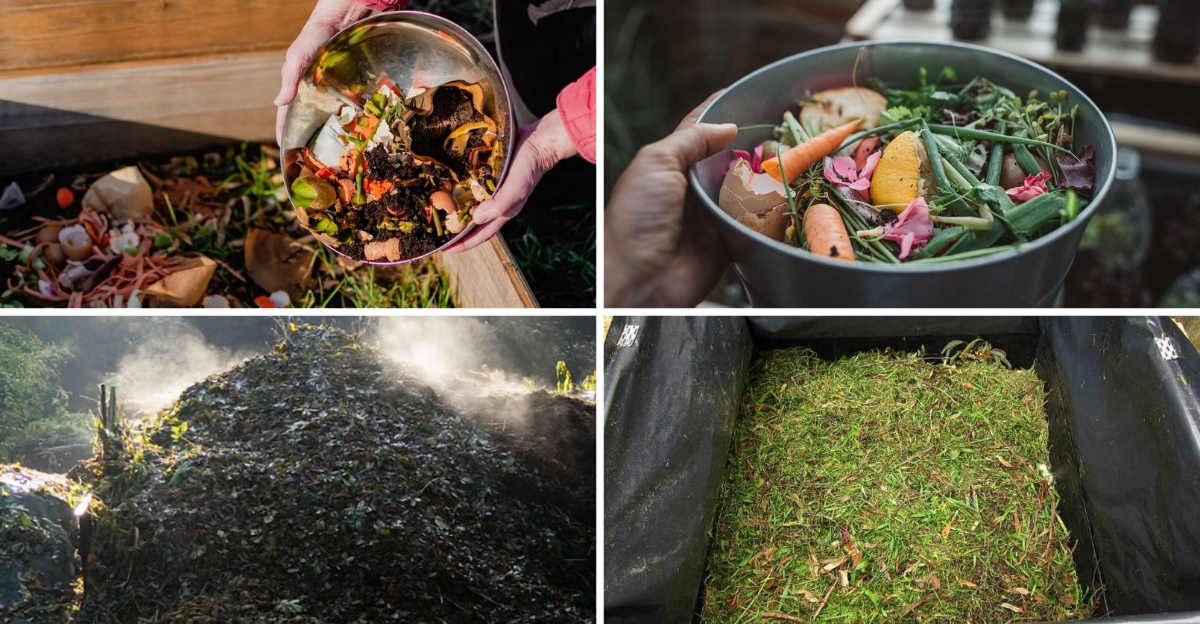
Composting transforms kitchen scraps and yard waste into nutrient-rich soil for your garden. Many beginners make simple mistakes that can slow down the process or create unpleasant odors. Knowing what to avoid can make your composting journey successful from the start, saving you time and frustration while helping the environment.
1. Forgetting to Balance Green and Brown Materials
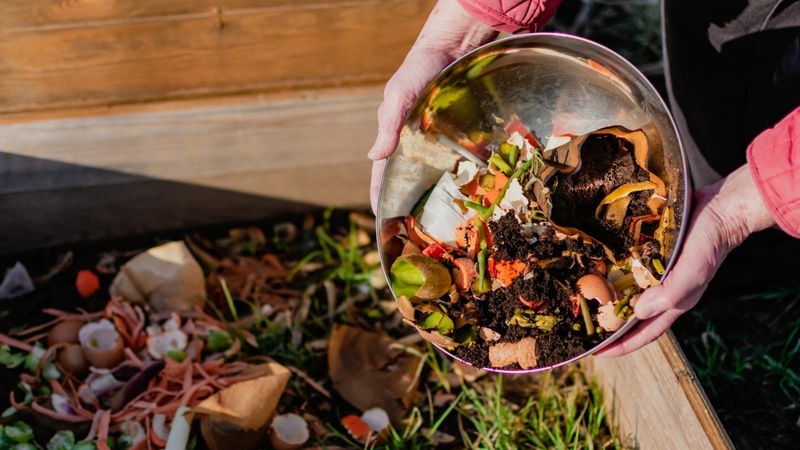
Your compost needs a proper mix of nitrogen-rich ‘greens’ (vegetable scraps, coffee grounds) and carbon-rich ‘browns’ (dead leaves, newspaper). Without this balance, decomposition slows down dramatically.
Aim for roughly three parts browns to one part greens. If your pile smells like ammonia, add more browns. If nothing seems to be happening, add more greens. This simple ratio makes all the difference between stinky sludge and beautiful compost.
2. Adding Meat, Dairy or Oily Foods
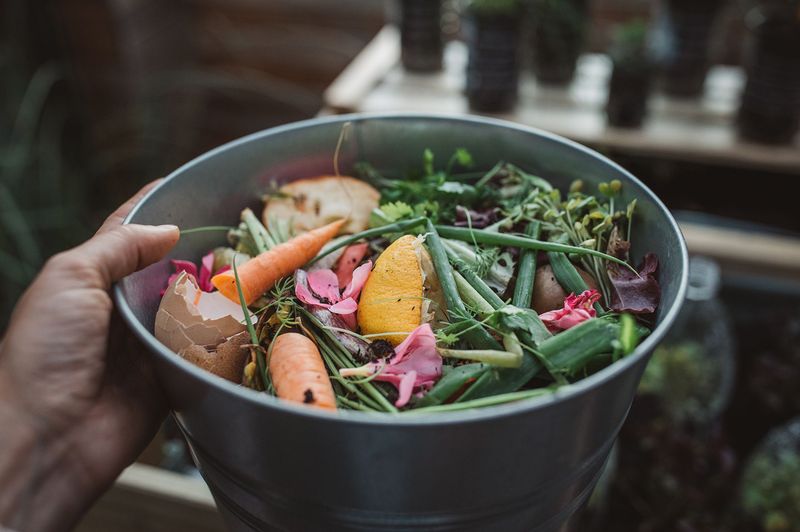
Tossing leftover chicken or cheese into your compost creates serious problems. These items break down slowly, attract pests like rats and raccoons, and produce terrible smells that might upset your neighbors.
Stick to plant-based materials for your home compost. Animal products need special composting methods with higher temperatures to break down safely. Keep your compost vegetarian, and you’ll avoid unwanted wildlife visitors and complaints.
3. Making Your Pile Too Small
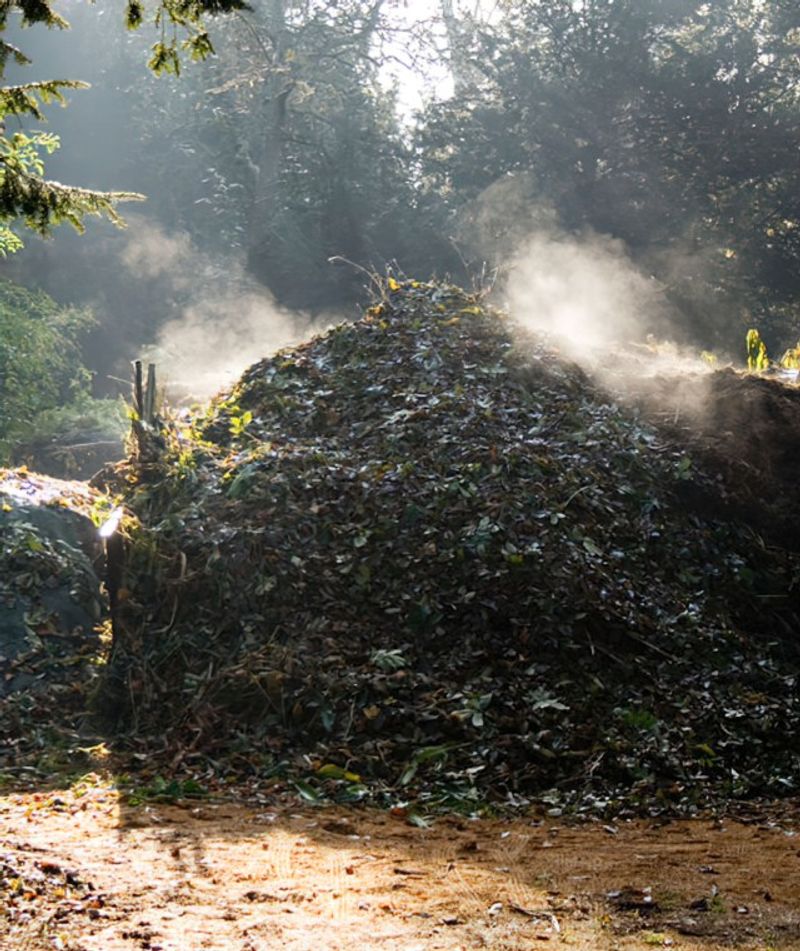
A tiny compost heap can’t generate enough heat to break down materials efficiently. Heat is crucial for killing weed seeds and speeding up decomposition.
Your pile should be at least 3 feet wide, 3 feet long, and 3 feet tall. This size creates enough mass to trap heat and maintain the perfect temperature for beneficial microorganisms to thrive. Smaller piles still work but take much longer to produce usable compost.
4. Neglecting to Turn the Pile
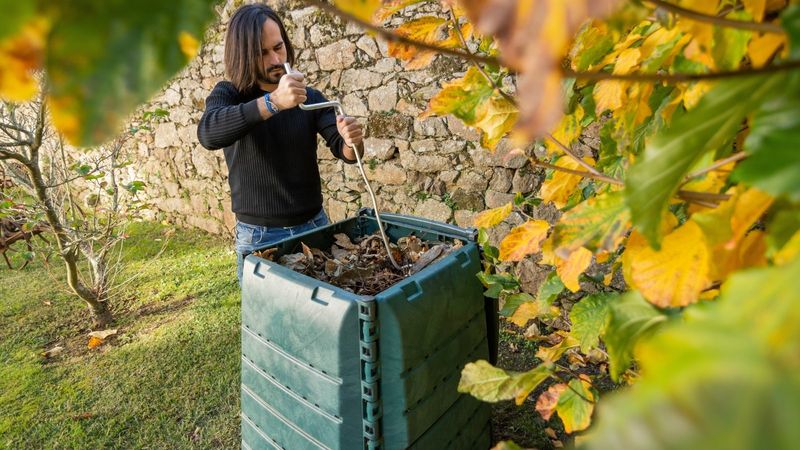
Many gardeners set up their compost and forget about it. Without turning, oxygen can’t reach the center, creating smelly anaerobic conditions where decomposition crawls to a halt.
Use a pitchfork to turn your pile every 1-2 weeks. This mixes materials, adds air, and speeds up the process dramatically. The center materials should move to the outside, and outer materials should go to the center. Your nose will thank you!
5. Letting the Pile Dry Out
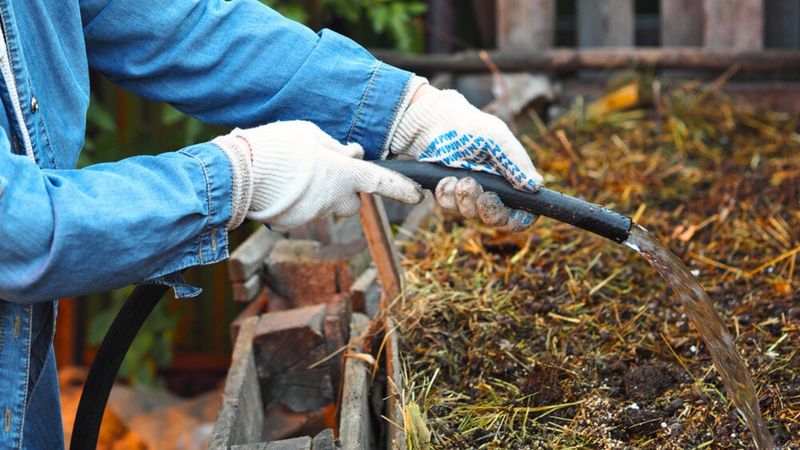
A dry compost pile becomes dormant. Microorganisms need moisture to break down materials, just like plants need water to grow.
Your compost should feel like a wrung-out sponge – damp but not soggy. During dry spells, water your pile when turning it. In rainy seasons, cover it with a tarp to prevent waterlogging. Finding this moisture balance keeps decomposition moving along at the perfect pace.
6. Adding Diseased Plants
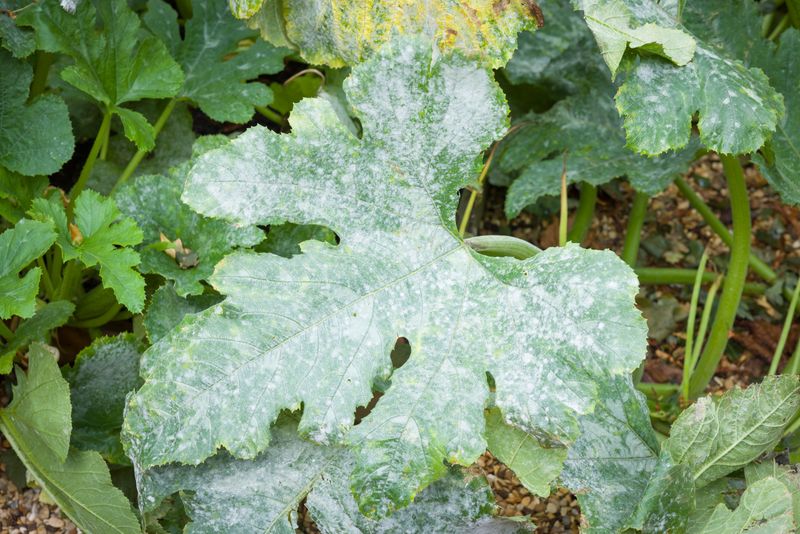
Tossing in plants with fungal or bacterial problems seems convenient but creates future headaches. Home compost piles rarely reach temperatures high enough to kill these pathogens.
When these diseases survive in your compost, they’ll spread to healthy plants next season. Instead, bag diseased plants and dispose of them in municipal waste. Commercial composting facilities reach higher temperatures that can safely process these materials.
7. Using Too Many Grass Clippings
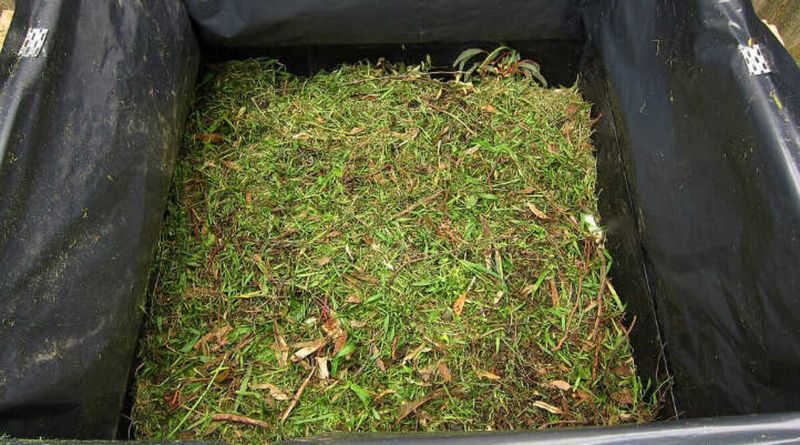
Fresh grass clippings seem perfect for compost, but dumping in too many creates a slimy, smelly mess. They’re very high in nitrogen and moisture, quickly becoming compact and airless.
Spread grass clippings in thin layers, mixing thoroughly with brown materials. Better yet, leave them on your lawn as natural fertilizer! If you must compost them, dry them in the sun first to reduce moisture content and prevent matting.
8. Composting Invasive Weeds
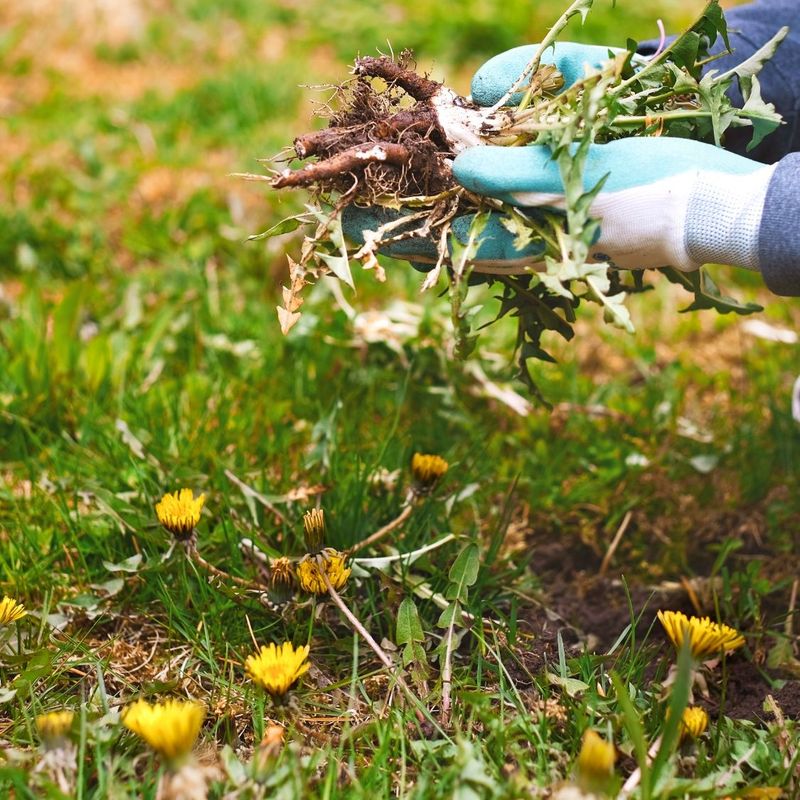
Seeds from weeds like dandelions and bindweed survive in most home compost piles. When you spread this compost, you’re actually planting weeds throughout your garden!
Pull weeds before they form seeds. For persistent invaders like ivy or morning glory, leave them to dry completely in the sun first. Some tough weeds should never go in home compost. Municipal composting facilities reach temperatures that kill even the toughest seeds.
9. Placing Your Compost Pile in the Wrong Location
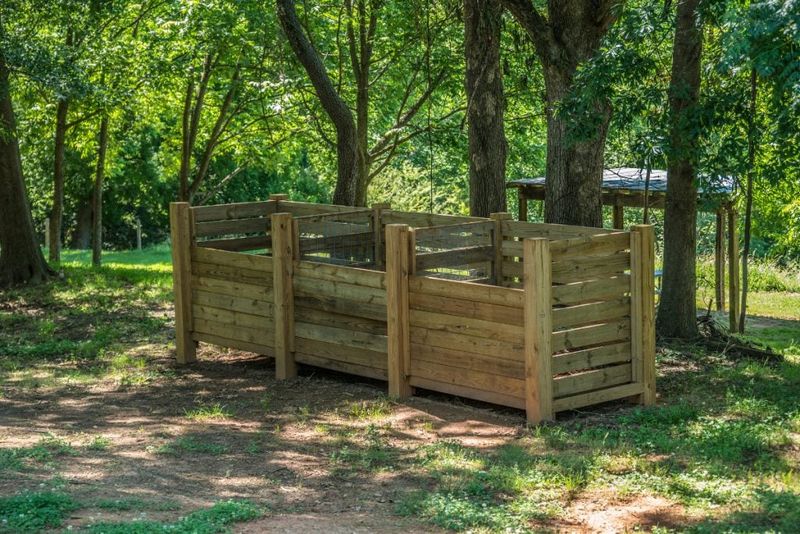
Many gardeners tuck compost in far corners where it’s forgotten. Others place it too close to homes or neighbors, creating potential conflicts.
Choose a spot with partial shade to prevent drying out. Ensure easy access to water and your garden. Keep it at least 10 feet from buildings to avoid attracting pests. The perfect location balances convenience with practicality, making you more likely to maintain it properly.
10. Ignoring Compost Particle Size
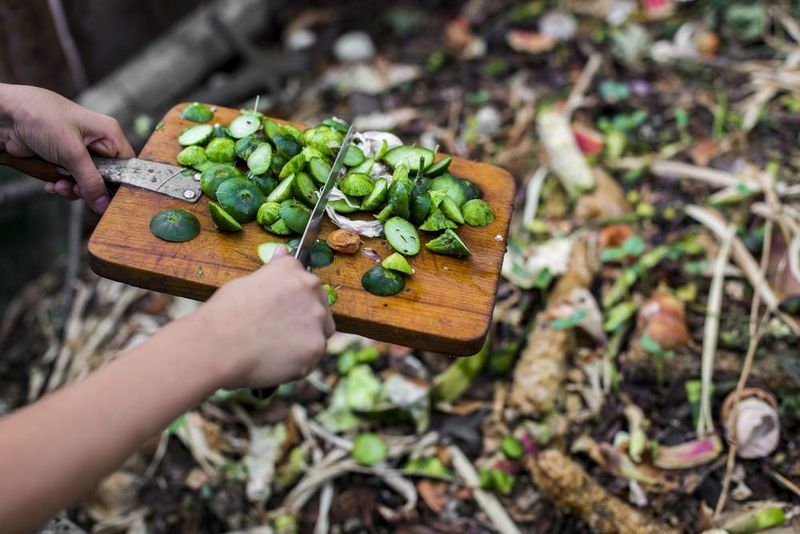
Large chunks break down extremely slowly. Whole branches, unshredded cardboard, or entire cabbage heads can take years to decompose in home compost systems.
Chop materials into pieces no larger than 1-2 inches. Smaller pieces create more surface area for microbes to work on. Run sticks through a chipper or break them by hand. Tear cardboard into small strips. This simple step can turn months of waiting into weeks.
11. Adding Synthetic Materials
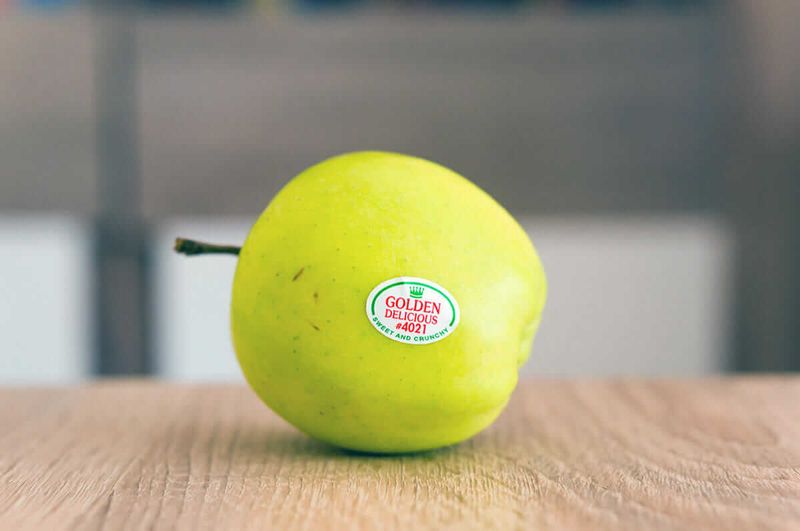
Plastic produce stickers, twist ties, and “biodegradable” plastics don’t belong in compost. These materials either never break down or leave harmful microplastics behind.
Check kitchen scraps carefully for stickers and packaging bits. Many “compostable” products only break down in industrial facilities, not backyard piles. When in doubt, remember this rule: if it grew from the earth naturally, it can return to the earth through composting.
12. Composting Pet Waste
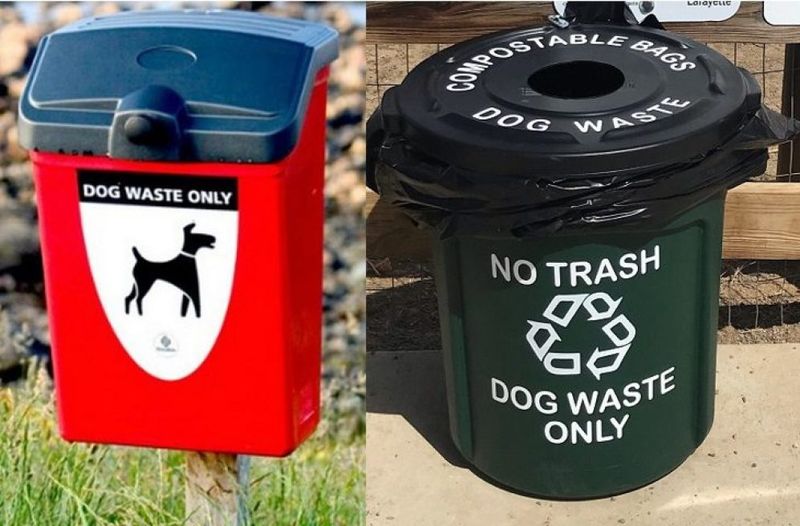
Dog and cat waste contains harmful pathogens that regular compost can’t safely process. These can contaminate your garden soil and potentially make people sick.
Never add pet waste from meat-eating animals to compost used on food gardens. If you want to compost pet waste, create a separate system specifically designed for this purpose. There are special composting systems just for pet waste that reach higher temperatures.
13. Forgetting to Cover Food Scraps
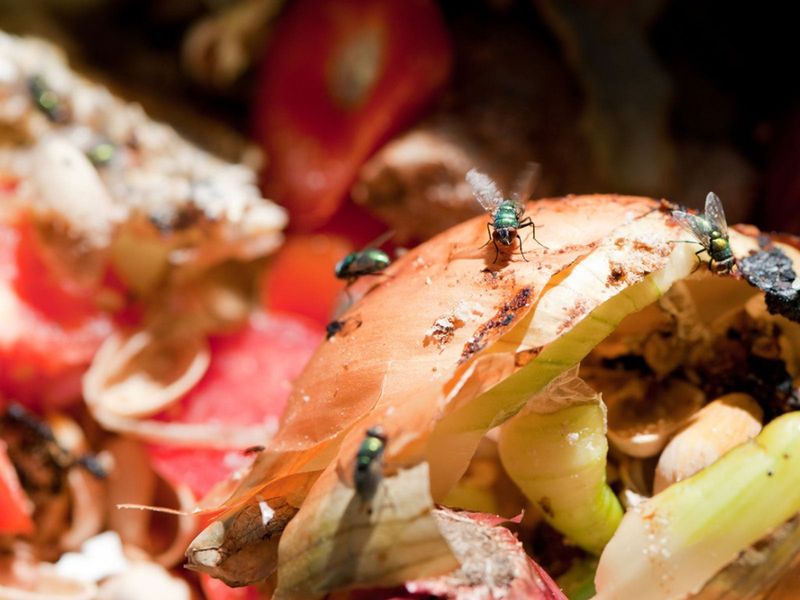
Exposed kitchen scraps attract flies, rodents, and other unwanted visitors. They can also create odors that bother neighbors.
Always bury fresh food waste under a layer of browns like leaves or shredded paper. This simple habit prevents pest problems while creating ideal decomposition conditions. For urban composting, consider a closed bin system with tight-fitting lids that keeps critters out while letting beneficial organisms in.
14. Using Treated Wood or Ashes
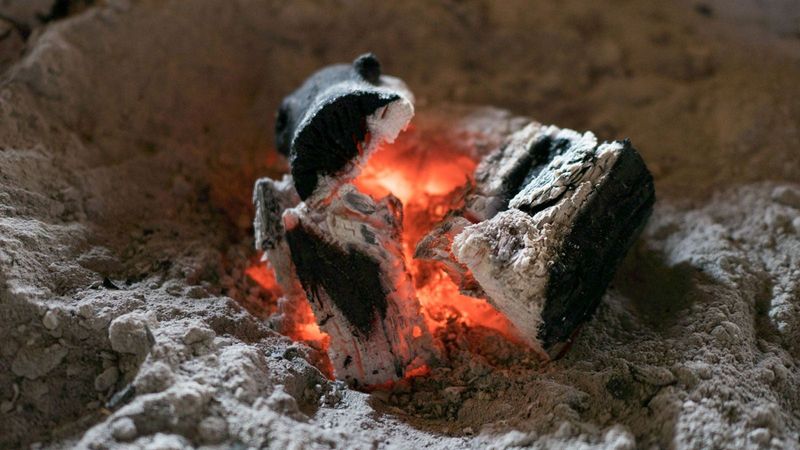
Pressure-treated lumber contains chemicals that prevent rot – exactly what you don’t want in compost. Similarly, ashes from charcoal grills often contain additives harmful to plants.
Wood ashes from untreated firewood are fine in small amounts, but they make compost alkaline. Many plants prefer slightly acidic soil. Avoid any wood that’s been painted, stained, or pressure-treated. These materials can introduce toxins that defeat the purpose of organic composting.
15. Being Impatient with the Process
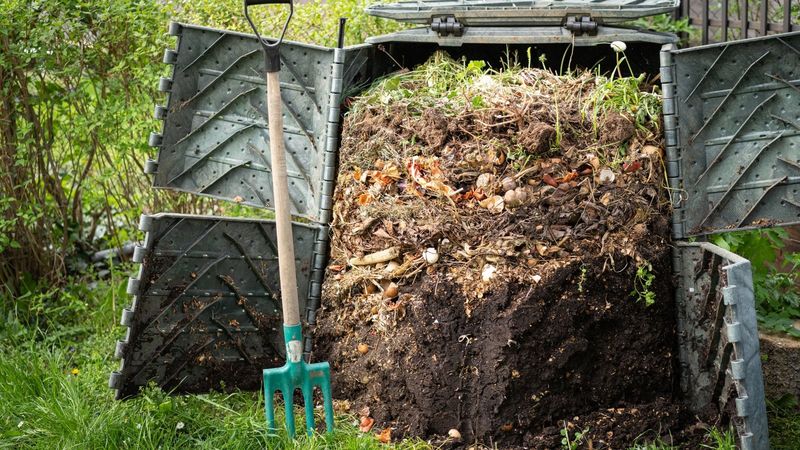
Expecting finished compost too quickly leads to disappointment. Nature has its own timeline for breaking down materials into rich soil.
Depending on conditions and management, compost typically takes 3-12 months to finish. Hot, well-managed piles finish faster than cold, neglected ones. Instead of rushing, enjoy watching the transformation process. The wait makes the final product – that dark, crumbly, earthy-smelling compost – even more rewarding.