 Complete Gardening
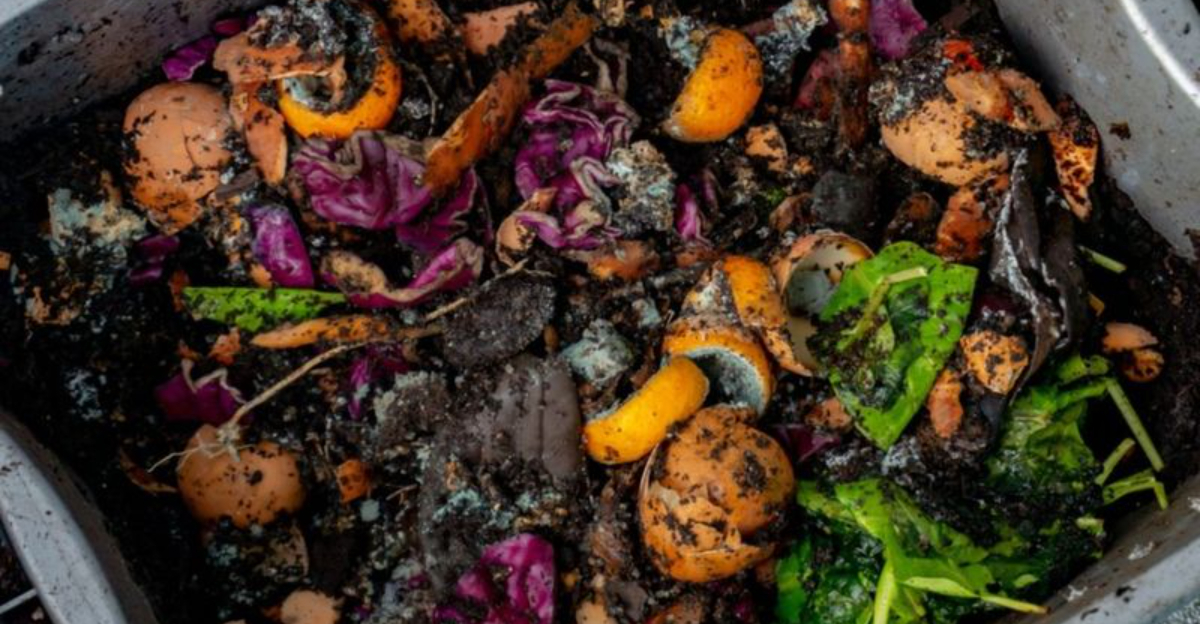
Composting is a transformative process that turns everyday waste into a garden’s best friend.
By understanding the secrets behind effective composting, gardeners can create rich, fertile soil that nourishes plants naturally.
Whether you’re a seasoned gardener or a novice, these 15 composting tips will enhance your gardening journey.
1. Start with the Right Balance of Greens and Browns
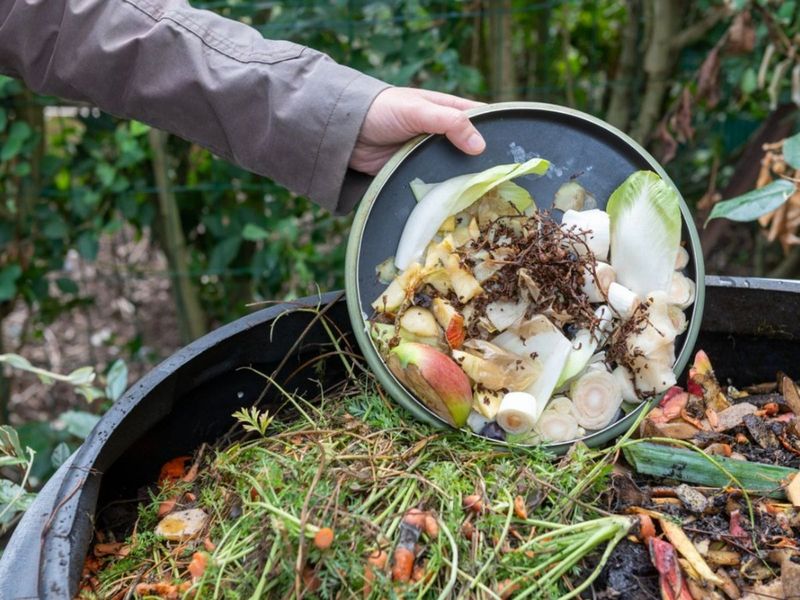
Balancing greens and browns is crucial for a thriving compost pile. Greens, such as kitchen scraps and fresh grass, are rich in nitrogen, while browns, like dried leaves and straw, provide carbon.
Aim for a 2:1 ratio of browns to greens to ensure a healthy decomposition process. By maintaining this balance, you create an ideal environment for microbes to break down materials efficiently.
Too many greens can lead to a smelly, anaerobic mess, while excessive browns slow down the process. Adjust as needed to keep your compost pile active and thriving.
2. Chop It Small
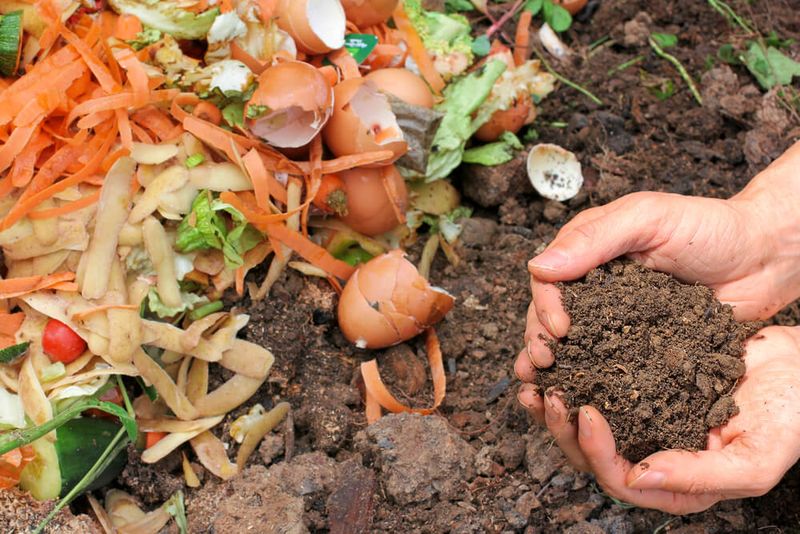
Want your compost to work faster? Chop your materials into smaller pieces. When you break down vegetable scraps or branches into tiny bits, it speeds up decomposition, allowing microbes to work more effectively.
This method ensures a more even compost pile, with materials breaking down at similar rates. Plus, it prevents larger chunks from creating heavy layers that hinder airflow.
Keep a kitchen cutting board handy to make chopping quick and easy. You’ll be amazed at how this simple step accelerates your composting process!
3. Keep It Moist, Not Wet
Moisture is key to active composting. Your pile should feel like a wrung-out sponge—moist but not soggy. If it’s too dry, decomposition slows; too wet, and you risk a smelly, anaerobic environment.
Check your compost regularly, especially in dry climates or during hot weather. Sprinkle water lightly if needed, but avoid overdoing it. Turn the pile to distribute moisture evenly, ensuring all materials are adequately hydrated.
Mastering this balance makes for healthy compost that breaks down efficiently, turning your waste into garden gold.
4. Turn the Pile Regularly
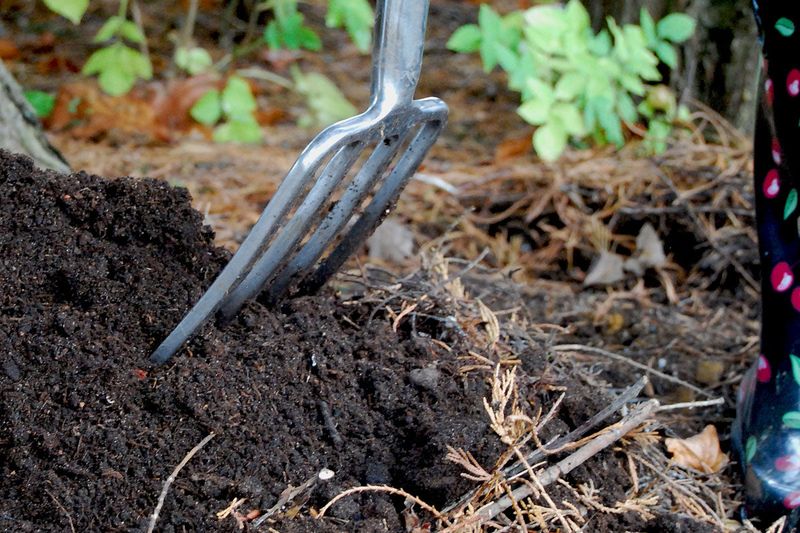
Turning your compost pile is essential for introducing oxygen, a vital component for breaking down organic materials. Regular turning helps oxygen reach the microbes, speeding up decomposition and preventing foul odors.
Use a pitchfork or shovel to aerate your pile at least once a week. Not only will this action enhance the breakdown process, but it also prevents compaction, which can stifle airflow.
By keeping your compost dynamic, you’ll create a rich, nutrient-dense material ready to boost your garden’s health.
5. Layer Like a Lasagna
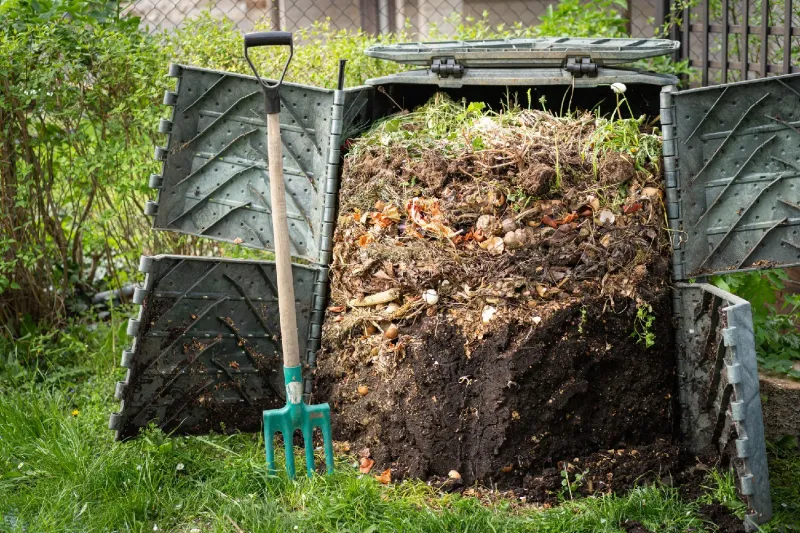
Think of your compost pile as a layered lasagna, each strata serving a purpose. Start with a layer of browns, followed by greens, then more browns. This alternating pattern helps maintain the proper balance and airflow.
Layering prevents compaction and encourages even decomposition. It also aids in moisture retention, preventing the pile from becoming too dry or soggy.
Regularly adding layers keeps your compost vibrant and active, leading to a well-balanced, nutrient-rich outcome. Your garden will thank you for the extra effort!
6. Avoid Compost No-Nos
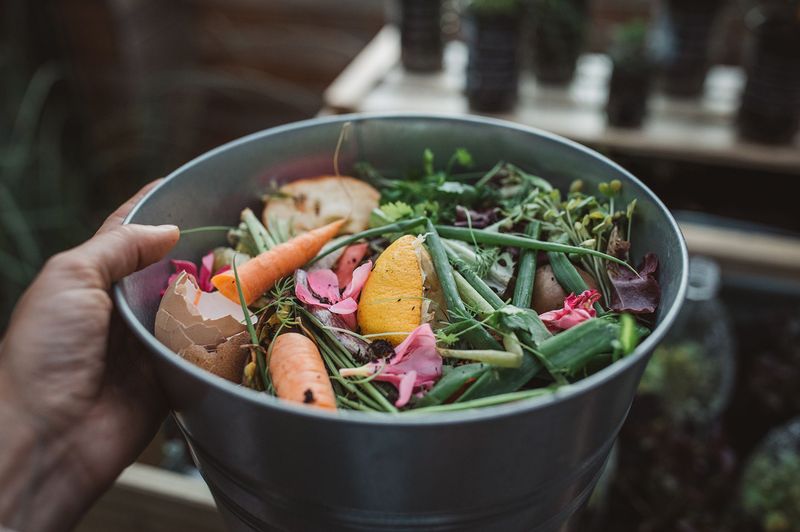
Every gardener should know what not to compost. Items like meat, dairy, oily foods, pet waste, and diseased plants can attract pests or spread pathogens. Avoiding these materials ensures your compost remains a safe and productive resource for your garden.
When in doubt, stick to plant-based kitchen scraps, yard waste, and organic materials. By being mindful of what goes into your compost, you’ll create a cleaner, more efficient ecosystem that benefits your plants and the environment.
7. Use a Compost Bin or Build Your Own
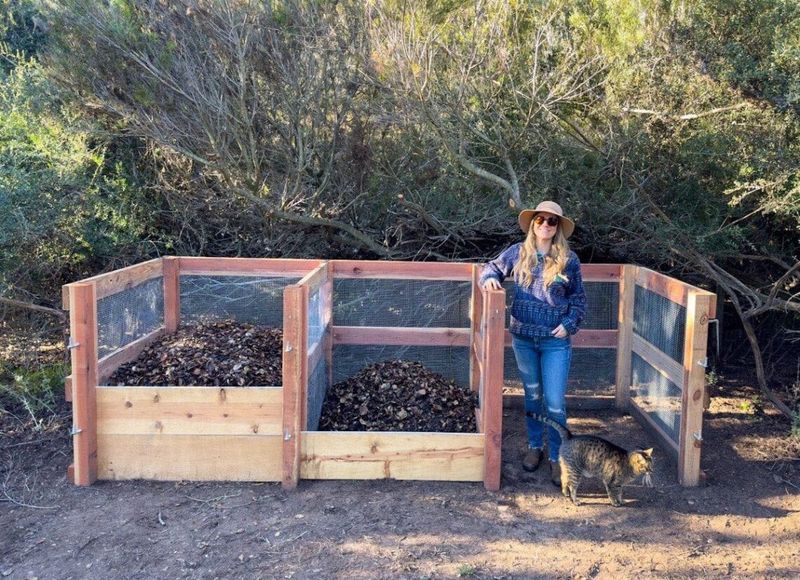
Containing your compost in a bin offers numerous advantages. It helps manage space, retain heat, and keep pests out, making the process more efficient. You can purchase a ready-made bin or build your own using wood pallets or wire.
Consider your available space and needs when selecting a design. A contained system also speeds up decomposition by maintaining a warm, humid environment. Whether you go for a commercial bin or a DIY project, the containment will maximize your composting success.
8. Maintain a Good Size
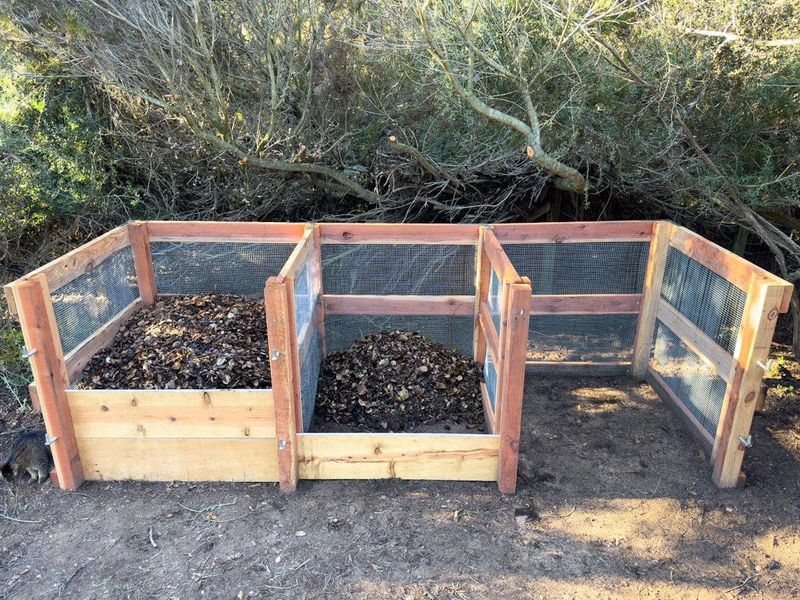
Size matters in composting, and a well-sized pile ensures effective decomposition. An ideal compost pile measures around 3x3x3 feet, providing enough mass to retain heat without being unmanageable.
Too small, and it won’t heat up properly; too large, and it’ll be difficult to maintain. This optimal size allows for excellent air circulation and moisture retention, which are crucial for breakdown.
Regularly monitor your pile to ensure it remains within these dimensions, and adjust as necessary for peak performance.
9. Monitor the Temperature
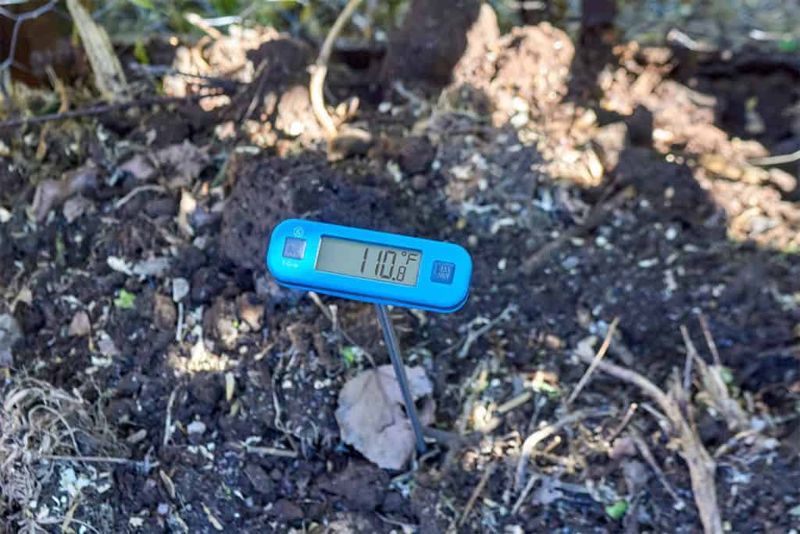
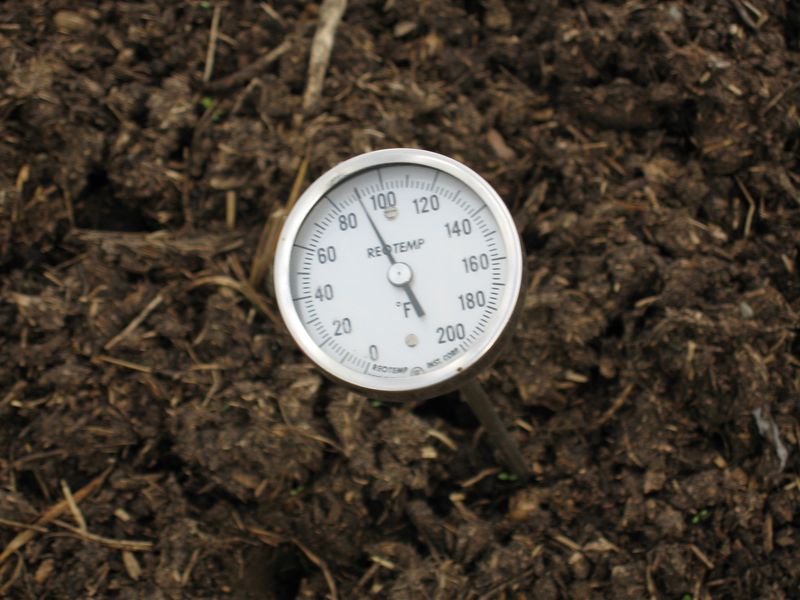
Temperature is a key indicator of composting progress. Hot composting occurs between 130-160°F, and monitoring with a compost thermometer helps track this vital parameter. When temperatures dip, it’s time to turn the pile, adding fresh materials if needed.
High temperatures signal active microbial activity, breaking down materials efficiently. Regular checks ensure your compost remains in the optimal range, speeding up the process and eliminating pathogens.
Keep an eye on the needle, and let temperature guide your composting journey.
10. Add Compost Activators (Optional)
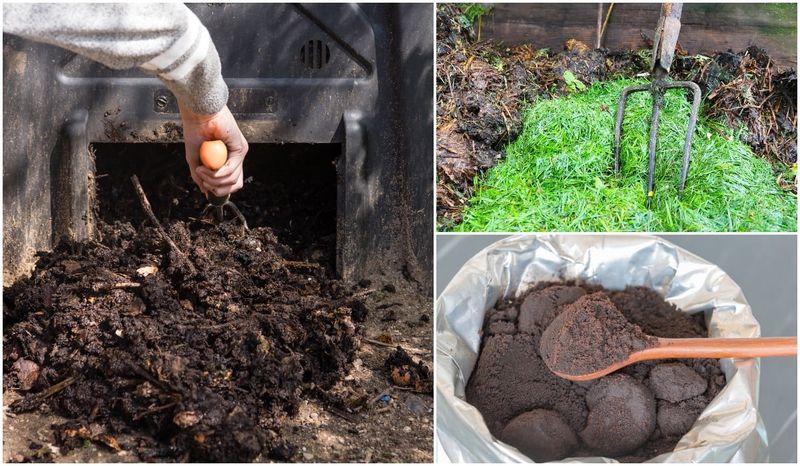
Sometimes, your compost needs a little boost. Compost activators like alfalfa meal, coffee grounds, or a shovel of finished compost can enhance microbial activity. These materials introduce additional nitrogen, encouraging faster decomposition.
While optional, they’re helpful if your pile seems lethargic or slow-moving. Mix them in to re-energize your compost, ensuring a lively, productive environment. Consider this step as a gentle nudge that keeps your compost pile thriving and efficient, ready to enrich your garden.
11. Don’t Let It Smell
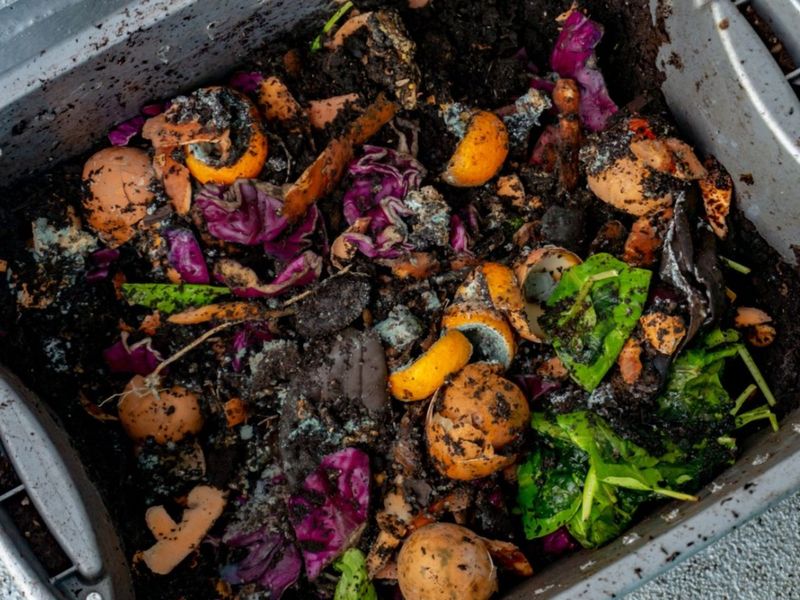
A smelly compost pile is a sign of imbalance. Typically, it’s due to too much green material or insufficient aeration. To combat odors, add more brown materials like leaves or straw, and turn the pile for better airflow.
This action helps restore the balance, eliminating unpleasant smells and creating a healthier environment for decomposition. By keeping your compost well-aerated and balanced, you’ll maintain a fresh, earthy aroma that indicates everything is breaking down as it should.
12. Use Finished Compost Wisely
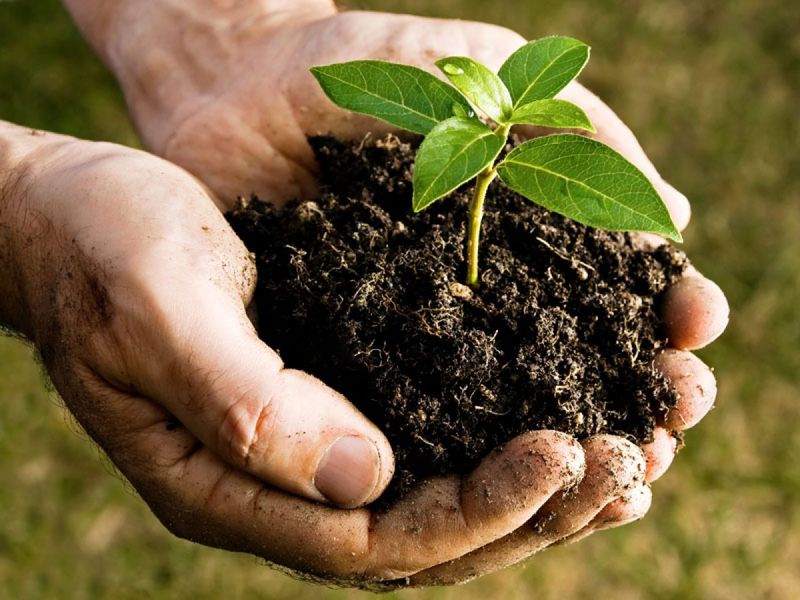
Once your compost is ready, it’s time to enrich your garden. Finished compost should be dark, crumbly, and smell earthy. Spread it over garden beds, mix it into containers, or top-dress your lawn for a nutrient boost.
This organic amendment improves soil structure, increases moisture retention, and provides a slow-release source of nutrients. By using compost wisely, you enhance your garden’s vitality and sustainability, creating a thriving, lush environment that benefits plants and the planet alike.
13. Indoor Composting Is Possible
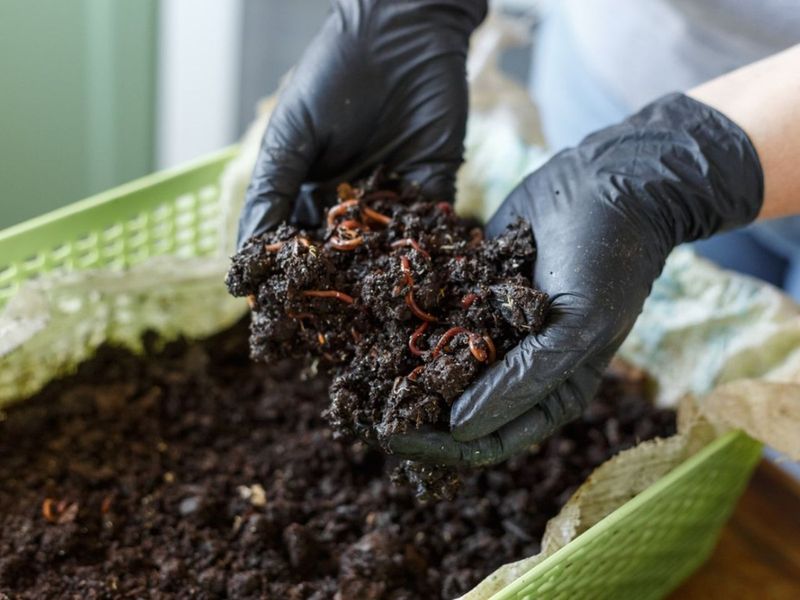
Limited outdoor space? Indoor composting is a viable option. Vermicomposting with worm bins or bokashi systems allow you to compost indoors. These methods are odorless and compact, perfect for apartment dwellers.
Worm bins use red wigglers to break down scraps, while bokashi pre-ferments waste for later composting. Both options keep kitchen waste out of landfills while producing valuable compost.
Embrace indoor composting and transform your scraps into something beneficial, no matter where you live.
14. Compost Through Winter
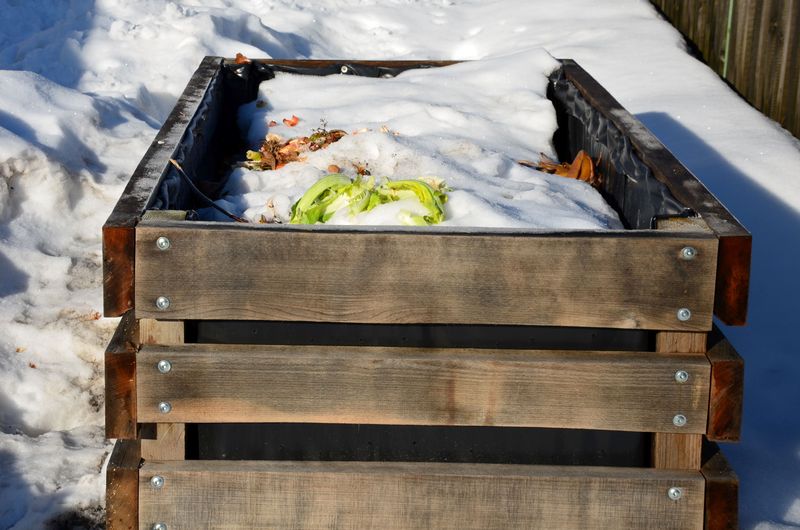
Don’t let cold weather halt your composting efforts. While winter slows the process, your pile can still handle scraps with a little care. Insulate with extra brown materials and keep feeding it.
The center of the pile stays warm, continuing to break down materials. Use a tarp to protect it from snow and rain, and turn it to maintain airflow. With patience, your compost will emerge from winter ready to kick into high gear as temperatures rise.
15. Test Your Soil with Your Compost
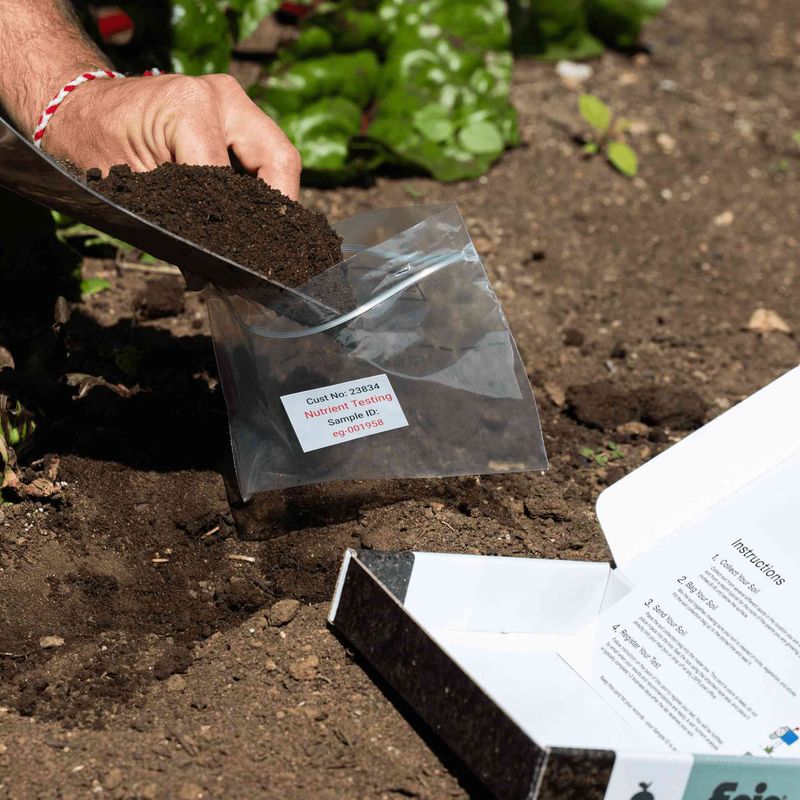
Once your compost is ready, it’s time for a soil test. Mix finished compost into garden beds and observe the results. Compost enhances soil structure, boosts nutrient content, and supports healthy plant growth.
By testing your soil with compost, you can gauge its effectiveness and adjust your gardening practices accordingly. This step not only maximizes your garden’s potential but also brings a sense of satisfaction as you witness the fruits of your composting labor flourishing around you.