 Complete Gardening
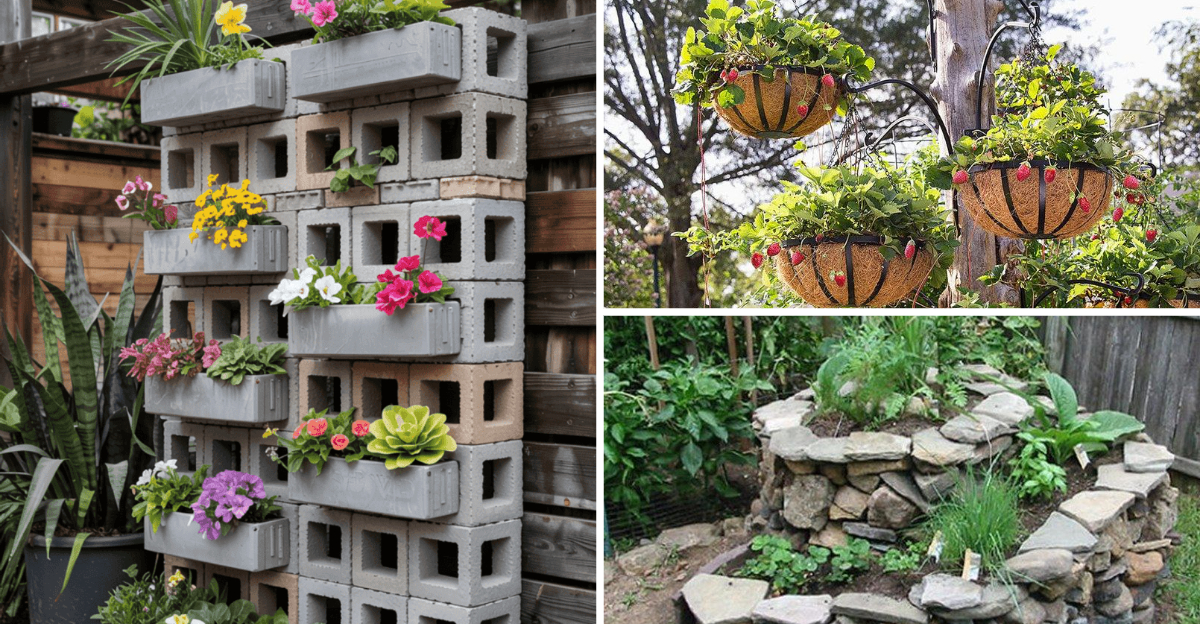
Tower gardens are a game-changer for folks with limited space who still want to grow their own food and flowers. These vertical growing systems let you plant upward instead of outward, making the most of small patios, balconies, or even indoor spaces.
Ready to get your hands dirty with a weekend project that keeps on giving? Here are 15 DIY tower garden ideas that combine creativity with practicality.
1. DIY PVC Pipe Tower Garden
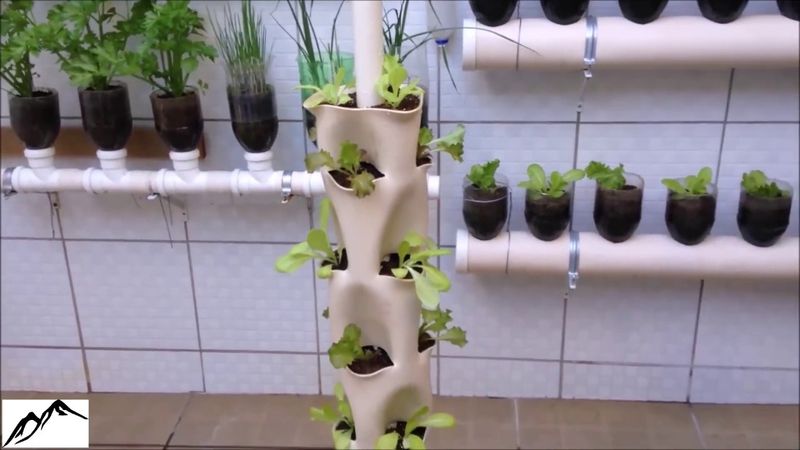
Transforming ordinary plumbing supplies into a space-saving garden is easier than you might think! Start with 4-inch PVC pipes cut to your desired height (4-6 feet works well). Drill 2-3 inch holes staggered along the sides, spacing them about 8 inches apart.
Fill the pipe with potting soil after adding a cap to the bottom with drainage holes. A central watering tube made from perforated smaller PVC ensures even moisture distribution. This system thrives with shallow-rooted plants like lettuce, spinach, and herbs.
Mount your tower against a sunny wall or create a freestanding structure using PVC joints. The clean white pipes can even become a modern garden feature!
2. Stacked Planter Pot Tower
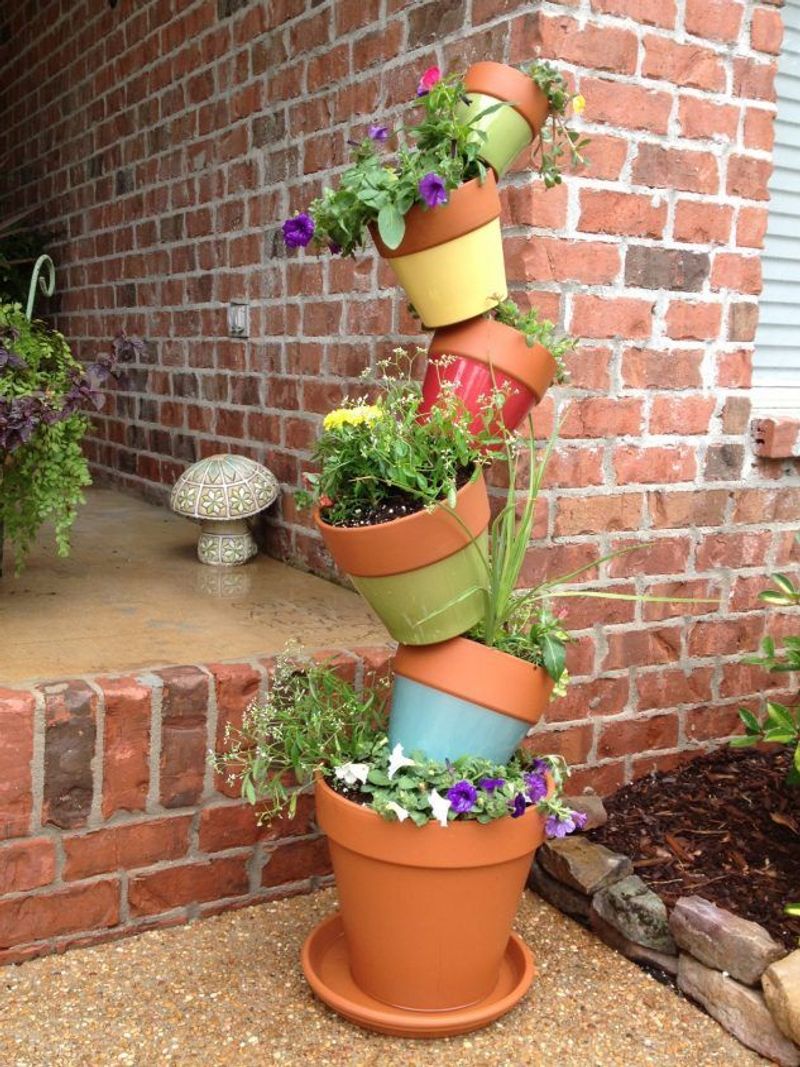
Embrace the charming tilt of gravity with this whimsical garden tower! Gather 5-7 terracotta pots in graduating sizes from large (base) to small (top). Thread a metal rod through the drainage holes to create stability and alignment.
The secret is in the stacking technique – each pot sits slightly askew on the soil surface of the larger pot below it. This creates a spiral effect while providing planting space in each container. Use lightweight potting mix and add slow-release fertilizer to keep plants happy.
Trailing plants like strawberries, ivy, or cascading petunias create a waterfall effect. For added flair, paint the pots in complementary colors or leave them natural for a rustic vibe.
3. Hanging Fabric Shoe Organizer Garden
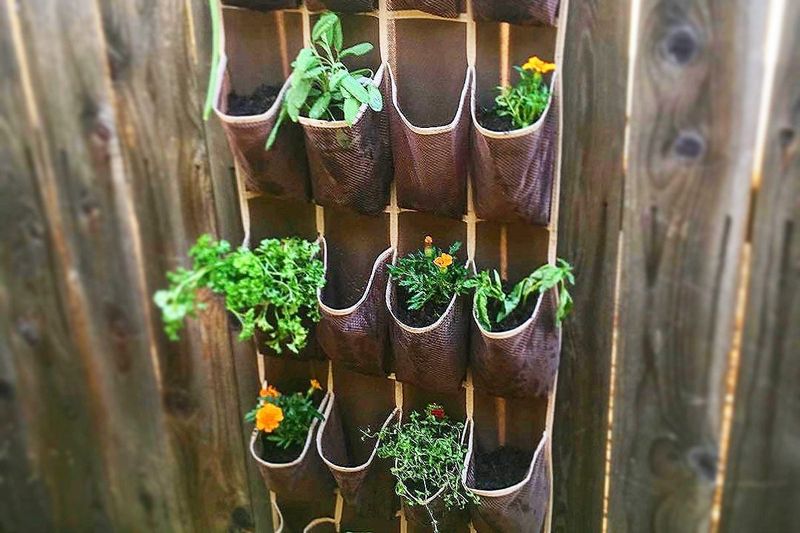
Who knew your old closet organizer could become a garden? Grab that unused fabric shoe organizer and hang it on a fence, wall, or balcony railing that gets good sunlight. Each pocket becomes its own mini garden bed!
The fabric allows for some drainage, but poke a few small holes in each pocket bottom to prevent waterlogging. The pockets work perfectly for herbs like basil, cilantro, and mint, which don’t need deep root space. Small flowering plants like pansies or strawberries also thrive in this setup.
Water carefully from the top and watch as the moisture naturally works its way down through the pockets. This vertical garden doubles as a privacy screen when hung on a balcony!
4. Cinder Block Tower
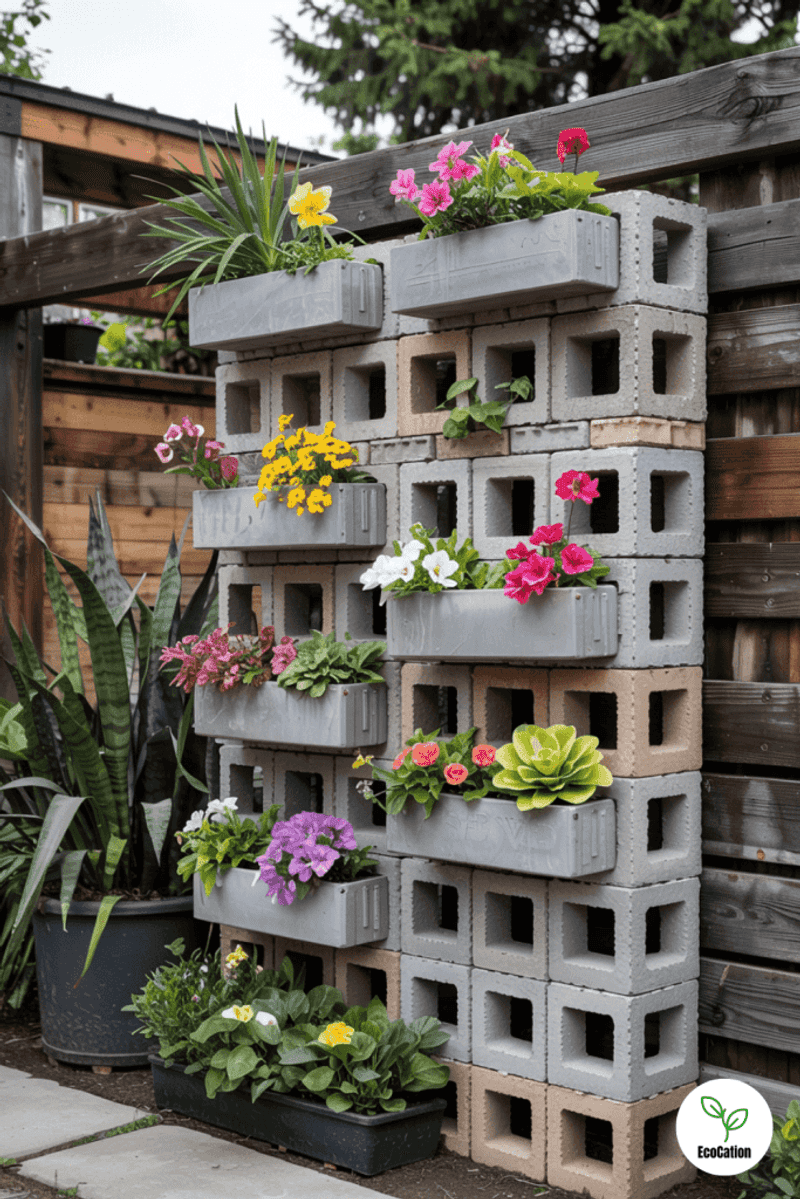
Raw industrial charm meets lush greenery in this sturdy garden tower! Begin with a level base and stack cinder blocks in a staggered pattern, rotating each layer 90 degrees to create planting holes on all sides. For stability, you can mortar the blocks together or simply rely on their weight.
The open cells become perfect planting pockets for succulents, strawberries, or colorful annuals. Line each opening with landscape fabric before adding potting soil to prevent erosion. The concrete naturally retains heat, creating a microclimate that many plants love.
Paint the blocks in bright colors for a playful look or leave them natural for an industrial aesthetic. This virtually indestructible garden tower withstands harsh weather and curious pets!
5. Spiral Herb Tower
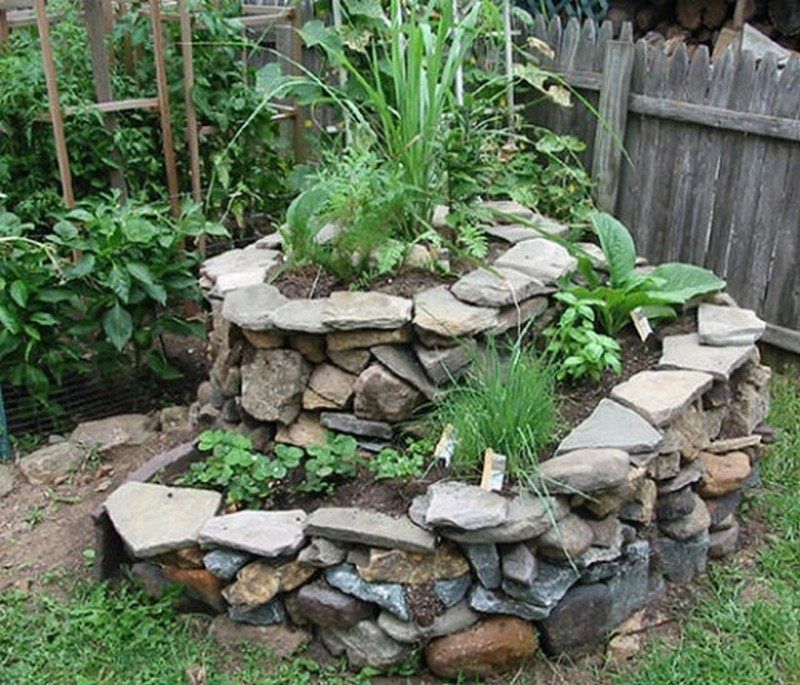
Ancient wisdom meets modern gardening in this beautiful spiral design! Create a gentle slope using bricks, stones, or metal edging that winds upward from a wide base to a narrower top, forming a hill with a spiral path.
The genius of this design lies in its microclimate zones. Sun-loving Mediterranean herbs like rosemary and thyme thrive at the sunny top, while moisture-loving mint and parsley flourish in the shadier lower sections. The spiral maximizes growing space while making harvesting a delight.
Add small rocks between sections to retain heat and improve drainage. A central irrigation point at the top allows water to naturally flow downward, reaching all plants. This eye-catching feature becomes the centerpiece of any garden!
6. Strawberry Barrel Tower
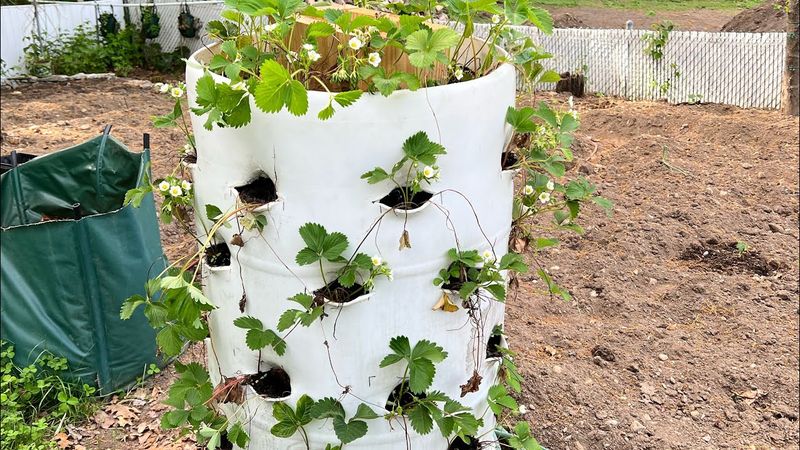
Sweet berries cascade from this recycled wonder! Start with a food-grade 55-gallon plastic barrel and cut the top off completely. Drill or cut 4-inch holes in staggered rows around the entire barrel, spacing them about 8 inches apart.
Create a central watering column using a 4-inch PVC pipe with small holes drilled throughout. This pipe goes in the center before you add soil, ensuring even water distribution. The best soil mix includes compost, peat moss, and perlite for excellent drainage and nutrition.
Each hole becomes home to a strawberry plant, creating a living cylinder of greenery and sweet fruits. The vertical design keeps berries off the ground, reducing rot and making harvesting a breeze. Expect 30-40 plants in one barrel!
7. Wire Mesh and Landscape Fabric Cylinder
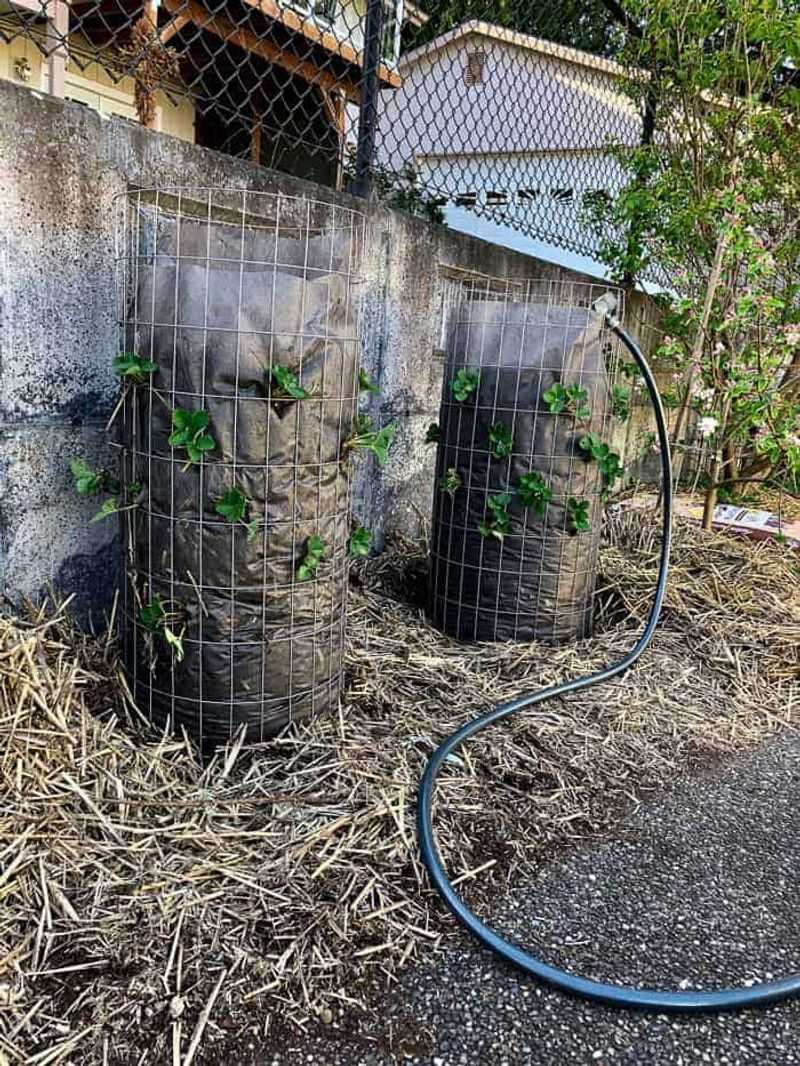
Garden simplicity meets effectiveness in this lightweight tower! Form a cylinder using 3-4 foot wide hardware cloth or chicken wire, securing the ends with wire ties. Line the inside with landscape fabric to hold soil while allowing water drainage.
The magic happens when you cut small X-shaped slits in the fabric after filling with soil. These openings become planting pockets for leafy greens, herbs, or flowering plants. Stagger the cuts to ensure plants have adequate growing space and sunlight exposure.
The cylinder design allows for 360-degree planting, maximizing your growing area in minimal floor space. For stability, stake the tower to the ground or place it in a wide pot. This design can be disassembled and stored flat during winter months!
8. Plastic Bottle Vertical Garden
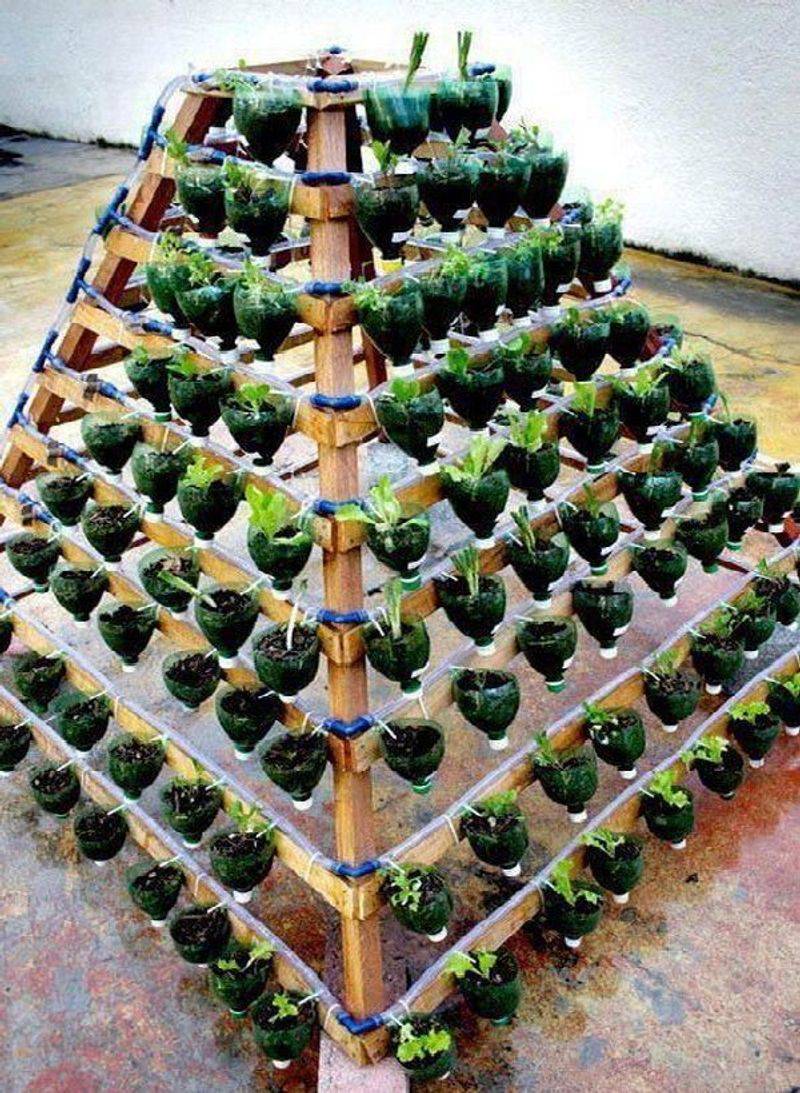
Transform trash into garden treasure with this eco-friendly project! Collect 2-liter soda bottles and cut large openings in their sides, leaving about an inch at the bottom intact for water collection. Punch drainage holes slightly above this reservoir.
Connect the bottles by cutting the bottoms off all but the lowest bottle, then threading string or wire through holes punched near the bottle tops. The neck of each bottle fits into the one below, creating a self-watering system where excess moisture drips down.
Mount your bottle tower on a fence or hang from a sturdy branch. The clear plastic creates a mini-greenhouse effect perfect for herbs and small vegetables. Kids love watching roots develop through the transparent sides – a perfect teaching tool for plant growth!
9. Laundry Basket Tower Garden
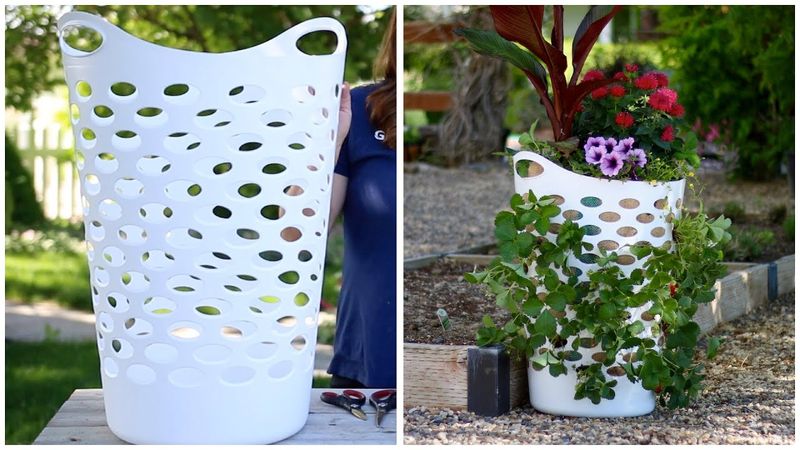
Laundry day meets harvest day with this clever upcycled garden! Take a tall cylindrical laundry basket (the dollar store kind works perfectly) and line it completely with landscape fabric, using a staple gun to secure it around the top edge.
Fill the basket with quality potting soil mixed with compost. Cut small X-shaped slits in the fabric at regular intervals around the sides. These become perfect planting pockets for strawberries, lettuce, herbs, or flowering plants.
The basket’s existing holes provide excellent drainage while the fabric keeps soil contained. For growing potatoes, add soil gradually as plants grow taller. When harvest time comes for root vegetables, simply tip the basket over for easy access to your bounty!
10. Hydroponic Tower Garden
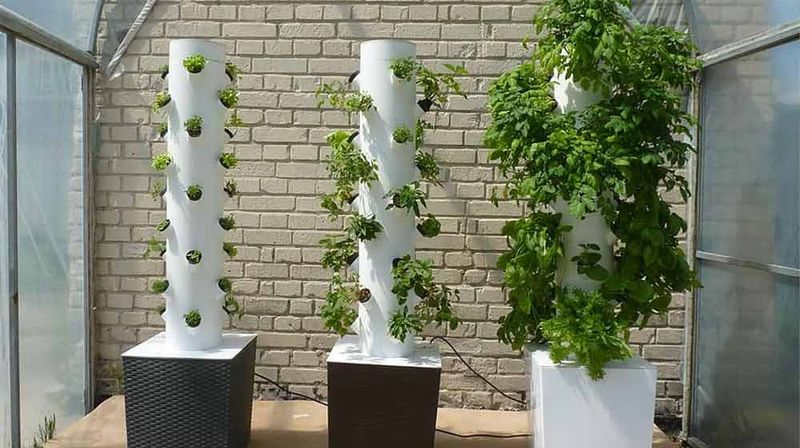
Soil-free growing reaches new heights with this clean, efficient system! Start with 4-inch PVC pipe and drill 2-inch holes for net pots that will hold your plants. Space holes about 8 inches apart in a staggered pattern around the pipe.
Create a reservoir at the bottom using a plastic tote. A small submersible pump sends nutrient solution up through the center of the pipe, where it trickles down past the plant roots before returning to the reservoir. Ideal for lettuce, kale, basil, and other leafy greens.
The beauty of hydroponics is faster growth with less water usage. Plants receive perfect nutrition without competing for resources. This modern tower garden can thrive indoors near a sunny window or under grow lights, providing fresh greens year-round!
11. Hanging Basket Tower
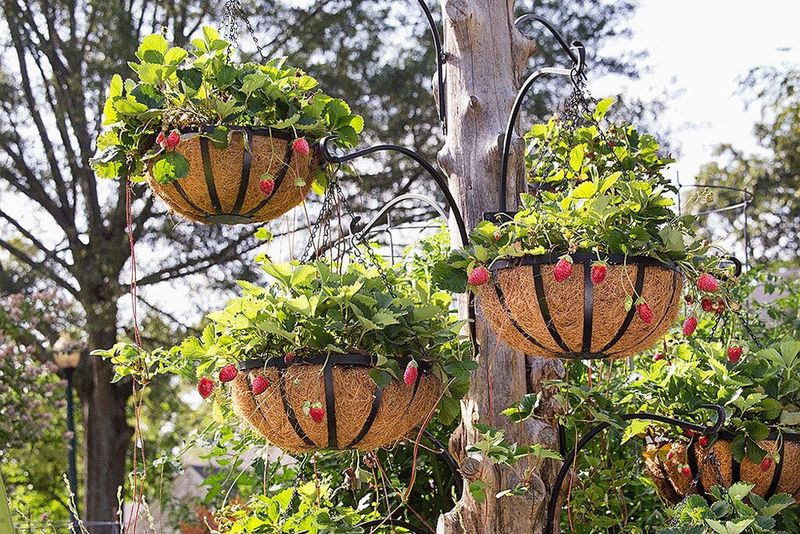
Garden elegance reaches new heights with this flowering column! Start with a sturdy center pole – a 4×4 wooden post, metal pipe, or even a tall shepherd’s hook. Attach strong cup hooks or brackets at different heights and angles around the pole.
Hang wire or coco-lined baskets from these supports, creating a spiral of greenery around the central post. The key is varying the heights and positions so each plant receives adequate sunlight without shading those below.
Fill baskets with trailing flowers like petunias, million bells, or strawberries. A drip irrigation system running down the center pole makes watering effortless. This garden tower creates a stunning visual focal point while keeping plants safe from ground-dwelling pests and maximizing vertical growing space!
12. Pallet Tower Garden
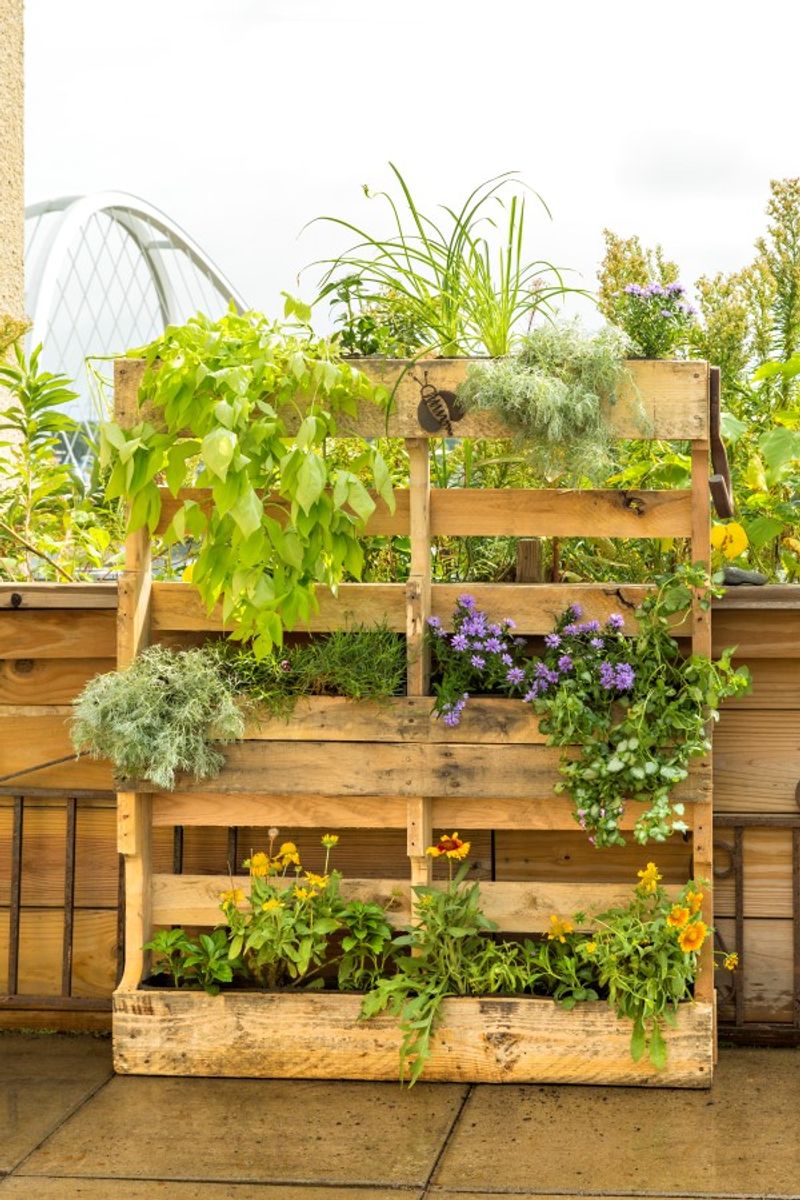
Shipping materials transform into growing space with this rustic vertical garden! Stand a wooden pallet upright and secure it to a wall or add feet for stability. Staple heavy-duty landscape fabric along the back and bottom of each slat opening, creating soil pockets.
Fill each pocket with lightweight potting mix, then plant through slits cut in the fabric. The narrow spaces work perfectly for shallow-rooted plants like lettuce, strawberries, succulents, and herbs. The wood naturally weathers to a beautiful silver-gray or can be painted to match your outdoor décor.
For better moisture retention, add a layer of coconut coir to your soil mix. This space-saving garden makes fantastic use of reclaimed materials while providing an attractive growing wall that can screen unsightly views!
13. Wooden Crate Tower
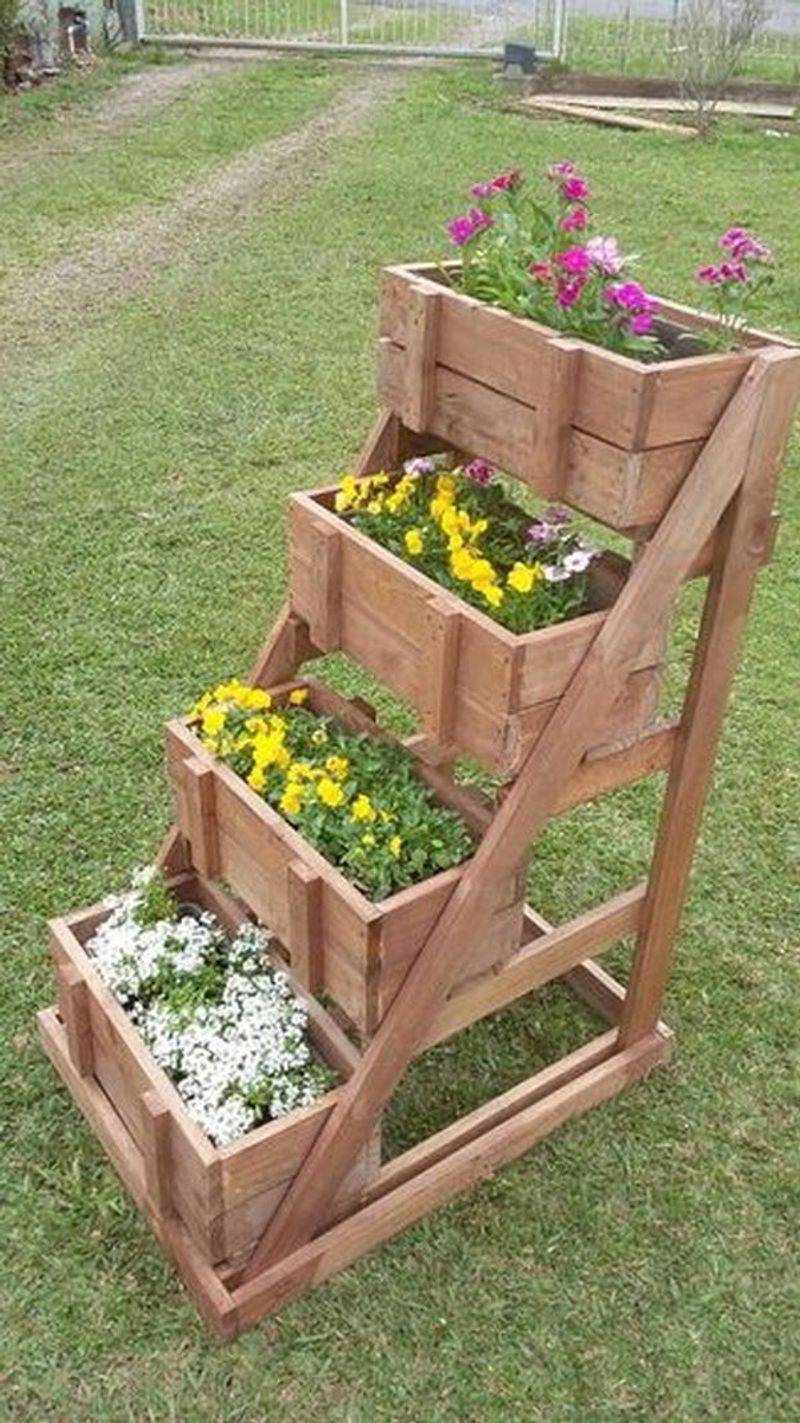
Farmhouse style meets practical gardening in this charming stacked creation! Collect wooden crates from farmers markets or build simple box frames from inexpensive lumber. Sand rough edges and apply food-safe sealant if growing edibles.
Arrange the crates in a pyramid formation, with larger boxes at the bottom and smaller ones on top. Stagger them to ensure each level receives adequate sunlight. Line each crate with landscape fabric before adding soil to prevent erosion.
The outer edges become perfect homes for cascading plants like thyme or strawberries, while the center areas can support taller plants like peppers or flowers. Adding casters to the bottom crates allows you to rotate the tower to ensure even sun exposure or move it to shelter during storms!
14. Gutter Garden Tower
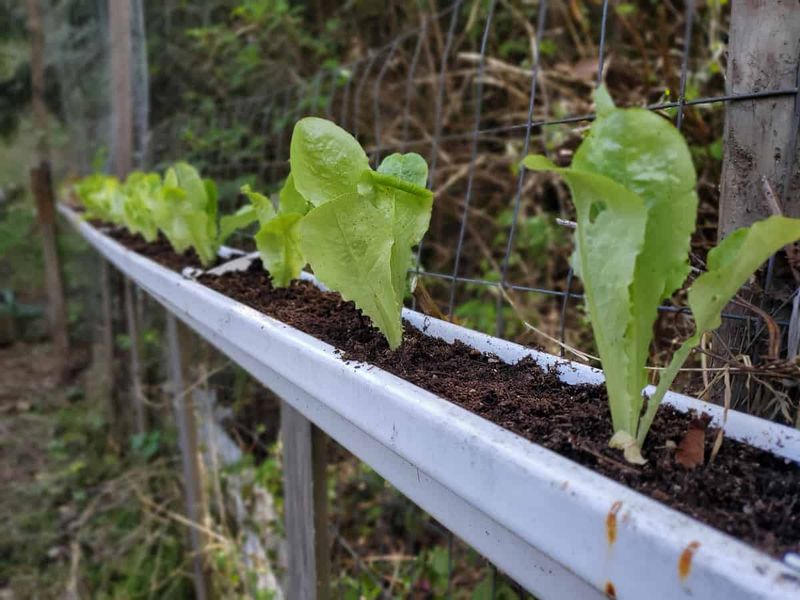
Rain gutters find new purpose in this sleek, modern growing system! Mount sections of vinyl or aluminum gutters to a wooden frame or directly to a sunny wall. Arrange them in a zigzag or stepped formation, ensuring each level receives adequate sunlight.
Drill drainage holes every 12 inches along the bottom of each gutter. Cap the ends with gutter end caps or cut pieces of wood to prevent soil from washing out. Fill with lightweight potting mix and plant shallow-rooted crops like lettuce, spinach, radishes, and herbs.
The narrow profile makes this tower garden perfect for balconies or limited spaces. The metal or vinyl material helps retain heat, extending your growing season. For a decorative touch, paint the gutters in complementary colors or leave them silver for an industrial look!
15. Compost + Grow Tower (Worm Tower)
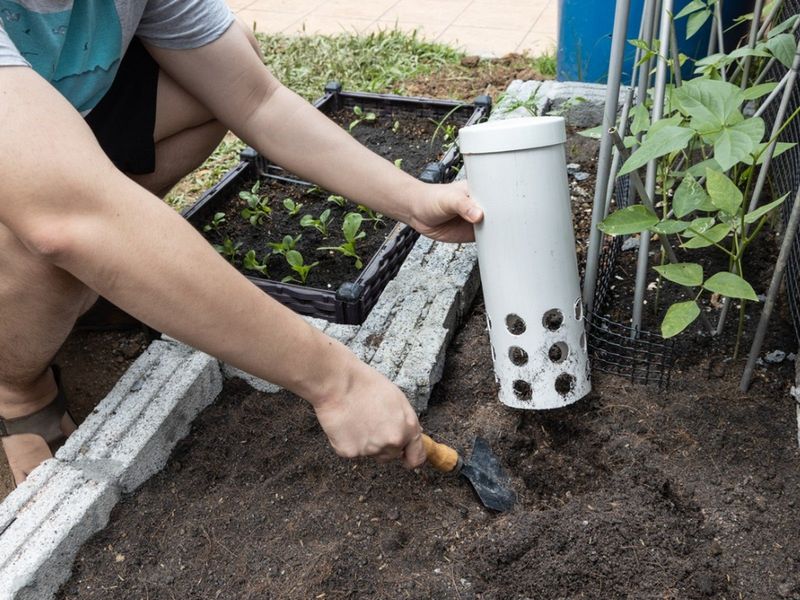
Garden magic happens when composting and growing combine in one brilliant system! Start with a 4-6 inch diameter PVC pipe about 3 feet long. Drill numerous 1/4-inch holes throughout the lower two-thirds of the pipe to allow worms and nutrients to pass through.
Bury the pipe vertically in the center of a raised bed or garden area, leaving 6-8 inches exposed above soil level. The surrounding area becomes your planting zone. Add red wiggler worms to the pipe, then feed them kitchen scraps regularly through the top opening.
As the worms process the scraps, they travel in and out of the pipe, distributing nutrient-rich castings throughout your garden soil. This living system creates a self-feeding garden that improves over time. Cap the top between feedings to prevent pests!