 Complete Gardening
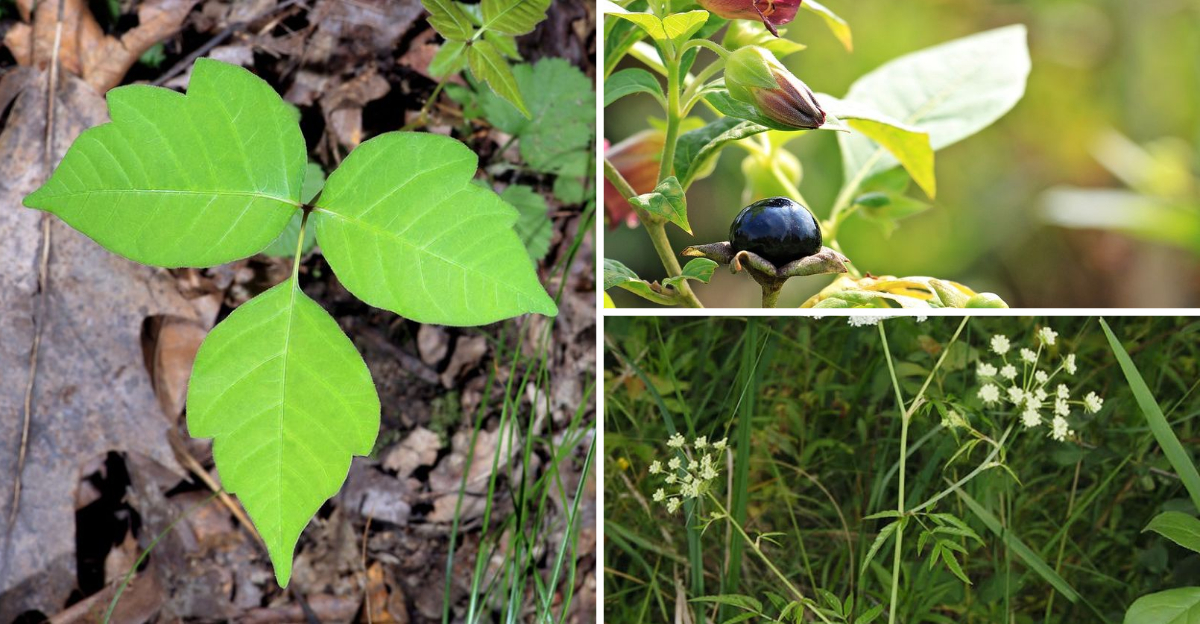
North America is home to a variety of plants that, despite their innocent appearances, can be deadly. These plants contain toxic compounds that can cause serious harm or even death within hours of contact or ingestion. They often grow in common locations, making them even more dangerous as they are easily accessible. Learning to identify and avoid these plants is crucial for anyone exploring the great outdoors.
1. Water Hemlock
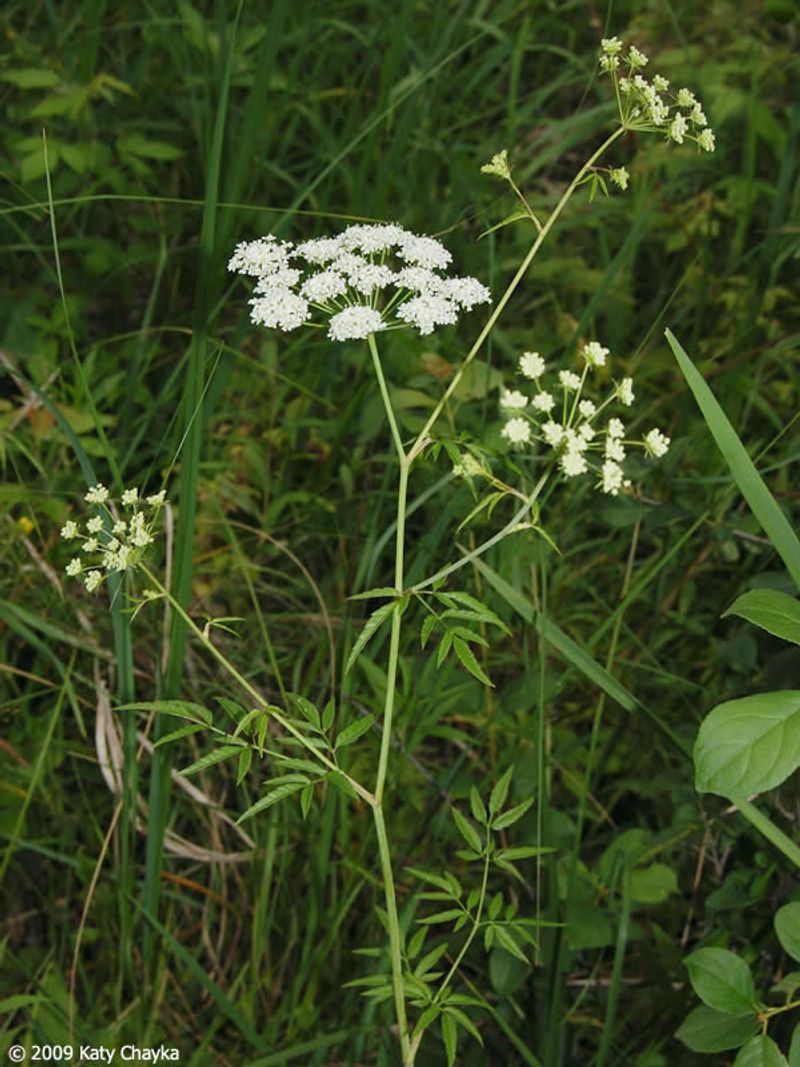
Often mistaken for harmless wildflowers, Water Hemlock conceals its deadly nature beneath a pretty facade. This plant is one of the most toxic in North America, with every part being poisonous. Ingesting even a small amount can lead to seizures, nausea, and death.
The poison attacks the central nervous system, causing symptoms to appear rapidly. This plant is often found near streams and marshes, making it accessible to unsuspecting hikers.
Known for its small, white flower clusters, Water Hemlock might seem inviting, but it’s anything but safe. Stay cautious near these regions.
2. White Snakeroot
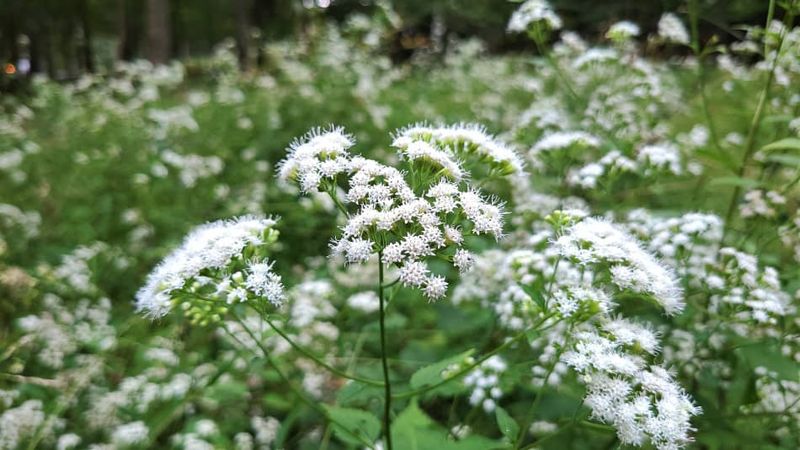
White Snakeroot may look like a dainty woodland flower, but its innocent appearance masks a lethal secret. This plant contains tremetol, a toxin that can cause severe illness or death if ingested by humans or animals.
Historically, it led to the death of Abraham Lincoln’s mother, Nancy Hanks Lincoln, through milk sickness. This condition occurred when cows consumed the plant and passed the toxins through their milk.
The plant thrives in wooded areas and shaded fields, often unnoticed until it’s too late. Its white blooms can easily attract the unwary.
3. Poison Ivy
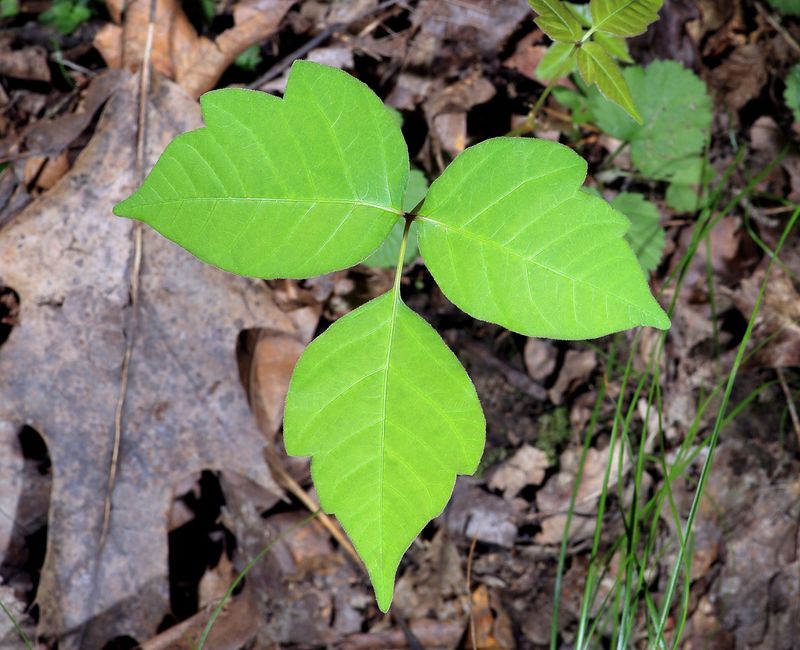
“Leaves of three, let it be.” This saying warns hikers of Poison Ivy’s presence. This plant causes severe allergic reactions upon contact, with its oil triggering itching, red rash, and blisters.
Poison Ivy grows in various environments, from forests to urban areas, making it a widespread hazard. The urushiol oil responsible for reactions can linger on clothes and tools, spreading its effects.
Despite its notoriety, the plant’s appearance is often overlooked by those unfamiliar with it. Recognizing its glossy leaves is essential for avoiding its painful embrace.
4. Oleander
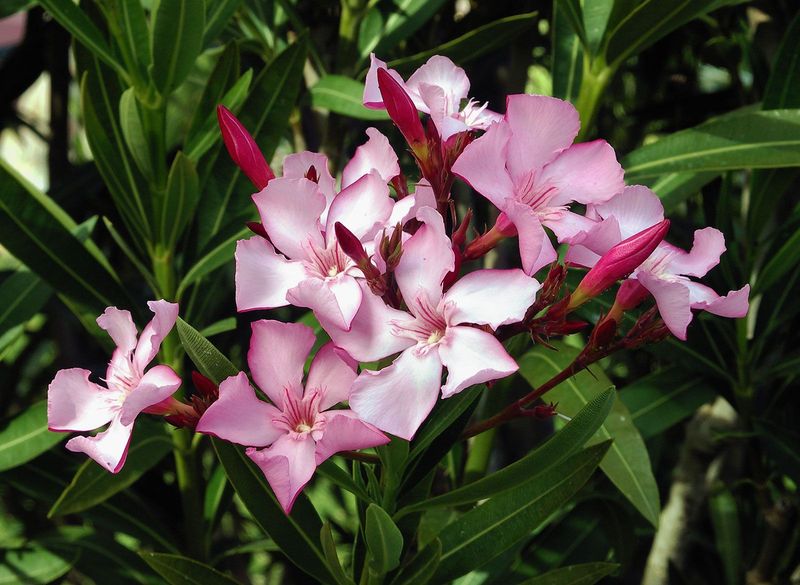
Beautiful but deadly, Oleander’s vibrant blooms often adorn gardens unaware of their lethal potential. All parts of this plant are toxic, containing compounds that affect the heart and nervous system.
Accidental ingestion can result in nausea, vomiting, and even cardiac arrest. Despite its danger, Oleander is used in landscaping for its attractive flowers and hearty nature.
This plant’s allure often overshadows the threat it poses, especially to curious children and pets who might be tempted to touch or taste. Caution is key in gardens where it grows.
5. Deadly Nightshade
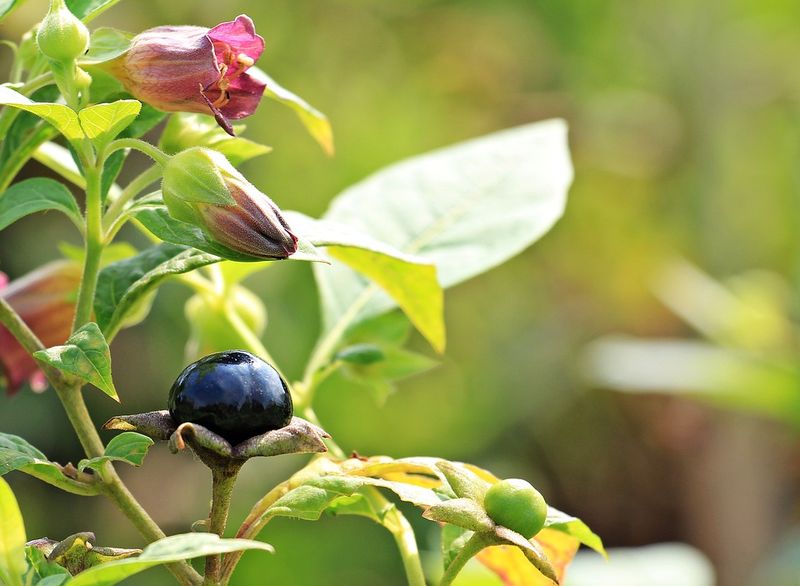
Cloaked in mystery, Deadly Nightshade has a fearsome reputation dating back to ancient times. Its berries, though tempting with their glossy appearance, are extremely toxic. Consuming even a few can lead to paralysis and death.
Historically used in cosmetics, this plant was once thought to enhance beauty despite its deadly properties. Found in wooded and shady areas, it often goes unnoticed by those unaware of its dangers.
The plant’s purple flowers add to its allure, but beneath lies a sinister threat. Knowledge is key to avoiding its lethal embrace.
6. Jimsonweed
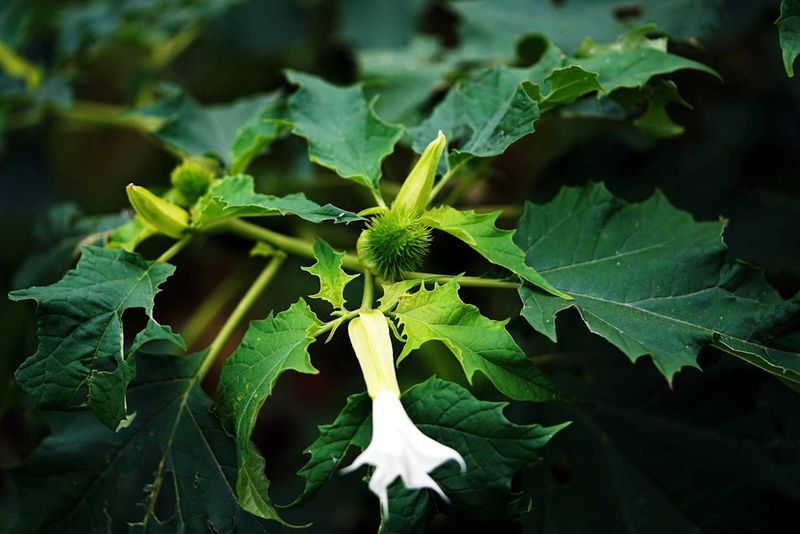
Jimsonweed, with its trumpet-like flowers, is a plant that disguises its perilous nature behind a striking appearance. This plant contains toxic alkaloids that can cause hallucinations, seizures, and even death when ingested.
Its history is steeped in stories of accidental poisonings and misuse due to its psychoactive effects. Found in fields and pastures, Jimsonweed is often mistaken for a harmless weed.
The spiky seed pods are as dangerous as they are unique, contributing to its notoriety. Awareness and education are vital in avoiding this toxic plant.
7. Foxglove
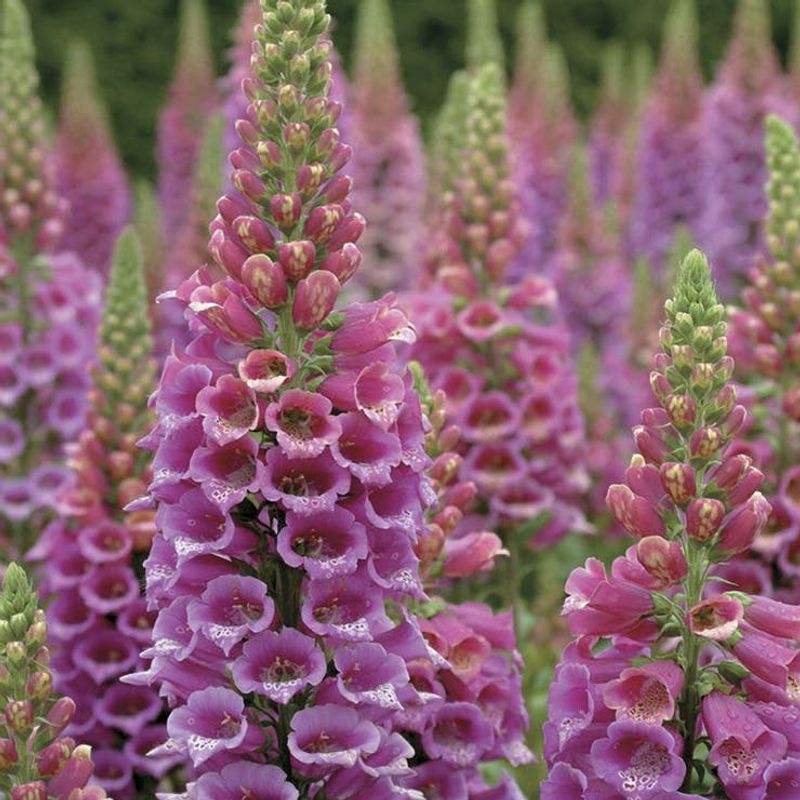
Foxglove stands tall with its striking tubular flowers, captivating many with its beauty. However, this plant is a wolf in sheep’s clothing, containing digitalis, a compound that affects the heart.
Ingestion can lead to nausea, vomiting, and life-threatening heart conditions. Despite its danger, foxglove is often admired in gardens for its ornamental beauty.
Originating in Europe, it has made its way to North America, thriving in meadows and open woodlands. The duality of its allure and danger makes it a plant to admire from afar.
8. Castor Bean
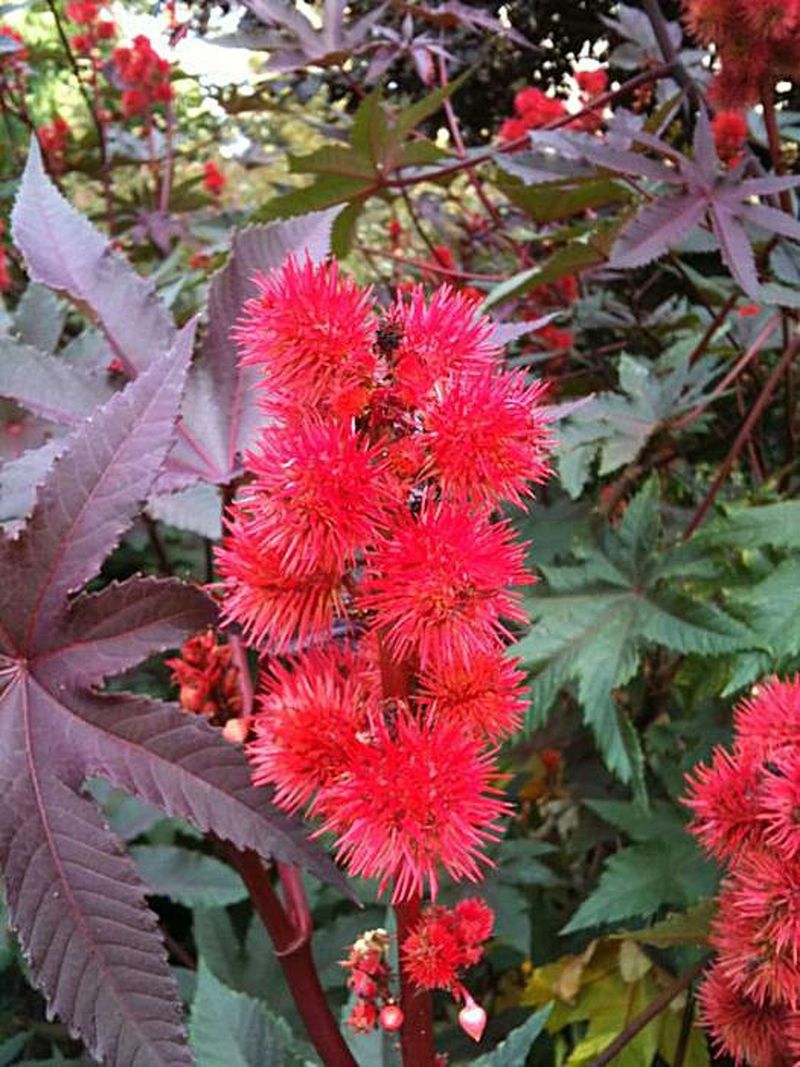
The Castor Bean plant presents a paradox with its ornamental value, yet harbors one of the most potent toxins known as ricin. Even small amounts can cause severe abdominal pain, vomiting, and death.
While its seeds are the primary source of this deadly poison, the plant is often grown for its appealing foliage. Found in gardens and parks, it’s a silent threat to those unaware of its potential.
The glossy leaves and vibrant appearance can easily mislead, but caution and knowledge are necessary to navigate its dangers safely.
9. Giant Hogweed

Giant Hogweed commands attention with its towering presence, yet conceals a painful secret. Its sap causes severe skin irritation, burns, and even blindness upon contact with sunlight.
This invasive species is often found in fields and along riverbanks, posing a risk to anyone who stumbles upon it. Despite its ornamental appeal, handling this plant requires extreme caution.
Its size and beauty can be deceiving, leading many to underestimate its threat. Protective measures are essential when in proximity to this hazardous giant.
10. Stinging Nettle
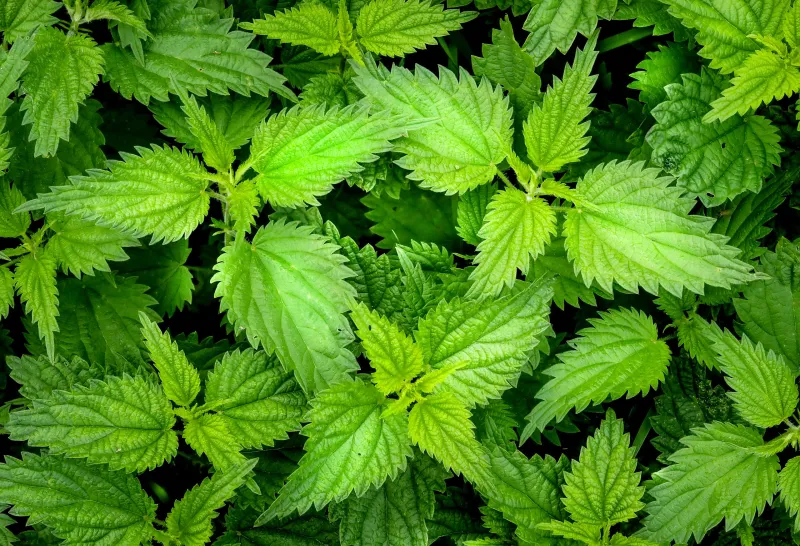
Stinging Nettle, with its fuzzy appearance, might seem inviting, but it harbors a painful surprise. This plant’s tiny hairs inject histamine and other chemicals upon contact, causing a burning sensation and rash.
Commonly found in woodlands and along trails, it’s a plant many hikers learn to avoid early on. Despite its sting, nettle has medicinal uses when handled correctly, adding to its complexity.
The vibrant green leaves hide their defensive nature well, necessitating awareness for those adventuring in its territory. Respecting its boundaries is key to avoiding discomfort.
11. Western Water Hemlock
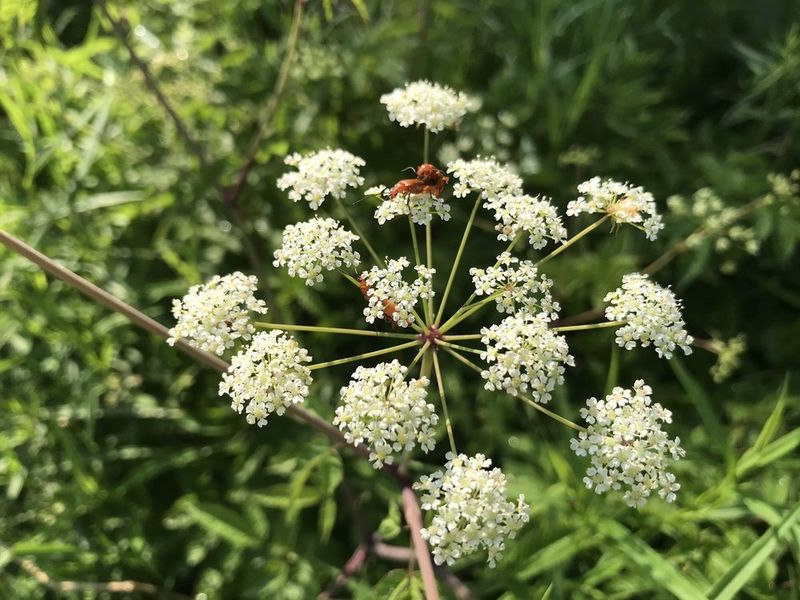
Known as the most violently toxic plant in North America, the Western Water Hemlock’s innocent appearance belies its danger. All parts of this plant are deadly, particularly the roots and seeds.
Ingestion can result in violent seizures and death within hours. Found near water bodies, it’s a menace to both humans and animals. Its white, umbrella-like flowers can easily be mistaken for other harmless plants.
Its presence requires vigilance and avoidance, highlighting the importance of plant identification skills in the wild. Safety depends on knowledge and awareness.
12. Moonseed
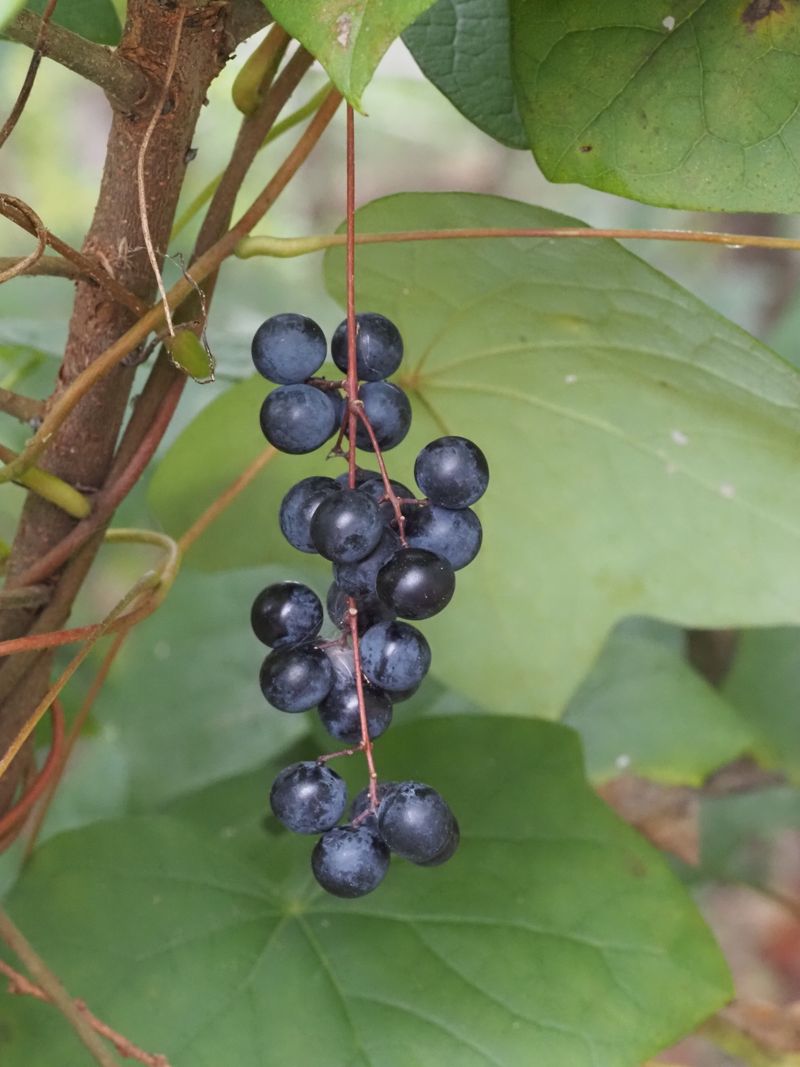
Moonseed vines weave a deceptive trap with their enticing dark berries. These berries, although similar in appearance to grapes, contain toxins that can induce paralysis and respiratory failure.
The heart-shaped leaves add to the vine’s charm, often misguiding foragers. Found in dense forests, Moonseed remains a hidden peril to those unfamiliar with its traits.
Historically, it’s been mistaken for edible plants, leading to tragic outcomes. The plant’s allure lies in its simplicity, a reminder that not all that is appealing is safe.
13. Larkspur
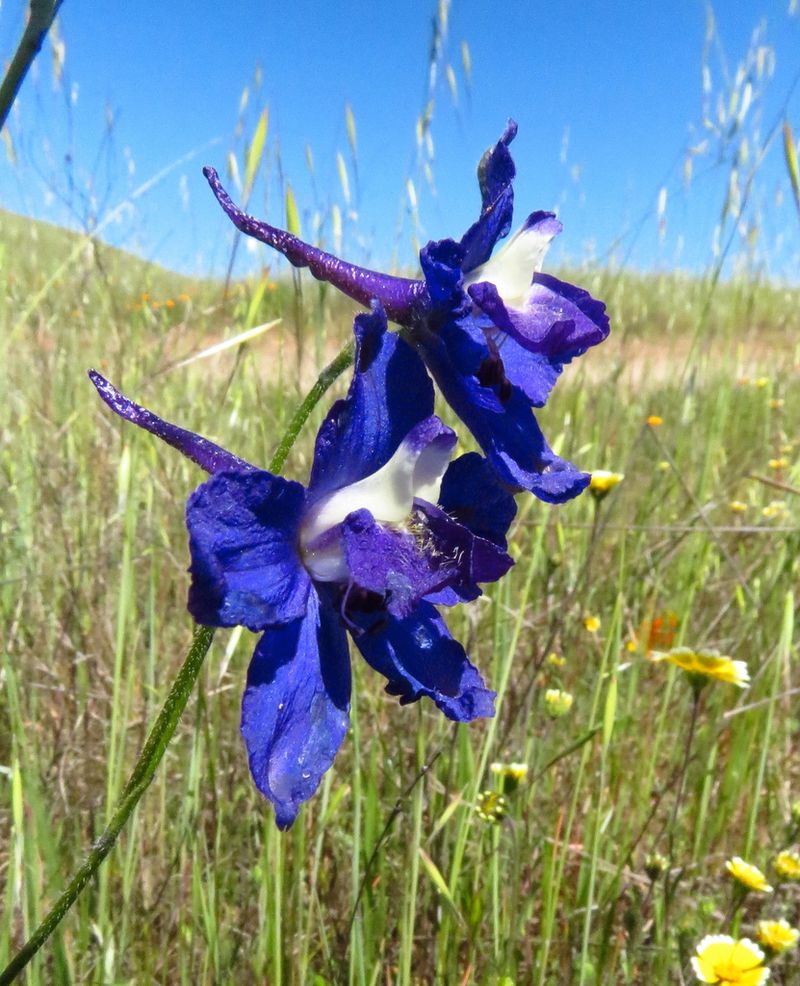
Larkspur, with its enchanting blue flowers, decorates mountain meadows with grace. However, its beauty is deceptive. Consuming any part of the plant can lead to muscle paralysis and heart failure.
Historically, it has been both admired for its beauty and feared for its toxicity. The plant’s alkaloids are particularly dangerous to livestock, adding to its notoriety in farming regions.
Its delicate flowers sway gently in the wind, creating an image of peace, yet they harbor a lethal potential. Caution is imperative when in their presence.
14. Pokeweed
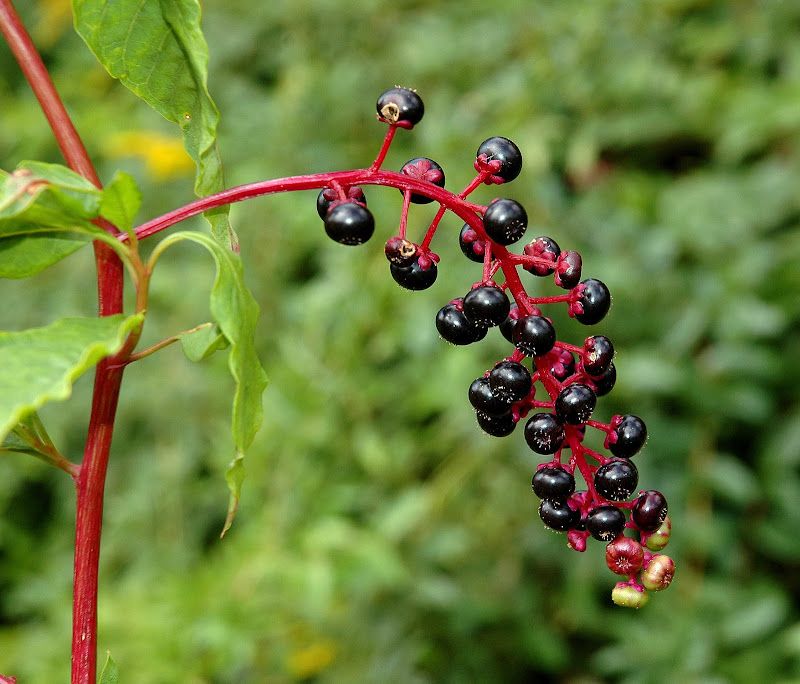
Pokeweed, with its striking purple berries, often attracts the unwary with its vivid display. However, all parts of this plant are toxic if ingested, causing vomiting, cramps, and respiratory failure.
Historically used in folk medicine, its dangers are well-documented. Found in rural fields, it’s a frequent visitor to disturbed soils and often overlooked by those unfamiliar with its risks.
The plant’s bold colors belie its deadly nature, emphasizing the need for proper identification. Education and caution are vital when encountering this plant in the wild.
15. Baneberry
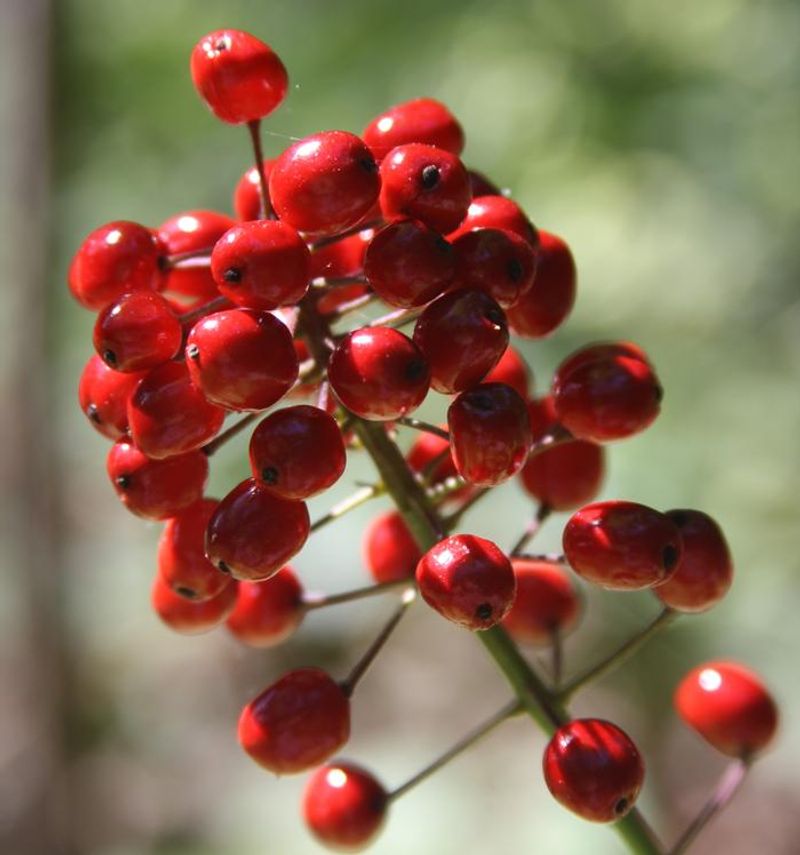
Baneberry entices with its bright red berries, yet hides a deadly surprise. Consuming these berries can cause dizziness, stomach cramps, and death. The toxins act quickly, making it one of nature’s more insidious threats.
Found in shaded woodlands, it’s a plant that blends into its surroundings, often unnoticed until it’s too late. Historically, it has been linked to myths and folklore, adding to its mystique.
The plant’s innocuous appearance can easily deceive, stressing the importance of caution and knowledge when in its vicinity. Safety relies on awareness and respect.