 Complete Gardening
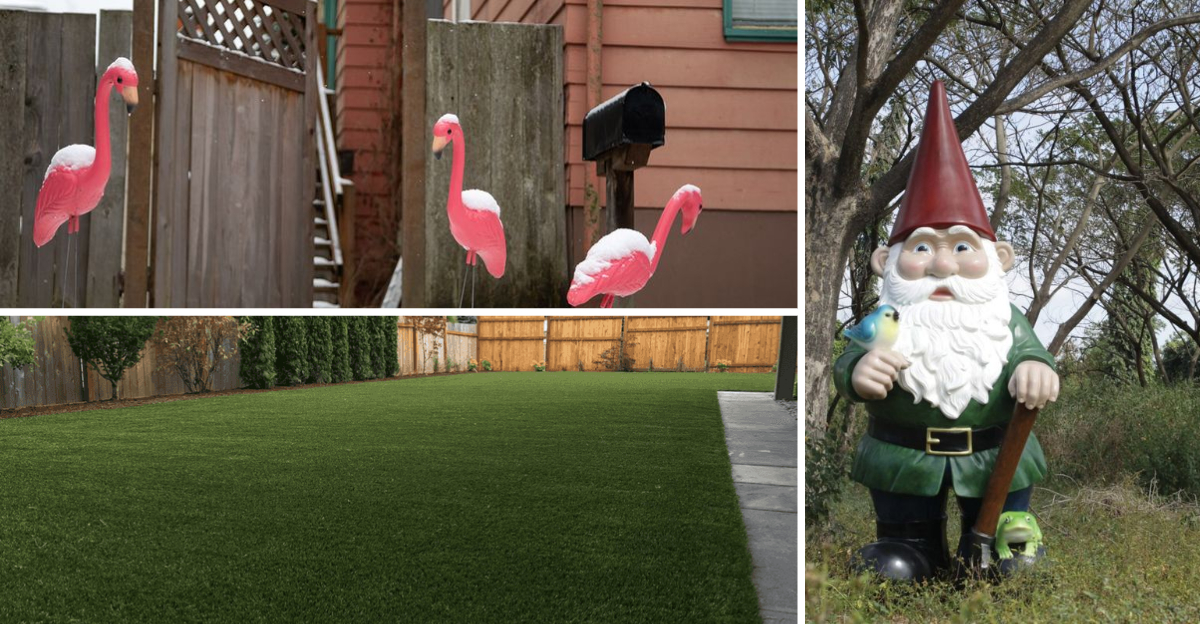
Creating a beautiful backyard is a dream for many homeowners, but certain decorative items can detract from that vision. While decorations are meant to enhance the outdoor experience, some do more harm than good, either aesthetically or environmentally.
1. Plastic Flamingos
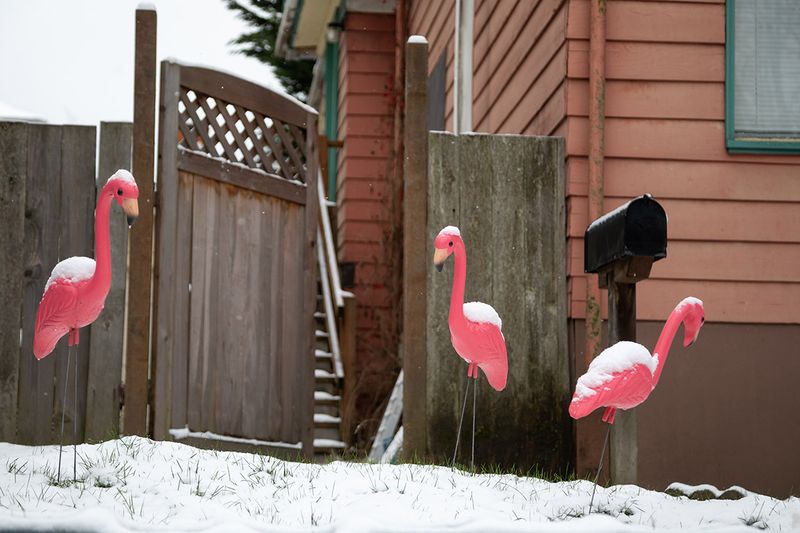
Plastic flamingos might seem like a whimsical addition, but they often clash with their surroundings. These mass-produced decorations can quickly make a yard feel cheap rather than charming. Many people associate them with kitsch or outdated humor.
Although meant to evoke tropical vibes, their artificial colors and material can be an eyesore against the natural beauty of a garden. Their presence can distract from more thoughtful landscaping choices.
Choosing natural elements such as real flora or fauna-inspired art can create a more harmonious and elegant outdoor space.
2. Giant Garden Gnomes

Imagine your garden overshadowed by a giant, oversized gnome. While garden gnomes have a place in European folklore, larger versions can feel overpowering and cartoonish. They might be conversation starters, but often not in the intended way.
Instead of adding charm, these colossal figures can dominate a space, leaving little room for subtlety. Their exaggerated features and colors may jar with the serene ambiance you aim to cultivate.
Opt for smaller, well-placed statues that complement rather than compete with your garden’s natural beauty.
3. Artificial Turf
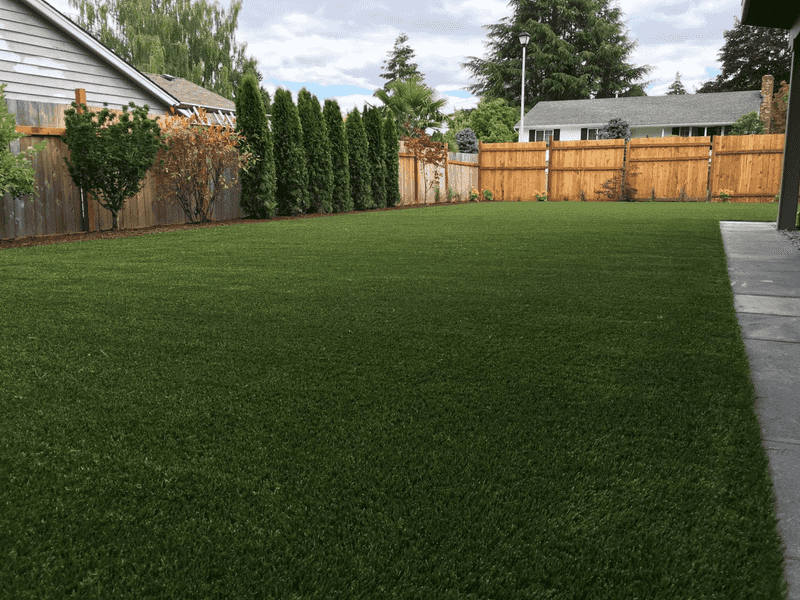
Artificial turf might promise a maintenance-free lawn, but it rarely looks as authentic as real grass. The uniformity and bright green color often clash with the organic textures and shades found in nature.
Moreover, it can create an unpleasant hard surface, reducing the tactile experience of walking barefoot on soft grass. It’s also detrimental to the environment as it doesn’t support biodiversity or natural drainage.
Choosing low-maintenance grass or meadow plants can provide a more environmentally friendly and visually appealing alternative.
4. Tiki Torches
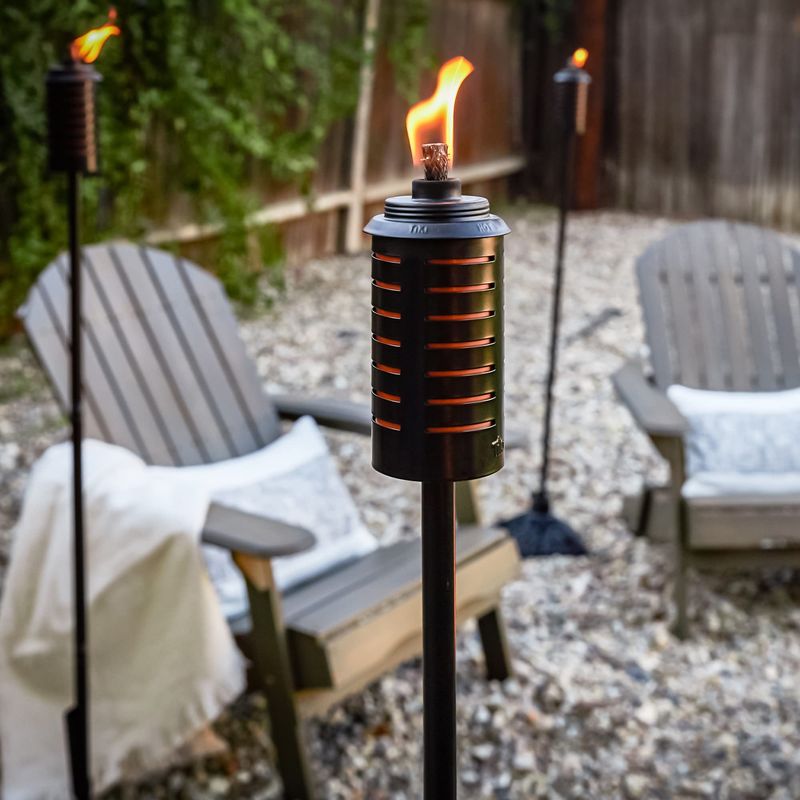
Tiki torches might evoke images of tropical beach parties, yet in a typical backyard setting, they often look out of place. Originally intended for festive occasions, they can appear gaudy when permanently installed.
The open flames can pose a fire hazard, particularly in regions prone to dry conditions. Furthermore, the flickering light might not suit every evening gathering, sometimes causing more discomfort than ambiance.
Consider installing subtle, solar-powered garden lights that can offer safer and more elegant illumination.
5. Concrete Animal Statues
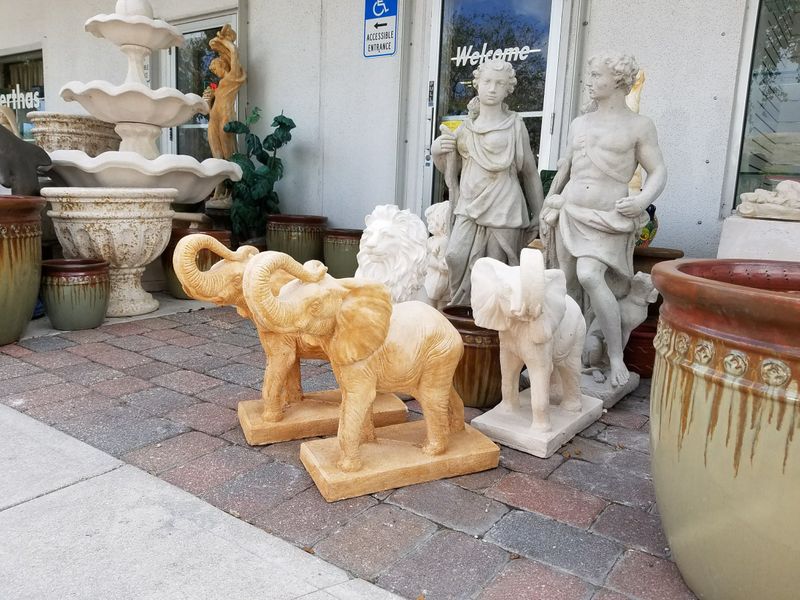
Concrete animal statues often add a sense of permanence—but not always in a good way. These heavy decorations can disrupt the natural flow of a garden. An oversized elephant or lion statue might seem like a bold choice, but it usually ends up awkwardly out of scale.
Their gray tones can appear dull and uninspired compared to vibrant flowers and plants. Such statues may detract from the dynamic beauty of nature.
Opt for lighter materials and designs that blend more seamlessly with the surrounding greenery.
6. Neon Signs
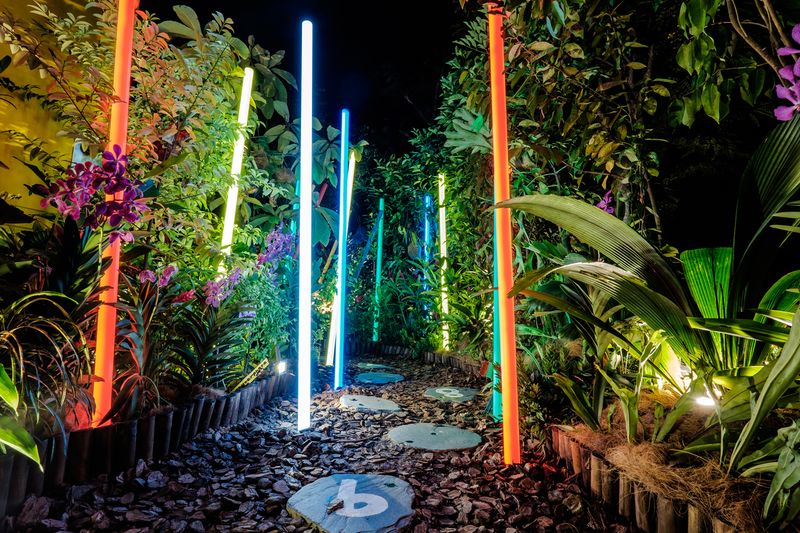
Neon signs can seem trendy, but they often clash with the tranquil atmosphere of a garden. Their bright, electric colors can jar with the soothing greens and browns typical of outdoor spaces.
These signs can also be distractingly bright at night, overshadowing subtle garden lighting and natural moonlight. Furthermore, the buzzing sound they can emit may disrupt the peaceful ambiance.
Choose more naturally inspired lighting or decor elements that enhance rather than overpower the serenity of your garden.
7. Plastic Water Fountains
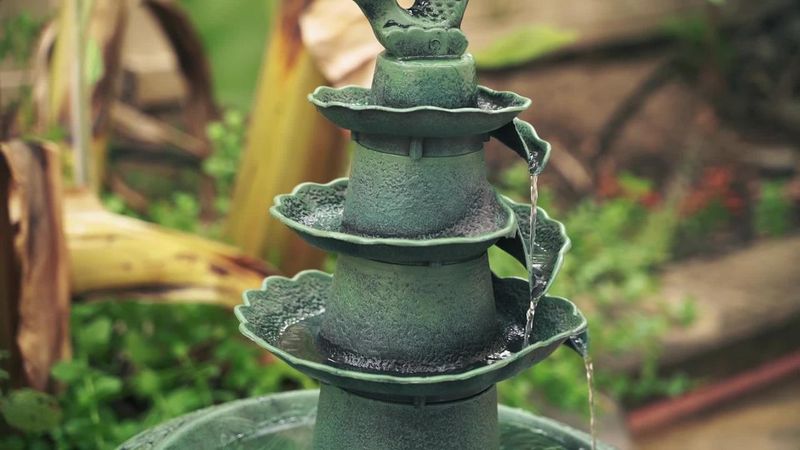
Plastic water fountains might be affordable and easy to install, but they rarely offer the elegance of their stone or metal counterparts. Their lightweight nature often makes them prone to damage and weathering.
Visible seams and peeling paint can detract from their intended beauty, making them look more like temporary fixtures than permanent enhancements. Moreover, their artificial appearance doesn’t blend well with organic garden elements.
Investing in a quality stone or ceramic fountain can add a sense of timelessness and authenticity to your outdoor space.
8. AstroTurf Rugs
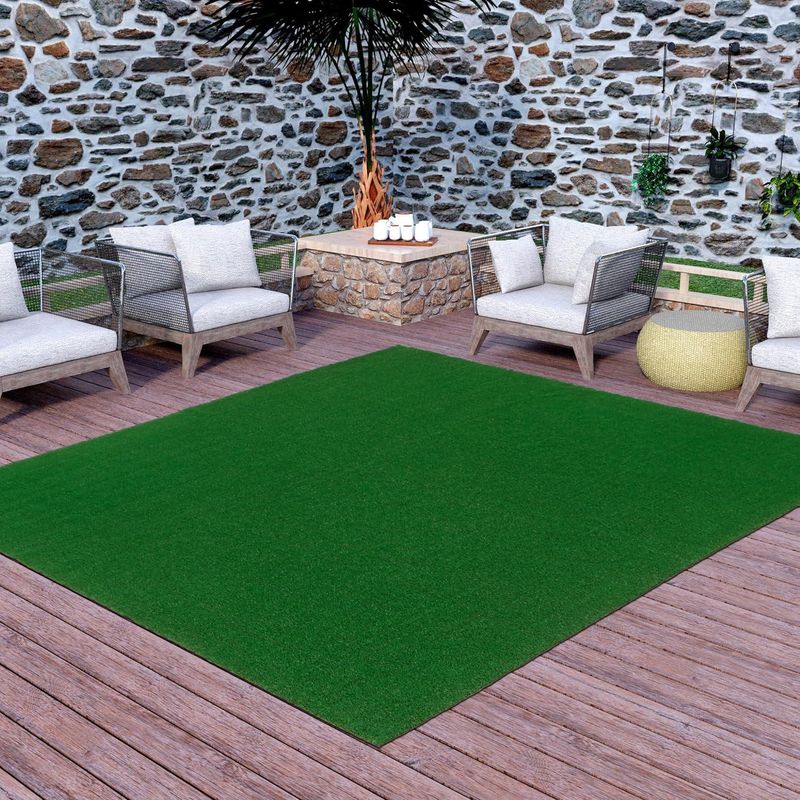
AstroTurf rugs are sometimes used as a convenient outdoor flooring solution, yet they rarely integrate well into a natural setting. Designed to mimic grass, they instead present a harsh, synthetic appearance.
Their rough texture and unnatural hue can clash with the wooden or stone elements commonly found in patios and decks. These rugs can also harbor dirt and moisture, creating an unappealing mess.
Opt for natural fiber rugs or woven mats that complement rather than compete with your outdoor furnishings.
9. Over-the-Top Lawn Ornaments

Over-the-top lawn ornaments can turn a peaceful garden into a cluttered spectacle. While each piece might hold its charm, too many can overwhelm and confuse the eye.
Oversized or overly colorful decorations can disrupt the unity of your outdoor space. Instead of highlighting your garden’s beauty, they may distract and detract from the overall aesthetic.
Choosing a few meaningful ornaments that resonate with your garden’s theme will help maintain balance and elegance.
10. Plastic Wind Spinners
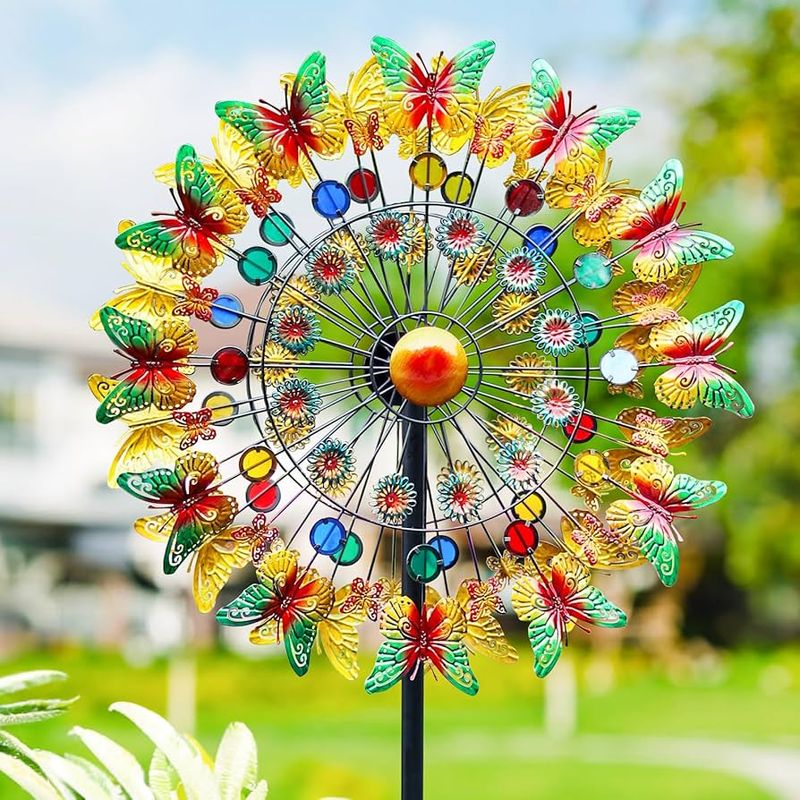
Plastic wind spinners can add movement, yet their often garish colors and materials may clash with the natural environment. Over time, their colors can fade, and they may become brittle, resulting in a less-than-charming appearance.
Their uneven spinning can create a sense of disorder rather than whimsy. Such decorations draw attention away from more subtle garden elements, disrupting the overall harmony.
Metal or wooden spinners with muted tones can offer a more refined and cohesive addition to your garden decor.
11. Imitation Rock Sculptures
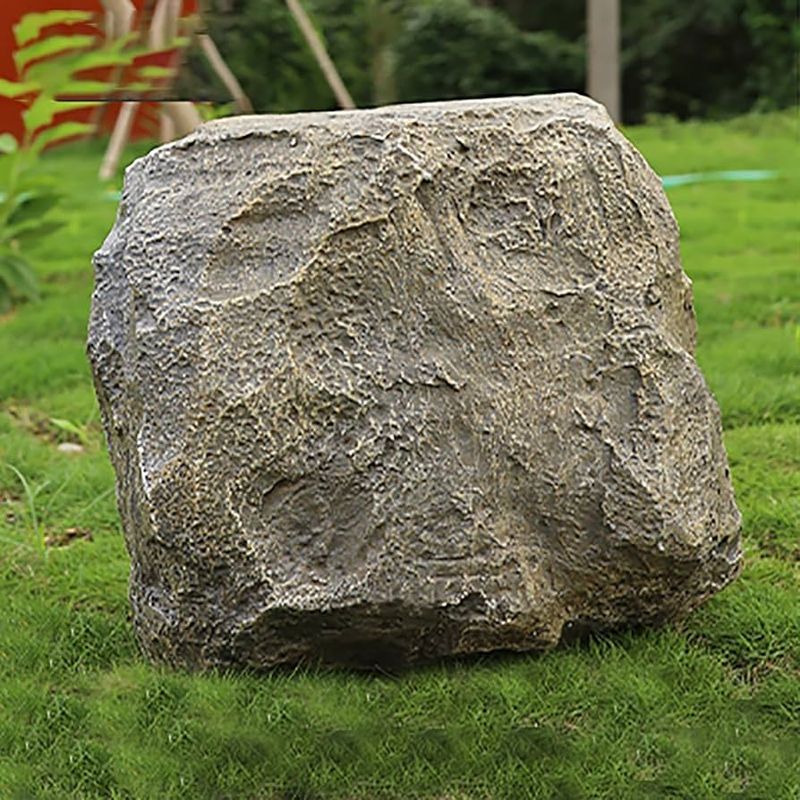
Imitation rock sculptures can initially seem like a clever addition, but their artificiality often becomes apparent. Obvious seams and peeling paint quickly reveal their true nature.
These faux stones rarely blend seamlessly into a garden, clashing with authentic rock and plant textures. Over time, weathering can further detract from their appearance, leaving them looking out of place.
Opt for real stones or artistically crafted features that align with your garden’s natural aesthetic.
12. Plastic Garden Borders
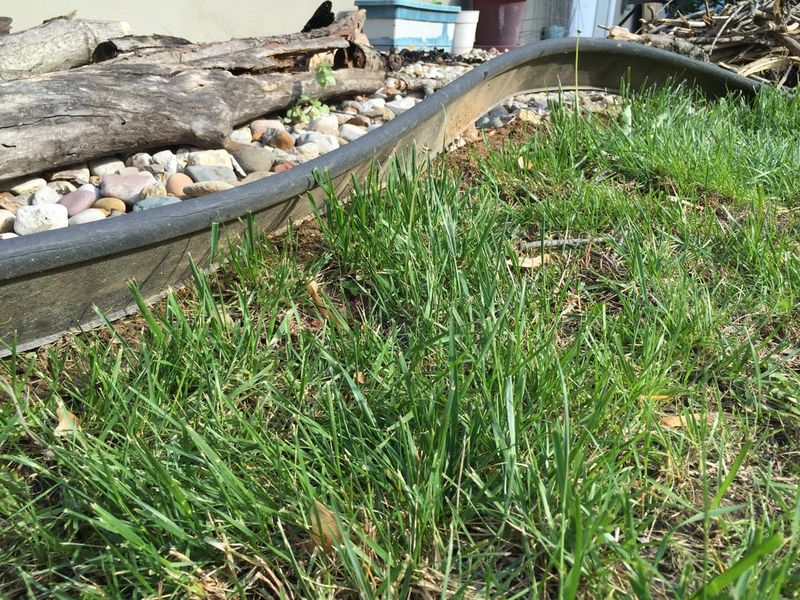
Plastic garden borders are often used for their affordability and ease of installation, but they can easily detract from a garden’s appeal. Their light weight makes them prone to bending and twisting, disrupting neat lines.
These borders can appear cheap and temporary, clashing with the organic shapes of plants and flowers. Eventually, they may fade and crack under sunlight, further diminishing their charm.
Investing in durable materials like metal or stone can provide a more polished and enduring garden border solution.
13. Oversized Patio Furniture
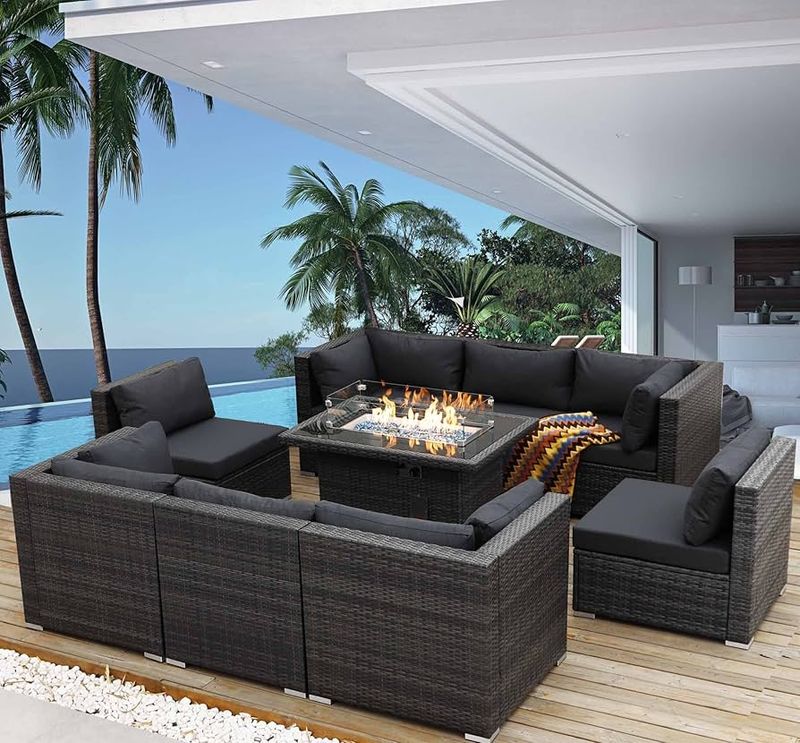
Oversized patio furniture can dominate a backyard, leaving little room for movement or additional decor. While comfort is key, scale should not be overlooked.
Bulky pieces can make even spacious decks seem cramped and uninviting. They may also obstruct views of your garden, reducing the overall outdoor experience.
Opt for sleek, appropriately sized furniture that enhances rather than overtakes your space, ensuring a comfortable and aesthetically pleasing design.
14. Bright Plastic Planters
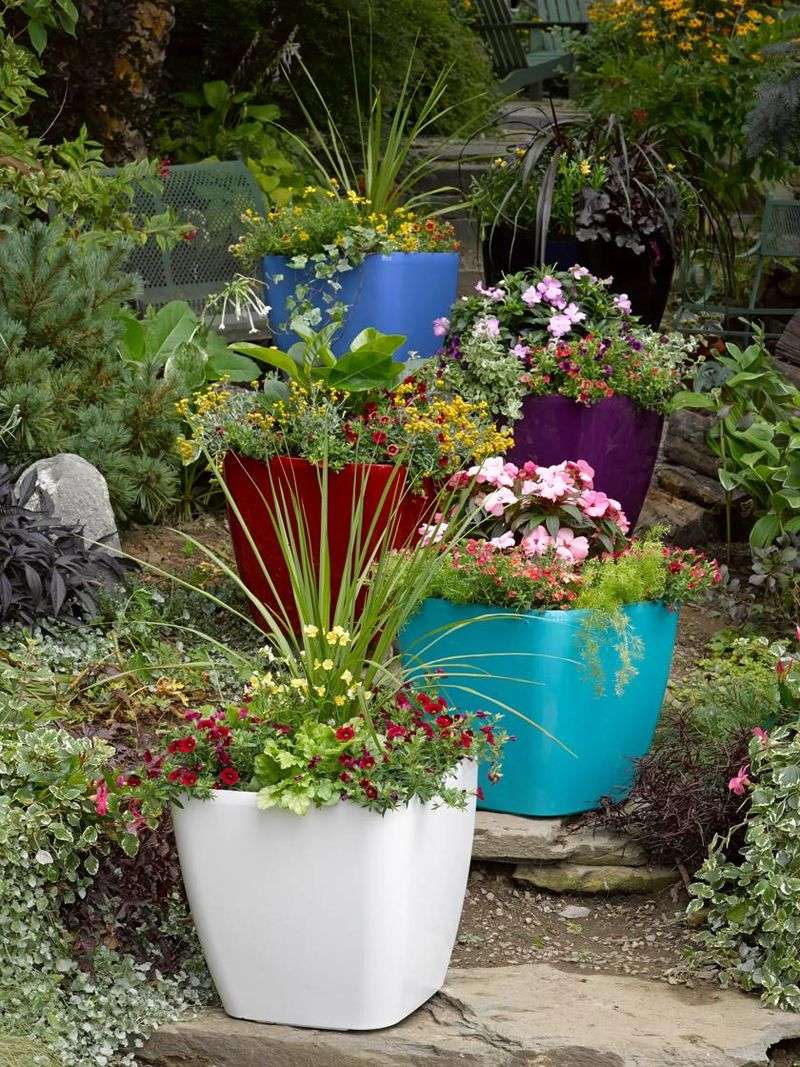
Bright plastic planters may initially add a splash of color, but they often fail to complement natural surroundings. Their vibrant hues can fade quickly under sun exposure, leaving them looking tired and worn.
Such planters can clash with the subtle tones of a garden, detracting from the plants within. Additionally, they may not offer the durability or insulation needed for healthy plant growth.
Consider using ceramic, terracotta, or metal planters that can age gracefully and blend more seamlessly with your garden’s aesthetic.
15. Overly Intricate Garden Maze
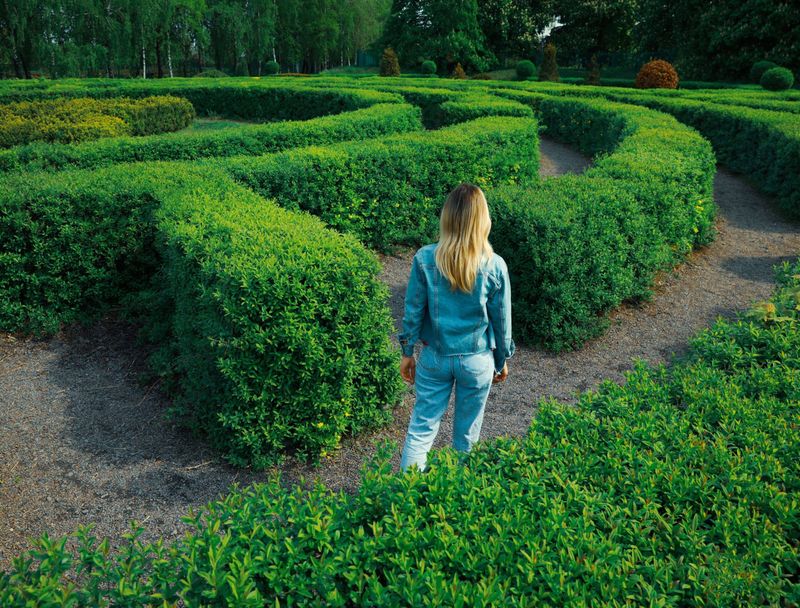
Imagine spending hours lost in a labyrinth of your own making. While garden mazes can be a whimsical addition to sprawling estates, in an average-sized backyard, they can become overwhelming eyesores.
The charm quickly fades when the intricate design requires constant maintenance to prevent overgrowth. Instead of a tranquil escape, it becomes a source of stress.
Moreover, the dense foliage can harbor pests, creating unwanted challenges. Did you know that garden mazes were originally a symbol of power and prestige in Renaissance gardens, but in a suburban setting, they might just symbolize frustration?