 Complete Gardening
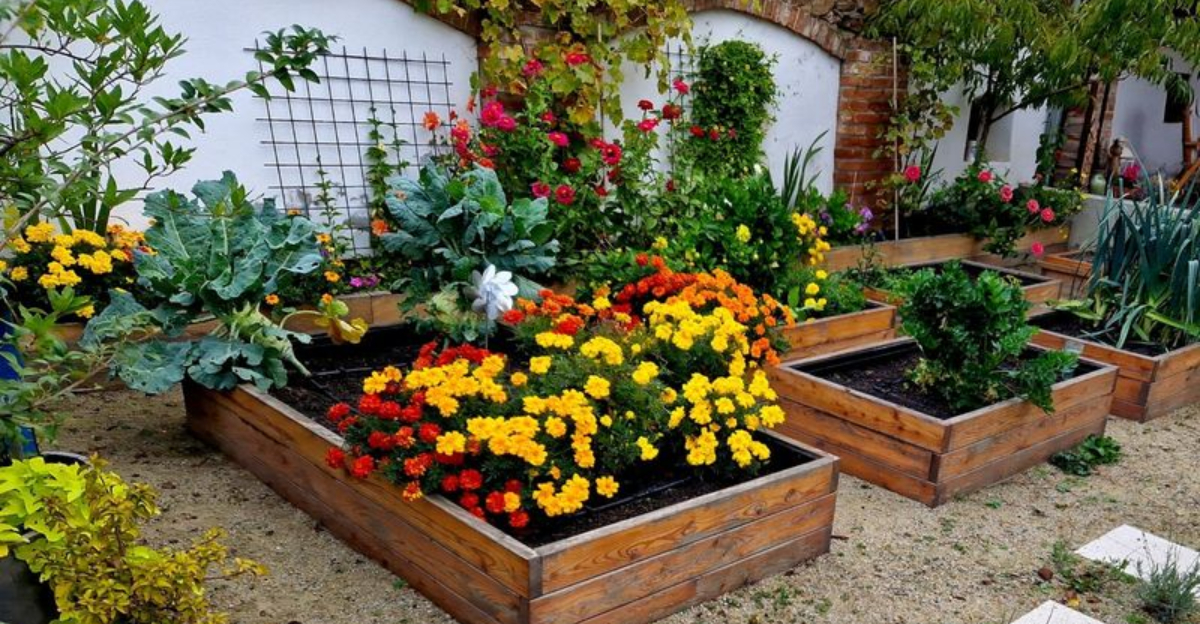
Raised bed gardening offers a versatile and efficient way to grow plants, providing better soil conditions and easier access. Whether you’re new to gardening or looking to enhance your vegetable patch, these tips will guide you through building and maintaining a productive raised bed garden. From choosing materials to selecting the right plants, discover how to maximize your garden’s potential. By following these guidelines, you’ll ensure a thriving and rewarding gardening experience. Let’s explore these essential tips that will make your raised bed garden a success.
1. Choose the Right Location
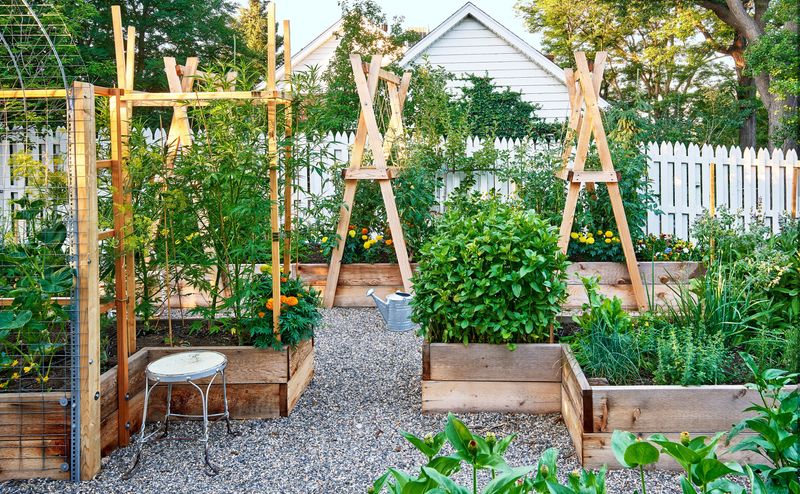
Finding the perfect spot for your raised bed is crucial. Look for a location that receives at least six hours of sunlight daily. Sunlight is the lifeline for most plants, ensuring they grow strong and healthy.
Avoid placing beds near large trees or structures that might cast shadows. Roots from nearby trees can compete for nutrients, so keep a safe distance.
Consider the proximity to a water source. Easy access to water will make maintenance less of a chore, ensuring your plants never go thirsty. Did you know? The sunniest spots often yield the most produce.
2. Select Durable Materials
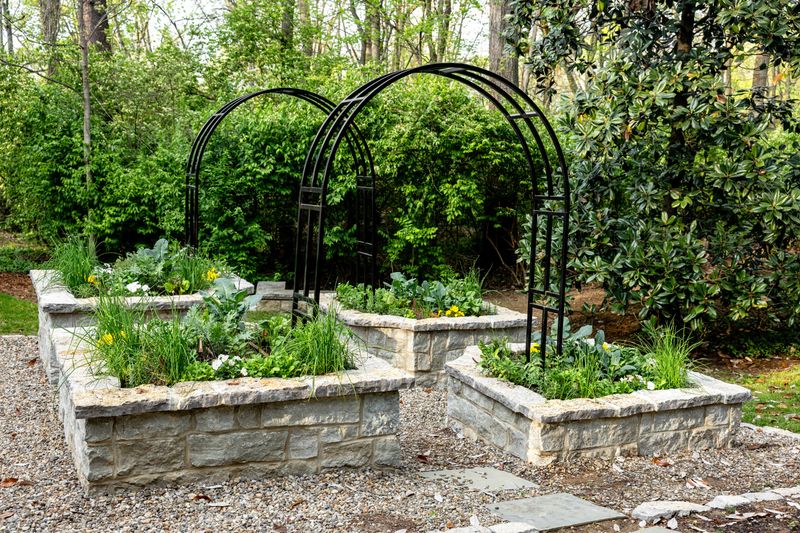
Building a raised bed requires durable materials that will withstand weather changes. Untreated wood like cedar or redwood is popular due to its resistance to rot.
Some gardeners prefer stone or brick for a more permanent solution. Each material offers unique benefits, so consider your climate and budget when choosing.
Recycled plastic is an eco-friendly option, offering longevity without the risk of splinters. Fun fact: Cedar wood naturally repels insects, adding an extra layer of protection to your garden. Choose wisely to ensure years of gardening pleasure.
3. Perfect the Soil Mix
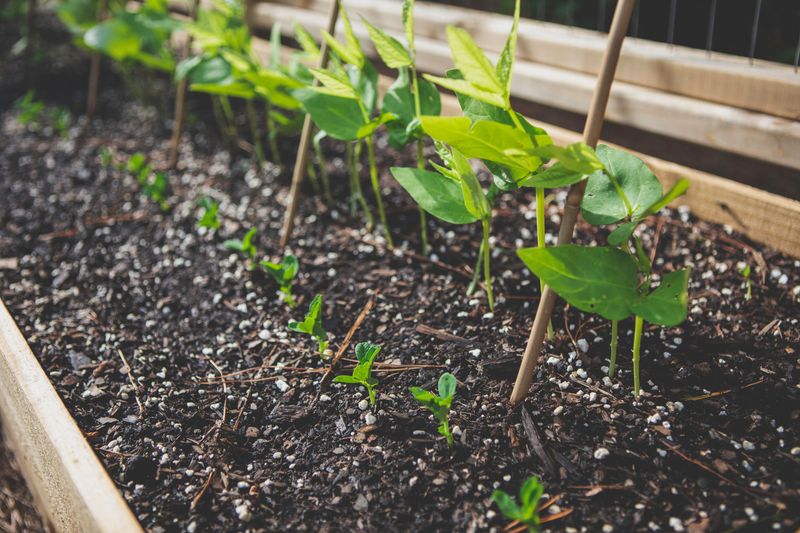
The heart of a successful raised bed garden lies in the soil. A perfect mix includes garden soil, compost, and a bit of perlite or vermiculite for aeration.
Compost enriches the soil with nutrients, promoting healthy plant growth. Meanwhile, perlite helps in drainage, preventing waterlogged roots.
Experiment with ratios to suit specific plants, but generally, a balanced mixture ensures a robust garden. Did you know? Regularly adding compost not only feeds the plants but also boosts soil structure over time, making it a gardener’s best friend.
4. Plan the Layout
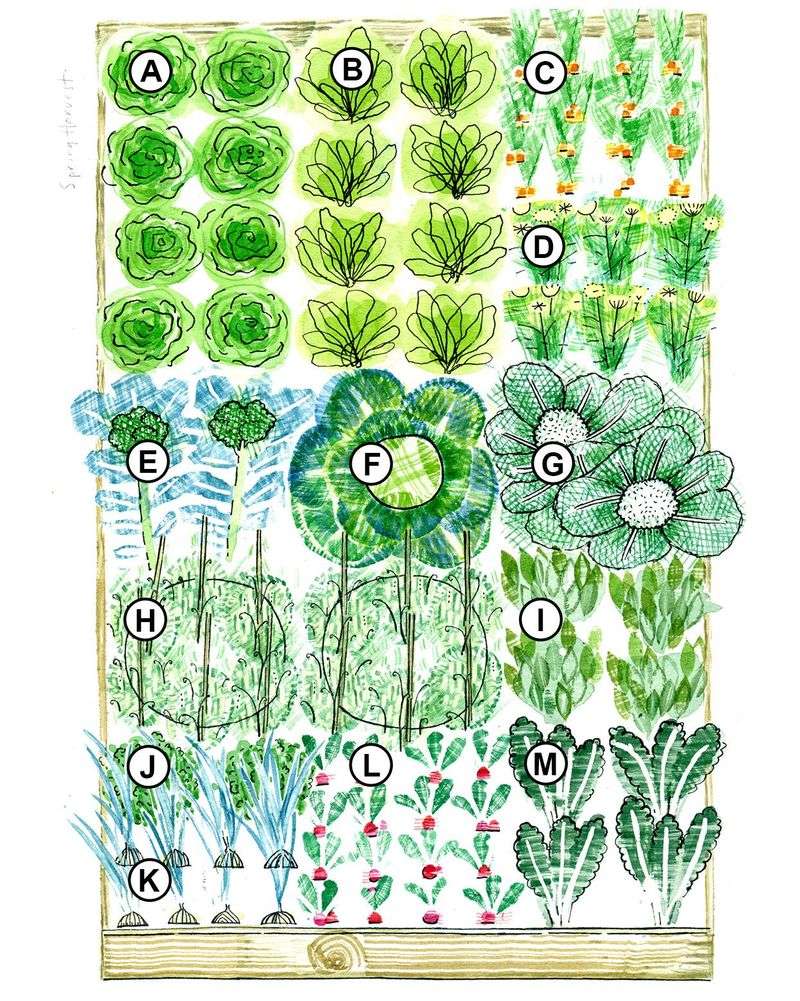
Visualizing your garden’s layout can make a big difference. Plan your bed’s dimensions and walkways to ensure easy access to all plants.
Sketch out where each plant will go, considering their growth habits and spacing needs. This foresight will help avoid overcrowding and make maintenance easier.
Raised beds can be arranged in various shapes, depending on your space. Some gardeners even use circular or triangular designs. Fun fact: Companion planting, like tomatoes with basil, can boost growth and deter pests naturally.
5. Choose the Right Plants
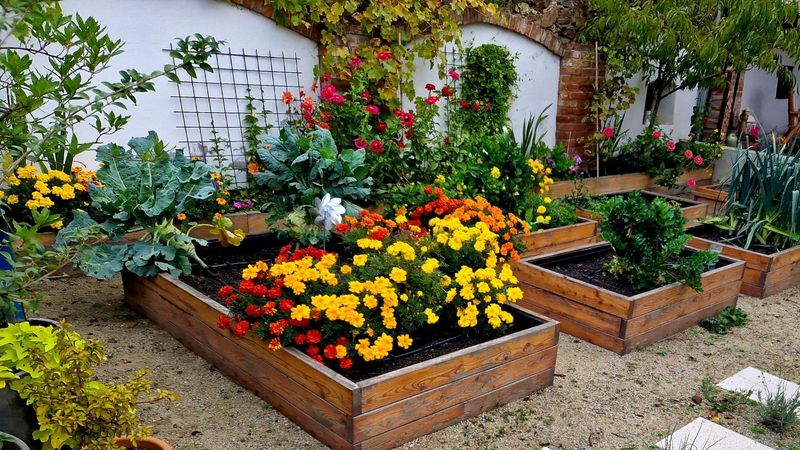
Selecting the right plants for your raised bed is both exciting and crucial. Consider your climate, the season, and your personal preferences.
Start with easy-to-grow vegetables like lettuce, radishes, or tomatoes if you’re a beginner. These plants offer quick results and are rewarding to harvest.
Herbs like basil, mint, and parsley are great for filling gaps and adding aromas. Did you know? Some flowers like marigolds can deter pests and add color to your garden, making them a charming addition.
6. Implement Efficient Watering Systems
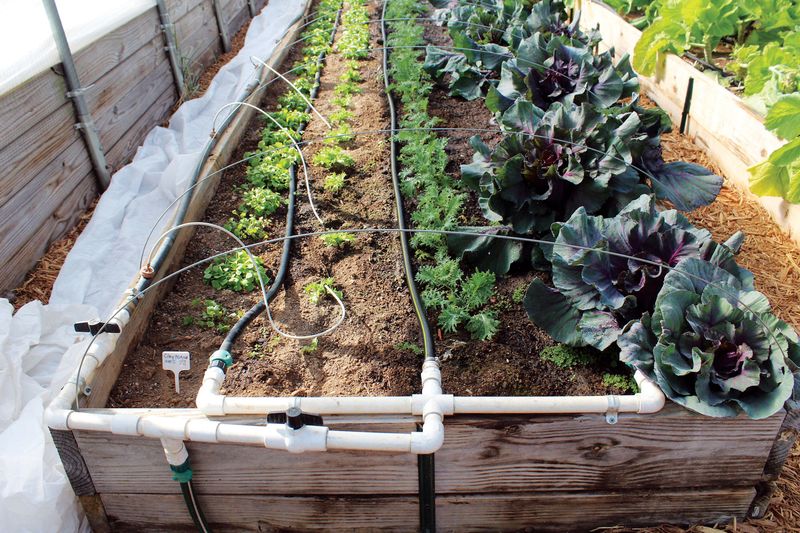
Watering is vital for a thriving garden. Drip irrigation systems offer an efficient solution, conserving water while ensuring each plant receives enough moisture.
Position the hoses to cover the entire area evenly, adjusting as plants grow. This system saves time and reduces water waste compared to traditional watering methods.
Mulching around plants further helps retain moisture, reducing the need for frequent watering. Did you know? Consistent watering prevents issues like blossom-end rot in tomatoes, keeping your plants healthy and productive.
7. Regular Maintenance and Weeding
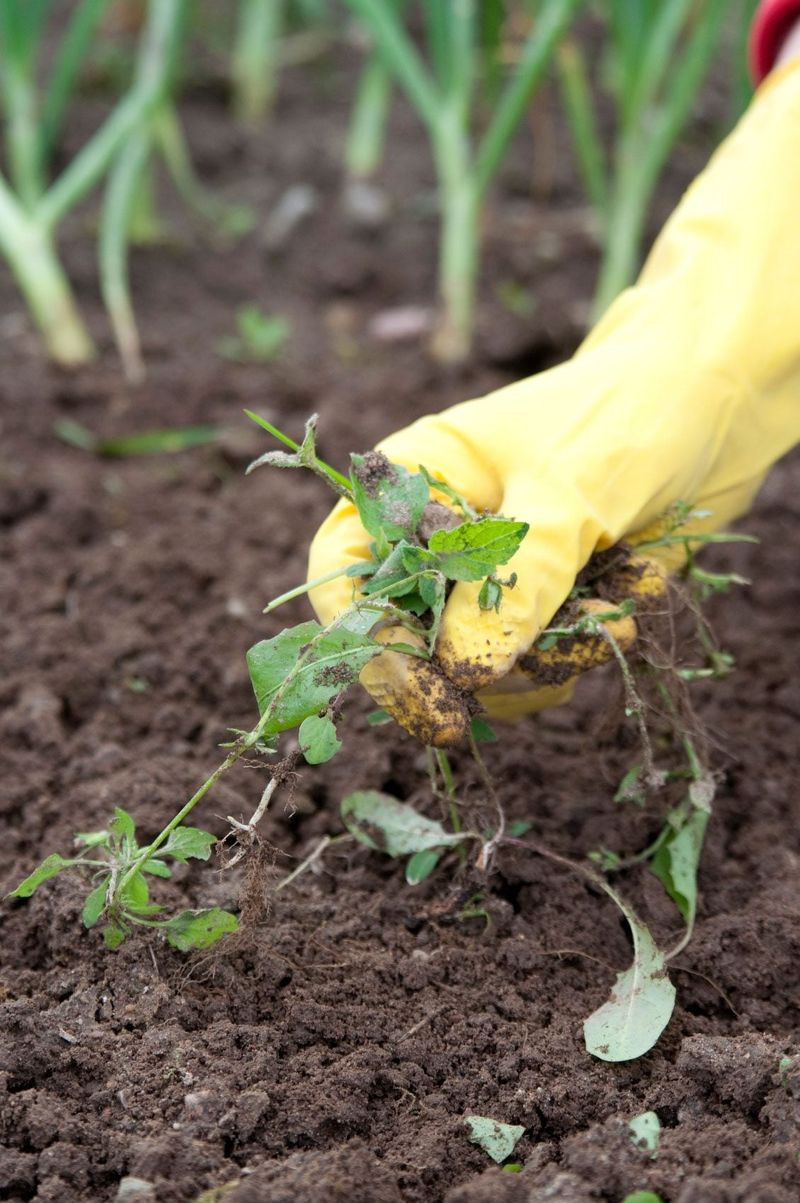
Keeping your raised bed garden in top shape requires regular maintenance. Weeding is essential, as unwanted plants compete for nutrients and water.
Dedicate time each week to inspect for weeds and remove them by hand or with a tool. This practice promotes healthier growth and a cleaner garden appearance.
Regularly check for pests and diseases, acting promptly to prevent spread. Fun fact: A weed-free garden not only looks neater but also allows your chosen plants to thrive without competition.
8. Rotate Crops for Healthier Soil
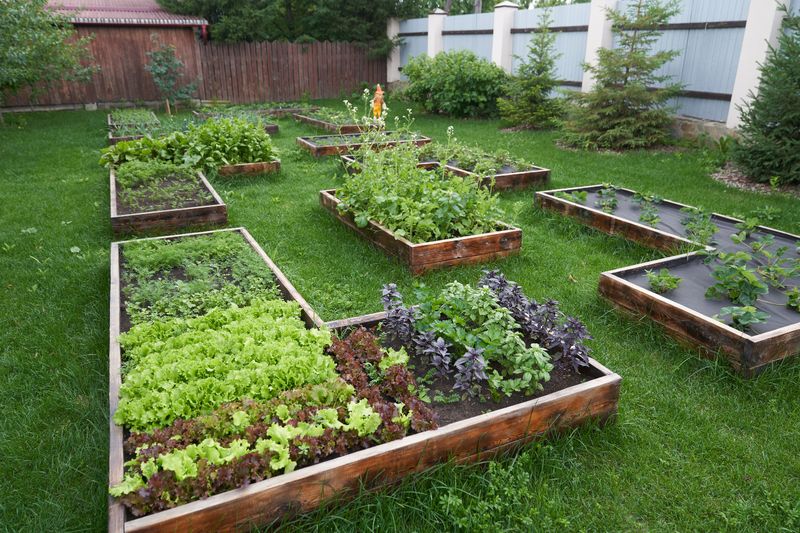
Crop rotation is a valuable technique for maintaining soil health. By changing plant families each season, you prevent nutrient depletion and reduce pest buildup.
For example, follow tomatoes with beans, which enrich the soil with nitrogen, benefiting subsequent plants. Planning this rotation ahead ensures a balanced nutrient cycle.
Consider keeping a garden journal to track past plantings and plan future rotations. Did you know? Crop rotation is an ancient practice, enhancing soil fertility and sustainability for centuries.
9. Incorporate Vertical Gardening
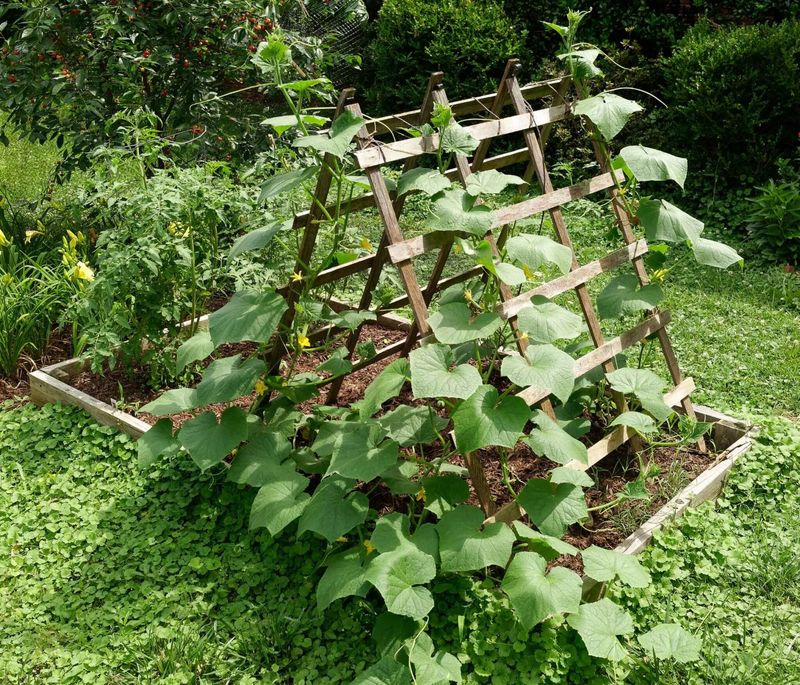
Maximize space in your raised bed by incorporating vertical gardening. Trellises and stakes allow climbing plants like peas or beans to grow upward, saving ground space.
Vertical structures can also create shade, benefiting plants that prefer cooler conditions. Consider creative designs for aesthetic appeal as well.
This method increases yield and makes harvesting easier. Did you know? Vertical gardening can transform even the smallest spaces into lush, productive areas, showcasing the versatility of raised beds.
10. Utilize Mulching Techniques

Mulching is a vital technique in raised bed gardening, offering many benefits. A thick layer of organic mulch prevents weed growth and retains soil moisture.
Choose materials like straw, wood chips, or shredded leaves for an eco-friendly option. Mulch breaks down over time, enriching the soil with nutrients.
Apply mulch generously, especially during hot months, to keep the soil cool and moist. Fun fact: Mulching not only conserves water but also enhances the garden’s appearance, creating a tidy, uniform look.
11. Protect from Pests Naturally
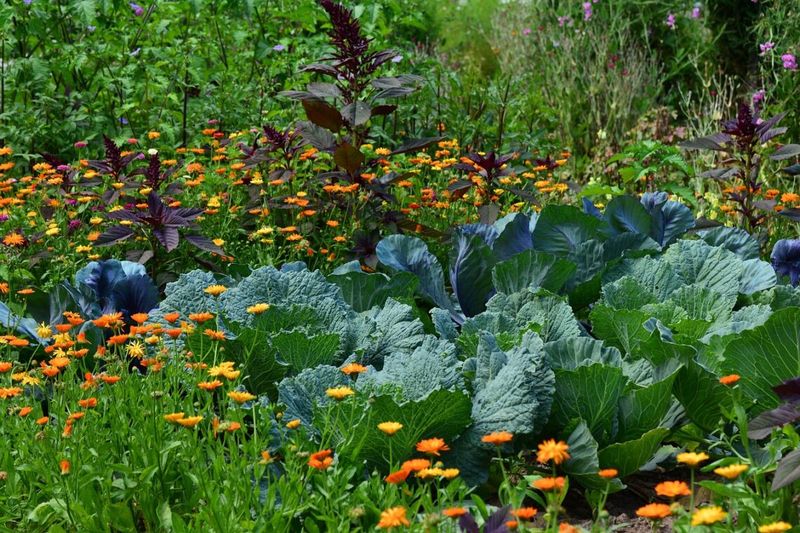
Safeguarding your raised bed from pests doesn’t have to involve harsh chemicals. Embrace natural methods to keep your garden healthy and eco-friendly.
Companion planting is effective; plants like marigolds deter common pests with their scent. Introducing beneficial insects, such as ladybugs, helps control aphid populations.
Physical barriers, like nets or hoops, prevent larger pests from reaching your crops. Did you know? Creating a balanced ecosystem attracts helpful creatures that naturally manage pest populations, reducing the need for intervention.
12. Track Growth and Success
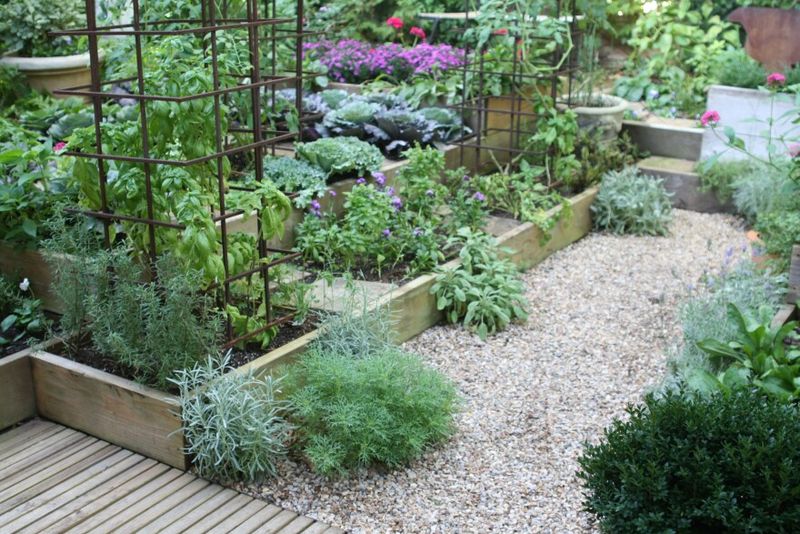
Tracking your garden’s progress is key to long-term success. Maintain a journal to record plant growth, yields, and any challenges faced.
Photograph your beds to capture changes over time, providing a visual record of your efforts. This information guides future planning and adjustments.
Referring to past records helps identify successful practices and areas for improvement. Did you know? A gardening journal not only aids in organization but also enhances the enjoyment of watching your garden evolve season by season.
13. Prepare for Seasonal Changes
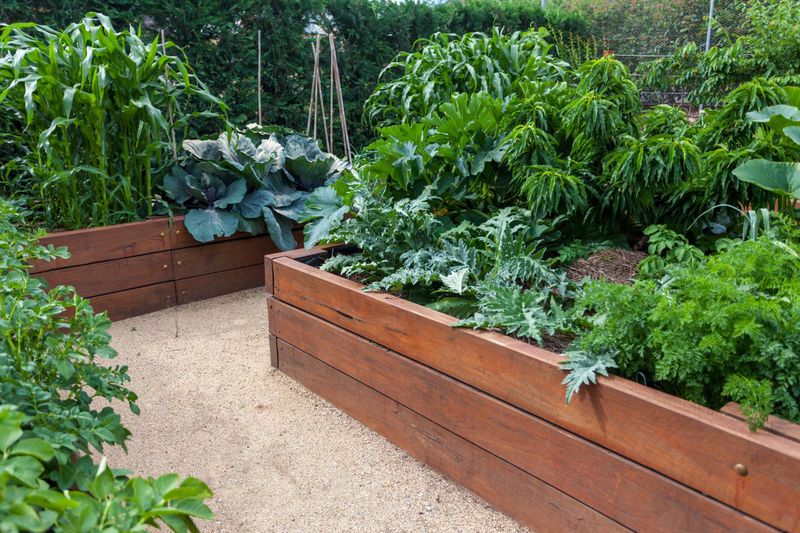
Adapting your raised bed garden to seasonal changes ensures year-round productivity. Protective covers, such as cloches or row covers, shield plants from frost and cold.
Adjust your plant selection based on the season, opting for cold-hardy varieties in winter. This preparation extends the growing season and maximizes yield.
Mulching heavily before winter locks in soil warmth and moisture. Fun fact: Many gardeners use their beds for winter crops like kale or spinach, proving that raised beds are versatile, regardless of the season.
14. Use Companion Planting Strategies
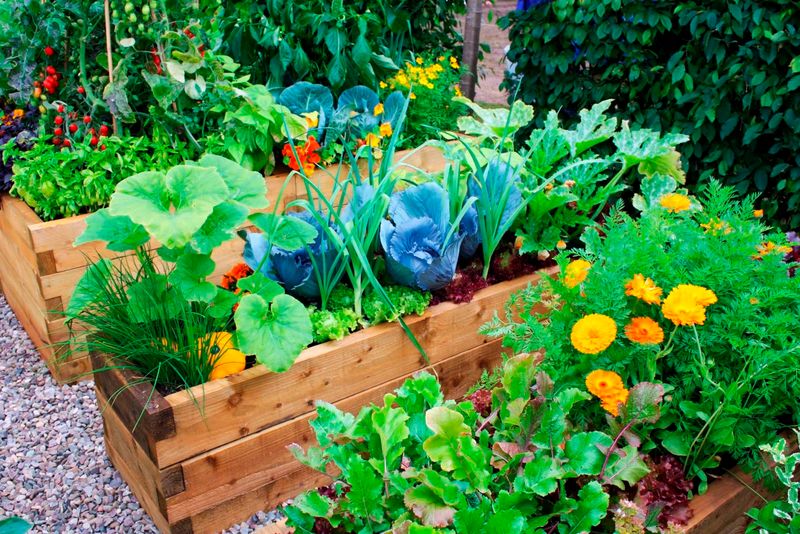
In the world of gardening, companionship isn’t just for people. Companion planting involves growing different plants together to enhance growth and repel pests.
Tomatoes love the companionship of basil, which not only boosts their flavor but also deters harmful insects. Marigolds, with their charming allure, play a protective role against nematodes.
Implementing these strategies can lead to healthier plants and more bountiful harvests. Experiment with combinations to find what works best for your garden. The symbiotic relationship between plants can transform your raised bed into a thriving ecosystem.
15. Incorporate Smart Technology

Imagine a garden that waters itself. Smart technology in gardening is no longer a futuristic concept. With devices like soil moisture sensors and automated irrigation systems, maintaining a garden is more convenient than ever.
These tools allow for precise watering, ensuring plants receive the right amount of care. Syncing technology with mobile apps provides real-time data and control at your fingertips.
Incorporating smart technology can lead to more efficient gardening and conserve resources. Embrace these innovations to enjoy a lush garden with less manual effort. Welcome to the future of gardening!