 Complete Gardening
In the world of indoor plants, some varieties defy belief with their stunning appearances, resembling artful creations rather than living organisms. This guide dives into 15 such plants that seem too perfect, yet are very much real. Not only do they captivate with their unique looks, but they also thrive in dry conditions, making them ideal for various home environments. Let’s explore these botanical wonders that combine aesthetic appeal with resilience.
1. Snake Plant (Sansevieria) – The “Unkillable Alien”
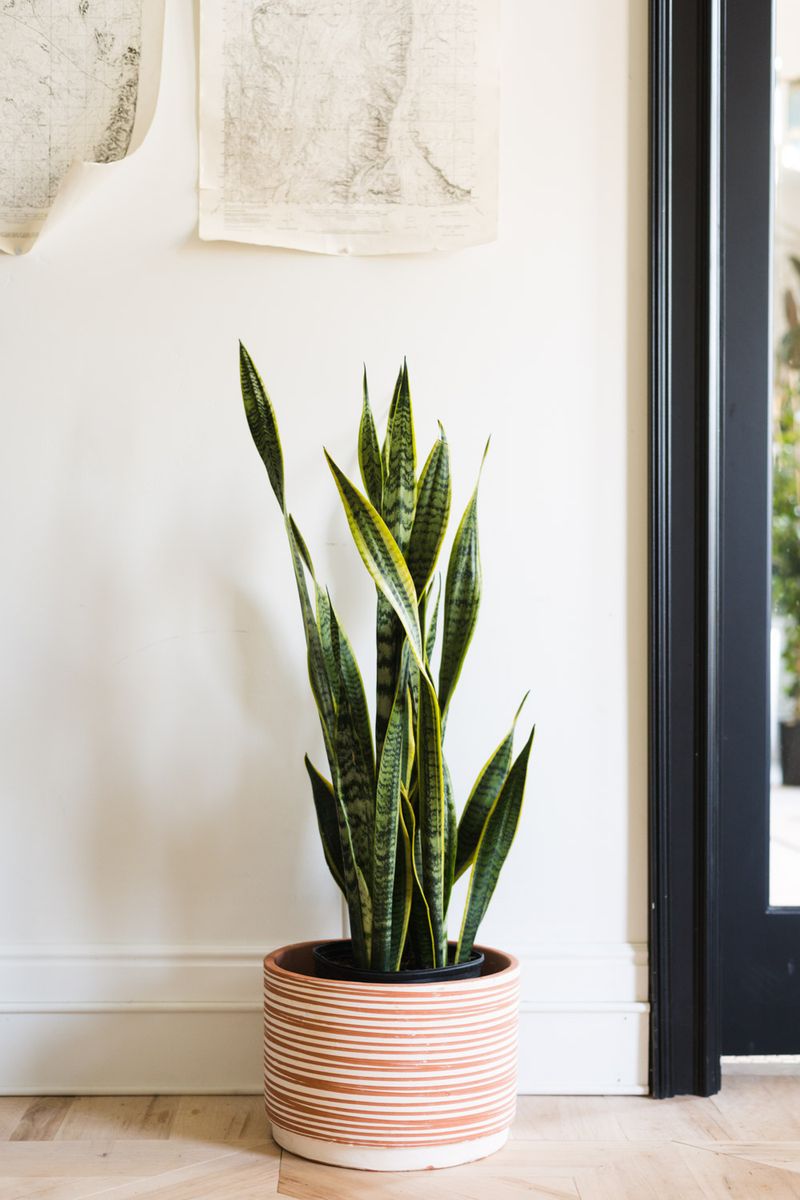
Snake Plants, often dubbed the “Unkillable Alien,” captivate with their stiff, sword-like leaves marked by sharp, intricate patterns. These architectural wonders thrive on neglect, needing water only once every 3-4 weeks. Imagine a plant that survives with minimal care, perfect for those with busy lifestyles. Their ability to purify the air is an added bonus, contributing to a healthier home environment. Originating from West Africa, these hardy plants have become a staple in homes worldwide. Their resilience and striking appearance make them a favorite for both novice and seasoned plant enthusiasts alike.
2. ZZ Plant (Zamioculcas zamiifolia) – The “Plastic Wonder”
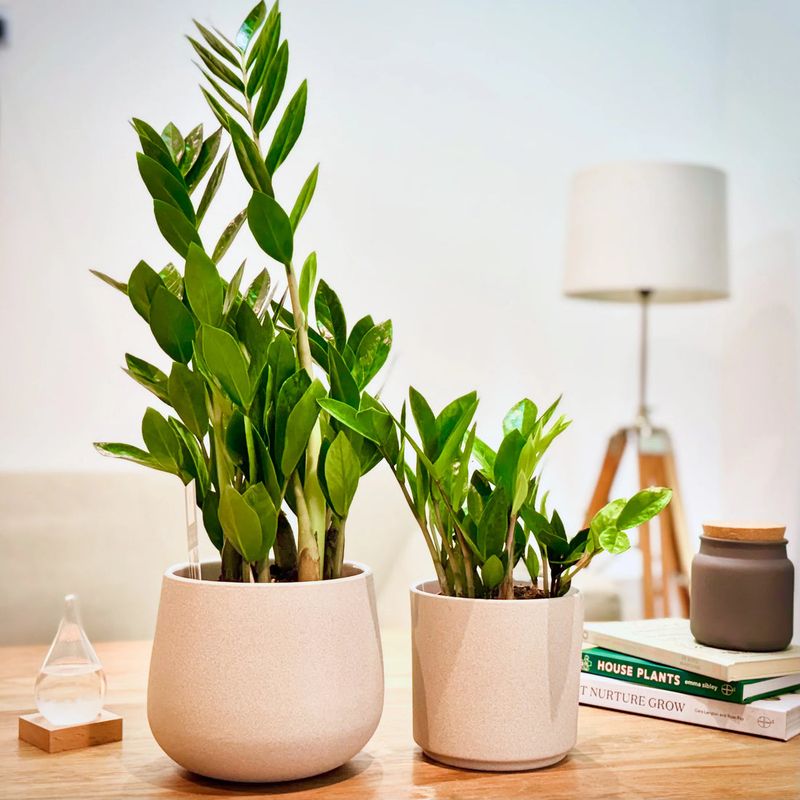
The ZZ Plant, affectionately known as the “Plastic Wonder,” boasts glossy, waxy leaves that seem too immaculate to be real. Its striking appearance complements both modern and traditional decor, offering a touch of elegance to any space. This plant is a water-storing marvel, needing hydration only once a month, making it ideal for forgetful caretakers. Native to East Africa, the ZZ Plant’s robust nature ensures it thrives even in low light. Its ability to endure dry conditions and still look pristine is nothing short of botanical magic.
3. Ponytail Palm (Beaucarnea recurvata) – The “Dr. Seuss Tree”
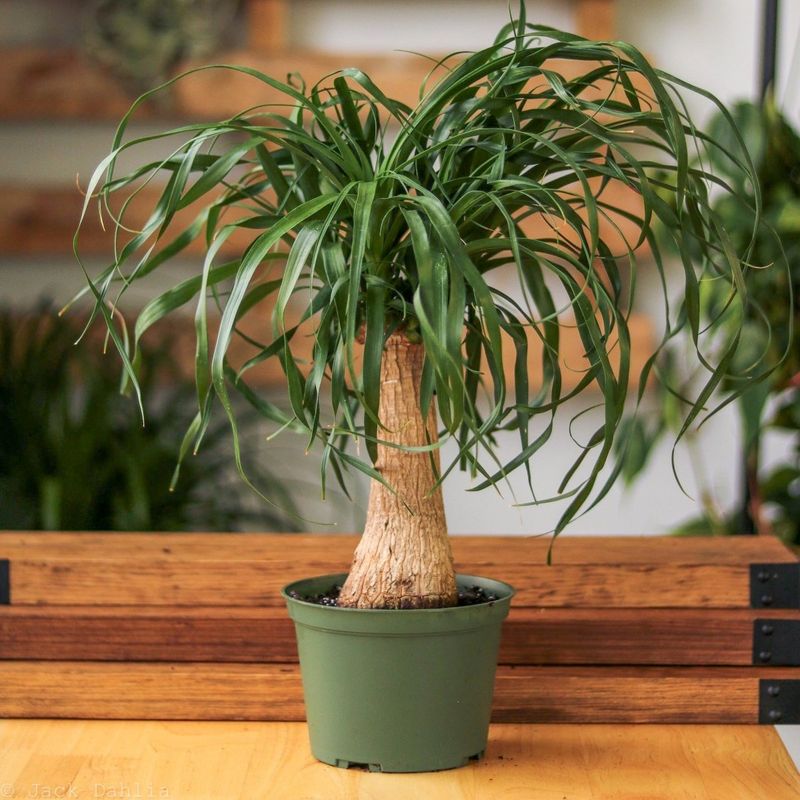
Ponytail Palms, with their whimsical appearance, could have easily stepped out of a Dr. Seuss book. Their bulbous trunks store water, allowing them to thrive with sparse watering. The wild, curly leaves add a playful touch to any room, reminiscent of an artistic sculpture. Originally from the arid regions of Mexico, these palms are perfectly adapted to dry air environments. Their quirky shape and minimal care requirements make them a conversation starter and an excellent choice for those looking to add character to their indoor plant collection.
4. String of Pearls (Senecio rowleyanus) – The “Living Bead Necklace”
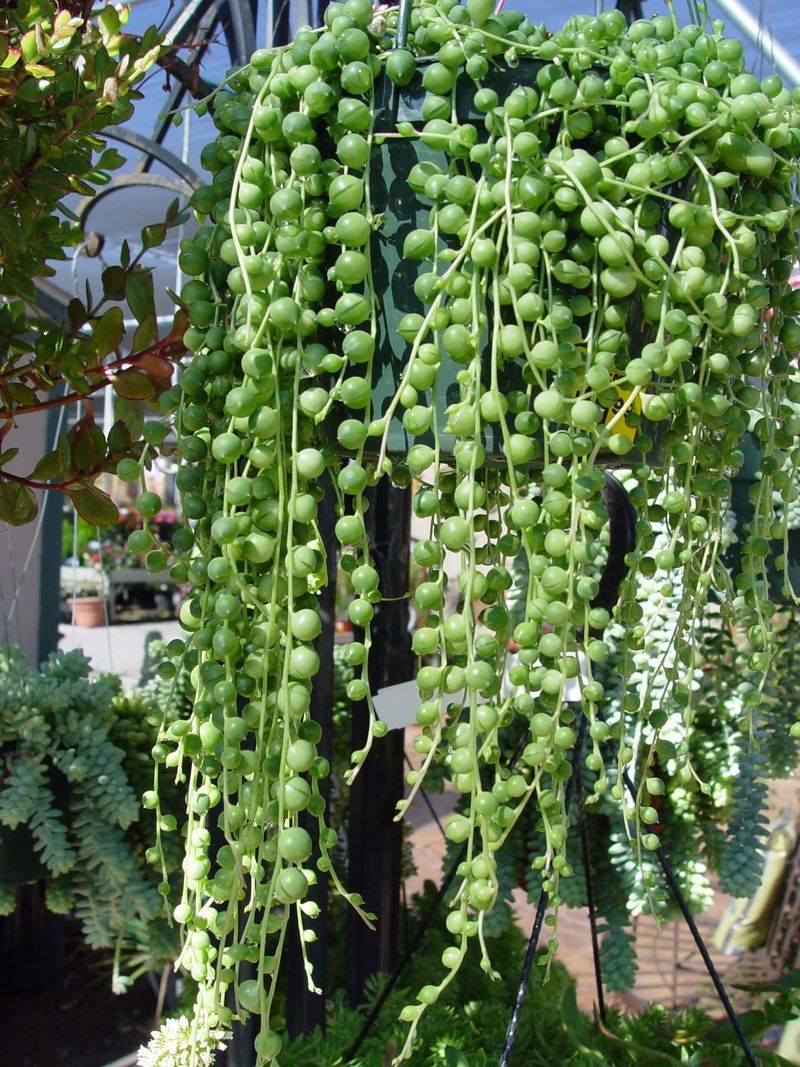
String of Pearls, often likened to a living bead necklace, captivates with its cascading strings of tiny spherical leaves. This succulent is a master of deception, appearing delicate yet thriving in dry, arid conditions. Its unique form makes it a favorite for hanging planters, where it can fully display its trailing beauty. Native to southwestern Africa, this plant prefers dry soil between waterings. Its minimal care requirements and eye-catching appearance make it a stylish addition to any collection, effortlessly blending natural beauty with modern decor.
5. Echeveria (Echeveria spp.) – The “Perfect Rosette”
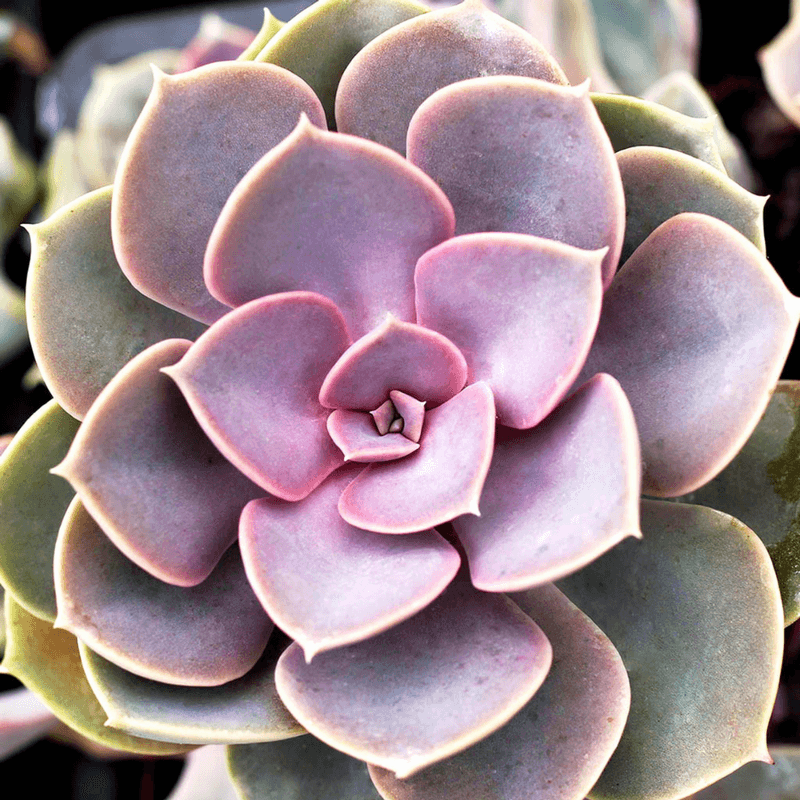
Echeverias, known for their perfect rosettes, are nature’s sculptures in pastel hues. These symmetrical beauties thrive on sunlight, preferring bright locations to maintain their vibrant colors. Their ability to store water makes them perfect for dry air environments, needing only occasional watering. Originating from Central America, Echeverias have adapted to harsh conditions, showcasing resilience in their stunning form. Their decorative appeal, combined with easy care, makes them a popular choice for both novice and experienced plant lovers seeking a touch of elegance with minimal upkeep.
6. Hoya (Hoya carnosa) – The “Wax Plant”
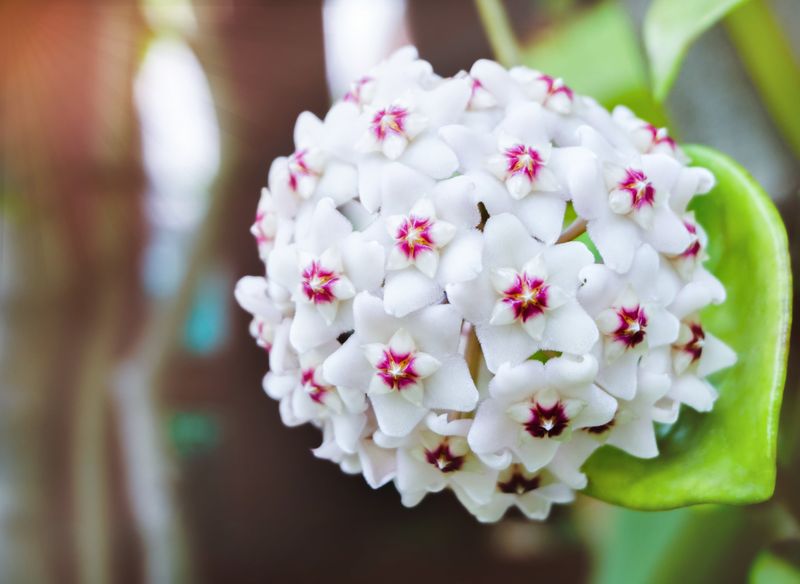
The Hoya, or “Wax Plant,” enchants with its thick, glossy leaves and uniquely star-shaped flowers. Its waxy appearance gives it an artificial look, yet it flourishes in real life, preferring dry air and indirect sunlight. This plant’s historical roots trace back to Asia and Australia, where it adapted to tough climatic conditions. Hoyas are known for their fragrant blooms, adding both visual and aromatic beauty to indoor spaces. Their low-maintenance nature and striking features make them a beloved choice for plant enthusiasts who appreciate both aesthetics and ease of care.
7. Lithops (Lithops spp.) – The “Living Stones”
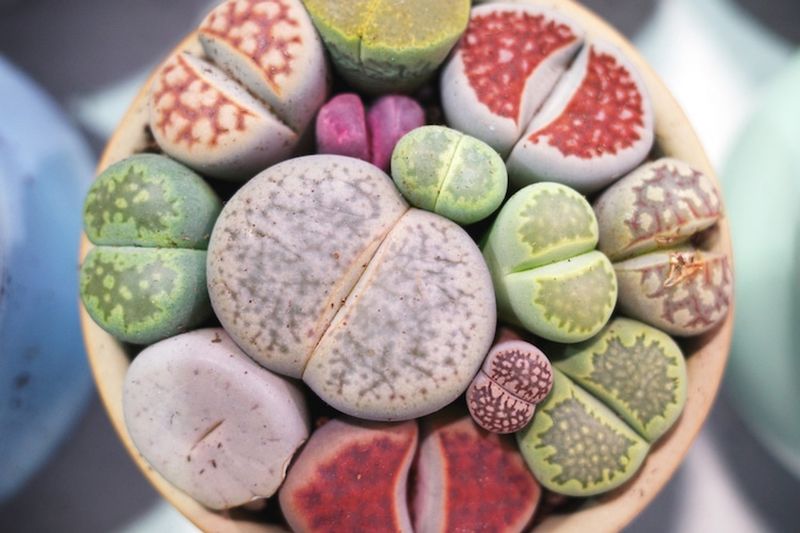
Lithops, aptly named “Living Stones,” are camouflaged gems of the plant world. Their pebble-like appearance allows them to blend seamlessly into rocky environments, a survival trait from their native habitats in southern Africa. These intriguing succulents require minimal watering, only 3-4 times a year, making them ideal for dry air settings. Despite their stony exterior, Lithops come alive with vibrant blooms that surprise and delight. Their unique form and low-maintenance needs appeal to those looking for a conversation piece that marries natural wonder with artistic design.
8. Birdsnest Fern (Asplenium nidus) – The “Fake Plastic Fern”
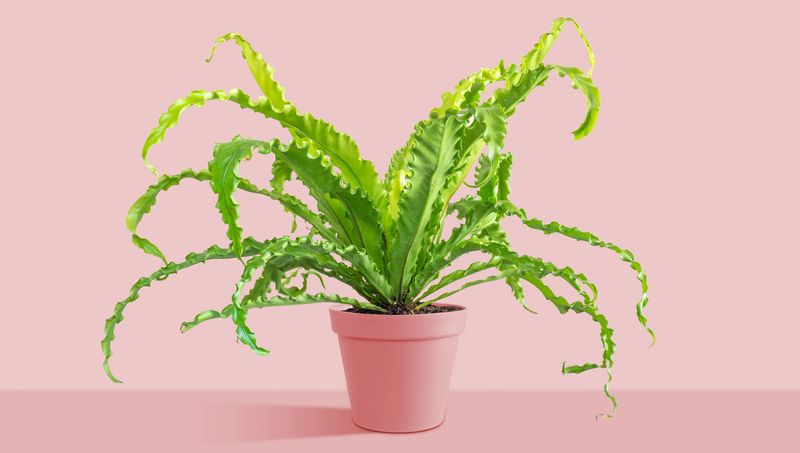
The Birdsnest Fern, known as the “Fake Plastic Fern,” stands out with its smooth, shiny leaves that defy typical fern expectations. Unlike its counterparts, it tolerates lower humidity, making it a unique find for fern enthusiasts. Originating from tropical regions, its adaptability to drier indoor air is remarkable. This plant’s ability to retain its lush appearance without needing constant misting makes it a practical yet exotic choice. Its glossy leaves add a touch of elegance, perfectly suited for spaces that require a blend of sophistication and minimal upkeep.
9. Haworthia (Haworthia spp.) – The “Zebra Plant”
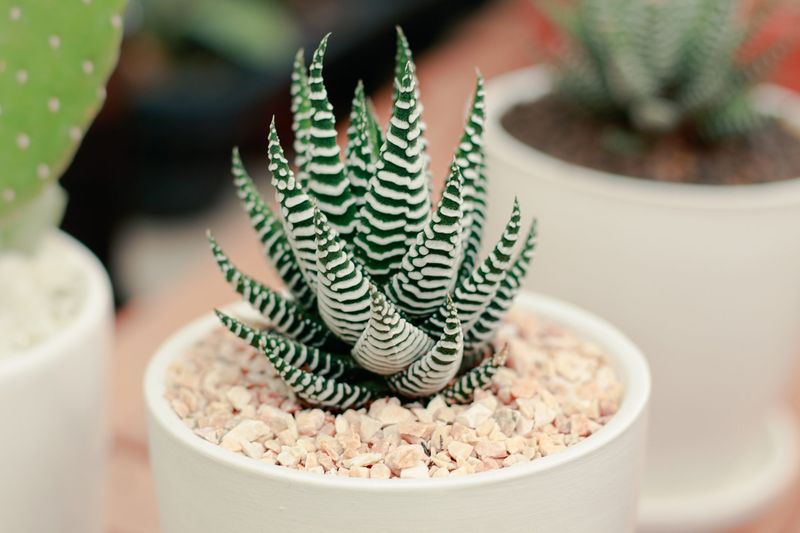
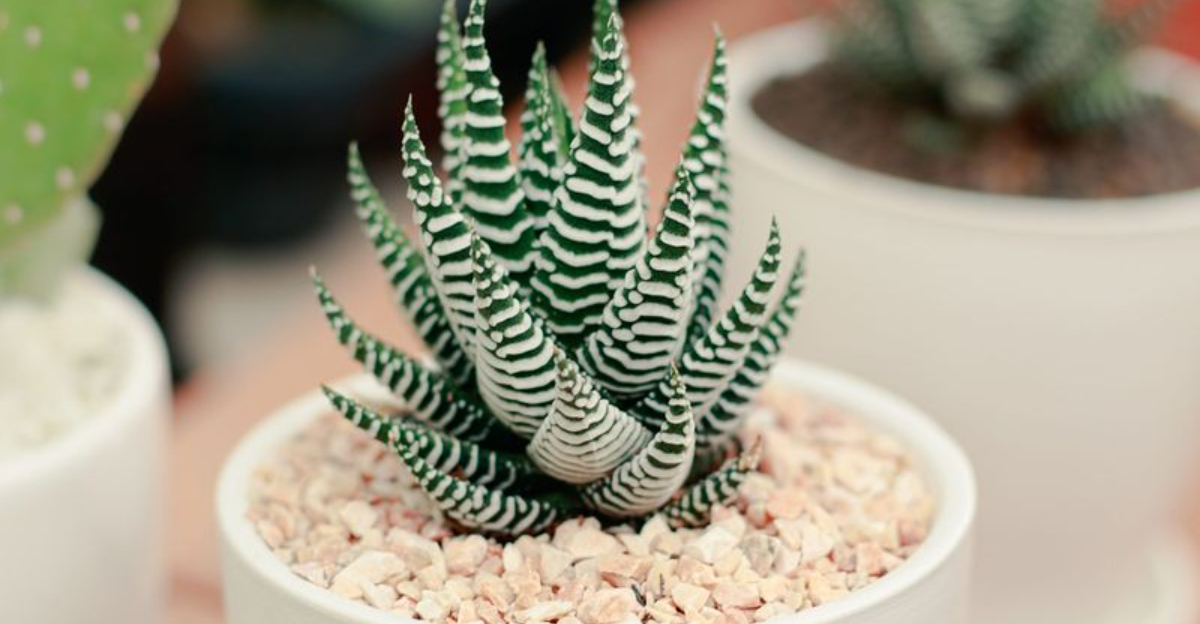
Haworthias, or “Zebra Plants,” mesmerize with their striped, translucent leaves reminiscent of a sci-fi prop. These small yet striking succulents thrive in dry conditions, needing water only every 2-3 weeks. Their compact size makes them versatile additions to any indoor space, fitting snugly into various decorative arrangements. Native to South Africa, Haworthias have evolved to endure the harsh climate, embodying resilience in their eye-catching design. Their exotic appearance and low-maintenance requirements attract both seasoned collectors and new plant enthusiasts alike, adding visual intrigue to any setting.
10. Lucky Bamboo (Dracaena sanderiana) – The “Fake Office Plant”
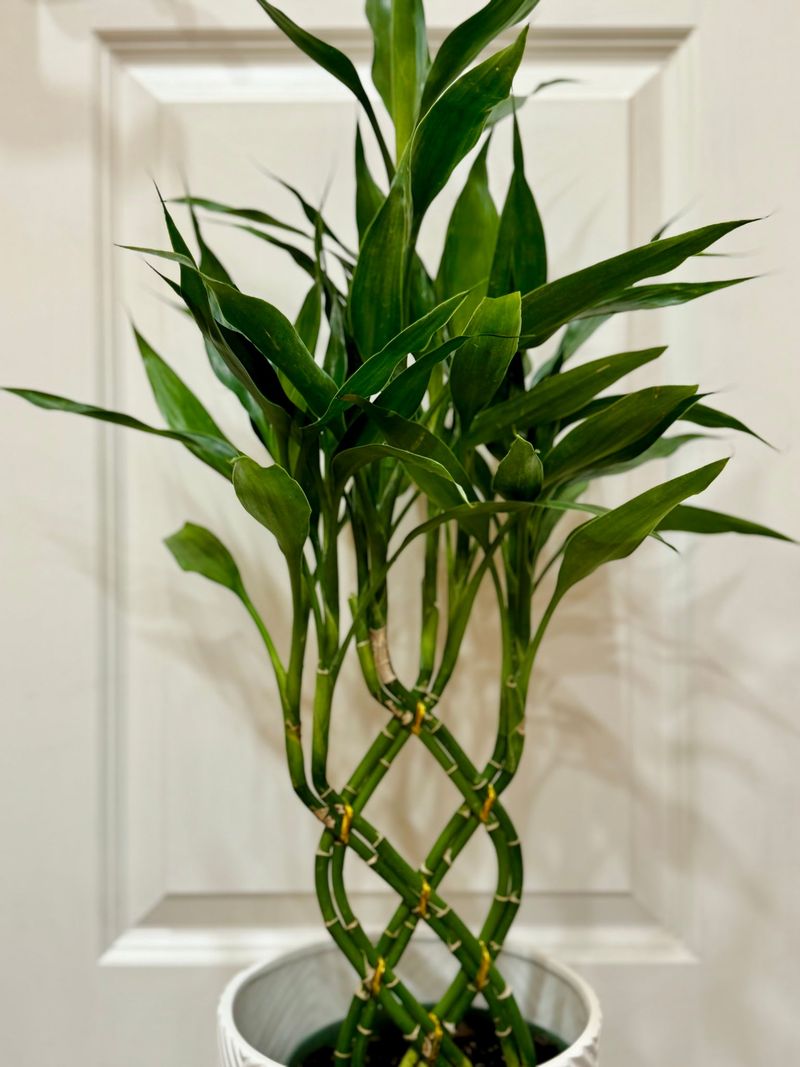
Lucky Bamboo, often called the “Fake Office Plant,” is admired for its ability to grow in water, mimicking decorative art rather than a living plant. Its minimalist charm and adaptability to various lighting conditions make it a staple in both homes and offices. This plant thrives in dry air, provided its roots remain submerged in water. Originating from Cameroon in Africa, Lucky Bamboo symbolizes prosperity and good fortune. Its effortless maintenance and sleek appearance make it a popular choice for those seeking to bring a touch of zen into their spaces.
11. Calathea (Calathea orbifolia) – The “Painted Leaves”
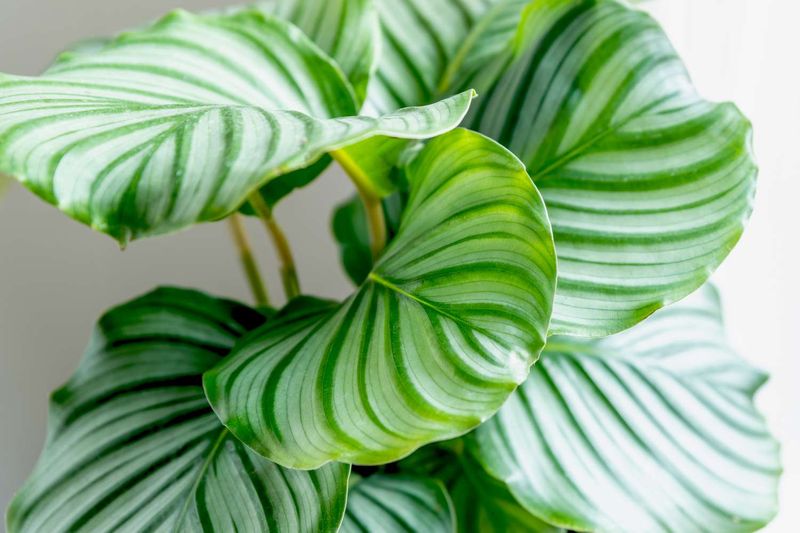
Calatheas, known for their “Painted Leaves,” captivate with unreal metallic stripes that seem painted on. These lush beauties thrive in humid conditions but can adapt to dry air with regular misting. Their ornate foliage adds a tropical flair to any indoor space, providing a vivid contrast to more subdued decor. Native to South America, Calatheas have evolved to display vibrant patterns that shift in light. Their striking appearance and moderate care needs make them a favorite for those wishing to infuse their homes with lively greenery and artistic charm.
12. Burro’s Tail (Sedum morganianum) – The “Succulent Rope”
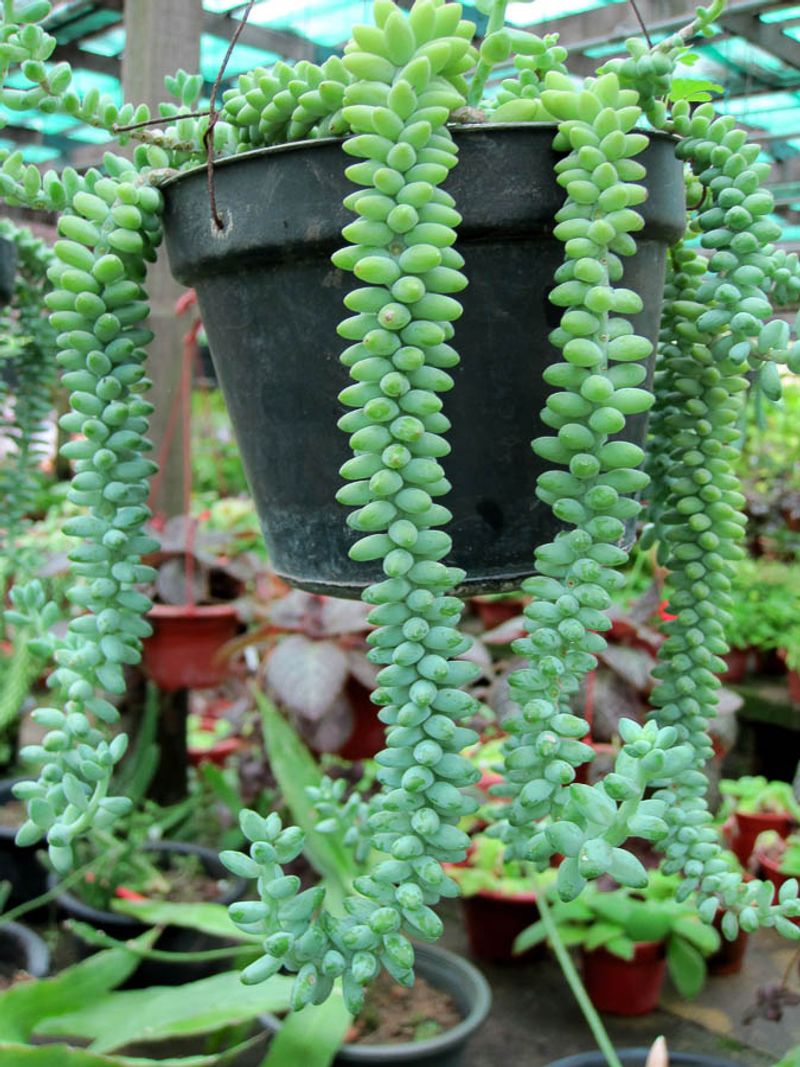
Burro’s Tail, or the “Succulent Rope,” is a playful addition to any plant collection, with its plump, trailing leaves resembling a cartoonish vine. This succulent thrives in dry air, requiring infrequent watering, making it ideal for those who prefer low-maintenance greenery. Native to southern Mexico, Burro’s Tail easily adapts to various indoor environments while maintaining its lush, cascading form. Its unique texture and vibrant color make it a standout piece, perfect for adding a whimsical touch to both modern and rustic decor alike.
13. String of Bananas (Senecio radicans) – The “Fake Hanging Vine”
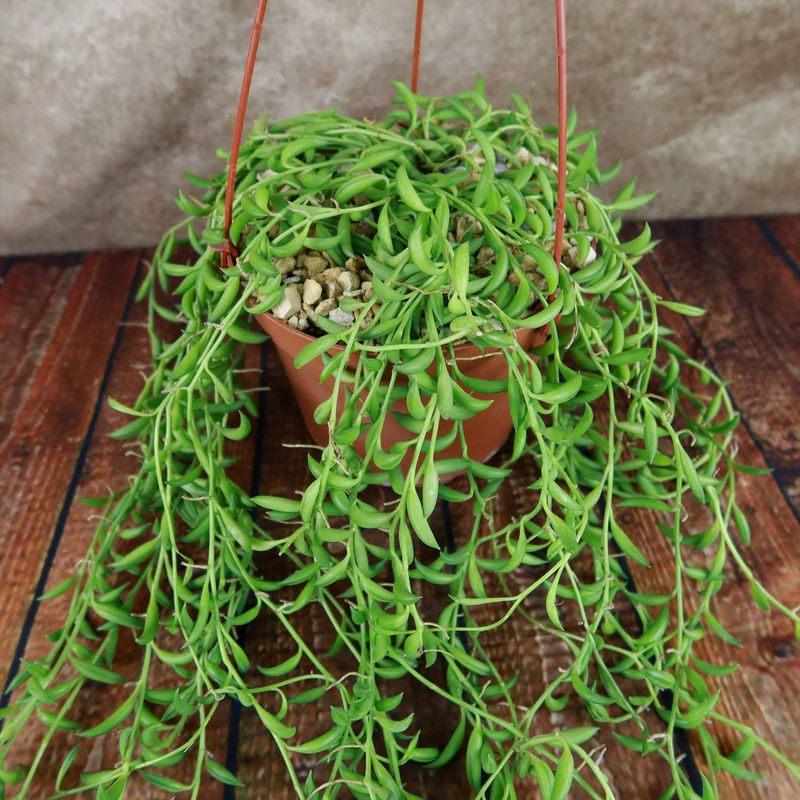
String of Bananas, with its banana-shaped leaves, offers a quirky twist on the classic hanging vine. This drought-resistant plant thrives in dry homes, requiring minimal care while providing maximum visual impact. Its cascading form is perfect for adding greenery to high shelves or hanging planters, where it can display its playful tendrils. Native to Namibia, the String of Bananas adapts well to indoor life, bringing a touch of nature’s whimsy to any setting. Its unique shape and hardy nature make it a beloved choice for plant enthusiasts with a flair for the unusual.
14. Pink Princess Philodendron (Philodendron erubescens) – The “Barbie Plant”
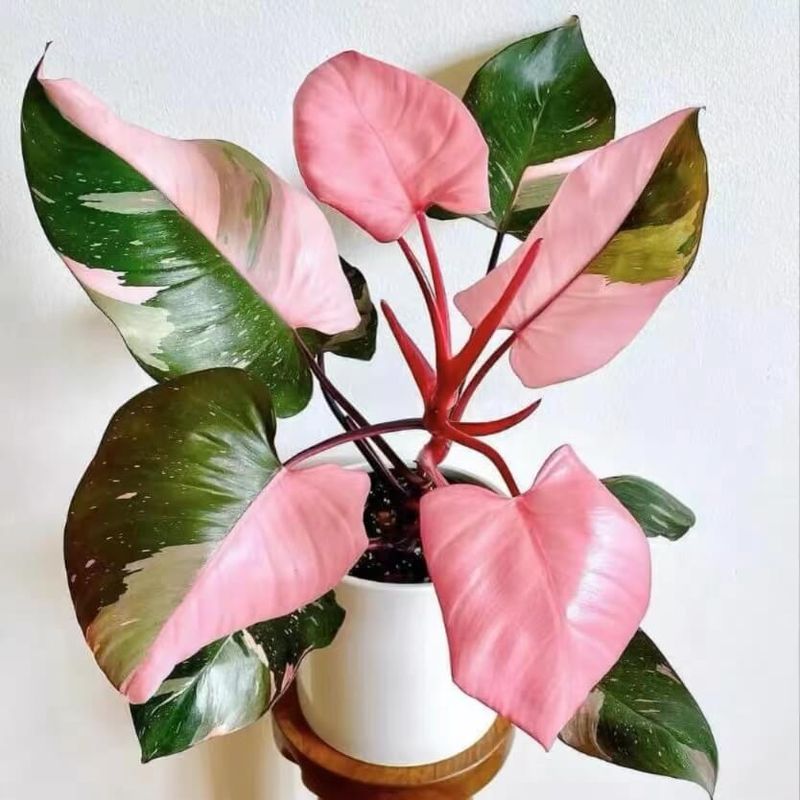
The Pink Princess Philodendron, often dubbed the “Barbie Plant,” dazzles with its hot pink variegation that seems artistically painted. This vibrant plant handles dry air better than many other philodendrons, making it a resilient choice for indoor gardeners. Its bold colors bring a pop of excitement to any decor, blending seamlessly with modern aesthetics. Native to Colombia, the Pink Princess’s striking appearance and relatively easy care have made it a must-have for plant enthusiasts seeking both beauty and durability in their green companions.
15. Air Plants (Tillandsia) – The “No-Soil Wonders”
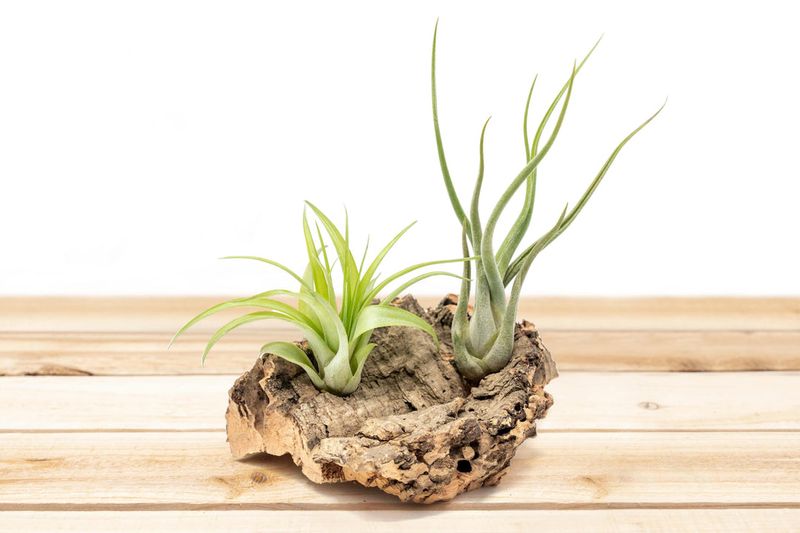
Air Plants, or “No-Soil Wonders,” intrigue with their ability to grow without dirt, resembling something from a science fiction tale. These versatile plants can be displayed in a variety of creative ways, from decorative glass orbs to driftwood mounts. Misting weekly or soaking monthly keeps them vibrant, thriving in dry air environments. Their origins trace back to the forests, mountains, and deserts of Central and South America, where they evolved to absorb moisture from the air. Their unique growth habit and minimal care requirements make them a favorite among modern decorators.