 Complete Gardening
Explore a captivating world where plants respond to their environment in extraordinary ways. From dancing leaves to sensitive stems, these fascinating plants exhibit a range of reactions to sound, touch, or movement, providing a glimpse into the wonder of nature’s adaptability. Join us as we discover 15 unique plants that showcase the enchanting behavior of botanical interactivity.
1. Mimosa Pudica
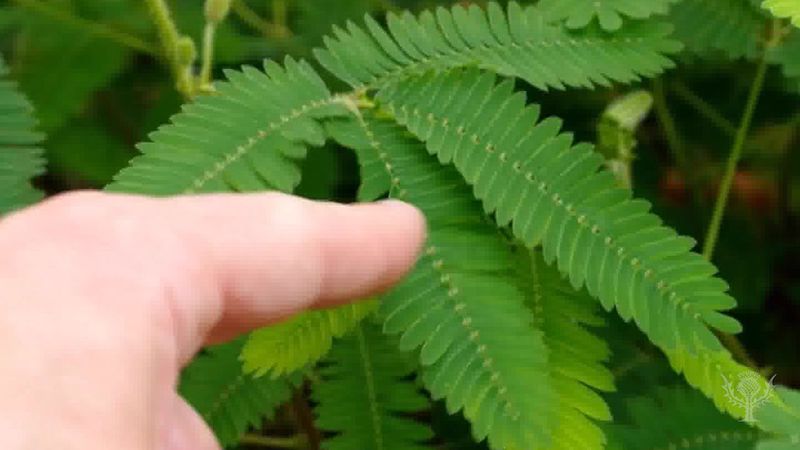
The Mimosa Pudica, often called the “sensitive plant,” folds its delicate leaves when touched. This rapid movement is both a defense mechanism and a fascinating display of plant sensitivity.
This plant is native to South and Central America but has captured hearts worldwide. Its playful nature invites endless interaction and curiosity, making it a favorite for plant enthusiasts and kids alike.
Did you know? In some cultures, Mimosa Pudica is believed to possess medicinal properties that aid relaxation.
2. Venus Flytrap
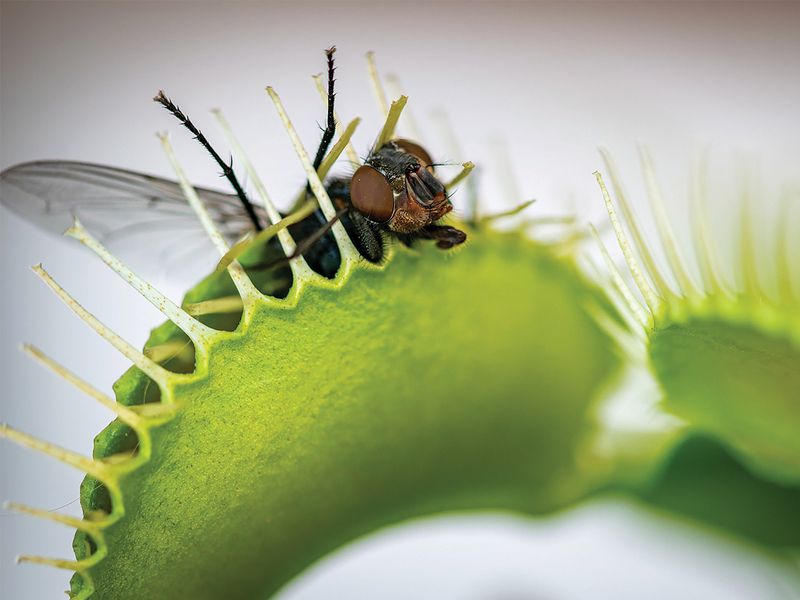
The Venus Flytrap is known for its carnivorous appetite and swift snap trap. Its hinged leaves close on unsuspecting prey like insects, using hair-trigger sensors.
Found in subtropical wetlands of the United States, the Venus Flytrap thrives in nutrient-poor soil, using its unique feeding mechanism to supplement its diet.
Fun fact: Despite its fearsome reputation, the Venus Flytrap digests its prey over several days, absorbing essential nutrients while the rest returns to nature.
3. Telegraph Plant
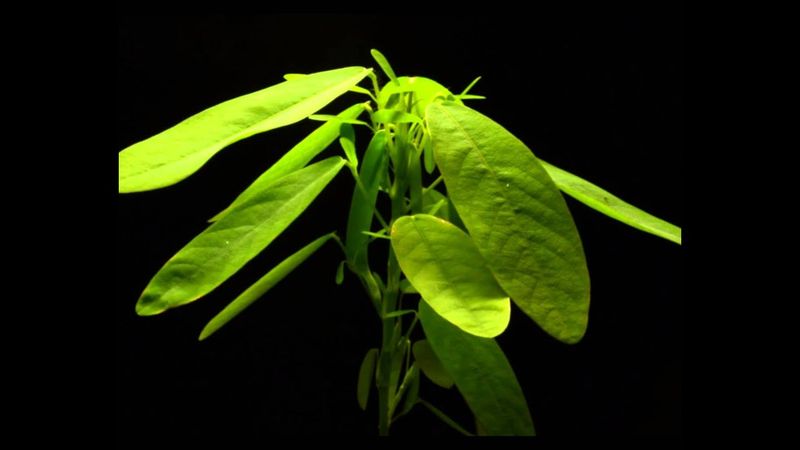
The Telegraph Plant, or Codariocalyx motorius, is famous for its dancing leaflets. These small leaves move in rhythmic patterns, especially when exposed to light or sound. Imagine witnessing this plant sway gracefully, as if performing a silent dance.
Native to Asia, it captures the imagination with its lively movements that reflect its responsiveness to the environment.
This plant’s unique motion has intrigued scientists and plant lovers alike, offering a delightful insight into the complexity of plant behavior and adaptation.
4. Touch-Me-Not Plant
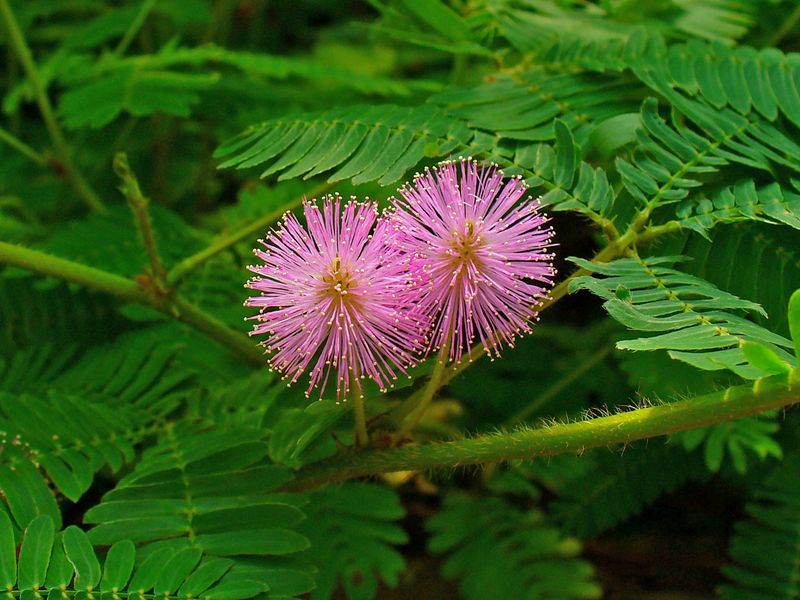
The Touch-Me-Not Plant, scientifically known as Impatiens, responds to gentle touch by closing its leaves. This touch-sensitive behavior is both a defense mechanism and a captivating spectacle.
It’s commonly found in temperate regions and admired for its vibrant flowers that complement its reactive nature.
A fun interaction awaits with every encounter, promising to entertain and educate those who venture to engage with its responsive charm.
5. Dancing Plant
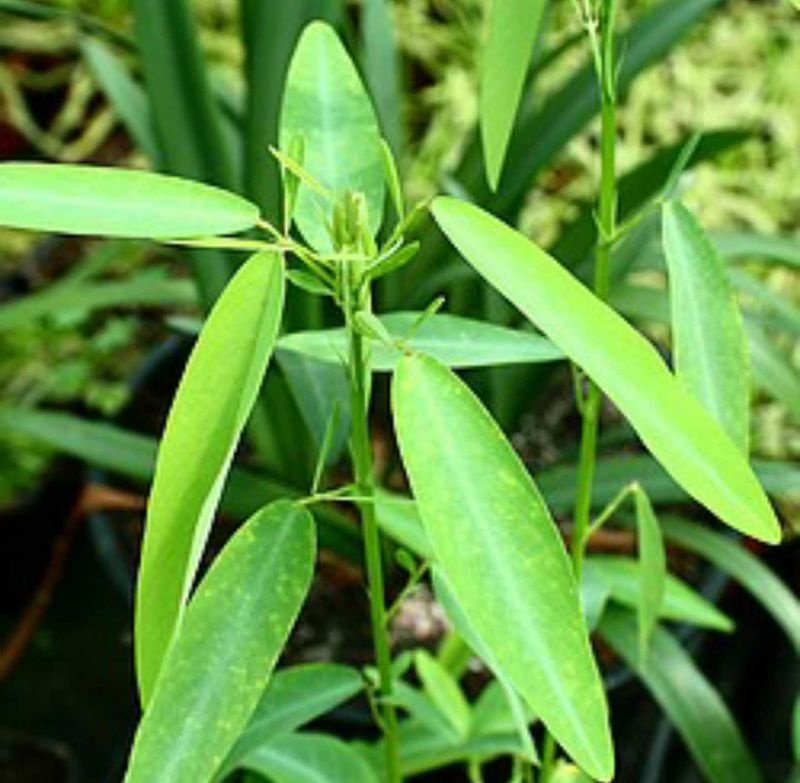
The Dancing Plant, also known as Desmodium gyrans, moves its leaves in a rhythmic dance in response to music or temperature changes. Its intriguing behavior adds a sense of wonder to the botanical world.
Native to Eastern India and parts of Asia, this plant’s movements have inspired curiosity and admiration.
A delightful conversation starter, the Dancing Plant invites observers to ponder the mysteries of plant sensitivity and adaptation.
6. Sensitive Fern
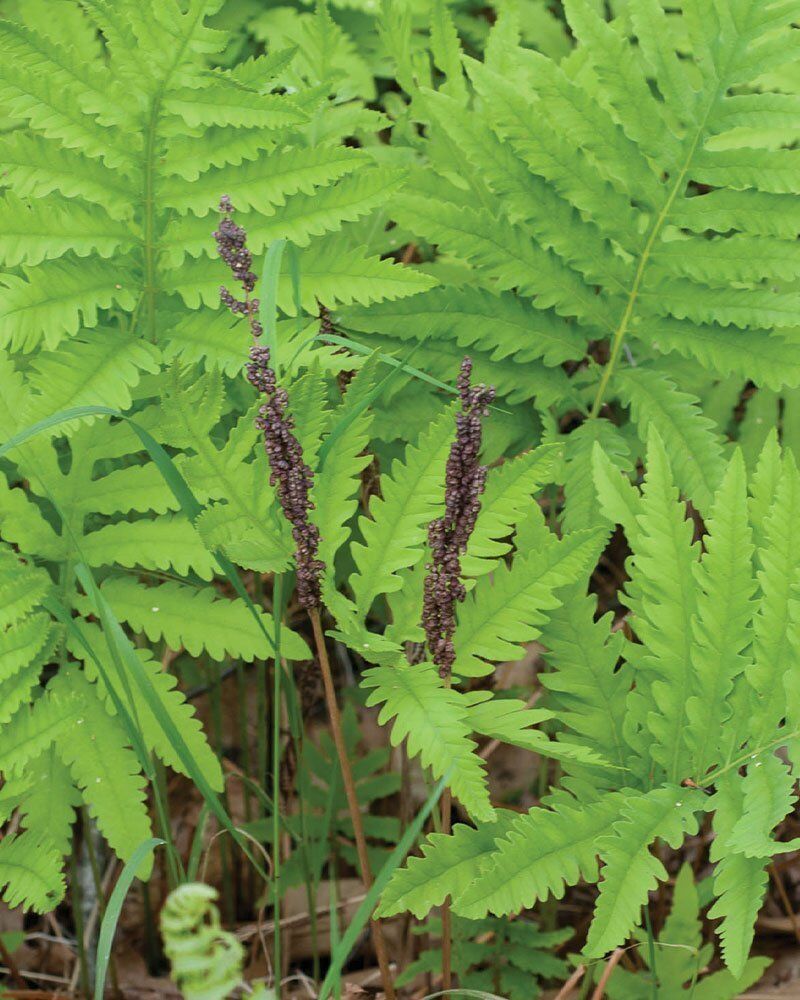
The Sensitive Fern, scientifically called Onoclea sensibilis, displays a subtle reaction to touch or changes in its environment. Its fronds may seem to shy away upon contact, adding intrigue to its lush appearance.
Common in North American wetlands, it thrives in moist conditions where its responsive nature is often observed.
This fern’s quiet elegance and reactive behavior make it a cherished addition to any botanical collection, sparking wonder and appreciation for its gentle interactions with the world around it.
7. Telopea
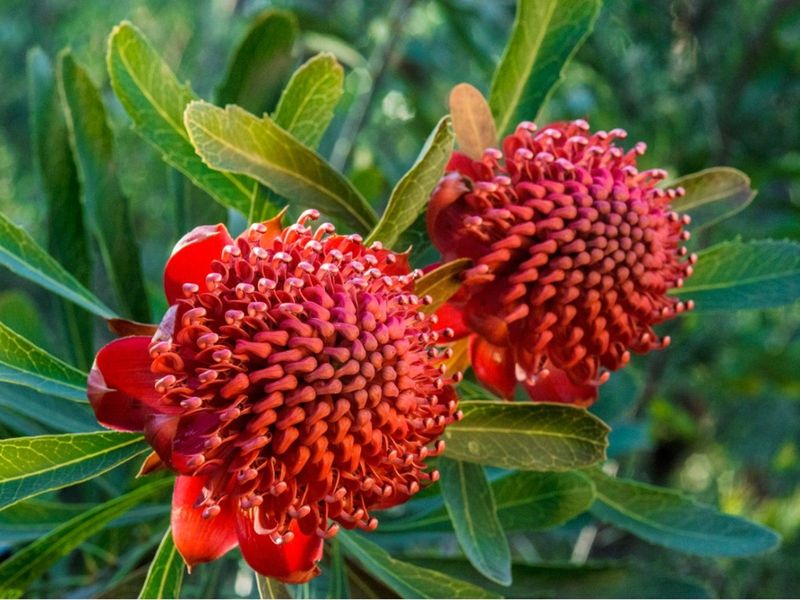
Known for its striking red flowers, the Telopea, or Waratah, may not move in the traditional sense, but its presence is electrifying. Native to Australia, this plant responds to pollinators in a way that seems almost interactive.
Its towering presence and unique floral display offer a visual feast.
Telopea’s symbolic importance in Australian culture adds to its allure, making it a plant that captivates both the eye and the imagination.
8. Himalayan Balsam
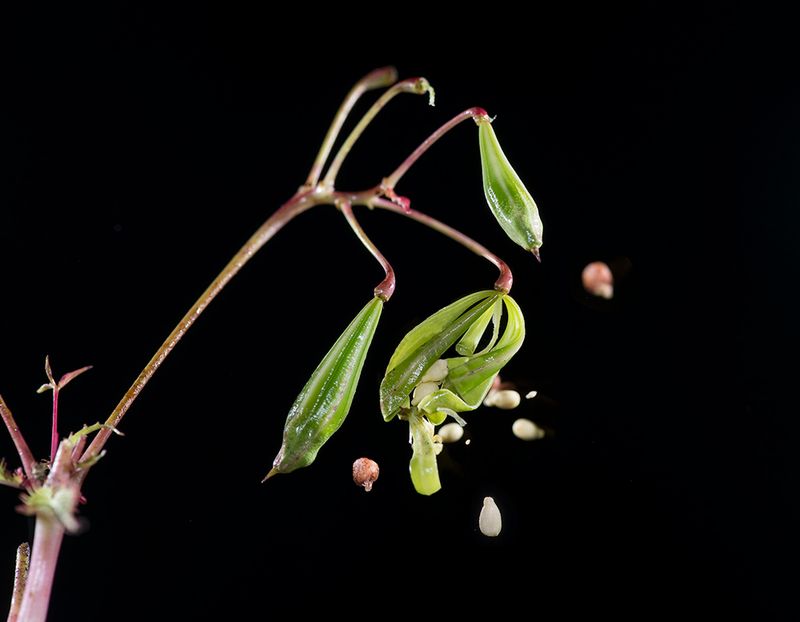
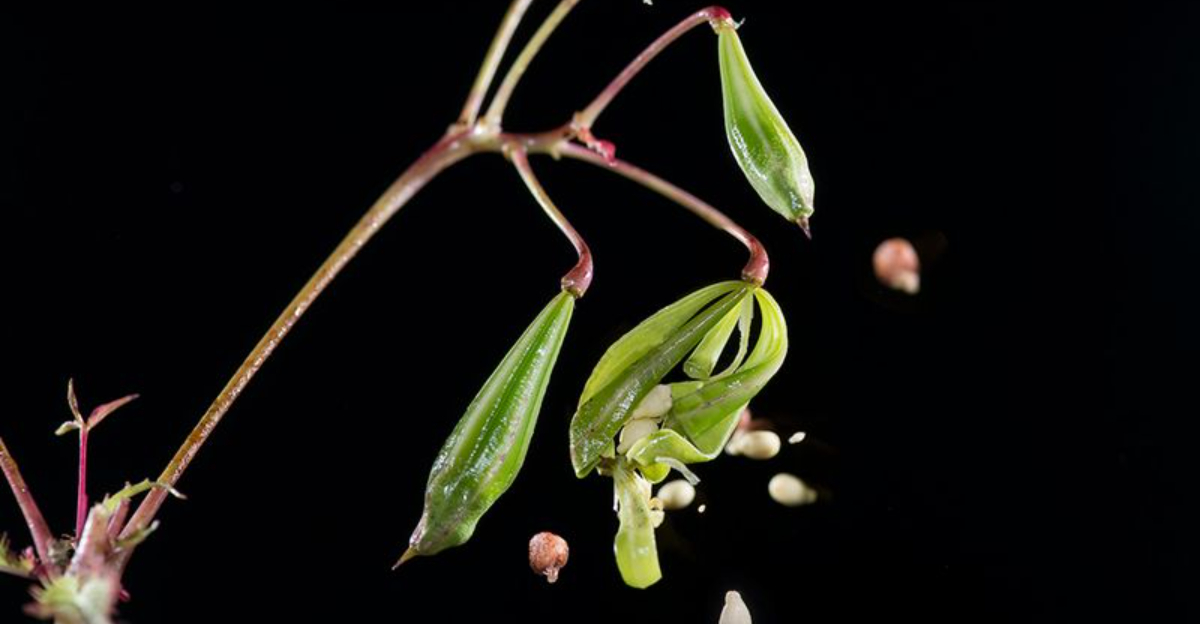
The Himalayan Balsam, or Impatiens glandulifera, is known for its explosive seed dispersal mechanism. When touched, its seed pods burst open, sending seeds flying.
Native to the Himalayas, it has spread to various parts of the world, thriving in moist environments.
Its ability to proliferate and adapt to new regions makes it both a marvel and a challenge, captivating those who observe its dynamic seed dispersal with awe and curiosity.
9. Sundew
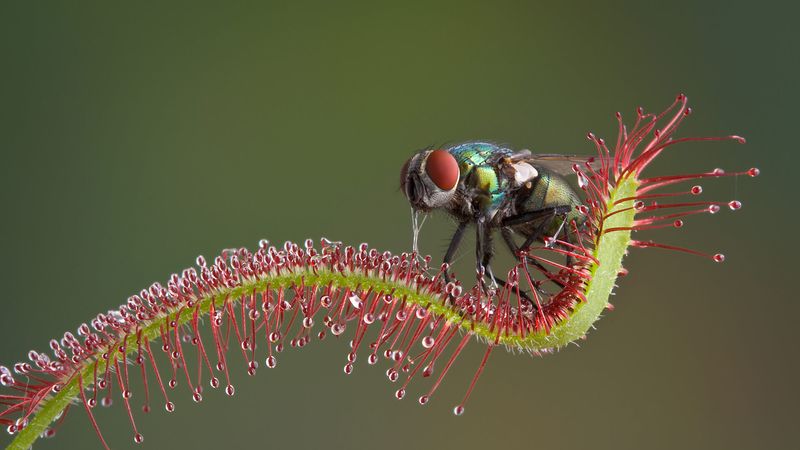
The Sundew is a carnivorous plant known for its sticky tentacles that trap insects. As prey lands, these glistening hairs envelop it, a slow yet effective capture.
Found in wetlands around the world, Sundews play a crucial role in nutrient-poor environments.
Their captivating method of feeding, combined with their delicate beauty, creates an intriguing balance between elegance and survival in the plant kingdom.
10. Strangler Fig

The Strangler Fig envelops host trees in a dramatic embrace, resembling a slow-motion dance of growth and dominance.
Common in tropical forests, it starts life as an epiphyte before gradually taking over its host.
The Strangler Fig’s fascinating lifecycle and imposing presence make it a remarkable example of nature’s adaptability and survival strategies, drawing amazement and respect from those who encounter it.
11. Bouncing Bet
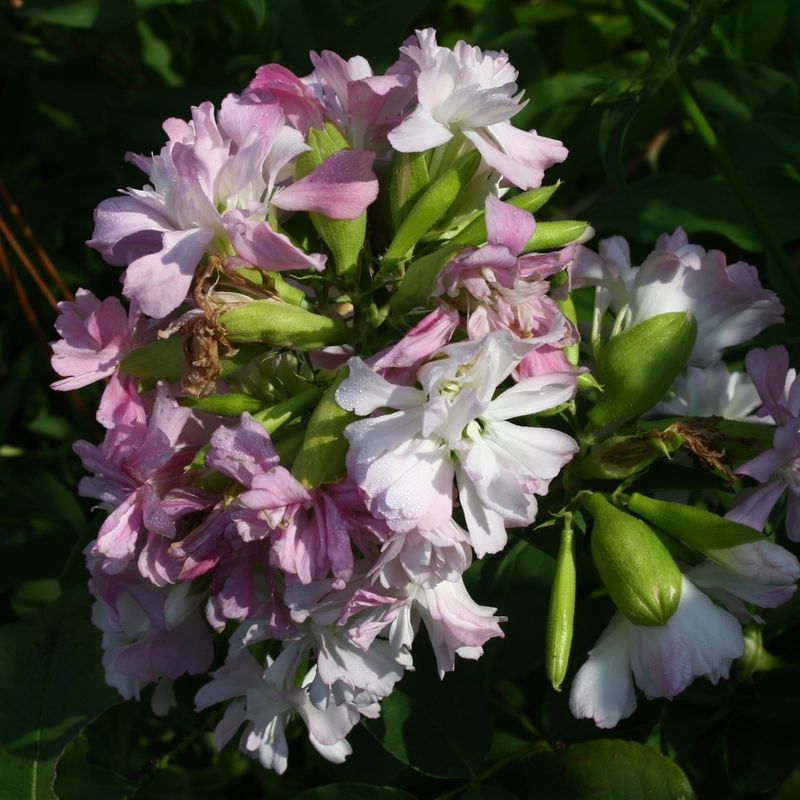
Bouncing Bet, or Saponaria officinalis, is named for its bouncing seeds when ripe. This plant reacts to touch, releasing seeds with a playful flick.
Native to Europe, it thrives in meadows and roadsides, with charming white flowers that enhance its playful nature.
Its historic use as a soap substitute adds an interesting twist, offering a glimpse into the practical yet whimsical aspects of this delightful plant.
12. Squirting Cucumber
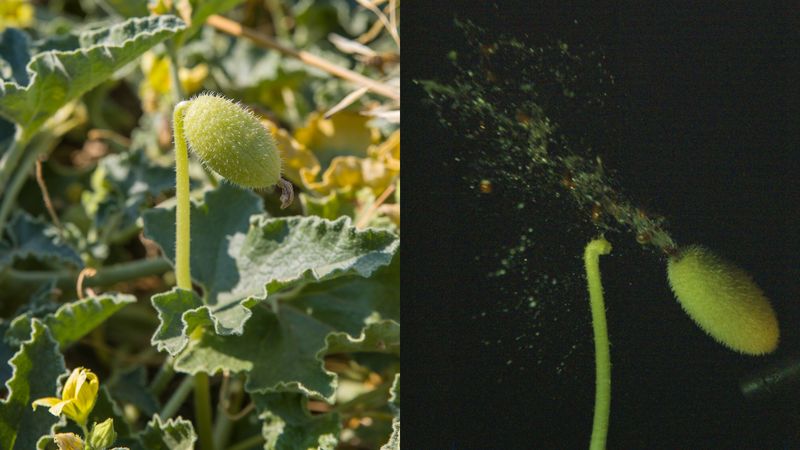
The Squirting Cucumber, or Ecballium elaterium, lives up to its name with explosive seed ejection. When ripe, its fruit bursts, projecting seeds outward like a botanical geyser.
Native to Europe and parts of Asia, it’s both a horticultural curiosity and a marvel of natural mechanics.
This plant’s unique method of seed dispersal never fails to amaze, offering gardeners and nature lovers alike a spectacle of motion and intrigue.
13. Oxalis
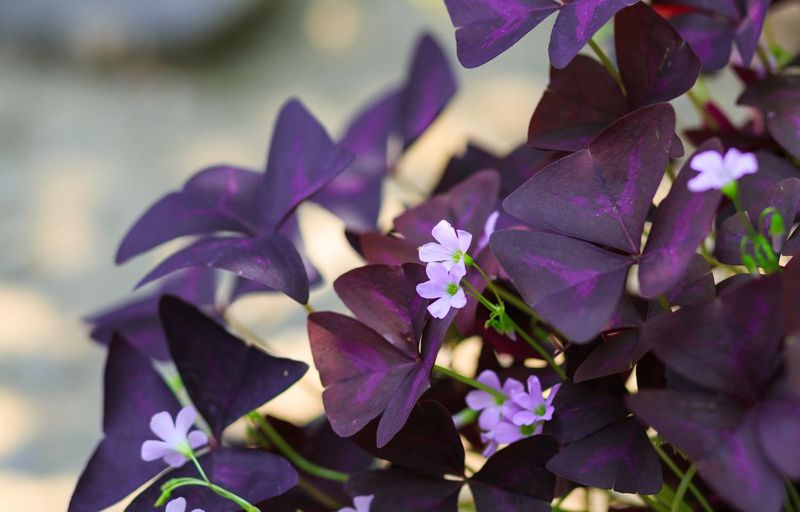
Oxalis, known for its triangular leaves, reacts to light and touch by folding its foliage. This subtle movement adds a dynamic element to gardens.
These plants are found in various climates, thriving both indoors and outdoors with ease.
Oxalis’ cheerful presence and reactive nature make it a beloved choice for plant enthusiasts seeking a living, responsive addition to their botanical collection.
14. Nastic Movements in Morning Glory

Morning Glory exhibits nastic movements, opening and closing its blooms in response to light. This daily rhythm creates a living clock, bringing gardens to life with color and motion.
Commonly found in gardens worldwide, they symbolize the day’s fresh start with their vibrant, trumpet-shaped flowers.
The graceful interplay of light and growth in Morning Glory plants adds a touch of magic to gardens, captivating hearts and minds with its rhythmical dance.
15. Aloe Vera

While Aloe Vera may not dance or snap, its healing gel is a true reactive marvel. This succulent responds to cuts or burns, providing soothing relief with its cooling properties.
Native to arid climates, Aloe Vera is a staple in skincare and home remedies worldwide.
Its adaptability and resilience make it a beloved plant, offering comfort and care through its natural, reactive healing properties in gardens and homes alike.