 Complete Gardening
Delve into the fascinating world of medieval gardening techniques that have stood the test of time. These age-old practices not only provide practical benefits for today’s gardeners but also connect us to the wisdom of our ancestors. From planting methods to pest control and soil enrichment, discover 15 forgotten tricks that can transform your garden.
1. Three Sisters Planting
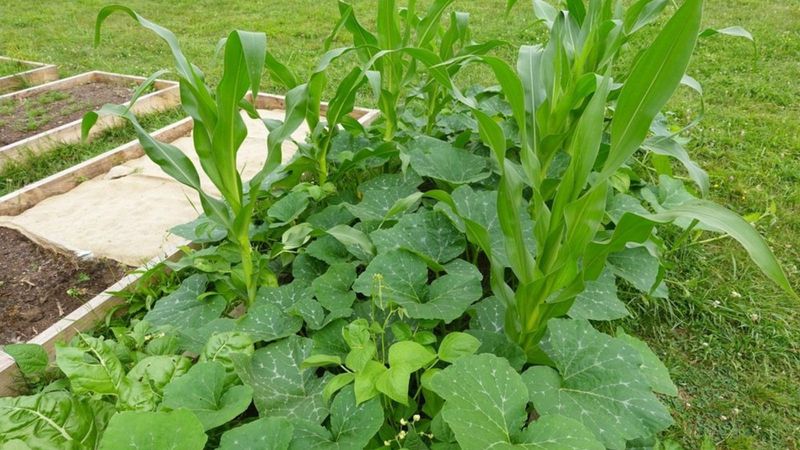
In medieval times, Native American tribes practiced the ingenious ‘Three Sisters Planting.’ By growing corn, beans, and squash together, each plant complements the others. Corn provides a natural trellis for beans, which in turn fix nitrogen into the soil, benefiting all three. Squash, with its broad leaves, shades the soil, helping to retain moisture.
This ancient technique is ideal for small permaculture gardens today, allowing gardeners to maximize space and fertility naturally. The synergy between these plants showcases the wisdom of our ancestors in sustainable gardening.
2. Herb Spiral for Microclimates
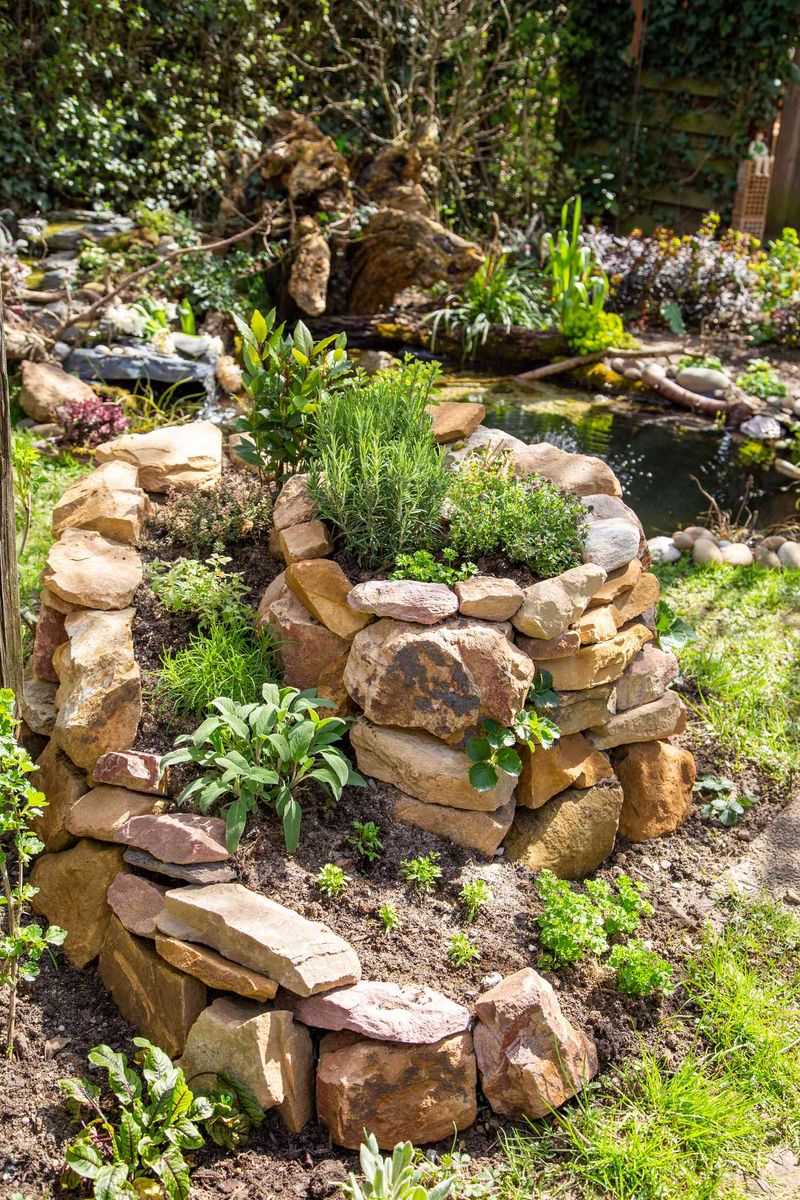
Herb spirals create microclimates, allowing for a variety of plants to thrive in a compact space. By arranging a spiral-shaped raised bed, each section receives different amounts of sun and moisture. Rosemary thrives at the sun-drenched top, while moisture-loving mint finds its place at the bottom.
This innovative design saves space and improves drainage. Medieval gardeners understood the importance of creating diverse growing conditions, and this method remains popular in modern permaculture for its efficiency and productivity.
3. Burying Fish Heads as Fertilizer
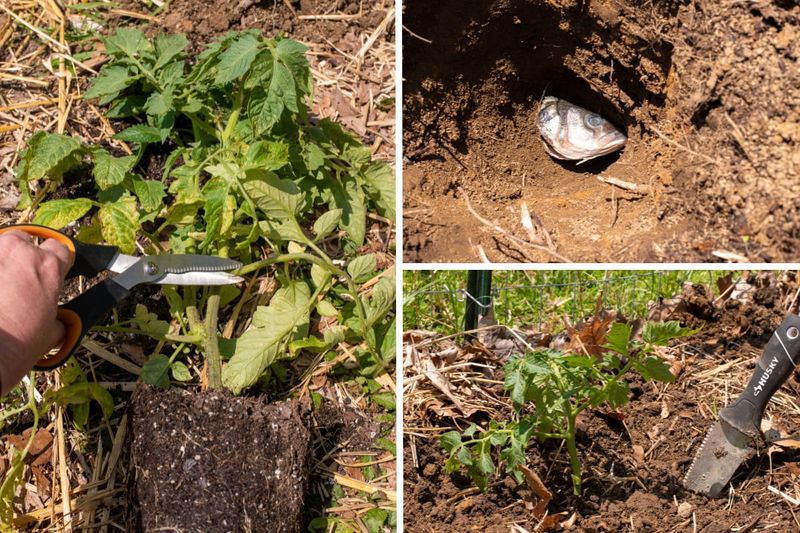
The practice of burying fish heads beneath plants dates back to medieval times as a way to enrich the soil. The slow decomposition of fish provides a rich source of nitrogen and phosphorus, essential nutrients for heavy feeders like tomatoes.
In contemporary gardening, fish emulsion or compost can serve as alternatives, offering the same benefits without the odor. This technique highlights the resourcefulness of medieval gardeners in utilizing available resources effectively.
4. Wattle Fencing for Wind Protection
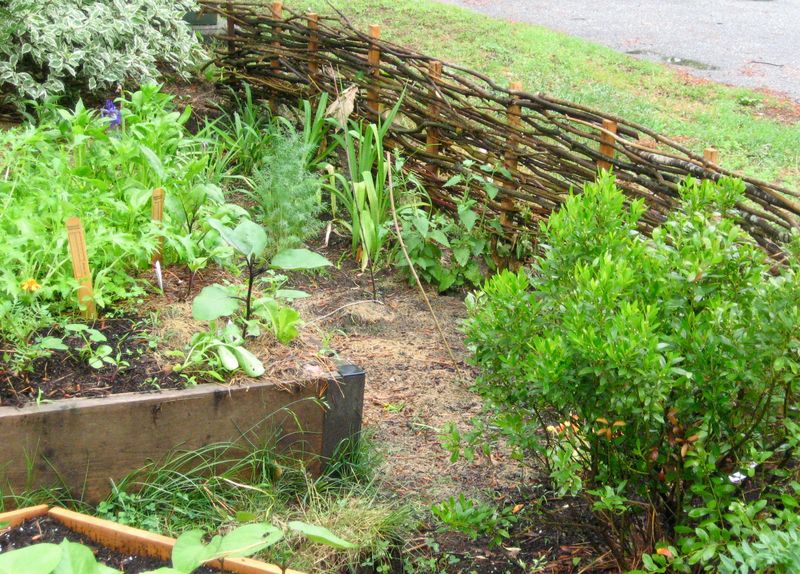
Wattle fencing, crafted from woven branches, provides excellent wind protection while allowing airflow. This ancient technique was popular in medieval gardens, particularly in areas prone to high winds. Willow or hazel branches are typically used for their flexibility and strength.
Today, wattle fences are making a comeback in urban balconies and coastal gardens, offering both functionality and aesthetic appeal. They stand as a testament to the practical beauty of medieval garden design.
5. Clay Pot Irrigation (Ollas)
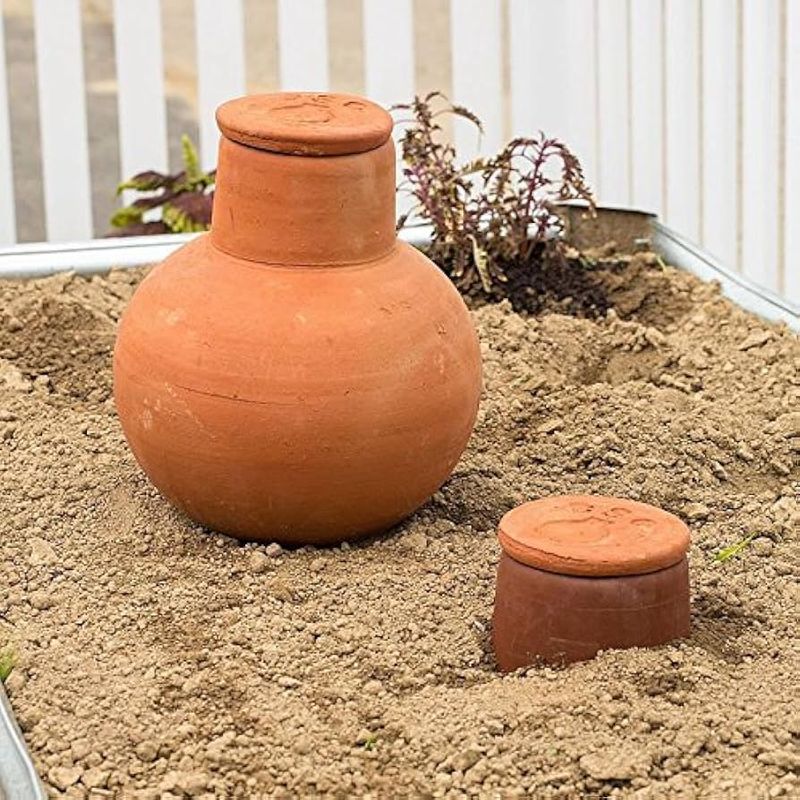
Clay pot irrigation, or the use of ollas, offers a sustainable watering solution that dates back centuries. By burying unglazed clay pots near plants and filling them with water, gardeners achieve slow, deep watering that minimizes evaporation.
This method is particularly effective in drought-prone areas, providing a consistent moisture source. Modern gardeners can recreate this technique using terracotta pots, embracing the simplicity and effectiveness of medieval irrigation methods.
6. Companion Planting with Marigolds

Medieval gardeners discovered that marigolds deter pests, making them valuable companions in the vegetable patch. By planting marigolds near vegetables, they observed fewer pests and healthier crops. The natural pest-repelling properties of marigolds make them a staple in organic gardening today.
This age-old technique continues to be embraced for its simplicity and effectiveness in enhancing garden health. Marigolds not only brighten the garden but also play a crucial role in integrated pest management.
7. Leaf Mold for Soil Improvement
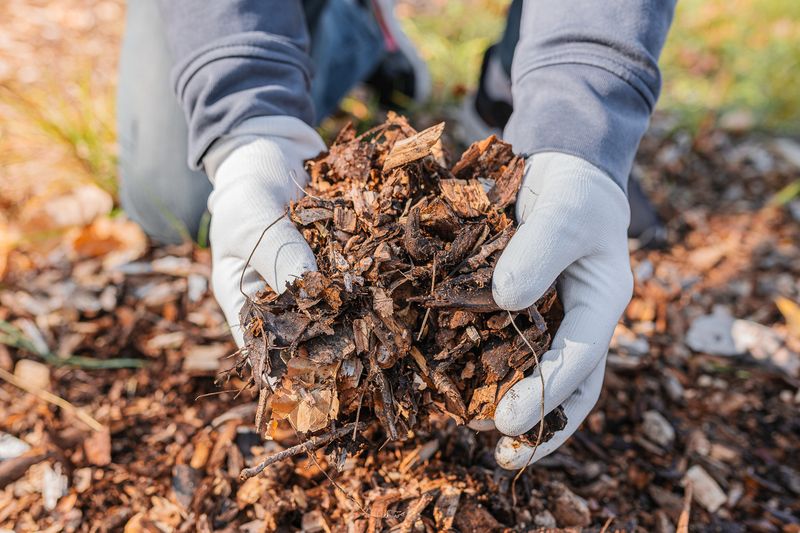
Creating leaf mold involves the simple process of piling up fallen leaves and allowing them to decompose over time. This method results in nutrient-dense humus, a free and effective soil conditioner cherished by medieval gardeners.
Today, gardeners can accelerate the composting process by shredding the leaves first, producing high-quality leaf mold more quickly. This practice not only recycles garden waste but also enhances soil structure and fertility.
8. Bee Gardens for Pollination
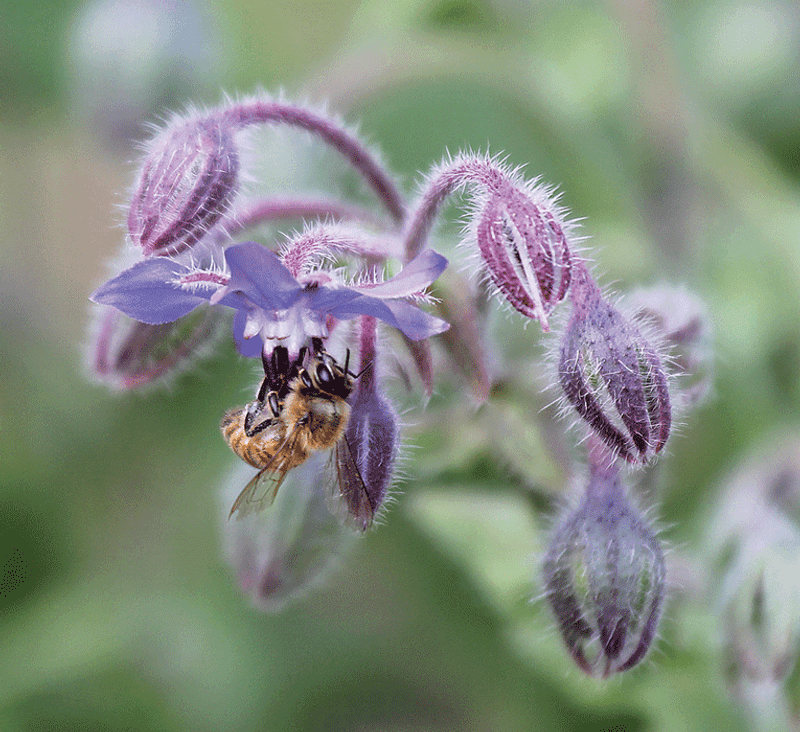
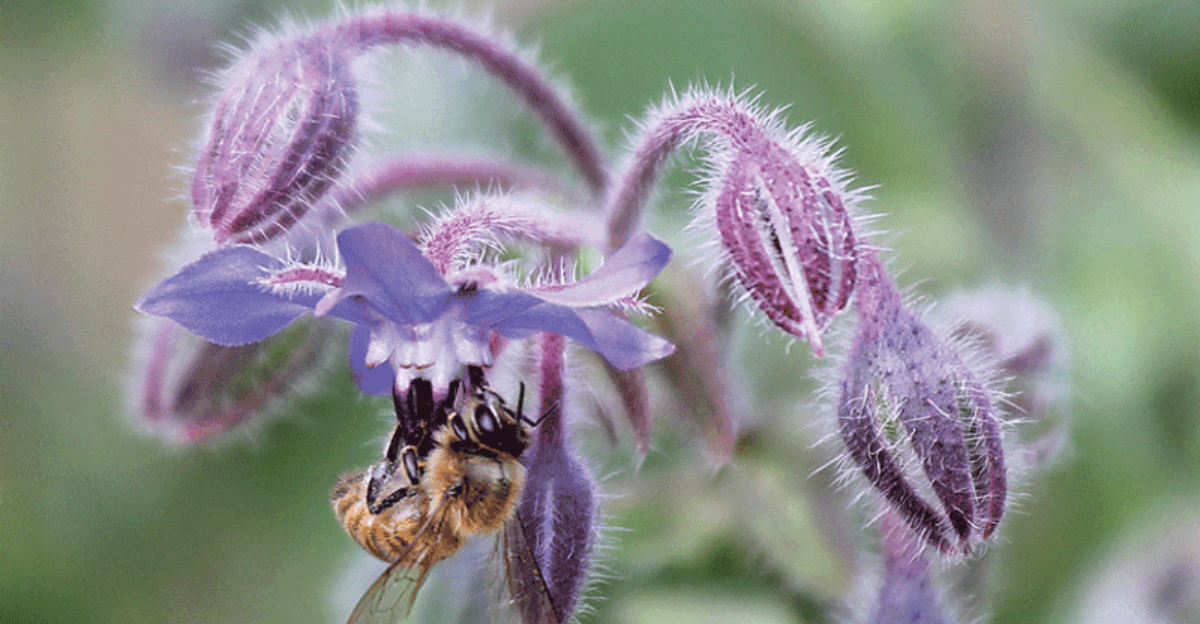
Medieval gardeners understood the importance of attracting pollinators to boost crop yields. By planting borage, lavender, and clover, they created bee-friendly environments that ensured abundant harvests.
In modern gardens, these plants continue to play a vital role in supporting pollinator populations. Establishing bee gardens today enhances biodiversity and ensures fruitful gardens, echoing the ecological wisdom of medieval times.
9. Acorn Flour as Survival Food

In times of scarcity, medieval communities turned to acorn flour as a reliable food source. By leaching tannins from acorns, they produced a nutritious flour that could sustain them in difficult times.
Today, foraging enthusiasts and survivalists value acorn flour for its historical significance and nutritional benefits. This practice highlights human resilience and adaptability in using natural resources wisely.
10. Ash as Natural Fertilizer
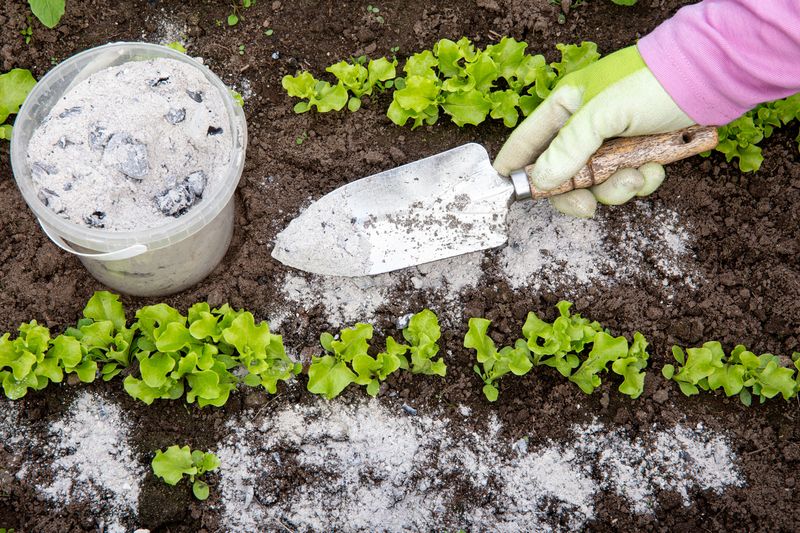
Sprinkling wood ash around plants was a common practice in medieval gardening, providing a natural source of potassium and helping to raise soil pH. This technique was particularly beneficial for crops like brassicas.
Modern gardeners continue to use ash but with caution, as too much can alter soil chemistry adversely. The use of ash reflects a time-tested approach to soil management that balances nutrient availability with environmental care.
11. Planting by the Moon

The belief that lunar cycles influence plant growth has roots in medieval tradition. Sowing seeds during a waxing moon was thought to boost growth, as the moon’s gravitational pull affects soil moisture.
Biodynamic gardeners today continue to follow lunar planting calendars, blending ancient wisdom with modern gardening techniques. Planting by the moon invites a harmonious connection between celestial rhythms and earthly cultivation.
12. Mushroom Logs for Food & Medicine
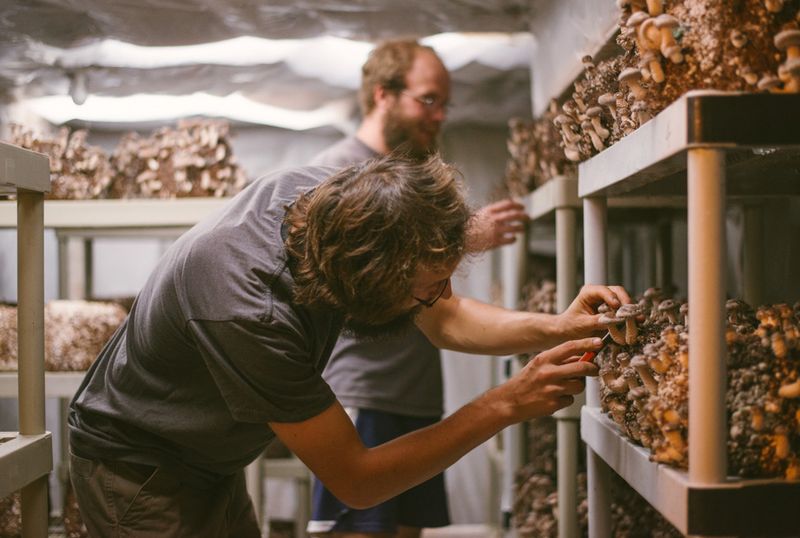
Medieval herbalists recognized the value of mushrooms for both nourishment and healing. Inoculating logs with mushroom spores provided a low-effort source of food and medicine.
This practice remains popular in permaculture, as mushrooms contribute to sustainable food systems. Growing mushrooms on logs is an enduring technique that combines simplicity with nutritional benefits, echoing the holistic approach of medieval gardeners.
13. Rose Hip Syrup for Vitamin C
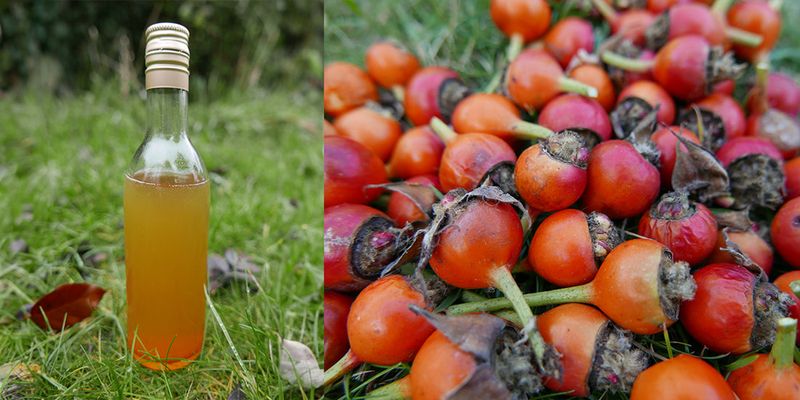
Medieval societies valued rose hip syrup as a potent source of vitamin C, essential for preventing scurvy. By boiling rose hips, they created a tangy, immune-boosting syrup that was both a remedy and a treat.
This tradition continues in herbal medicine, where rose hip syrup is prized for its health benefits. The use of rose hips underscores the resourcefulness of medieval herbalists in harnessing nature’s bounty for wellness.
14. Owl Perches for Pest Control

To control rodent populations, medieval farmers encouraged owls to inhabit their lands by installing tall perches. Owls became natural allies, capable of consuming up to 1,000 mice per year.
Today, organic farmers continue to welcome barn owls as part of integrated pest management. Owl perches represent a natural and effective method of pest control that aligns with eco-friendly farming practices.
15. Grapevine Arbors for Shade & Fruit
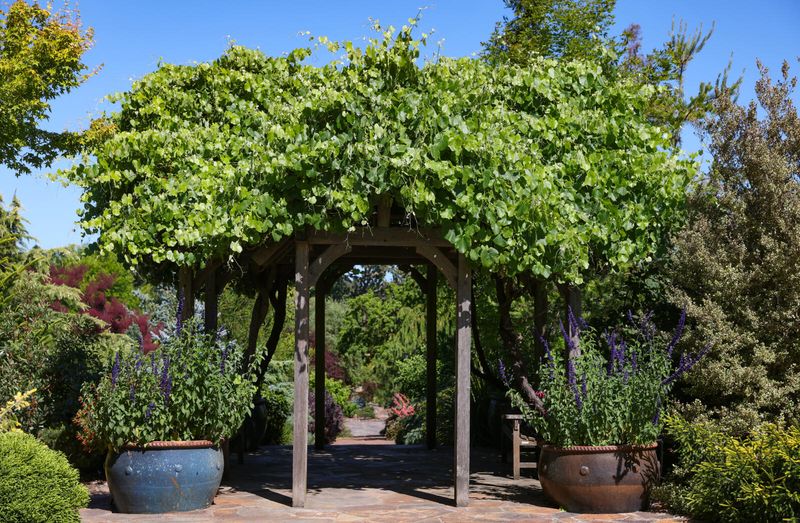
Grapevine arbors offer both shade and fruit, an elegant solution for medieval courtyards. By training vines over walkways, gardens remained cool while yielding delicious harvests.
In modern urban landscaping, grapevine arbors serve as an attractive and functional feature, providing a lush canopy and seasonal produce. This practice blends practicality with beauty, reflecting the timeless appeal of medieval garden design.