 Complete Gardening
The Amish community is known for preserving agricultural traditions that many have forgotten. Among these are a variety of vegetables that have nearly vanished from modern gardens. These heirloom vegetables not only offer unique flavors but also reflect a heritage of sustainable farming practices. Let’s explore fifteen of these forgotten gems that the Amish still cherish and cultivate. Each vegetable has its own unique story, flavor, and place in Amish culture, making them a fascinating subject for gardeners and food enthusiasts alike.
1. Salsify
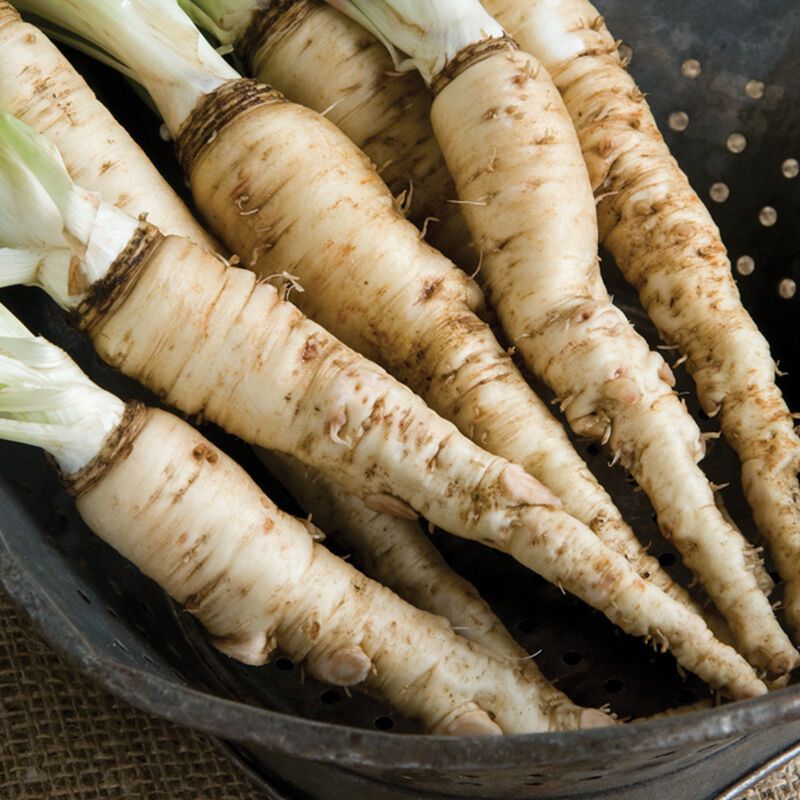
Imagine a vegetable that tastes like oysters. Salsify, often called the oyster plant, is one of those enigmatic vegetables you might not have tasted. This root vegetable offers a delicate flavor combined with a hint of nuttiness. The Amish grow salsify for its versatility in the kitchen. From soups to stews, its creamy texture is a delight.
Did you know salsify was a common vegetable in Victorian times? Its ability to store well made it popular. Today, it’s a rare find, but Amish farmers keep it alive.
2. Ground Cherry
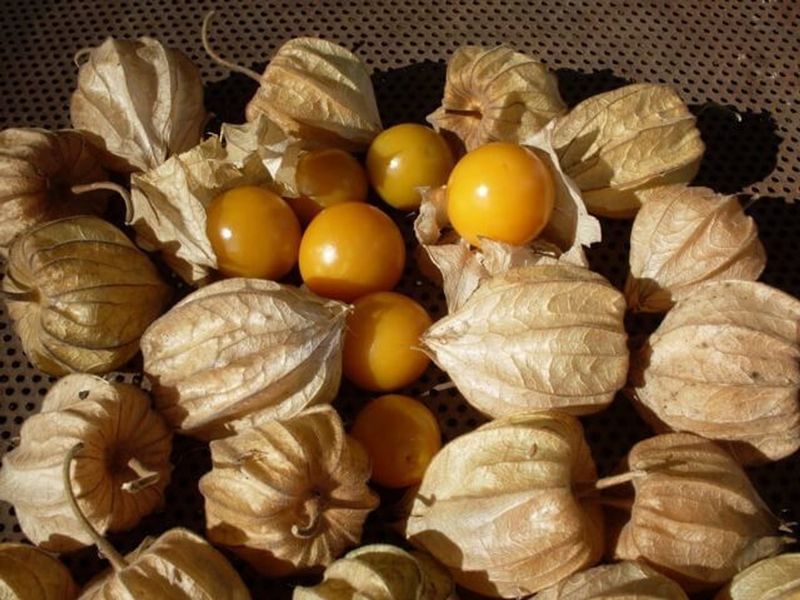
Ground cherries might just be the garden’s best-kept secret. These small, yellow-orange fruits grow in papery husks, resembling tiny lanterns. The Amish prize them for their sweet, pineapple-like flavor, perfect for jams and pies.
This fruit has a rich history, having been cultivated as far back as the 17th century. It thrives with little care, making it ideal for Amish farms. Curious about its taste? Imagine a cross between a tomato and a pineapple.
Ground cherries are not just delicious; they’re a conversation starter.
3. Celeriac
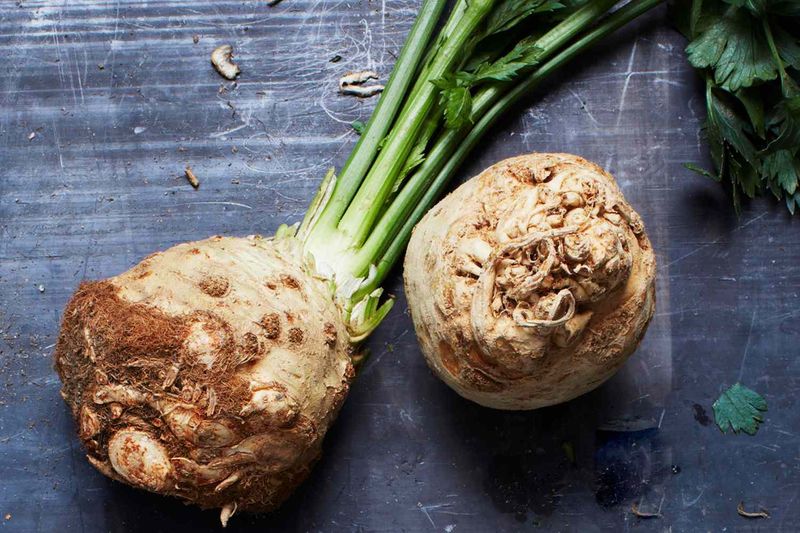
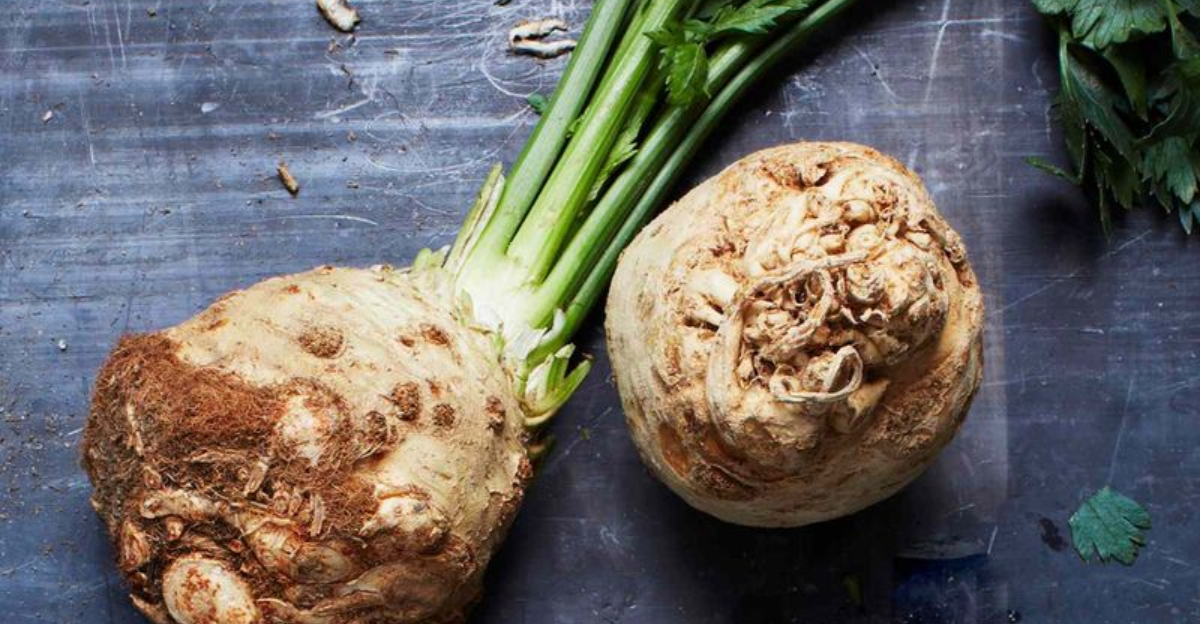
With a face only a gardener could love, celeriac is the ugly duckling of the vegetable world. Under its rough exterior lies a crisp, white interior bursting with flavor. The Amish value celeriac for its celery-like taste with a nutty twist.
Celeriac’s versatility makes it a staple in Amish kitchens. It can be mashed, roasted, or used in soups. Despite its appearance, it’s a nutritional powerhouse, rich in vitamins.
Celeriac may not win beauty contests, but it certainly wins taste tests.
4. Amish Deer Tongue Lettuce
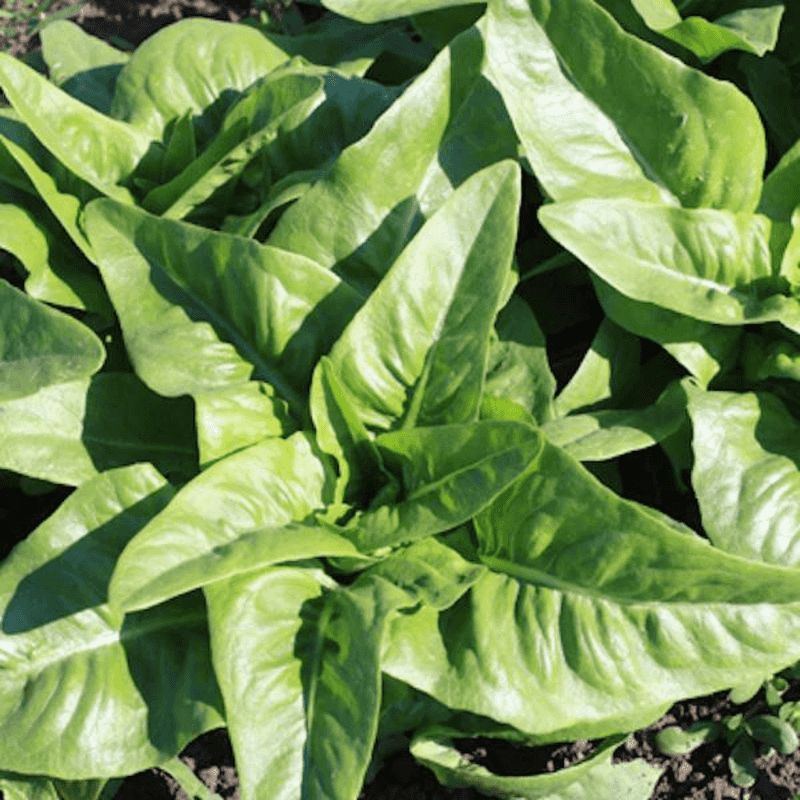
The name might raise eyebrows, but Amish Deer Tongue Lettuce is a leafy green worth knowing. Its pointed leaves have a unique texture and a mild, buttery flavor. This lettuce is a staple in Amish salads.
Did you know it was named for its resemblance to a deer’s tongue? This heirloom variety dates back to the 18th century. The Amish cherish it for its resilience and taste.
If you’re tired of ordinary lettuce, this might be your new favorite.
5. Parsnip
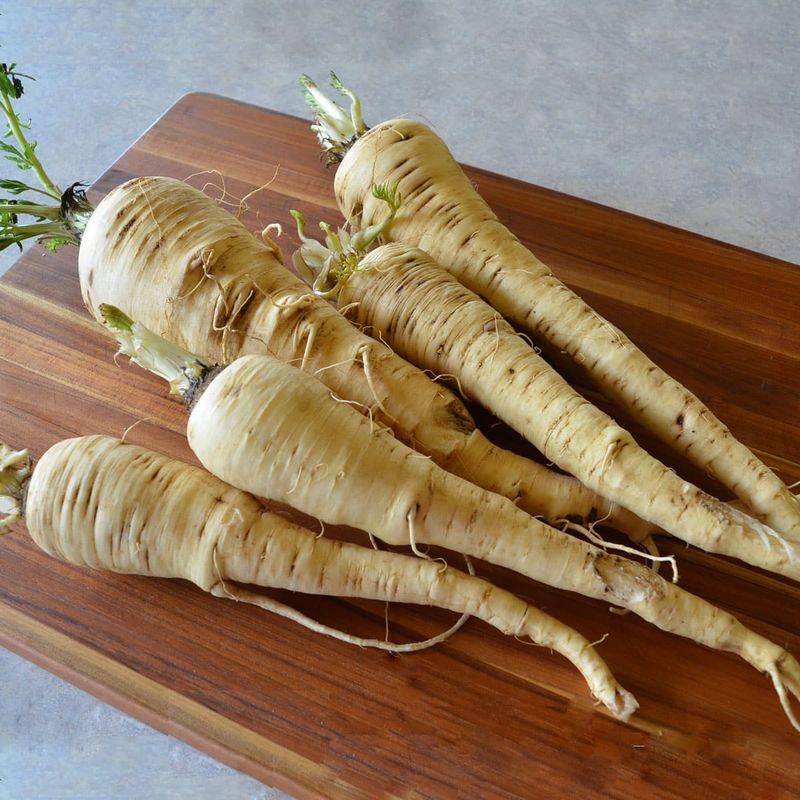
Parsnips are like the forgotten siblings of carrots. Sweet and earthy, they’re a winter staple in Amish communities. Their flavor intensifies after a frost, making them a perfect cold-weather crop.
Amish farmers appreciate parsnips for their robust nature. They’re used in everything from roasts to soups. Historically, parsnips were more popular than potatoes!
These roots may have fallen out of favor, but the Amish remember their worth.
6. Winter Squash
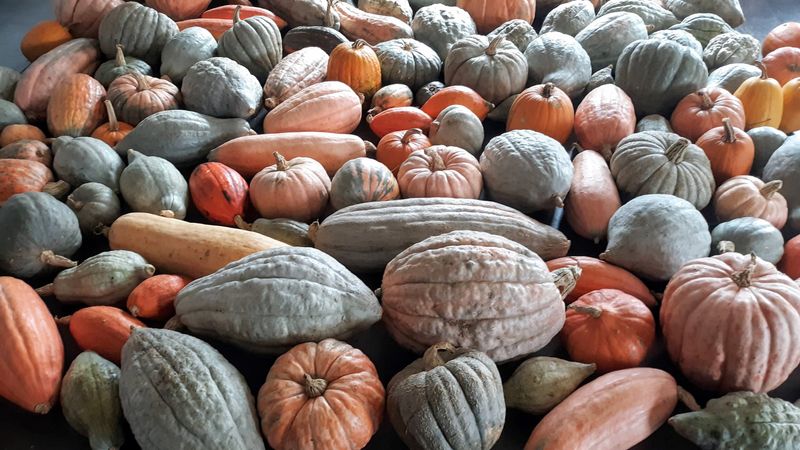
Winter squash is a cozy comfort food the Amish adore. These hard-skinned fruits come in many shapes and sizes, perfect for hearty meals. Their sweet, nutty flesh is versatile for baking, roasting, or soups.
Amish farms grow multiple varieties, each with its own flavor profile. From Butternut to Hubbard, they’re a testament to autumn’s bounty. Did you know that some squashes can be stored for months?
Winter squash is more than just food; it’s a celebration of fall.
7. Rutabaga
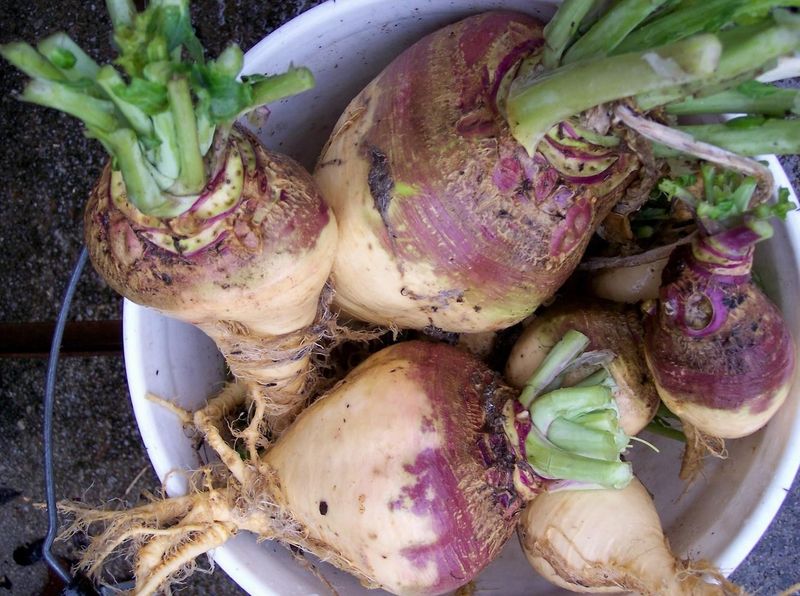
Rutabagas are the unsung heroes of the root vegetable world. With a sweet, slightly peppery flavor, they’re beloved by the Amish for their adaptability. Whether mashed, roasted, or in stews, they never disappoint.
Originating from a cross between cabbage and turnip, rutabagas have a rich history. The Amish appreciate them for their hardiness and nutritional benefits.
If you haven’t tried them, rutabagas might just surprise you with their charm.
8. Burdock Root
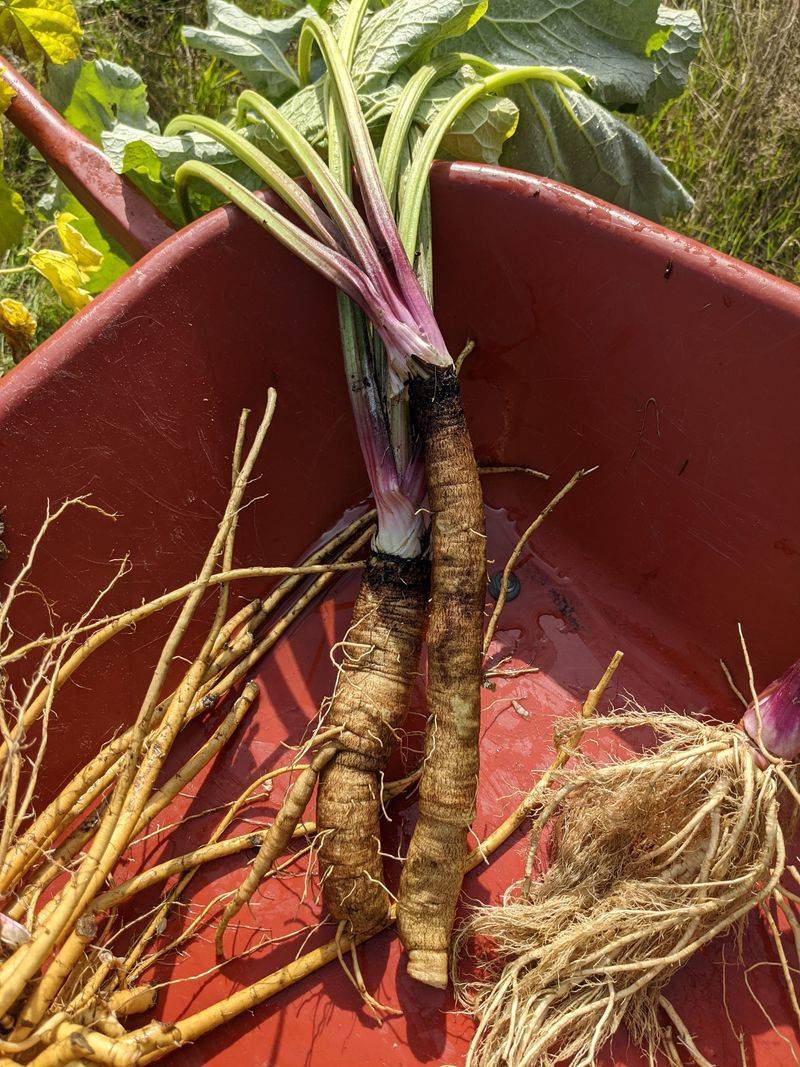
Burdock root might be unfamiliar, but it’s a staple in Amish herbal remedies. Known for its medicinal properties, burdock supports skin health and detoxification. The root has a mild, earthy taste, enjoyed in teas and stews.
Amish farmers cultivate burdock for its resilience and health benefits. This plant’s roots can grow impressively long, making harvest a challenge.
Burdock may not be common, but it’s prized for its healing touch.
9. Amish Pie Squash

Amish Pie Squash is a pumpkin lover’s dream. With its sweet, dense flesh, it’s perfect for pies and desserts. The Amish cultivate this squash for its superior texture and flavor.
This variety stands out for its smooth skin and vibrant color. It’s a favorite during harvest festivals and family gatherings. Did you know it can be stored for months, retaining its quality?
Amish Pie Squash is a delightful taste of tradition.
10. Kohlrabi
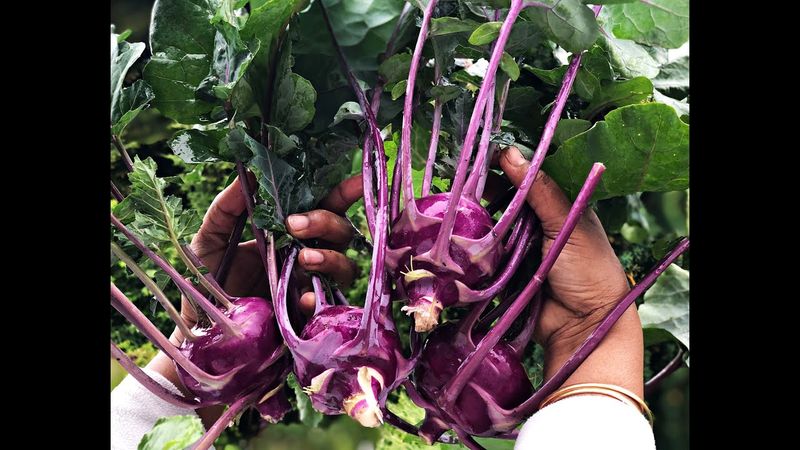
Kohlrabi might look like an alien vegetable, but it’s a crunchy delight. With a taste reminiscent of broccoli stems, it’s appreciated for its versatility. The Amish enjoy it raw, roasted, or in salads.
This veggie’s unique appearance makes it a garden standout. Kohlrabi is easy to grow and thrives in cooler climates, perfect for Amish farms.
Don’t let its looks fool you; kohlrabi is a culinary gem.
11. Amish Paste Tomato
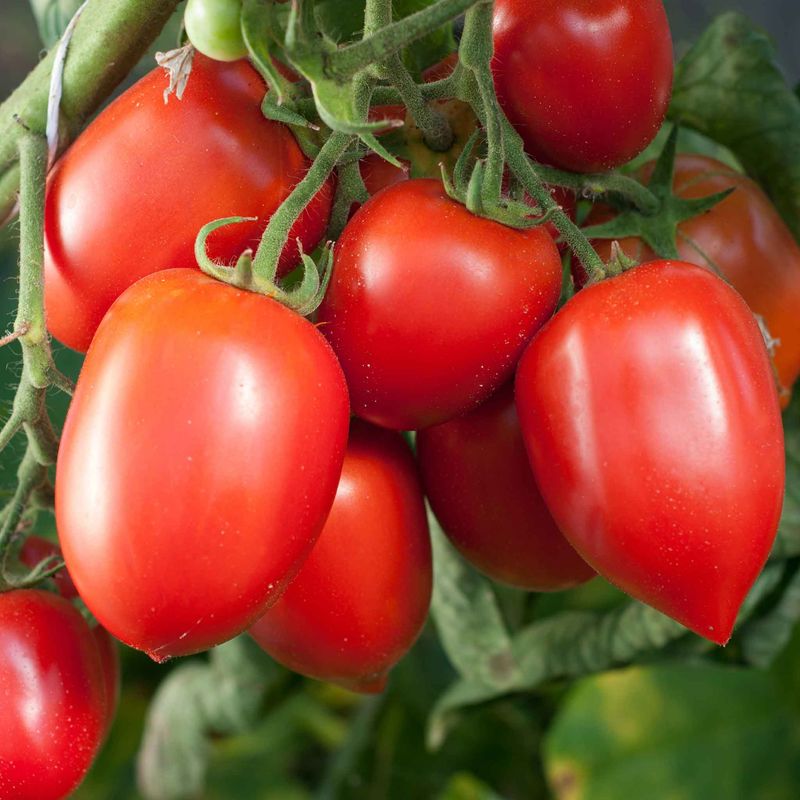
The Amish Paste Tomato is a sauce lover’s favorite. Known for its meaty texture and rich flavor, it’s ideal for canning and sauces. The Amish praise it for its high yield and taste.
This heirloom tomato traces its roots back to the Amish community. Its robust nature and minimal seeds make it perfect for cooking.
If you seek a tomato with history and flavor, this is it.
12. Sunchoke (Jerusalem Artichoke)
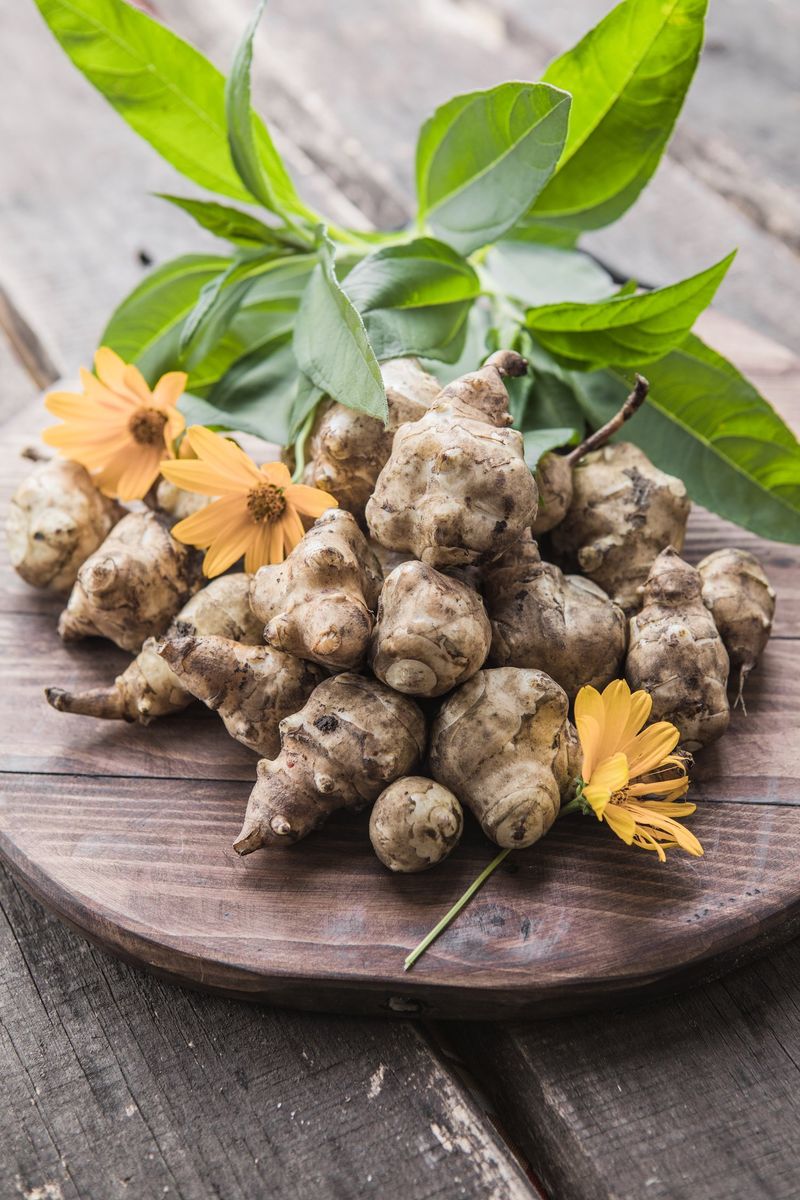
Sunchokes, also known as Jerusalem Artichokes, are a hidden treasure. With a nutty, sweet flavor, they’re enjoyed fresh or cooked. The Amish cherish them for their unique taste and versatility.
These tubers can be challenging to harvest due to their irregular shape, but they’re worth the effort. Sunchokes are excellent in soups, stir-fries, or raw in salads.
Their intriguing name and flavor make them unforgettable.
13. Sorrel
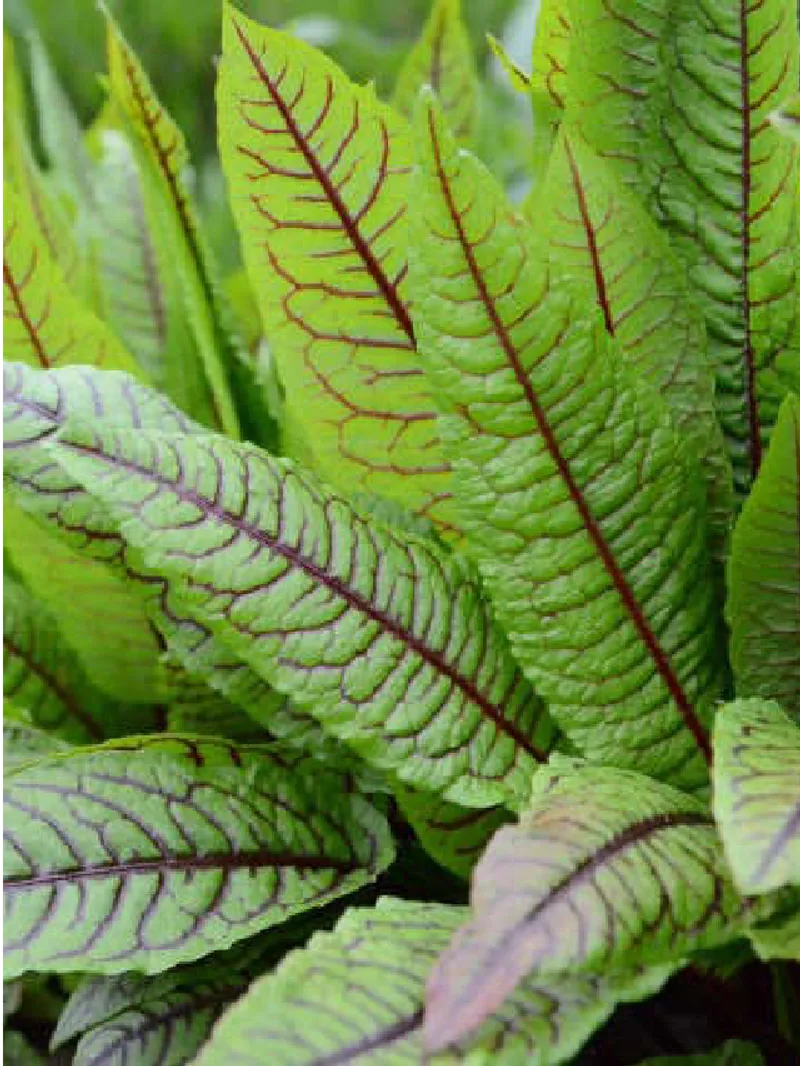
Sorrel adds a tangy twist to Amish dishes. With its lemony flavor, it’s a refreshing addition to salads and soups. The Amish value sorrel for its vibrant taste and easy cultivation.
This leafy green is among the first to appear in spring, symbolizing renewal. Historically, sorrel was used for its medicinal properties as well.
If you’re seeking a burst of flavor, sorrel delivers.
14. Amish Buttered Corn
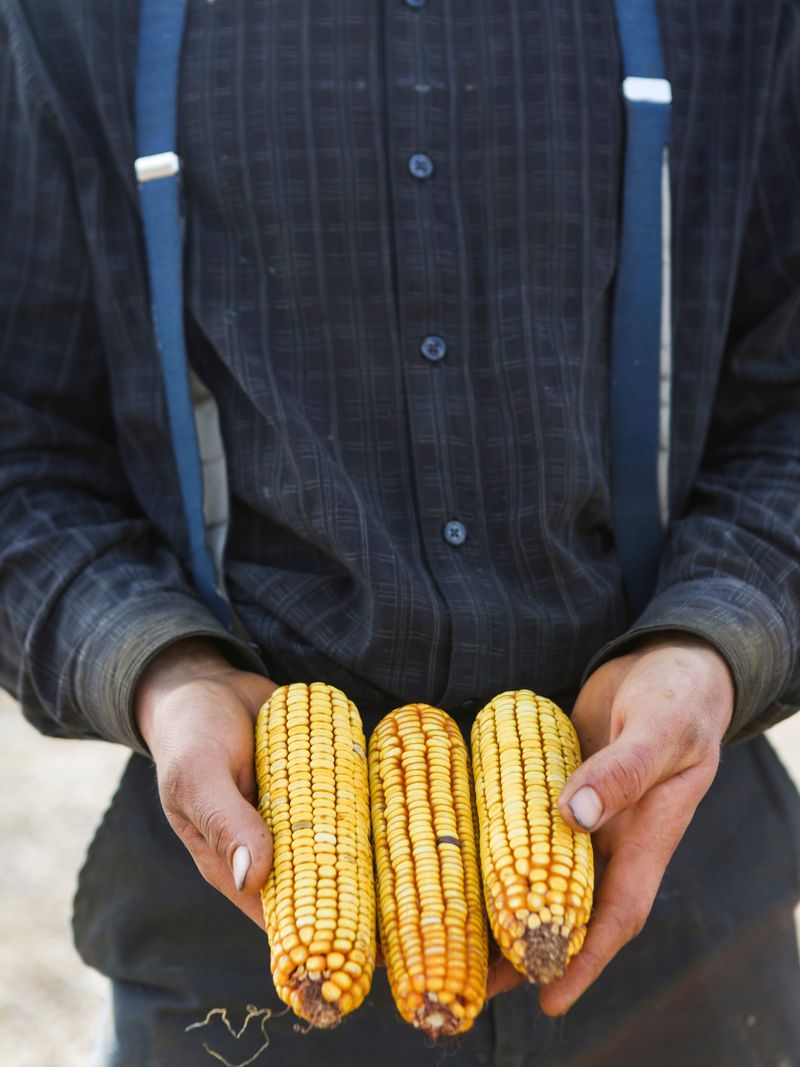
Amish Buttered Corn is a testament to simple pleasures. With its tender kernels and buttery flavor, it’s a staple in Amish meals. This corn is beloved for its sweetness and juiciness.
Grown primarily for fresh eating, it’s a summer favorite. Did you know it’s often enjoyed straight off the cob at Amish picnics?
For a taste of summer, Amish Buttered Corn is unmatched.
15. Amish Snap Peas
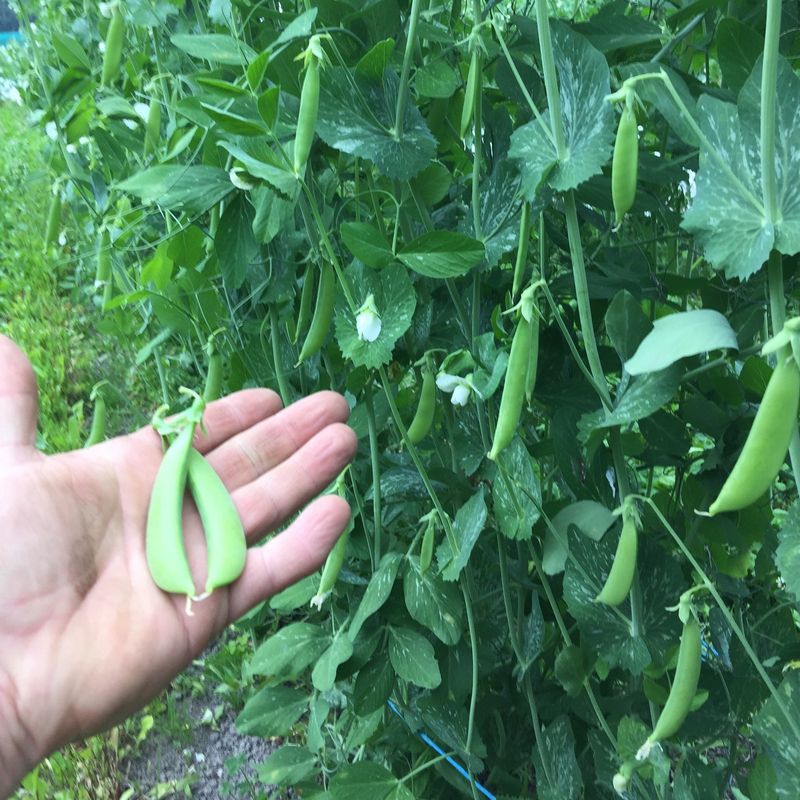
Amish Snap Peas offer a crisp, sweet bite. These vibrant green pods are a seasonal delight, cherished by the Amish for their freshness and flavor.
Snap peas are versatile, enjoyed raw or lightly cooked. They symbolize spring’s arrival and the promise of a bountiful harvest. Did you know they can be eaten whole, pod and all?
For a snack or side dish, snap peas are a delicious choice.