 Complete Gardening
Perennial gardens can be a source of joy and beauty when managed correctly. However, many gardeners unknowingly make mistakes that can harm their plants. This guide highlights fifteen common errors that can undermine your perennial bed, offering insights to inspire better gardening practices.
1. Overcrowding Plants
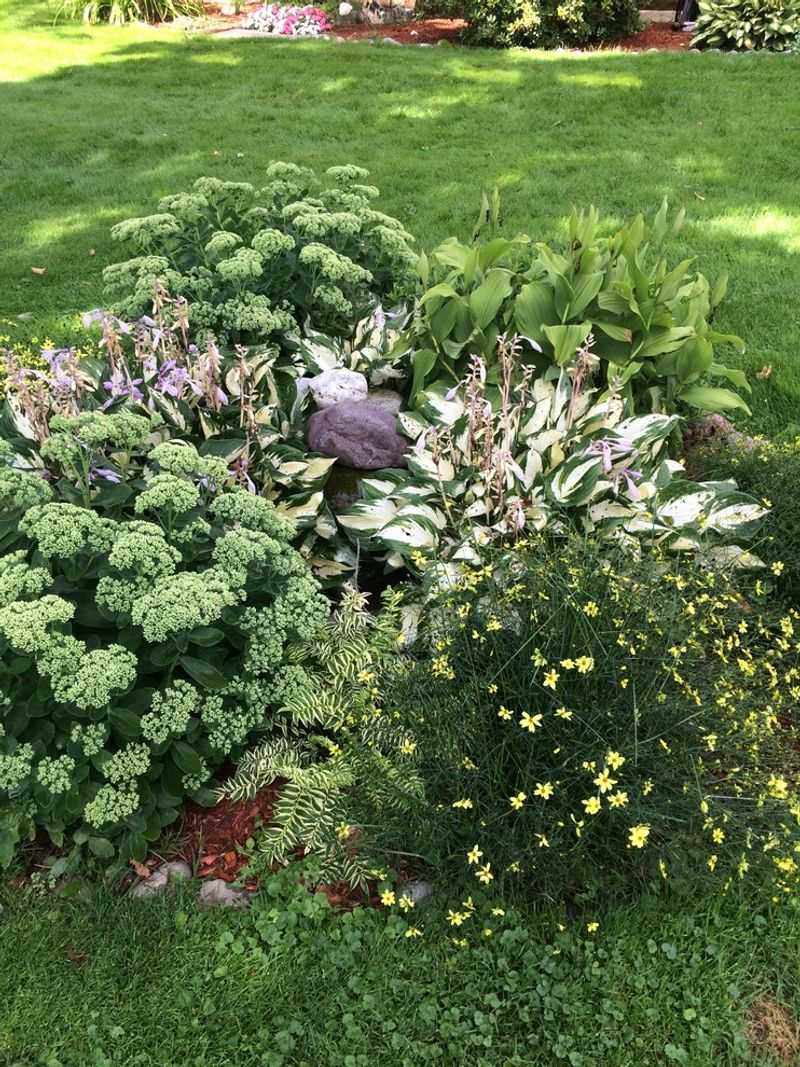
Imagine a bustling city where everyone is cramped together. In perennial gardens, overcrowding plants is akin to this scenario. Plants compete for nutrients, sunlight, and water, leading to stunted growth.
Over time, the lack of space can prevent air circulation, increasing susceptibility to diseases. Allocating proper spacing ensures each plant thrives.
Regular thinning and careful planning contribute to a healthier garden. Consider the mature size of plants during initial planting to avoid future hassles. Thoughtful arrangements can transform a chaotic bed into a harmonious display.
2. Ignoring Soil Quality

Soil is the foundation of any garden, yet often overlooked. Poor soil quality can hinder perennial growth, affecting their vitality.
Testing and amending soil with organic matter helps maintain the right pH and nutrient levels. The texture should be loose and well-draining to support root development.
Investing time in understanding your soil can lead to thriving plants. Regularly adding compost rejuvenates soil life. A robust soil foundation ensures resilient perennials for years to come.
3. Neglecting Mulching
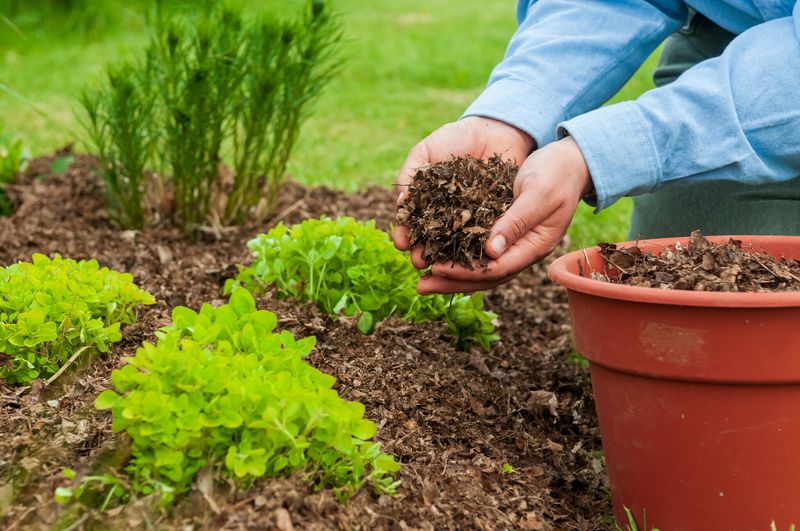
Mulch acts as a protective blanket for your garden. Without it, perennials can suffer from temperature extremes and moisture loss.
Mulching suppresses weeds and enhances soil fertility, leading to healthier plants. Organic mulches, like bark or straw, decompose over time, enriching the soil.
Applying mulch in spring or fall maintains an even temperature and moisture level. It’s more than an aesthetic addition; it’s a vital component of garden health. Regular mulching practices foster an environment where perennials can flourish.
4. Improper Watering Techniques
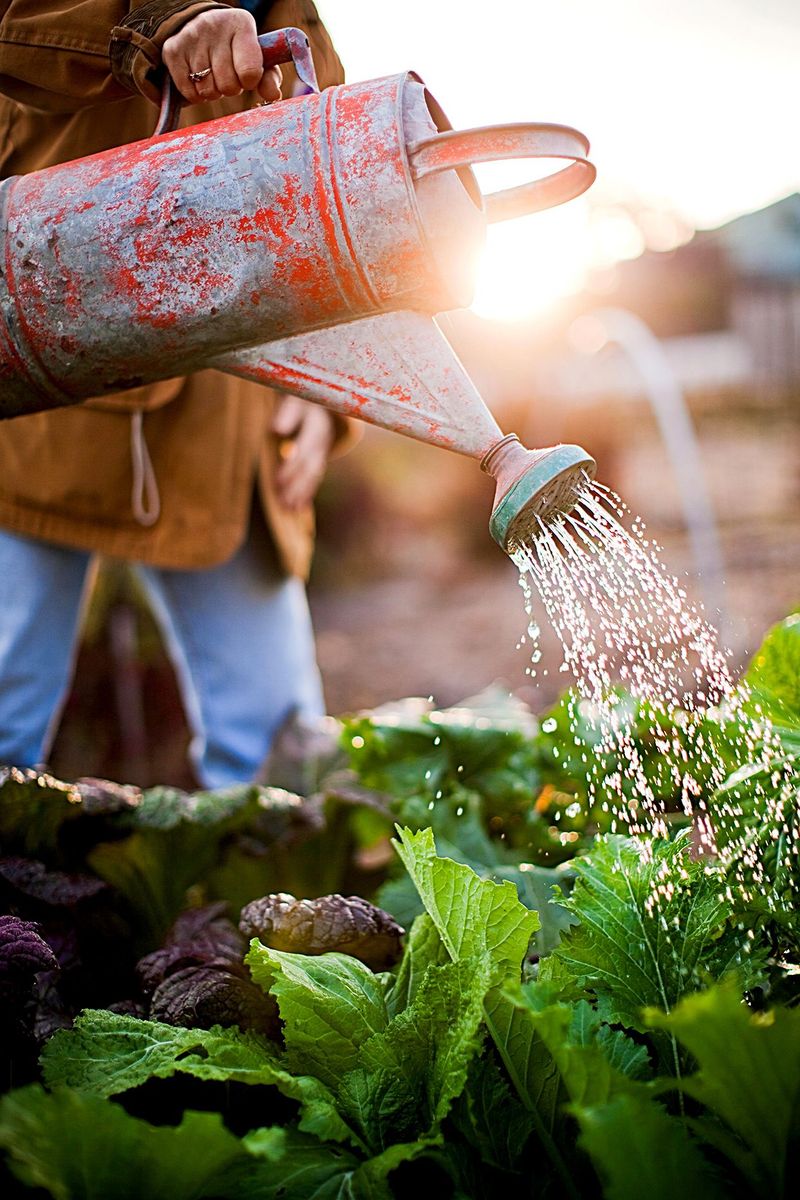
Watering seems simple, yet improper techniques can harm perennials. Over-watering drowns roots, while under-watering leads to dehydration.
Consistent and deep watering ensures moisture reaches the root zone. Early morning watering reduces evaporation and disease risk.
Observing plant behavior guides watering needs. An efficient irrigation system or soaker hose promotes optimal hydration. Mindful practices result in a vibrant, enduring perennial bed.
5. Ignoring Sunlight Needs

Sunlight requirements vary for different plants. Ignoring these needs can lead to leggy, weak perennials.
Grouping plants with similar light preferences ensures balanced growth. Consider the sun’s path to optimize plant placement.
Monitor throughout the seasons, as changes can affect lighting conditions. Proper light management encourages robust, healthy perennials. Thoughtful positioning transforms a struggling garden into a thriving oasis.
6. Poor Pruning Practices
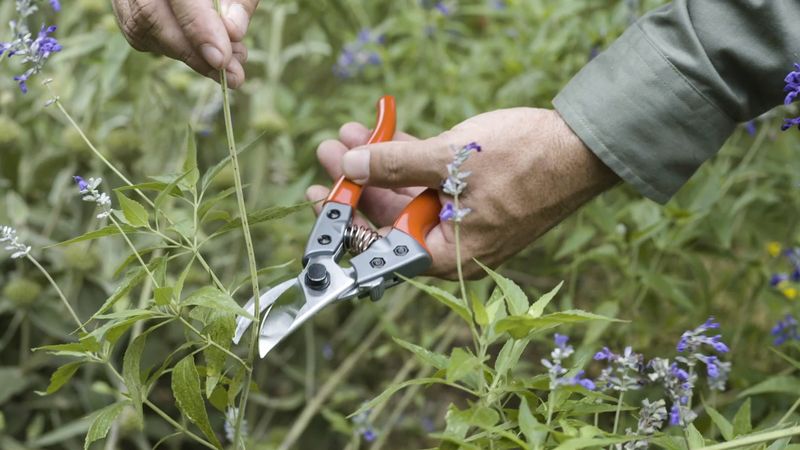
Pruning shapes and revitalizes perennials, but poor techniques can damage them. Using dull tools or improper timing affects plant health.
Prune in the right season to encourage growth and remove dead material. Clean cuts reduce disease risk.
Understanding each plant’s needs ensures effective pruning. Regular maintenance keeps gardens tidy and flourishing. This mindful approach enhances plant vitality and landscape aesthetics.
7. Failing to Control Pests
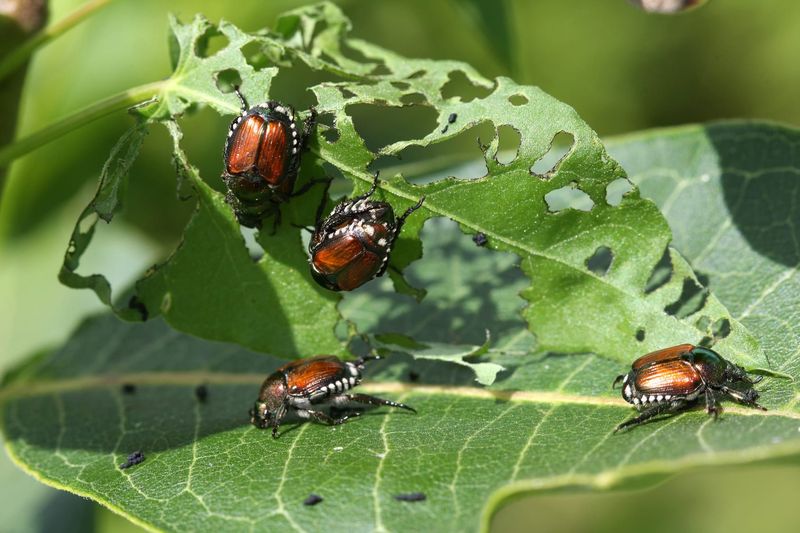
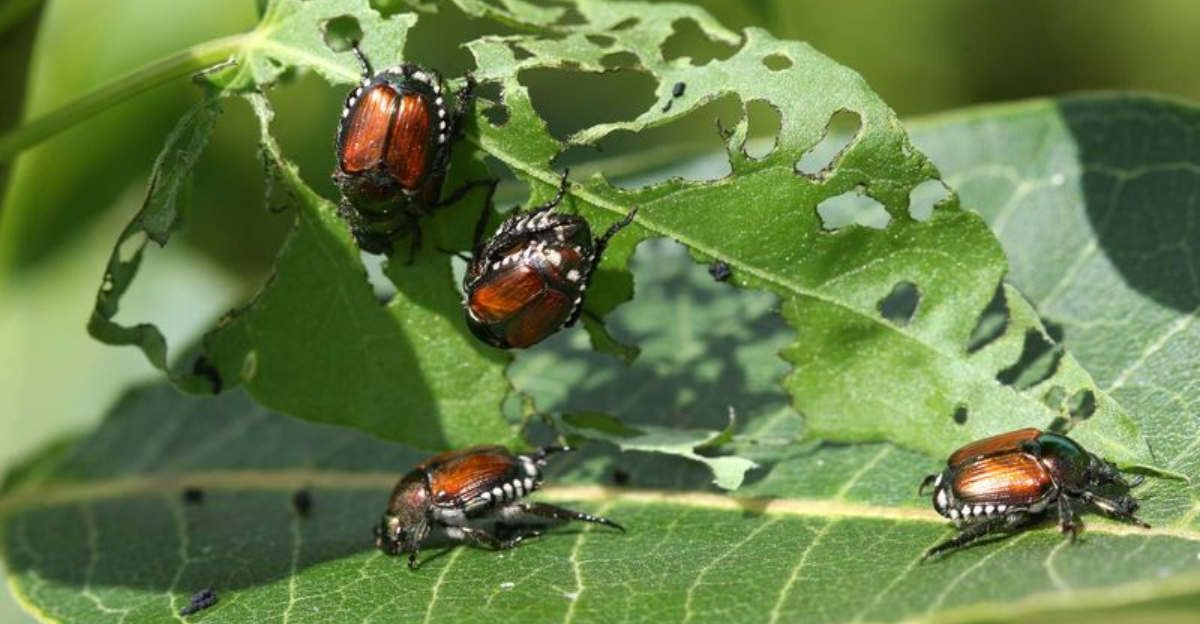
Garden pests can be relentless, damaging perennials if not controlled. Ignoring them leads to weakened plants and reduced blooms.
Early identification and natural remedies prevent infestations. Companion planting and beneficial insects offer sustainable solutions.
Maintaining plant health reduces vulnerability to pests. An integrated pest management strategy ensures a thriving perennial bed. It’s a balance of vigilance and natural intervention that keeps gardens pest-free.
8. Over-Fertilizing
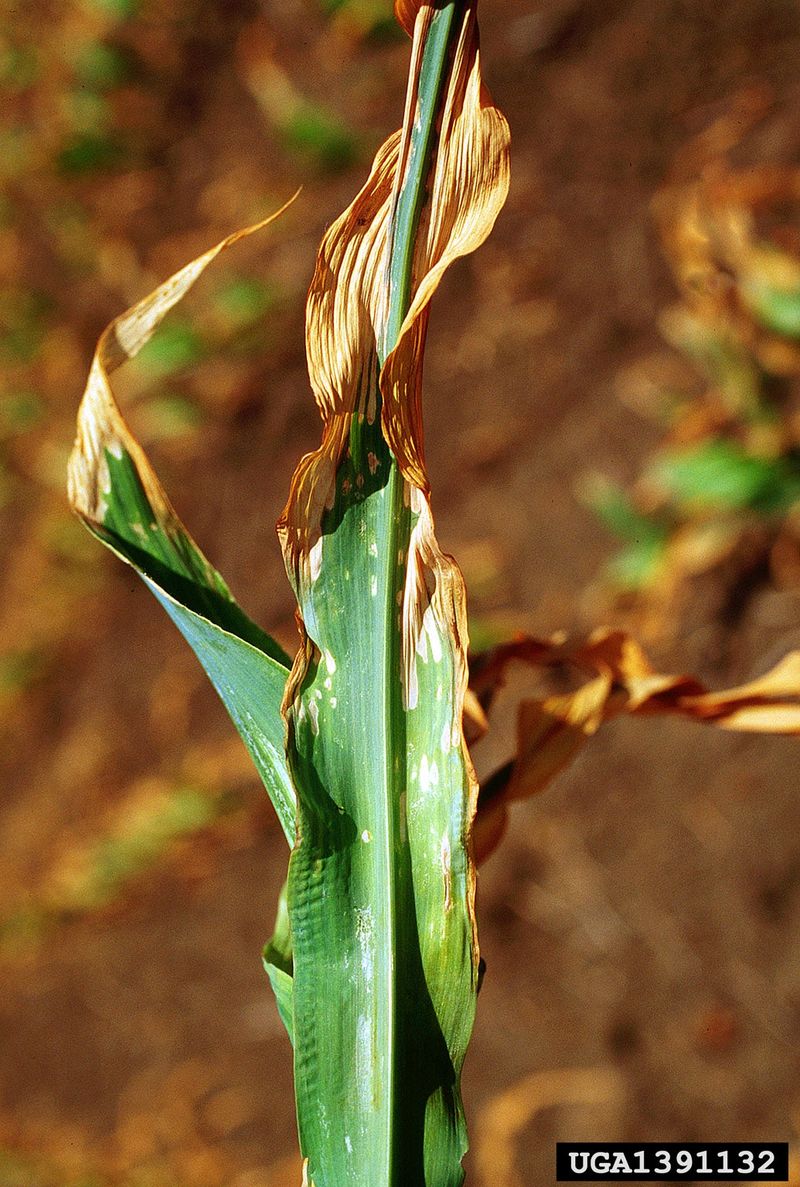
More isn’t always better, especially with fertilizers. Over-fertilizing can burn roots and promote excessive foliage at the expense of blooms.
Understanding plant needs prevents nutrient imbalance. A soil test guides appropriate fertilization.
Slow-release or organic options offer controlled nourishment. Balanced feeding fosters healthy, vibrant perennials without adverse effects. Mindful application nurtures sustainable growth.
9. Ignoring Plant Compatibility

Not all plants play well together. Ignoring compatibility leads to competition for resources and an unbalanced garden.
Consider growth habits, root systems, and nutrient needs when planning. Companion planting enhances plant relationships.
A well-thought-out design fosters mutual support, resulting in a cohesive and thriving garden. It’s about creating harmony rather than discord. Thoughtful planning transforms a garden into a united ecosystem.
10. Improper Seasonal Care
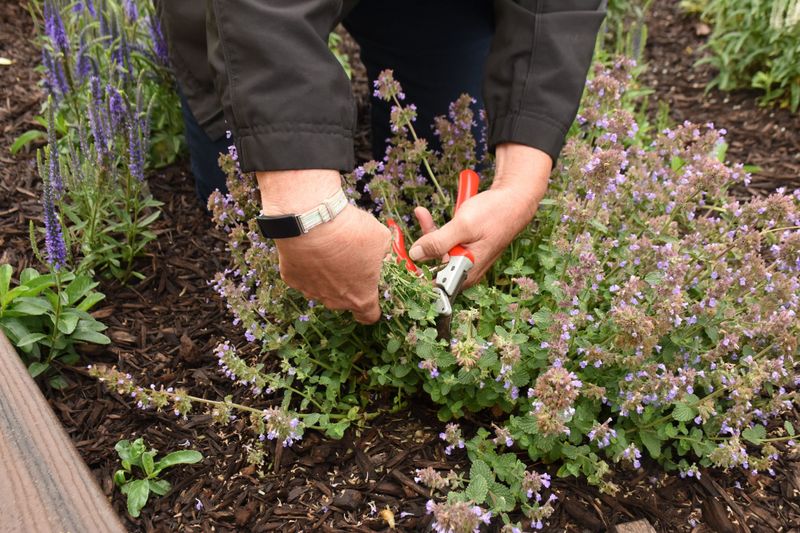
Each season demands specific care for perennials. Neglecting this can lead to decline.
Winter protection, spring cleaning, summer pruning, and fall preparation are vital. Understanding these needs ensures year-round health.
Seasonal attention fosters resilience and beauty in perennial gardens. It’s about adapting care to nature’s cycles. A commitment to seasonal maintenance rewards gardeners with flourishing landscapes.
11. Disregarding Plant Lifecycles
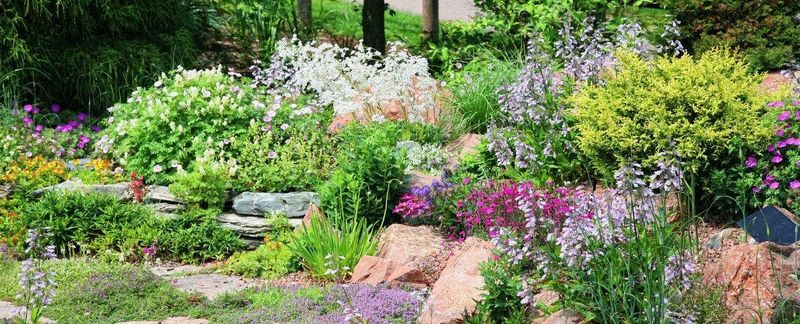
Perennials have unique lifecycles, and disregarding them leads to a lackluster garden. Understanding bloom times and growth stages enhances planning.
Staggered planting ensures continuous color and interest. Observing life cycles aids in maintenance and expectations.
Meeting perennial needs according to their natural rhythm leads to a vibrant garden. It’s about working with nature, not against it. Awareness transforms planting into a dynamic experience.
12. Neglecting Deadheading
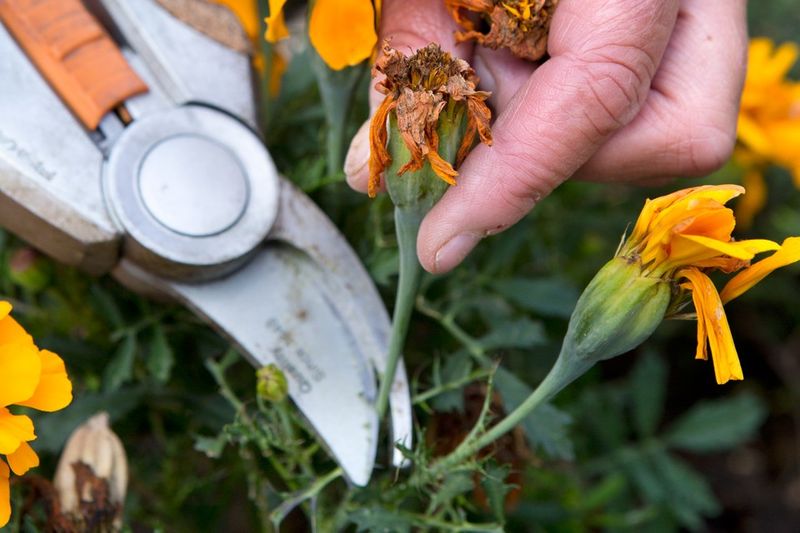
Deadheading is a crucial task often neglected. Removing spent blooms encourages more flowers and prolongs blooming periods.
It prevents seed formation, directing energy back to the plant. Regular deadheading maintains garden aesthetics.
Each flower benefits from timely attention. This simple habit fosters a vibrant and colorful perennial display. It’s a small act with significant impact on garden health and beauty.
13. Failure to Rotate Crops

Crop rotation isn’t just for vegetables. Perennials benefit too, as it prevents soil depletion and pest buildup.
Rotating plant families disrupts pest cycles and balances soil nutrients. It’s a strategy for long-term garden health.
Planning rotations invigorates soil and plants. It’s an overlooked technique with profound impact. Regular rotations breathe new life into perennial beds, ensuring sustainability.
14. Inadequate Winter Protection
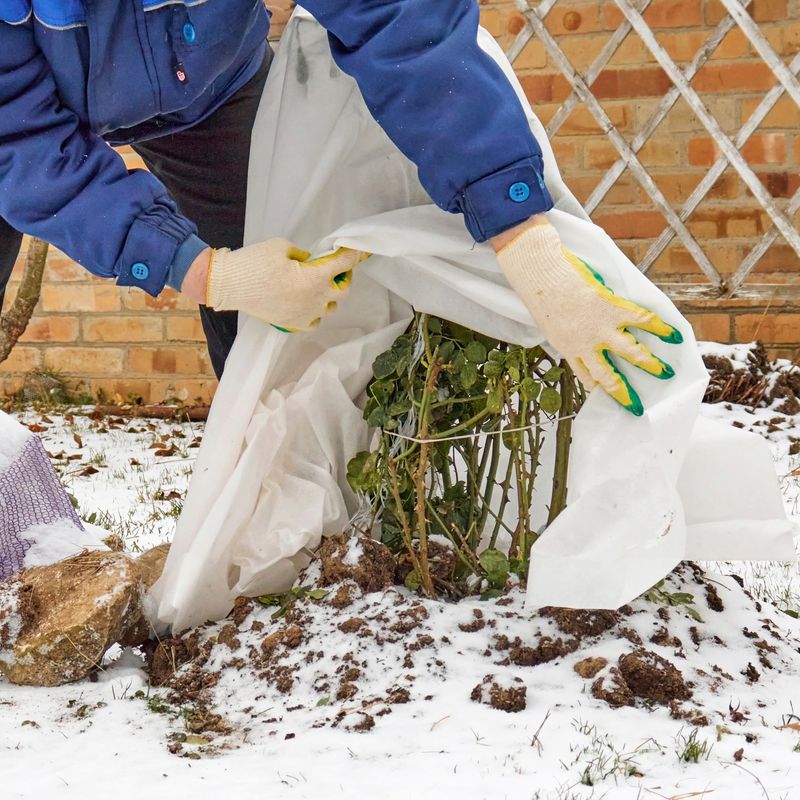
Winter can be harsh on perennials, yet many gardeners fail to protect them adequately. Proper insulation prevents frost damage and root exposure.
Mulching and covering sensitive species are essential steps. Evaluating garden microclimates aids in protection.
Thoughtful preparation guards against winter’s chill, ensuring plants emerge strong in spring. It’s about proactive care for future growth and resilience.
15. Not Labeling Plants
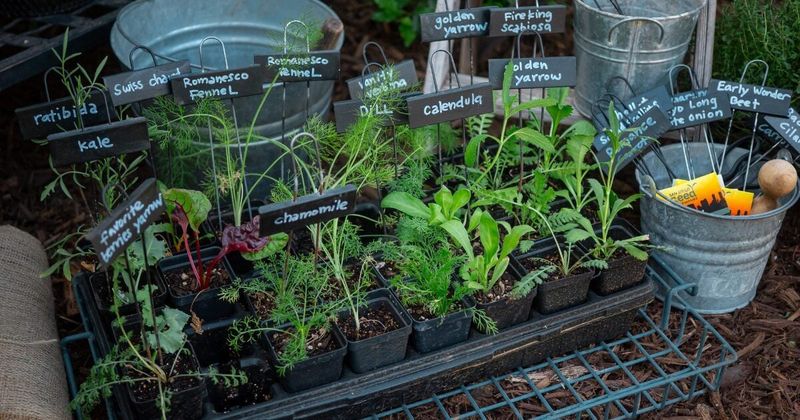
Labels may seem minor, but forgetting them leads to confusion. Identifying plants becomes a guessing game, affecting care and planning.
Proper labeling guides seasonal tasks and plant identification. Durable markers withstand weather changes.
Organized gardens benefit from clear labels. It’s a small detail that aids in efficient management and enjoyment of perennial beds. Clarity transforms gardening into a more rewarding experience.