 Complete Gardening
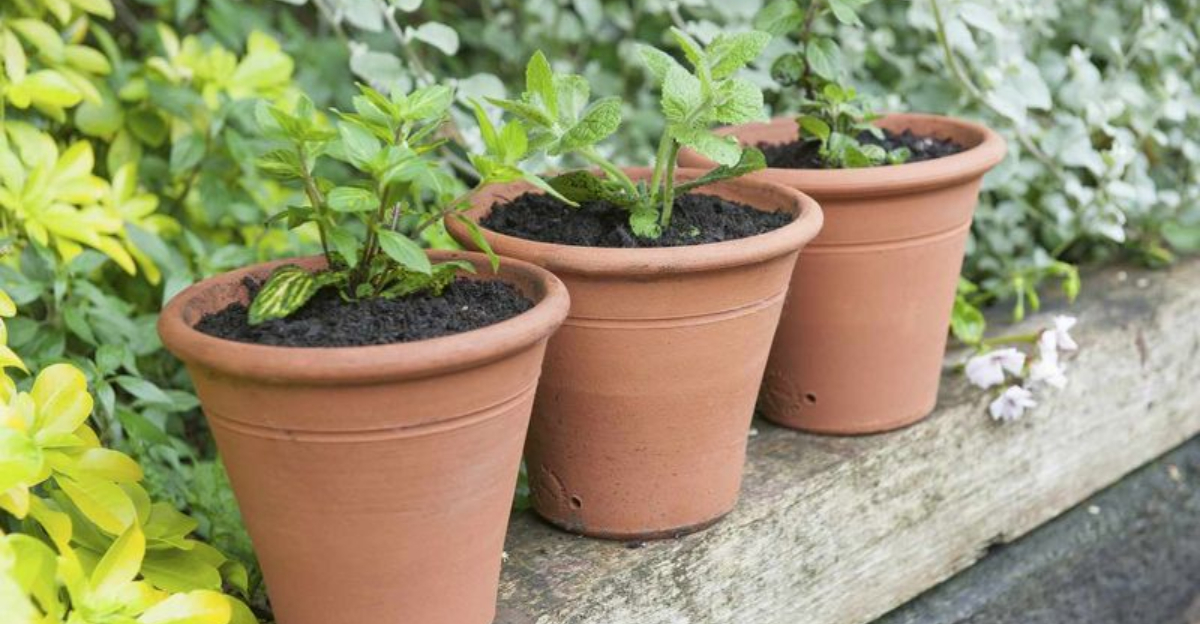
Growing mint can be a rewarding experience for both seasoned gardeners and beginners alike. However, there are common pitfalls that can turn your mint-growing adventure into a frustrating endeavor. By avoiding these mistakes, you can ensure a bountiful harvest and enjoy the refreshing taste of home-grown mint in your dishes and drinks. Here are 15 gardening mistakes to avoid when growing mint this year.
1. Overwatering
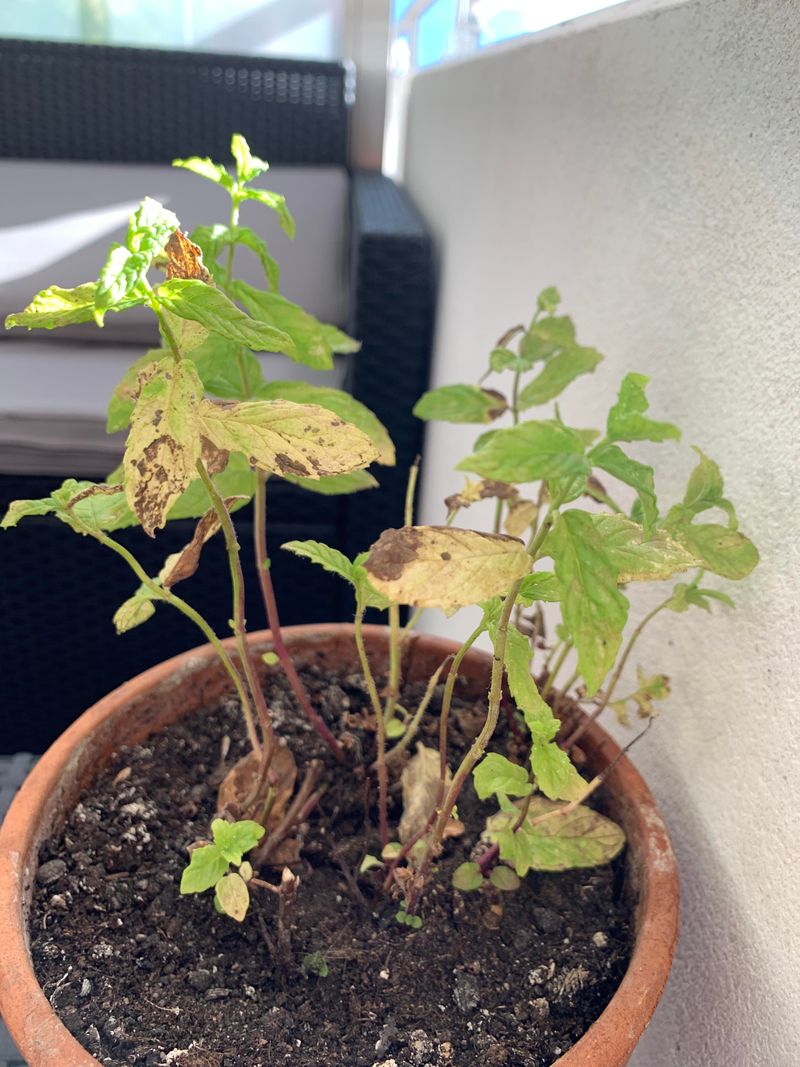
Overwatering is a common mistake that can lead to root rot in mint plants. Unlike some plants that thrive in moisture, mint prefers well-drained soil.
When soil is constantly wet, the roots can suffocate, leading to yellowing leaves and stunted growth. Instead of watering on a schedule, check the soil by touching it.
If the top inch feels dry, it’s time to water. Remember, mint is resilient and can survive brief dry spells. Adjust your watering habits based on the weather and your plant’s needs to keep them healthy and thriving.
2. Planting in Small Pots
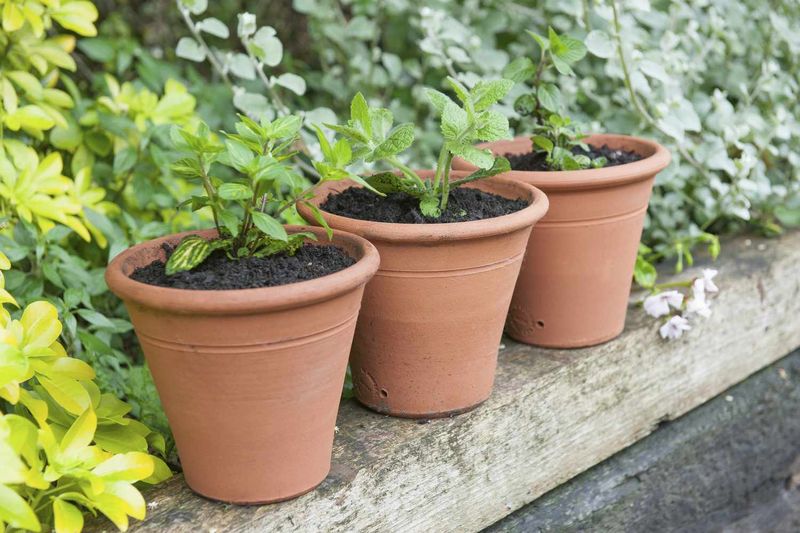
Planting mint in small pots is a frequent error that limits its growth potential. Mint is an invasive plant, known for its vigorous spreading habits.
In a small pot, mint’s roots become confined and bound, restricting their ability to absorb nutrients and water. This condition can lead to poor growth and a lack of vigor.
To avoid this, choose a pot that allows the roots to expand, ideally with a diameter of at least 12 inches. Providing adequate space will enable the mint to flourish and produce lush, aromatic leaves for your culinary creations.
3. Ignoring Sunlight Needs
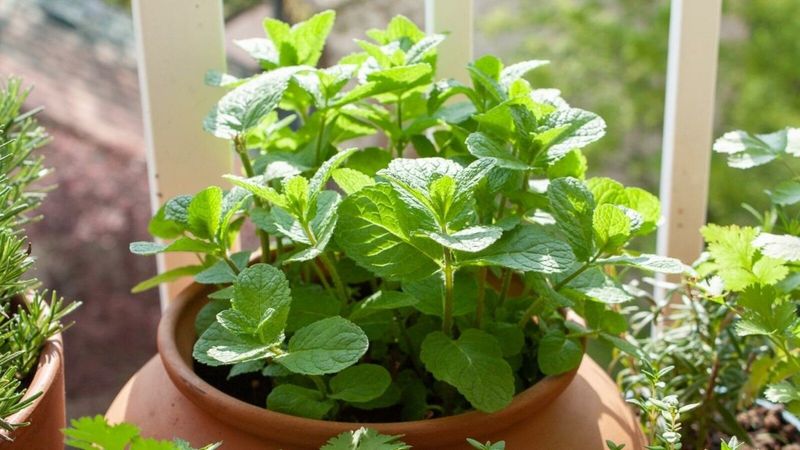
Neglecting the sunlight needs of mint plants can severely impact their health. Mint requires a good balance of sunlight to thrive, preferring partial to full sun environments.
A mint plant stuck in a shady area will strain to reach the light, often resulting in leggy growth and less flavorful leaves. Position your mint plants where they can receive at least 4-6 hours of sunlight daily.
If you have limited sunlight, consider using grow lights to supplement. Proper exposure to sunlight will enhance the mint’s aroma and vitality, making it a robust addition to your garden.
4. Not Controlling Spread
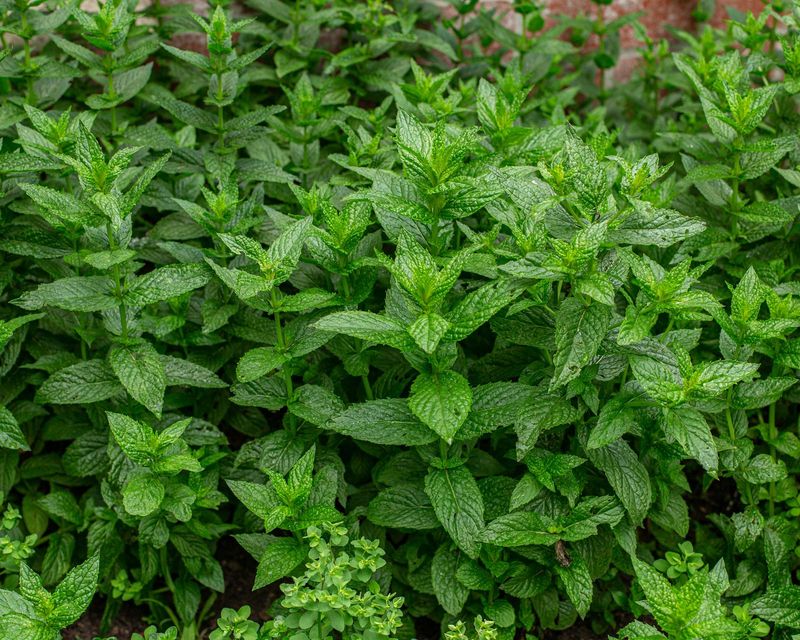
Mint’s ability to spread is both a blessing and a curse. Without proper control, it can quickly overtake garden beds, outcompeting other plants.
To prevent this, it’s vital to implement strategies to contain your mint. Plant it in containers or use root barriers if placing it in the ground.
Regular trimming and harvesting can also help manage its growth. By controlling the spread, you’ll maintain balance in your garden, allowing all plants to flourish without mint stealing the spotlight.
5. Ignoring Pest Infestations
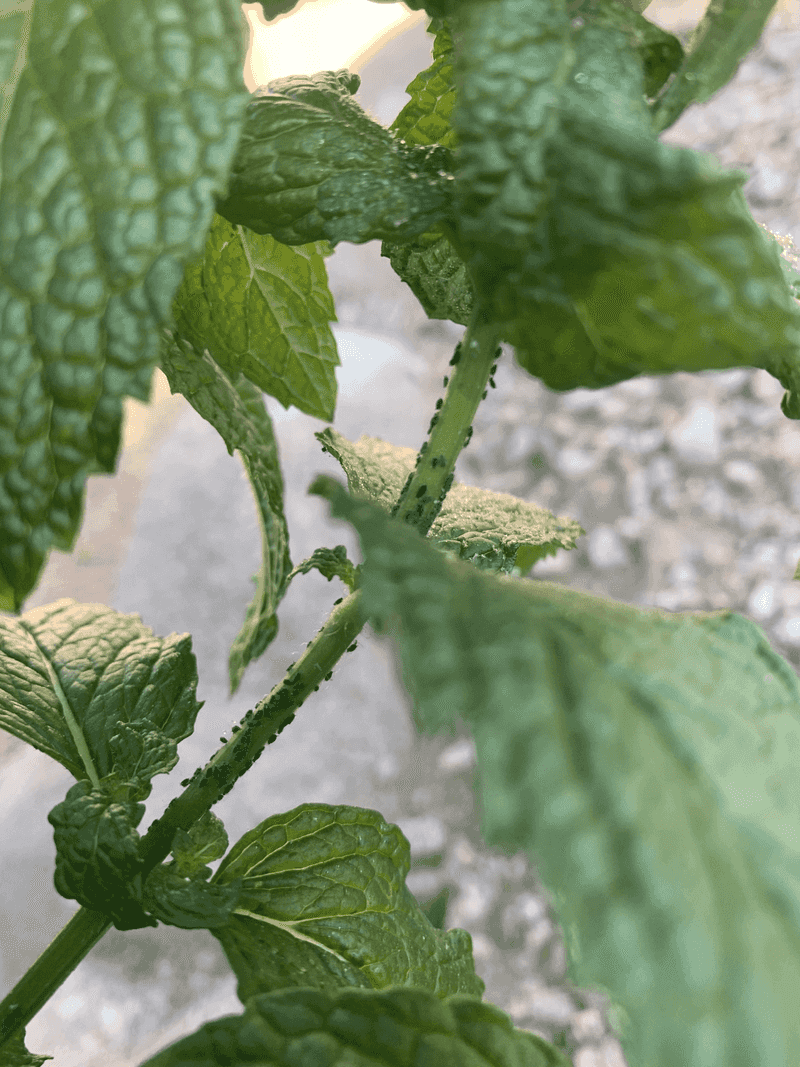
Ignoring pest infestations can lead to a mint plant’s demise. Common pests like aphids and spider mites can sap the vitality of your mint by feeding on its leaves.
Inspect your plants regularly for signs of pests, such as discolored or distorted leaves. Implement natural remedies like neem oil or introduce beneficial insects like ladybugs to control the pest population.
Acting promptly to address pest issues will keep your mint healthy and lush, ensuring a steady supply for your favorite recipes.
6. Using Poor Soil
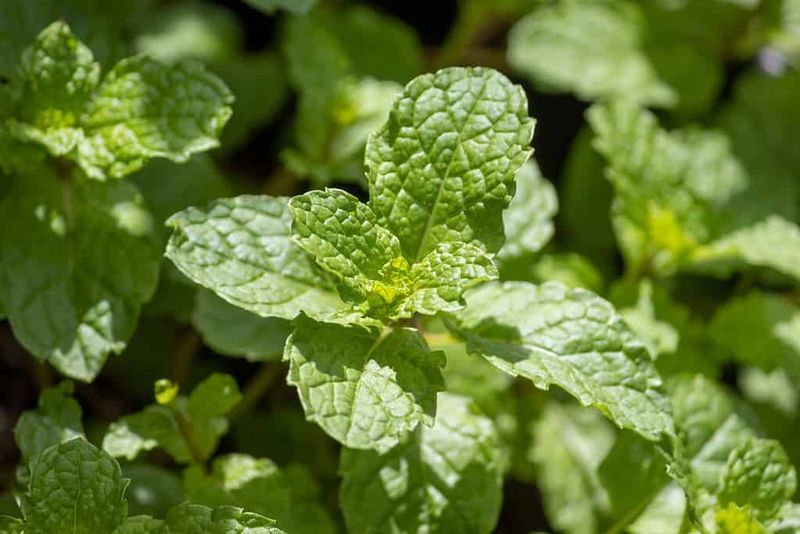
The quality of soil is foundational to a mint plant’s success. Using poor soil can hinder growth, leading to yellow, lackluster foliage.
Mint thrives in rich, well-draining soil that retains moisture without becoming waterlogged. Enhance your soil with organic matter, such as compost, to improve its nutrient content and structure.
If necessary, perform a soil test to determine the pH balance and amend as needed. By providing optimal soil conditions, your mint will grow vigorously, producing aromatic leaves full of flavor.
7. Skipping Fertilization
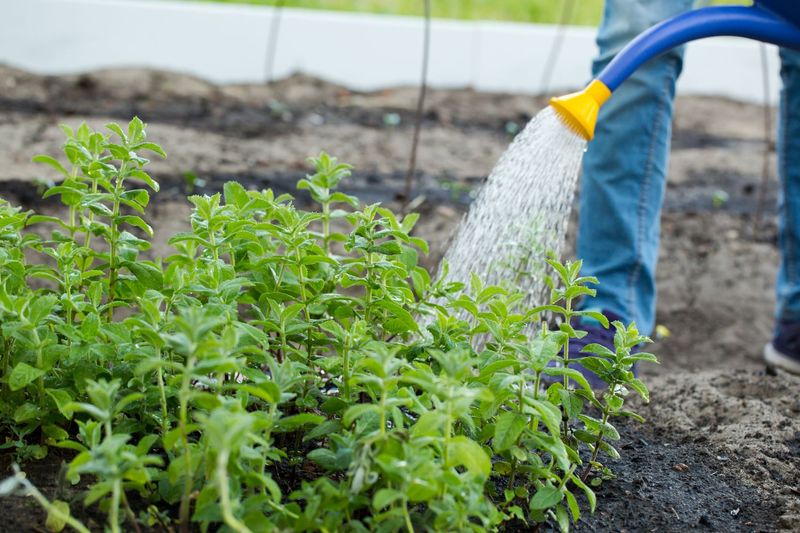
Skipping fertilization is a mistake that can result in weak and undernourished mint plants. While mint is relatively low-maintenance, providing it with a balanced fertilizer can enhance growth and leaf production.
Choose a fertilizer high in nitrogen to promote lush foliage. Apply it sparingly to avoid over-fertilization, which can lead to excessive leaf growth at the expense of flavor.
Regular feeding every 4-6 weeks during the growing season will keep your mint vibrant and productive. Healthy, well-nourished mint will reward you with bountiful harvests.
8. Not Pruning Regularly
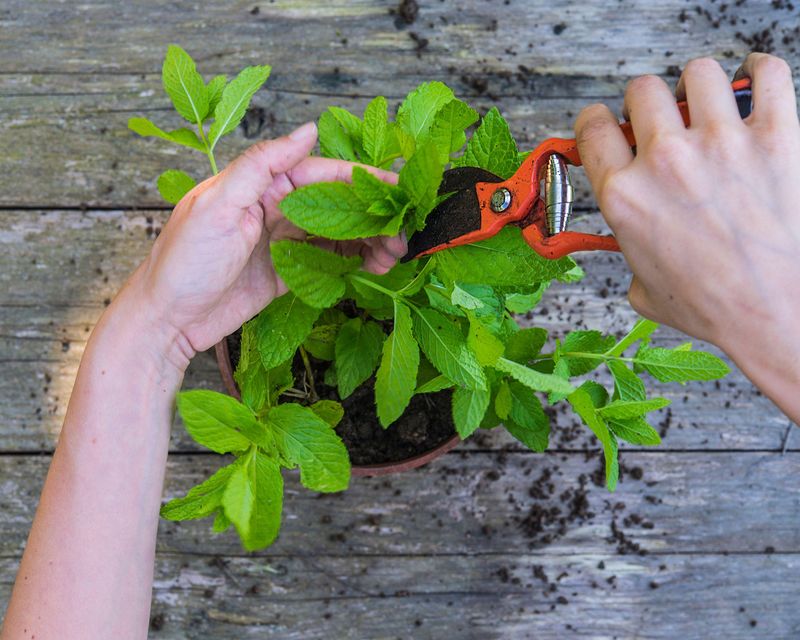
Failing to prune mint regularly can lead to a scraggly, unmanageable plant. Pruning encourages bushier growth, enhancing both the plant’s appearance and productivity.
Trimming back the plant’s tips encourages new shoots, making your mint fuller and more robust. Regular pruning also helps in controlling its invasive nature, preventing it from overshadowing other plants.
Aim to cut your mint back by about one-third every few weeks during the growing season. This practice will maintain the plant’s vigor and ensure a steady supply of fresh leaves for your culinary pursuits.
9. Neglecting Winter Protection
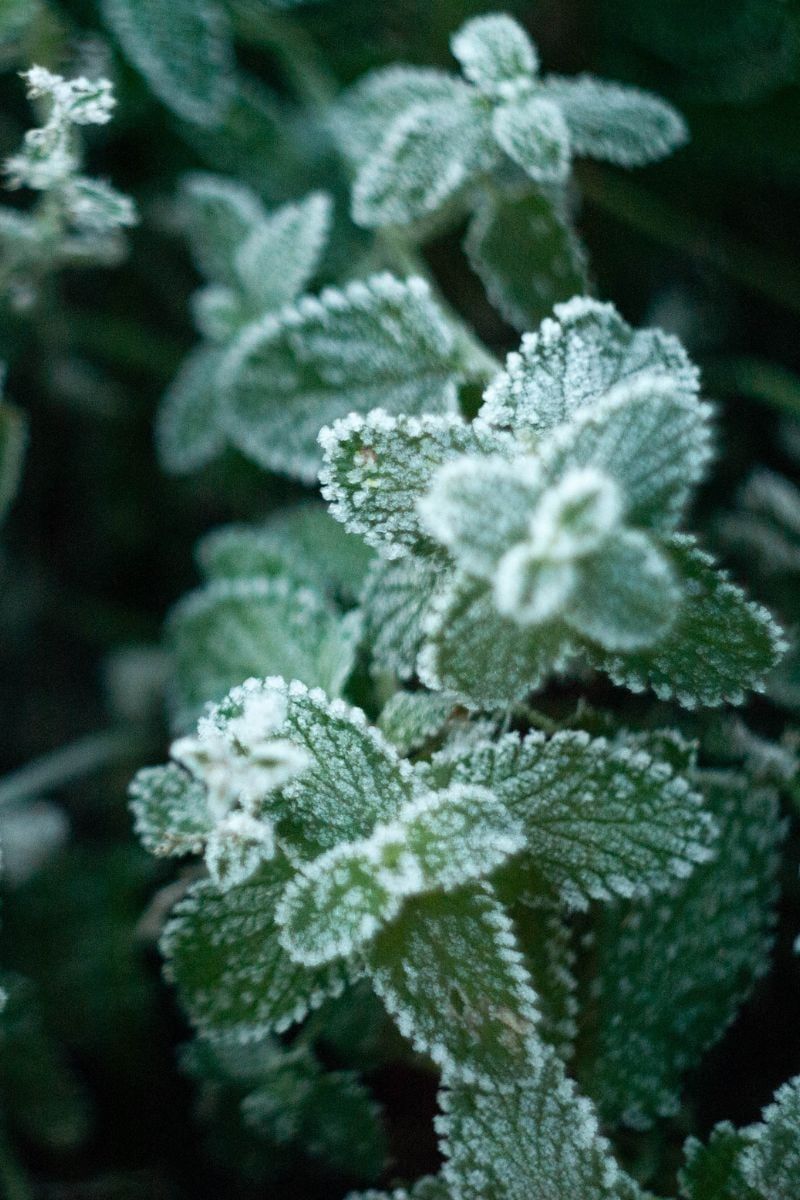
Neglecting winter protection can be detrimental to your mint plants, especially in colder climates. Although mint is hardy, extreme cold can damage its roots and foliage.
To safeguard your mint, mulch the base with straw or leaves to insulate it from freezing temperatures. Alternatively, if in a pot, consider bringing it indoors to a cool, light-filled space.
These precautions will ensure your mint survives the winter months, ready to bounce back in spring with renewed vigor and vitality.
10. Planting in Poor Drainage Areas
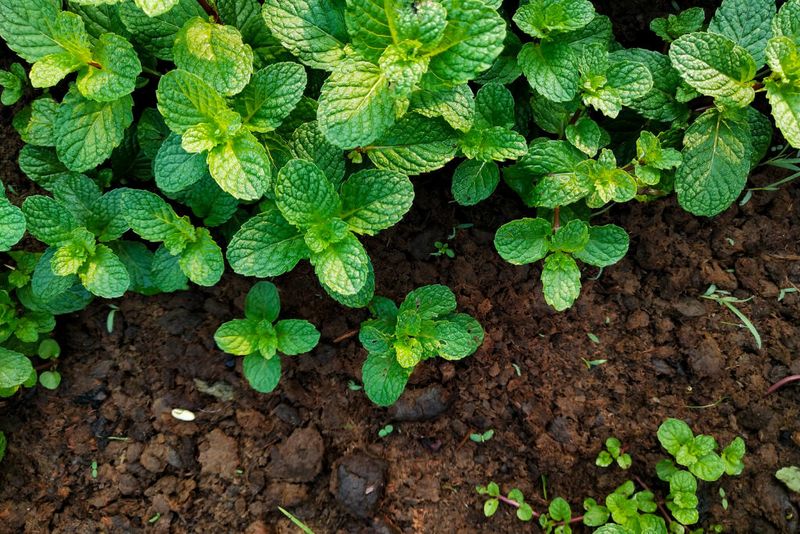
Planting mint in areas with poor drainage is an oversight that can lead to root rot and poor growth. Mint demands well-draining soil to thrive.
If planted in a location where water accumulates, the roots can suffocate, leading to a weakened plant. Raised beds or well-draining pots can mitigate this issue, allowing excess water to escape.
By ensuring proper drainage, you’ll provide a healthy environment for your mint, leading to a thriving, aromatic plant ready for use in your culinary dishes.
11. Ignoring Companion Planting
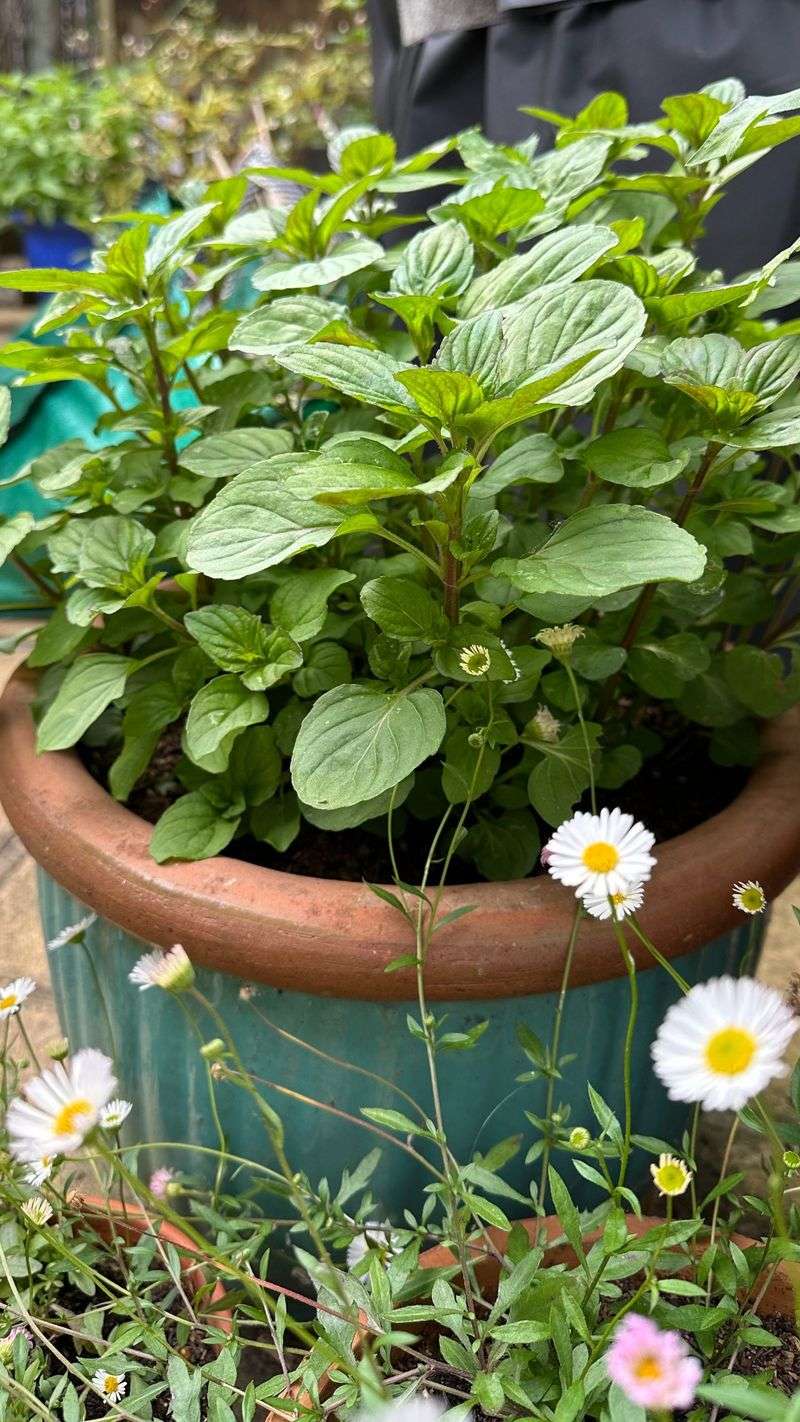
Ignoring the principles of companion planting can result in an unsuccessful mint garden. Mint can be both beneficial and detrimental when placed with certain plants.
It’s excellent at repelling pests but can also inhibit the growth of some neighbors due to its allelopathic properties. Avoid planting mint near parsley or chamomile, as it can stunt their growth.
Understanding which plants thrive together will create a harmonious garden ecosystem. Consider using pots to isolate mint and enjoy both its pest-repelling benefits and lush growth.
12. Harvesting Incorrectly
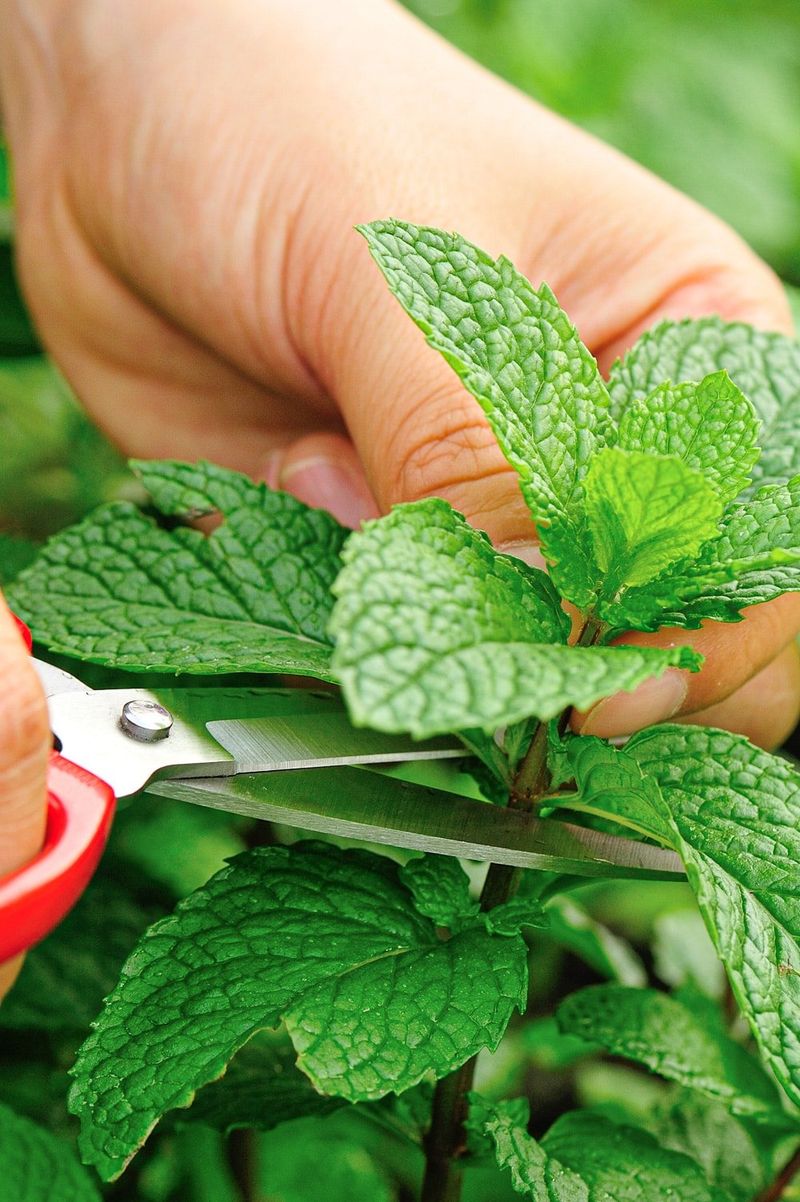
Harvesting mint incorrectly can weaken the plant and reduce its productivity. Instead of pulling leaves individually, snip stems just above a leaf pair to encourage new growth.
This method stimulates the plant, promoting bushier growth and a more abundant harvest. Regular harvesting also prevents the mint from flowering, which can make the leaves bitter.
By learning the proper technique, you’ll not only enjoy a continuous supply of fresh mint but also keep your plant healthy and vigorous throughout the growing season.
13. Allowing Flowers to Bloom
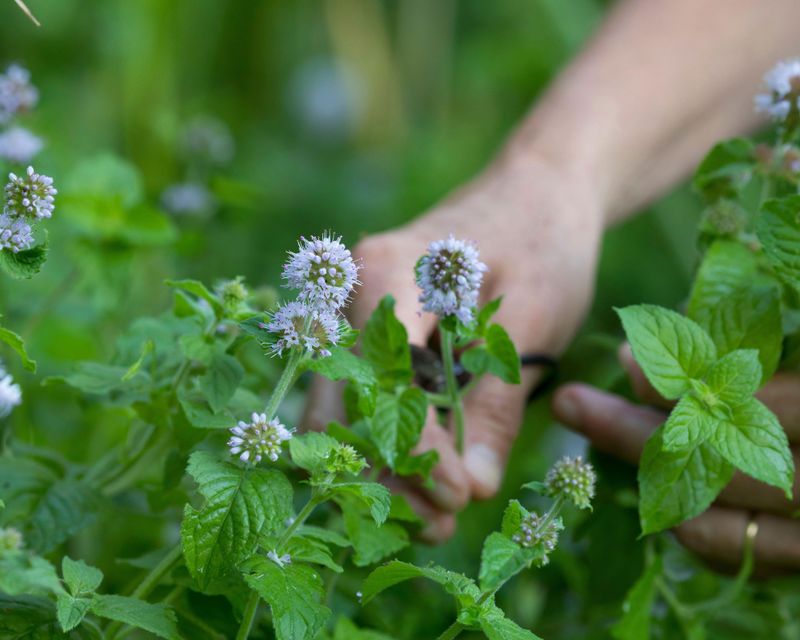
Allowing mint to flower may seem picturesque, but it can diminish the plant’s flavor. When mint flowers, it shifts its energy from leaf production to flowering, resulting in less flavorful foliage.
To prevent this, regularly pinch off the flower buds as they appear. This encourages the plant to focus on growing leaves rather than blooms.
By maintaining your mint in a vegetative state, you’ll ensure that the leaves remain aromatic and full of flavor, perfect for culinary creations or refreshing beverages.
14. Overcrowding
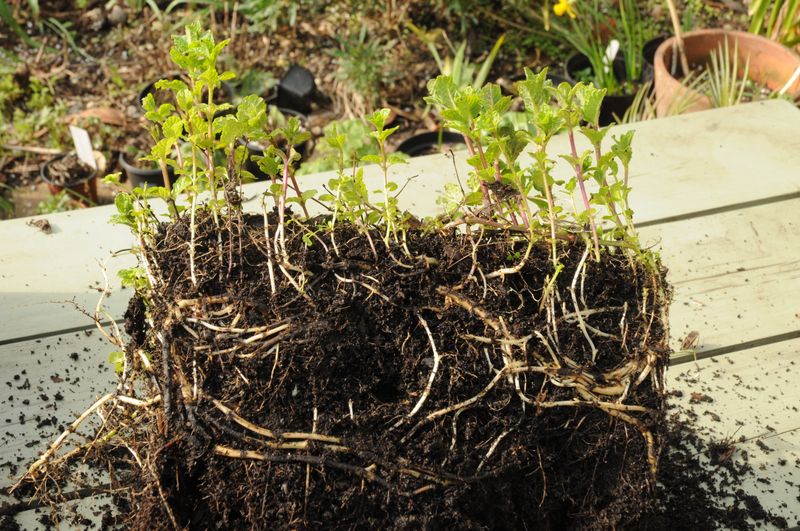
Overcrowding mint plants is a common mistake that can stifle their growth. Each plant needs space to spread its roots and access nutrients and sunlight.
When planted too closely, mint competes for resources, leading to weakened growth and susceptibility to disease. Space your mint plants at least 18-24 inches apart to allow them to flourish.
This spacing provides optimal conditions for air circulation and nutrient absorption, resulting in healthy, robust plants that can thrive throughout the growing season.
15. Using Chemical Pesticides
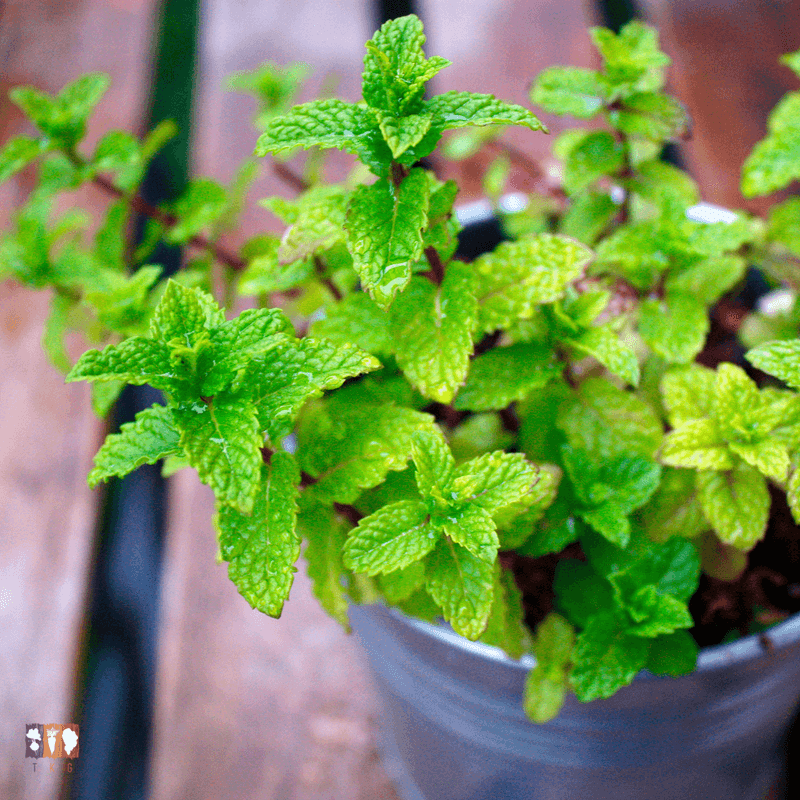
Using chemical pesticides on mint plants can be harmful, both to the plant and those who consume it. Mint is often used in culinary dishes, so it’s crucial to keep it free from harmful chemicals.
Instead, opt for natural pest control methods such as introducing beneficial insects or using organic sprays like neem oil. These alternatives are safer and preserve the integrity of your mint.
By avoiding harsh chemicals, you’ll ensure a healthy, safe-to-eat plant that’s perfect for adding fresh, vibrant flavor to your kitchen creations.