 Complete Gardening
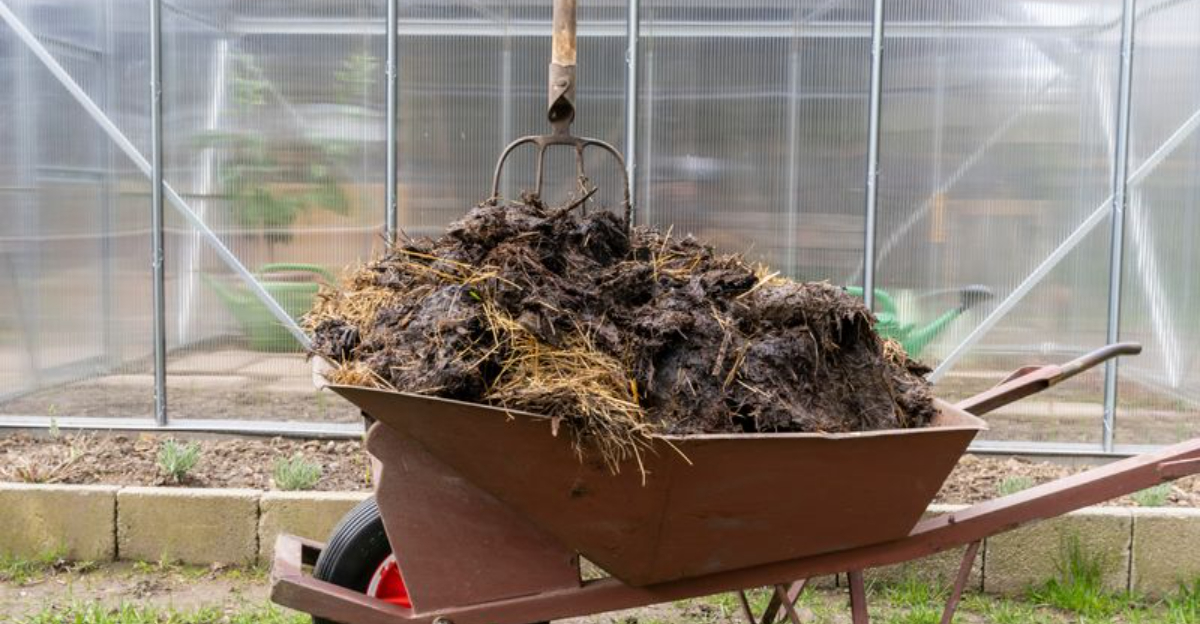
Transform your kitchen scraps into nutrient-rich soil in less than a month with these 15 ingenious composting hacks. Each tip is designed to accelerate the composting process, helping you create fertile compost quickly and efficiently. Whether you’re a seasoned gardener or a composting novice, these tricks will boost your composting success and enrich your soil in no time.
1. Chop or Shred Everything Small
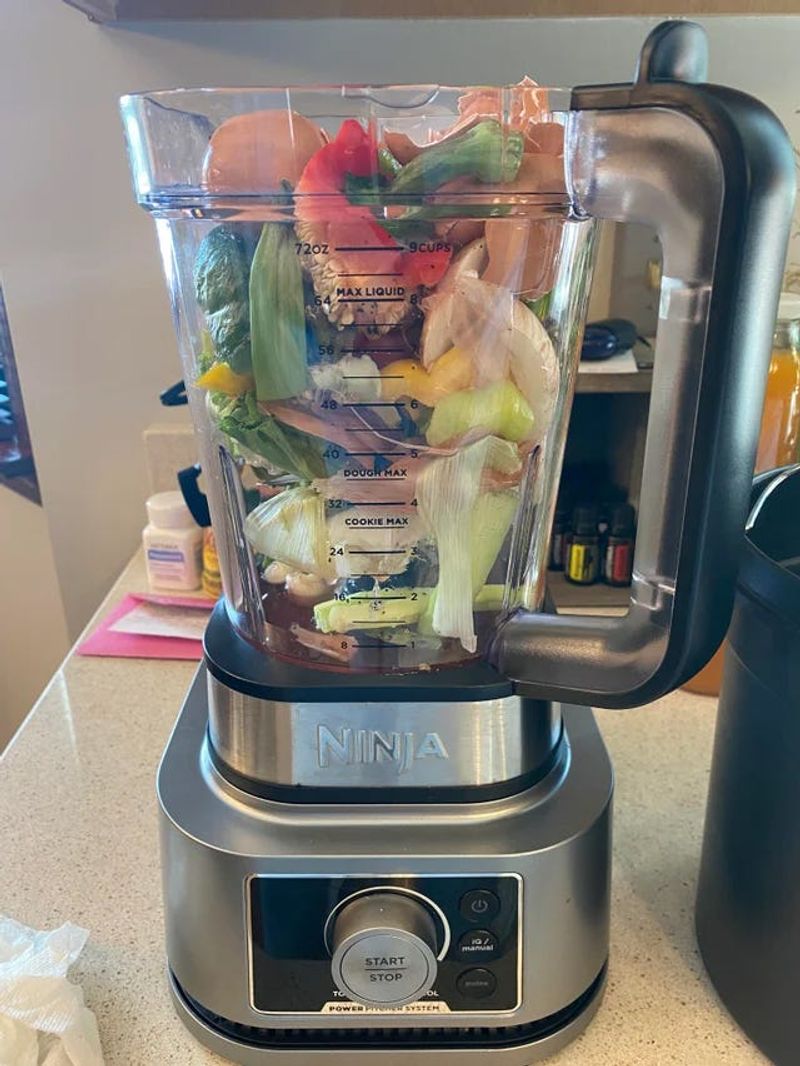
Small particles decompose rapidly. Why? They offer a larger surface area for microbes to feast on. Consider a tough corn cob reduced to tiny bits with a quick whirl in the blender. It turns into compost much faster than a whole cob. Have avocado pits? They can also benefit from a similar blender treatment.
The more you break it down, the quicker nature’s decomposition can take place. This simple hack minimizes waiting time. In no time, you’ll be adding richer compost to your soil. Give your compost pile a head start by reducing the size of your scraps.
2. Balance Greens & Browns Like a Pro
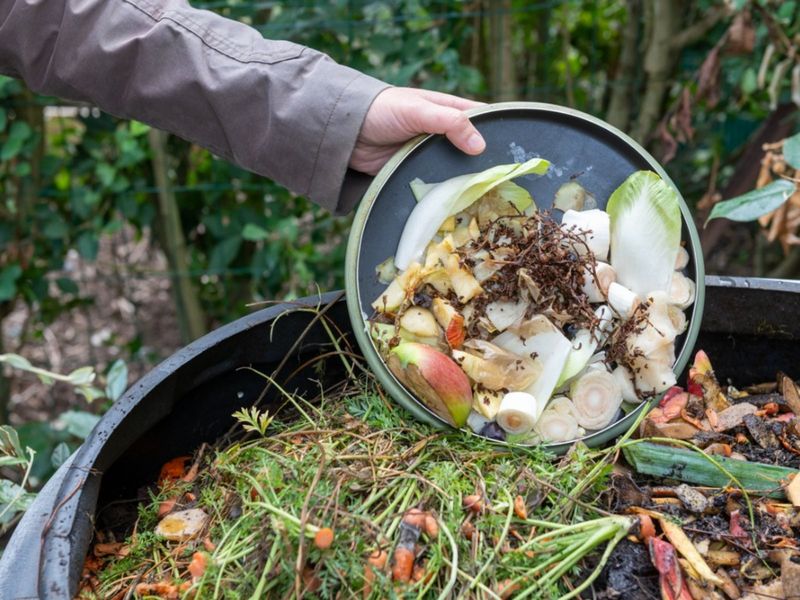
Achieving the right balance of greens and browns is crucial for efficient composting. Think of greens like fruit scraps and veggie peels as the nitrogen-rich energy boosters. They heat up the pile and encourage microbial activity. Pair these with browns such as dried leaves and cardboard for a carbon-rich balance.
An ideal ratio of two parts brown to one part green ensures rapid decomposition. This balance creates the perfect environment for microorganisms to thrive and break down your waste effectively. A well-balanced compost pile is your secret weapon for fast and robust soil enrichment.
3. Add Coffee Grounds for a Nitrogen Boost
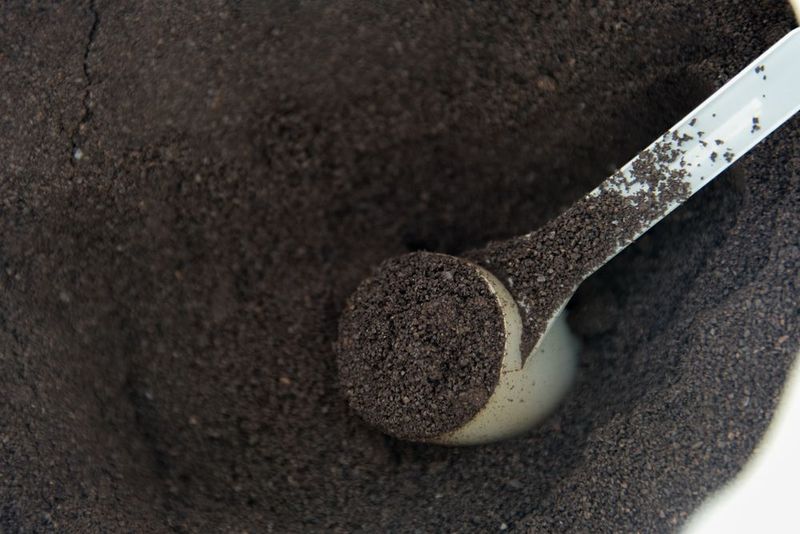
Coffee grounds aren’t just for your morning brew—they’re a compost powerhouse. Rich in nitrogen, they heat up your compost pile, accelerating the breakdown process. But moderation is key; too much can acidify your compost. Adding coffee grounds creates a thriving environment for the beneficial microbes.
These microbes work tirelessly to transform waste into rich compost. Interestingly, coffee grounds can also deter pests while boosting compost quality. So, next time you’re making coffee, remember to recycle those grounds into your compost. Your garden will thank you for the nutrient boost.
4. Throw in a Handful of Soil or Finished Compost
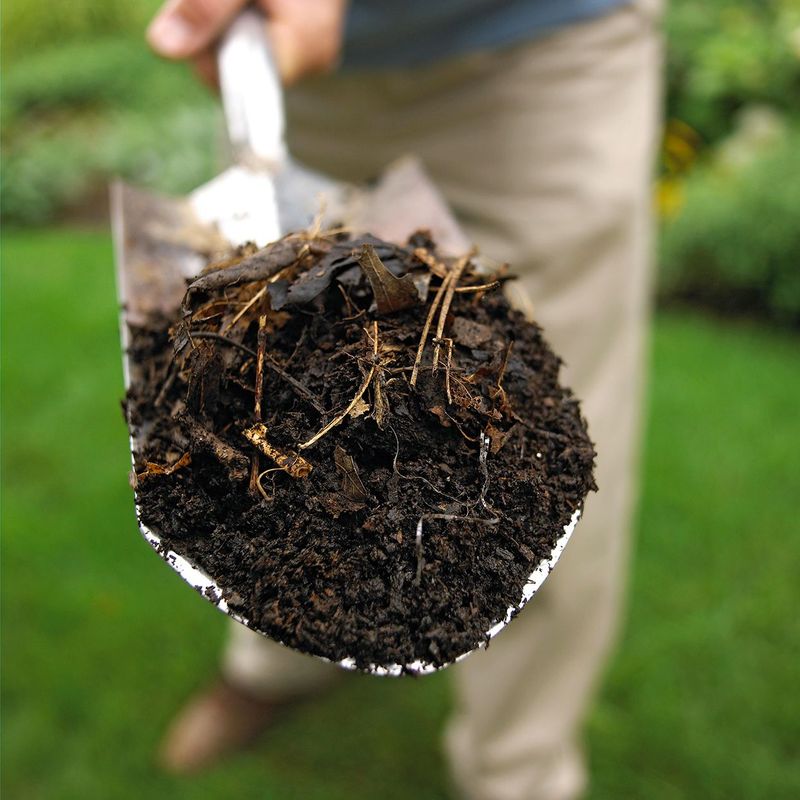
A sprinkle of soil or finished compost is like adding a starter to your compost pile. This introduces essential microbes that ignite decomposition. It’s akin to sourdough starter in baking, jumpstarting the transformation of scraps to soil. Consider using a commercial compost starter to enhance this effect.
These additives can significantly speed up the composting process. The soil or finished compost acts as a microbial catalyst. By providing a microbial boost, your compost pile becomes more efficient, reducing the time it takes to produce rich, fertile soil. It’s a simple yet effective enhancement.
5. Keep It Moist (But Not Soggy)
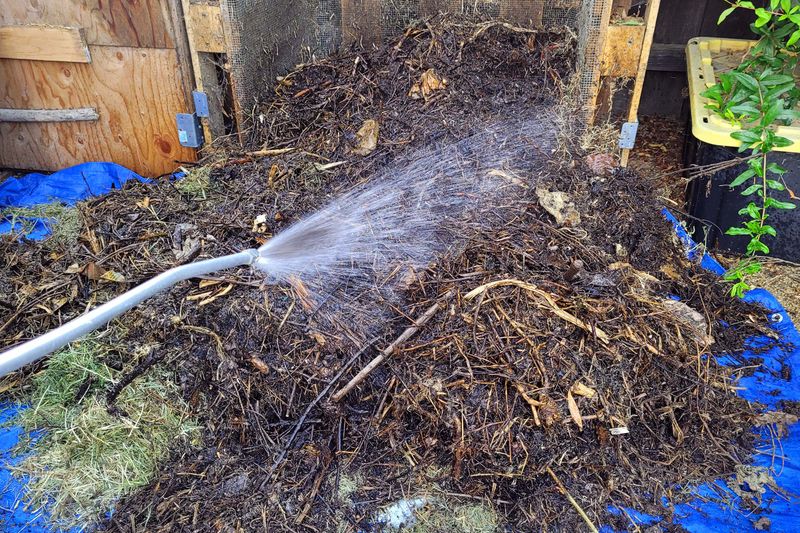
The moisture level of your compost pile should mimic a wrung-out sponge. Too dry, and microbes slow down. Too wet, and anaerobic conditions can develop, slowing decomposition. If your compost is dry, lightly sprinkle water over it. If it’s soggy, incorporate more brown materials like cardboard.
Maintaining the perfect moisture balance is vital for keeping microbial activity at its peak. This ensures your compost pile remains active and breaks down efficiently. Moisture management is a key aspect of successful composting, allowing you to achieve usable compost in a shorter time frame.
6. Turn Your Pile Frequently
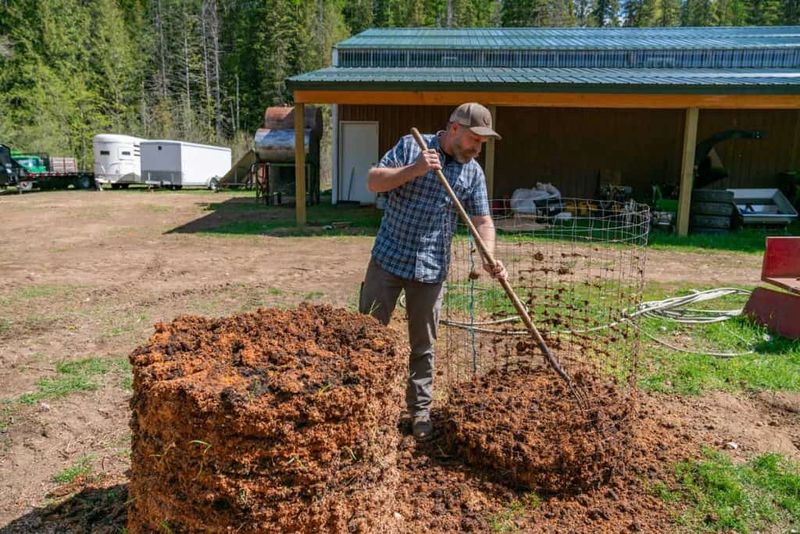
Regularly turning your compost pile introduces oxygen, a critical component for aerobic decomposition. This process not only speeds up the breakdown of materials but also prevents unpleasant odors. Turning every 3–5 days ensures that all parts of the pile receive much-needed aeration.
This frequent rotation is essential for maintaining a lively compost environment. With each turn, you reinvigorate the microbial activity, accelerating the composting process. The result? Rich, dark compost ready to enhance your garden. Turning your compost is a simple task with significant benefits, promoting efficient, odor-free decomposition.
7. Bury Kitchen Scraps in the Middle

The center of your compost pile is the hottest zone, ideal for decomposing kitchen scraps. Burying scraps here not only speeds up decomposition but also minimizes pest issues. By placing scraps in the pile’s core, the heat helps break them down swiftly.
This method also keeps pests like rats and flies at bay, as they have a harder time accessing the buried waste. It’s a simple yet effective hack for efficient composting. This strategy reduces odors and enhances the breakdown process, contributing to a faster transformation of scraps into rich, fertile soil.
8. Use a Compost Tumbler for Faster Results
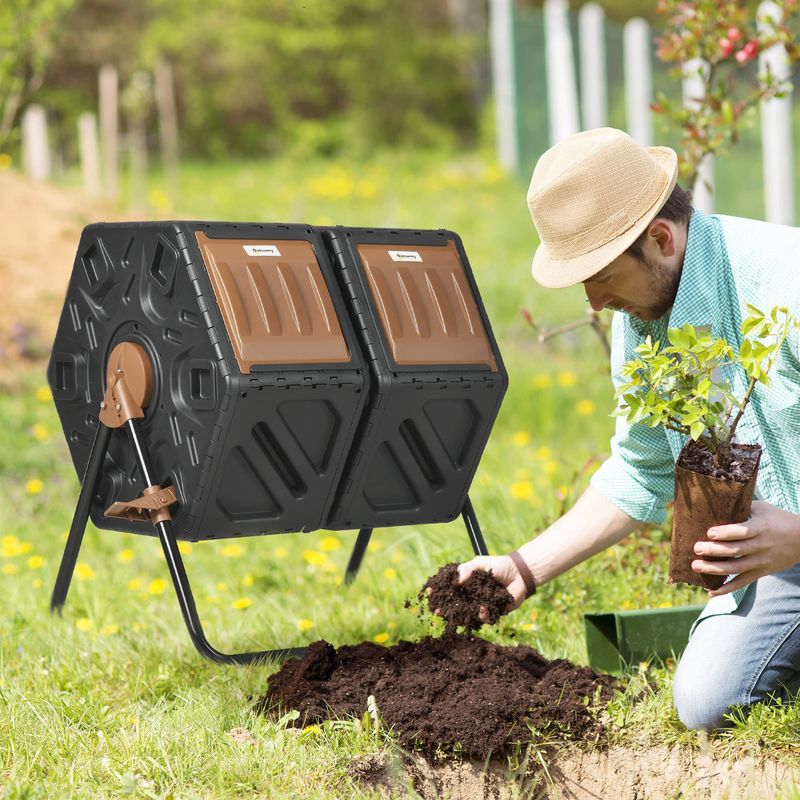
Compost tumblers are a gardener’s ally for rapid compost production. Their design allows for easy mixing and aeration, crucial for fast decomposition. By consistently turning the contents, tumblers maintain optimal conditions for microbial activity.
This results in compost that’s ready in as little as 2–4 weeks, a fraction of the traditional time. The closed design also helps control odors and deter pests. For those looking to speed up their composting process without heavy lifting, a tumbler is an efficient and user-friendly solution, providing fast, high-quality compost with minimal effort.
9. Add Crushed Eggshells for Calcium
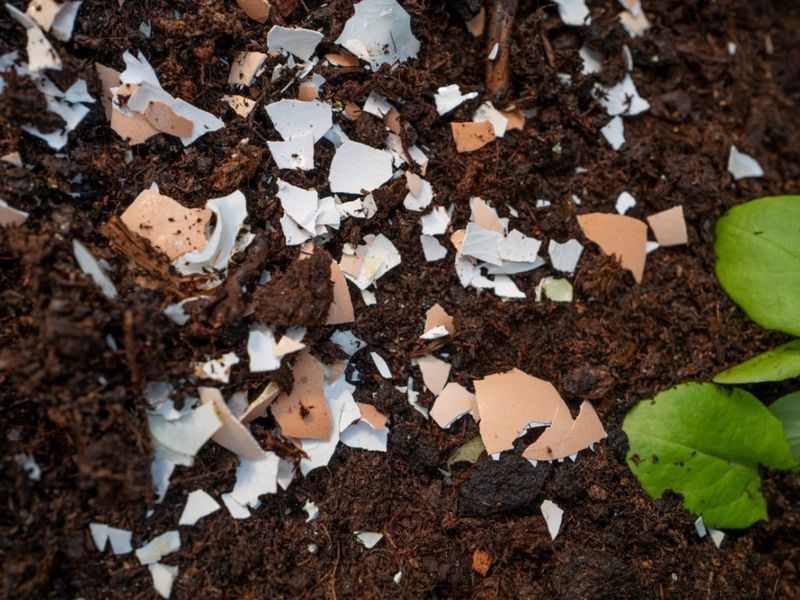
Eggshells, when crushed finely, can provide a beneficial boost to your compost pile. They add calcium, which helps balance the pH levels, creating a healthier environment for your plants. Crushed finely, they integrate more quickly, enriching the soil with essential minerals.
This not only supports plant health but also enhances the overall quality of your compost. As a bonus, eggshells can deter certain pests when scattered in the garden. By incorporating crushed eggshells into your composting routine, you elevate your garden’s nutrient profile, preparing your plants for robust growth and vitality.
10. Throw in a Few Worms (Vermicomposting Hack)
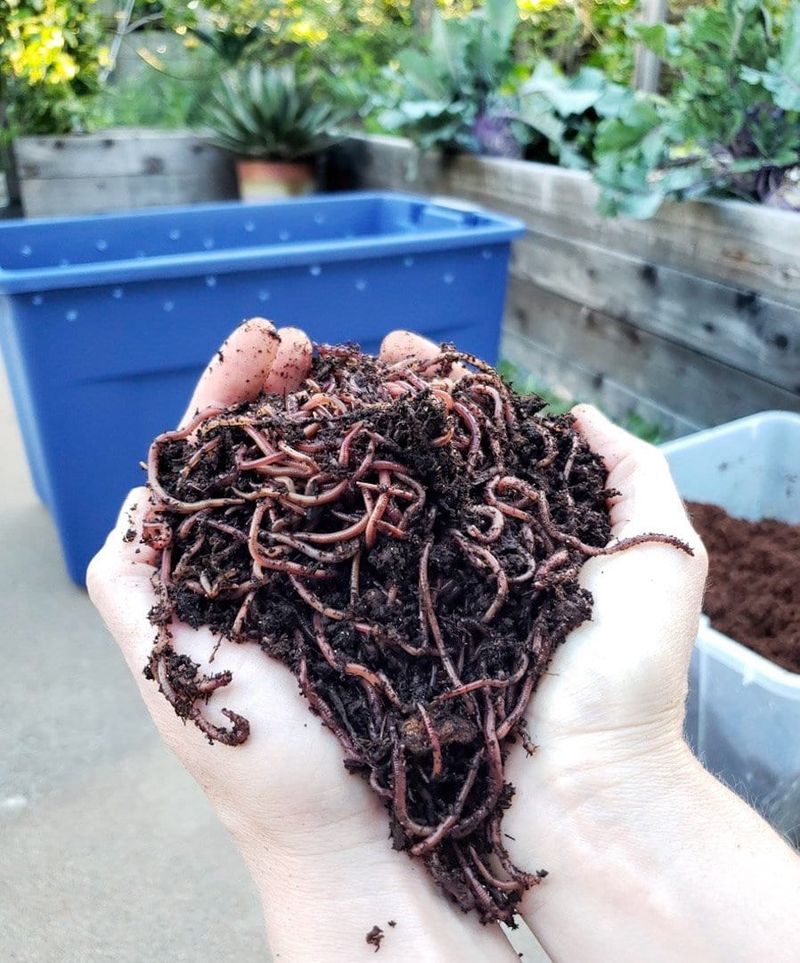
Worms are nature’s composters, and vermicomposting harnesses their abilities to create nutrient-rich castings. Introducing worms to your compost pile accelerates the breakdown of organic matter. They consume scraps and convert them into valuable worm castings, rich in nutrients.
Consider setting up a small indoor worm bin. This allows for year-round composting, even in urban settings. Worms thrive in these bins, turning waste into rich, fertile compost. This method is ideal for those seeking a low-maintenance, efficient composting solution. Vermicomposting is both a cutting-edge and time-honored approach to effective composting.
11. Speed It Up with Manure (Rabbit, Cow, or Chicken)
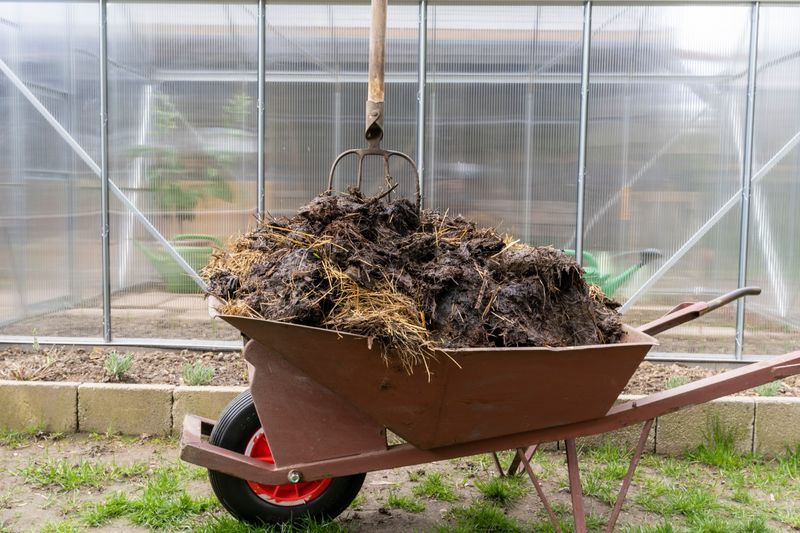
Manure from rabbits, cows, or chickens is a nitrogen powerhouse that enhances composting efficiency. Packed with nutrients and beneficial microbes, manure accelerates the decomposition process. However, it’s crucial to avoid cat or dog manure due to potential harmful bacteria.
Incorporating manure into your compost pile enriches it, producing high-quality compost more quickly. This natural fertilizer supports robust microbial activity, essential for breaking down organic matter. By using manure, you significantly boost the nutrient content of your compost, preparing it to nourish your garden and promote healthy plant growth.
12. Bury Banana Peels for a Potassium Boost
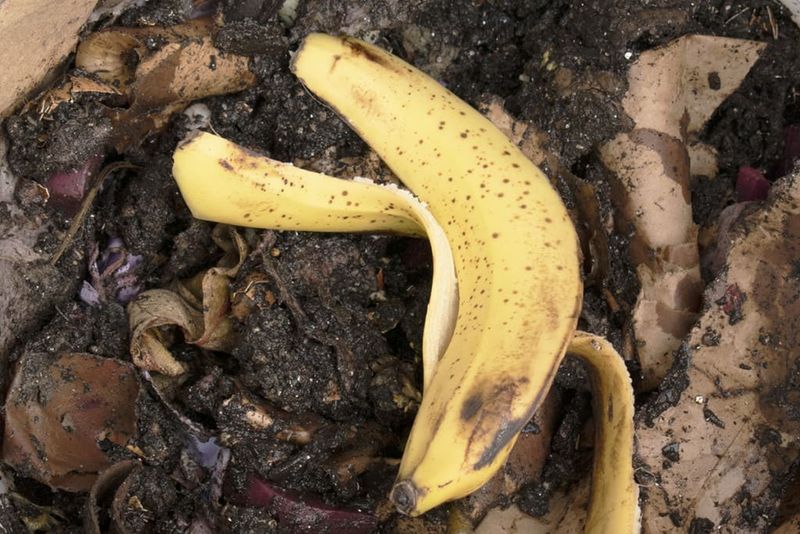
Banana peels are a potassium-rich addition to any compost pile. When buried, they decompose swiftly, infusing the compost with essential nutrients. This practice not only speeds up decomposition but also enriches the resulting compost.
An extra hack involves soaking the peels in water to create a homemade fertilizer tea, offering an additional nutritional boost for your plants. Burying banana peels is a straightforward method to accelerate composting while enhancing soil quality. This simple yet effective trick adds valuable minerals to your garden, promoting vigorous plant health and robust growth.
13. Use a Black Bin or Tarp to Trap Heat
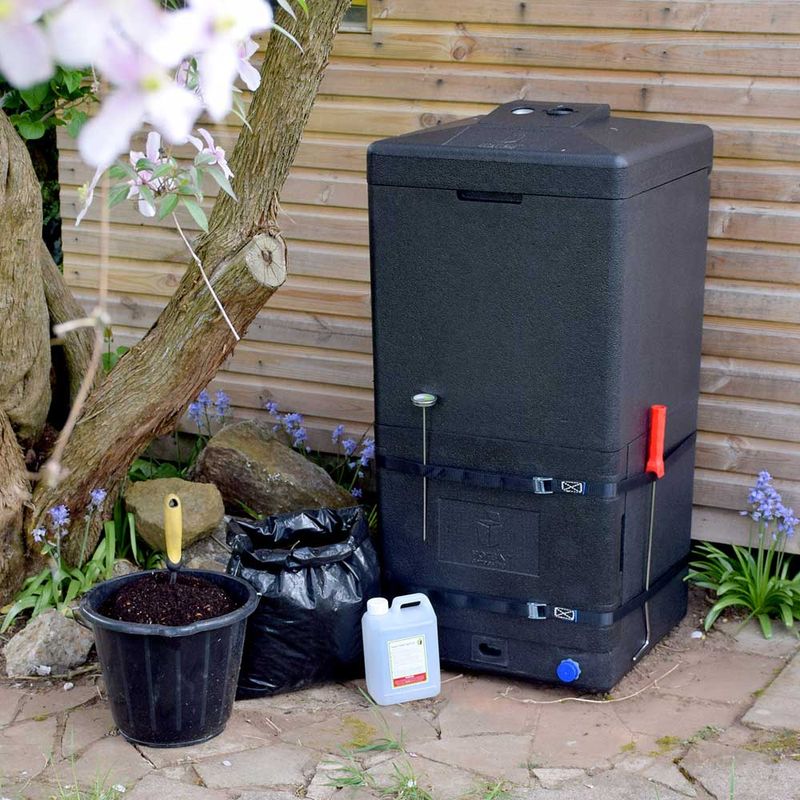
Heat is a critical factor in rapid composting, and using a black bin or tarp can trap the heat needed for quick decomposition. The ideal temperature range of 120–160°F (49–71°C) not only speeds up the process but also kills weeds and pathogens.
By using a black bin or tarp, you create an optimal environment for microbial activity. This method is particularly effective in cooler climates, where retaining heat is essential for efficient composting. By employing this technique, you accelerate the composting process, resulting in nutrient-rich soil ready for your garden.
14. Add Urine (Yes, Really!)
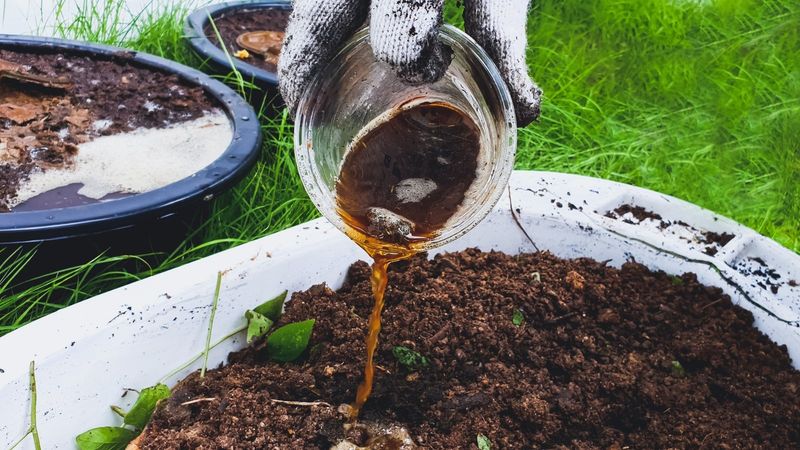
Believe it or not, urine is a valuable compost activator, rich in nitrogen. When diluted with water at a 10:1 ratio, it provides a nutrient boost without causing odors. This unusual yet effective method enhances microbial activity, speeding up decomposition.
Adding urine to your compost pile supports the breakdown of organic matter, producing richer compost more quickly. It’s a natural, readily available resource that can significantly enhance your composting efforts. By carefully incorporating diluted urine into your routine, you can achieve faster results and boost the nutrient content of your compost.
15. Layer in Activators (Comfrey, Nettles, or Alfalfa)

Layering activators such as comfrey, nettles, or alfalfa can significantly enhance the speed of composting. These plants are rich in nutrients and help stimulate microbial activity, essential for fast decomposition. Growing these plants near your compost pile provides easy access.
By incorporating these activators, you create a thriving environment for beneficial microbes, accelerating the composting process. This practice enriches your compost with valuable nutrients, preparing it to nourish your garden effectively. Utilizing natural activators is a sustainable and efficient way to improve your composting results and boost soil fertility.