 Complete Gardening
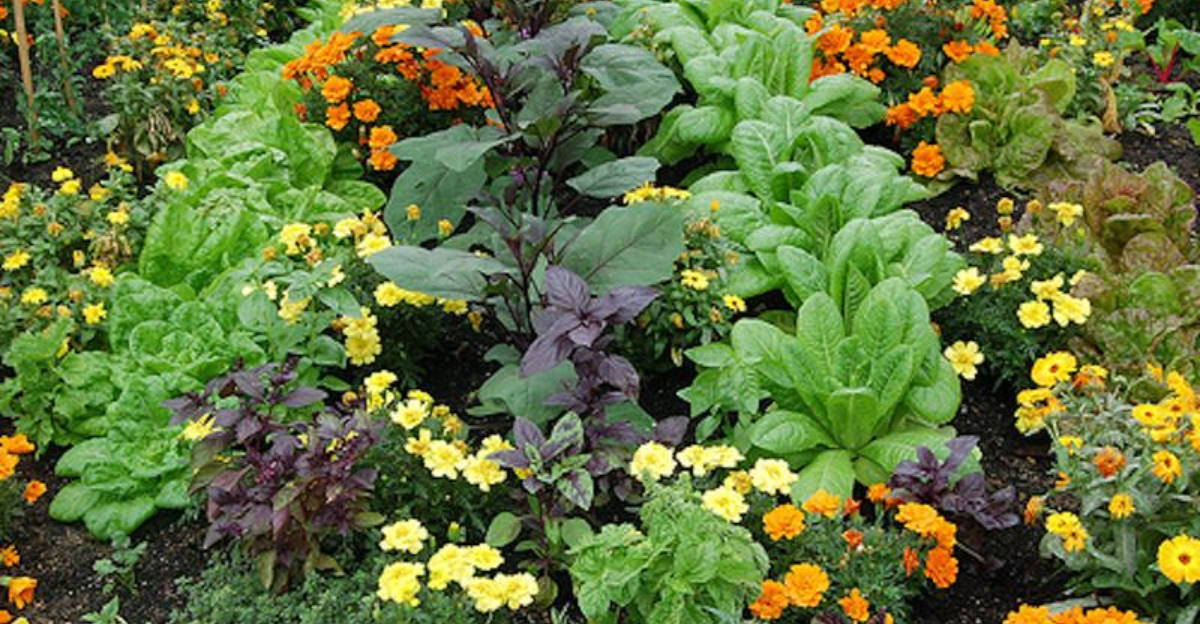
Companion planting seems simple – just put friendly plants together and watch them thrive, right? Unfortunately, many gardeners make crucial mistakes that turn potential garden harmony into plant disaster. These common companion planting errors can sabotage your harvest, waste precious growing space, and leave you wondering why your carefully planned garden isn’t flourishing. Let’s explore the most common mistakes that might be secretly undermining your garden’s success.
1. Planting Onions Near Beans and Peas
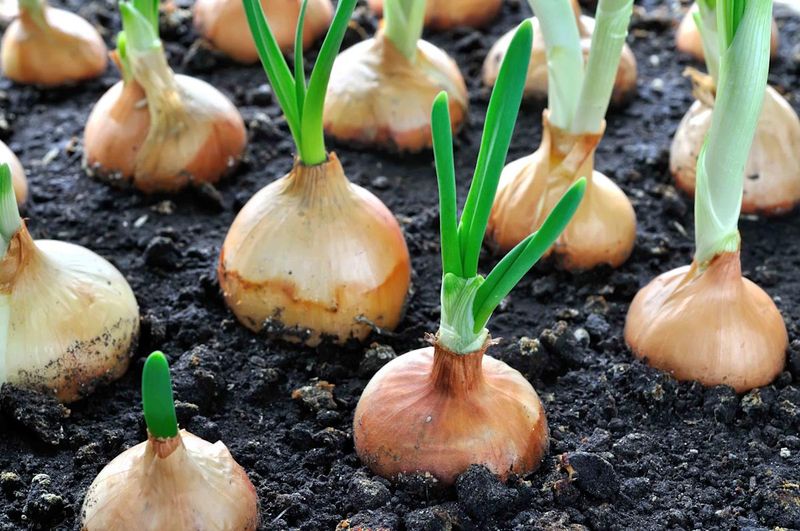
Onions and their aromatic relatives release compounds that actively inhibit the growth of beans and peas. When these plants become neighbors, your legumes struggle to form the nitrogen-fixing nodules they need for healthy development.
Many gardeners mistakenly group these plants together because both are common vegetables. The result? Stunted bean plants with yellowing leaves and significantly reduced harvests. The nitrogen-fixing bacteria beans rely on simply cannot function properly when exposed to onion’s natural chemicals.
For best results, keep onions, garlic, shallots, and leeks far away from your bean and pea patches. Instead, pair onions with carrots – they’ll help repel carrot flies while thriving themselves.
2. Crowding Tomatoes With Potatoes
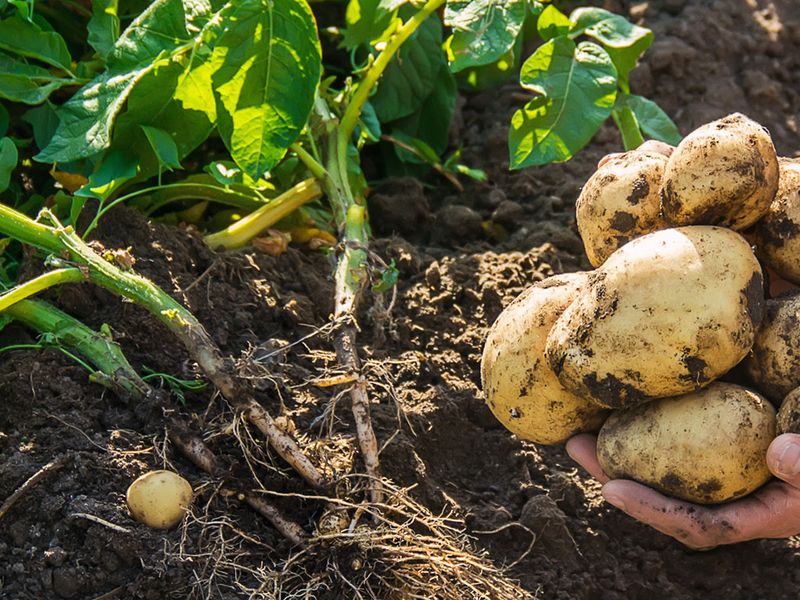
Both tomatoes and potatoes belong to the nightshade family, making them susceptible to identical diseases and pests. When planted close together, they essentially create a highway for problems like late blight to spread rapidly through your garden.
Gardeners often group these popular crops together without realizing they’re inviting trouble. The shared vulnerability means that if one plant gets sick, the other will quickly follow. Additionally, these heavy feeders compete fiercely for the same nutrients.
Space these nightshade relatives far apart in your garden. Better tomato companions include basil, marigolds, and nasturtiums, which actually enhance tomato flavor while deterring common pests.
3. Surrounding Strawberries With Brassicas
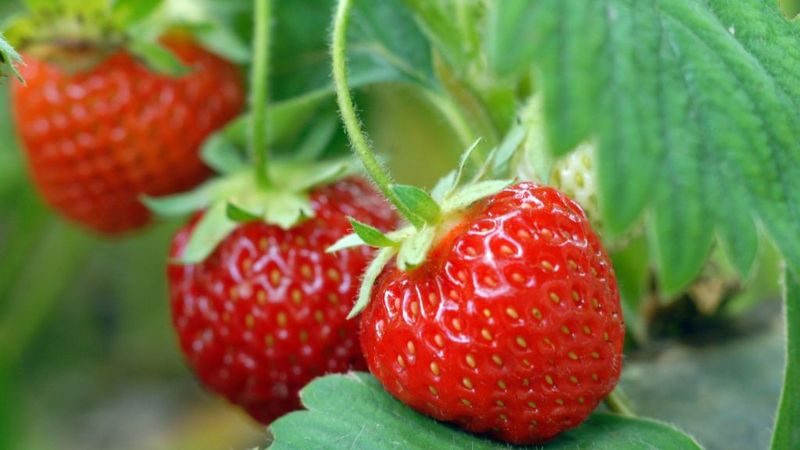
Strawberries struggle mightily when planted near cabbage, broccoli, cauliflower and other brassicas. These heavy-feeding vegetables deplete soil nutrients that strawberries need, leaving your berry plants starved and unproductive.
Beyond nutrient competition, brassicas release compounds into the soil that can actually stunt strawberry growth. Many gardeners make this mistake when trying to maximize limited garden space, not realizing they’re sacrificing their berry harvest.
Better companions for strawberries include borage, which attracts pollinators, or spinach, which has different nutritional needs. Some gardeners report that thyme planted near strawberries improves their flavor while deterring worms that might damage the fruit.
4. Forcing Fennel to Play Nice
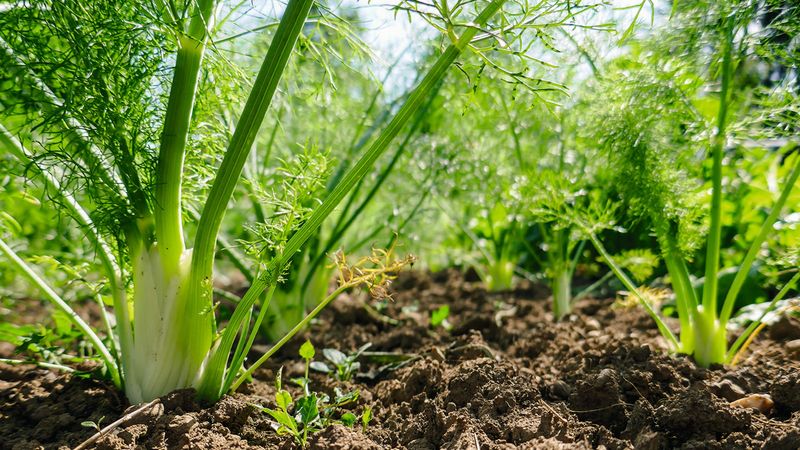
Fennel earns its reputation as the garden bully for good reason. This licorice-scented herb releases chemicals that inhibit growth in nearby plants, especially beans, tomatoes, and kale. The allelopathic compounds it produces can reduce germination rates and stunt growth in neighboring crops.
Garden beginners often include fennel in herb gardens or vegetable beds without understanding its antisocial nature. The results can be puzzling – seemingly healthy plants that mysteriously fail to thrive despite good care.
Give fennel its own isolated spot in the garden, far from other crops. If you must grow it, consider planting it near dill or coriander, which have similar growing requirements but aren’t as affected by fennel’s chemical warfare.
5. Neglecting Sunlight Requirements
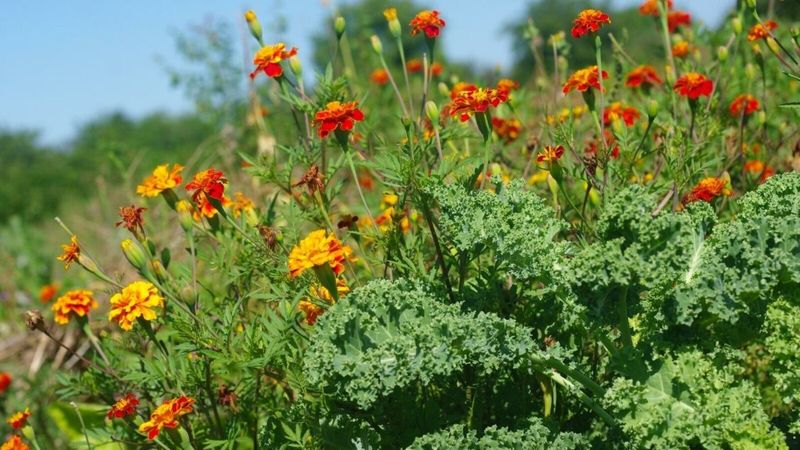
Tall, sun-loving plants can cast shadows over shorter companions, depriving them of essential sunlight. When corn towers over lettuce or sunflowers loom above peppers, the smaller plants struggle to photosynthesize effectively, resulting in leggy, weak growth and poor harvests.
This mistake happens when gardeners focus solely on plant compatibility charts without considering the physical characteristics of mature plants. The height difference creates unintentional shade that can be just as harmful as planting incompatible species together.
Plan your garden with sun patterns in mind. Place tall crops on the north side of your garden (in the Northern Hemisphere) so they won’t shade shorter plants. Step down heights gradually, with medium-height plants in the middle and low-growers in the sunniest spots.
6. Mismatching Water Needs
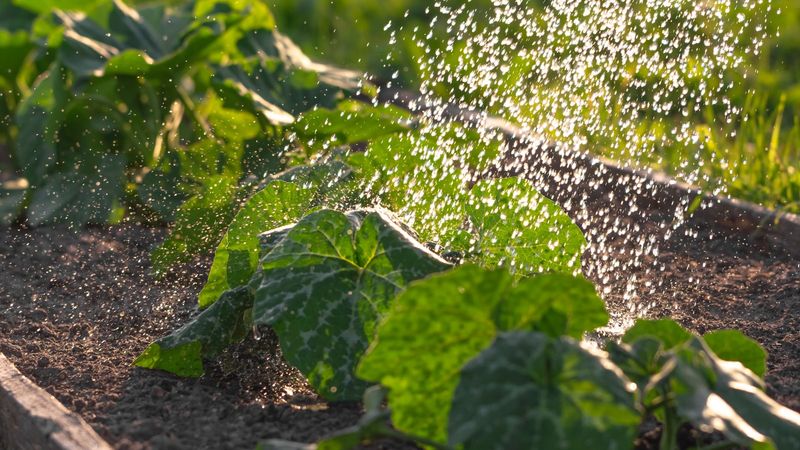
Drought-tolerant plants like rosemary and sage suffer when planted alongside thirsty vegetables like cucumbers or celery. The moisture-loving plants either get too little water or the drought-resistant ones get root rot from overwatering.
Gardeners often group plants based solely on pest-repelling properties without considering their contradictory water requirements. When watering needs clash, you’re forced to compromise, and neither plant thrives. This fundamental mismatch creates stress that makes plants more vulnerable to disease and pests.
Group plants with similar moisture requirements together. Create hydrozones in your garden – areas where plants with matching water needs grow together. This approach allows you to water efficiently while ensuring all plants receive appropriate moisture levels for optimal growth.
7. Ignoring Root Competition
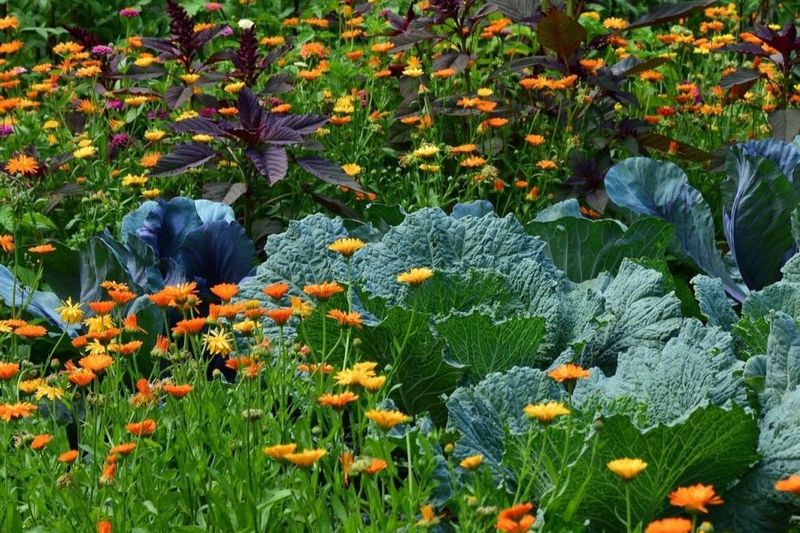
Plants with aggressive, spreading root systems can strangle and starve neighboring plants. Mint, horseradish, and Jerusalem artichokes are notorious garden bullies that outcompete less aggressive plants for water and nutrients underground.
The damage happens invisibly, beneath the soil surface. Your carefully planned companions might look fine above ground while a silent battle rages below. By the time you notice problems, the aggressive roots have already established dominance.
Contain plants with invasive root systems in pots or raised beds with barriers. Alternatively, give them dedicated garden sections where they won’t threaten other crops. For plants with similar above-ground space needs, consider their below-ground architecture too – pair shallow-rooted plants like lettuce with deep-rooted ones like carrots.
8. Planting Allelopathic Walnut Trees Near Gardens
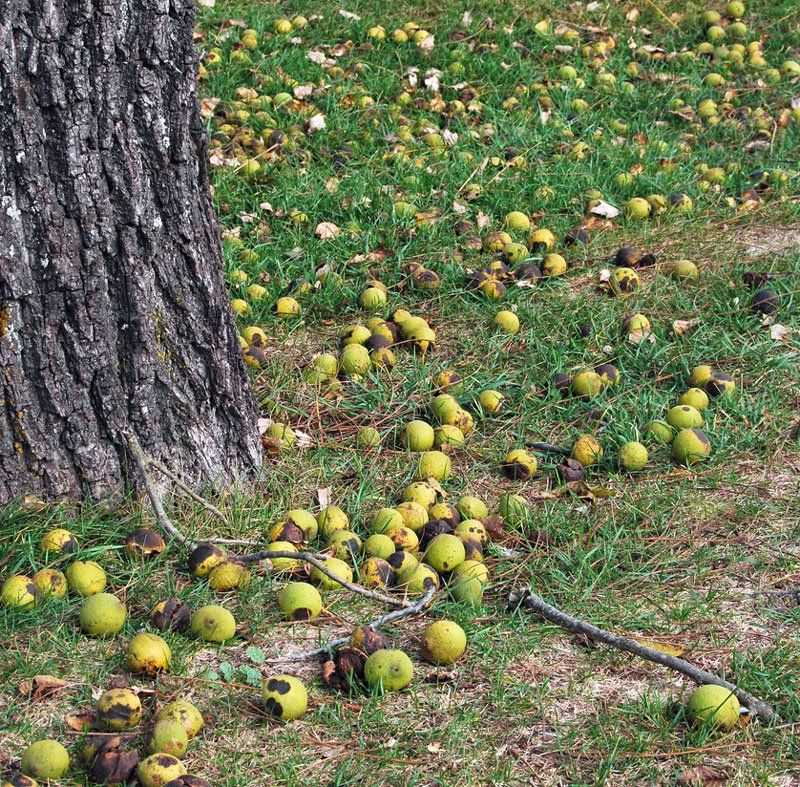
Black walnut trees release juglone, a powerful natural toxin that kills sensitive plants like tomatoes, peppers, eggplants, and potatoes. This chemical warfare extends through the entire root zone, which can reach up to 50-80 feet from the trunk of a mature tree.
Many gardeners discover this problem the hard way after planting a vegetable garden near an existing walnut tree or planting a walnut without understanding its impact. The mysterious wilting and dying plants create confusion when other growing conditions seem perfect.
Keep sensitive crops well away from walnut trees. If you have a walnut on your property, dedicate the area under its canopy to juglone-resistant plants like beans, carrots, corn, and squash. For small spaces, raised beds with barriers can help protect vulnerable crops from walnut toxicity.
9. Overplanting Companions for Pest Control
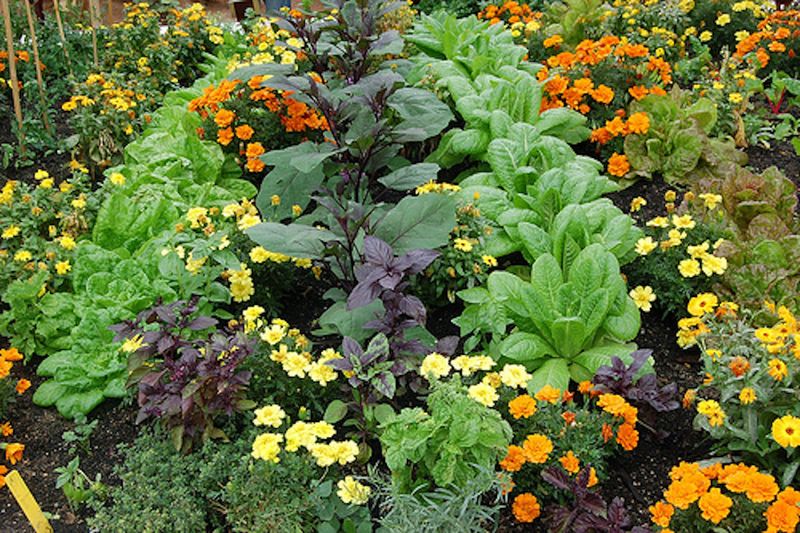
Marigolds repel nematodes and some insects, but surrounding every vegetable with them creates overcrowding and competition. Plants need adequate spacing for air circulation, light penetration, and nutrient access.
Enthusiastic gardeners sometimes go overboard with beneficial companions, thinking more equals better protection. The resulting garden becomes congested, creating humid microclimates where fungal diseases flourish. Additionally, overcrowded plants compete for resources, weakening their natural defenses.
Use pest-repelling companions strategically rather than excessively. Plant marigolds at garden corners and entry points where pests typically enter. Incorporate other pest-deterring plants like nasturtiums and calendula in moderation, maintaining proper spacing between all plants to ensure good airflow and healthy growth.
10. Failing to Rotate Companion Groups
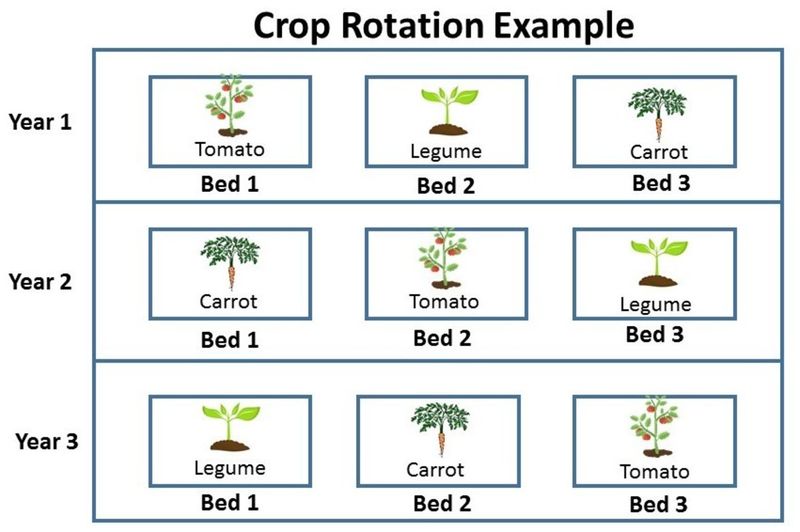
Growing the same companion plant combinations in the same location year after year leads to soil depletion and pest buildup. Even beneficial plant partnerships need rotation to prevent disease cycles and nutrient imbalances.
Gardeners who find successful combinations often repeat them in the same spot annually. While the companions may benefit each other, they often share similar soil needs or vulnerabilities. Over time, specific nutrients become depleted while pests and diseases that affect both plants accumulate in the soil.
Rotate your companion groups through different garden areas each season. Keep records of what grew where so you can ensure plants from the same family don’t return to the same spot for at least 3-4 years. This practice breaks pest cycles while allowing soil to recover specific nutrients.
11. Relying on Outdated Folklore
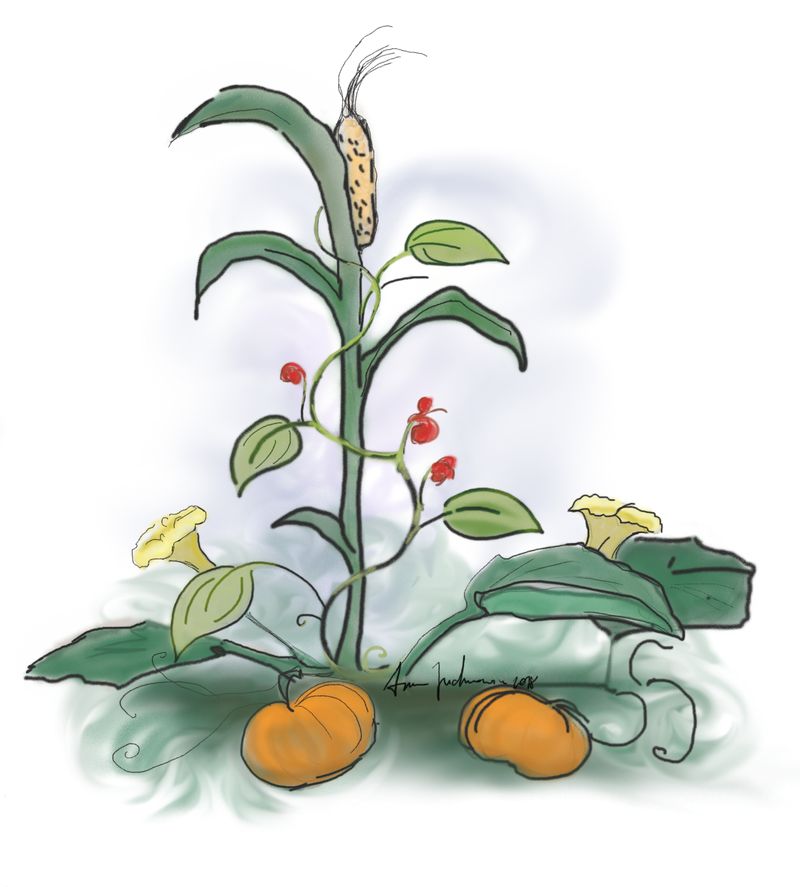
Not all traditional companion planting advice is scientifically supported. The Three Sisters method (corn, beans, and squash) has proven benefits, but claims that planting sage near carrots improves their flavor lack scientific evidence.
Garden myths persist through generations and across internet gardening forums. While some traditional combinations work wonderfully, others are based on coincidence or misunderstanding rather than actual plant relationships. Following unverified advice can waste garden space and lead to disappointing results.
Research companion planting claims before implementing them. Look for university extension resources and studies that verify traditional wisdom. Experiment with small test areas before committing your entire garden to unproven combinations, and keep notes on what actually works in your specific growing conditions.
12. Forgetting About Pollinator Competition
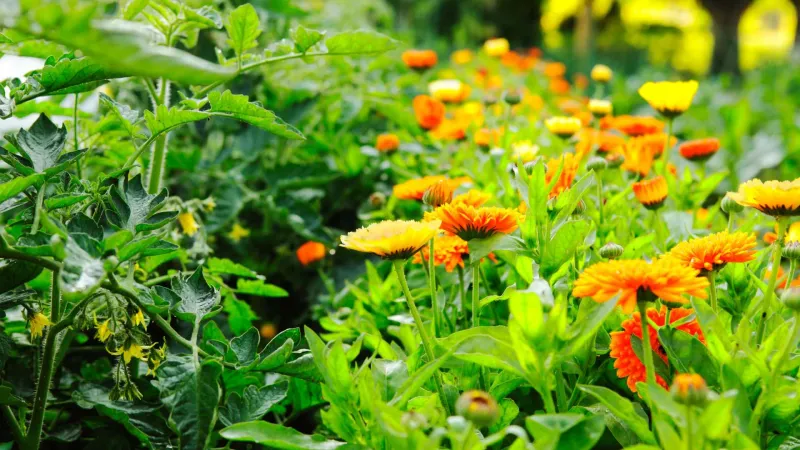
Planting too many flowering companions simultaneously can create competition for pollinator attention. When cucumber flowers must compete with nearby borage, sunflowers, and cosmos, pollinators might favor the showier blooms, leaving your vegetables under-pollinated.
Gardeners eager to attract beneficial insects sometimes create pollinator magnets that inadvertently reduce vegetable yields. The beautiful flowers attract bees and butterflies, but these visitors may bypass less showy vegetable blossoms that actually need pollination for food production.
Stagger bloom times of flowering companions to ensure vegetables get pollinator visits when they need them most. Plant some early-season attractors to build pollinator populations, but reduce competing blooms during critical vegetable flowering periods. Alternatively, hand-pollinate vegetables during peak competition times.
13. Neglecting Soil pH Compatibility
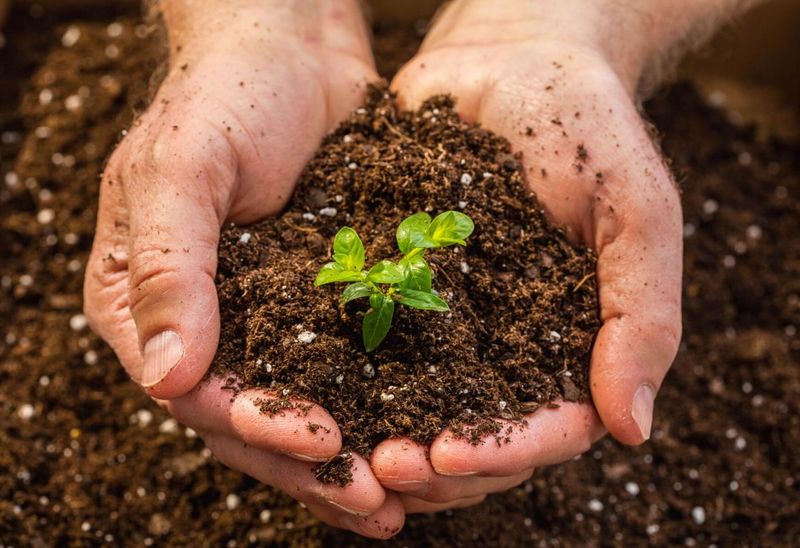
Blueberries need acidic soil (pH 4.5-5.5) while most vegetables prefer neutral to slightly acidic conditions (pH 6.0-7.0). Planting pH-incompatible companions forces one plant to grow in suboptimal conditions, resulting in nutrient deficiencies and poor growth.
This mistake happens when gardeners focus on above-ground compatibility without considering the soil environment. Plants adapted to different pH levels cannot efficiently absorb nutrients when grown in soil that doesn’t match their preferences, even if other growing conditions are perfect.
Group plants with similar pH requirements together. Create separate growing areas for acid-loving plants like blueberries, azaleas, and potatoes. Use soil tests to monitor pH levels and amend accordingly with sulfur to lower pH or lime to raise it in specific garden sections.
14. Ignoring Growth Rate Differences
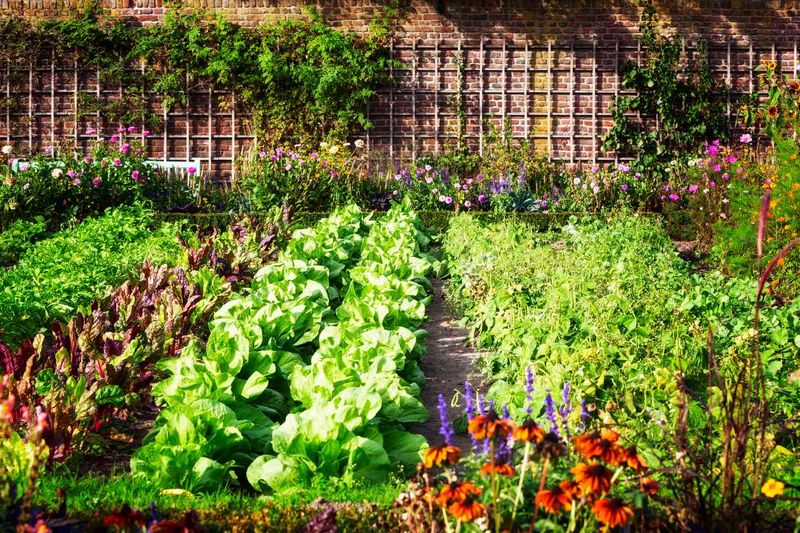
Fast-growing plants can quickly overshadow and outcompete slower-developing companions. When quick-sprouting radishes are planted alongside slow-starting carrots, the radishes may take over before the carrots establish themselves.
Gardeners often plant companions simultaneously without accounting for their different development timelines. The faster-growing plants monopolize light, water, and nutrients during the critical early growth phase of their companions. By the time the slower plants are ready to thrive, they’re already at a significant disadvantage.
Stagger planting times based on growth rates, giving slower-developing plants a head start. Alternatively, use fast-growing plants strategically as temporary companions or space-holders that will be harvested before they can negatively impact permanent crops. Consider mature size and growth habits when planning companion layouts.
15. Misunderstanding Trap Cropping
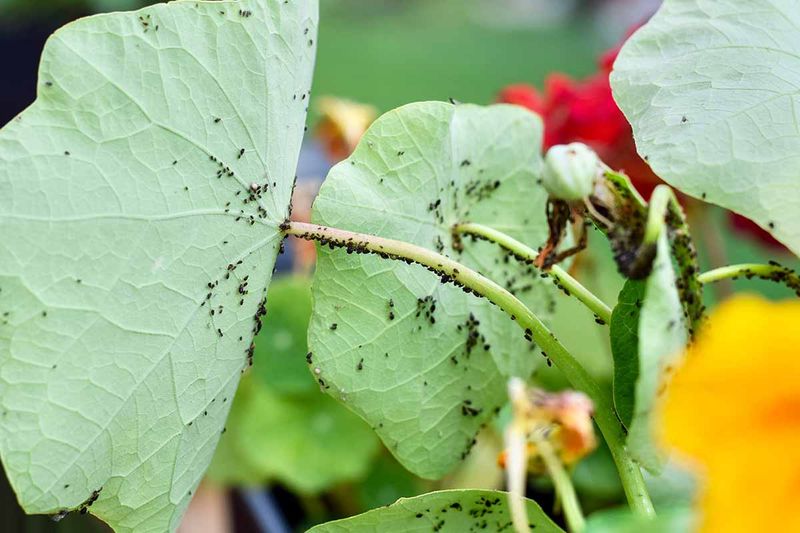
Planting nasturtiums to attract aphids away from vegetables works only if you actually monitor and manage the trap crop. Many gardeners plant sacrificial trap crops but then forget the crucial step of removing pests before they multiply and spread.
The trap crop becomes a pest breeding ground instead of a protective measure. Aphids, squash bugs, or cucumber beetles multiply exponentially on the trap plants, eventually overwhelming them and moving to your valued crops in even greater numbers than before.
Check trap crops regularly for pest buildup and take action when you spot infestations. Remove heavily infested trap plant parts or treat them with insecticidal soap before pests multiply. Plant trap crops in succession to ensure continuous protection, and position them strategically between pest entry points and valuable crops.