 Complete Gardening
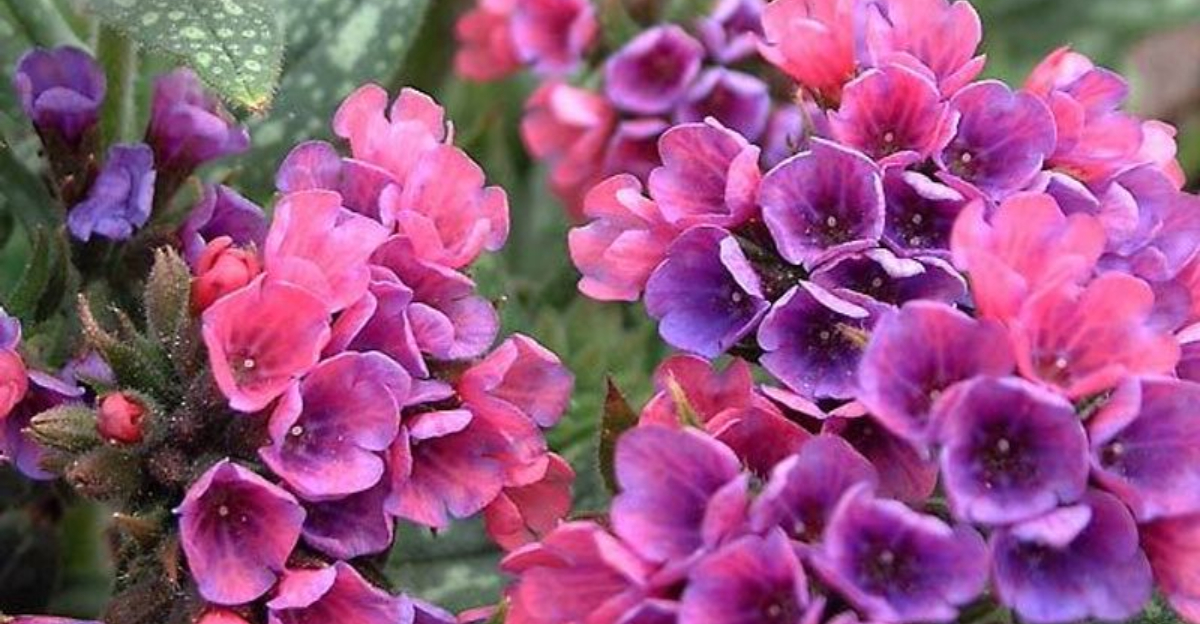
Perennials are the backbone of any garden, providing long-lasting beauty and structure. While some perennials are well-known and frequently used, others remain underrated and underutilized. This list highlights 15 overlooked perennials that can add unique charm and resilience to your garden.
1. Corydalis
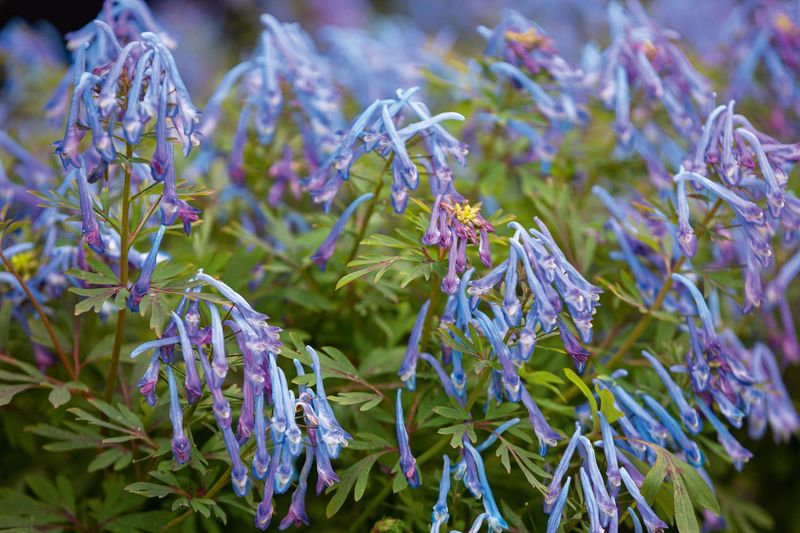
Corydalis, with its delicate clusters of blue and yellow blooms, offers a splash of color in the early spring garden. Often overlooked, this perennial thrives in shaded areas, where its vibrant flowers brighten up even the gloomiest corners.
Unlike many spring-blooming perennials, corydalis continues to flower throughout the summer, providing a consistent display. Its fern-like foliage adds texture to any planting scheme.
Did you know? Corydalis is a favorite among shaded garden enthusiasts for its ability to thrive in low-light conditions, adding beauty where other plants may struggle.
2. Astrantia
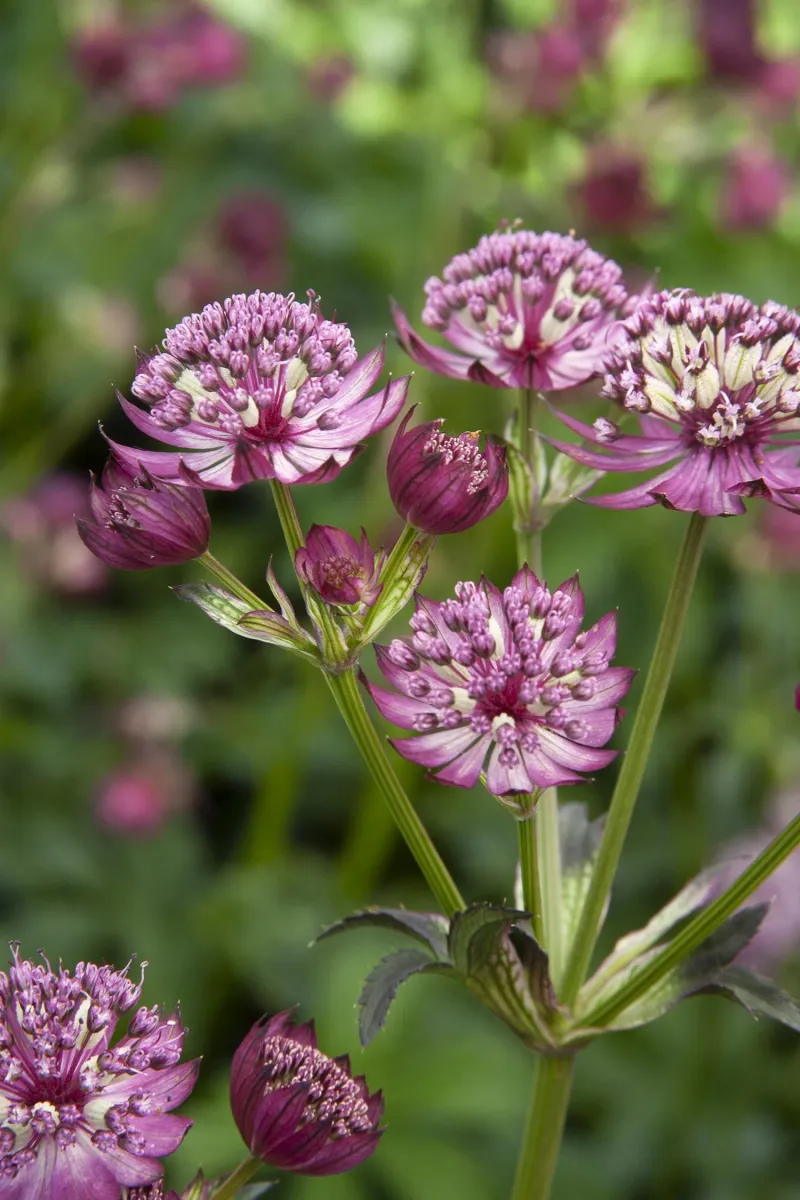
Astrantia, also known as ‘masterwort,’ captivates with its unique, star-like flowers. Often used in floral arrangements, its intricate blooms are both beautiful and functional, attracting pollinators to the garden.
This perennial prefers moist, well-drained soil and can thrive in partial shade, making it versatile for various garden settings. Its long-lasting blooms make it a garden favorite.
Fun fact: Astrantia’s flower structure is actually a cluster of bracts surrounding tiny true flowers, giving it a distinctive appearance that sets it apart in any landscape.
3. Pulmonaria
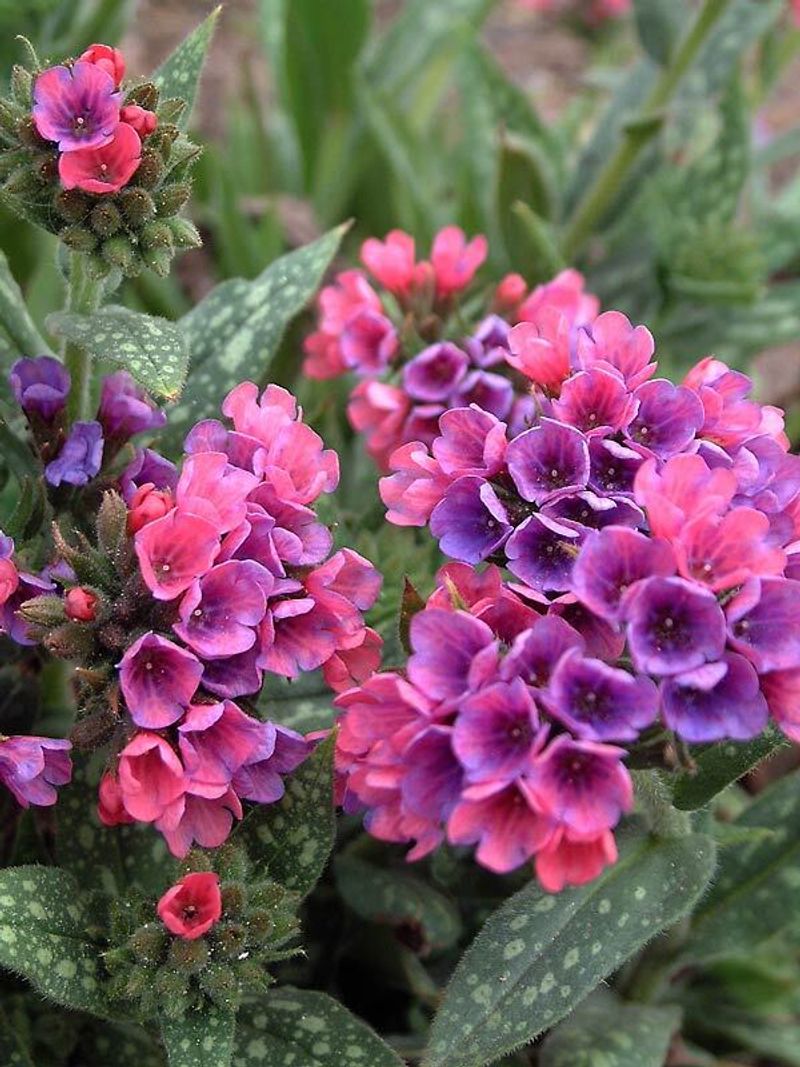
Pulmonaria, or lungwort, is a charming perennial known for its spotted leaves and colorful blooms. The flowers, which change from pink to blue as they mature, add a whimsical touch to the garden.
Ideal for shaded areas, pulmonaria thrives in rich, well-drained soil and provides ground cover with its dense foliage. This plant’s unique appearance makes it a conversation starter.
Interestingly, pulmonaria was historically used in herbal medicine, believed to treat respiratory conditions, hence its common name ‘lungwort.’
4. Sanguisorba
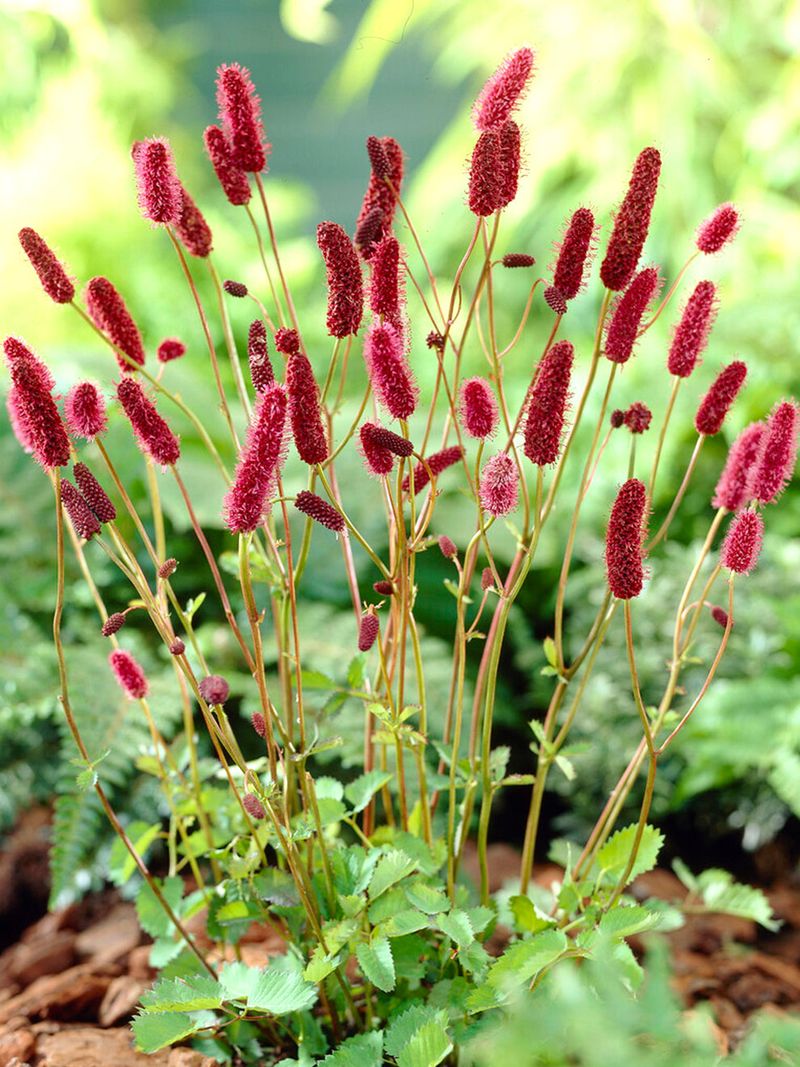
Sanguisorba, or burnet, is a graceful perennial that brings movement and texture to the garden. Its tall, slender stems topped with fluffy, bottlebrush-like flowers sway elegantly in the breeze.
This hardy perennial thrives in sunny spots with moist soil and is deer-resistant, making it a good choice for wildlife gardens. Its flowers add a soft, airy quality to any border.
Did you know? Sanguisorba’s leaves are edible and have a cucumber-like flavor, often used in salads and as a garnish.
5. Bergenia
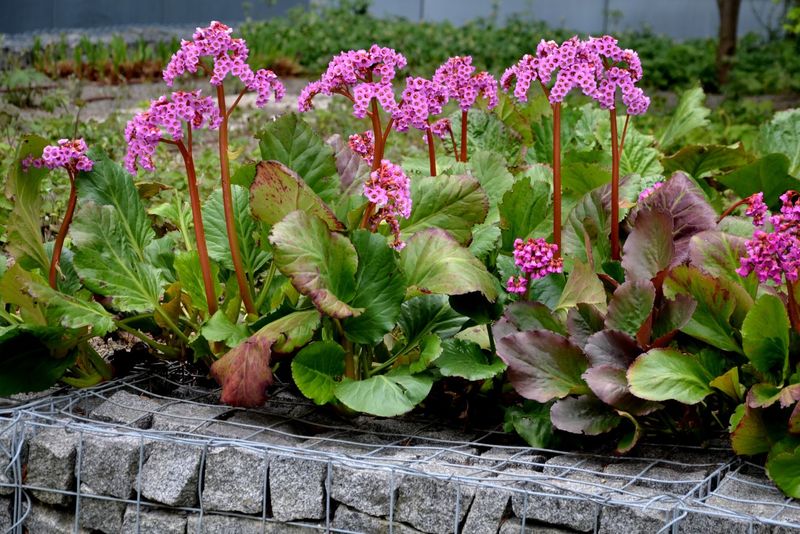
Bergenia, affectionately known as ‘elephant’s ears,’ boasts large, leathery leaves and clusters of vibrant pink flowers. This robust perennial is perfect for adding bold foliage contrast in the garden.
Bergenia thrives in a variety of conditions, from full sun to partial shade, and can withstand dry spells, making it low-maintenance. Its leaves turn a stunning red in the fall, adding seasonal interest.
Fun fact: Bergenia’s common name, ‘elephant’s ears,’ refers to its large leaves, which resemble the ears of an elephant in shape and size.
6. Tricyrtis
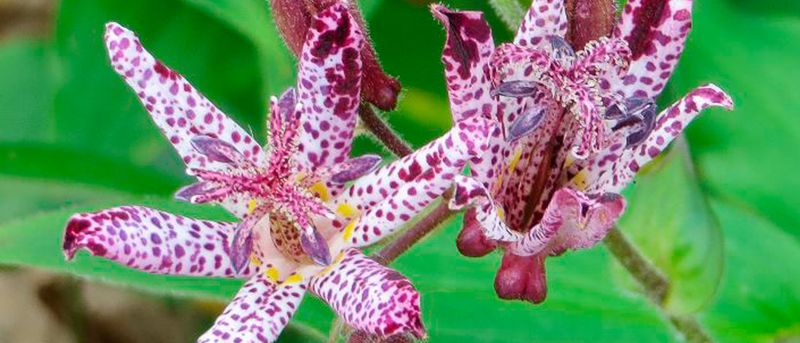
Tricyrtis, often called ‘toad lily,’ enchants with its orchid-like flowers adorned with intricate patterns. Blooming in late summer, it brings exotic beauty to shaded garden areas.
Tricyrtis prefers moist, well-drained soil and thrives in part to full shade, making it ideal for woodland gardens. Its unusual blooms offer a striking contrast to more common perennials.
Did you know? Despite its delicate appearance, tricyrtis is quite hardy and can withstand cold temperatures, making it a resilient choice for temperate gardens.
7. Epimedium
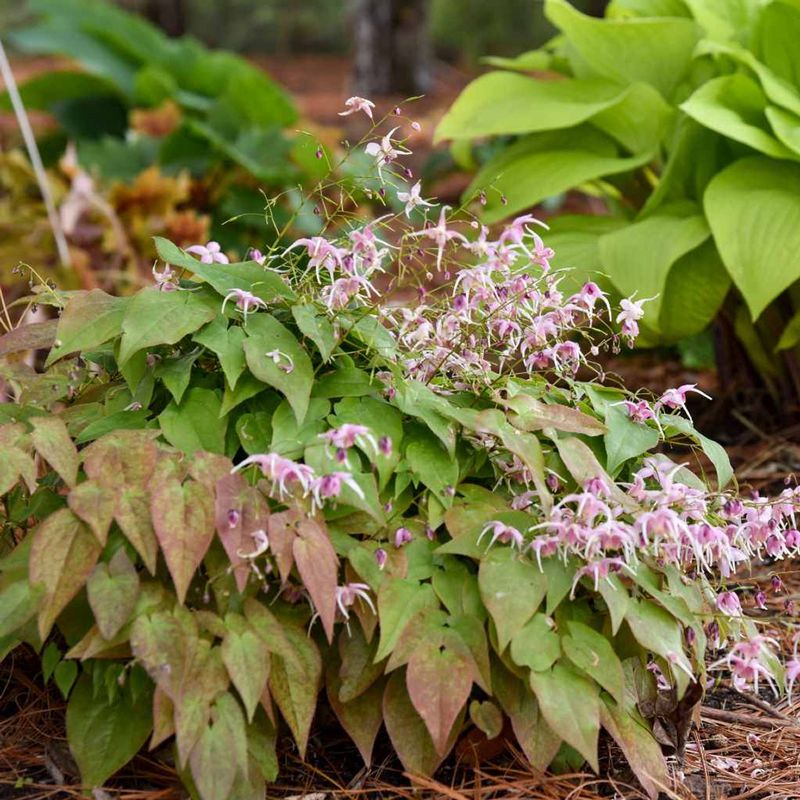
Epimedium, or barrenwort, is a delightful perennial with heart-shaped leaves and delicate flowers that nod on slender stems. Its foliage provides a lush backdrop that turns reddish in fall.
This plant thrives in shady areas and is often used as ground cover due to its ability to suppress weeds. Epimedium’s flowers, though small, are charming and add a fairy-like quality to any garden.
Fun fact: Known as ‘bishop’s hat’ in some regions, epimedium has been used in traditional medicine for its reputed aphrodisiac properties.
8. Brunnera
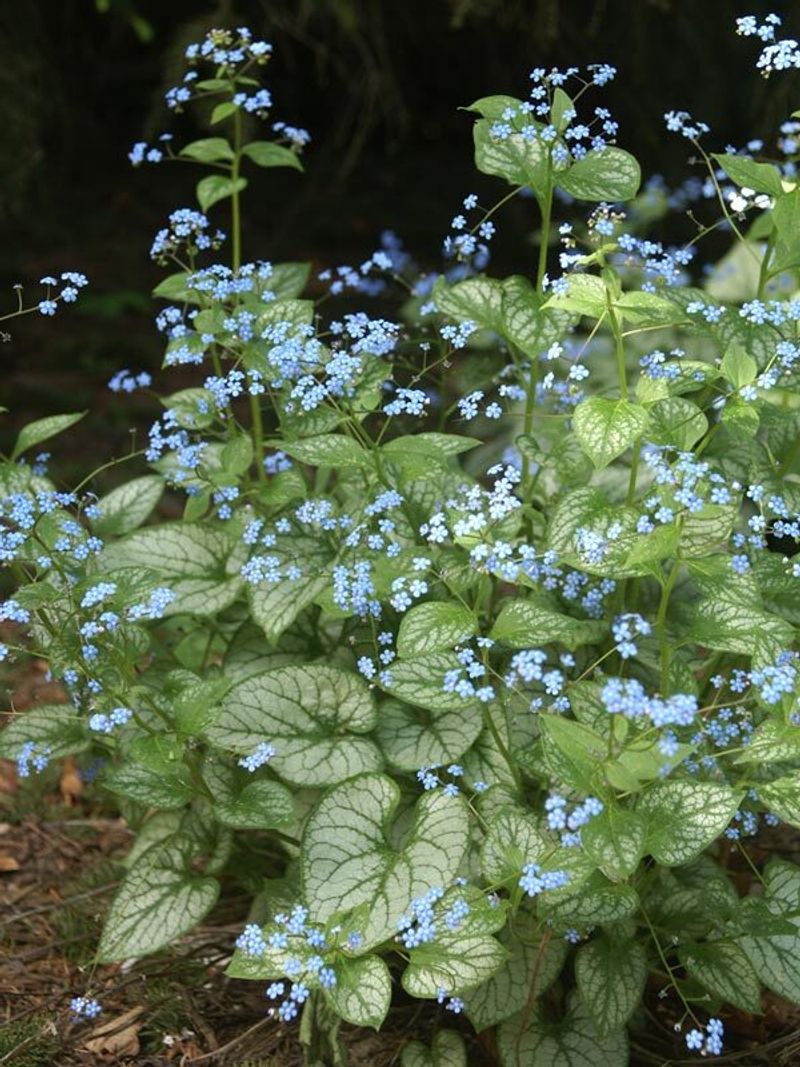
Brunnera, commonly known as ‘Siberian bugloss,’ is cherished for its striking blue flowers and large, heart-shaped leaves. This perennial lights up the garden in early spring with a sea of blue.
Brunnera thrives in shady, moist environments and is often used as ground cover. Its foliage remains attractive throughout the growing season, providing texture and interest.
Did you know? Brunnera’s flowers resemble those of forget-me-nots, creating a nostalgic feel that many gardeners adore.
9. Ligularia
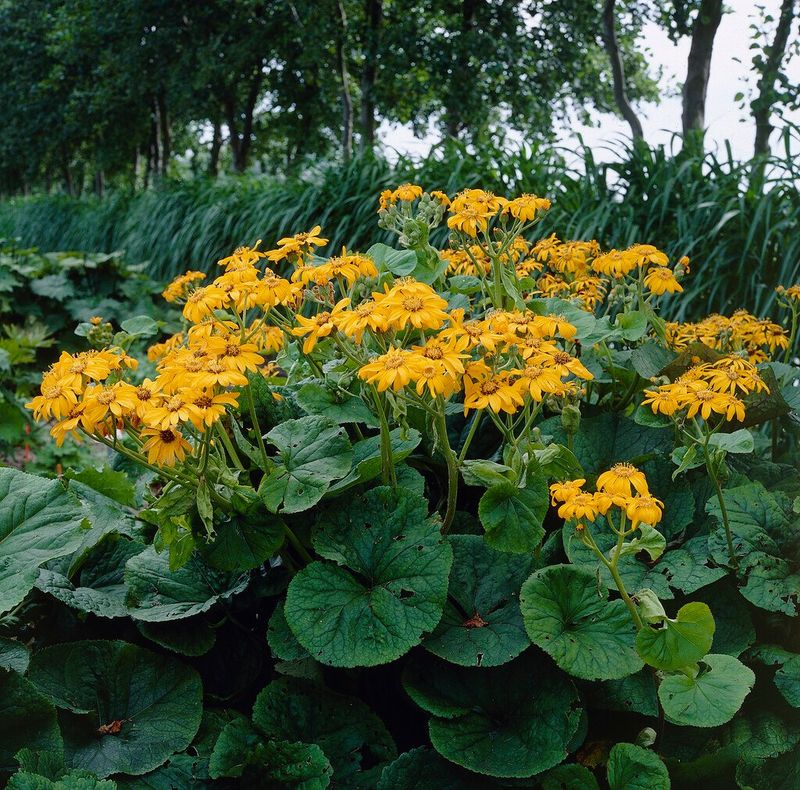
Ligularia stands out with its dramatic foliage and tall spikes of yellow flowers. This perennial is perfect for moist areas like pond edges, where its colors shine brightly.
Requiring little maintenance, ligularia thrives in part shade and moist soil, making it ideal for water gardens. Its bold leaves create a lush backdrop that enhances its striking blooms.
Fun fact: Ligularia is sometimes called ‘leopard plant’ due to the spots found on some varieties’ leaves, adding an extra layer of interest.
10. Geum
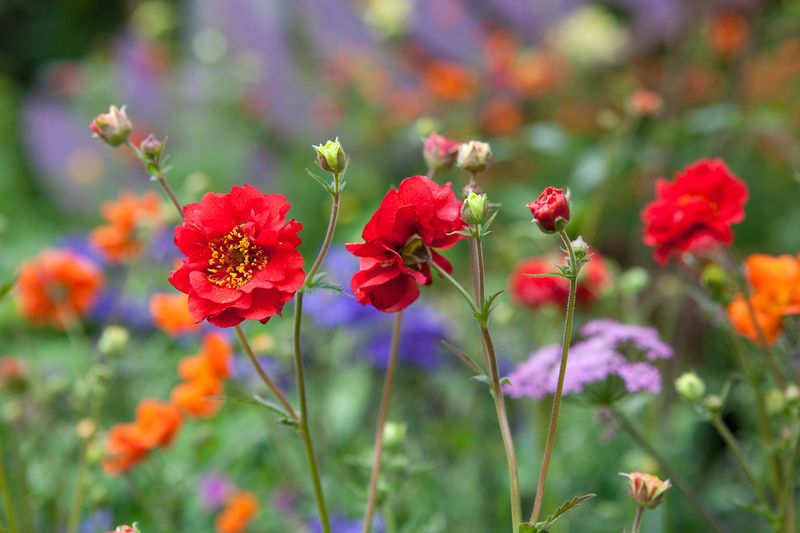
Geum, with its cheerful, cup-shaped flowers in hues of orange and red, brings a fiery energy to any garden. This perennial is known for its long blooming period, from late spring to summer.
Thriving in full sun and well-drained soil, geum’s vibrant blooms attract pollinators and add a burst of color to borders and beds. Its compact size makes it suitable for various garden styles.
Did you know? Geum is also known as ‘avens,’ and its roots have been used historically in herbal remedies for their astringent properties.
11. Persicaria
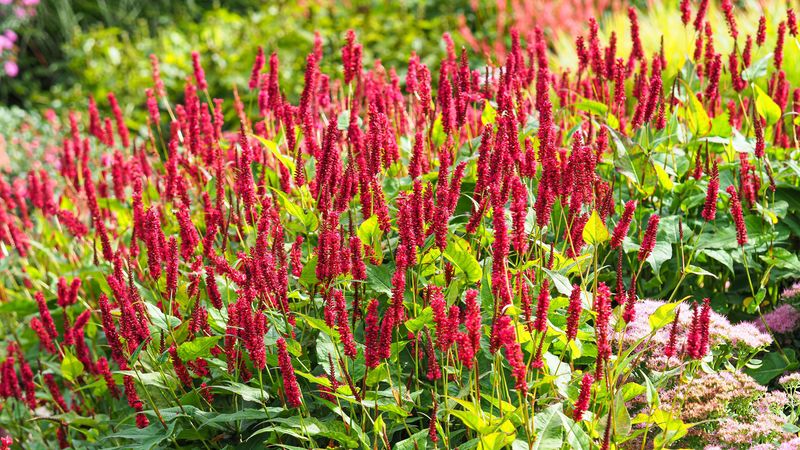
Persicaria, or knotweed, is a vigorous perennial that adds bold texture with its long spikes of pink flowers and lush foliage. It thrives in both sun and partial shade and is ideal for borders.
This plant is known for its resilience, easily filling in large spaces with its spreading habit. Its flowers attract butterflies and bees, contributing to a lively garden ecosystem.
Fun fact: Despite its common name ‘knotweed,’ persicaria is well-behaved and doesn’t invade like its notorious relatives, making it a safe choice for gardens.
12. Heuchera
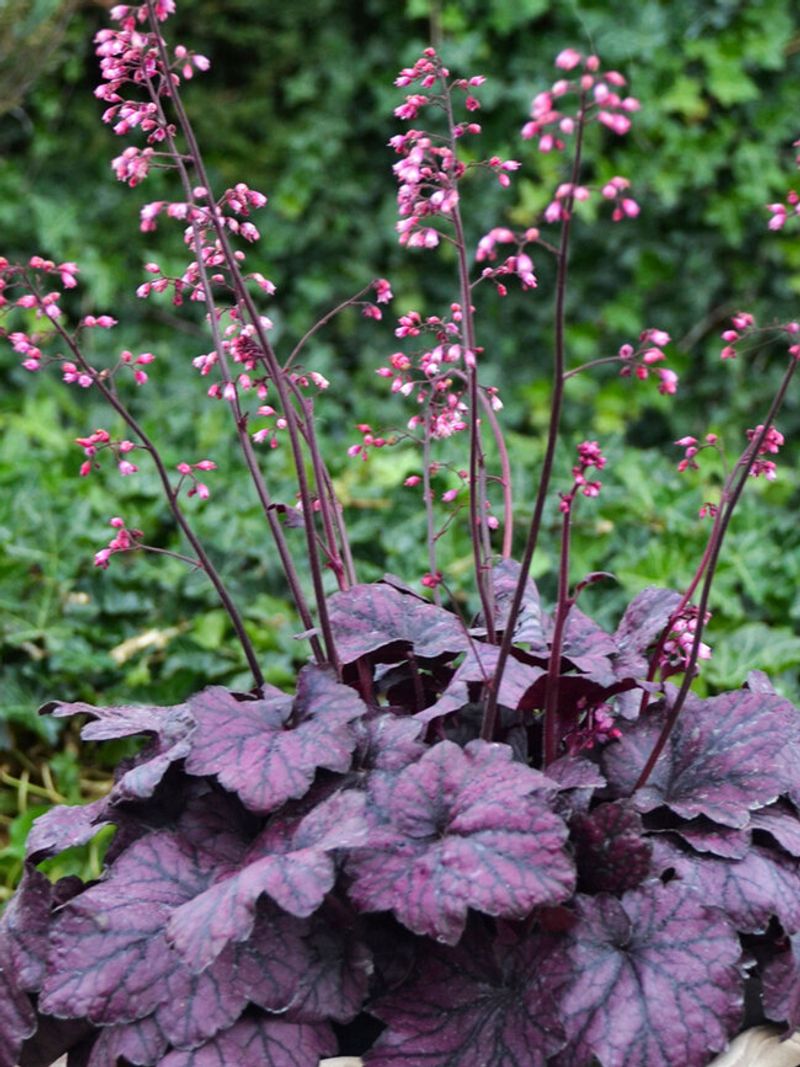
Heuchera, commonly known as ‘coral bells,’ is prized for its stunning foliage in vibrant hues of purple, green, and bronze. Its tiny flower spikes add an extra touch of elegance.
This perennial thrives in partial shade and well-drained soil, making it perfect for woodland gardens or container displays. Its foliage provides year-round interest, even in winter.
Did you know? Heuchera’s leaves are often used in floral arrangements, providing unique texture and color that complement many flower types.
13. Veronicastrum
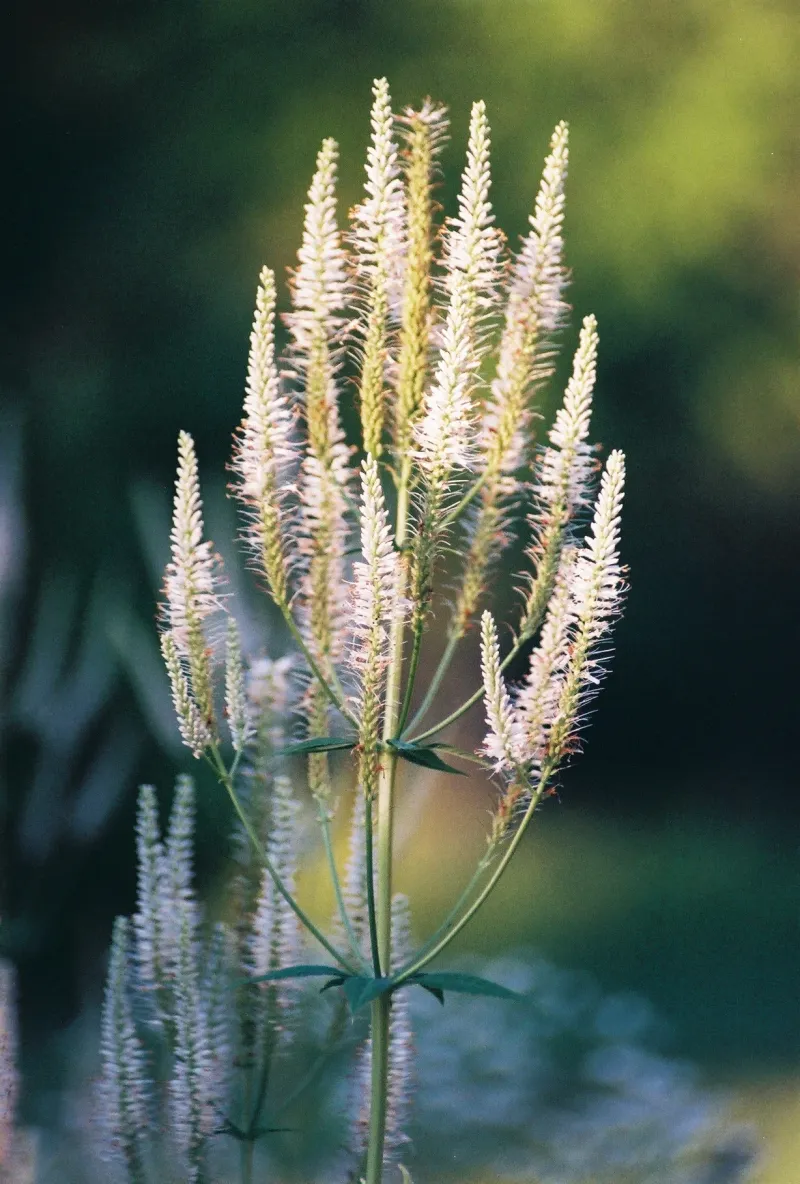
Veronicastrum, or Culver’s root, is known for its tall, architectural spikes of white flowers that add vertical interest to the garden. This perennial’s elegance is unmatched and draws the eye upward.
Favoring sunny spots with well-drained soil, veronicastrum is perfect for prairie-style gardens or mixed borders. Its flowers attract bees and butterflies, supporting wildlife.
Fun fact: Veronicastrum was named after the North American herbalist Culver, who valued its roots for medicinal purposes, a tradition that continues in some herbal practices today.
14. Acanthus
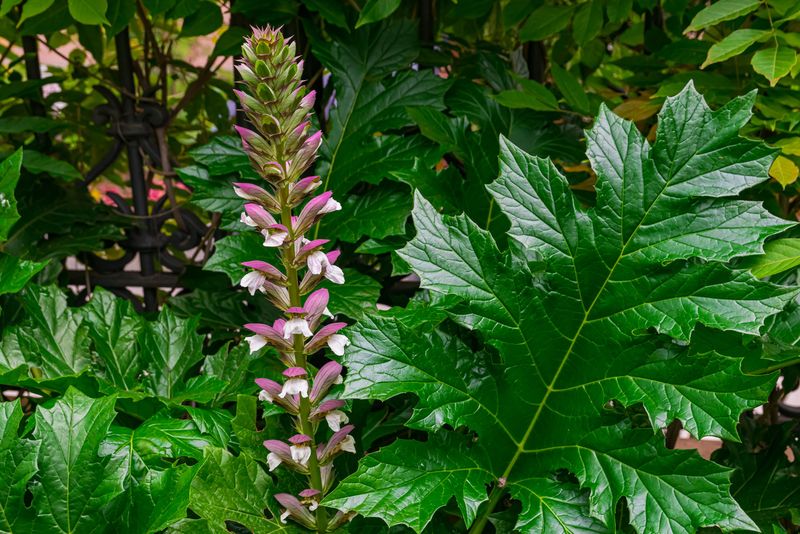
Acanthus, often called ‘bear’s breeches,’ is celebrated for its bold, architectural foliage and striking flower spikes. Its imposing presence adds drama and structure to any garden.
Thriving in sunny or partially shaded areas, acanthus prefers well-drained soil. This perennial’s leaves have inspired classical and Renaissance art, often seen in architectural motifs.
Did you know? The design of the Corinthian column, one of the classical orders of architecture, is believed to have been inspired by the leaves of the acanthus plant.
15. Filipendula
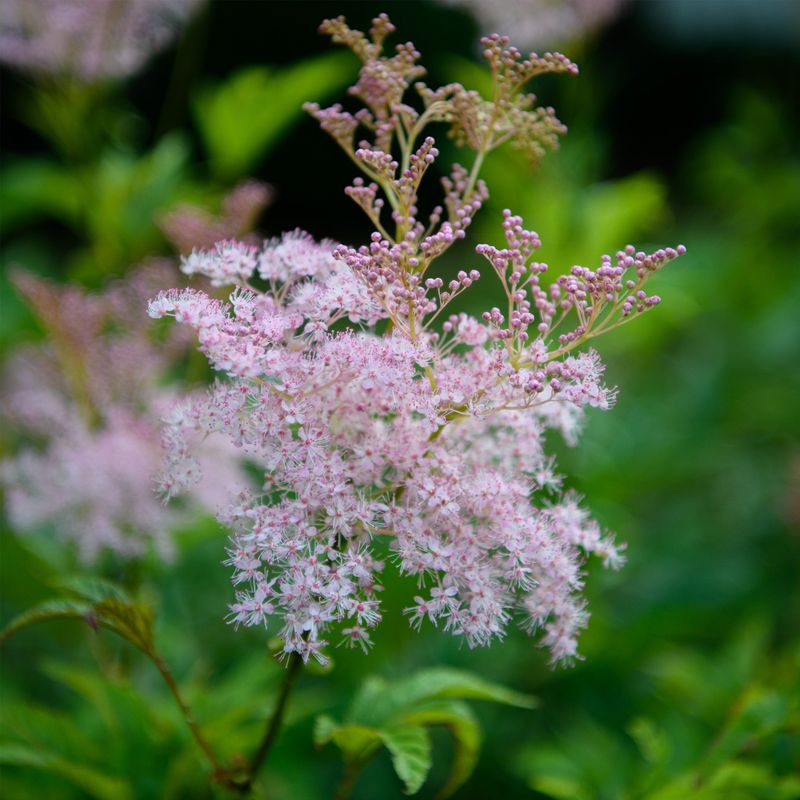
Filipendula, or meadowsweet, enchants with its feathery plumes of pink flowers and lush foliage. This perennial thrives in moist conditions, making it perfect for wetland areas or near streams.
Requiring minimal care, filipendula adds a romantic touch to naturalistic gardens. Its blooms attract pollinators, enhancing biodiversity.
Fun fact: Filipendula was historically used in folk medicine, and its flowers are a source of salicylic acid, a natural precursor to aspirin, highlighting its medicinal heritage.