 Complete Gardening
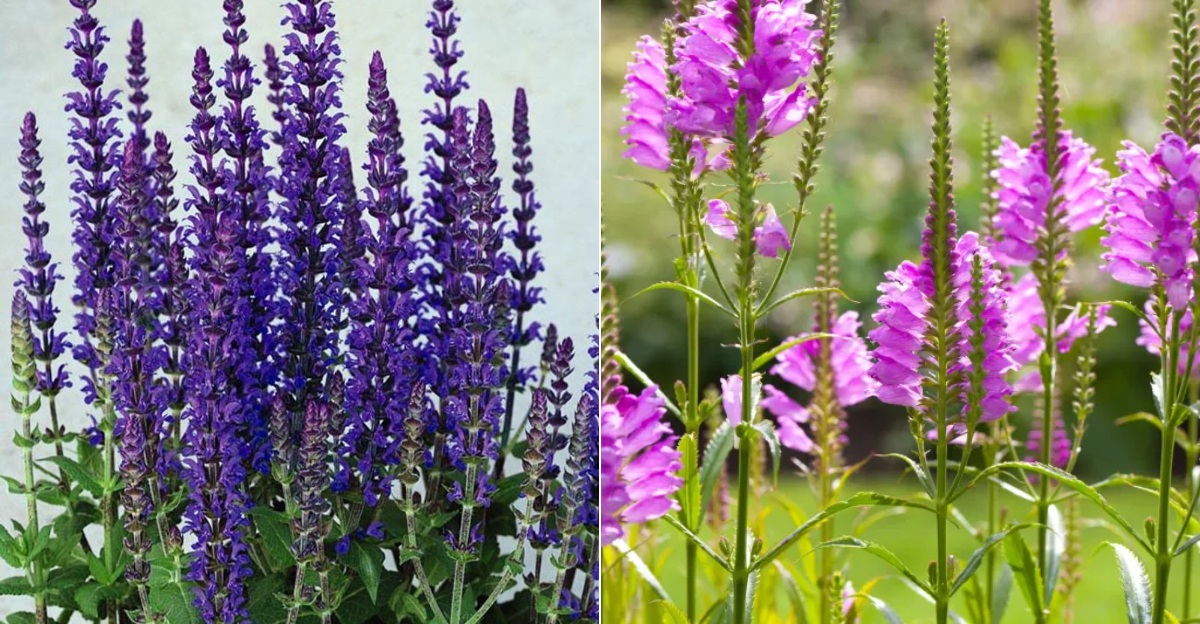
Perennials are a gardener’s delight, known for their resilience and ability to return year after year with minimal effort. In this guide, we’ll explore 15 perennials that not only survive but thrive, rewarding you with beautiful blooms, foliage, and more. However, not all perennials are created equal, and some can become invasive, overtaking your garden. Here, you’ll also find 5 perennials to avoid if you want to maintain harmony in your garden. Embrace the tried-and-true while steering clear of potential garden bullies with our comprehensive list.
1. Black-Eyed Susan (Rudbeckia)
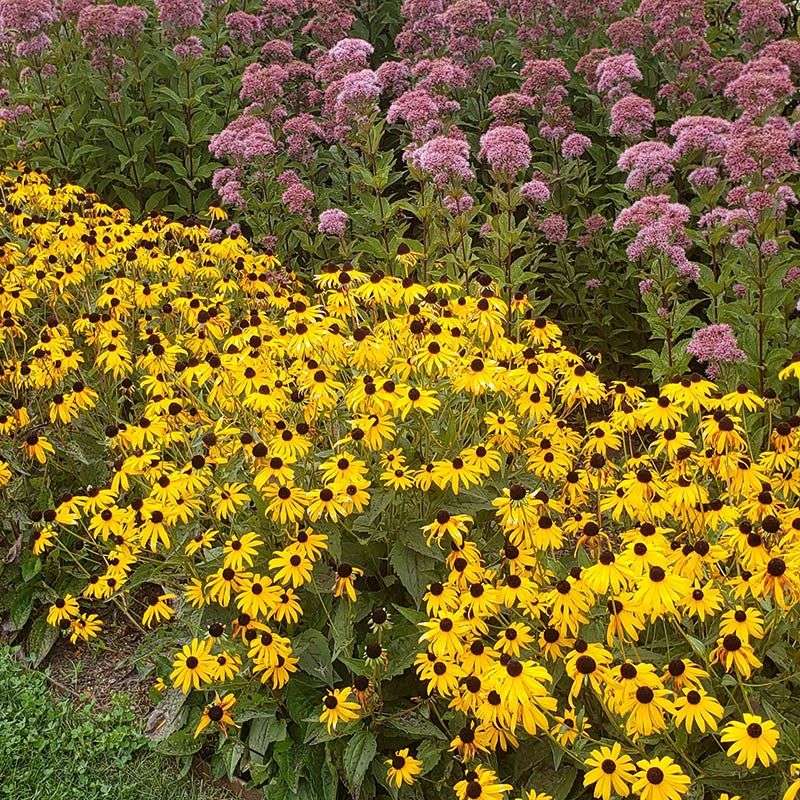
The Black-Eyed Susan is a beacon of sunshine in any garden. With its vibrant golden petals and contrasting dark center, it draws in pollinators like bees and butterflies. This perennial is not only visually appealing but also incredibly resilient to drought conditions.
Planted in sunny spots, it requires minimal maintenance, making it a favorite for gardeners seeking beauty with little effort. Over time, it can form a stunning mass of color that brightens up any landscape. It’s hard to resist the cheerful presence of Black-Eyed Susan in full bloom.
A true testament to nature’s ability to thrive with grace.
2. Coneflower (Echinacea)
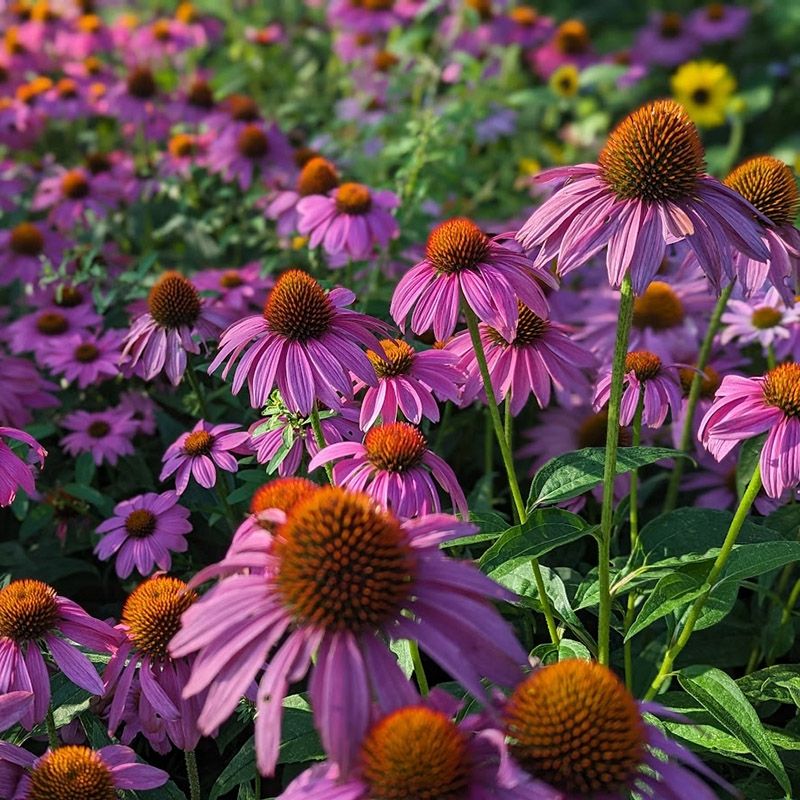
Coneflowers, with their vibrant pinks and purples, are a staple in medicinal gardens and admired for their toughness. They stand tall and proud, attracting bees and butterflies with their bright, daisy-like blooms.
These perennials are known for their ability to thrive in various conditions, including poor soil. Besides their beauty, Coneflowers are valued for their medicinal properties, often used to boost the immune system.
With minimal care, they return year after year, offering both aesthetic and health benefits. Echinacea is indeed a garden star, combining form and function effortlessly.
3. Daylily (Hemerocallis)
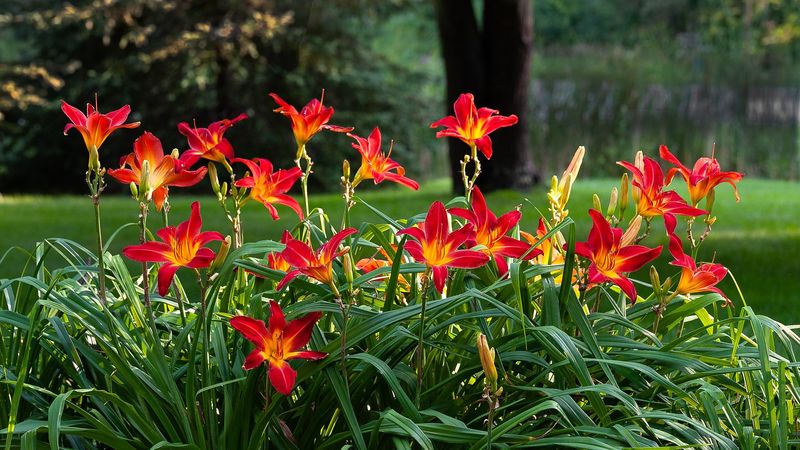
Daylilies are the epitome of resilience in the plant world. Known for their nearly indestructible nature, these perennials bloom for weeks during the summer, providing a burst of color in gardens.
Each flower lasts only a day, but fear not, as new blooms continue to emerge, ensuring a vibrant display. Planted in well-drained soil, they require little attention, making them perfect for novice gardeners.
Their variety of colors adds diversity to any garden setting. Daylilies are a horticultural marvel, continuously surprising with their enduring spirit and colorful charm.
4. Hosta
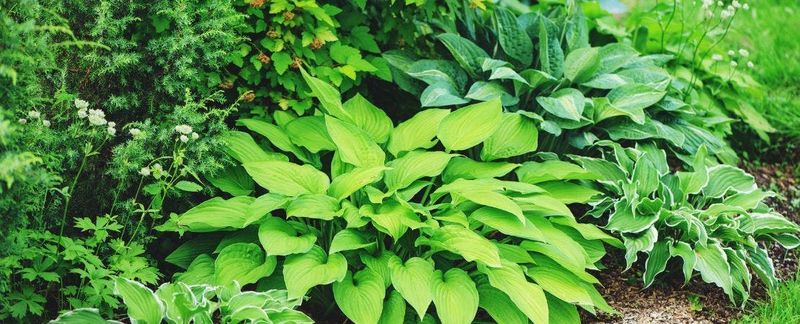
Hostas are shade superstars known for their striking foliage and adaptability. With a diverse range of leaf colors and sizes, they offer endless options for gardeners.
Though they thrive in shady spots, Hostas do require vigilance against slugs, which are fond of their lush leaves. Once established, these perennials need little maintenance, enhancing garden beds with their lush presence.
Whether used as ground cover or a focal point, Hostas add a touch of elegance to any garden. Their resilience and beauty make them a cherished choice among shade-loving plants.
5. Sedum (Stonecrop)
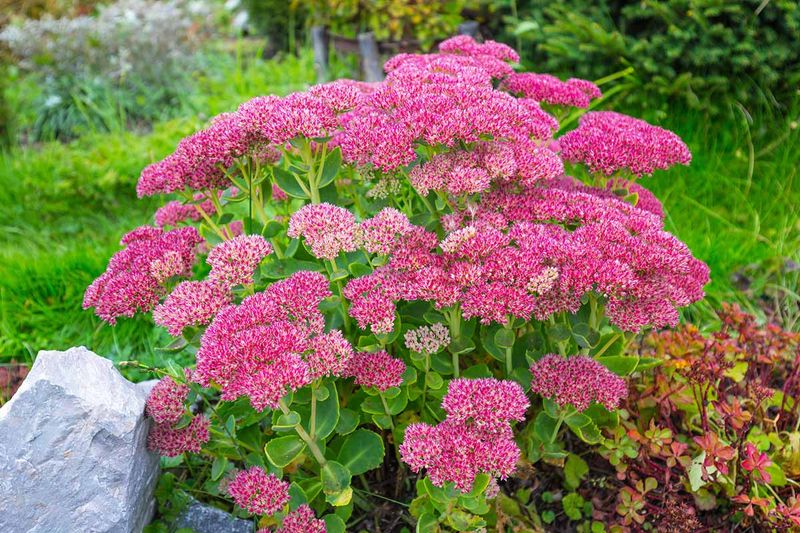
Sedum, or Stonecrop, is a gardener’s dream for its ability to thrive on neglect. With succulent-like leaves and fall blooms, it adds beauty to rock gardens and containers.
This perennial is drought-tolerant, making it perfect for dry, sunny locations. Its low-growing habit and colorful flowers attract pollinators, adding life to any garden.
Sedum’s versatility allows it to be used in various garden settings, from borders to ground cover. Its charm lies in its simplicity, as it quietly enhances landscapes with minimal fuss and maximum reward.
6. Russian Sage
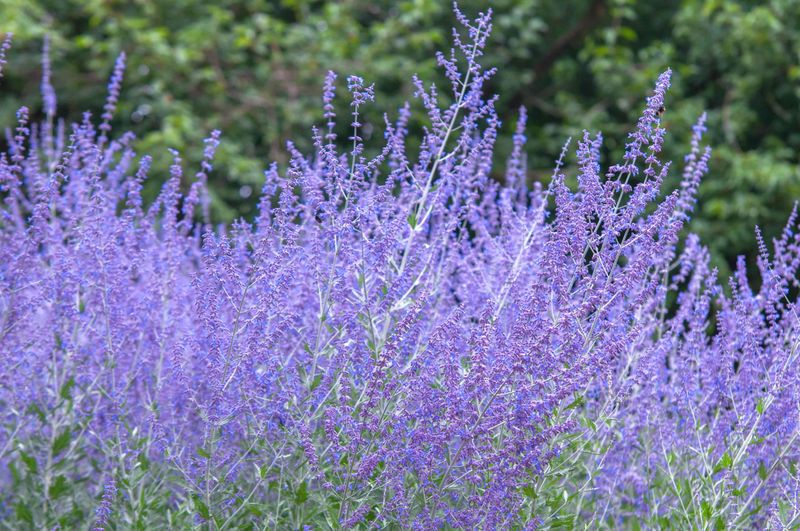
Russian Sage is a garden delight with its aromatic silver foliage and tall purple spikes. This perennial is both deer-resistant and drought-tolerant, making it a practical choice for any gardener.
Planted in sunny, well-drained soil, it requires little care, offering a beautiful display from late summer into fall. Its airy appearance adds depth and movement to garden landscapes.
Loved by pollinators, Russian Sage is perfect for those seeking a low-maintenance plant with high visual impact. It stands proudly, a testament to nature’s grace and resilience.
7. Peony
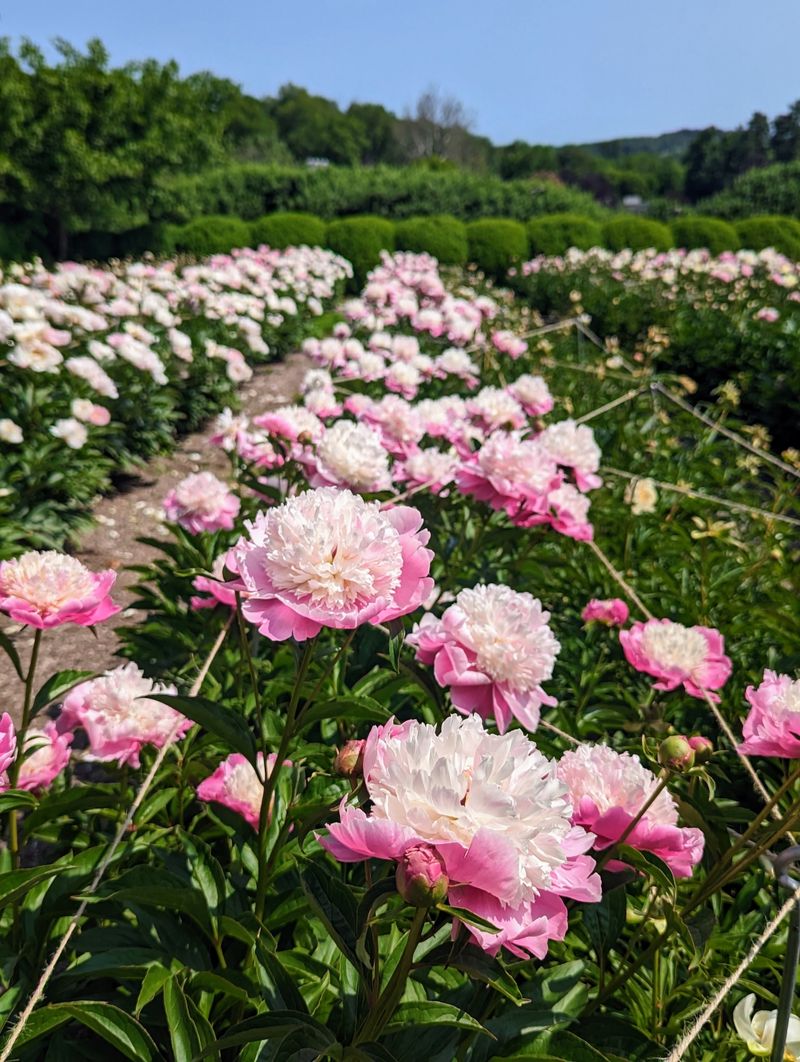
Peonies are the aristocrats of the perennial world. Known for their fragrant and long-lived blooms, they can grace gardens for 50 years or more.
They require a period of winter chill to thrive, rewarding gardeners with large, lush flowers each spring. Peonies need a sunny location and well-drained soil, although they demand patience as they take time to establish.
Once settled, they become a stunning focal point, offering beauty and elegance that few other plants can match. Peonies are a timeless addition to any garden, captivating all who behold them.
8. Catmint (Nepeta)
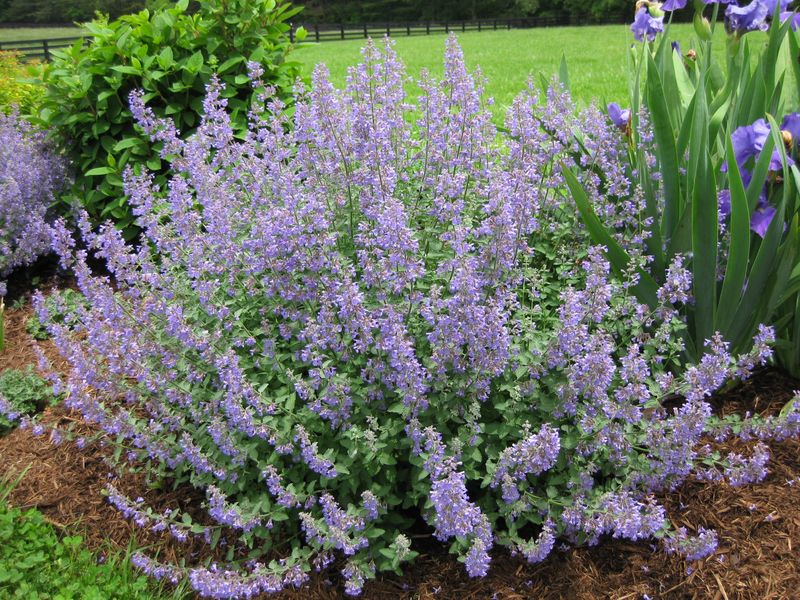
Catmint, with its lavender blooms, is adored by bees and butterflies alike. This perennial is known for its long blooming period and ability to withstand heat and drought.
Cutting it back after its first bloom encourages a second flush of flowers, keeping gardens lively throughout the season. Planted in well-drained soil, Catmint is easy to grow and maintain.
Its aromatic foliage adds another layer of interest, making it a favorite for sensory gardens. Catmint is a must-have for those looking to attract pollinators while enjoying a low-maintenance plant.
9. Coreopsis
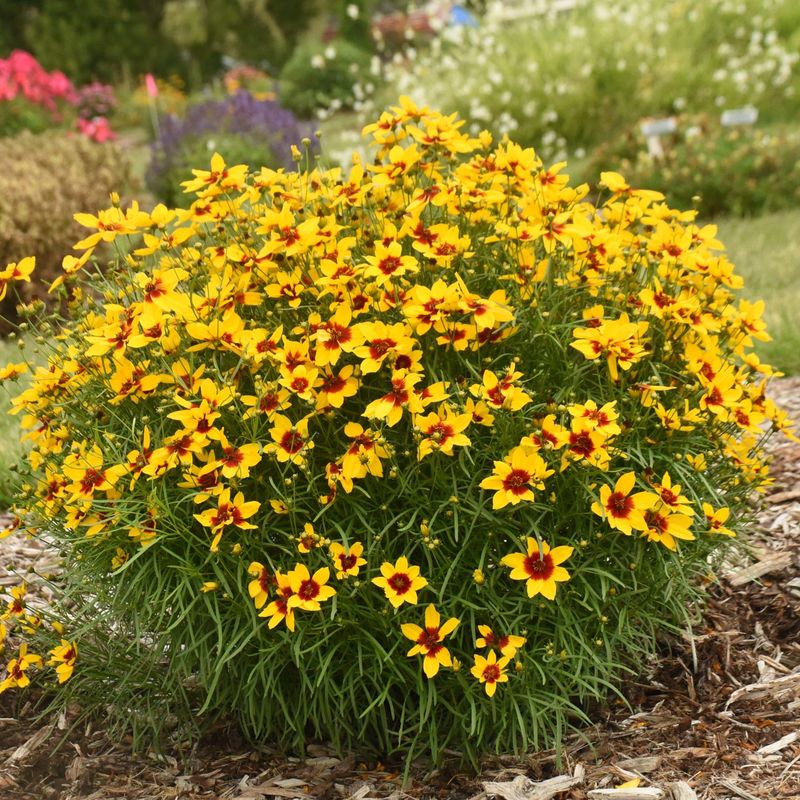
Coreopsis, with its sunny yellow flowers, brings cheer to any garden. This perennial is known for its long blooming period and ability to self-seed politely without becoming invasive.
Ideal for borders and wildflower gardens, Coreopsis thrives in sunny spots with well-drained soil. Its low-maintenance nature makes it a perfect choice for beginners and seasoned gardeners alike.
The vibrant blooms attract pollinators, adding a lively touch to landscapes. Coreopsis is a garden gem, offering a burst of sunshine and a gentle reminder of nature’s beauty.
10. Astilbe
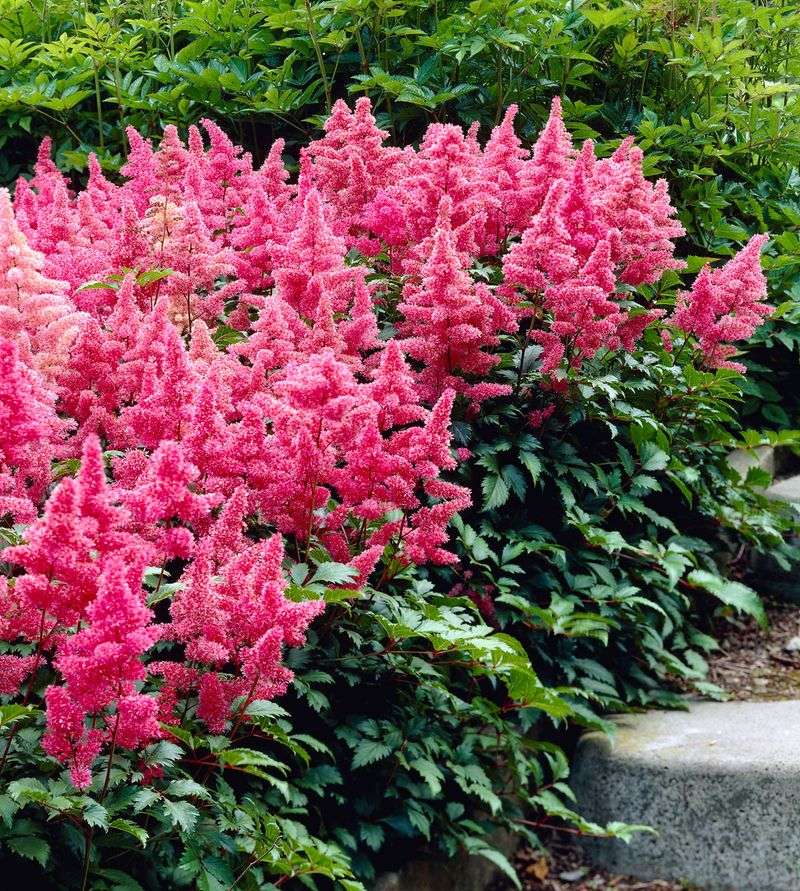
Astilbe is a shade-loving perennial known for its feathery plumes and ability to thrive in damp conditions. Its range of colors, from soft pinks to vibrant reds, adds elegance to shaded garden areas.
While it prefers moist soil, Astilbe can tolerate some dry spells once established. This perennial requires minimal care, making it suitable for a variety of garden settings.
Its delicate blooms and lush foliage create a serene and enchanting garden atmosphere. Astilbe is a charming addition to any garden, offering beauty and tranquility in equal measure.
11. Bleeding Heart (Dicentra)
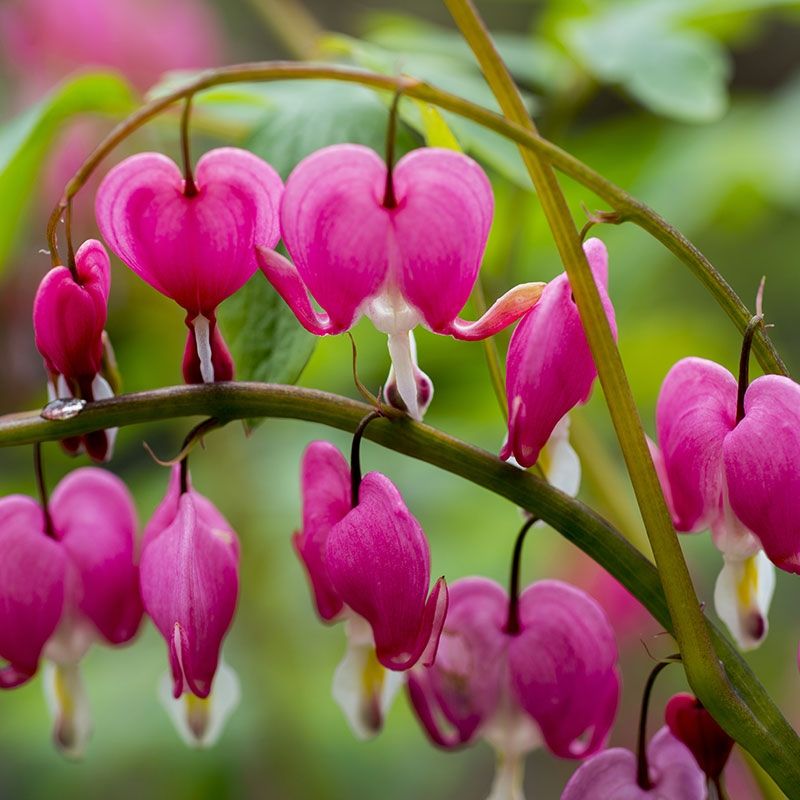
Bleeding Heart is a romantic addition to any garden, with its heart-shaped pink blooms that dangle delicately from arching stems. Blooming in spring, it brings a touch of whimsy to shaded or woodland gardens.
This perennial prefers cool, moist environments and can go dormant in the summer heat, only to re-emerge the following spring. Its unique appearance and gentle beauty make it a favorite among gardeners.
Bleeding Heart adds a poetic charm to gardens, inviting admiration with its timeless, graceful allure. A true classic that enchants and endures.
12. Salvia (Perennial Sage)
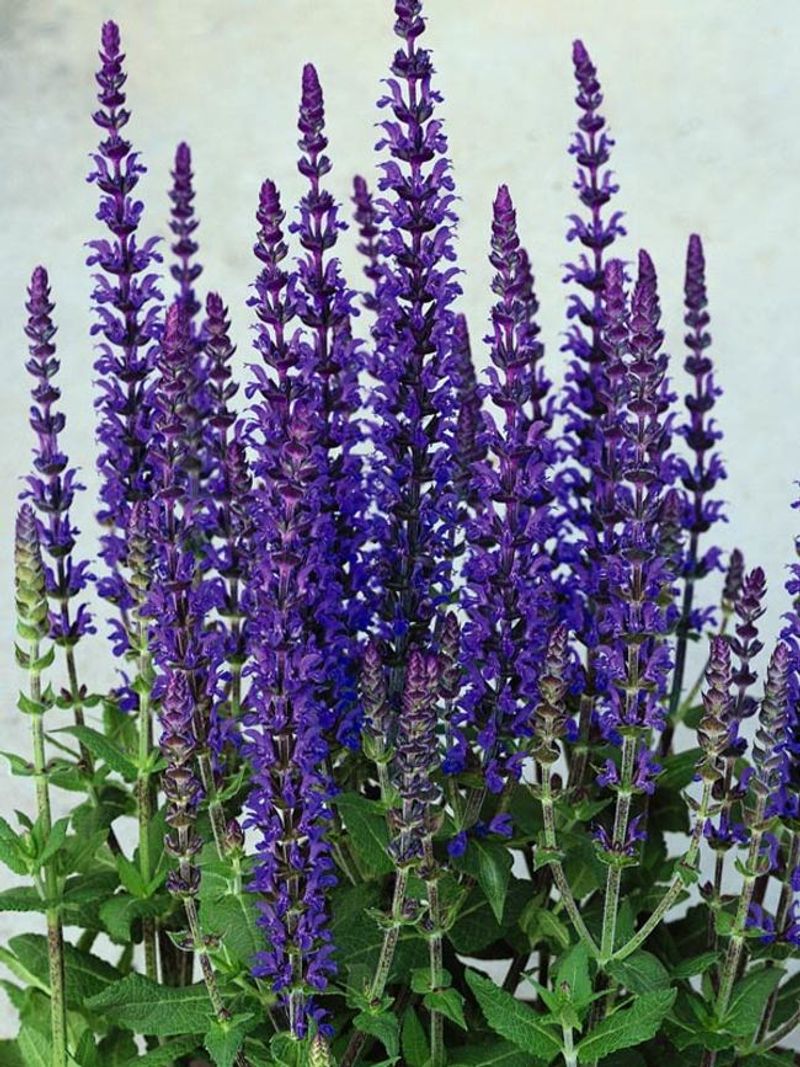
Salvia, or Perennial Sage, is a hummingbird magnet with its vibrant blue and purple blooms. Known for its long-blooming nature, it adds color and life to gardens from spring through fall.
This perennial thrives in sunny locations with well-drained soil and requires minimal maintenance. Its aromatic foliage adds an extra dimension of interest to garden spaces.
Salvia’s ability to attract pollinators while providing stunning visual appeal makes it a versatile and beloved choice for gardeners. It stands as a beacon of resilience and beauty in any landscape.
13. Lamb’s Ear
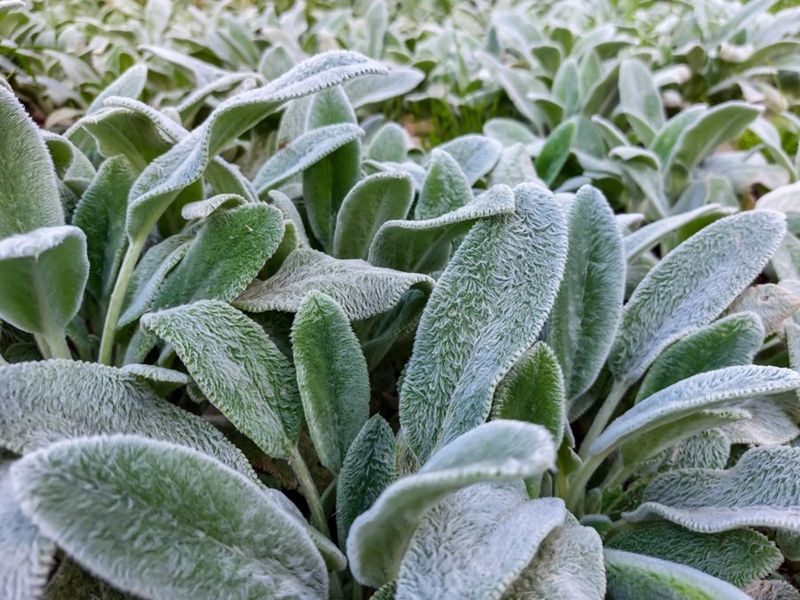
Lamb’s Ear, with its soft, fuzzy silver leaves, is a tactile delight. Children are drawn to touch its inviting foliage, making it a favorite in family gardens.
This hardy perennial thrives in sunny, well-drained areas and requires little maintenance. Its ground-covering habit adds texture and visual interest to garden beds.
Lamb’s Ear’s unique appearance and easygoing nature make it an excellent choice for sensory gardens and borders. It offers a gentle charm and a touch of whimsy, capturing the hearts of gardeners young and old.
14. Japanese Anemone
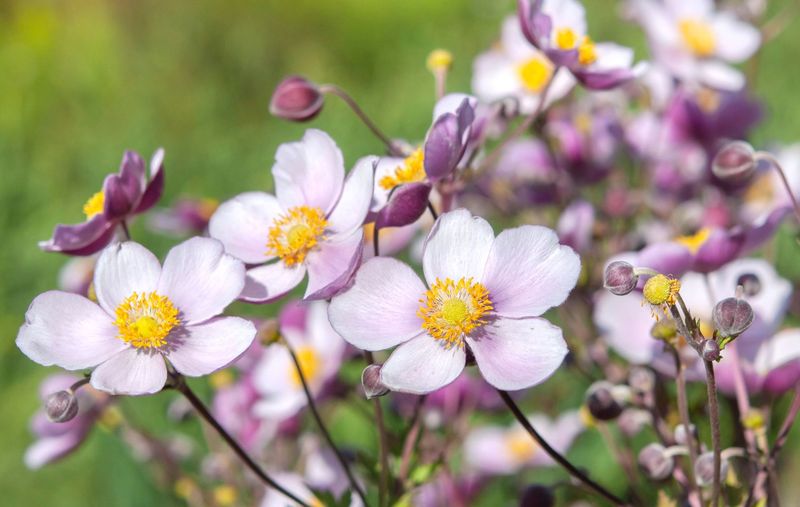
Japanese Anemone brings a touch of elegance to the garden with its fall-blooming flowers. Known for its ability to thrive in partial shade, this perennial graces gardens with its delicate white and pink blooms.
Its tall, slender stems sway gently in the autumn breeze, adding movement and grace to garden landscapes. Japanese Anemone is relatively low-maintenance, requiring well-drained soil and occasional watering.
This plant’s timeless beauty and understated elegance make it a favorite for adding a hint of sophistication to garden spaces. It’s a perennial that truly shines in the fall.
15. Ornamental Grasses (Miscanthus, Fountain Grass)
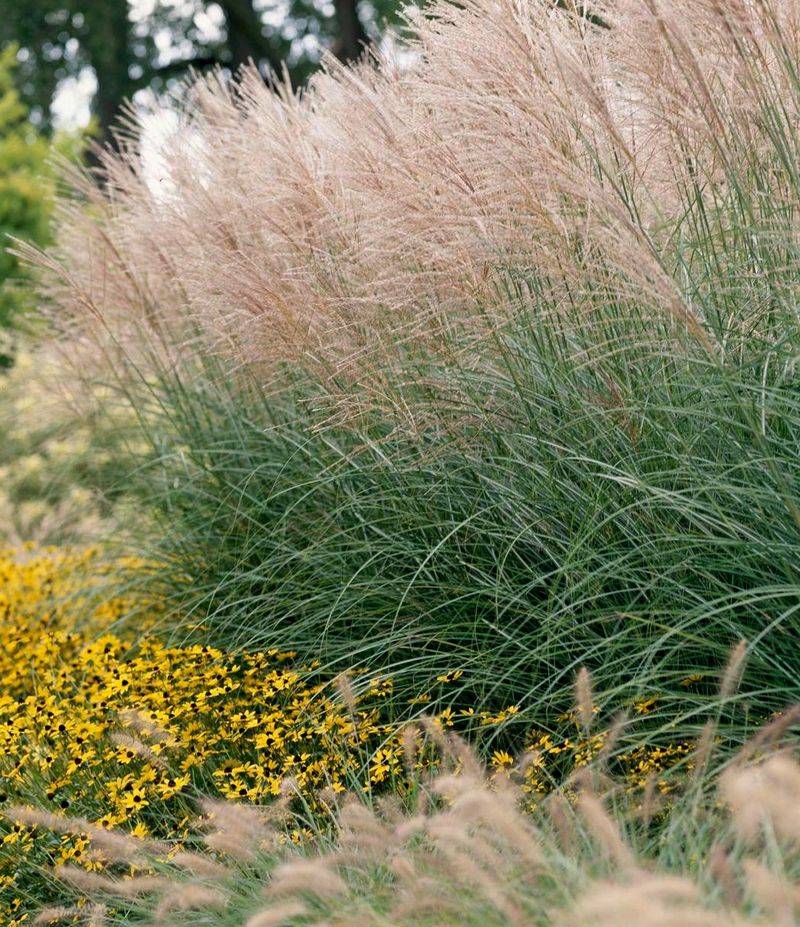
Ornamental grasses, such as Miscanthus and Fountain Grass, add movement and texture to gardens. Their tall, swaying plumes catch the light, creating dynamic landscapes with a touch of elegance.
These perennials are versatile, thriving in sunny spots with well-drained soil. They require minimal maintenance, making them ideal for both novice and experienced gardeners.
Ornamental grasses provide interest throughout the year, even in winter, with their graceful silhouettes. They offer a sense of tranquility and beauty, enhancing garden spaces with their understated charm.
1. Mint (Mentha)
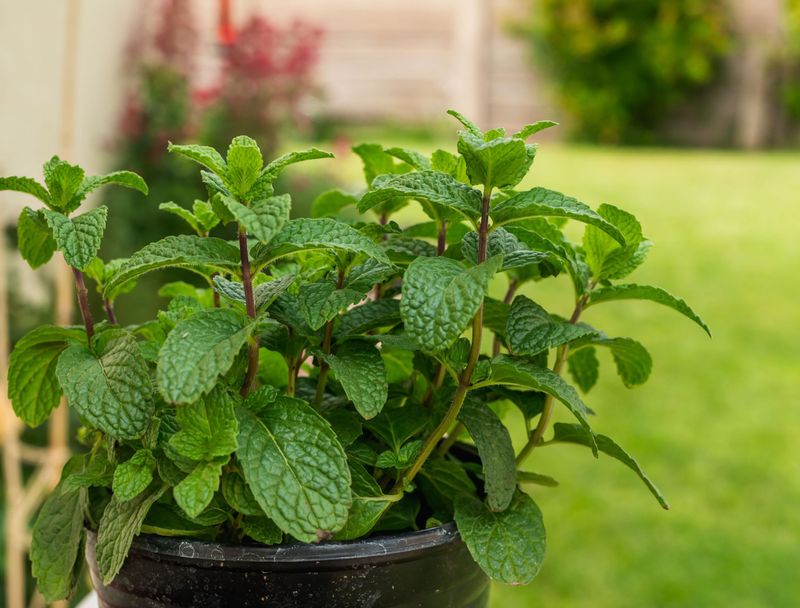
Mint, while beloved for its refreshing scent and culinary uses, is notorious for its invasive nature. This perennial spreads through ruthless underground runners, quickly overtaking garden spaces if not contained.
To enjoy Mint’s benefits without the hassle, it’s best to plant it in pots or containers. This allows gardeners to savor its aroma and flavor while keeping its growth in check.
Despite its aggressive tendencies, Mint remains a popular choice for herb gardens due to its versatility. It’s a classic example of a plant that’s both cherished and cautioned against.
2. Bamboo (Running types)
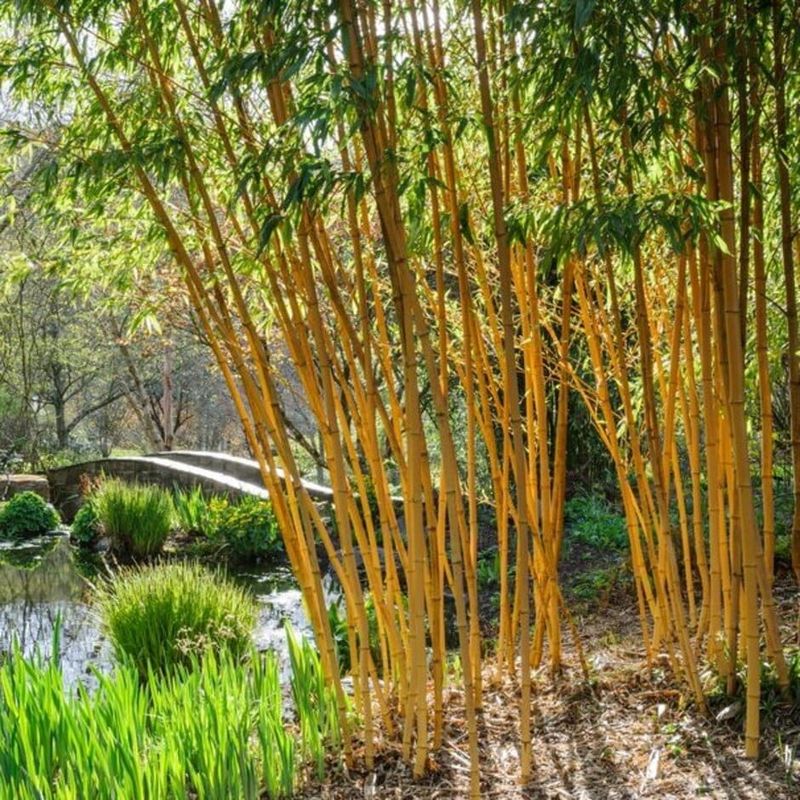
Running types of Bamboo are both admired and feared by gardeners. Known for their rapid growth and towering heights, they can send shoots up to 20 feet away, requiring root barriers to contain them.
While they offer a quick solution for creating privacy screens, their invasive nature can become problematic if not managed properly. Bamboo’s beauty is undeniable, but it demands careful planning and maintenance.
Proper containment and regular monitoring are essential to prevent Bamboo from overtaking garden spaces. It’s a plant that mesmerizes yet challenges with its vigorous growth.
3. Lily of the Valley (Convallaria)
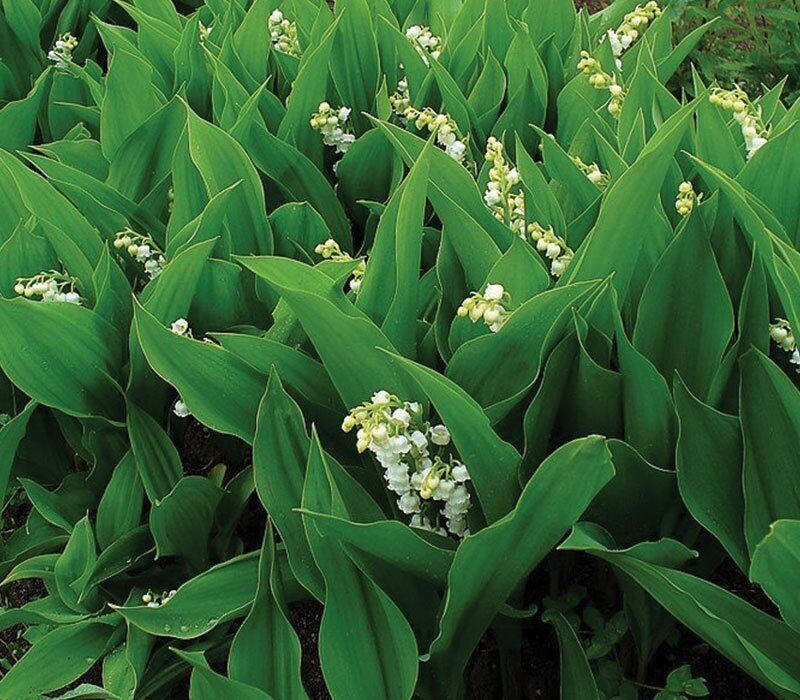
Lily of the Valley, with its charming white bell-shaped flowers, is a springtime favorite. However, its aggressive spreading habits can choke out other plants, making it a perennial to approach with caution.
This plant thrives in cool, shaded areas and can quickly form dense colonies if left unchecked. While its fragrance and beauty are alluring, it’s essential to manage its growth to maintain garden harmony.
Lily of the Valley is both a delight and a challenge, offering a delicate beauty that requires mindful cultivation. Its presence is a reminder of nature’s dual nature.
4. Obedient Plant (Physostegia)
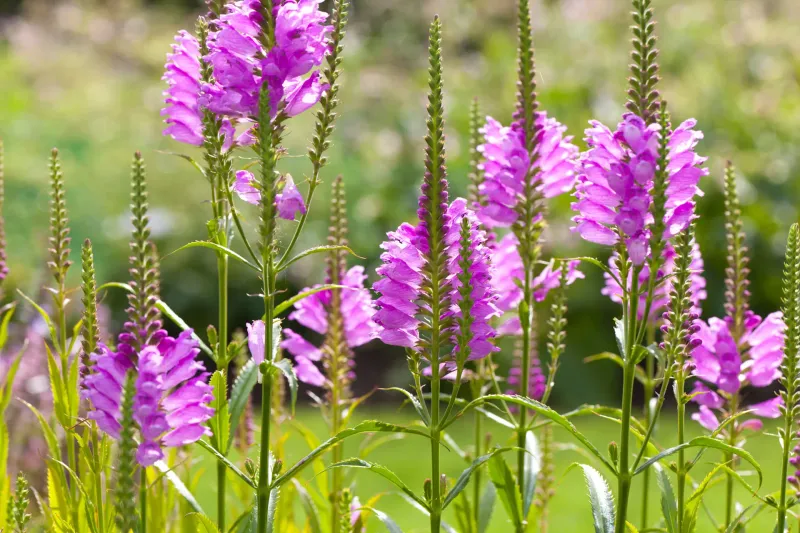
Ironically named, the Obedient Plant is anything but. Known for its ability to spread rapidly, it can easily overtake garden spaces if not controlled.
Despite its invasive nature, it offers striking pink spikes that add color to garden borders. The key to enjoying this perennial lies in regular maintenance and containment to prevent it from becoming unruly.
Obedient Plant is a lesson in balance, offering beauty with a need for vigilance. It’s a reminder that not all that glitters is gold when it comes to choosing plants for your garden.
5. Chinese Lanterns (Physalis alkekengi)
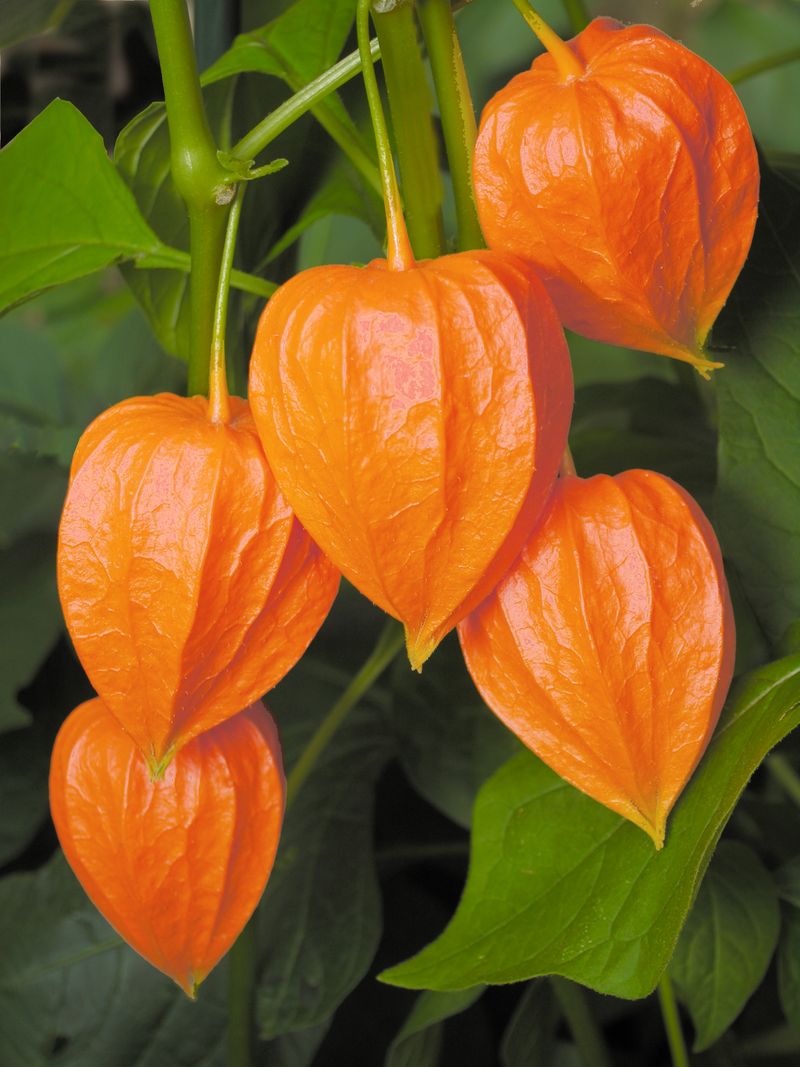
Chinese Lanterns are a visual marvel with their bright orange pods. However, these charming plants have a tendency to spread like weeds, making them a challenging addition to gardens.
Their unique appearance is eye-catching, but gardeners must manage their growth to prevent unwanted proliferation. Planted in containers or monitored carefully, they can be enjoyed without overtaking your space.
The allure of Chinese Lanterns lies in their vibrant beauty coupled with their potential for garden dominance. It’s a plant that captivates but requires thoughtful cultivation to coexist peacefully.