 Complete Gardening

Gardening can be a rewarding hobby, but some plants can turn into nightmares in disguise. Here are 15 such plants that might make you think twice before planting them in your garden.
1. Bamboo
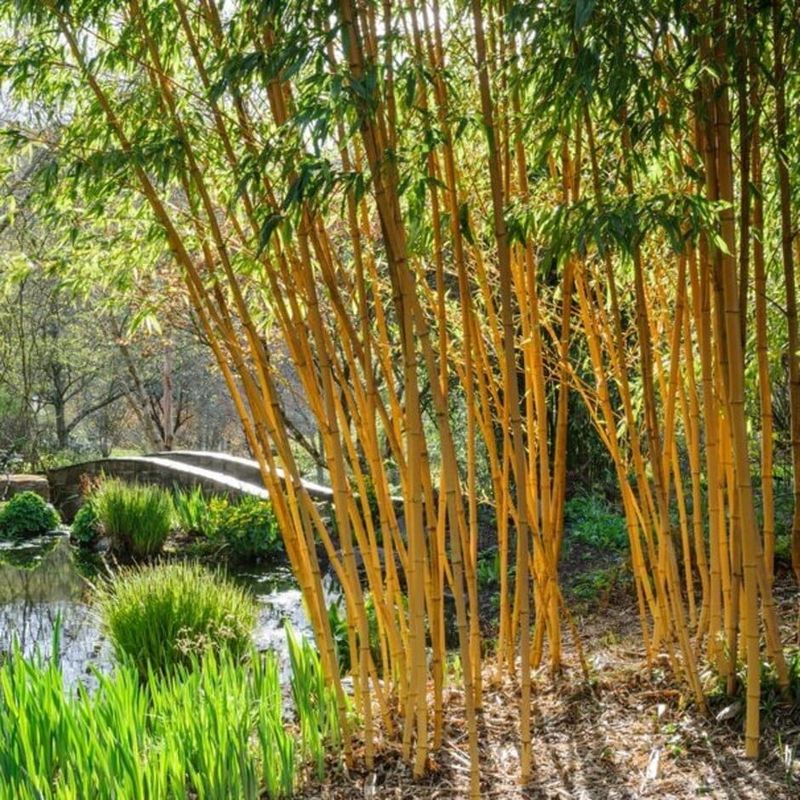
Bamboo’s rapid growth and invasive roots can turn your yard into a jungle. Though initially charming, its aggressive spread soon creates a maintenance headache. You might find it outcompeting native flora, making it a plant many wish they hadn’t introduced.
Considered a symbol of strength, bamboo’s tough resilience means it’s incredibly hard to remove once established. Its underground rhizomes spread far and wide, popping up where least expected. Before you know it, bamboo will have claimed more of your garden than you ever intended.
2. English Ivy
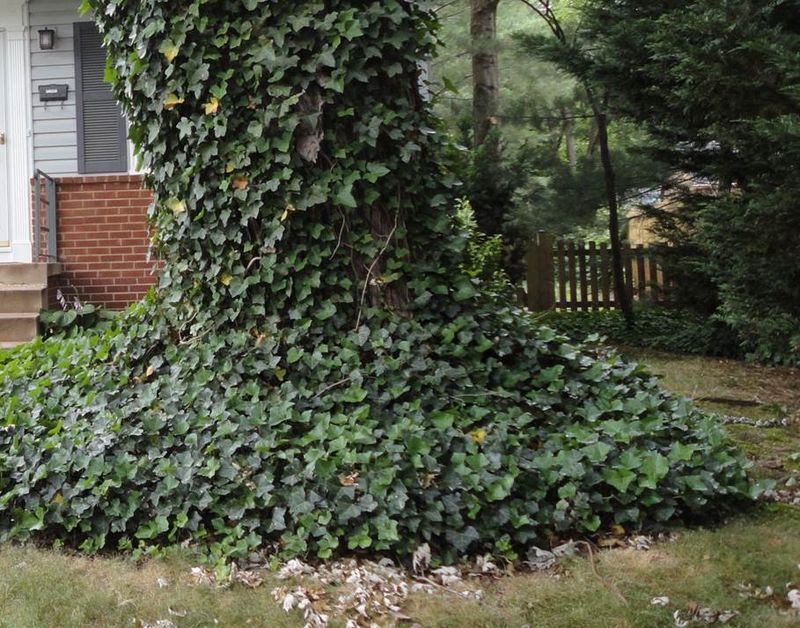
The allure of English Ivy’s green cascade quickly fades as it overtakes walls and trees. Its gripping tendrils can damage structures and choke other plants, leaving destruction in its wake. Once admired for its evergreen beauty, it becomes a relentless invader.
Although visually appealing, English Ivy often harbors pests and diseases. Its dense mat prevents other plants from accessing sunlight, turning verdant spaces into monotonous ivy carpets. Removal is a challenge, and regrowth is almost guaranteed.
3. Kudzu
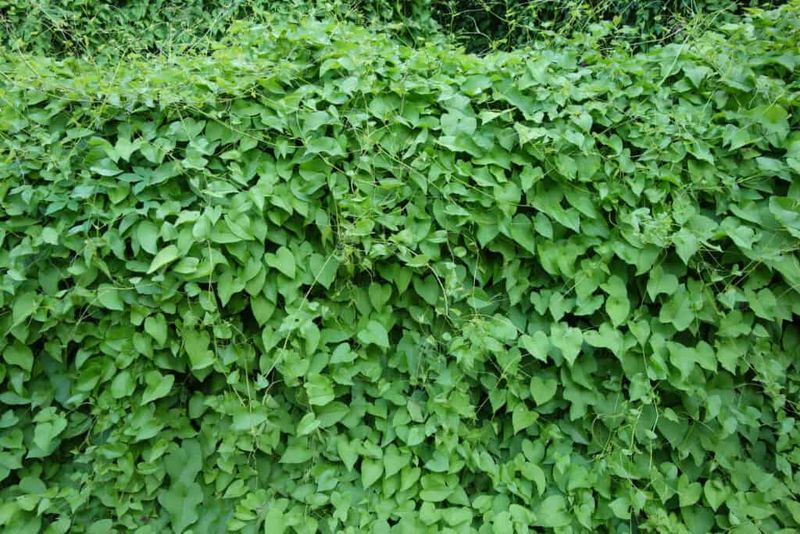
Kudzu is notorious for its aggressive spread, earning it the moniker “the vine that ate the South.” Its rapid growth can smother landscapes, covering trees, fences, and even buildings. Introduced with good intentions, it’s now a cautionary tale in invasive plant management.
With its ability to grow up to a foot per day, Kudzu demands constant vigilance. Its dense foliage blocks sunlight, starving native plants. Eradication efforts are often labor-intensive and costly, making it a regretful choice for any gardener.
4. Mint
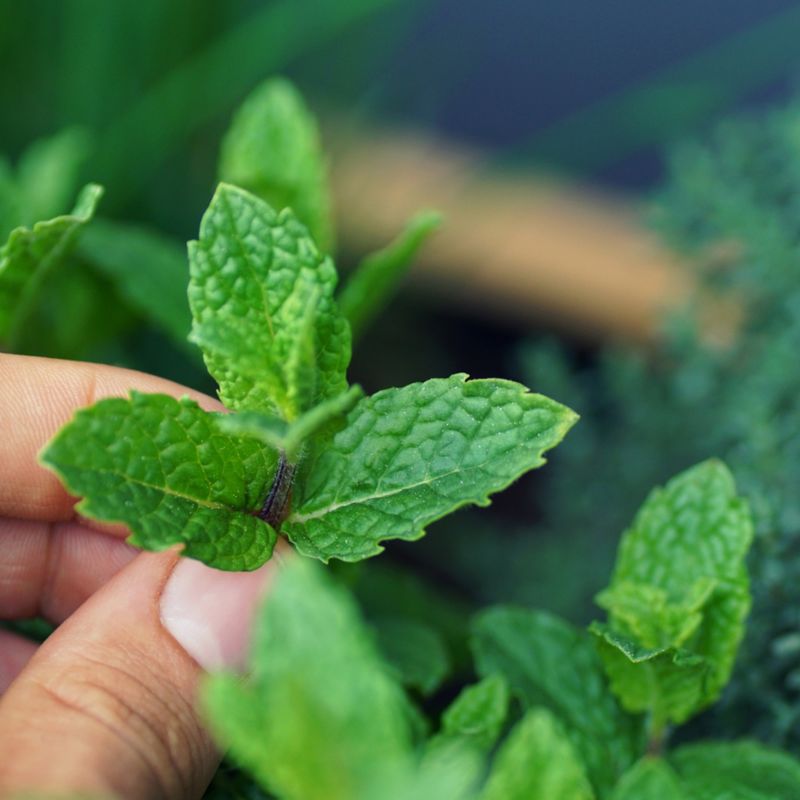
Mint’s fragrant leaves and culinary versatility come at a price: relentless spread. Once planted, its roots extend aggressively, often overtaking garden beds. While delightful in a mojito, it’s a persistent intruder in the garden.
Containing mint requires barriers or pots, but even these measures sometimes fail. Its underground runners are adept at escaping confines, resulting in a mint takeover. While its aroma is enticing, managing its growth can become an exhausting chore.
5. Wisteria
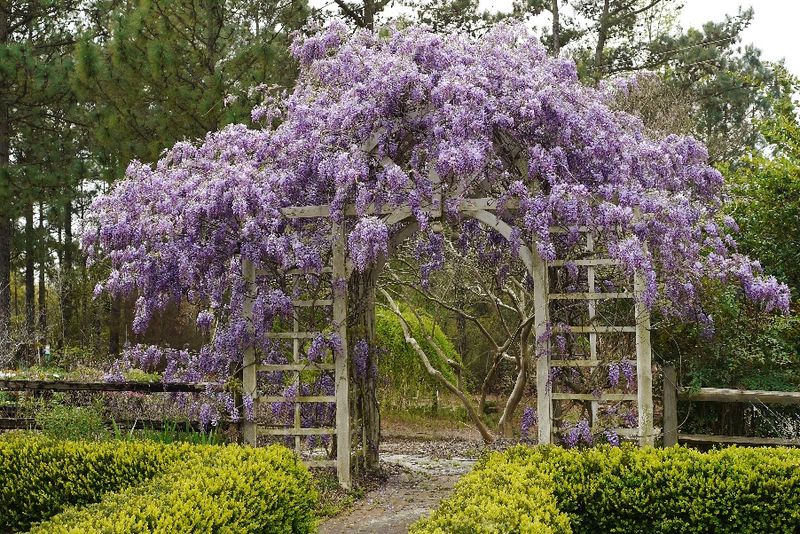
Wisteria’s stunning blooms mask its true nature: a vigorous climber capable of overwhelming structures. Its twining vines can damage woodwork and gutters, creating more work than expected. Its allure quickly becomes overshadowed by its maintenance demands.
While often seen as romantic, Wisteria’s growth requires constant pruning to prevent it from becoming unmanageable. Its roots can disrupt garden layouts, and its invasive tendencies make it a plant choice to reconsider before planting.
6. Japanese Knotweed

Japanese Knotweed’s bamboo-like appearance disguises its destructive nature. This invasive species can damage building foundations and ecosystems alike. Its rapid growth and resilience have made it a nightmare for property owners.
Despite its attractive autumn blooms, Japanese Knotweed is notoriously difficult to eradicate. Its deep root system allows it to regrow even after treatment. Once introduced, this plant quickly becomes a regrettable addition to any landscape.
7. Morning Glory
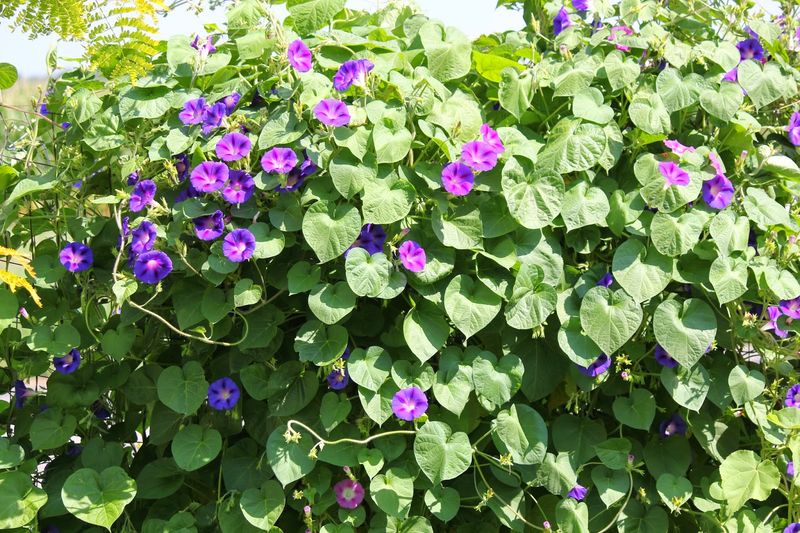
Morning Glory’s vibrant flowers hide an invasive streak that can overwhelm garden spaces. Its vines twist around other plants, leading to suffocation and stunted growth. Initial enchantment gives way to frustration as it spreads uncontrollably.
Though often admired, its rapid reseeding ensures its presence for seasons to come. Gardeners face an ongoing battle to control its spread, making this plant a choice many come to regret.
8. Creeping Charlie
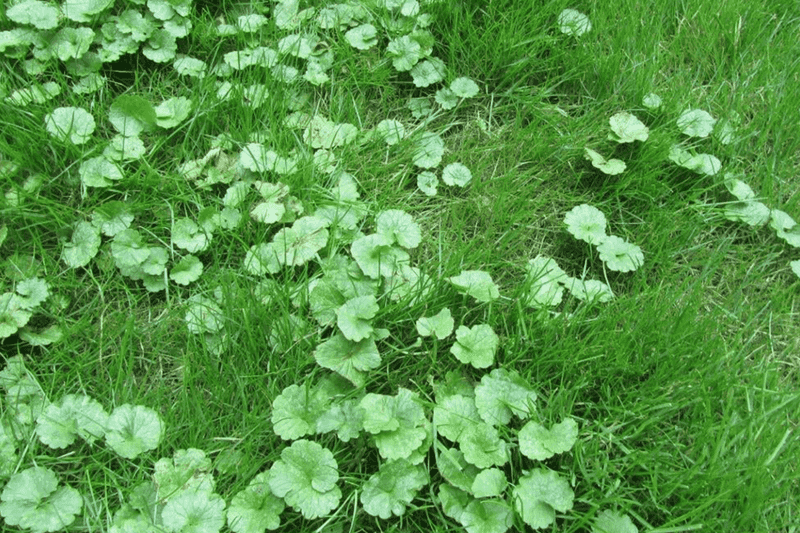
Creeping Charlie’s lush green leaves can quickly blanket a lawn, outcompeting grass. Once established, it’s a tenacious adversary, often requiring significant effort to control. Its creeping nature is enchanting yet troublesome.
While providing ground cover, it strangles other plants, reducing biodiversity. Gardeners frequently battle its aggressive spread, often wishing they had never planted it. Containing it becomes a laborious task, overshadowing its initial appeal.
9. Garlic Mustard
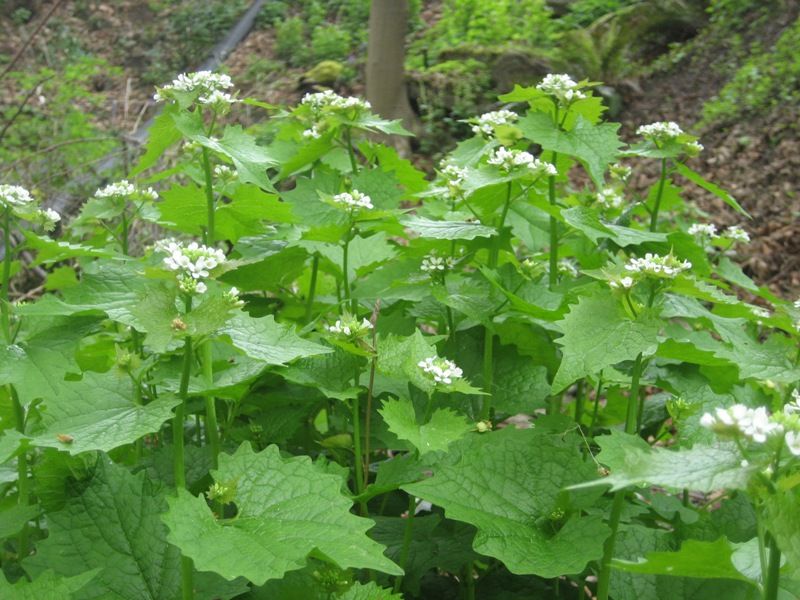
Garlic Mustard’s culinary uses are overshadowed by its invasive tendencies. It spreads quickly, forming dense colonies that outcompete native plants. While it may spice up a dish, it drains biodiversity from natural habitats.
Its ability to thrive in diverse conditions makes it a persistent invader. Eradication requires ongoing effort, as seeds remain viable for years. Gardeners and conservationists alike find this plant a regrettable addition to any ecosystem.
10. Giant Hogweed
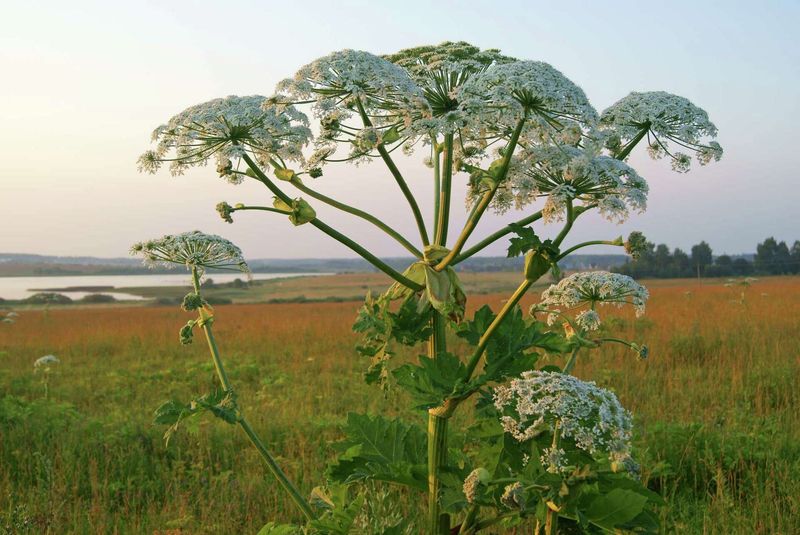
Giant Hogweed’s majestic stature belies its harmful nature. Its sap can cause severe skin burns, earning it notoriety. Though impressive, its presence in gardens can lead to painful encounters.
This plant’s rapid growth and seed dispersal make it a formidable adversary. Once established, it requires careful handling and removal. Gardeners quickly come to regret planting it, as its dangers outweigh its ornamental value.
11. Purple Loosestrife
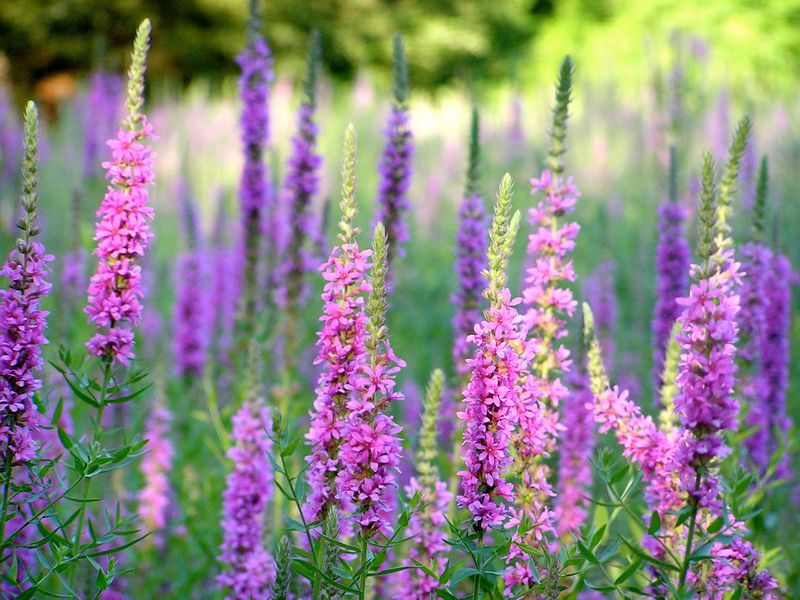
Purple Loosestrife’s vibrant blooms mask its invasive capabilities. In wetlands, it can displace native flora, disrupting ecosystems. Its beauty quickly becomes a bane for biodiversity.
Though attractive, its seeds spread easily, colonizing new areas rapidly. Controlling its spread is challenging, often requiring extensive management efforts. Gardeners and conservationists alike find it more trouble than it’s worth.
12. Russian Olive
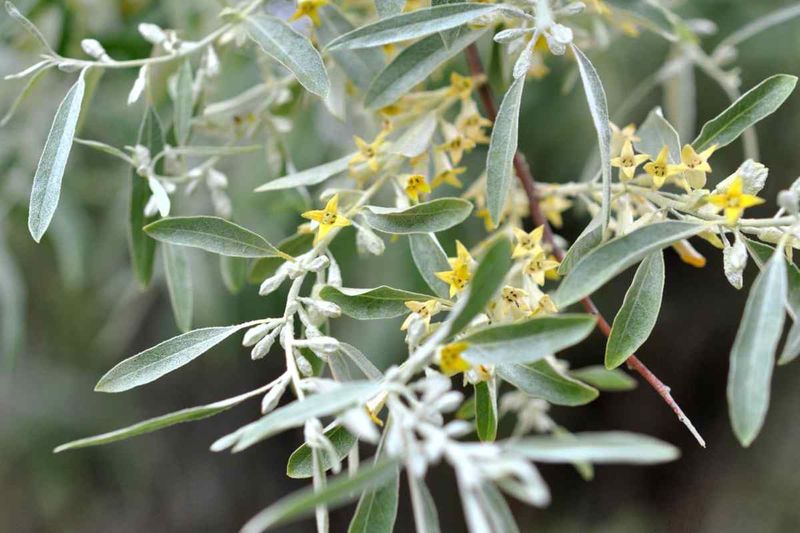
Russian Olive’s silvery leaves carry an allure that soon fades as it invades landscapes. Its ability to fix nitrogen allows it to thrive in poor soils, outcompeting native species. Initial appeal gives way to regret as its spread becomes apparent.
This hardy plant’s aggressive nature requires management, often involving significant resources. Its impact on biodiversity makes it a plant choice many wish they hadn’t made.
13. Tree of Heaven
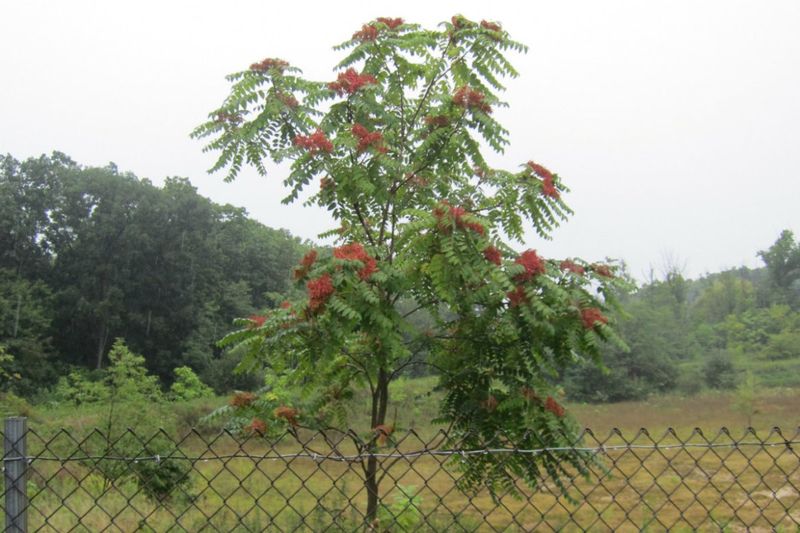
The Tree of Heaven’s rapid growth and adaptability make it a nuisance in both urban and rural settings. Its aggressive roots can damage infrastructure and outcompete native plants. What starts as an intriguing addition soon becomes a demanding adversary.
Known for its unpleasant odor, it quickly becomes a regretful choice. Its resilience makes eradication difficult, requiring ongoing attention and resources.
14. Yarrow
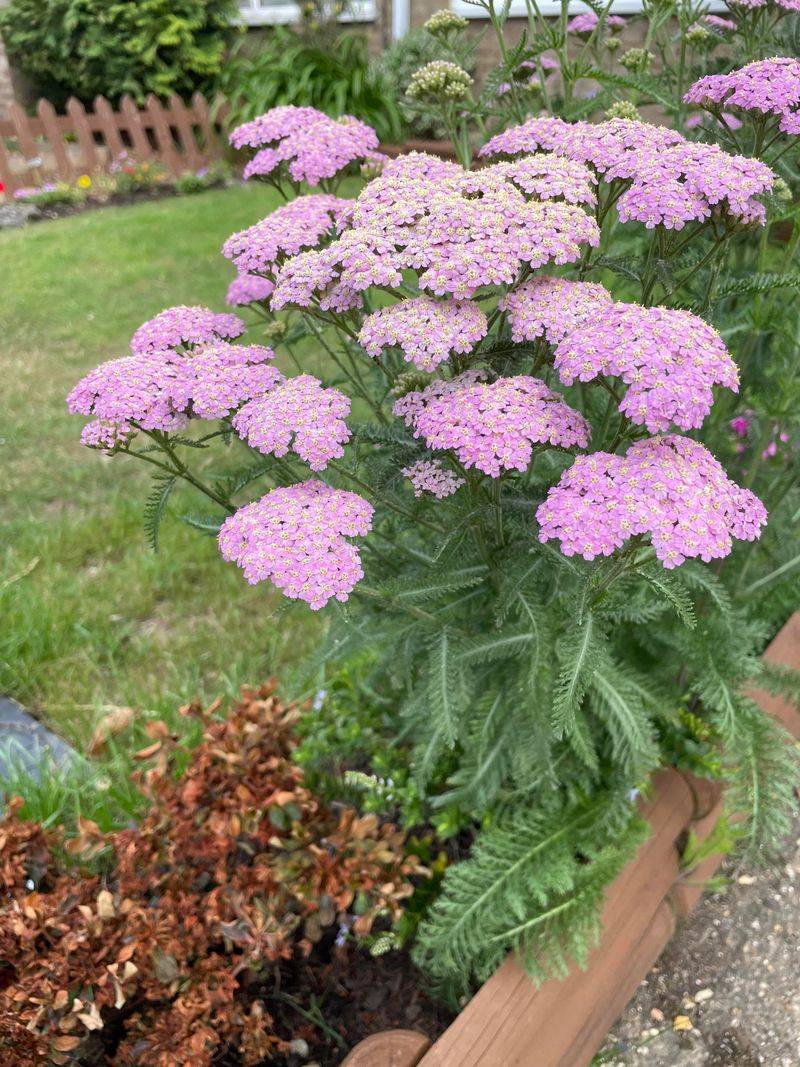
Yarrow’s feathery foliage and blooms may enchant initially, but its invasive nature soon becomes apparent. This hardy plant can dominate garden spaces, outcompeting more delicate species. What begins as a charming addition often turns into a persistent challenge.
Though it offers some medicinal uses, its aggressive spread requires vigilant management. Many gardeners find themselves wishing they’d planted something less demanding.
15. Ailanthus
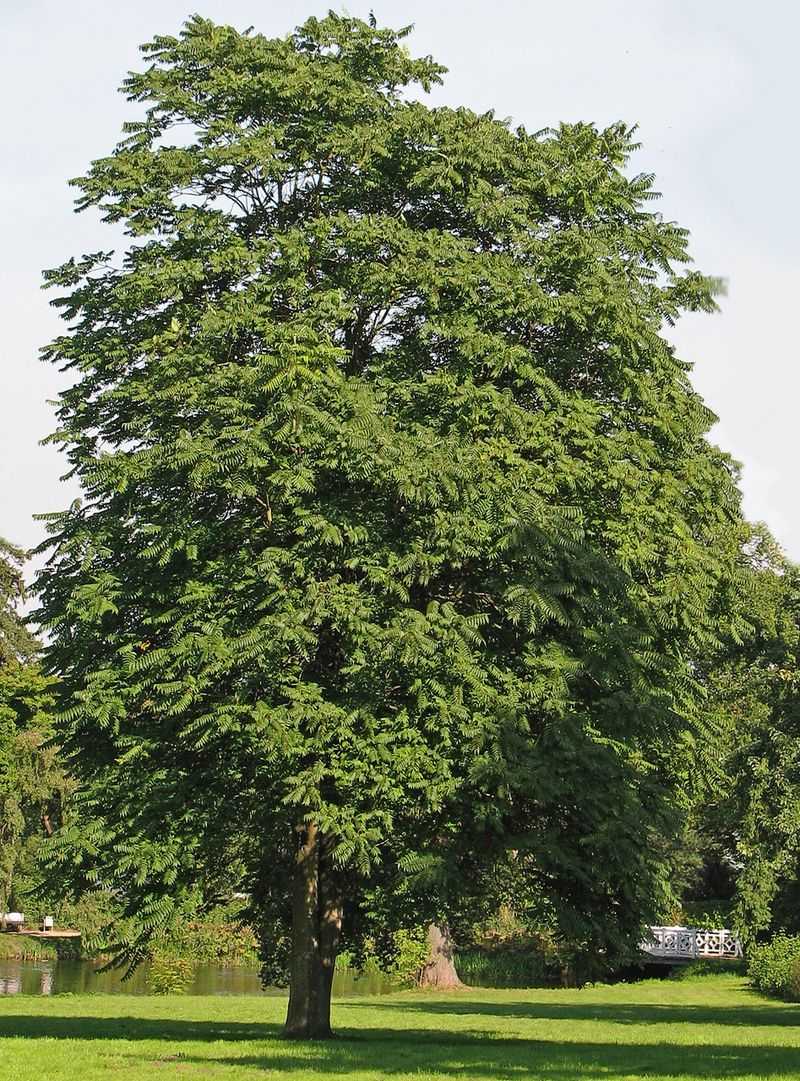
Ailanthus, also known as the Tree of Heaven, is notorious for its rapid growth and invasive roots. Its resilience allows it to thrive in urban areas, often outcompeting native plants. While its initial growth seems promising, its aggressive nature soon becomes problematic.
This tree’s unpleasant odor and tendency to spread make it a regretful choice for many gardeners. Managing its growth demands effort, often leading to disappointment.