 Complete Gardening
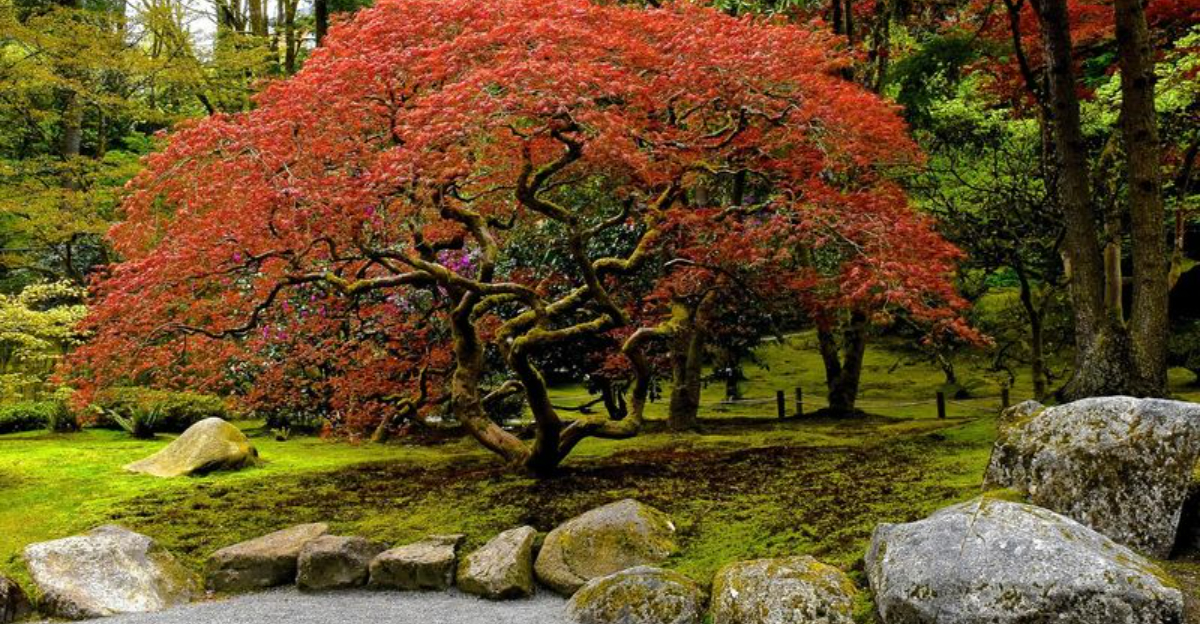
As August comes to a close, nature puts on a spectacular show with trees transforming into a dazzling array of colors.
This prelude to autumn is a mesmerizing display of vibrant hues, capturing the essence of seasonal change.
From fiery reds to golden yellows, these trees bring a burst of color, signaling the end of summer.
1. Sugar Maple
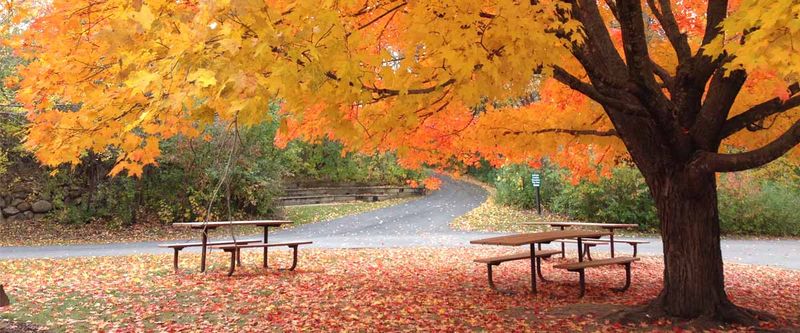
The sugar maple is renowned for its dramatic color transformation. Its leaves turn brilliant shades of red, orange, and yellow by the end of August, making it a captivating sight. This tree is not only a visual delight but also a symbol of the changing seasons.
The sugar maple’s vibrant colors are often celebrated during fall festivals across North America. Its majestic appearance adds warmth to any landscape, drawing nature enthusiasts and photographers alike.
Did you know? The sugar maple is also famous for producing the delicious maple syrup that we enjoy. It’s a tree with both aesthetic and culinary significance.
2. Eastern Redbud
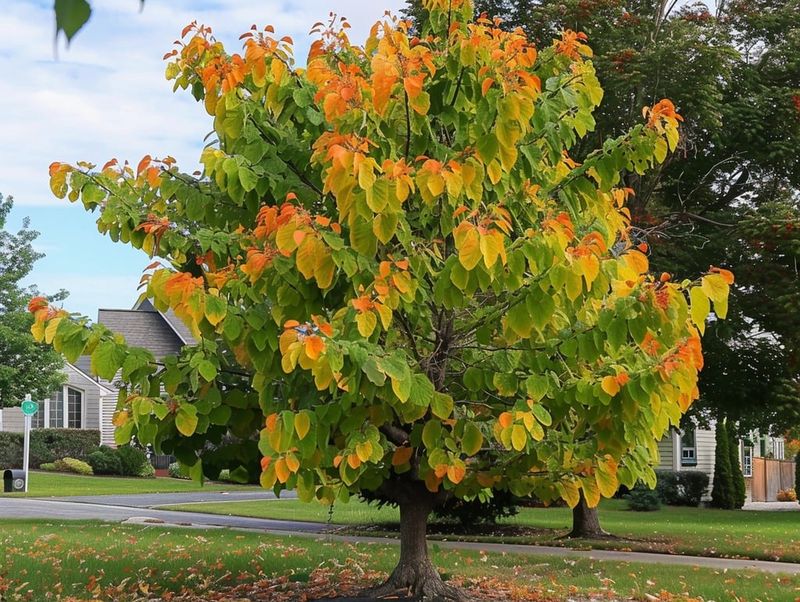
The Eastern Redbud, known for its heart-shaped leaves, transitions into a palette of yellow and reddish-purple by August’s end. Its unique foliage stands out in any garden, offering a warm embrace as summer fades.
This tree is cherished not just for its beauty but also for its ability to attract pollinators like bees and butterflies. The Eastern Redbud adds a touch of elegance and charm to any landscape.
Fun fact: In spring, it boasts vibrant pink blossoms, making it a tree that delights across multiple seasons.
3. American Sweetgum
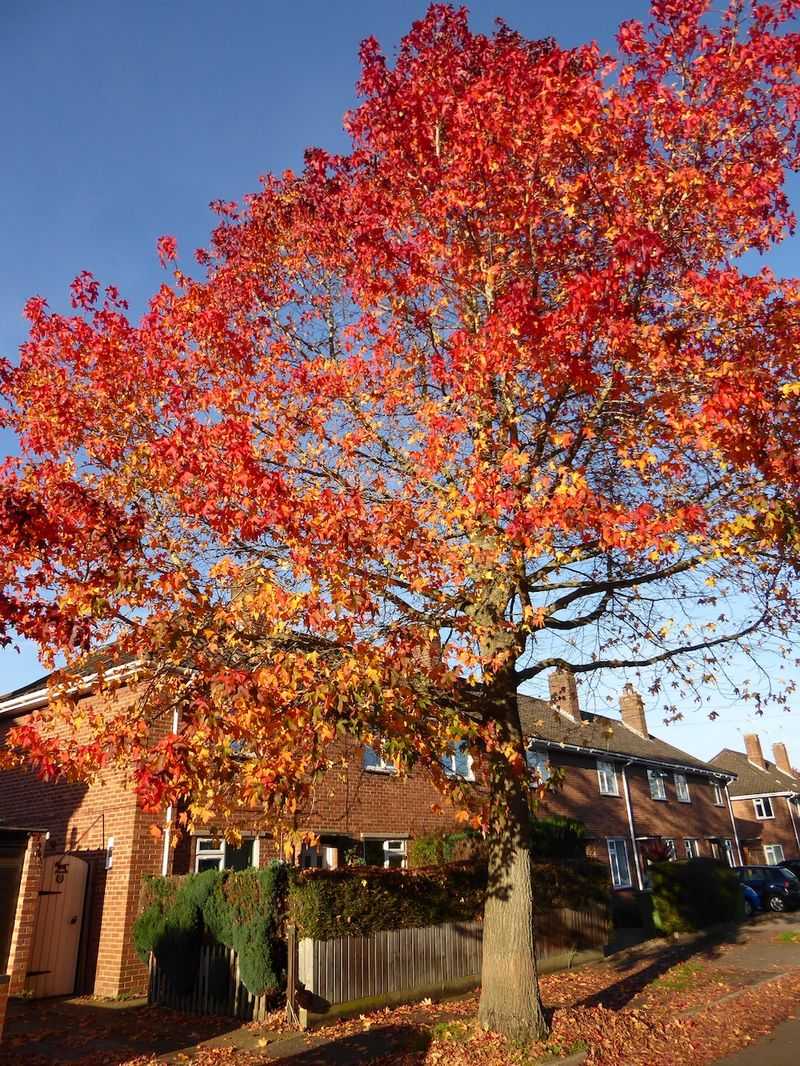
The American Sweetgum is a kaleidoscope of colors by the end of August. Its star-shaped leaves shift through reds, oranges, and purples, creating a visual feast. This tree’s striking colors make it a favorite among landscapers and garden enthusiasts.
In addition to its beauty, the American Sweetgum is known for its hard, spiky fruit, which adds texture to the tree’s appearance. It’s a tree that intrigues and inspires.
Interestingly, the sap of this tree was historically used for medicinal purposes by Native Americans, showcasing its practical value.
4. Sassafras
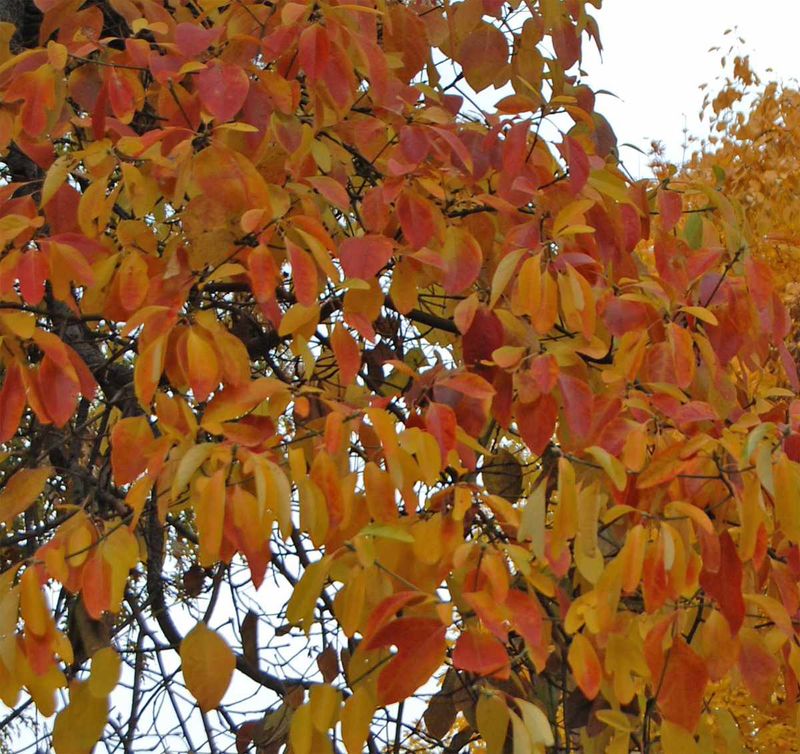
Sassafras trees, with their distinct mitten-shaped leaves, offer a vibrant display of orange, yellow, and red hues as August ends. This tree is a beacon of the coming autumn, known for its whimsical leaf shapes and bright colors.
The Sassafras tree has a storied history, being used by Indigenous peoples for its aromatic roots and leaves. Its presence in a landscape brings both beauty and a touch of folklore.
Did you know? Sassafras oil was once a primary ingredient in root beer, adding to its cultural significance.
5. Quaking Aspen
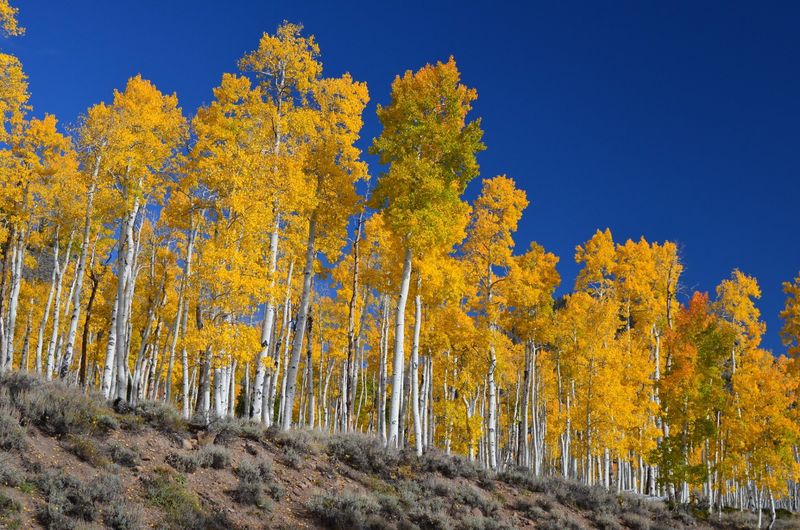
The Quaking Aspen, with its shimmering leaves, turns a striking golden yellow by the end of August. This tree is known for its unique aesthetic, as its leaves rustle gently in the wind, creating a soothing sound.
Aspens are often found in large groves, painting entire landscapes with their golden hues. Their presence signifies the seasonal shift, offering a serene and picturesque view.
Interesting tidbit: Quaking Aspens are known for their interconnected root systems, making them one of the largest living organisms on Earth.
6. White Oak
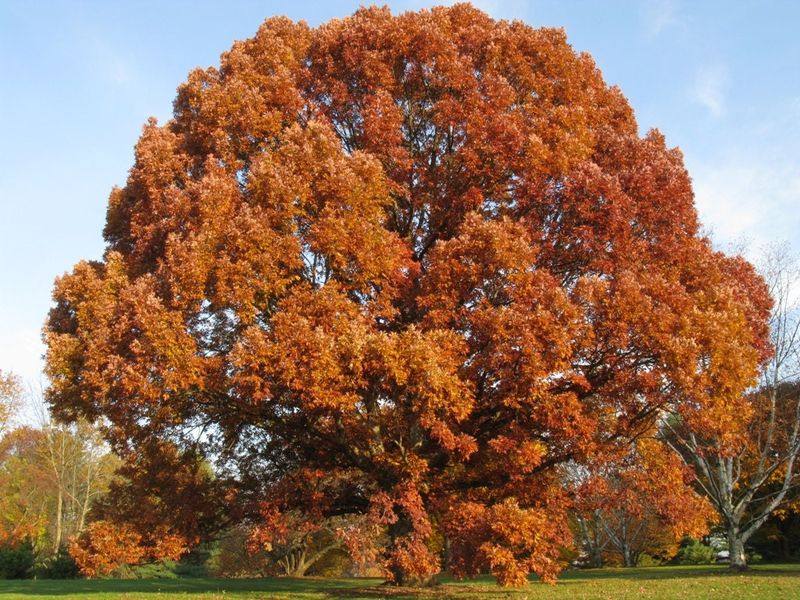
White Oak trees exhibit a subtle yet beautiful change by late August, with leaves turning soft red and brown. This tree’s grandeur and stately appearance make it a distinguished addition to any landscape.
White Oaks are revered for their strength and longevity, often living for centuries. They provide habitat and food for various wildlife species, contributing to ecological diversity.
Did you know? White Oak wood is prized for its durability and is commonly used in furniture and barrel making.
7. Black Tupelo
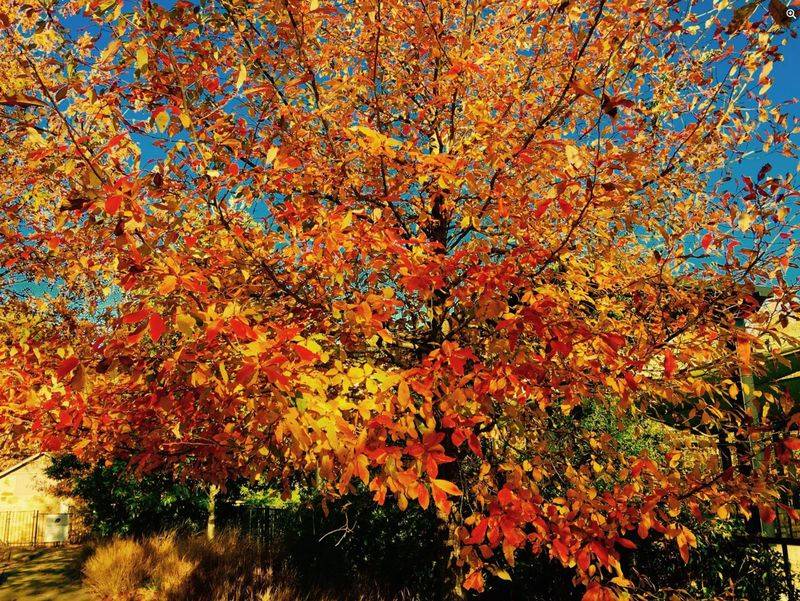
The Black Tupelo is a masterpiece of nature’s palette, with its leaves turning vibrant scarlet red by the end of August. This tree is celebrated for its striking fall colors and glossy foliage.
Often found near water bodies, the Black Tupelo’s reflection amplifies its beauty, creating stunning mirrored landscapes. Its presence is a testament to the elegance of nature.
Fun fact: The Black Tupelo is also known as the Black Gum tree and provides honey for bees, adding to its environmental contribution.
8. Ginkgo Biloba
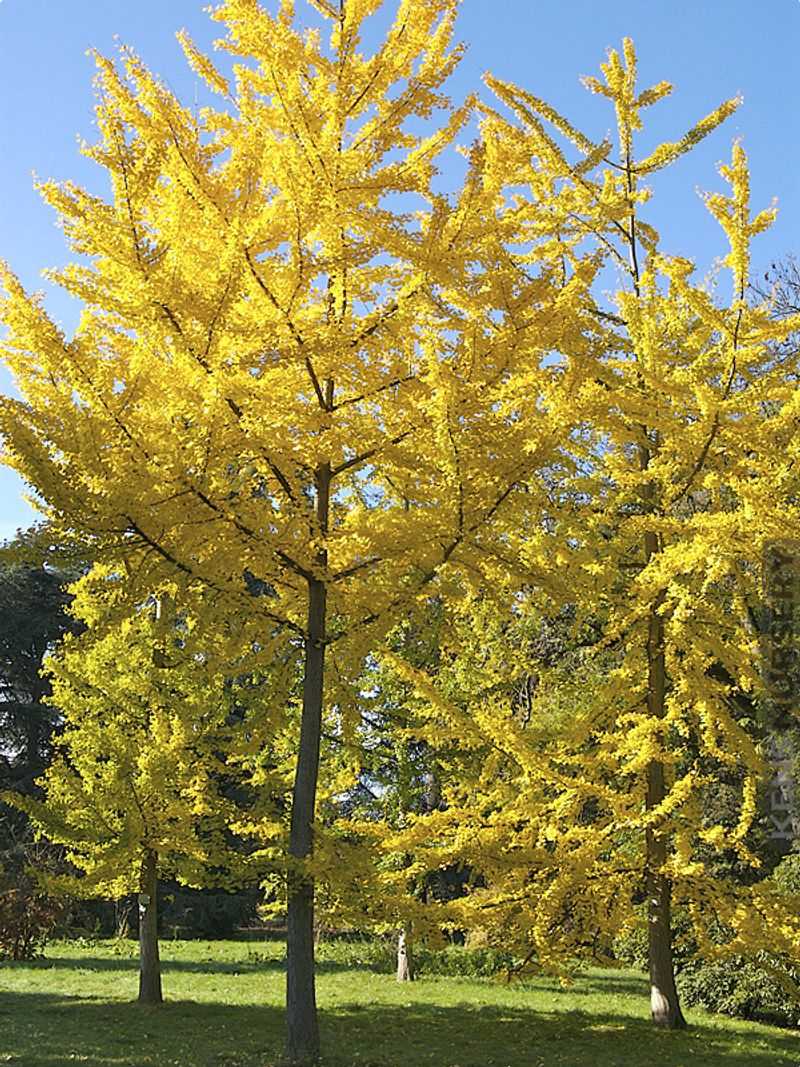
Ginkgo Biloba, with its unique fan-shaped leaves, turns a radiant yellow by late August. This ancient tree, often considered a living fossil, stands out in urban landscapes, adding a touch of history and beauty.
The Ginkgo’s bright leaves create a golden carpet as they fall, transforming city parks into picturesque scenes. Its resilience and distinctive appearance draw admiration from all who pass by.
Did you know? Ginkgo trees can live for over a thousand years, witnessing centuries of change.
9. Red Maple
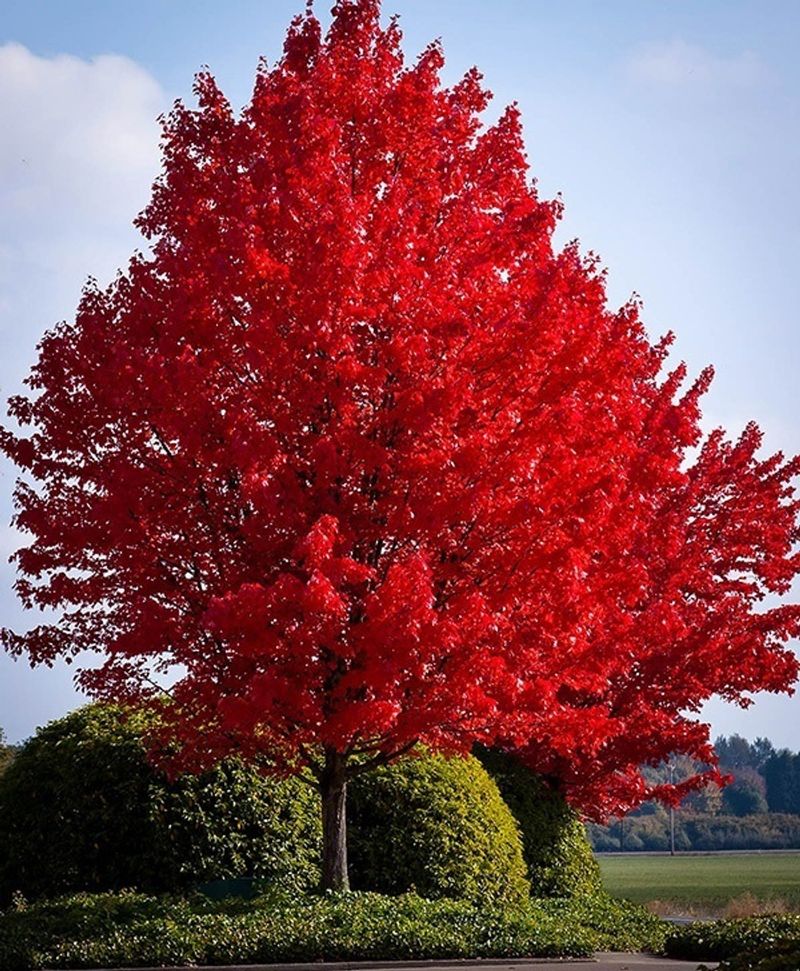
Red Maples are known for their spectacular transformation, with leaves turning fiery red by the end of August. This tree’s vibrant colors make it a focal point in any setting, showcasing nature’s artistry.
Red Maples are adaptable and resilient, thriving in various climates and soils. Their beauty is complemented by their practicality, as they provide shade and support wildlife.
Fun fact: The Red Maple is one of the most common trees in North America, beloved for its vivid autumn display.
10. Sweet Birch
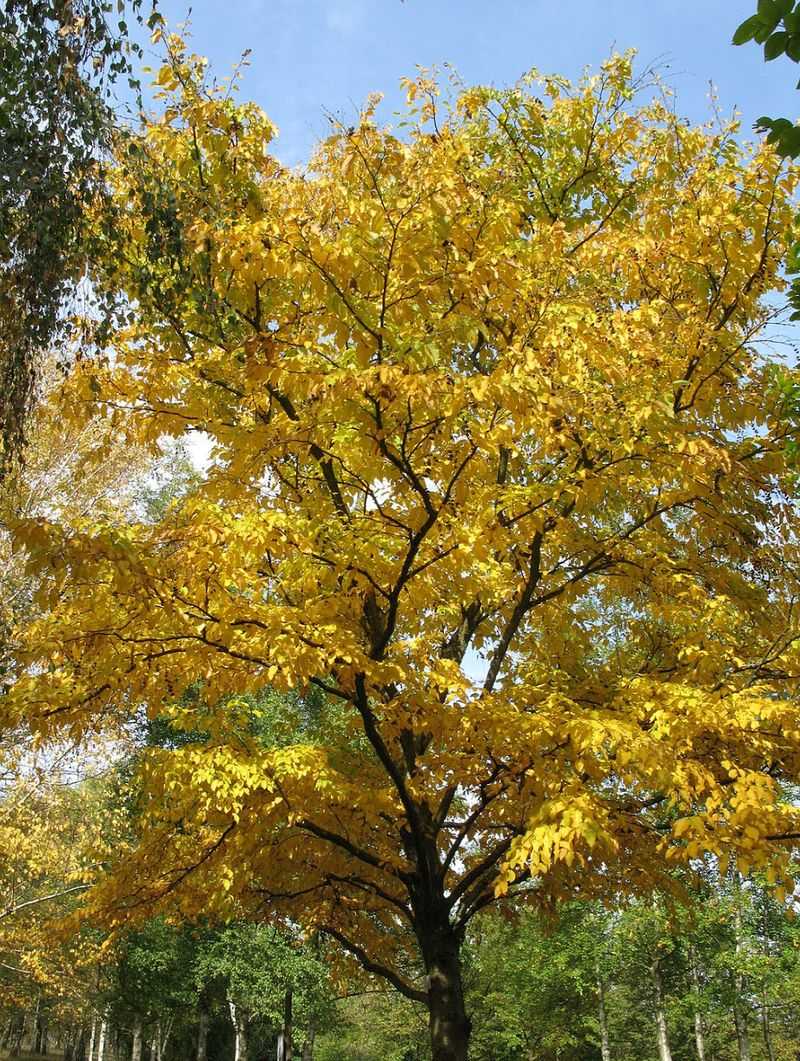
Sweet Birch trees, with their golden yellow leaves by August’s end, create a striking contrast in dense forests. This tree’s vibrant hue lights up woodland areas, marking the seasonal transition.
The Sweet Birch is also known for its aromatic bark, which was traditionally used to make birch beer. Its presence in a forest adds both visual appeal and a touch of history.
Did you know? The Sweet Birch’s sap can be tapped to produce a sweet syrup, similar to maple syrup.
11. Scarlet Oak
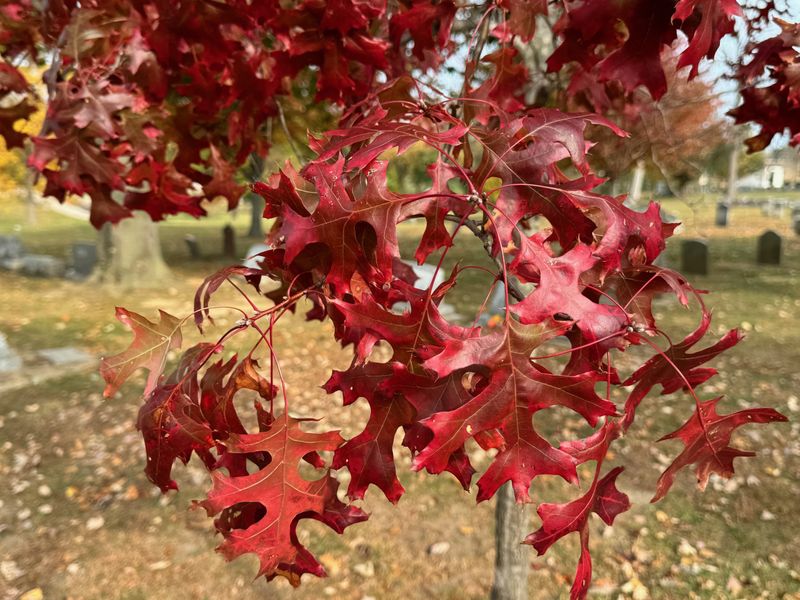
Scarlet Oaks are a vision of deep red and burgundy by the end of August. This tree’s rich colors add a dramatic flair to suburban landscapes, making it a favorite for home gardens.
Known for its robust nature, the Scarlet Oak thrives in various environments, providing shade and beauty. Its distinctive leaf shape and vibrant hues make it stand out in any setting.
Fun fact: The Scarlet Oak is often used in reforestation projects due to its adaptability and resilience.
12. Japanese Maple
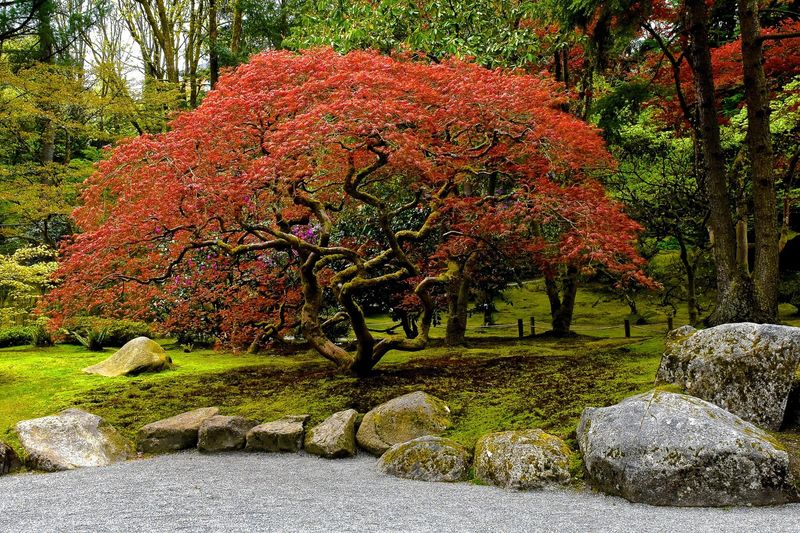
The Japanese Maple, with its delicate leaves, turns shades of crimson by late August. This tree is a symbol of grace and beauty, often featured in traditional Japanese gardens.
Its intricate foliage and vibrant colors create a serene atmosphere, inviting reflection and appreciation of nature’s elegance. The Japanese Maple’s unique form adds an artistic touch to any landscape.
Did you know? Japanese Maples are often used in bonsai, showcasing their versatility and cultural significance.
13. Golden Rain Tree
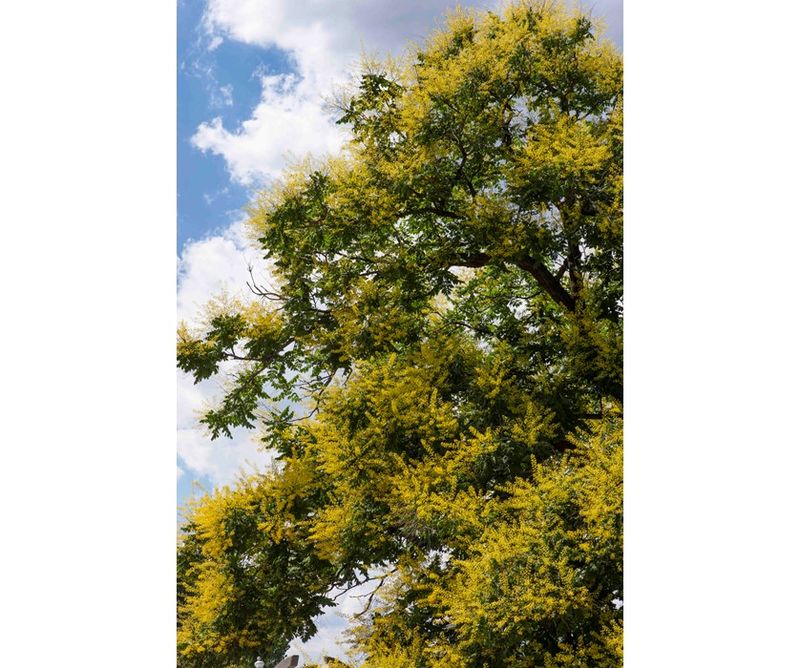
The Golden Rain Tree is a spectacle of yellow by the end of August, with clusters of leaves and seed pods creating a bright display. This tree is known for its cheerful color and playful appearance.
Often planted in gardens and parks, the Golden Rain Tree brings a burst of sunshine to any landscape. Its unique seed pods add interest and texture, complementing its vibrant foliage.
Fun fact: The Golden Rain Tree is native to East Asia and is often associated with good fortune and prosperity.
14. Serviceberry
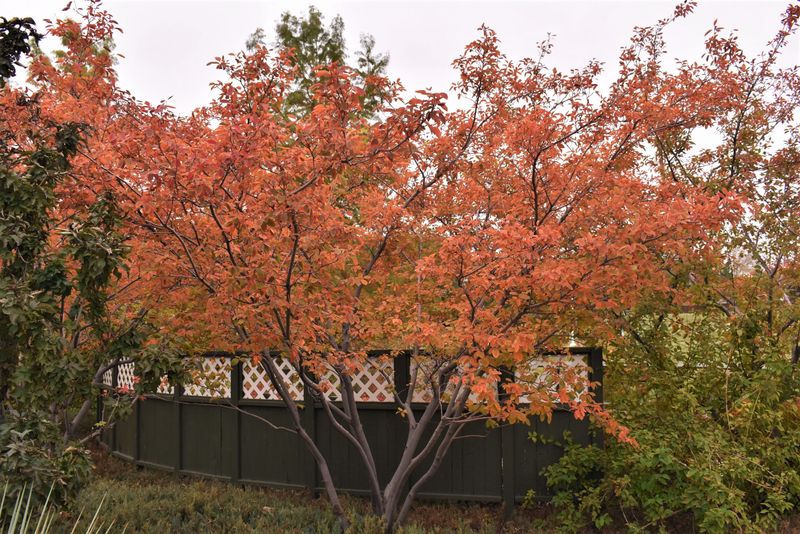
Serviceberry trees, with their leaves turning vibrant orange and red, herald the end of August with a bold display. This tree is admired for its stunning color and ability to thrive in various environments.
Beyond its beauty, the Serviceberry produces edible berries that are enjoyed by both humans and wildlife. It’s a tree that nourishes and delights.
Did you know? The Serviceberry is one of the first trees to bloom in spring, making it a year-round favorite for gardeners.
15. Northern Red Oak
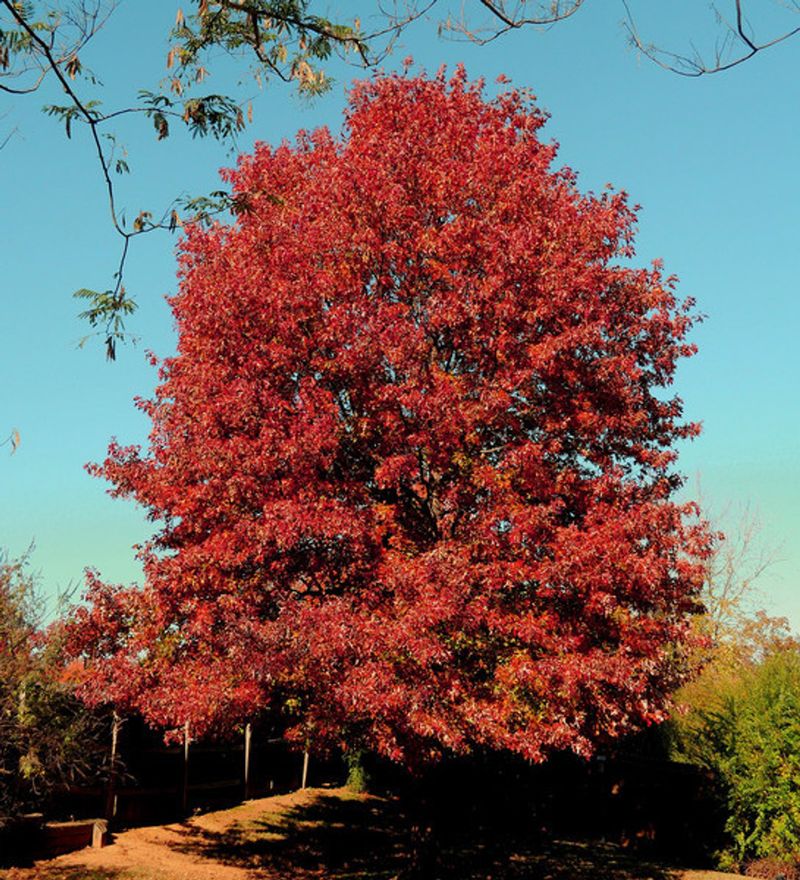
The Northern Red Oak is distinguished by its reddish-brown leaves by the end of August. This tree adds a touch of warmth to historical parks and landscapes, showcasing its timeless beauty.
Renowned for its sturdy wood, the Northern Red Oak is a staple in construction and furniture making. Its presence enhances any setting with both aesthetic and practical value.
Fun fact: The Northern Red Oak is the state tree of New Jersey, symbolizing strength and resilience.