 Complete Gardening
In the enchanting realm of botany, certain flowers captivate with their ephemeral beauty, blooming just once a year. These rare blossoms, each with their own unique charm, offer a fleeting glimpse of nature’s artistry.
From the mysterious Queen of the Night to the captivating Titan Arum, these flowers are cherished for their brief yet stunning displays.
Join us as we explore these 16 extraordinary flowers that grace us with their presence only annually, unveiling stories and traits that make each one a marvel of the natural world.
1. Queen of the Night
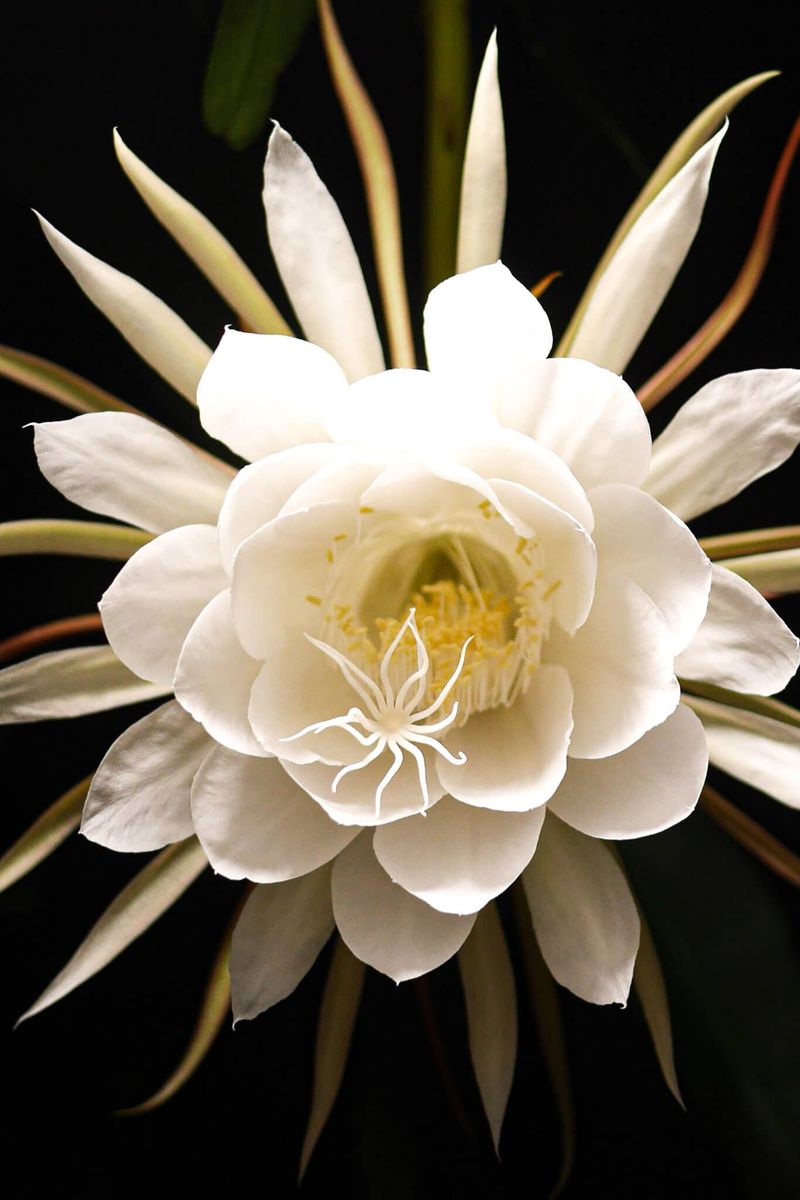
The Queen of the Night, also known as Epiphyllum oxypetalum, is a cactus flower that reveals its magnificent white petals under the moonlit sky. With each petal unfurling delicately, it is a spectacle reserved for the night. The serene beauty captivates those lucky enough to witness its bloom.
This enchanting flower heralds from the deserts of Central America, its allure enhanced by the night air’s coolness. As it blooms only once a year, its fleeting presence becomes a metaphor for life’s transient beauty.
A cherished symbol of mystery, the Queen of the Night remains a favorite among nocturnal blossoms.
2. Corpse Flower
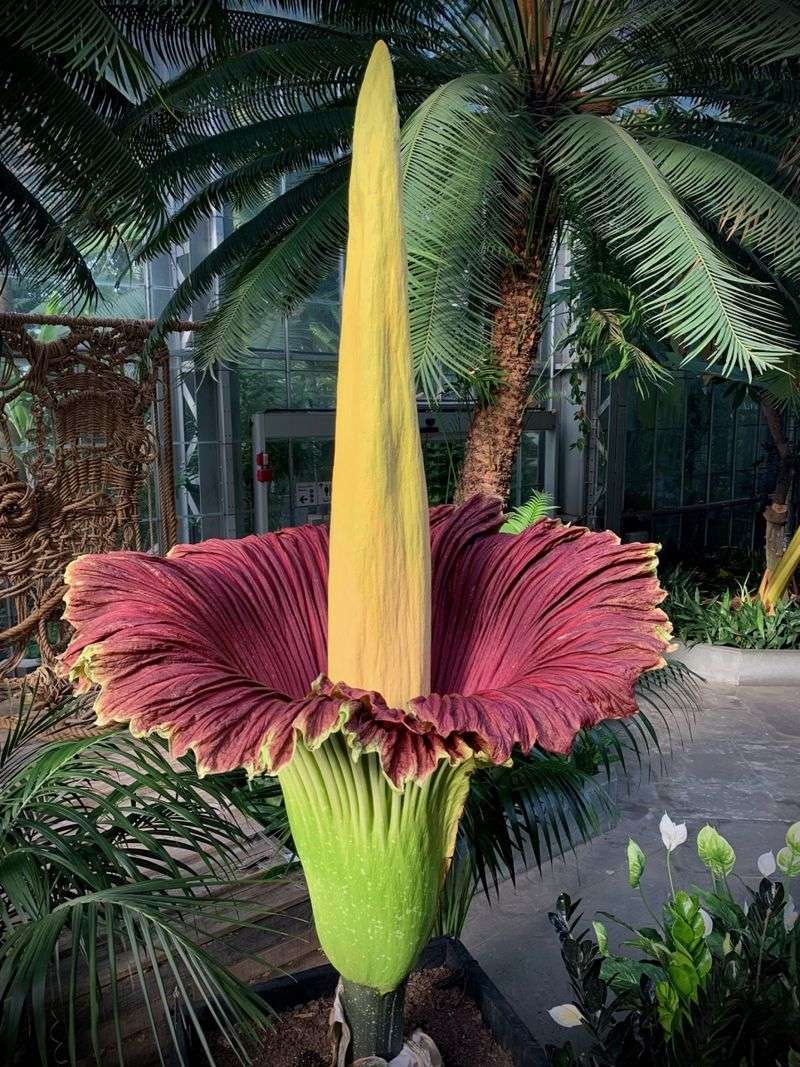
Amorphophallus titanum, the Corpse Flower, is notorious for its distinct odor reminiscent of decaying flesh. This peculiar scent attracts pollinators, a clever adaptation for survival. Towering with grandeur in the Indonesian rainforests, the flower reaches impressive heights during its rare bloom.
The Corpse Flower’s maroon spathe and central spadix create an awe-inspiring spectacle, drawing botanists and enthusiasts alike. Despite its off-putting aroma, its bloom is eagerly awaited.
Known as the world’s largest unbranched inflorescence, the Corpse Flower’s annual appearance is a celebrated event in botanical gardens worldwide.
3. Kadupul Flower
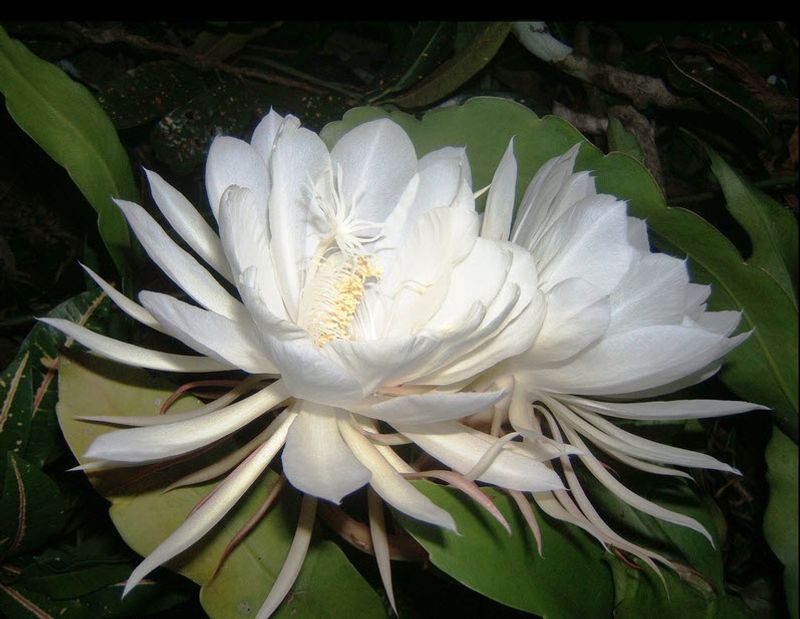
The Kadupul Flower, or Epiphyllum oxypetalum, is revered for its ethereal night bloom, which vanishes with the dawn. Native to Sri Lanka, this cactus flower enchants with delicate, white petals that unfurl under the stars.
This elusive bloom is often associated with spiritual and mystical experiences, inspiring tales of wonder. Its fragrance, gentle yet enchanting, fills the air, leaving an unforgettable impression.
Kadupul’s fleeting life, blooming only once a year, reminds us of the beauty of impermanence and the magical allure of nature’s nocturnal wonders.
4. Brahma Kamal
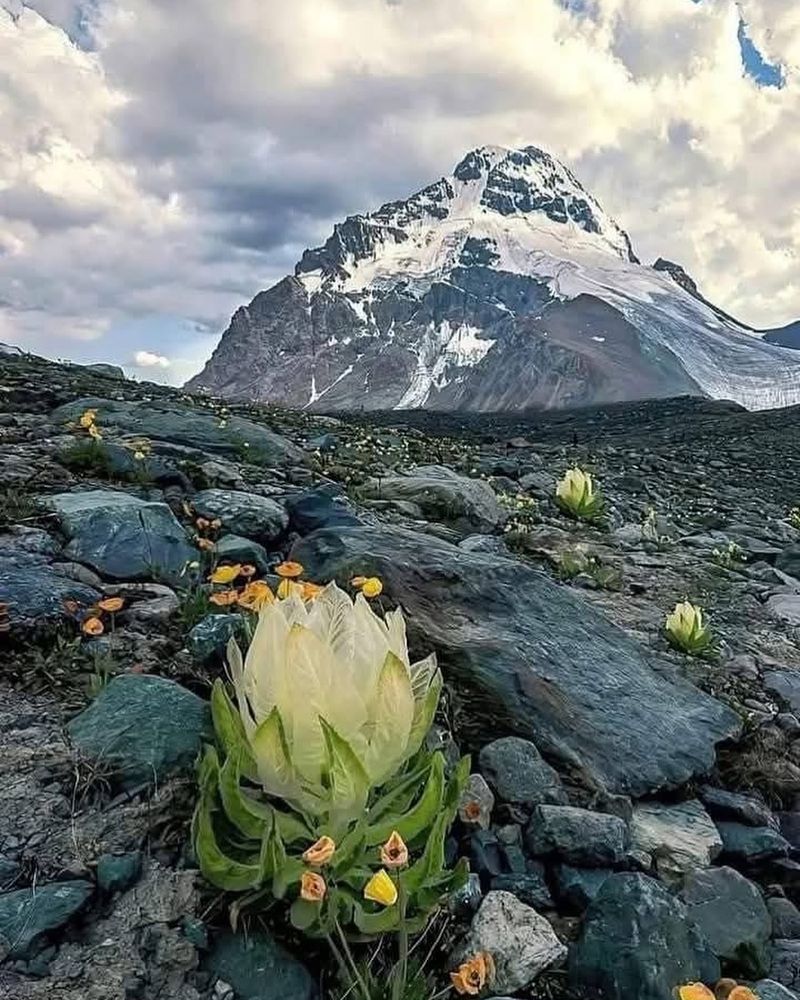
Brahma Kamal, scientifically known as Saussurea obvallata, is a revered flower in Indian culture, often associated with divine blessings. It blooms in the high altitudes of the Himalayas, enduring harsh climates to reveal its pristine white flowers.
The bloom typically occurs at night, adding to its mystical aura and cultural significance. Its name, derived from Hindu god Brahma, signifies purity and spirituality.
As a symbol of perseverance, Brahma Kamal’s rare beauty inspires those who trek to witness its annual bloom amidst the tranquil yet challenging mountain environment.
5. Night Blooming Jasmine
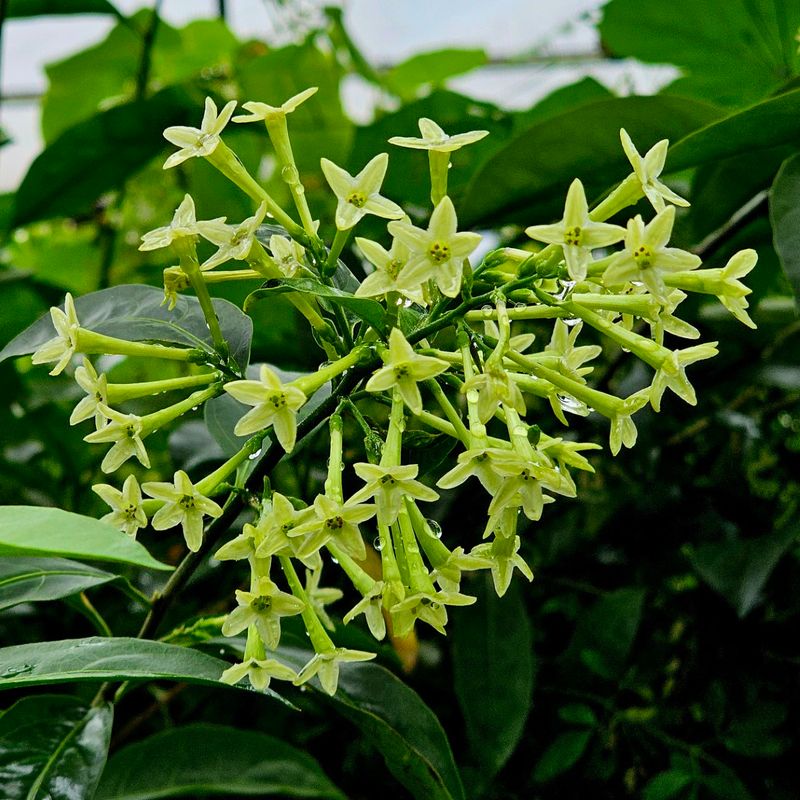
Night Blooming Jasmine, or Cestrum nocturnum, is celebrated for its intoxicating fragrance that fills the night air. Its small, tubular flowers open in clusters, releasing a sweet scent that enhances tropical evenings.
Originating from the West Indies, this plant has become a garden favorite for its aromatic allure. Its ability to bloom once annually adds to its charm, making evenings magical and memorable.
Often planted near patios or windows, Night Blooming Jasmine invites serenity and relaxation, transforming ordinary nights into fragrant getaways.
6. Parijat
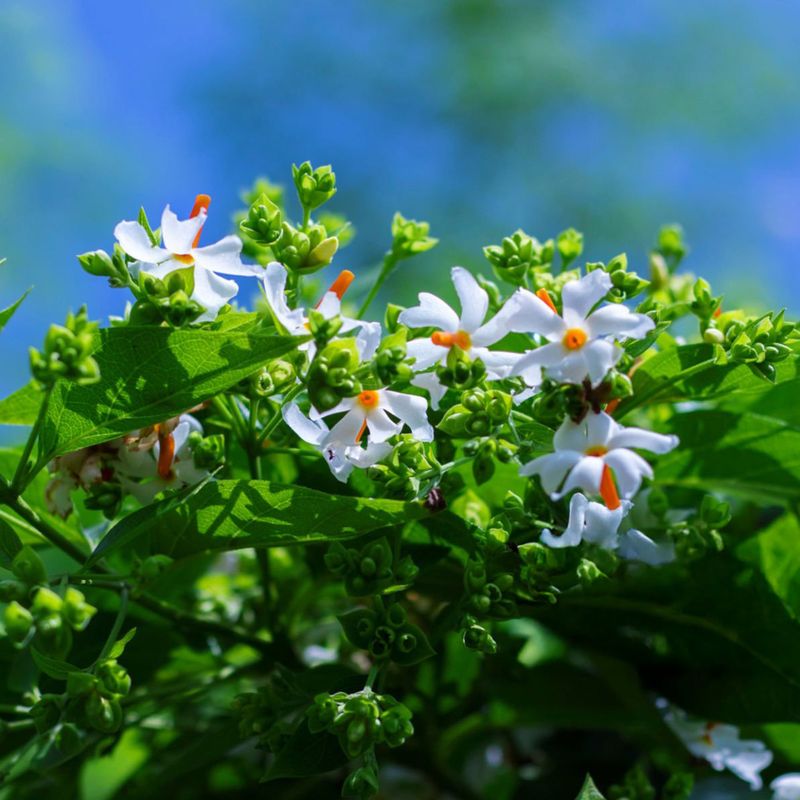
Parijat, or Nyctanthes arbor-tristis, is a flower steeped in myth and tradition, often associated with love and devotion in Indian culture. Its white petals with orange centers bloom at night, capturing the first light of dawn.
Known also as the “Tree of Sorrow,” it sheds its fragrant blossoms by morning, leaving a carpet of flowers beneath its branches.
This annual bloom, celebrated for its gentle beauty and aromatic presence, continues to inspire poems and folklore, making it a timeless emblem of ephemeral beauty.
7. Red Spider Lily
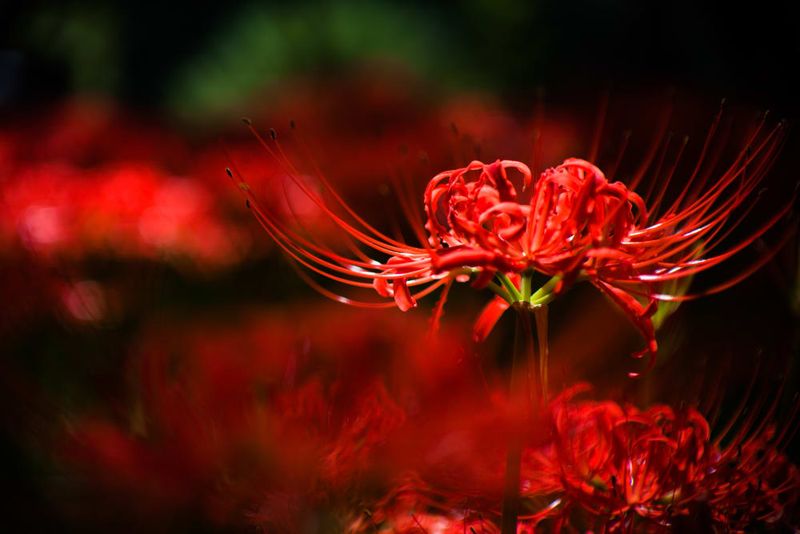
The Red Spider Lily, or Lycoris radiata, is a striking flower known for its vivid red petals and unique spidery appearance. Often found in Japanese gardens, it blooms in autumn, aligning with the rice harvest season.
Its arrival is traditionally seen as a herald of change, as it blooms just once a year. The flower’s bold color contrasts with the tranquil landscapes, creating a visually dramatic scene.
Associated with legends and stories, the Red Spider Lily remains a symbol of the fleeting nature of life and beauty.
8. Ghost Orchid
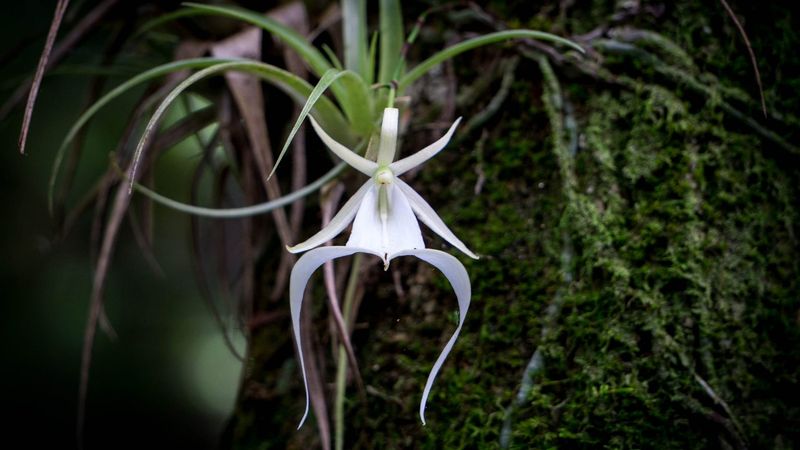
The elusive Ghost Orchid, Dendrophylax lindenii, is renowned for its ethereal appearance and mysterious nature. Found primarily in the swamps of Florida and Cuba, it blooms sporadically, only once a year.
Its delicate white flowers seem to hover in mid-air, giving it an almost spectral presence. The Ghost Orchid’s rarity and unique pollination process make it a prized find for botanists and orchid enthusiasts.
This flower’s ghostly charm continues to intrigue those who venture into its swampy habitat, hoping to catch a glimpse of its rare beauty.
9. Chocolate Cosmos
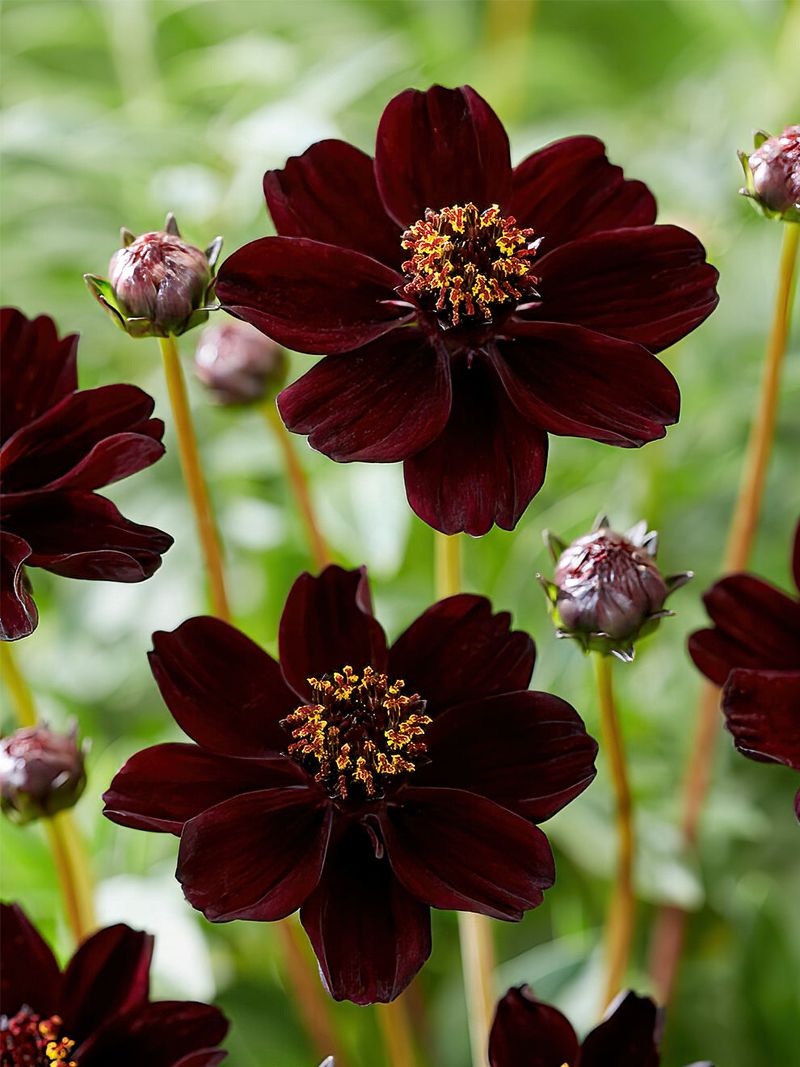
The Chocolate Cosmos, or Cosmos atrosanguineus, captivates with its rich, chocolate-brown petals and enticing cocoa scent. Native to Mexico, it blooms in late summer, making it a unique floral delight.
Despite its name, this flower’s allure lies in its fragrance, reminiscent of warm chocolate, making it a favorite among fragrant flower enthusiasts.
Blooming once a year, the Chocolate Cosmos enchants gardens with its deep color and sweet scent, offering a sensory experience that is both visual and aromatic.
10. Youtan Poluo
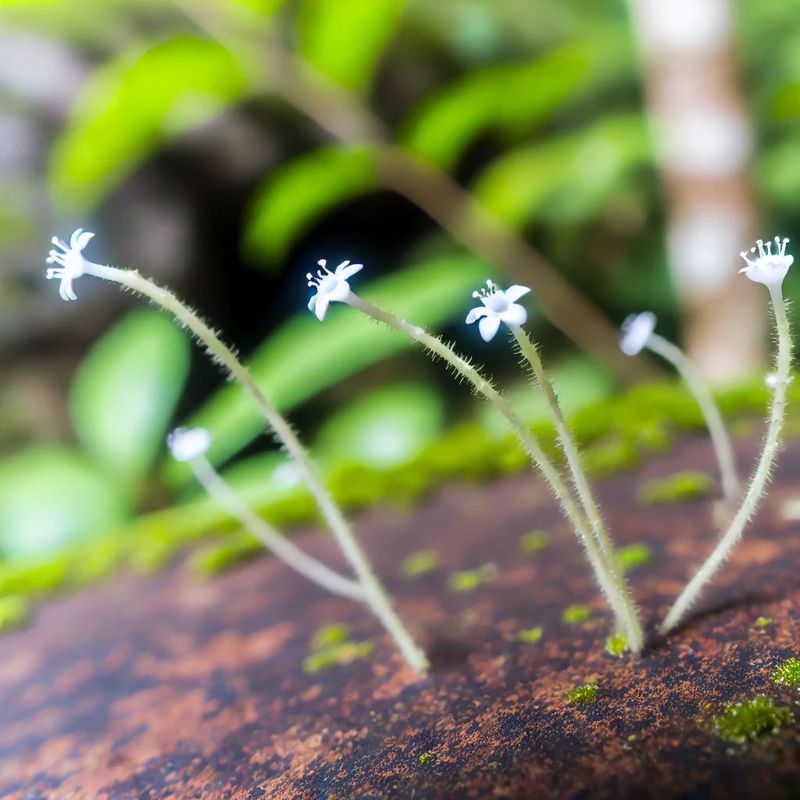
Youtan Poluo is a mythical flower, often claimed to bloom once every few thousand years. These tiny white blossoms, barely visible to the naked eye, have sparked intrigue and debate among botanists.
Appearing like delicate lace, they are associated with legends and folklore, often seen as omens or signs of cosmic events.
While scientific evidence is scarce, the enigmatic nature of Youtan Poluo continues to captivate imaginations, as its rare appearance holds a mystical aura, blending the lines between myth and reality.
11. Saguaro Cactus Flower
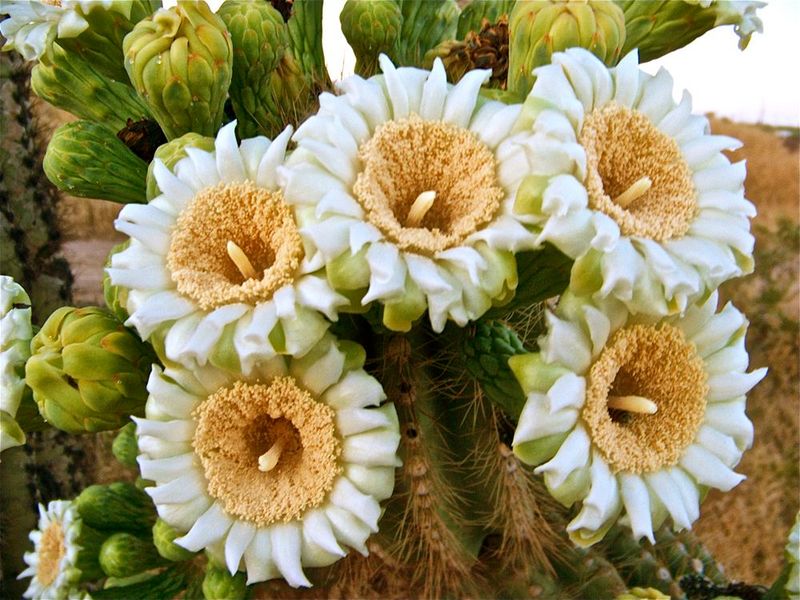
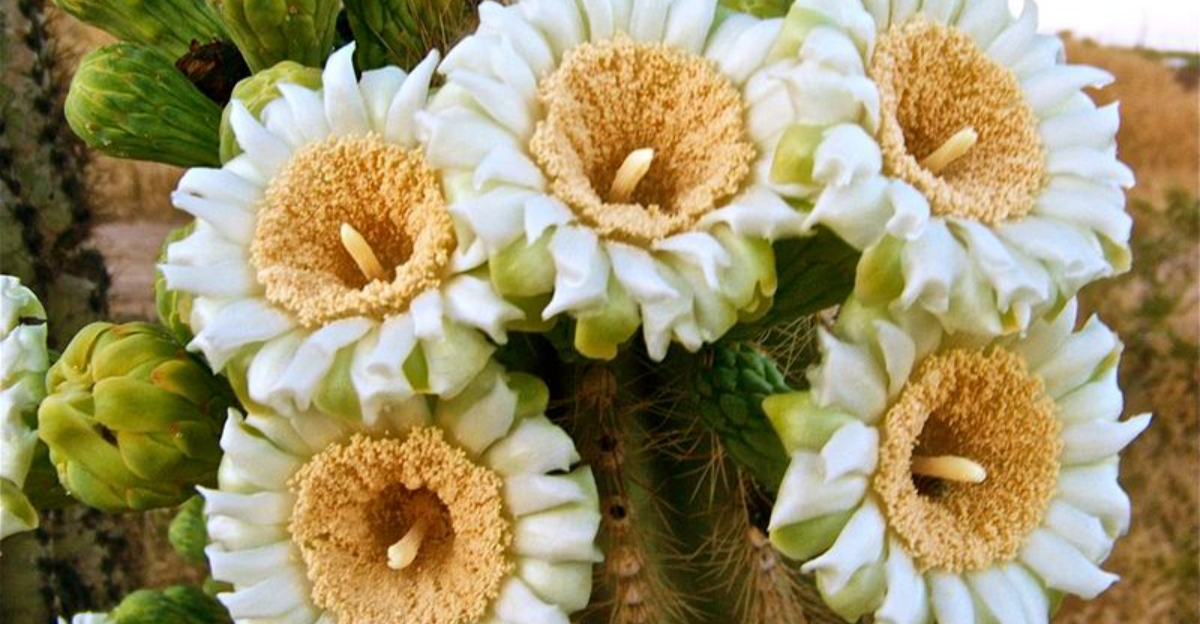
The Saguaro Cactus Flower, Carnegiea gigantea, is an iconic bloom of the Sonoran Desert. It blooms once a year, typically in late spring, adorning the towering cactus with bright white flowers.
These blooms provide essential nutrients to desert pollinators, including bees and bats. The cactus itself stands as a symbol of the resilient desert ecosystem.
With its short-lived flowers, the Saguaro Cactus Flower captures the stark beauty of the desert, offering a glimpse into the survival strategies of desert flora.
12. Sacred Lotus
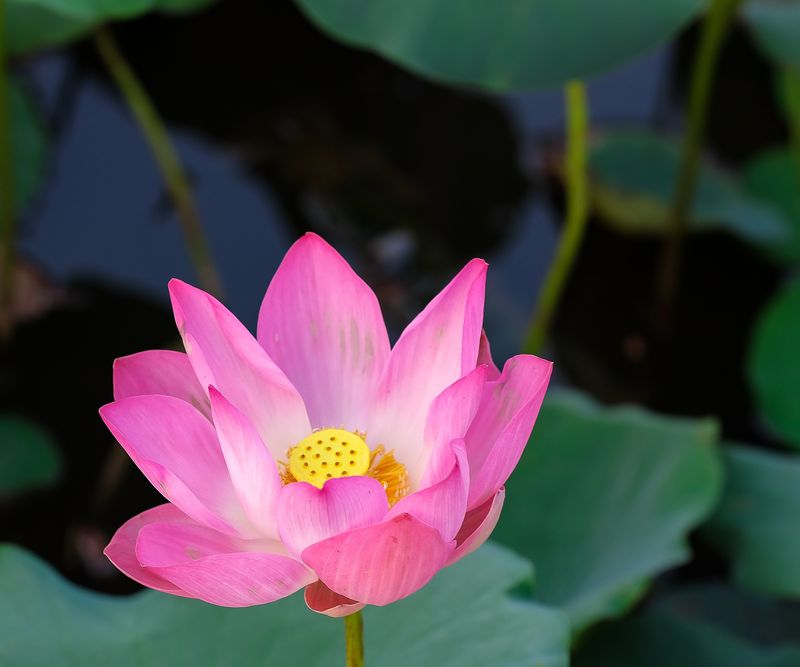
The Sacred Lotus, Nelumbo nucifera, emerges gracefully from muddy waters, symbolizing purity and spiritual enlightenment. Revered in many Asian cultures, it blooms annually, captivating with its large, pink petals.
The lotus’s journey from mud to bloom is often likened to spiritual awakening, a metaphor extending beyond its physical beauty.
In gardens and ponds, the Sacred Lotus creates serene vistas, inspiring contemplation and peace, while its breathtaking blooms remain a testament to nature’s transformative power.
13. Neelakurinji
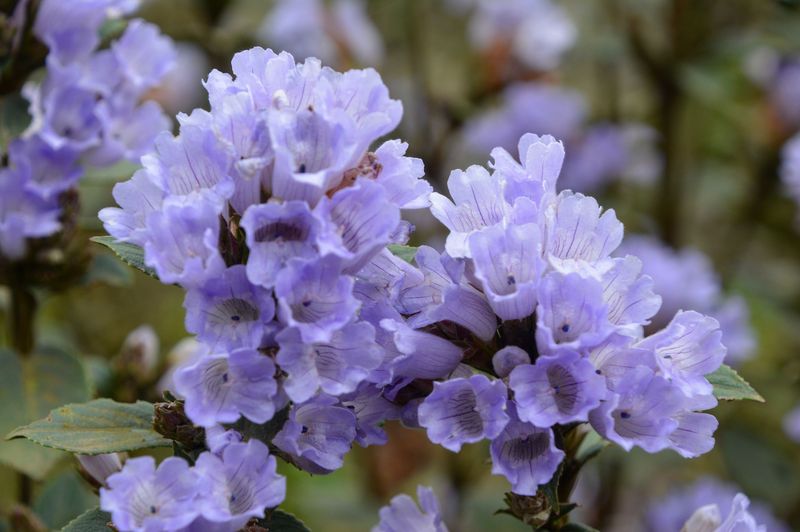
Neelakurinji, or Strobilanthes kunthiana, is famous for its gregarious bloom once every twelve years in the hills of Kerala, India. During this period, the hills transform into a sea of blue, captivating all who visit.
This mass flowering event draws tourists and nature lovers, eager to witness this breathtaking natural phenomenon.
The infrequent bloom of Neelakurinji stands as a stunning reminder of nature’s cycles, timing, and the anticipation it fosters in those who await its arrival.
14. Blue Poppy
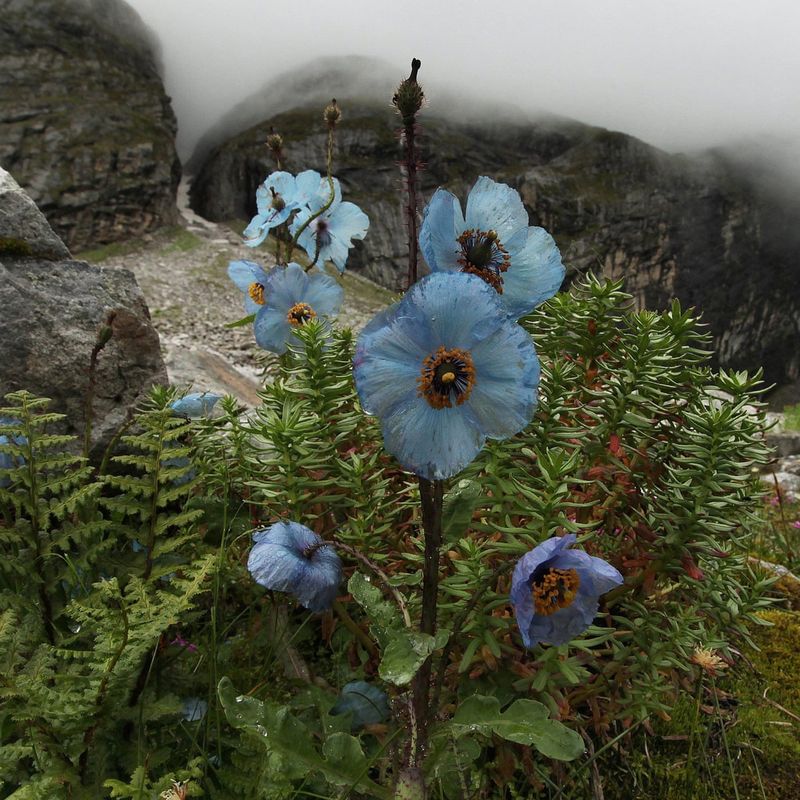
The Blue Poppy, Meconopsis betonicifolia, is renowned for its striking blue petals, often found in the icy landscapes of the Himalayas. Blooming annually, it thrives in the cool, high-altitude conditions.
Its vibrant color and delicate structure make it a sought-after flower among horticulturists and plant enthusiasts.
The Blue Poppy’s vivid hues symbolize serenity and resilience, capturing the imagination of those who admire its rare beauty amidst the rugged mountain terrain.
15. Evening Primrose
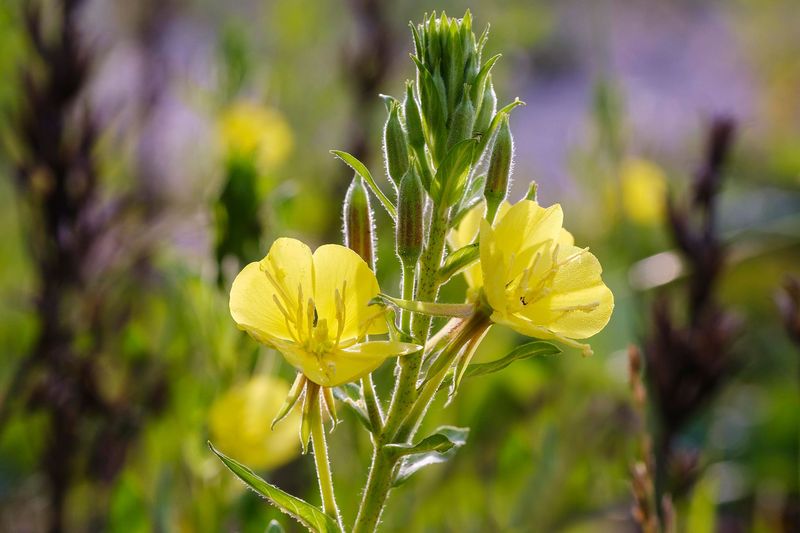
Evening Primrose, Oenothera biennis, is cherished for its yellow flowers that open at dusk. This nocturnal bloom unfurls in the evening, welcoming pollinators with its subtle glow.
Native to North America, it is often found in meadows and prairies, adding a touch of magic to the twilight hours.
Blooming once a year, the Evening Primrose offers a gentle reminder of nature’s rhythms and the quiet beauty that unfolds when the world is settling down for the night.