 Complete Gardening
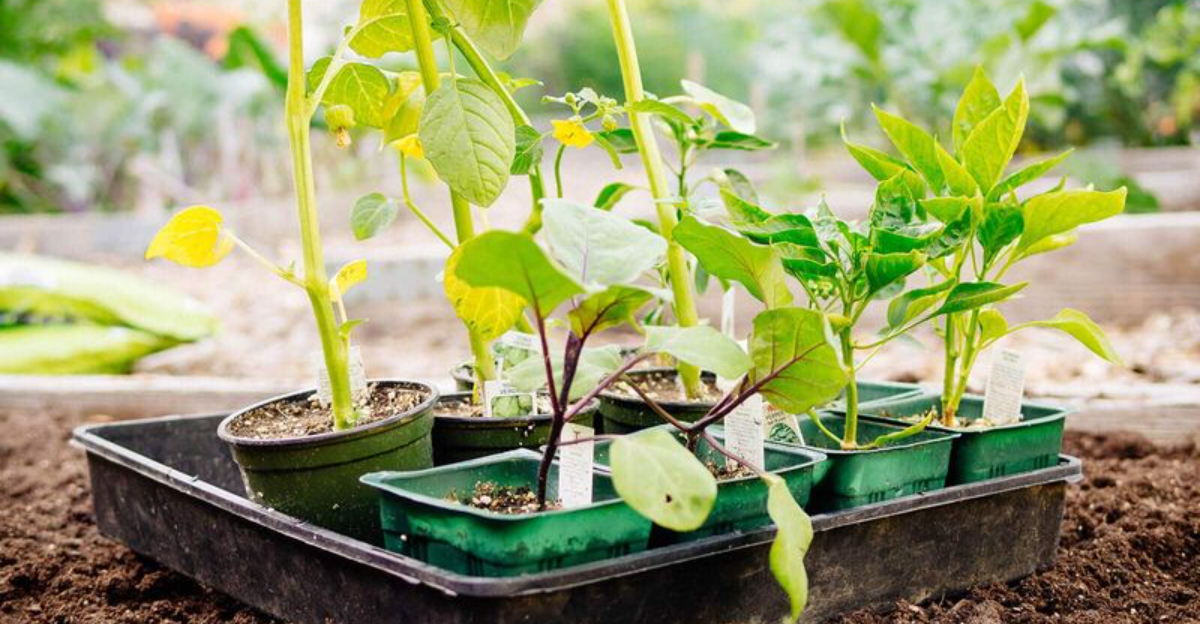
Cultivating a thriving vegetable garden requires more than just planting seeds. Many gardeners face the disheartening experience of watching their gardens fail by mid-summer. Understanding the common pitfalls can help prevent this outcome and ensure a bountiful harvest. This article explores fifteen crucial reasons why vegetable gardens often falter by July and offers practical solutions to overcome these challenges.
1. Poor Soil Preparation
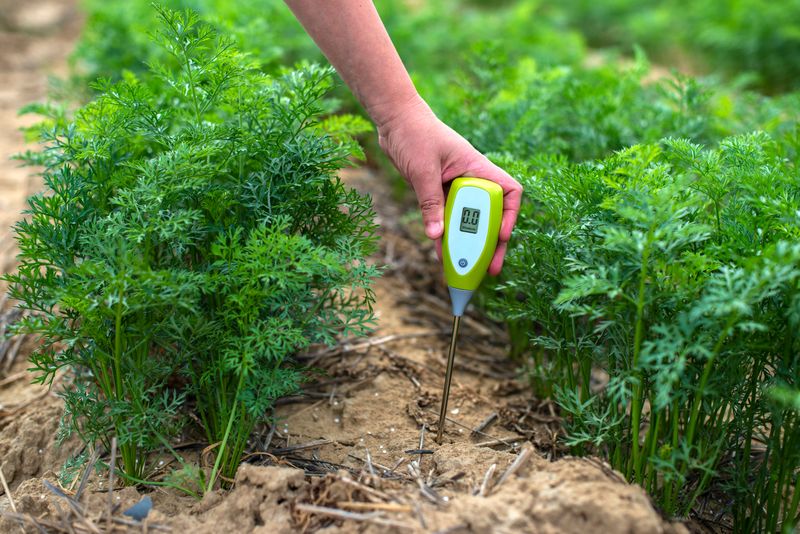
A garden starts with its foundation—the soil. Many neglect testing soil pH, leaving plants struggling. Ideal pH is between 6.0 and 7.0. Unprepared soil can lead to stunted growth and poor yields. However, the solution is simple: test and amend. Compost enriches the soil, providing essential nutrients and improving structure. Gardeners should focus on creating a hospitable environment for roots. Did you know? Healthy soil hosts millions of beneficial microorganisms that aid plant growth. By preparing the soil, you lay the groundwork for a successful garden.
2. Overwatering or Underwatering
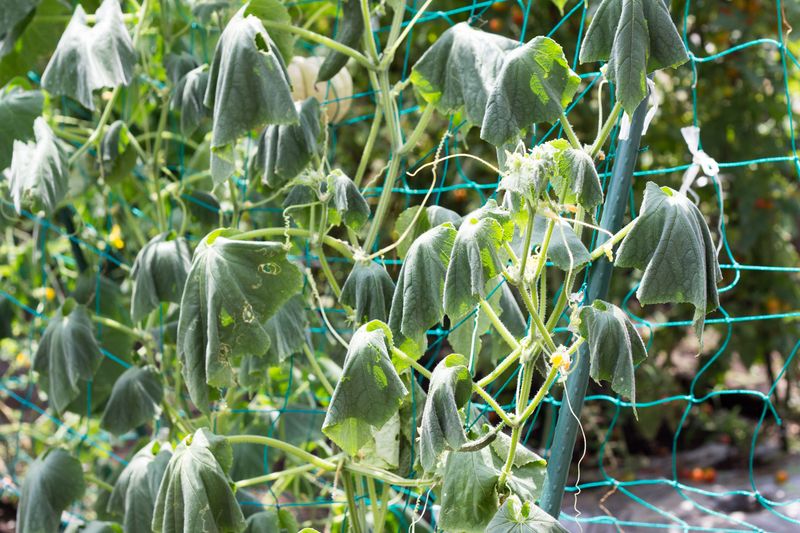
Water is both a life-giver and a potential wrecker. Overwatering can drown roots, while underwatering leaves them parched. The key is balance. A consistent watering schedule, deep 2–3 times weekly, is vital. Mulching helps retain moisture, keeping the soil evenly damp. During heatwaves, adjusting watering frequency is crucial to prevent stress. Surprisingly, roots need oxygen as much as water, making overwatering a common mistake. Have you ever noticed drooping leaves despite ample water? That’s a sign of overwatering. Achieving the right watering balance ensures healthy, thriving plants all season long.
3. Ignoring Spacing Guidelines
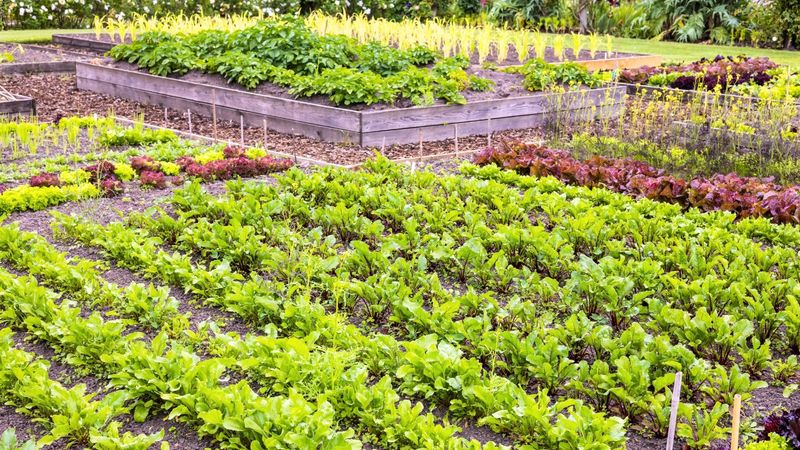
Picture a crowded subway—plants feel the same when cramped. Ignoring spacing guidelines is a common error that leads to disease and competition for resources. Each plant requires room for its roots and leaves to spread. Following seed packet instructions is essential. Tomatoes, for instance, need 24–36 inches. Lettuce should be spaced 6–12 inches. Proper spacing promotes airflow, reducing disease risk. Can you imagine a tomato struggling to grow in a sardine-packed garden? Avoid this pitfall by respecting each plant’s space requirements. A well-spaced garden is a healthy garden, free from unnecessary struggles.
4. Skipping Mulch
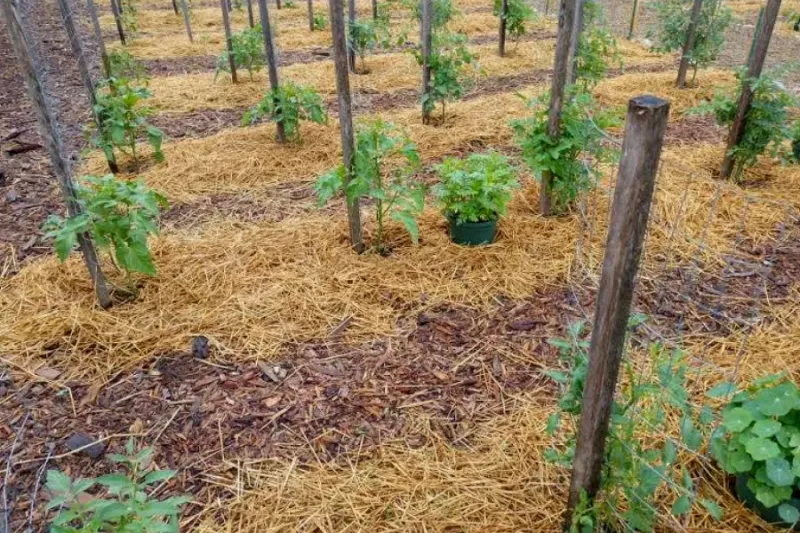
Bare soil is an invitation for weeds and moisture loss. Skipping mulch is a missed opportunity to suppress weeds and retain soil moisture. A layer of 2–3 inches of straw, leaves, or wood chips can work wonders. Mulch acts as a protective barrier, keeping the roots cool and reducing evaporation. Did you know that mulch also enriches the soil as it decomposes? By mulching, gardeners not only maintain soil temperature but also contribute to long-term soil health. Picture a garden carpeted with mulch, thriving without the constant battle against weeds and dryness.
5. Planting Too Late (or Too Early)
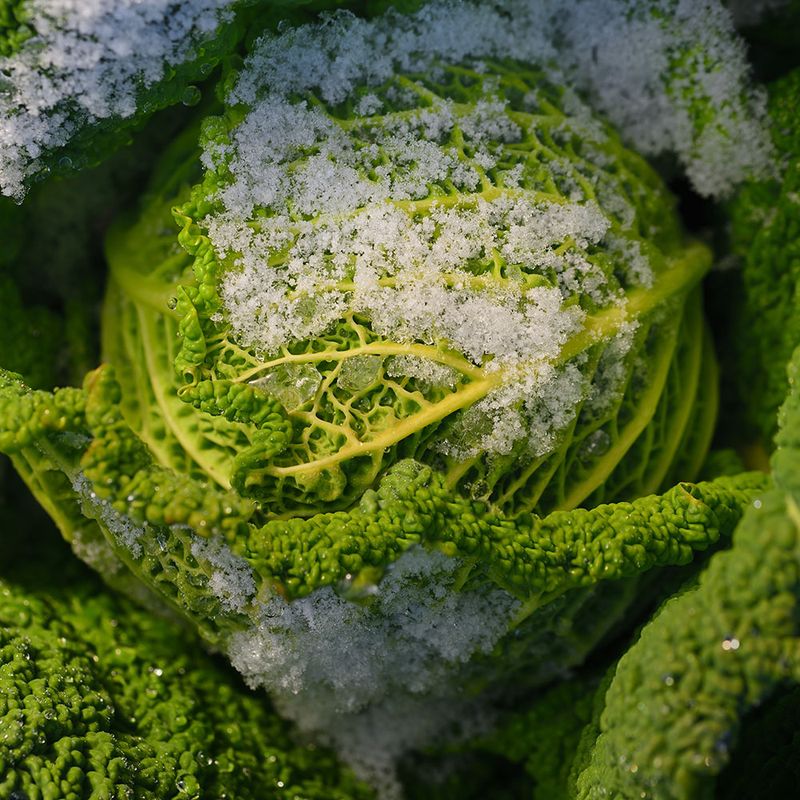
Timing in gardening is everything. Planting too late or too early can lead to wilting or frost damage. Heat-sensitive crops like lettuce bolt under intense summer sun, while frost can kill tender seedlings. Knowing your last frost date helps schedule planting appropriately. Warm-season crops like tomatoes and peppers thrive when soil warms up. Have you ever had plants fail despite your efforts? Timing could be the culprit. By understanding local climate patterns, gardeners can avoid missteps and ensure their plants flourish at the right time, avoiding unnecessary stress and loss.
6. Forgetting to Fertilize
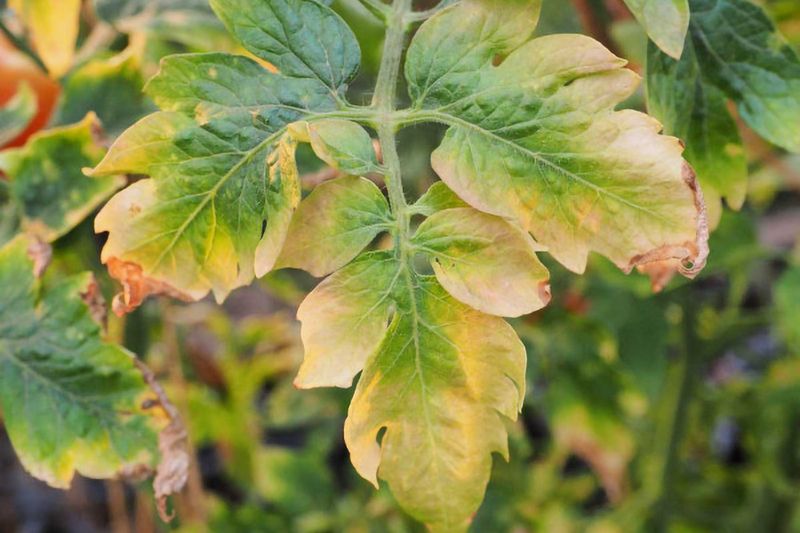
Plants, like all living things, need nourishment. Forgetting to fertilize can starve them, leading to yellowing leaves and stunted growth. Regular feeding, every 4–6 weeks, is crucial. Organic options like compost or fish emulsion provide essential nutrients. Imagine feeding your pets inconsistently—plants react similarly. A healthy dose of nutrients can mean the difference between a mediocre and a bountiful harvest. Did you know? Fertilization boosts plant resilience against disease and pests. By ensuring consistent nutrition, gardeners foster robust plant health and improve yield quality, avoiding the pitfalls of neglect.
7. Letting Weeds Take Over
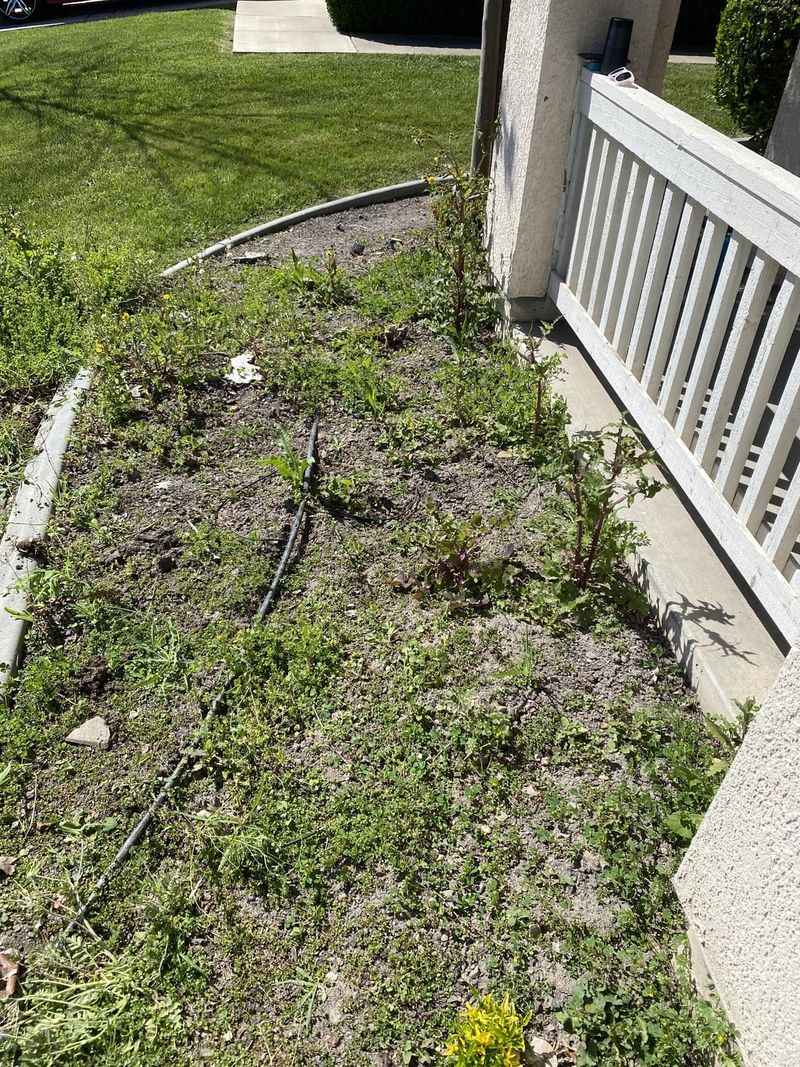
Weeds are the uninvited guests of any garden party. They compete for water and nutrients, often overshadowing cultivated plants. Weekly weeding is essential to keep them at bay. Landscape fabric or thick mulch can prevent their spread. Imagine a garden choked by unwanted greenery—it stifles the growth of intended crops. A little effort in weed management goes a long way. Do you recall that feeling of satisfaction after clearing a patch of weeds? It’s rewarding and crucial. By staying vigilant, gardeners protect their investment and ensure their plants have room to thrive.
8. Not Rotating Crops
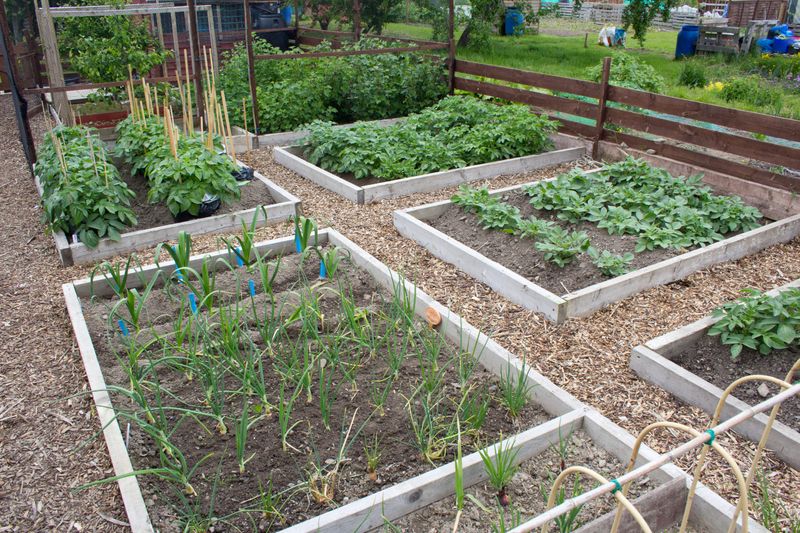
Repeating the same planting pattern invites trouble. Crop rotation is a practice that prevents disease buildup and nutrient depletion. By changing plant families each year, gardeners disrupt pest and disease cycles. For instance, following tomatoes with beans or lettuce can prevent soilborne issues. Have you ever struggled with recurring plant diseases? Lack of rotation might be the cause. This simple practice rejuvenates soil and enhances biodiversity. Embrace the change—your garden will thank you. With each rotation, the garden environment becomes healthier, more balanced, and less prone to common gardening woes.
9. Ignoring Pests Until It’s Too Late
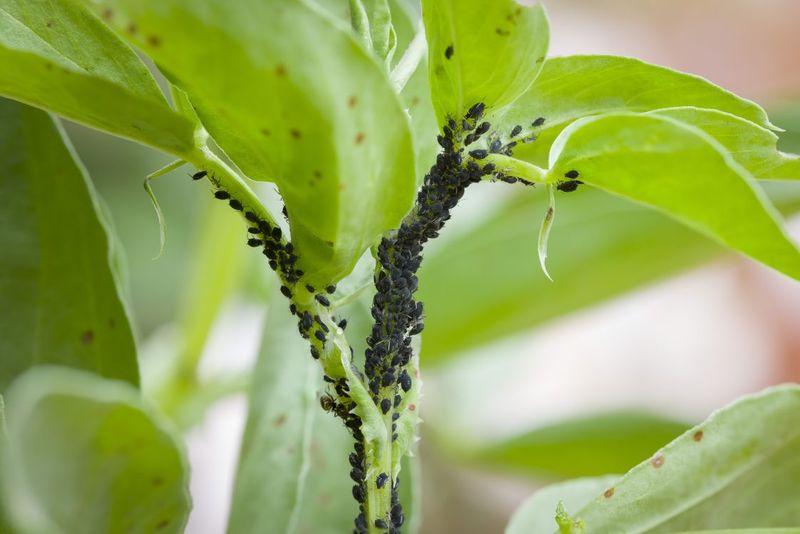
Pests are silent saboteurs. Ignoring them can lead to devastation. Daily checks are vital to catch issues early. Neem oil, hand-picking, or row covers can deter common threats like aphids and squash bugs. Imagine waking up to a garden ravaged overnight—preventable with vigilance. Have you ever found leaves riddled with holes? That’s a sign of pest activity. By staying attentive, gardeners can protect their plants from damage. Timely action is the key to preserving the garden’s beauty and productivity, ensuring a harvest that reflects the effort invested.
10. Failing to Prune or Trellis
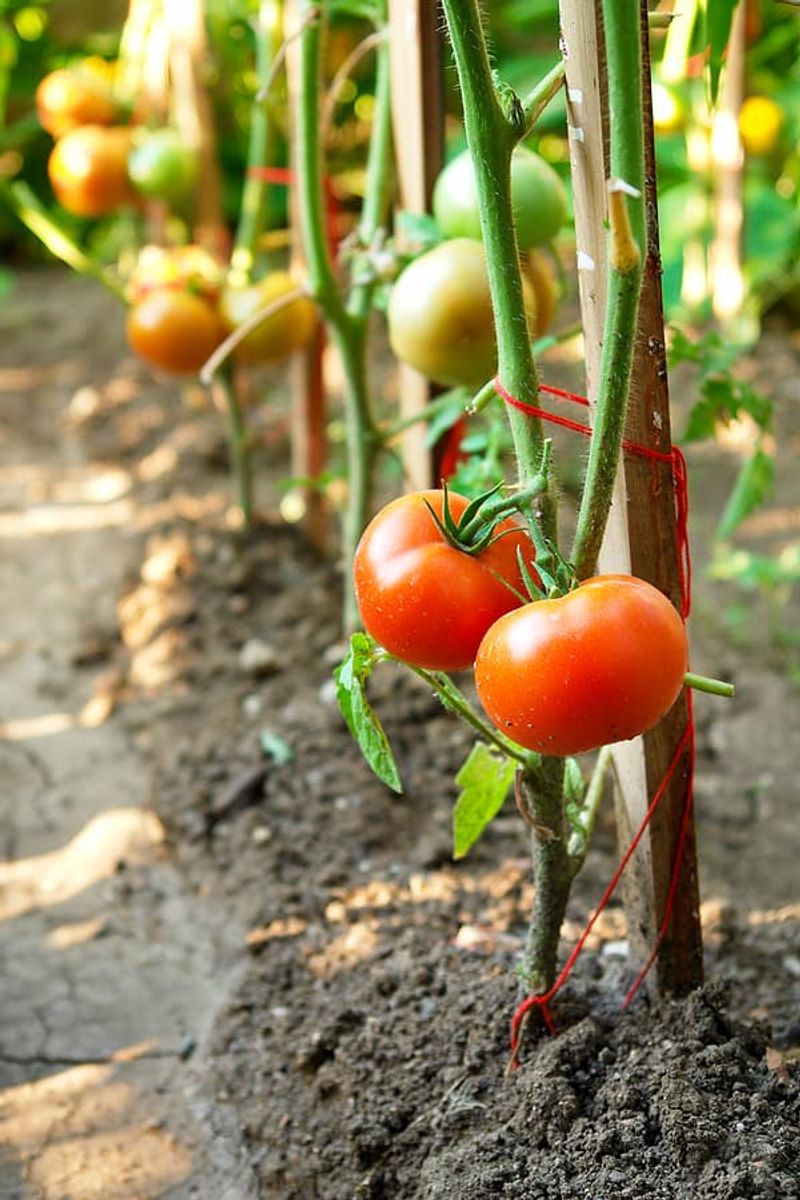
Support is as vital for plants as for people. Failing to prune or trellis can result in tangled, sprawling growth. Tomato plants, when unattended, can block airflow, leading to disease. Staking or trellising keeps them upright and healthy. Have you seen a plant sagging under its own weight? It’s a cry for help. By pruning suckers and providing support, gardeners ensure optimum growth and fruit production. Did you know? Trellised plants often produce higher yields due to increased light exposure. A little support goes a long way in nurturing garden success.
11. Planting the Wrong Varieties
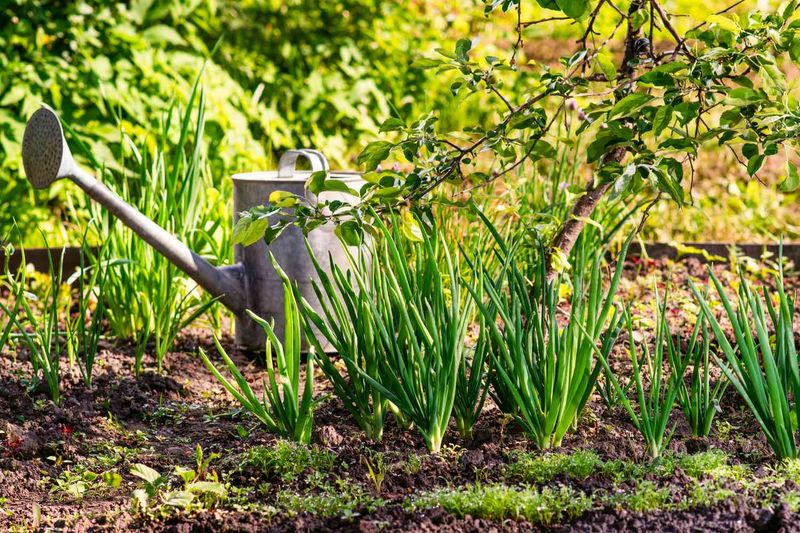
Choosing the wrong varieties can spell disaster. Planting slow-maturing tomatoes in short-season climates is a common mistake. Opt for disease-resistant, climate-appropriate varieties like ‘Early Girl’ tomatoes. Imagine waiting for a harvest that never comes. By understanding local climate conditions, gardeners can select the best-suited plants for their region. Have you ever been disappointed by a lackluster yield? The right variety choice can make all the difference. Ensure your garden’s success by doing a little research beforehand. The reward is a garden that thrives, offering bountiful produce in line with expectations.
12. Not Hardening Off Seedlings
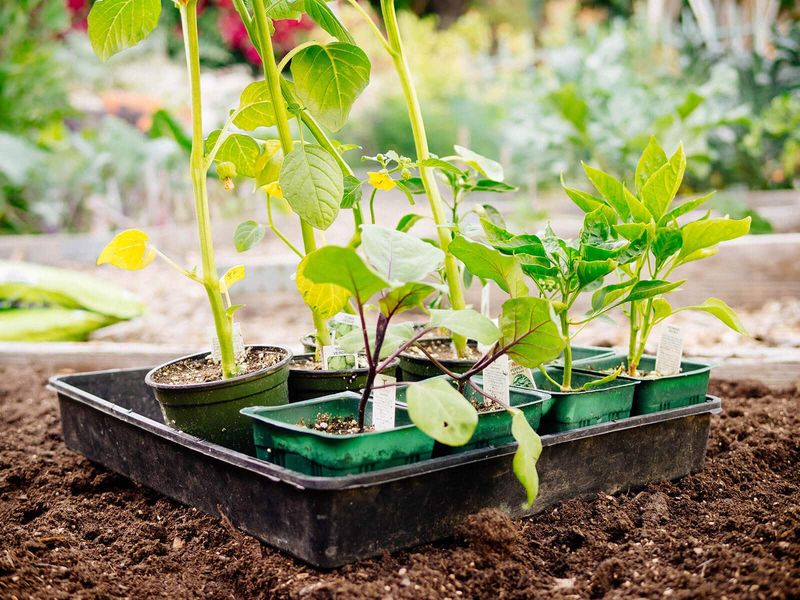
Seedlings are delicate, like newborns. Transplant shock occurs when indoor starts are moved outside too quickly. Hardening off gradually exposes them to outdoor conditions over 7–10 days. Imagine a sudden blast of wind—it’s overwhelming for tender plants. By easing seedlings into their new environment, gardeners enhance their resilience. Have you noticed wilting despite careful planting? It might be due to a lack of hardening off. This method reduces transplant stress, ensuring seedlings adapt smoothly. With careful acclimatization, your garden will flourish with robust, well-adjusted plants, ready to face the elements.
13. Overlooking Disease Signs
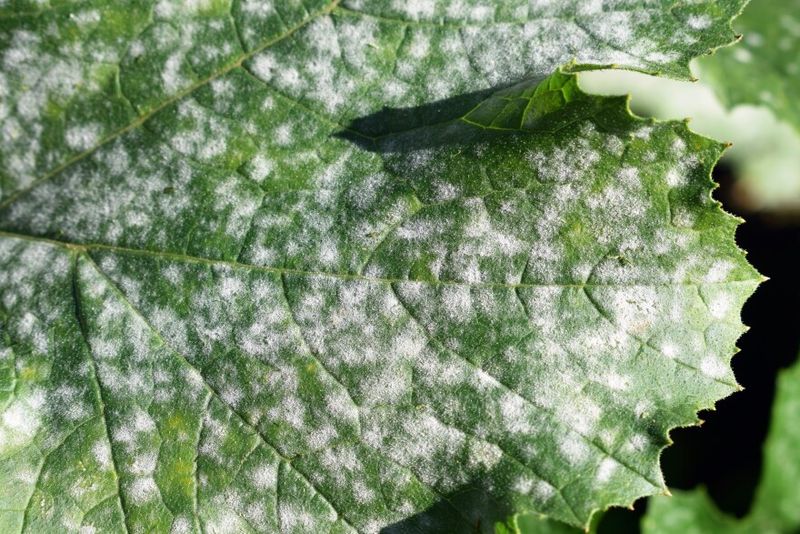
Diseases often creep in unnoticed. Overlooking signs like blight or powdery mildew can lead to widespread damage. Regular inspections are key. Removing infected leaves and watering at the base limits spread. Think of disease as a whisper—if ignored, it becomes a shout. Have you ever been caught off-guard by sudden plant decline? Monitoring is your best defense. Copper fungicide can be an effective ally. By recognizing early signs, gardeners can act swiftly, preventing significant losses. Keep diseases at bay and ensure a thriving garden by staying observant and proactive.
14. Letting Soil Get Too Hot
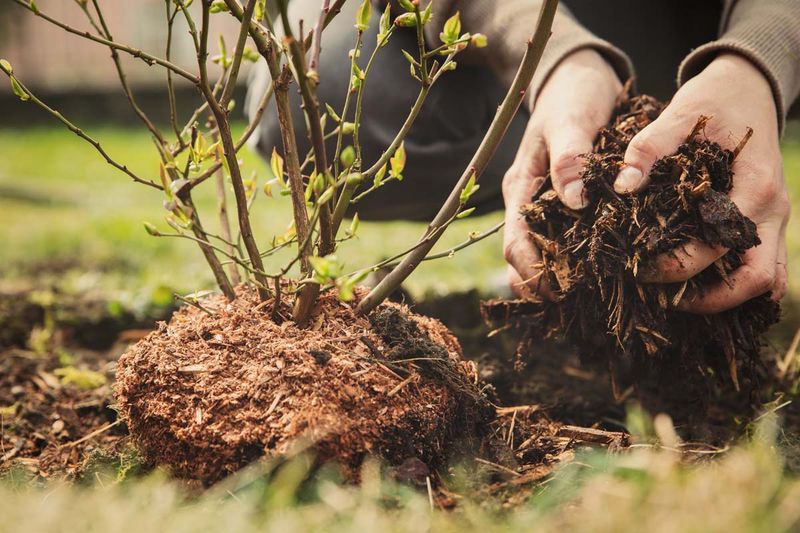
Roots, like people, dislike extreme heat. Letting soil get too hot, especially in containers, can bake roots. With light-colored mulch and shade cloth, gardeners can protect tender greens. Imagine the discomfort of standing on hot sand—plants feel similarly. Have you seen wilting despite regular care? Soil temperature might be the issue. By moderating heat, gardeners ensure plants remain comfortable and productive. Did you know? Excessive heat can slow plant growth and reduce yields. Keep your garden cool and thriving by managing soil temperature effectively, safeguarding your plants from scorching conditions.
15. Giving Up Too Soon!
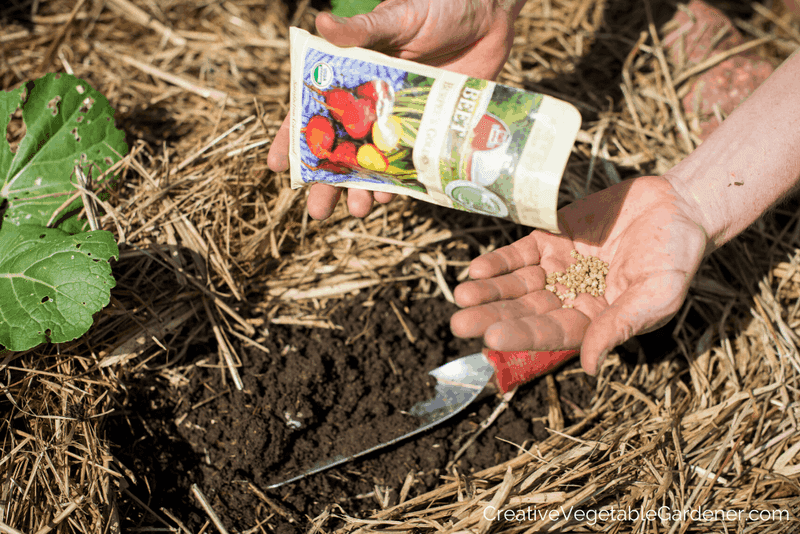
Gardening is a journey, not a destination. Giving up after a few setbacks can miss opportunities for recovery. Fast-growing crops like radishes or bush beans can offer quick wins. Imagine a phoenix rising from the ashes—your garden can too. Have you felt disheartened by early failures? Persistence is key. Focus on fall gardening or replant where possible. Did you know that many fall vegetables thrive in cooler temperatures? By embracing resilience, gardeners can turn challenges into triumphs. Keep going—every season offers new opportunities and lessons for a fruitful, rewarding garden experience.