 Complete Gardening
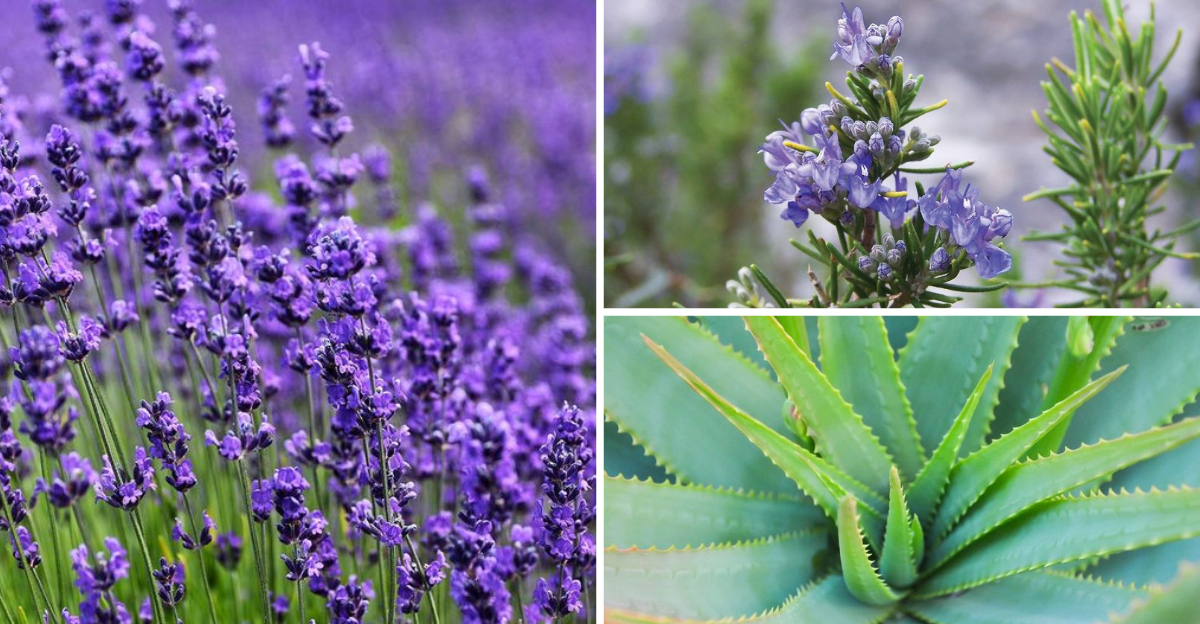
Drought-tolerant plants have long been the unsung heroes of garden landscapes. These resilient varieties offer more than just water efficiency. They hold secrets that most nurseries keep to themselves, often leaving gardeners unaware of their full potential. This article unveils 15 intriguing facts about these hardy plants that could transform the way you think about your garden.
1. Aloe Vera’s Secret Healing Properties
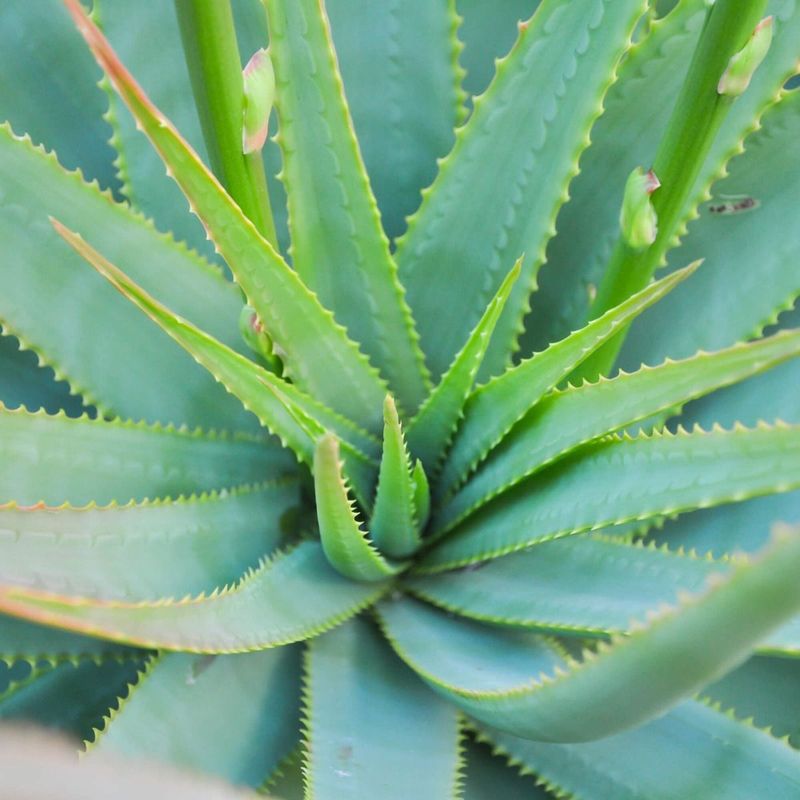
Aloe Vera, known for its soothing gel, does more than just ease sunburns. Within its thick, succulent leaves lies a powerhouse of antioxidants and vitamins. These components not only aid in skin healing but also boost immunity.
Many gardeners are unaware that Aloe Vera thrives in neglect, requiring minimal water and attention. In fact, its resilience is a key aspect that makes it an ideal choice for drought-prone areas.
Interestingly, the plant’s gel can also be used as a natural fertilizer, enriching soil with essential nutrients. Who knew this common plant held such multifaceted benefits?
2. The Mesmerizing Beauty of Agave
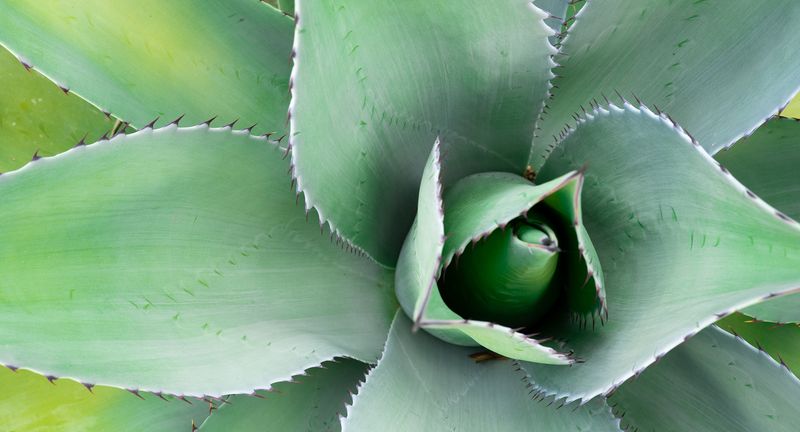
Agave, often associated with tequila, is a sight to behold in any garden. Its architectural form adds an exotic touch, making it a centerpiece in xeriscaping designs.
What many don’t realize is that Agave’s leaves store water, allowing it to endure even the harshest conditions. This makes it a staple for those looking to conserve water.
Beyond its aesthetic appeal, Agave fibers have been used historically for making ropes and textiles. Its versatility goes beyond the bottle, proving Agave is more than just a plant for spirits.
3. Lavender’s Unseen Benefits
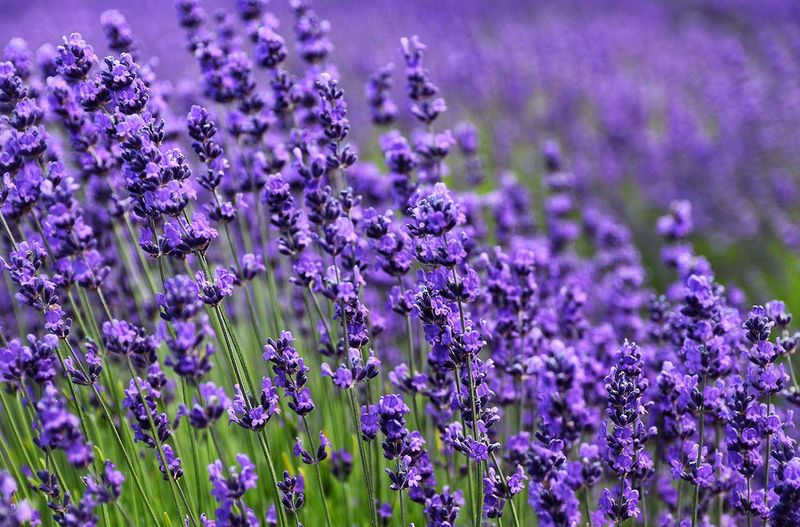
Lavender, with its calming fragrance, is often used in aromatherapy. Yet, its benefits extend to the garden. This drought-resistant herb acts as a natural pest deterrent, thanks to its fragrant oils.
Surprisingly, lavender requires little water once established, making it perfect for dry climates. Its robust nature doesn’t just stop pests; it attracts pollinators like bees and butterflies.
Gardeners treasure lavender not only for its beauty but also for its practicality. It’s a plant that harmonizes aesthetics with functionality, offering much more than meets the eye.
4. Succulents: Nature’s Water Banks
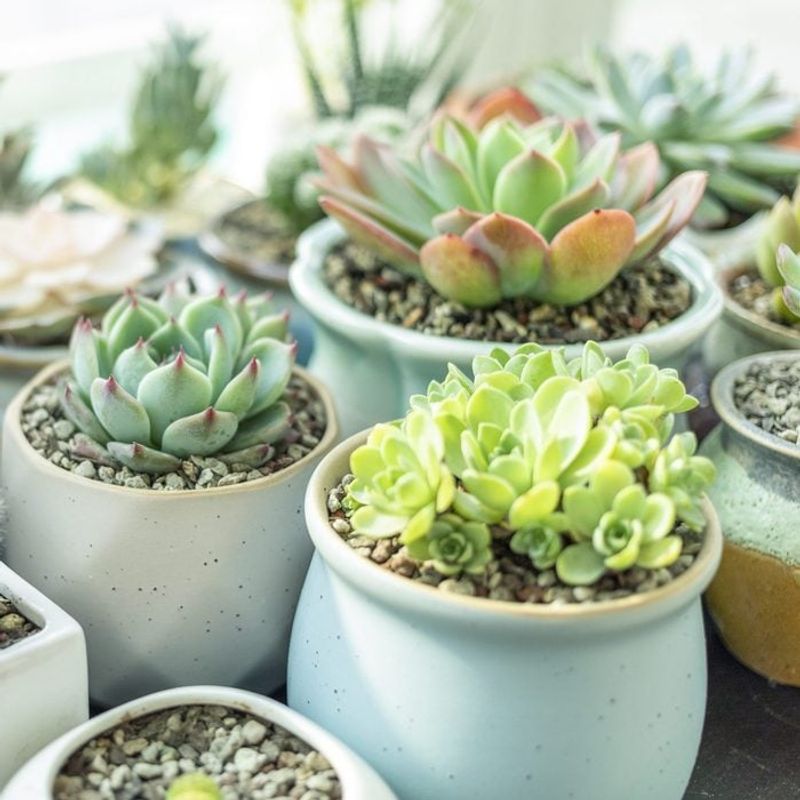
Succulents have become a popular choice for their unique appearance, but their ability to store water is their true magic. These plants possess specialized leaves that act as reservoirs, enabling them to survive long periods without rain.
Their vibrant colors and diverse shapes make them a favorite among decorators and gardeners alike. Despite their delicate look, succulents are hardy survivors, thriving on minimal care.
What remains largely unknown is their capacity to purify the air, contributing to a healthier home environment. Truly, succulents are nature’s little water banks with hidden talents.
5. Cacti: Desert Survivors
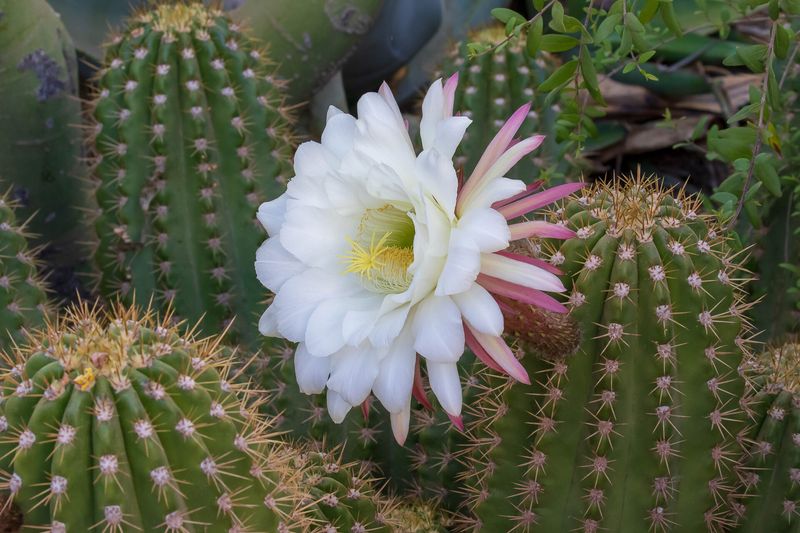
Cacti have long stood as symbols of desert landscapes, epitomizing resilience and endurance. Their ability to flourish in extreme conditions is due to their unique water-retaining capabilities.
While they are famed for their prickly exterior, cacti offer more than just survival skills. They bloom with stunning flowers that attract hummingbirds and bees, adding life to arid spaces.
Many cacti also have medicinal properties, historically used by indigenous cultures. Their adaptability and utility make them as much a part of human history as they are of the natural world.
6. Rosemary’s Robust Nature
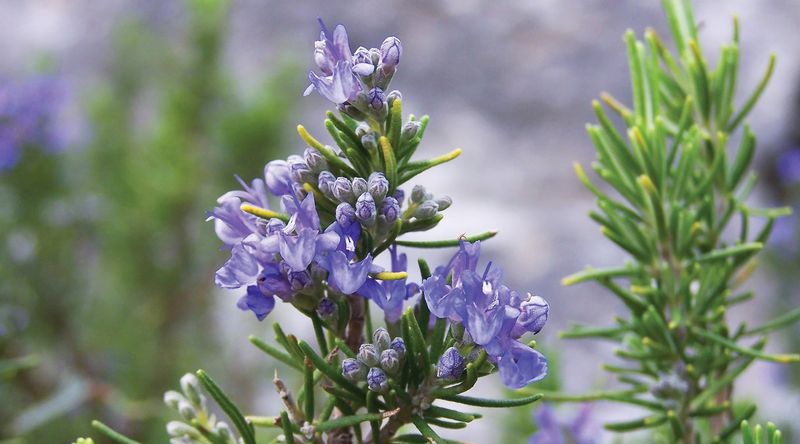
Rosemary, a staple in culinary arts, is not just confined to the kitchen. This hardy herb thrives in dry, rocky soils, making it a gardener’s ally in water conservation.
Its aromatic leaves add flavor to dishes and act as a natural pest repellent. Rosemary’s resilience is matched by its beauty, often sporting small, charming purple flowers.
Apart from its culinary uses, rosemary has been linked to improved cognitive performance. Its presence in gardens is both practical and aesthetically pleasing, offering a touch of elegance with its robust nature.
7. Yarrow’s Hidden Versatility
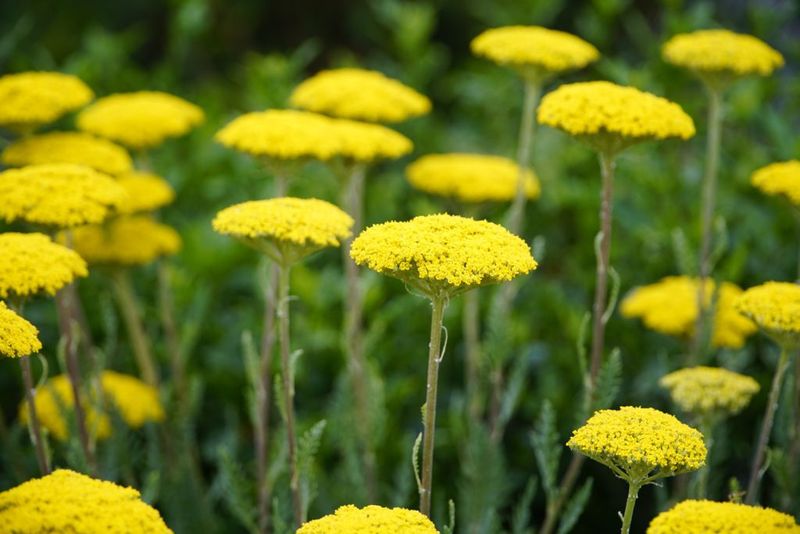
Yarrow, often overlooked, is a plant of diverse utility. Historically used in traditional medicine, it’s known for its ability to improve soil quality by accumulating nutrients from deep within the ground.
Its feathery foliage and vibrant blooms attract beneficial insects, making it an invaluable companion in any garden. Yarrow’s drought tolerance allows it to thrive where other plants might wither.
This hardy plant’s versatility is not limited to the garden; it has been used in making dyes and teas. Yarrow’s quiet strength lies in its adaptability and unassuming elegance.
8. The Resilient Sage
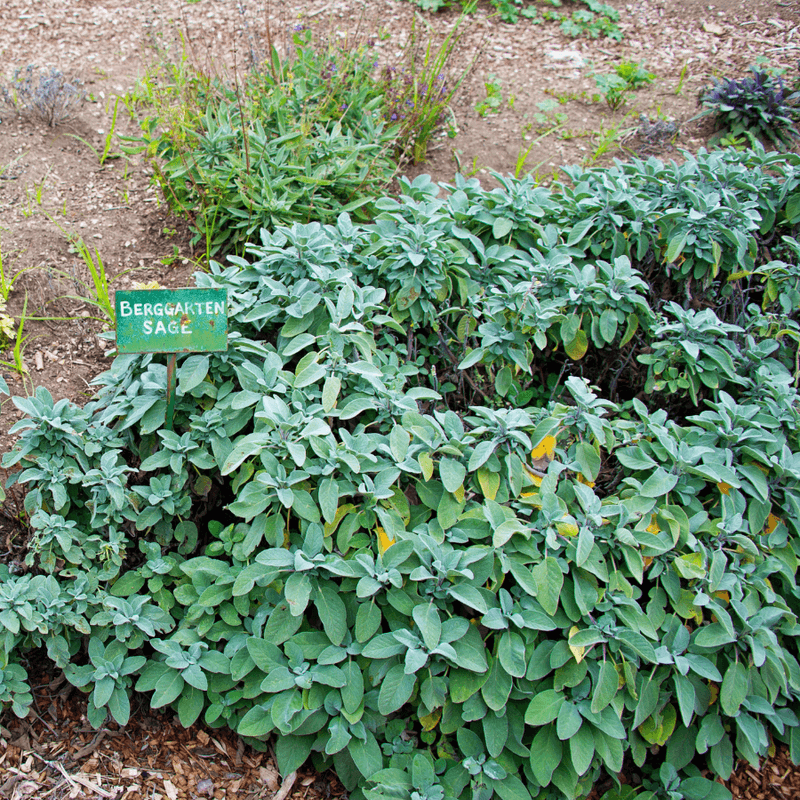
Sage is renowned for its earthy aroma and culinary uses, but its tenacity in dry climates is often underappreciated. This herb thrives on neglect, requiring little water to maintain its lush appearance.
Its resilience makes it ideal for xeriscaping, a landscaping philosophy that promotes water conservation. Sage’s beautiful grey-green leaves add texture and color to gardens, even in the hottest months.
Beyond its gardening merits, sage has been used medicinally for centuries, believed to enhance memory and cognitive function. It embodies a blend of practicality and tradition, thriving under the sun’s toughest rays.
9. The Underappreciated Ice Plant
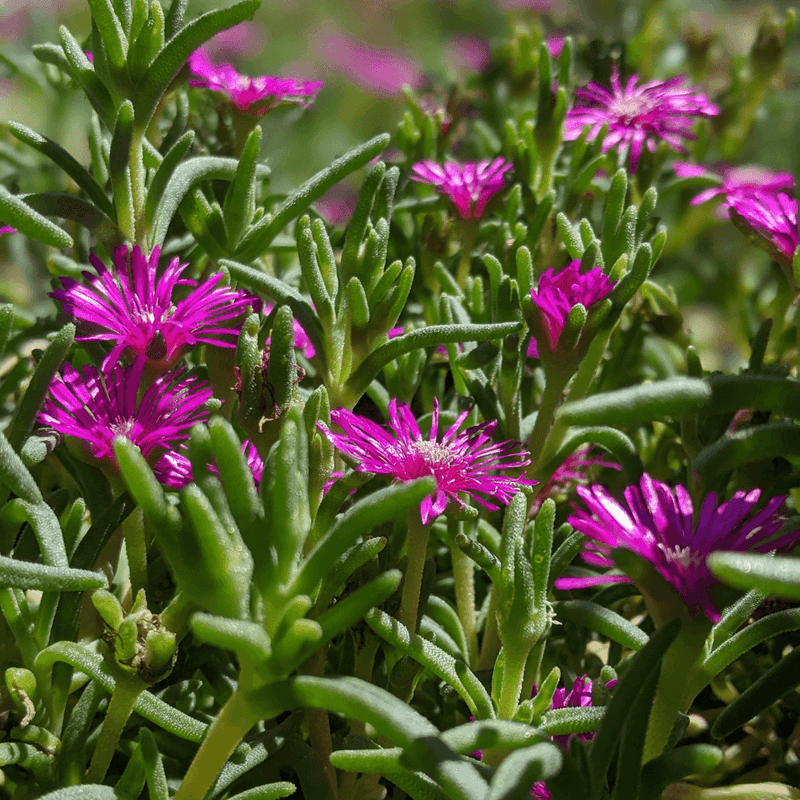
The ice plant, with its shimmering leaves, is a coastal favorite for its vibrant blooms and salt tolerance. Its ability to store water in its fleshy leaves allows it to endure prolonged droughts.
Despite its delicate appearance, the ice plant is a robust survivor. It’s an excellent choice for ground cover, preventing soil erosion while adding color to landscapes.
The plant’s unique texture and brilliant flowers make it a standout addition to gardens. Often underestimated, the ice plant reveals its worth in its ability to beautify with minimal water use.
10. Bougainvillea’s Vibrant Resilience
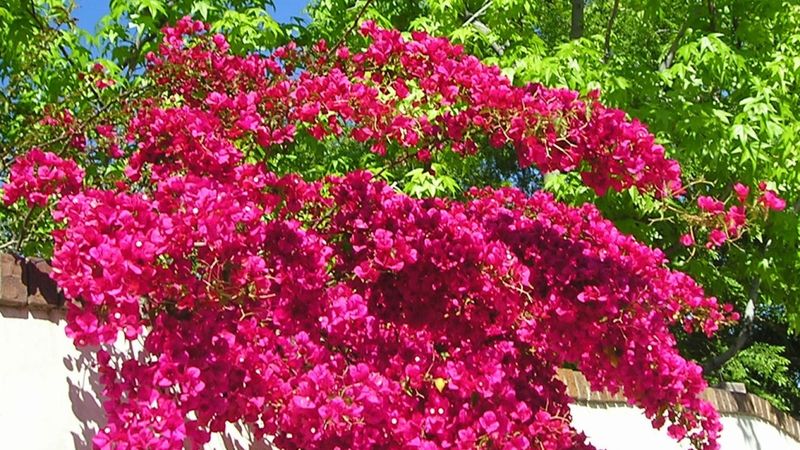
Bougainvillea is famous for its vibrant bracts that create a cascade of color on walls and fences. Its low water needs and rapid growth make it a favorite in dry regions.
The plant thrives in poor soil, where its roots seek deep moisture. This ability to adapt makes it a go-to for those looking to add color without extensive watering.
Bougainvillea’s striking appearance is matched by its resilience. Often, its beauty overshadows its practicality, as it flourishes with little care, brightening spaces with its dazzling hues.
11. The Adaptive Lantana
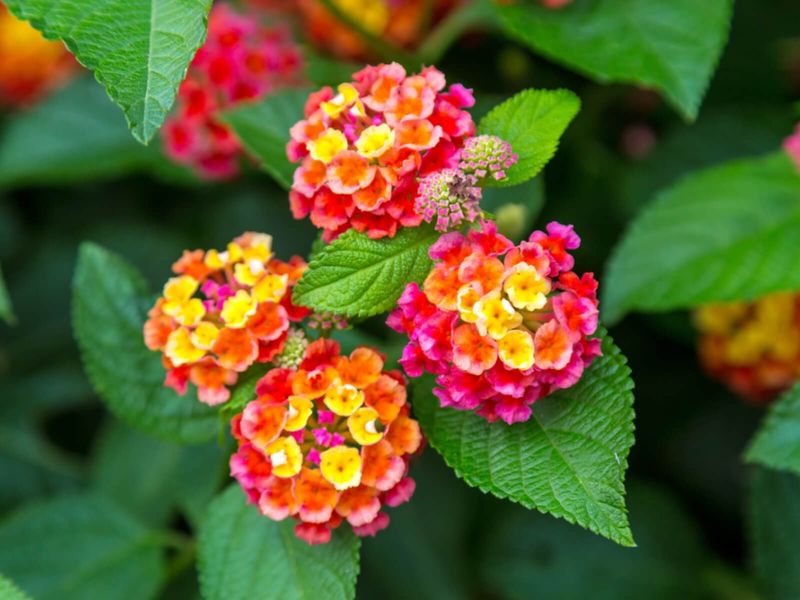
Lantana’s multicolored blooms are a visual delight, offering an ever-changing palette as they mature. This plant’s ability to withstand heat and drought makes it a staple for sunny gardens.
Its vibrant flowers attract butterflies and hummingbirds, making it a lively addition to any landscape. Despite its ornamental appeal, lantana is a low-maintenance plant, requiring minimal care.
The plant’s adaptability doesn’t end with weather resistance; it thrives in a variety of soils. Lantana’s cheerful presence brings life to gardens, proving beauty can be both vibrant and enduring.
12. Oleander’s Surprising Durability
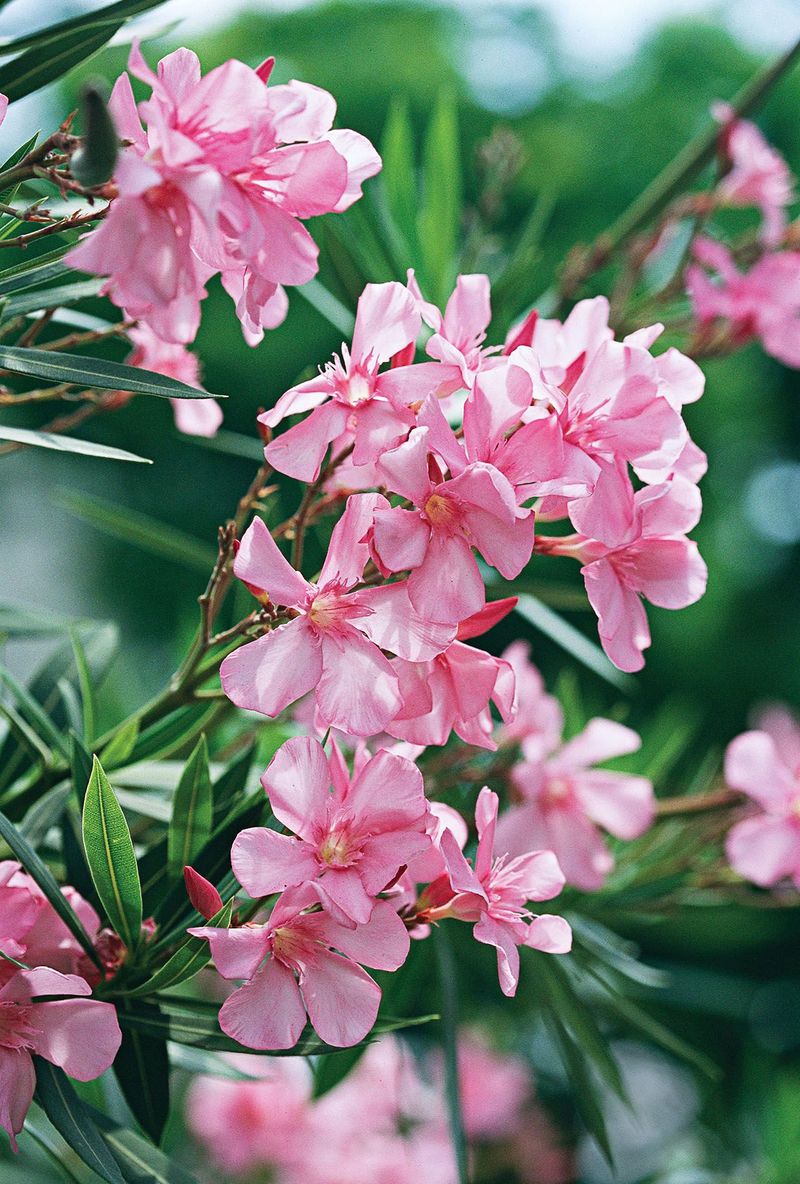
Oleander is often seen lining highways, yet its beauty belies a sturdy constitution. This evergreen shrub is renowned for its drought tolerance and ability to thrive in poor soil.
Despite its toxicity, which is a deterrent to animals, oleander’s flowers add a lush charm to gardens and public spaces. Its ability to withstand harsh conditions makes it a versatile choice for challenging landscapes.
This plant’s resilience and ornamental appeal make it a popular choice for gardeners seeking low-maintenance options. Oleander stands as a testament to nature’s ability to withstand and beautify even in adversity.
13. The Hardy Eucalyptus

Eucalyptus trees, with their distinctive fragrance, are more than just koala favorites. These trees are well-suited for dry climates, thanks to their deep root systems that seek out water.
Their silvery leaves reflect sunlight, reducing water loss and allowing them to thrive in arid conditions. Beyond their drought tolerance, eucalyptus trees offer shade and are valued for their oil, used in various therapeutic applications.
Despite their towering presence, these trees have an elegant grace, swaying gently in the breeze. Eucalyptus trees embody both resilience and utility, adapting beautifully to dry environments.
14. The Tenacious Juniper
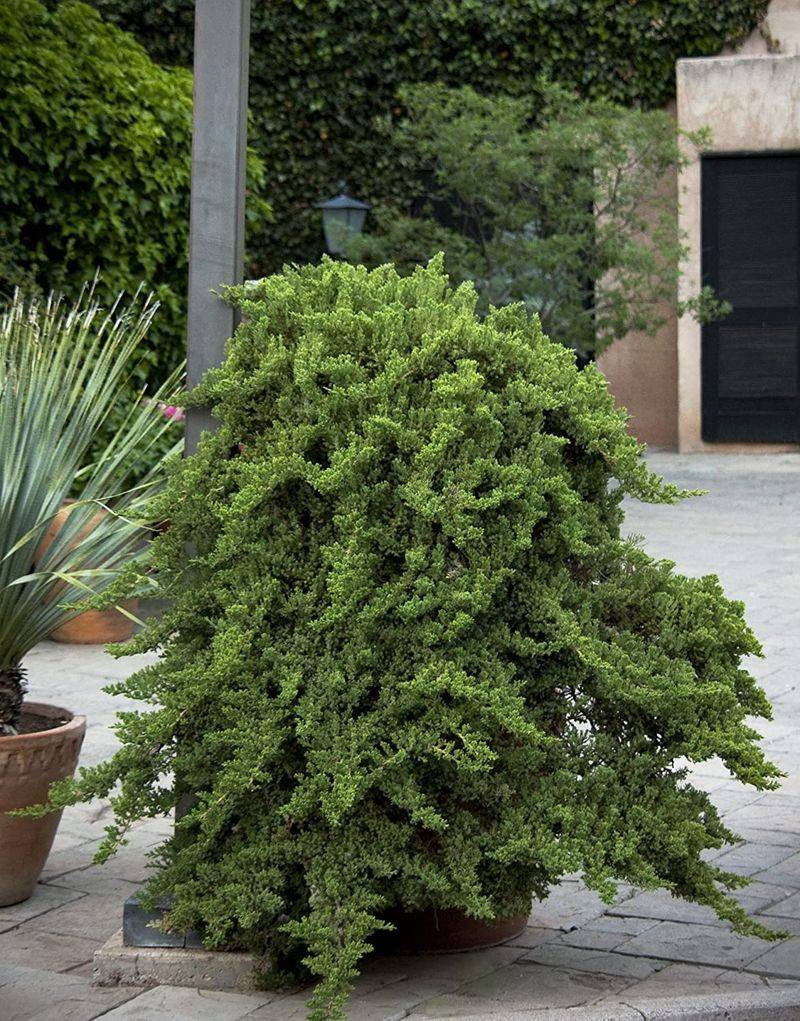
Junipers are rugged plants that thrive where few others can. Their needle-like foliage and berry-like cones add texture and color to landscapes, even in less-than-ideal conditions.
These plants require minimal water, making them perfect for xeriscaping. Junipers also provide habitat for wildlife, offering shelter and food for various species.
Their ability to withstand wind and poor soil conditions showcases their adaptability. Junipers are not only resilient but also bring a sense of depth to gardens with their varied shapes and sizes, standing strong against the elements.
15. The Enigmatic Russian Sage
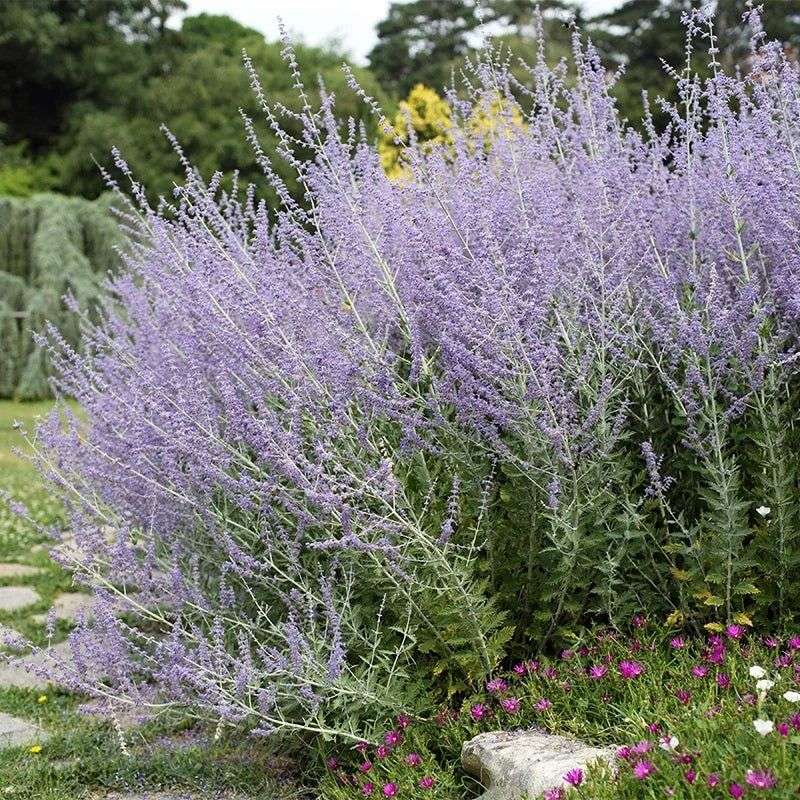
Russian sage, with its tall spires of lavender flowers, is both eye-catching and hardy. Its drought tolerance makes it a favorite for xeriscaping, thriving on neglect while offering a long-lasting bloom.
The plant’s fragrant leaves deter deer and pests, adding to its practicality in gardens. Its silver-gray foliage provides a striking contrast to its vibrant flowers, creating visual interest.
Russian sage’s hardiness is matched by its elegance, making it a versatile choice for both formal and informal landscapes. Its beauty is only surpassed by its ability to flourish with minimal care.