 Complete Gardening

Sunflowers are a vibrant addition to any garden, boasting both beauty and height. Achieving the tallest sunflowers in the neighborhood requires a blend of careful planning, attention to detail, and a few gardening secrets.
These towering beauties can become the pride of your garden if given the right conditions. From selecting the ideal seeds to ensuring optimal sunlight, each step plays a crucial role in sunflower cultivation.
1. Choose the Right Seeds
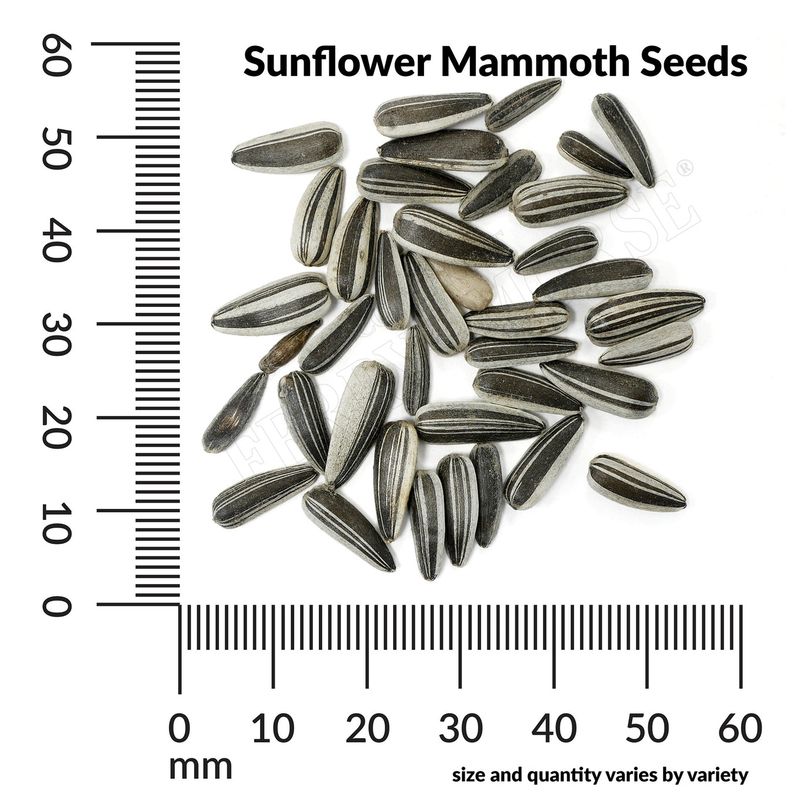
Selecting the right sunflower seeds can make a world of difference in your growing journey. Opt for varieties known for their height, such as the Mammoth or Russian Giant. These seeds are bred specifically to reach impressive heights.
Avoid smaller ornamental types if your goal is size. Ensure the seeds are fresh, as older seeds may have reduced germination rates. Consider purchasing from reputable suppliers who specialize in giant varieties.
This foundational step sets the stage for towering sunflowers that will be the envy of the neighborhood, standing tall and proud.
2. Prepare the Soil

Rich, well-draining soil is key to growing large sunflowers. Begin by tilling the soil to a depth of at least 2 feet to encourage deep root growth. Add organic matter, such as compost or well-rotted manure, to enhance soil fertility.
Testing the pH level can be beneficial, aiming for a slightly acidic to neutral range. Mixing in a balanced slow-release fertilizer ensures nutrients are available throughout the growing season.
Such preparation provides the vital foundation for your sunflowers, encouraging robust stalks and vibrant blooms.
3. Sunshine Exposure

Sunflowers thrive on sunlight, requiring at least 6 to 8 hours of direct exposure daily. Plant them in a location where they can soak up the full sun without obstruction.
This exposure not only fuels photosynthesis but also encourages strong, tall growth. Avoid planting near trees or structures that may cast shade during peak sunlight hours.
Maximizing their time in the sun accelerates their growth, resulting in the towering presence for which sunflowers are famous.
4. Water Wisely

Proper watering is crucial for sunflower growth. These plants prefer deep, infrequent watering to encourage deep root development.
Water once a week, ensuring the soil is thoroughly moistened, especially during dry spells. Avoid overwatering, as it can lead to root rot.
A layer of mulch can help retain moisture, reducing the need for frequent watering. This balance provides sunflowers with the hydration they need without drowning them, allowing them to reach their full potential.
5. Support Sturdy Growth

To prevent your towering sunflowers from toppling, providing support is essential. As they grow, use stakes or garden twine to stabilize them, especially in windy areas.
Begin staking early to avoid damaging roots. Secure the plants loosely, allowing them to sway slightly in the wind.
This movement strengthens their stalks, much like gentle exercise. With sturdy support, your sunflowers can withstand weather challenges and grow to their majestic heights without fear of collapse.
6. Fertilize Regularly

Regular fertilization is crucial for giant sunflowers. Use a balanced liquid fertilizer every few weeks to provide essential nutrients like nitrogen, phosphorus, and potassium.
Be mindful not to over-fertilize, as it can lead to excessive leaf growth at the expense of blooms.
Focus on a steady supply of nutrients to promote healthy, robust plant development. This consistent feeding schedule ensures your sunflowers have the energy to reach skyward and produce magnificent blooms.
7. Choose the Best Location

Selecting the ideal location for planting is a vital step. Opt for an area with plenty of space, as sunflowers require room to grow both upwards and outwards.
Ensure the spot is free from obstructions that might block sunlight or restrict growth. Adequate airflow is also important to prevent disease.
By carefully choosing the location, you provide your sunflowers with the best possible environment to thrive, ensuring they become the tallest in the neighborhood.
8. Control Weeds and Pests

Weeds and pests can impede the growth of your sunflowers. Regularly inspect your plants for signs of pests, such as aphids or beetles, and treat them promptly.
Use natural pest control methods to avoid harming beneficial insects. Keep the area around the sunflowers weed-free to reduce competition for nutrients and moisture.
This vigilance ensures your sunflowers have the resources they need to grow tall and remain healthy throughout the season.
9. Prune for Strength

Pruning can enhance the strength and height of sunflowers. Remove smaller, weaker stems to allow the plant to focus energy on the primary stalk.
This practice encourages the development of a stronger, taller central stem. Pruning should be done carefully to avoid damaging the main plant.
Regularly check for diseased or damaged leaves and remove them to promote overall plant health. Such attentive care maximizes the potential of your sunflowers to reach impressive heights.
10. Rotate Crops Annually

Rotating crops is a strategy to improve soil health and reduce disease. Avoid planting sunflowers in the same spot each year to prevent nutrient depletion and soil-borne diseases.
Rotate with nitrogen-fixing plants like legumes to enrich the soil. This practice can lead to healthier, more vigorous growth in subsequent seasons.
By varying planting locations, you ensure that the soil remains fertile and conducive to growing giant sunflowers year after year.
11. Monitor Growth Progress
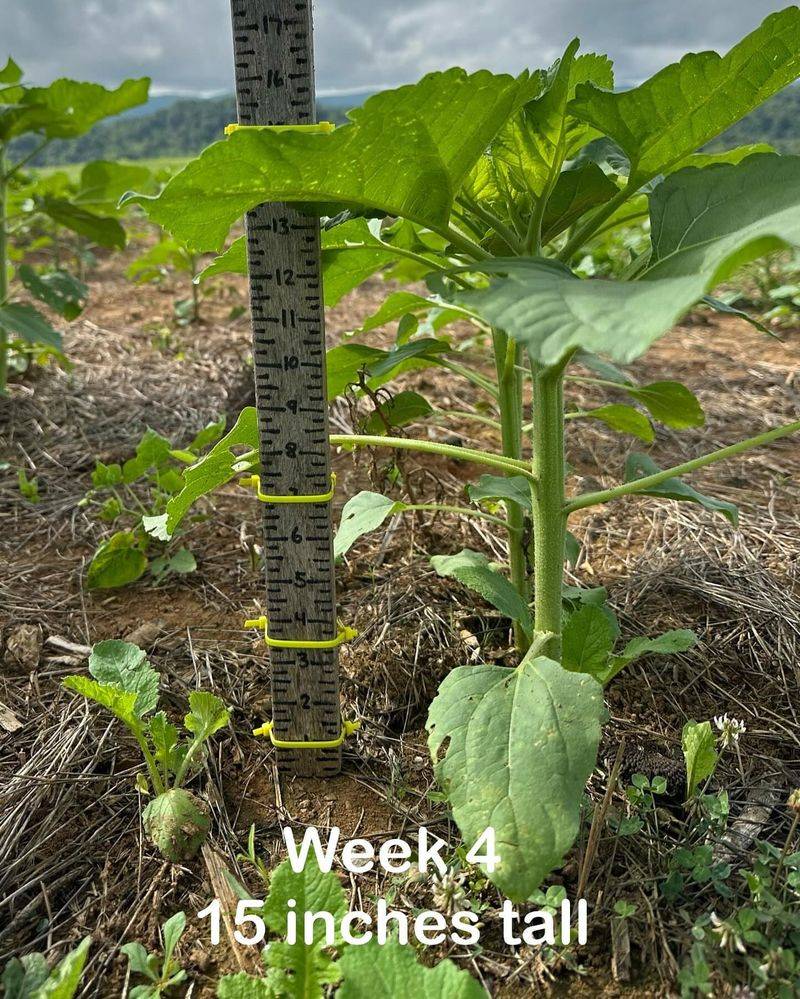
Keeping track of your sunflowers’ growth can help identify areas for improvement. Regularly measure their height and observe changes in leaf color and flower development.
This monitoring helps you respond to any issues promptly, such as nutrient deficiencies or pest infestations.
Consistent observation ensures that your sunflowers stay on track to becoming the tallest in the neighborhood, allowing you to make informed adjustments to your growing strategy.
12. Encourage Pollination

Pollination is essential for sunflower seed production. Attract pollinators by planting companion flowers like lavender or zinnias nearby.
Create a welcoming environment for bees and butterflies, essential for pollination. Their activity not only aids in seed development but also enhances flower size and plant vigor.
A garden teeming with pollinators will result in more robust sunflowers, showcasing their full stature and brilliance.
13. Ensure Adequate Spacing

Proper spacing is crucial for sunflower health and growth. Plant seeds at least 2 feet apart to allow ample room for root expansion and air circulation.
Crowded conditions can lead to weaker plants and increased susceptibility to disease. Adequate spacing ensures each sunflower has access to sufficient resources, promoting stronger, taller growth.
This careful planning results in a garden filled with sunflowers that stand tall and proud, unimpeded by competition.
14. Select Optimal Planting Time

Timing your planting is key to success. Sunflowers should be planted after the last frost, once the soil has warmed to at least 50°F.
Planting too early can lead to seedling frost damage, while waiting too long may shorten the growing season.
Understanding your region’s climate can guide you in determining the perfect planting window. By selecting the optimal time, you set the stage for sunflowers to grow vigorously and reach their towering potential.
15. Protect from Strong Winds
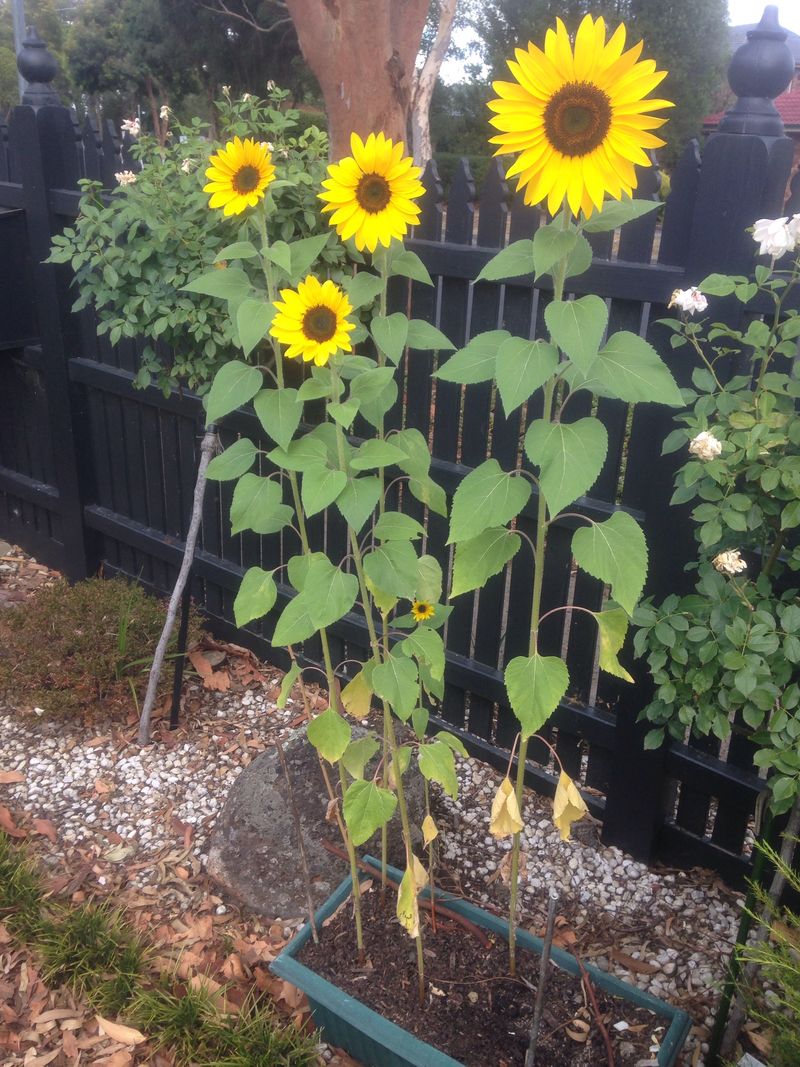
Strong winds can be detrimental to tall sunflowers, causing breakage or uprooting. Consider planting windbreaks like hedges or temporary fencing to shield them.
Position sunflowers in a spot with natural wind protection, if possible. This barrier helps them remain upright and unharmed during gusty conditions.
Such protection is essential for ensuring that your sunflowers not only survive but also thrive, reaching the heights you envision for your garden.