 Complete Gardening
In today’s world, where urbanization is on the rise and living spaces are shrinking, the challenge of growing your own food can seem daunting. However, with a bit of creativity and strategic planning, you can maximize your garden’s potential, even in the smallest of spaces.
In this blog post, we’ll explore 15 ingenious tricks to help you grow more food without needing more space. From vertical gardens to strategic planting, these tips will empower you to turn any patch of land into a bountiful mini-farm.
1. Go Vertical
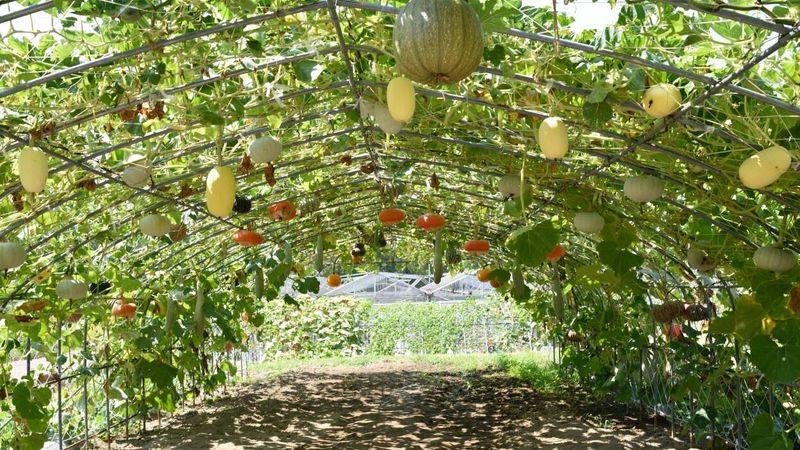
Imagine transforming a simple wall into a cascade of greenery. Going vertical means training vining plants, like cucumbers and peas, up trellises or cages rather than letting them sprawl. This not only frees up precious ground space but also enhances air circulation, reducing disease risk.
Vertical gardening also adds a beautiful visual element to your space, turning an otherwise plain area into a vibrant, living tapestry. Additionally, harvesting becomes easier, as fruits hang conveniently at eye level. It’s a practical, stunning solution for those with limited garden space.
2. Plant in Layers
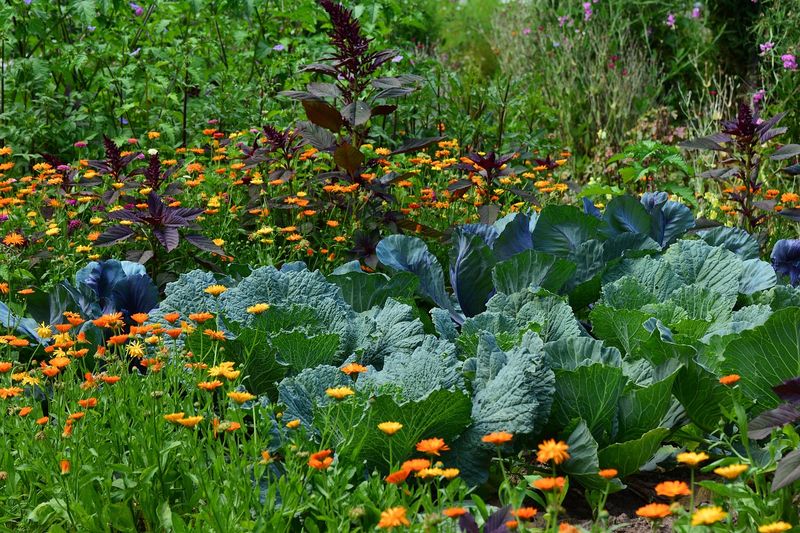
Think of your garden as a layered forest. By planting in layers, you mimic natural ecosystems, where tall plants like corn provide much-needed shade for heat-sensitive crops such as lettuce.
This method allows you to utilize every inch of your garden, creating a harmonious environment where plants support each other. By strategically layering, you can extend the growing season for cooler crops.
Moreover, this approach encourages biodiversity, enhancing pest control and soil health naturally. Your garden becomes a self-sustaining, productive ecosystem.
3. Use Raised Beds
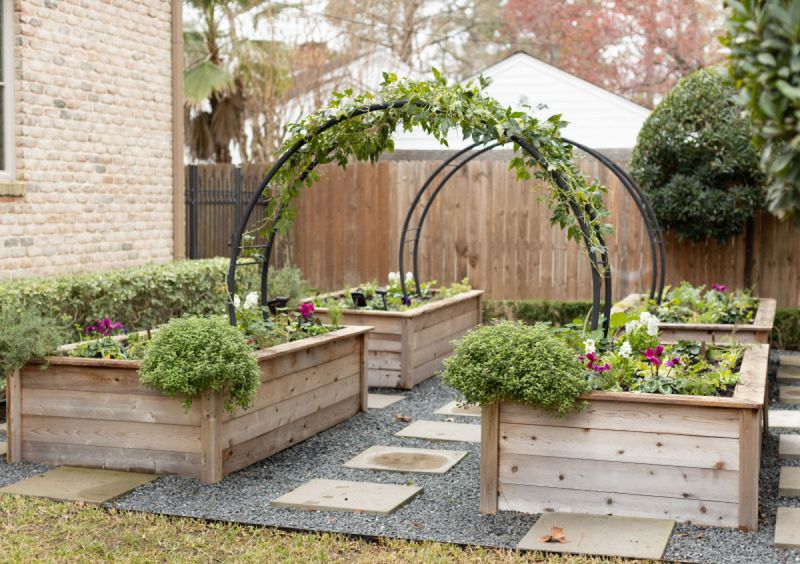
Raised beds are a gardener’s best friend. They warm up faster in spring, ensuring an early start to the growing season. By elevating the soil, you improve drainage and prevent soil compaction, allowing roots to thrive.
With intensive planting, you can grow more in less space, reducing weeds and optimizing yields. Raised beds also offer accessibility advantages, making gardening easier on the back and knees.
Construct them using sustainable materials, and they become an eco-friendly, long-lasting feature of your garden.
4. Try Square Foot Gardening
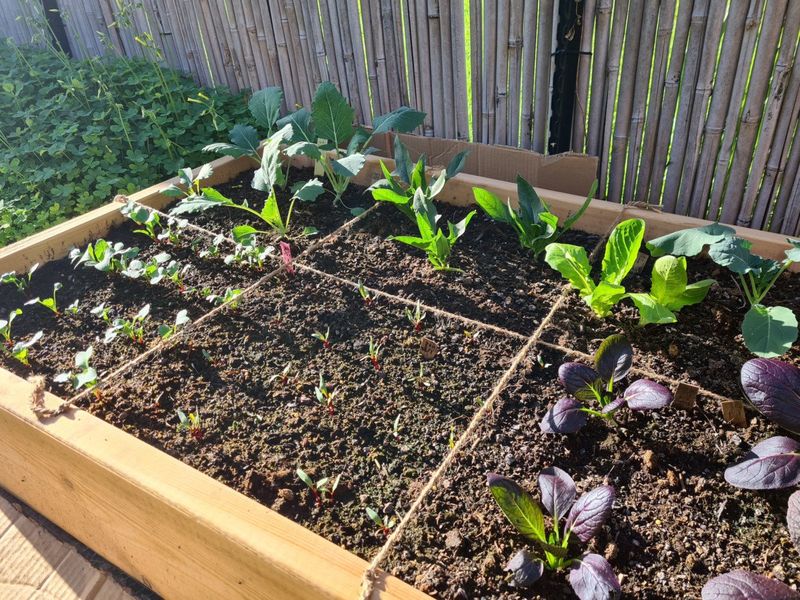
Square foot gardening is all about efficiency. By dividing your garden into 1-foot squares, you can meticulously plan what grows where. This method ensures every inch is used wisely, from herbs to veggies.
It’s perfect for novices and seasoned gardeners alike, allowing easy management and crop rotation. You’ll enjoy a diverse array of plants without overcrowding, making it a breeze to maintain soil health.
With clear boundaries, pests are easier to control, and watering becomes more targeted and effective.
5. Choose Compact Varieties
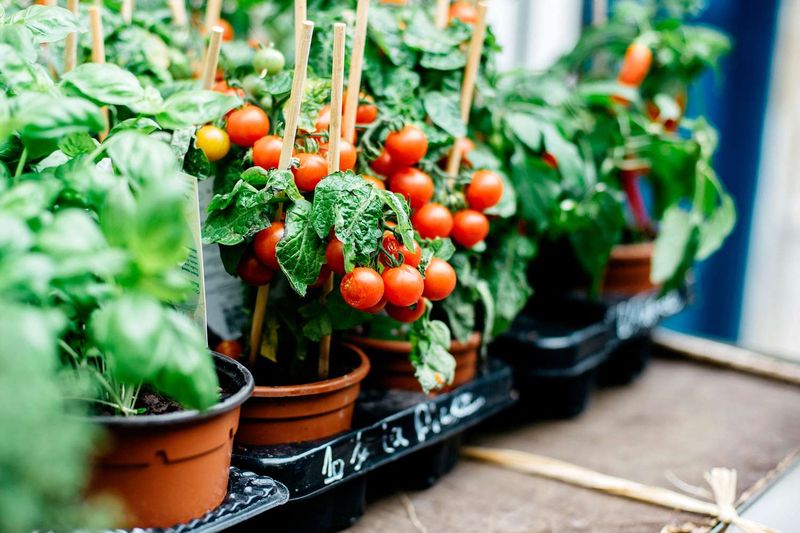
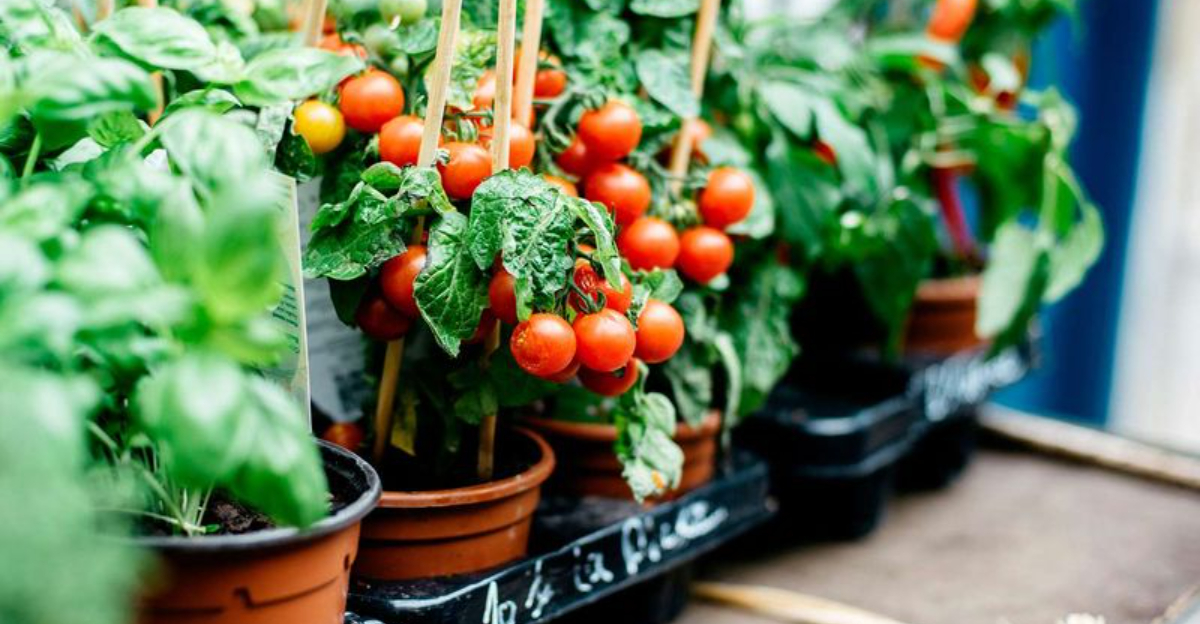
Compact plant varieties are game-changers for those with limited space. Opting for bush or dwarf versions of popular vegetables like tomatoes and zucchinis allows you to enjoy garden-fresh produce without the sprawl.
These varieties are specifically bred to thrive in confined areas, making them perfect for container gardening or small plots. They offer the same delicious taste and nutritional benefits as their larger counterparts.
Innovative breeding has made them resilient and productive, ensuring your small space yields big rewards.
6. Succession Planting
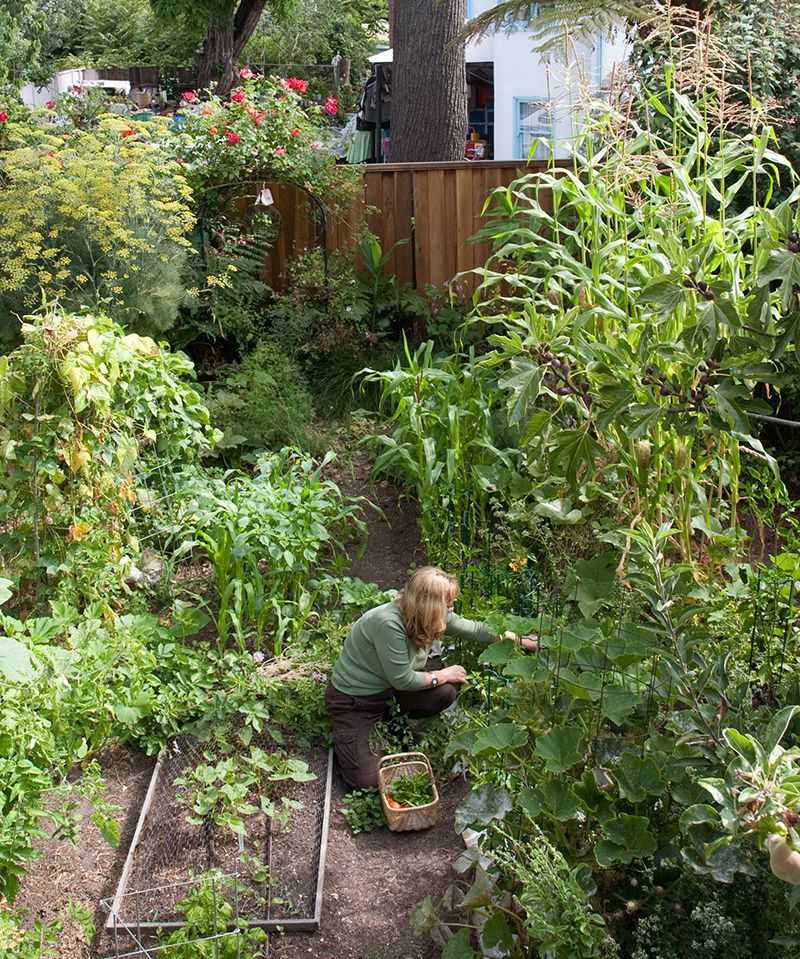
Keep your garden buzzing with activity by practicing succession planting. This involves planting a new crop as soon as one is harvested, ensuring continuous production throughout the seasons.
It’s a strategic way to maximize your garden’s output, keeping the soil active and fertile. Whether you’re planting fast-growing radishes or later-season carrots, there’s always something new to harvest.
By planning ahead, you maintain a cycle of growth, avoiding bare patches and optimizing every inch of your space.
7. Interplant Strategically
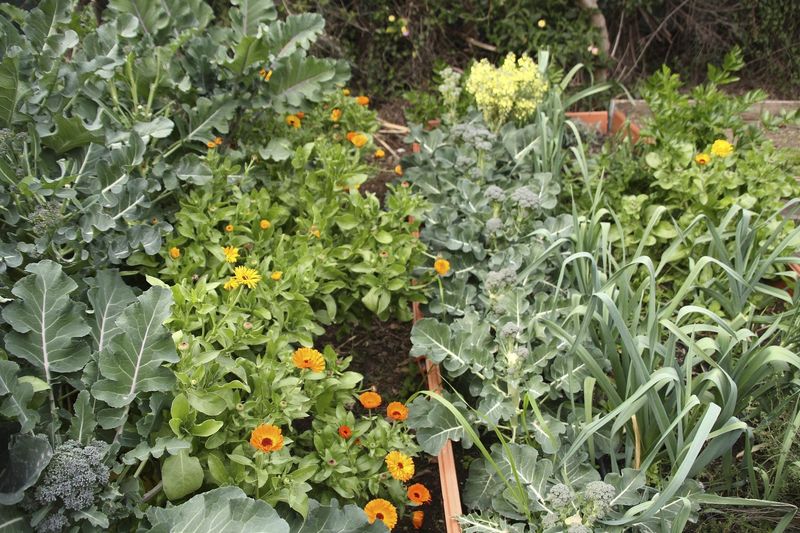
Strategic interplanting is a clever way to make the most of your garden. By growing quick-maturing crops like radishes alongside slower-growing ones like broccoli, you fill in gaps and utilize sunlight efficiently.
This method ensures that no space is wasted, and you enjoy a continuous harvest. Interplanting also encourages beneficial insects and helps deter pests, creating a balanced ecosystem.
It’s about understanding plant relationships and using them to your advantage, resulting in a productive and harmonious garden environment.
8. Use Containers Wisely
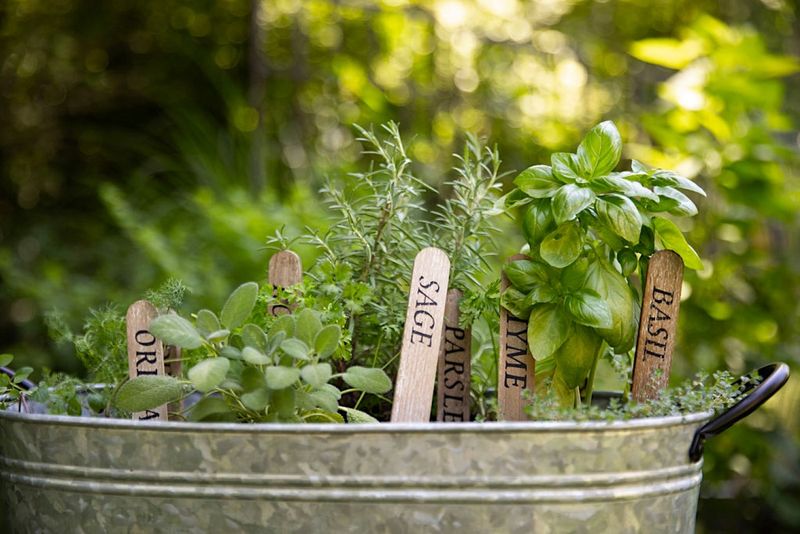
Containers are versatile tools for gardeners with limited space. Perfect for patios and balconies, they allow you to grow herbs, greens, and even small veggies anywhere sunlight reaches.
Their portability means you can move plants to capture optimal light or provide needed shade. Choose the right size and material for your plant type to ensure proper growth and health.
With a bit of creativity, containers can add a decorative touch, turning any outdoor area into a lush garden retreat.
9. Feed Your Soil
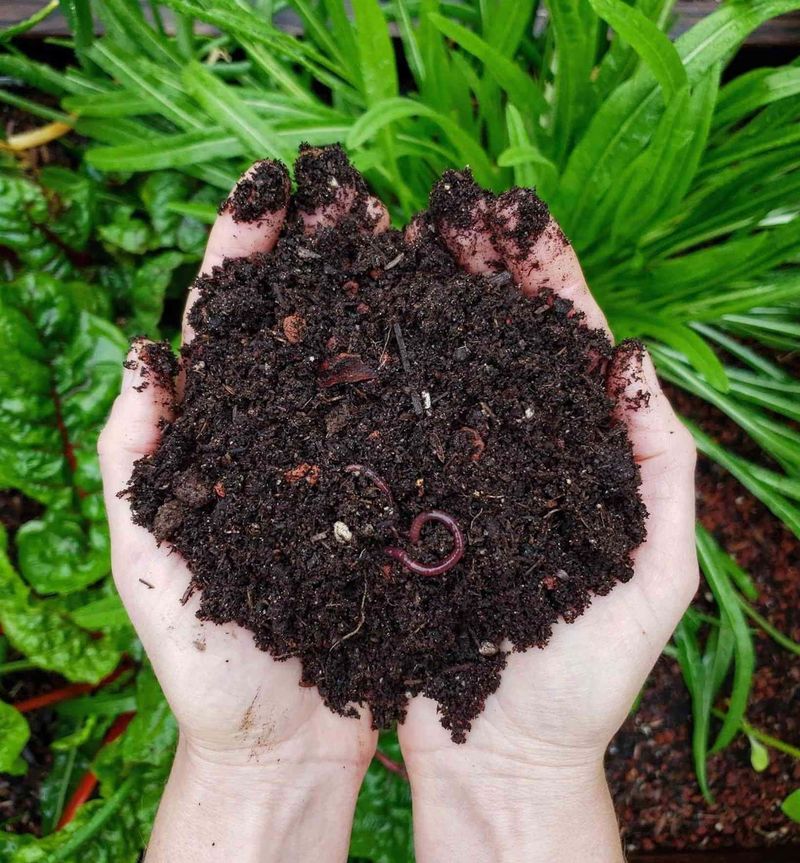
Healthy soil is the foundation of a thriving garden. Regularly adding compost and organic matter nourishes your plants, boosting yields and resilience.
Feeding your soil means investing in your garden’s future, as healthy soils support robust plant growth and reduce pest and disease pressures.
It’s an ongoing relationship, where every addition improves structure, fertility, and moisture retention. Embrace the cycle of life and watch your garden flourish like never before.
10. Mulch to Retain Moisture
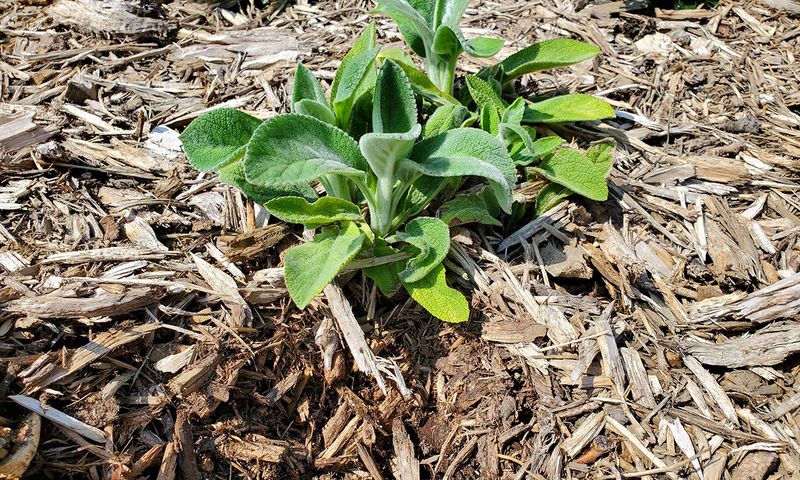
Mulching is an essential practice for conserving water and keeping your garden thriving. A thick layer of mulch retains soil moisture, reducing the need for frequent watering.
It also suppresses weeds, saving time and effort while maintaining soil temperature stability. Organic mulches, like straw or wood chips, gradually break down, enriching the soil.
Your plants benefit from reduced stress and increased growth, making mulch a must-have for any serious gardener.
11. Prune for Productivity
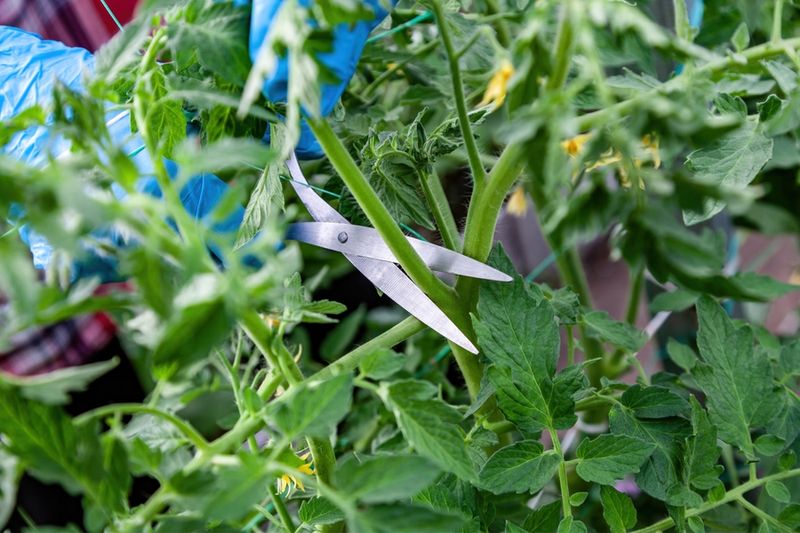
Pruning is an art that boosts plant productivity. By trimming excess leaves, especially on tomato plants, you direct energy towards fruit development.
It involves understanding plant growth patterns and making strategic cuts to improve air circulation and light penetration. Well-pruned plants are healthier and more productive, yielding abundant harvests.
Regular pruning also keeps your garden neat and manageable, enhancing its aesthetic appeal.
12. Add a Cold Frame or Mini Greenhouse
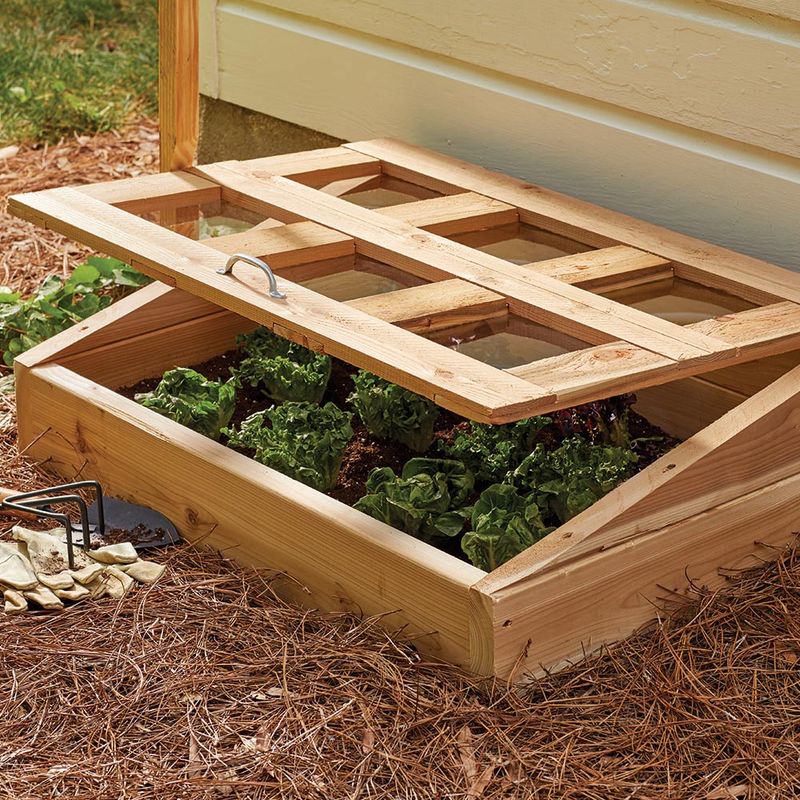
Extend your growing season with a cold frame or mini greenhouse. These structures protect plants from harsh weather, allowing you to start planting earlier and harvest later into the fall.
They provide a controlled environment that mitigates temperature fluctuations, perfect for tender seedlings or late-season crops.
With a little DIY effort, you can enjoy fresh produce nearly year-round. It’s about working smarter, not harder, to make the most of your gardening efforts.
13. Grow High-Yield Crops
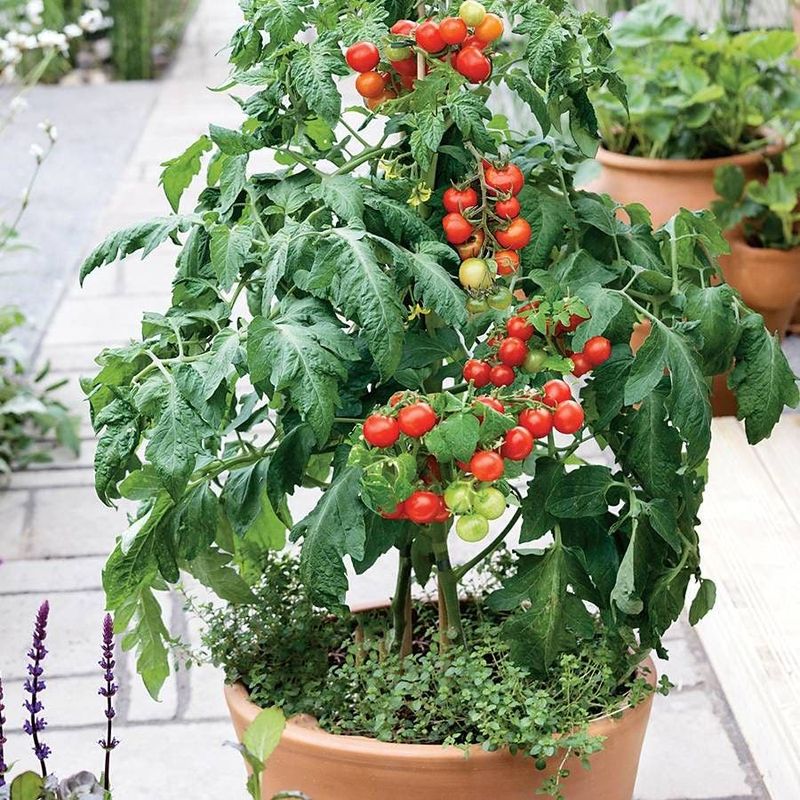
Focus on high-yield crops to maximize your harvest. Varieties like beans, cherry tomatoes, and kale are prolific producers, offering continuous yields throughout the season.
These plants make efficient use of space and resources, delivering more bang for your buck. They’re ideal for small gardens where every plant must pull its weight.
By selecting high-yield varieties, you ensure a bountiful harvest from limited space, keeping your kitchen stocked with fresh produce.
14. Practice Crop Rotation
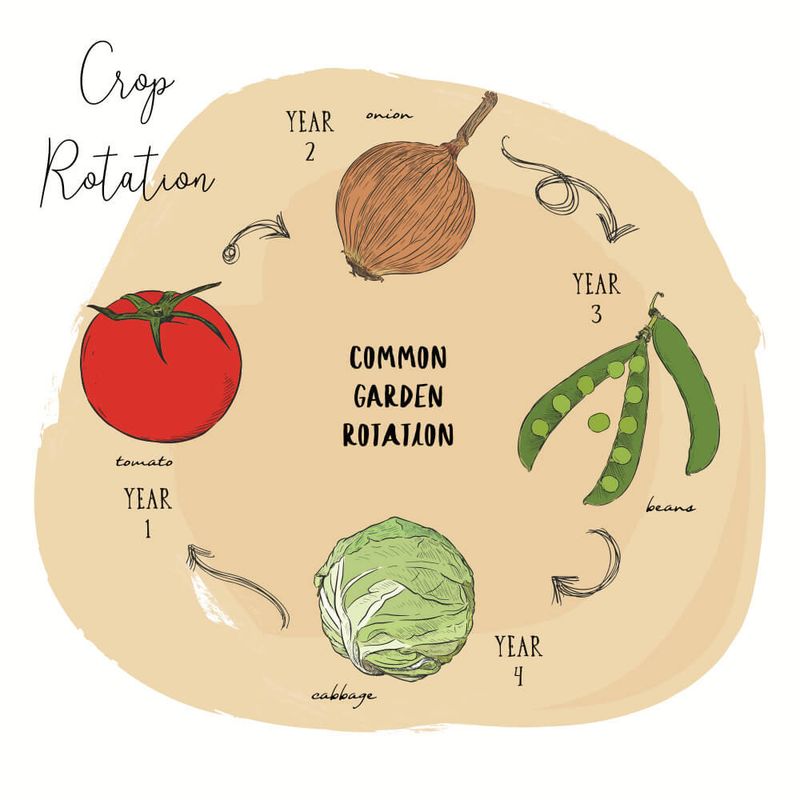
Even in small spaces, crop rotation is vital for long-term garden health. It involves changing the planting location of specific crop families each season to minimize pest buildup and improve soil fertility.
Rotation breaks the life cycle of pests and diseases, while different crops contribute varied nutrients to the soil. It’s a proactive approach that sustains productivity.
With careful planning, crop rotation becomes a natural part of your gardening routine, ensuring vibrant growth year after year.
15. Maximize Sunlight
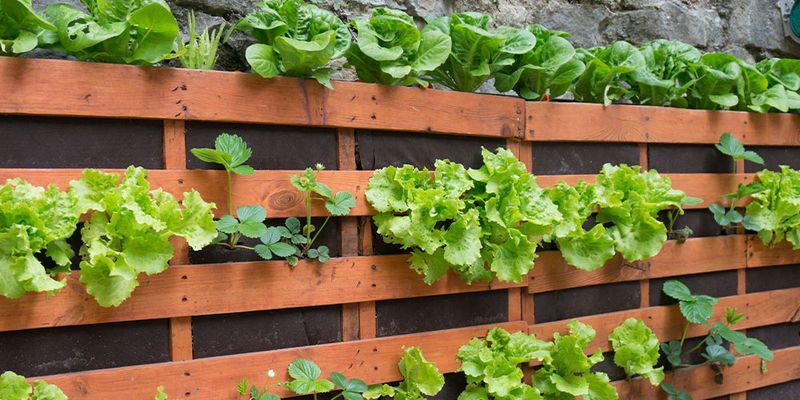
Sunlight is every plant’s best friend, and maximizing its exposure is key to thriving gardens. Start by observing your space and placing your garden in the sunniest spot available.
Be mindful of plant heights to prevent taller varieties from casting shade over smaller ones. This ensures every plant receives its fair share of light.
By optimizing sunlight, you boost photosynthesis and plant growth, leading to a lush and productive garden.