 Complete Gardening
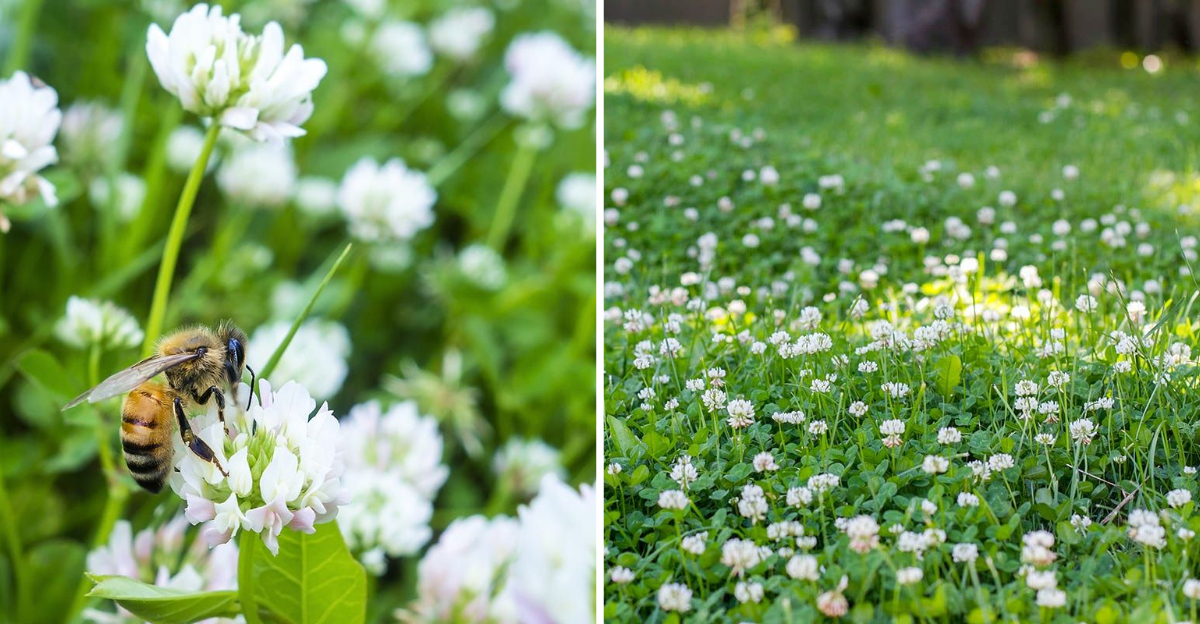
White clover is a versatile and resilient plant, revered for its various uses in gardens, pastures, and even natural remedies. Its trifoliate leaves and delicate white flowers not only add greenery to landscapes but also enrich the soil with nitrogen. Whether you’re interested in its ecological benefits or its potential as a natural treatment, white clover is full of surprising qualities. Here, we explore 15 fascinating aspects of this remarkable plant, each contributing to its reputation as a green friend for lawns and a helpful ally in herbal medicine.
1. Lawn Enhancement
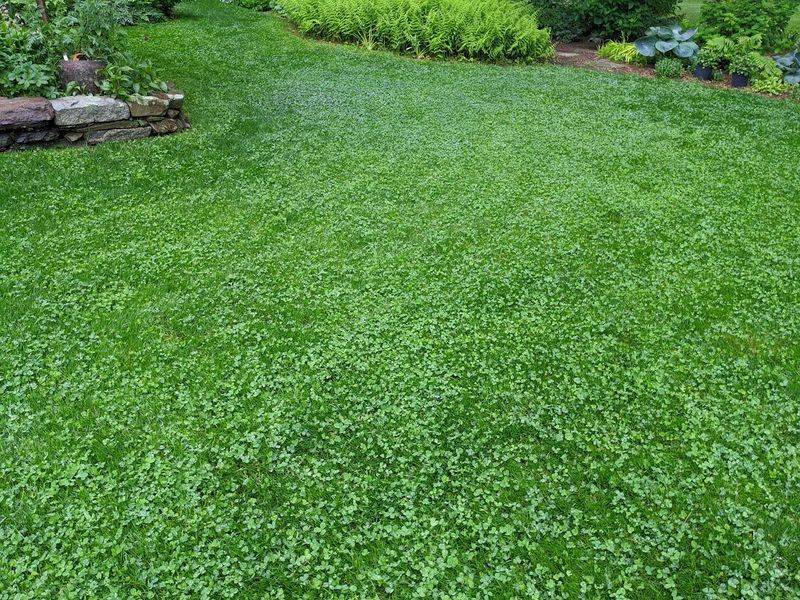
White clover transforms ordinary lawns into vibrant green carpets. Its dense growth pattern is perfect for filling bare spots, providing a seamless look. Not only does it enhance aesthetic appeal, but it also suppresses weeds naturally.
The plant’s ability to fix nitrogen enriches the soil, reducing the need for synthetic fertilizers. Homeowners cherish white clover for its low-maintenance requirements.
Did you know? It remains green even during dry spells, making it a favorite choice for eco-conscious gardeners. Its presence is a testament to sustainable gardening practices.
2. Natural Fertilizer
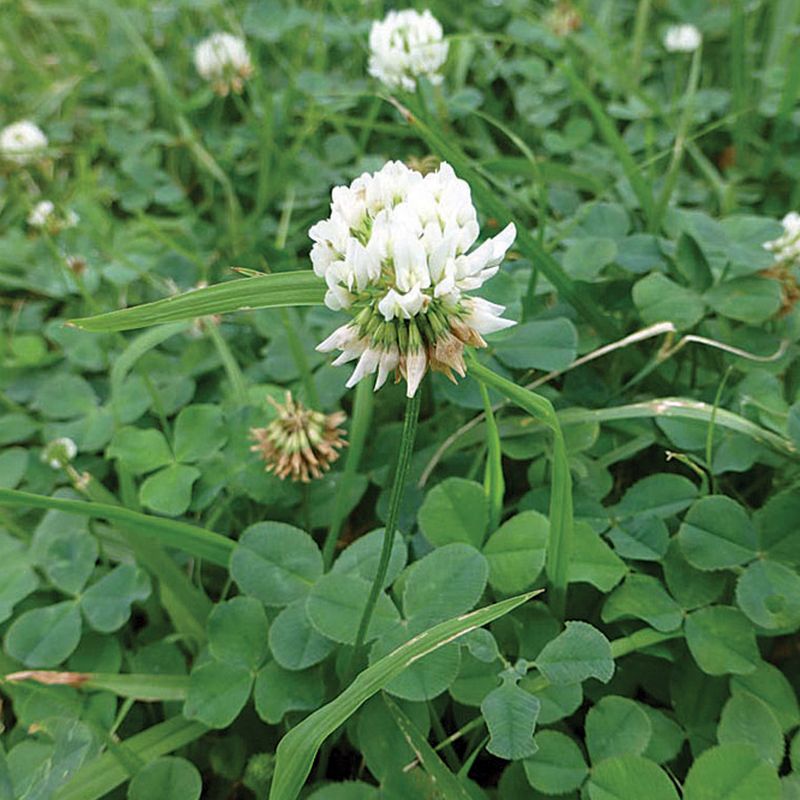
White clover acts as a natural fertilizer, thanks to its unique symbiotic relationship with nitrogen-fixing bacteria. These bacteria reside in root nodules, converting atmospheric nitrogen into a form plants can use.
This process significantly enhances soil fertility, benefiting other plants in the vicinity. Gardeners and farmers value this natural contribution, as it reduces reliance on chemical fertilizers.
White clover’s contribution to soil health is not just practical but also sustainable. With this green ally, maintaining fertile land becomes an environmentally friendly endeavor.
3. Bee Attraction
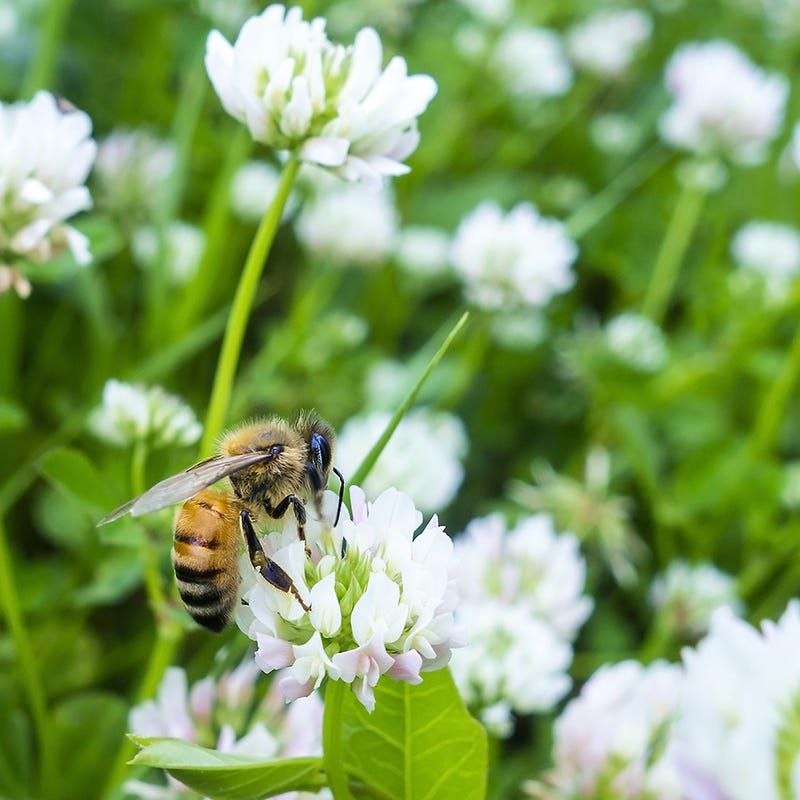
White clover flowers are a magnet for bees, offering abundant nectar that supports these crucial pollinators. The plant’s long blooming season ensures a reliable food source, promoting healthy bee populations.
Pollinators play a vital role in maintaining biodiversity and food production. By planting white clover, gardeners can contribute to a bee-friendly environment.
The buzzing of bees around white clover is a sweet symphony of nature, underscoring the interconnectedness of life. It’s not just about pretty flowers; it’s about nurturing essential ecological relationships.
4. Clover Tea Benefits
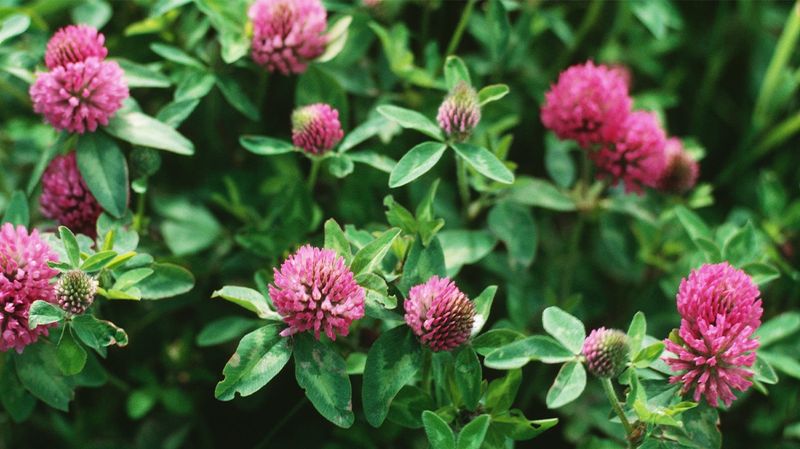
Clover tea, made from dried white clover flowers, is cherished for its gentle health benefits. Traditionally used to soothe colds and coughs, it’s a comforting brew in cold seasons.
Rich in antioxidants, clover tea supports the immune system and promotes overall well-being. Herbalists appreciate its mild flavor and calming effects, making it a popular choice in natural medicine.
Did you know? Clover tea has been part of folk remedies for centuries, reflecting the timeless bond between nature and healing practices. Enjoy a cup for a taste of soothing tradition.
5. Wildlife Habitat
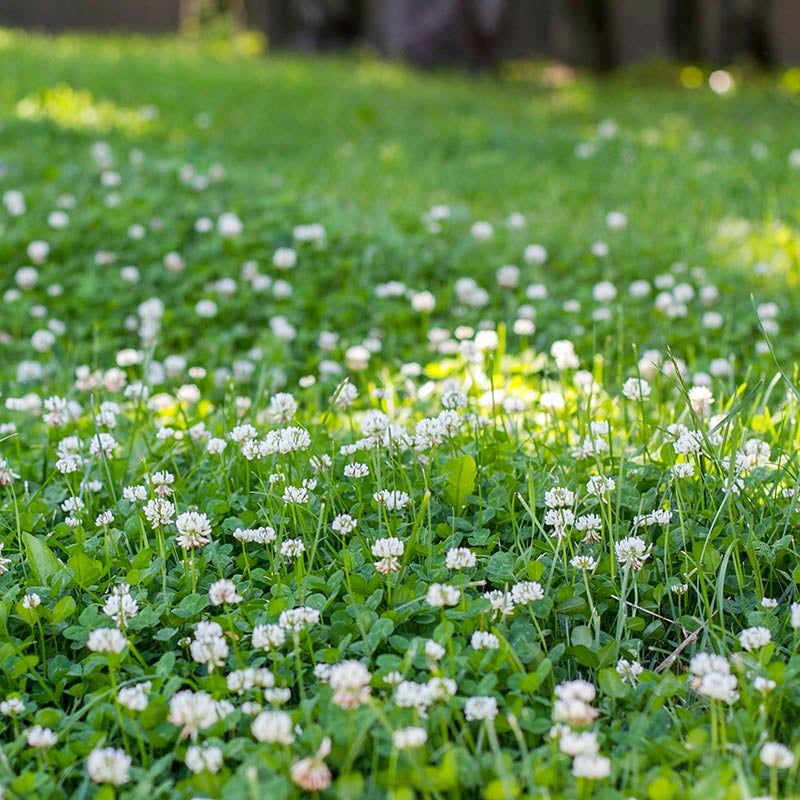
White clover provides essential habitat and nourishment for various wildlife. Its dense foliage offers shelter for small animals, creating a thriving ecosystem in gardens and meadows.
Birds and mammals enjoy clover’s nutritious leaves, making it a valuable plant for supporting biodiversity. Its presence in the landscape enriches the natural habitat, fostering a balance between flora and fauna.
A garden with white clover is a sanctuary for wildlife, inviting creatures to coexist harmoniously. It’s a delightful sight, where nature’s inhabitants find refuge and sustenance.
6. Erosion Control
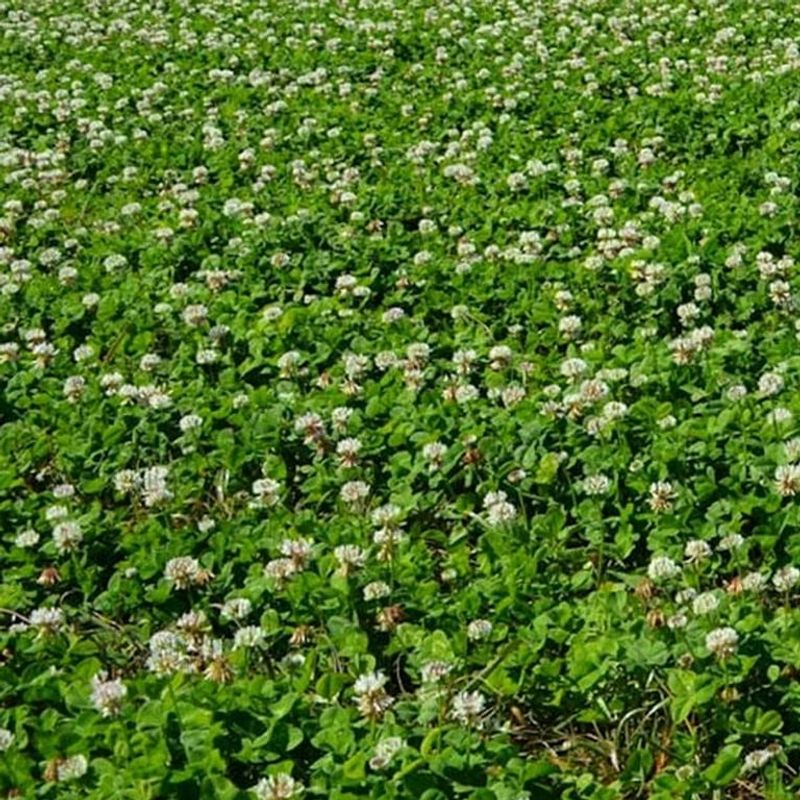
White clover’s extensive root system is excellent for preventing soil erosion on slopes and embankments. It stabilizes the soil, reducing runoff and preserving land integrity.
Gardeners and landscapers often plant it to maintain the shape of landscapes, especially in areas prone to erosion. Its resilience and ability to spread quickly make it an ideal choice.
The sight of white clover-covered slopes is not just visually appealing but also a testament to its role in land conservation. It’s nature’s way of holding the ground firm against the forces of erosion.
7. Clover Salad Delight
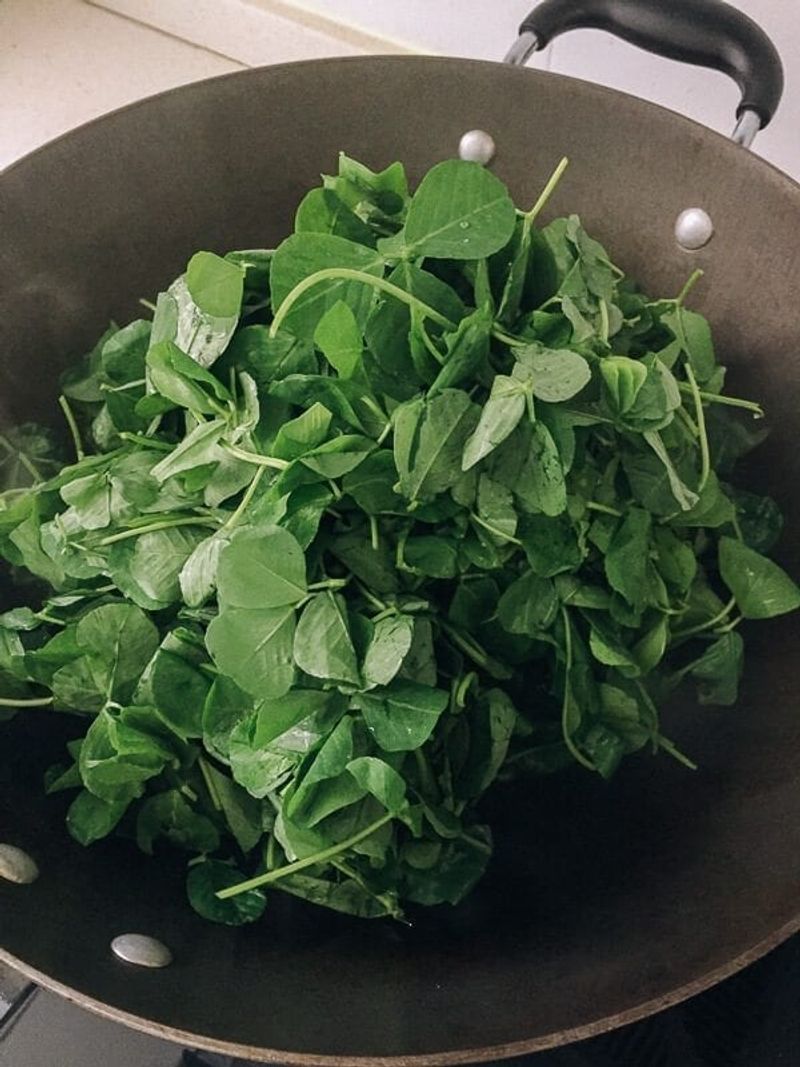
White clover leaves are a surprising addition to salads, offering a mild, pleasant flavor. They complement other greens, adding a touch of uniqueness to culinary creations.
Rich in vitamins and minerals, white clover is not only tasty but nutritious. Chefs and home cooks alike enjoy experimenting with clover in their dishes.
The inclusion of clover in salads reflects the endless possibilities of edible plants. It’s a delightful way to bring nature’s bounty to the table, celebrating fresh and wholesome ingredients.
8. Historical Symbolism

White clover has been a symbol of luck and prosperity throughout history. Its three leaves represent faith, hope, and love, with the rare four-leaf clover adding luck to the trifecta.
Culturally, it appears in folklore and traditions across the world, cherished for its mystical attributes. This symbolism adds depth to its presence in gardens, where it’s more than just a plant.
Incorporating white clover into landscapes connects us to a rich tapestry of cultural history. It’s a living reminder of the stories and beliefs that unite different communities.
9. Natural Ground Cover
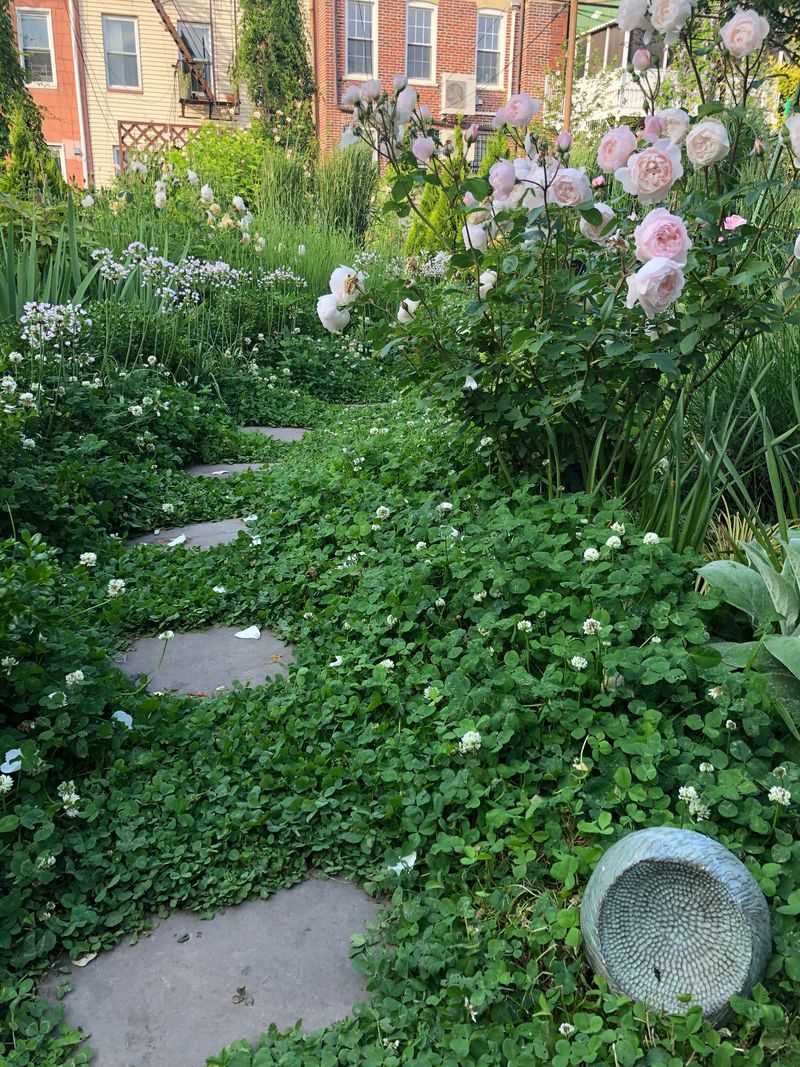
White clover serves as an excellent ground cover, offering a practical and aesthetic solution for bare patches. Its ability to spread quickly creates a uniform surface, ideal for gardens and pathways.
The plant’s resilience ensures it thrives in various conditions, reducing maintenance efforts. By choosing white clover, gardeners embrace a sustainable and visually pleasing approach to landscaping.
The softness of clover underfoot is a tactile delight, transforming ordinary paths into green walkways. It’s a natural carpet that complements any garden design, blending beauty with functionality.
10. Eco-Friendly Lawns
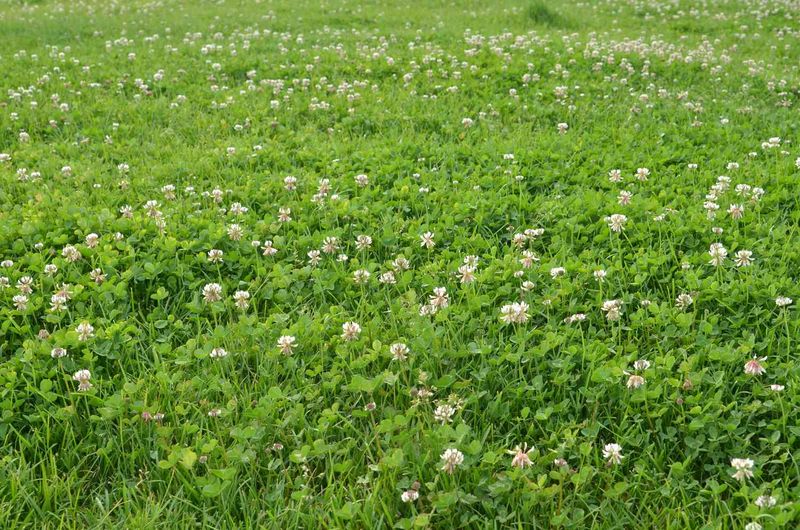
Embracing white clover in lawns is a step towards sustainable gardening. Its drought resistance and low nutrient requirements make it an eco-friendly choice.
Clover lawns require less mowing and no fertilization, reducing resource usage and promoting environmental stewardship. Homeowners seeking a greener lifestyle appreciate this shift towards natural landscaping.
Choosing clover over traditional grass represents a commitment to ecological balance. It’s a forward-thinking approach, aligning with modern values of conservation and responsible gardening.
11. Clover Honey Production
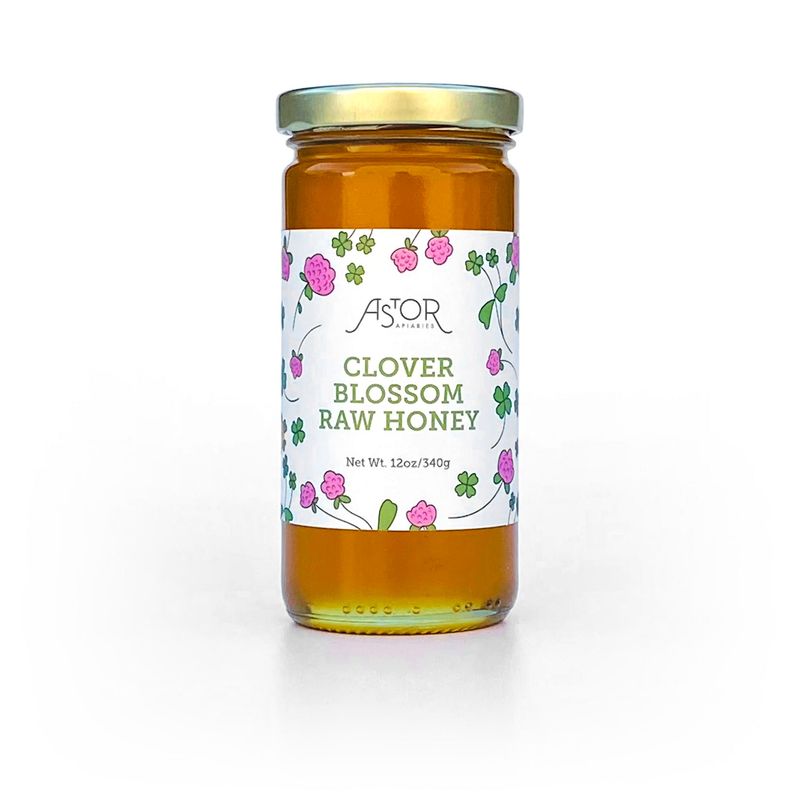
Clover honey, derived from the nectar of white clover flowers, is beloved for its light, sweet flavor. Beekeepers favor clover-rich areas for producing this delicious honey variety.
Its subtle taste makes it a versatile ingredient in culinary applications. From drizzling over toast to sweetening tea, clover honey delights taste buds worldwide.
The production of clover honey is a testament to the harmonious relationship between plants and pollinators. It captures the essence of nature’s sweetness, offering a taste of floral magic in every spoonful.
12. Herbal Remedies
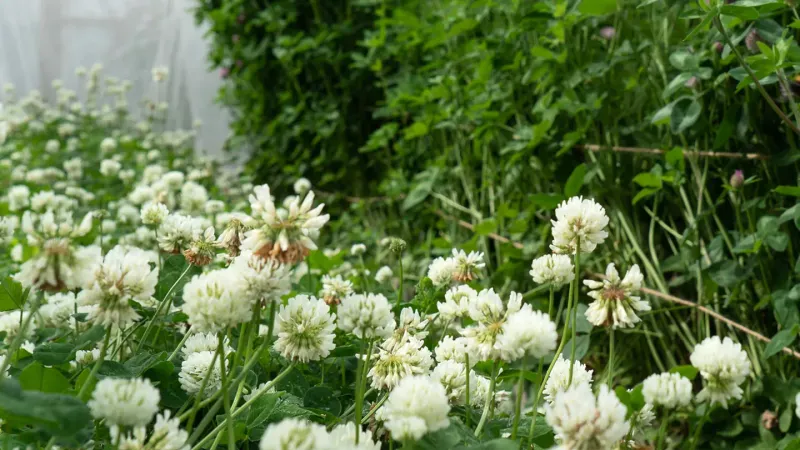
White clover’s medicinal properties have long been utilized in herbal remedies. Used to treat ailments like arthritis and skin conditions, it’s a trusted component in natural medicine.
Herbalists create salves and tinctures from its flowers and leaves, harnessing its healing potential. Its gentle effects make it suitable for various therapeutic applications.
The use of white clover in remedies is a nod to ancient healing traditions. It exemplifies the enduring power of plants in promoting health, bridging the gap between nature and wellness.
13. Clover Companion Planting
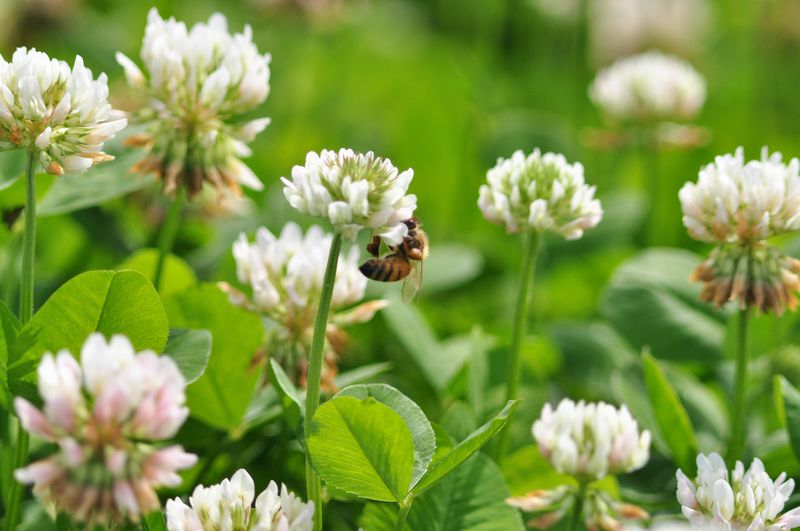
White clover is an excellent companion plant, benefiting neighboring crops by fixing nitrogen in the soil. This natural enrichment supports healthier vegetable growth and enhances yields.
Gardeners often interplant clover with vegetables, enjoying its pest-deterring qualities. It creates a balanced ecosystem within the garden, fostering plant health and productivity.
The practice of companion planting with clover underscores the synergy between plants. It’s a strategic approach to gardening that celebrates biodiversity and mutual support among species.
14. Clover in Livestock Feed

Farmers include white clover in livestock feed for its nutritional benefits. Rich in protein, it supports healthy growth and milk production in animals like cows and sheep.
Clover’s palatability ensures it’s well-received by livestock, making it a staple in pastoral farming. Its cultivation in pastures reflects sustainable agricultural practices.
Feeding livestock with clover connects farming generations to a tradition of nourishing both animals and land. It’s a practice that underscores the link between agriculture and ecological stewardship.
15. Clover’s Role in Traditional Folklore

White clover has deep roots in traditional folklore across various cultures. In Irish tales, it is often associated with fairies and magical protection. The iconic four-leaf clover, a rare variation, is said to bring good luck to its finder.
In many European traditions, clover was believed to ward off evil spirits. People would carry it as a talisman or include it in ritualistic practices for protection and prosperity.
Its presence in folklore underscores its importance beyond agriculture, reflecting cultural values and beliefs. Did you know? The Druids considered clover a sacred plant with mystical powers.