 Complete Gardening
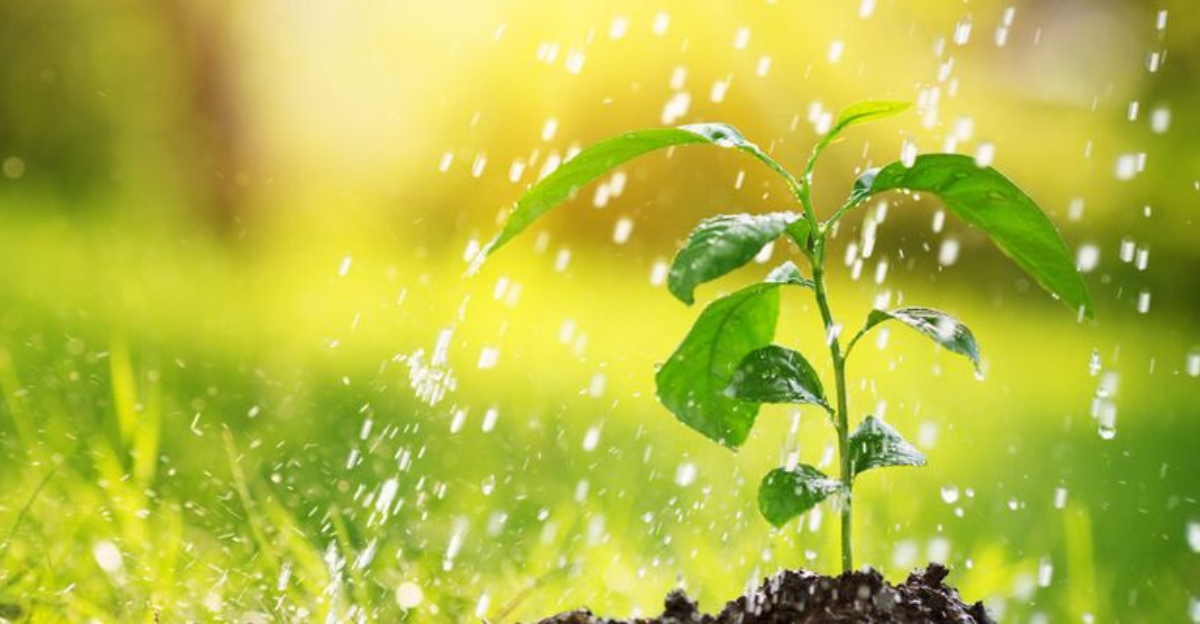
Watering plants may seem straightforward, but many common mistakes can hinder their growth. By understanding these errors, you can ensure your plants thrive.
1. Overwatering
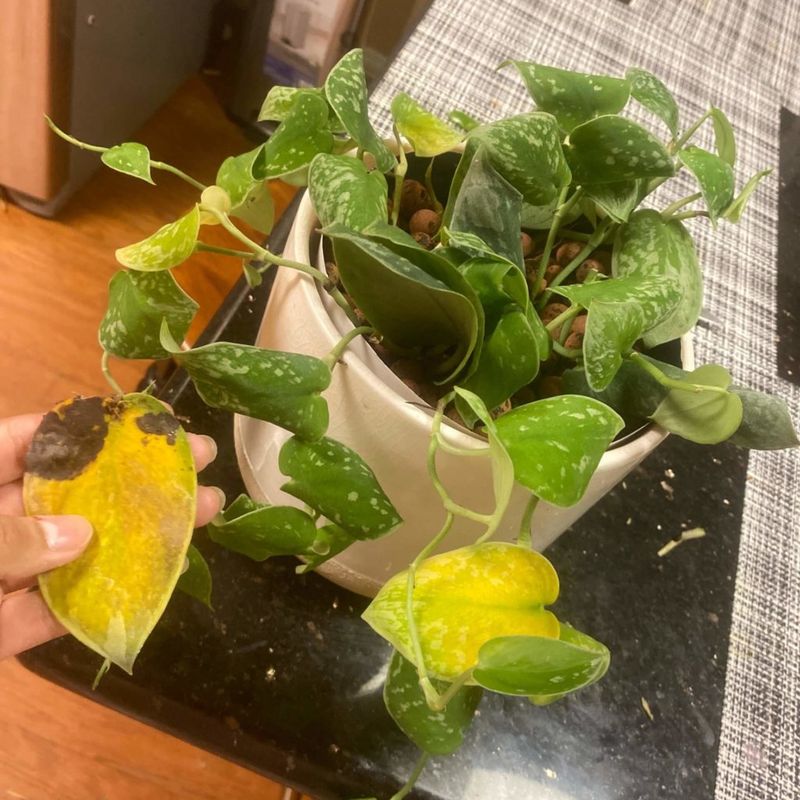
Too much water can drown your plants, suffocating the roots and leading to root rot. A plant’s ability to absorb nutrients depends on the right balance of water and oxygen. Excessive watering disrupts this balance, causing leaves to wilt and weaken.
Consider the plant species and its specific water needs. Some plants, like succulents, require less watering than others. Test the soil’s moisture level by sticking your finger about an inch deep; if it’s still damp, hold off on watering.
Remember, symptoms of overwatering can sometimes mimic those of underwatering, so careful assessment is key.
2. Underwatering
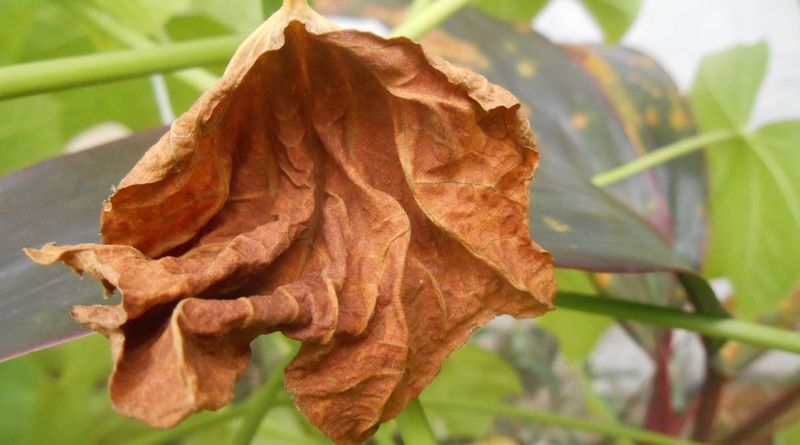
Neglecting to provide enough water can be just as damaging. Plants need water to transport nutrients and maintain their cell structure. Without sufficient water, they begin to wilt and exhibit dry, brown leaves.
Regularly check your plants and adjust watering habits according to seasonal changes. For instance, during hotter months, they may need more frequent watering.
Providing a consistent watering schedule can prevent stress and promote healthy growth. In addition, consider the type of potting mix, as some blends retain moisture better than others.
3. Watering at the Wrong Time
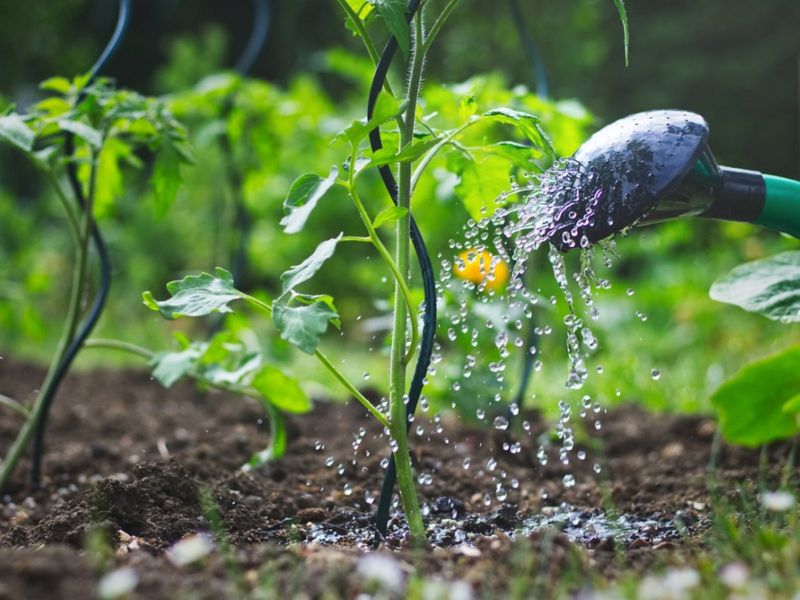
Watering during the hottest part of the day can cause water to evaporate before it reaches the roots. The best time to water is early in the morning or late in the afternoon when temperatures are cooler.
This practice ensures that water penetrates deeply into the soil, allowing roots to absorb moisture effectively. It also minimizes the risk of fungal diseases that thrive in damp, warm conditions.
Understanding the timing of watering can make a significant difference in plant health, especially in areas with extreme weather conditions.
4. Using Hard Water
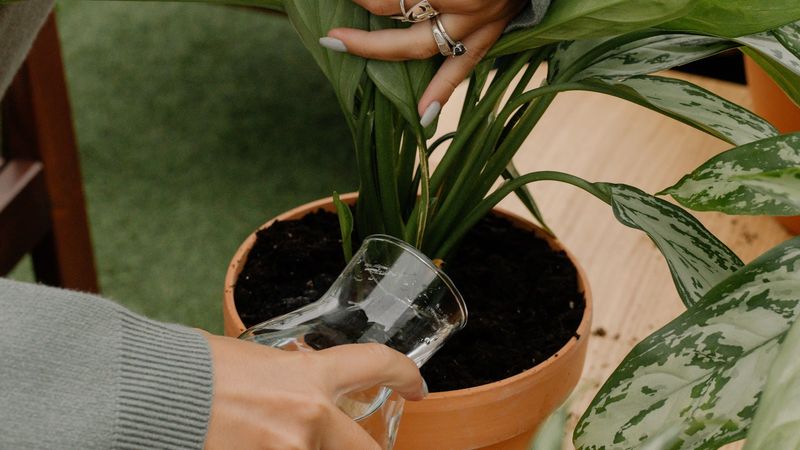
Hard water contains high levels of calcium and magnesium, which can accumulate in the soil and affect plant growth over time. These mineral deposits can clog the soil and prevent essential nutrients from being absorbed.
Consider using rainwater or distilled water for sensitive plants. You can also install a water softener to help reduce mineral content.
By managing the water quality, you can improve your plants’ health and vitality, ensuring they receive the nutrients they need without obstruction.
5. Ignoring Soil Moisture
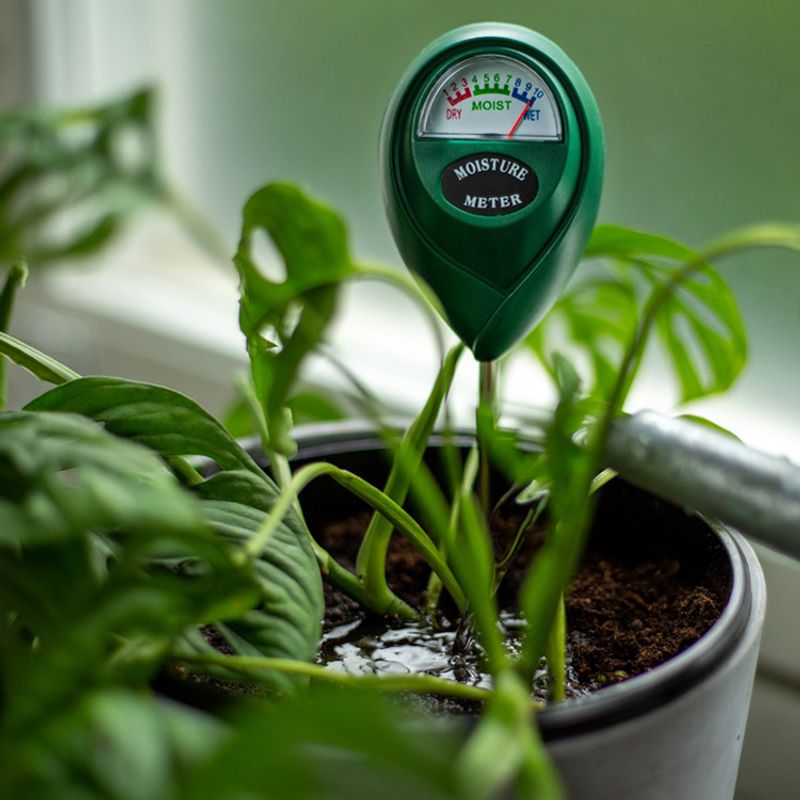
Relying solely on a watering schedule without checking soil moisture can lead to over or underwatering. Every plant has unique moisture needs, and environmental conditions can alter these requirements.
Using a moisture meter can provide accurate readings and help tailor your watering practices. This tool measures the soil’s water content and guides you on when to water next.
By understanding the actual moisture levels, you can make informed decisions, reducing the risk of plant stress and promoting robust growth.
6. Wetting the Foliage
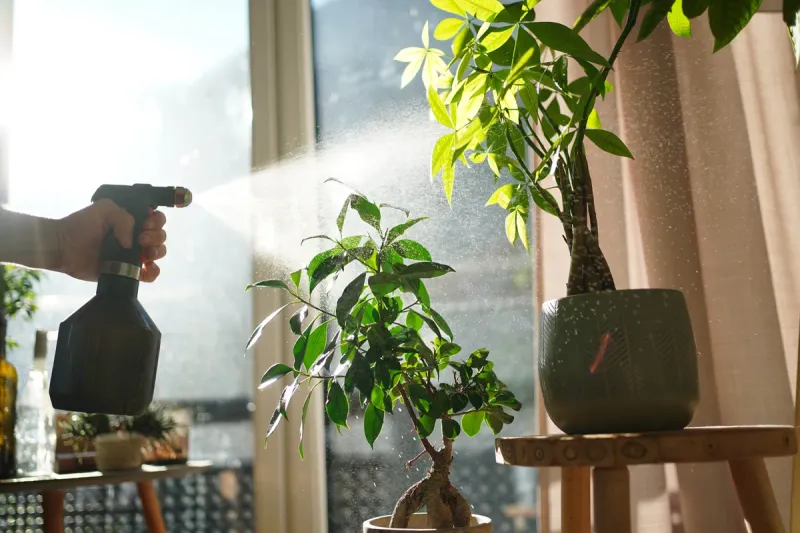
Spraying water on leaves may seem hydrating, but it can lead to fungal diseases and pest issues. Wet foliage is a breeding ground for molds and can encourage unwanted insects.
Direct water toward the soil, ensuring that the roots receive the moisture. This approach helps prevent disease and supports healthy root systems.
In humid climates, avoiding wetting the foliage is particularly important, as excess moisture can contribute to rot and decay.
7. Using Cold Water
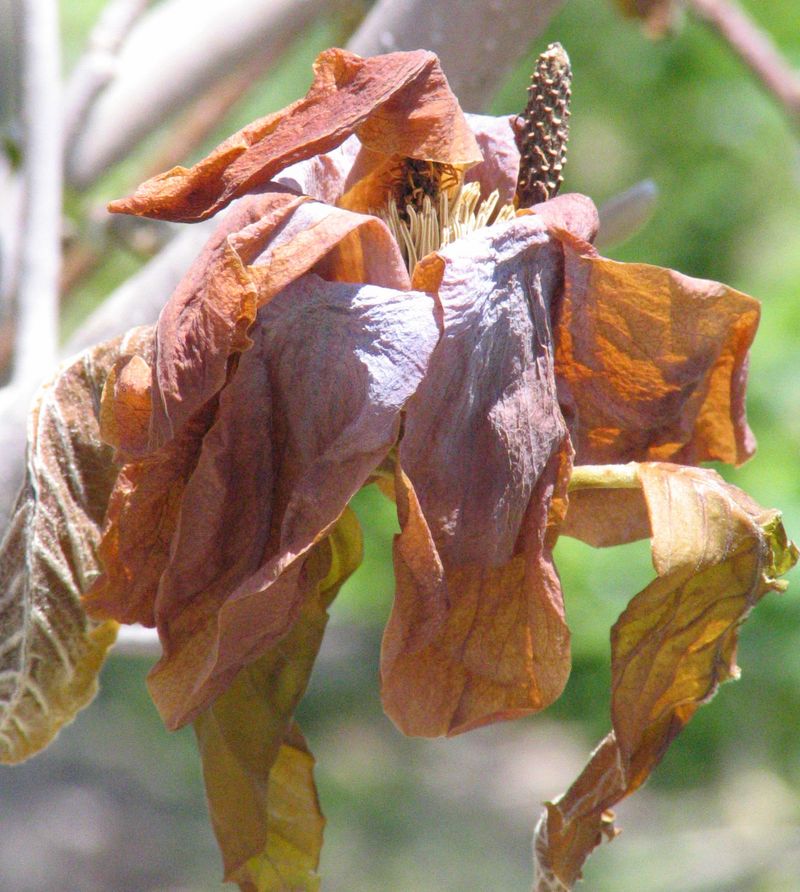
Cold water can shock the plant’s root system, creating stress and potentially stunting growth. Plants prefer water that is close to the ambient temperature of their environment.
By allowing water to reach room temperature before applying it to plants, you can prevent this shock. Using tepid water promotes better absorption and overall health.
Understanding temperature preferences helps in maintaining a comfortable and supportive environment for your plants, fostering their development.
8. Inconsistent Watering
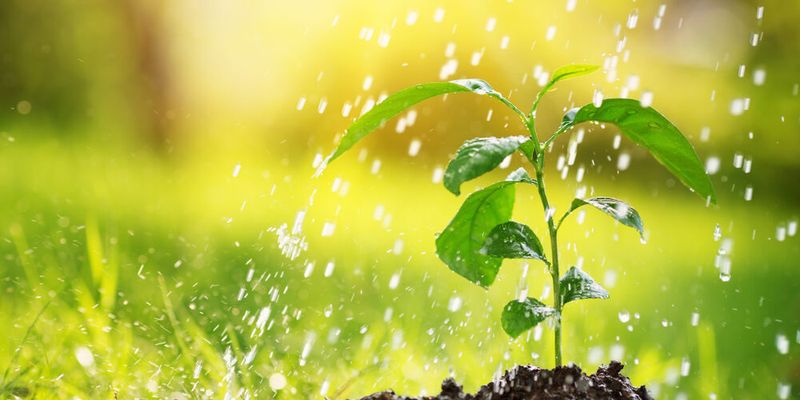
Irregular watering disrupts a plant’s growth cycle, causing stress and inconsistent nutrient uptake. Plants thrive on consistency, and erratic watering patterns can lead to susceptible, unhealthy plants.
Establishing a regular watering routine ensures that plants receive the right amount of water when they need it, supporting even growth.
Monitoring the weather and adjusting accordingly can help maintain this consistency, particularly during seasonal changes or extreme conditions.
9. Watering with Contaminated Water
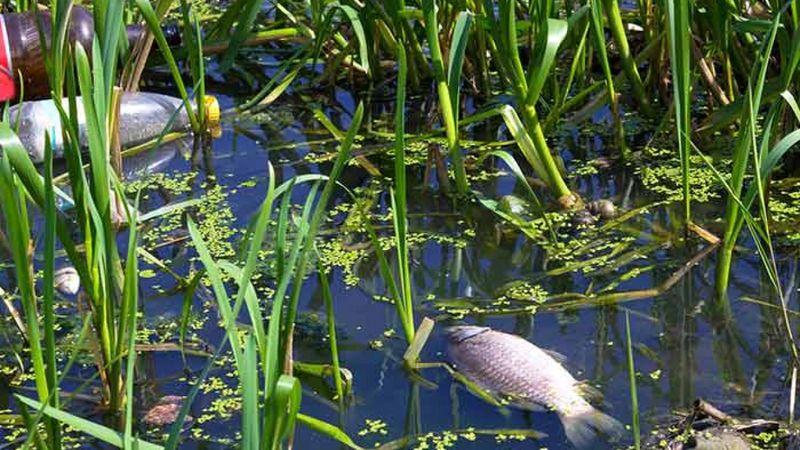
Using contaminated water can introduce harmful chemicals and pathogens into the soil, affecting plant health. Pesticides, bacteria, and pollutants may be present in unfiltered water sources.
Opt for clean, filtered water to ensure the safety of your garden. Regularly clean watering tools to prevent cross-contamination.
A proactive approach to water quality can prevent long-term damage, keeping your plants healthy and thriving.
10. Not Adapting to Seasonal Changes
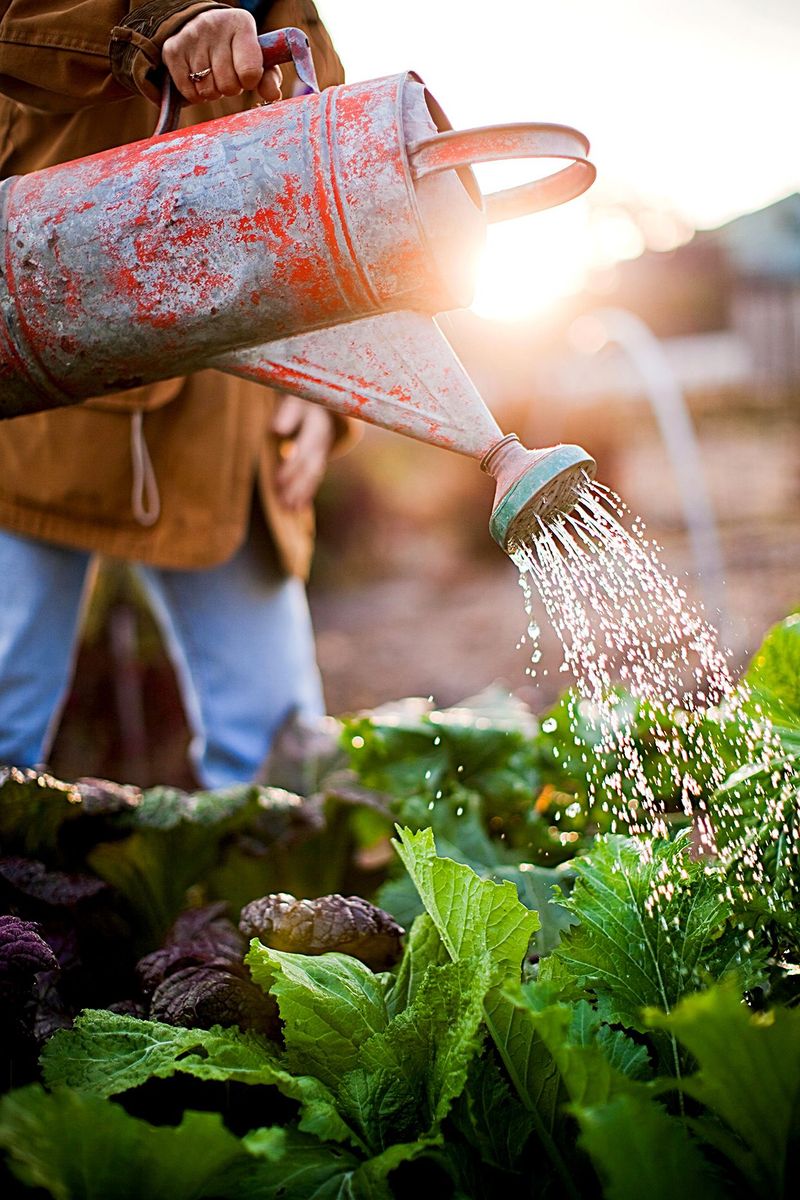
Failing to adjust watering practices with the seasons can stress plants. During winter, many plants require less water due to slower growth.
Understanding your plant’s seasonal needs ensures that they receive the appropriate amount of water throughout the year. This adaptation helps avoid over or underwatering during specific periods.
Being mindful of these changes promotes resilience and allows plants to thrive in varying conditions.
11. Watering with Chlorinated Water
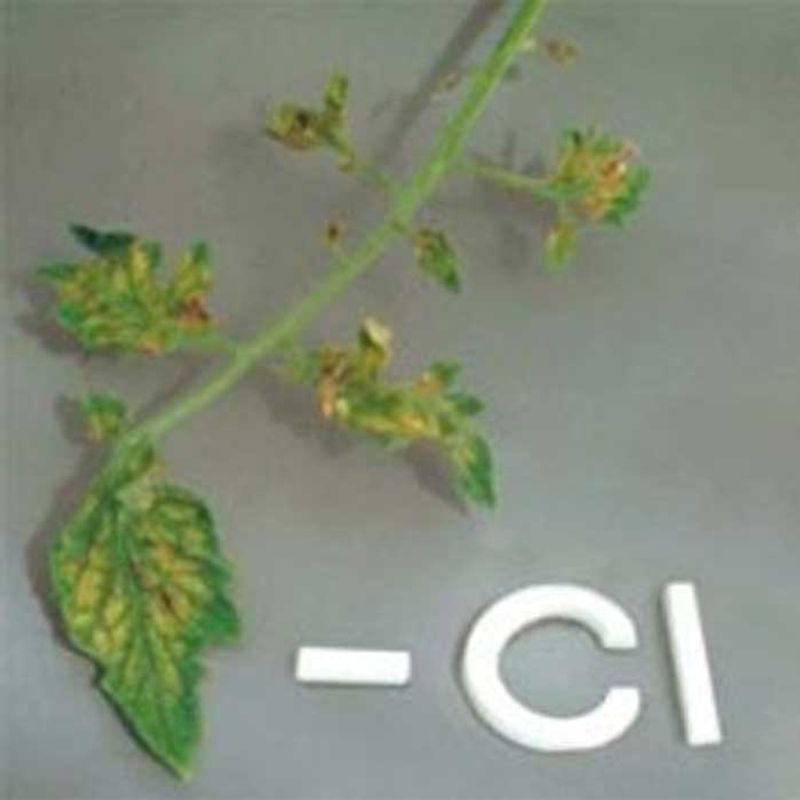
Chlorine in tap water can build up in the soil, affecting plant health by interfering with nutrient absorption. Sensitive plants may show signs of distress due to this chemical exposure.
Letting tap water sit out for 24 hours can help dissipate chlorine, making it safer for your plants. Alternatively, consider using filtered or dechlorinated water.
By addressing chlorine levels, you contribute to a healthier growing environment, supporting vibrant and flourishing plants.
12. Improper Drainage
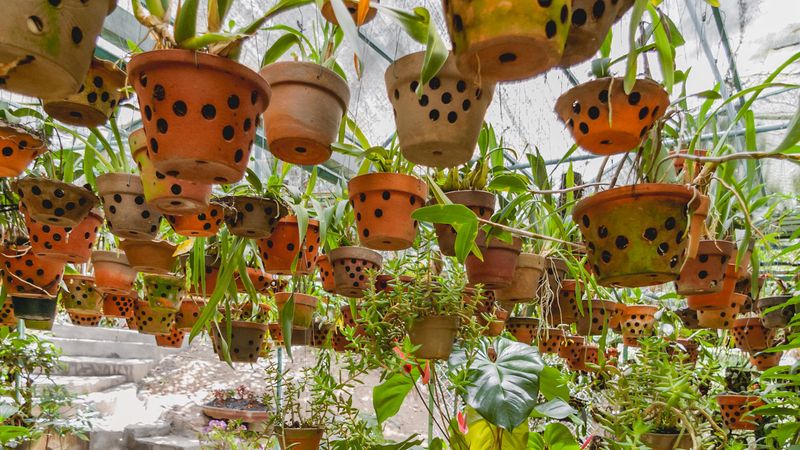
Without proper drainage, water can accumulate in the soil, leading to root rot and suffocation. Adequate drainage ensures excess water escapes, maintaining a healthy root environment.
Ensure pots have drainage holes and consider using a well-draining soil mix. This combination prevents water from stagnating and promotes robust root systems.
Proper drainage is essential for plant health, reducing the risk of water-related issues and enhancing growth potential.
13. Ignoring Plant Specific Needs
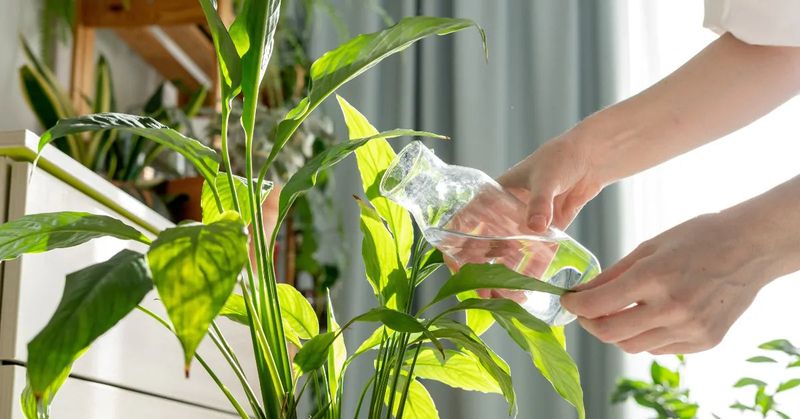
Every plant species has distinct water requirements. Ignoring these specific needs can lead to over or underwatering, affecting the plant’s health and growth.
Research your plant’s native environment and adapt your watering practices to match those conditions. This tailored approach helps optimize their growth and flourishing.
Understanding and meeting your plant’s specific requirements ensures they receive the care they need, fostering a vibrant and diverse garden.
14. Using Dirty Watering Tools
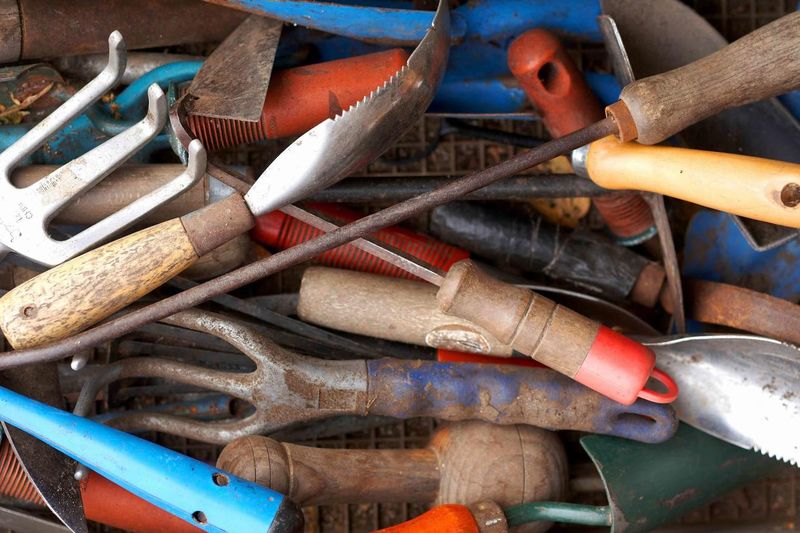
Dirty watering tools can harbor bacteria and pests, transferring them to your plants. Regular cleaning prevents this contamination, ensuring water remains pure and beneficial.
Keep tools in good condition by rinsing them after use and storing them in a clean, dry place. This diligence helps maintain a healthy environment for your garden.
By using clean equipment, you support plant health and prevent the spread of disease, nurturing a thriving ecosystem.
15. Overlooking Pot Size
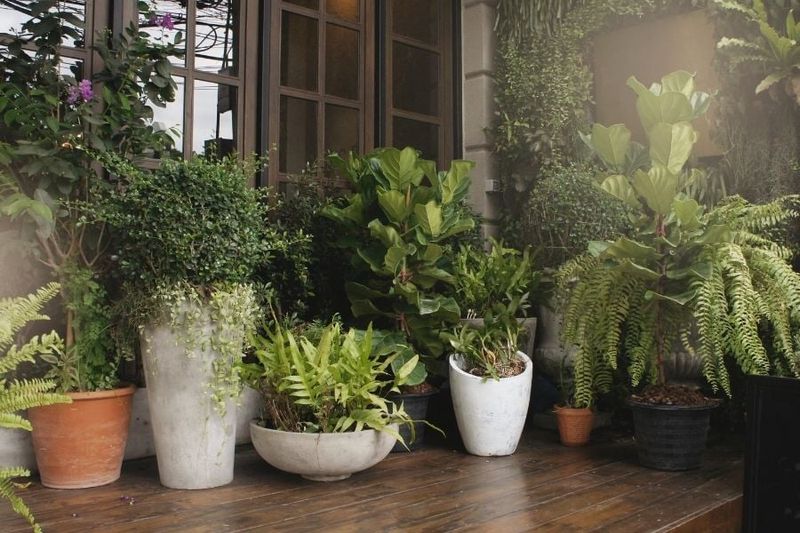
Using a pot that’s too small for a plant’s root system can restrict growth and lead to water retention problems. Roots need space to expand, and cramped conditions hinder this development.
Choose an appropriately sized pot with room for growth, ensuring proper drainage features. As the plant grows, consider repotting to accommodate its expanding root system.
Understanding the relationship between pot size and plant health promotes a flourishing garden, allowing plants to reach their full potential.