 Complete Gardening
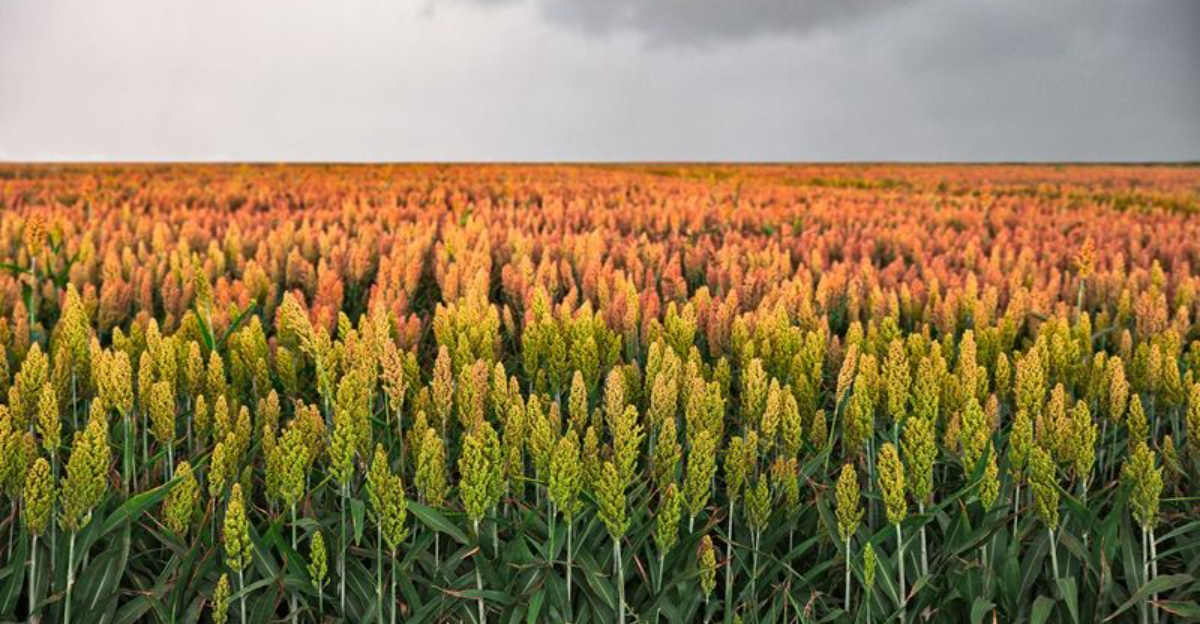
Throughout history, ancient civilizations laid the groundwork for today’s agricultural practices. Their ingenuity in cultivating diverse crops still resonates, as many of these plants continue to thrive and form an essential part of global nutrition and culture. Let’s explore 15 remarkable crops that not only sustained early societies but also continue to nourish and delight us today.
1. Wheat
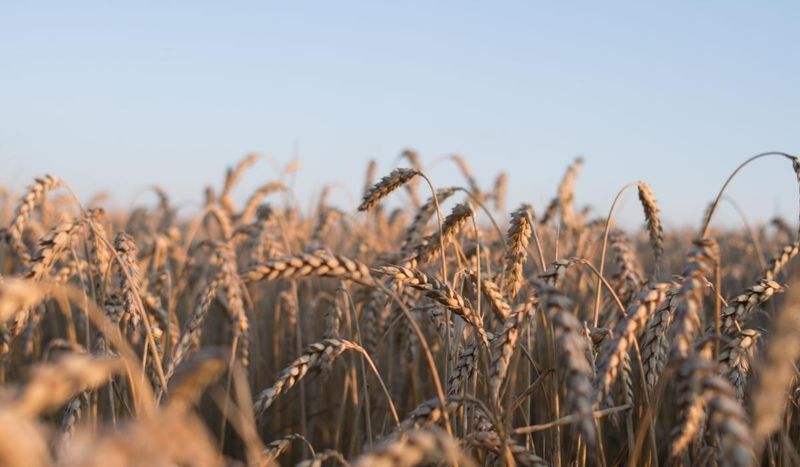
With its origins in the Fertile Crescent, wheat has been a cornerstone of agriculture since Neolithic times around 10,000 BCE. It’s fascinating to think how this humble grain became the world’s second-largest cereal crop. Today, it’s not just a staple food; it’s a symbol of human innovation and perseverance.
Picture hearty loaves of bread and vibrant pasta dishes on tables across the globe. Wheat’s versatility and ability to adapt to different climates have cemented its place in modern agriculture. Its journey from ancient fields to contemporary kitchens is nothing short of remarkable.
2. Barley
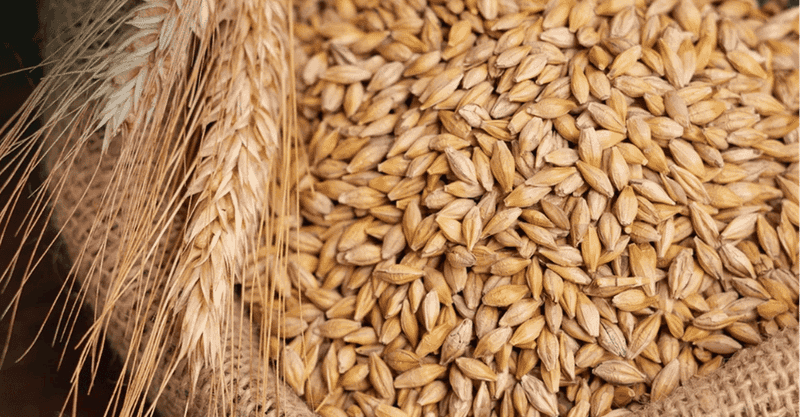
Barley, cultivated alongside wheat in ancient Mesopotamia and Egypt around 9,000 BCE, remains an essential part of our culinary and agricultural landscape. Its historical roots run deep, having been used not just as food but as a key ingredient in the brewing process.
Today, the golden grain continues to thrive, serving as both a nutritional powerhouse and a vital component in the production of beer and animal feed. Imagine sipping a cold beer on a sunny day, knowing that barley’s legacy stretches back millennia. Its resilience and adaptability make it a timeless crop.
3. Rice
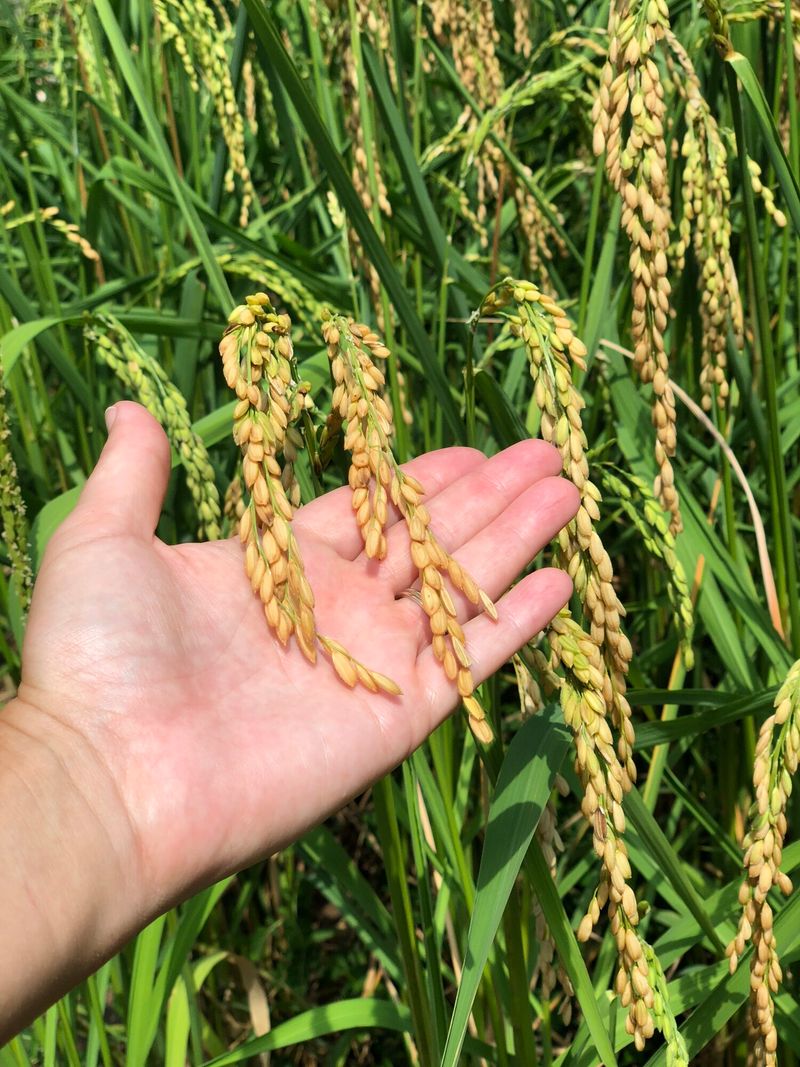
Rice, independently domesticated in the Yangtze River basin of China around 8,000 BCE, is more than just a food staple. It’s a cultural icon and a dietary mainstay for over half the world’s population. The lush, green paddies of rice fields are a testament to its enduring importance.
In modern kitchens, rice dishes vary from aromatic biryanis to comforting risottos, showcasing its versatility. This ancient grain’s ability to sustain vast populations is a tribute to early agricultural innovation. It continues to be a symbol of sustenance and tradition across cultures.
4. Maize (Corn)
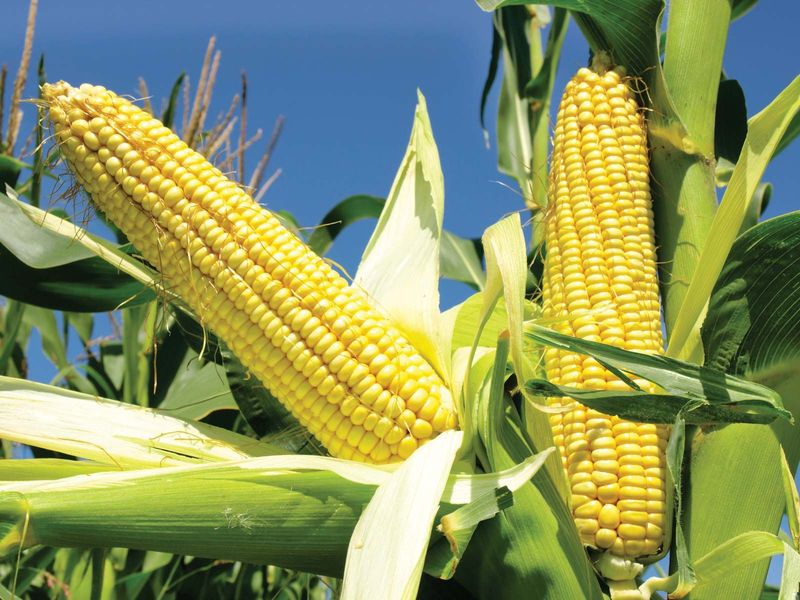
Maize, or corn, has a rich history that dates back to around 5,000 BCE when it was bred from teosinte by indigenous peoples in central Mexico. Its transformation from a wild grass to a staple crop is a testament to human ingenuity and adaptation.
Today, maize is America’s top grain crop and an essential source of livestock feed worldwide. From buttery popcorn to hearty corn tortillas, it’s a versatile culinary delight. The story of maize is one of cultural significance and agricultural triumph, reflecting a deep connection between people and the land.
5. Lentils
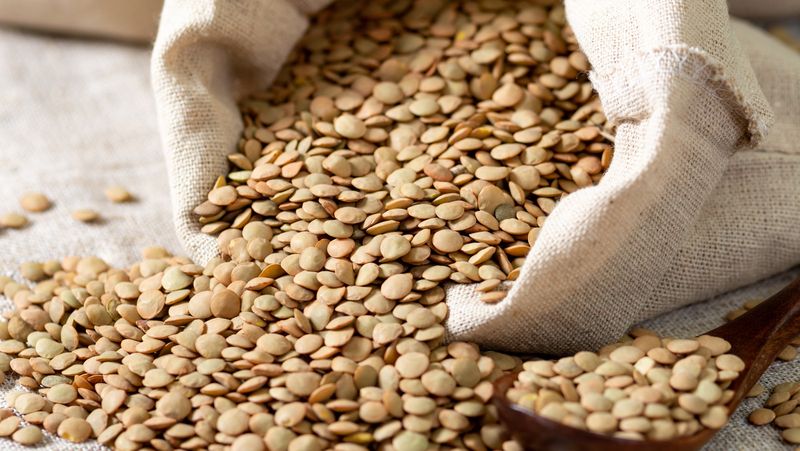
Lentils, among the earliest pulses found in the Near East around 8,000 BCE, have a rich culinary and agricultural heritage. Discovered at archaeological sites like Jericho and Çatalhöyük, these tiny legumes have nourished countless generations.
From comforting lentil soups to spicy dal, they continue to be a versatile ingredient in kitchens worldwide. Today, they’re widely grown in regions like Canada, India, and Australia. Lentils’ resilience and nutritional value make them a beloved staple, weaving a historical thread through our modern diets.
6. Chickpeas

Chickpeas, grown in Neolithic Mesopotamia and the Indus Valley around 7,000 BCE, have journeyed through history as a vital source of nutrition. These humble legumes offer a unique blend of flavor and nourishment, making them a key player in global cuisine.
From creamy hummus to hearty stews, chickpeas have found their way into countless dishes. In modern agriculture, they’re major crops in countries like India, Australia, and Turkey. The enduring popularity of chickpeas is a testament to their adaptability and their ability to bridge ancient and contemporary culinary traditions.
7. Common Beans
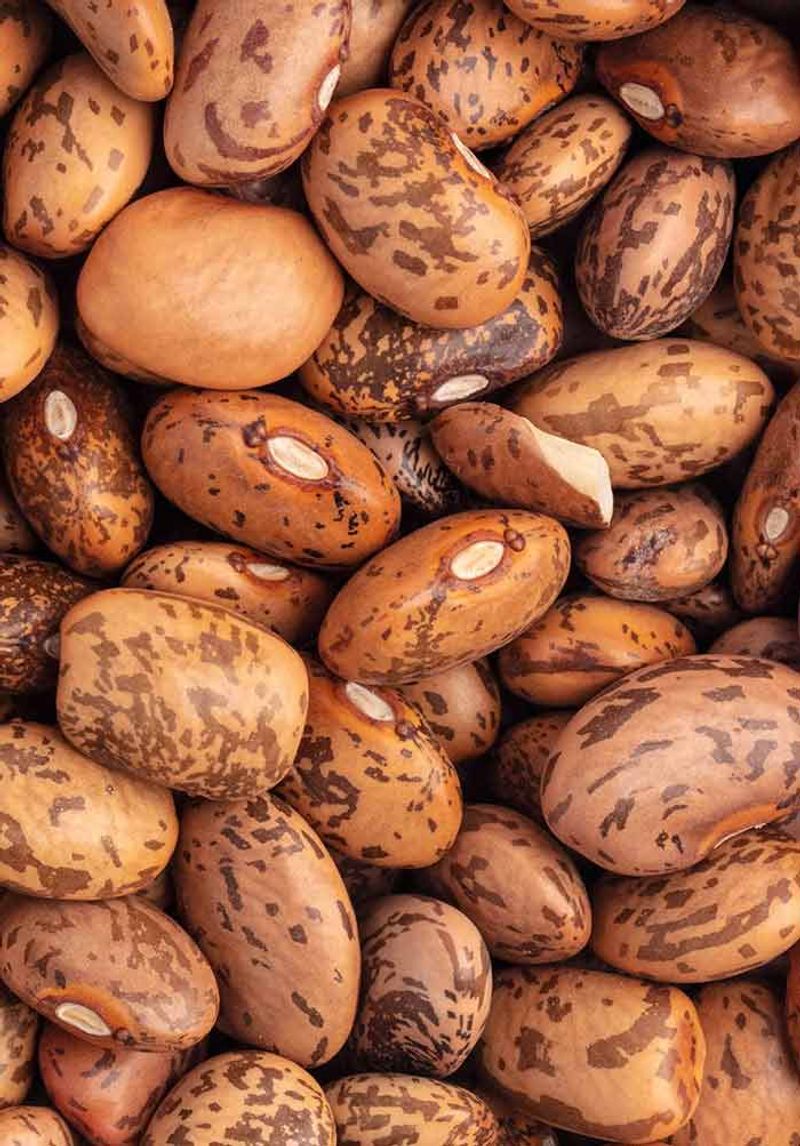
Common beans, domesticated independently in Mesoamerica and the Andes around 2,000 BCE, tell a tale of diversity and sustainability. Their vibrant colors and nutrient-rich profile make them a staple in diets worldwide.
Imagine a hearty chili or a refreshing bean salad—beans are incredibly versatile. Today, over 30 million tonnes are produced globally. Their journey from ancient fields to modern kitchens highlights their importance as a resilient and nutritious food source, connecting ancient farming practices with today’s dietary needs.
8. Peas
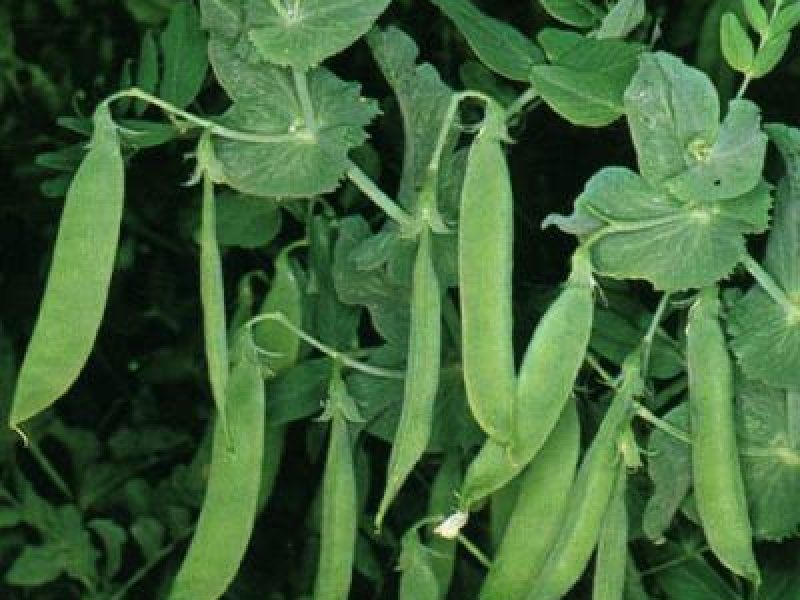
Peas have been cultivated in the Fertile Crescent since around 7,000 BCE, offering a glimpse into ancient agricultural practices. These sweet, tender legumes are cherished worldwide for their fresh taste and nutritional benefits.
Whether enjoyed fresh, frozen, or dried, peas are versatile and healthy additions to any meal. In today’s markets, they are valued for their ability to thrive in various climates. The story of peas is one of endurance and versatility, connecting the ancient world to modern culinary traditions across the globe.
9. Millet
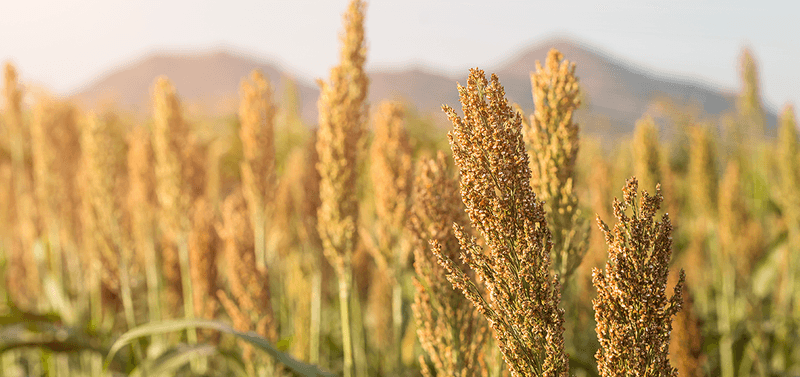
Millet, farmed in Neolithic China and Africa around 7,000 BCE, is a resilient and drought-tolerant crop that remains vital in semi-arid regions. Its adaptability has made it a staple in both ancient and modern diets.
Today, millet is celebrated for its nutritional benefits and versatility, appearing in dishes from porridge to flatbreads. Its ability to thrive in challenging conditions underscores its importance in global agriculture. Millet’s enduring legacy is a testament to the ingenuity of early farmers who harnessed its potential for sustenance.
10. Sorghum
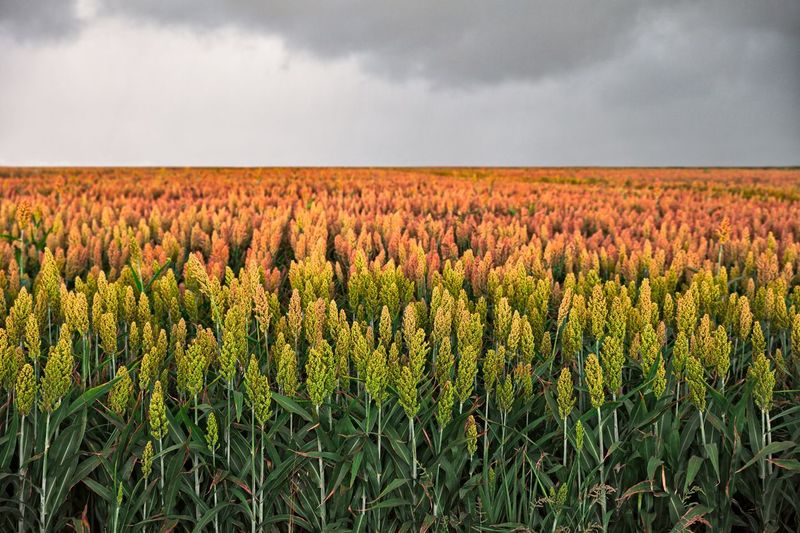
Sorghum, domesticated in the Sahel region of Africa around 6,000 BCE, is a hardy cereal crop with a rich history. Its ability to withstand tough conditions has made it a crucial food source for centuries.
Today, sorghum ranks as the fifth-largest cereal crop, integral in food and biofuel production. From traditional porridges to innovative gluten-free products, it continues to diversify our diets. The enduring cultivation of sorghum reflects its adaptability and its significant role in sustainable agriculture globally.
11. Olives
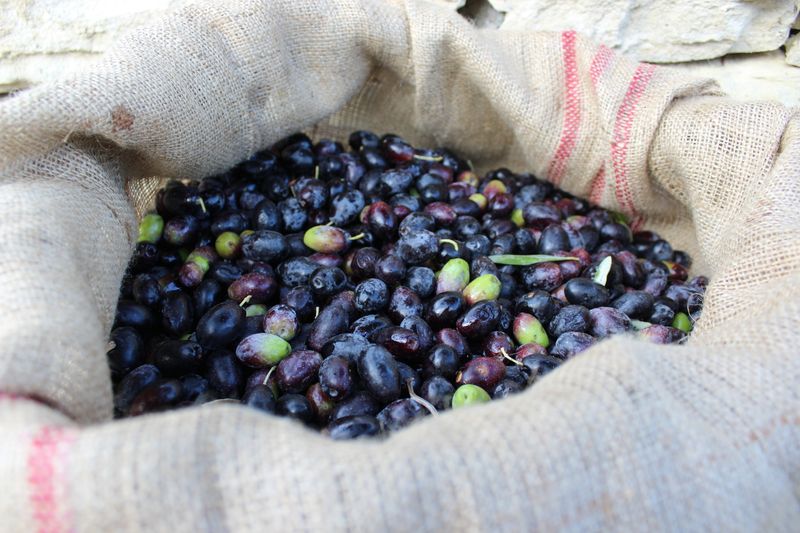
Olives, cultivated by the Minoans and Greeks around 3,600 BCE, have long been a symbol of peace and prosperity. Their rich, buttery flavor and healthy oils make them culinary treasures.
Imagine the crisp taste of olive oil drizzled over a fresh salad or the meaty texture of olives in a Mediterranean dish. Today, olives continue to be a cornerstone of Mediterranean agriculture, celebrated for both their fruit and oil. Their cultivation links us to ancient traditions, highlighting their timeless appeal and culinary significance.
12. Grapes
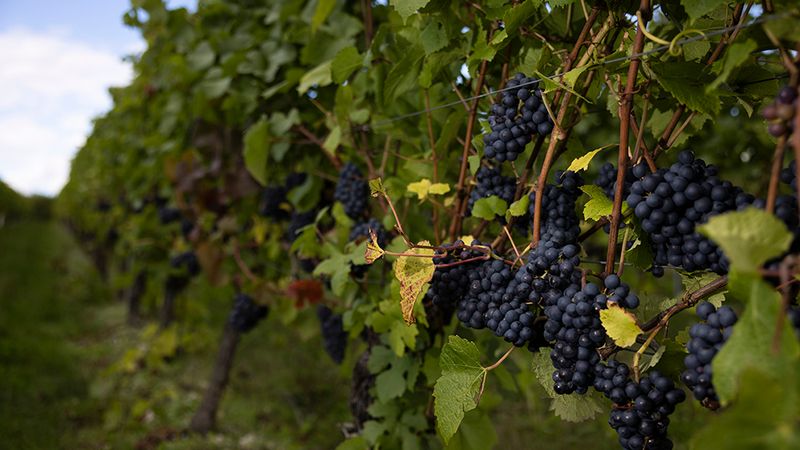
Grapes, bred from wild vines in the Caucasus region around 6,000 BCE, have evolved into a global symbol of indulgence and tradition. Their transformation into wine, juice, and raisins showcases their versatility.
Picture a vineyard bathed in sunlight, with clusters of ripe grapes ready for harvest. Grapes are more than just a fruit; they’re at the heart of a thriving wine industry. The tale of grapes is one of cultural richness and agricultural success, linking ancient origins to contemporary celebrations of flavor.
13. Dates
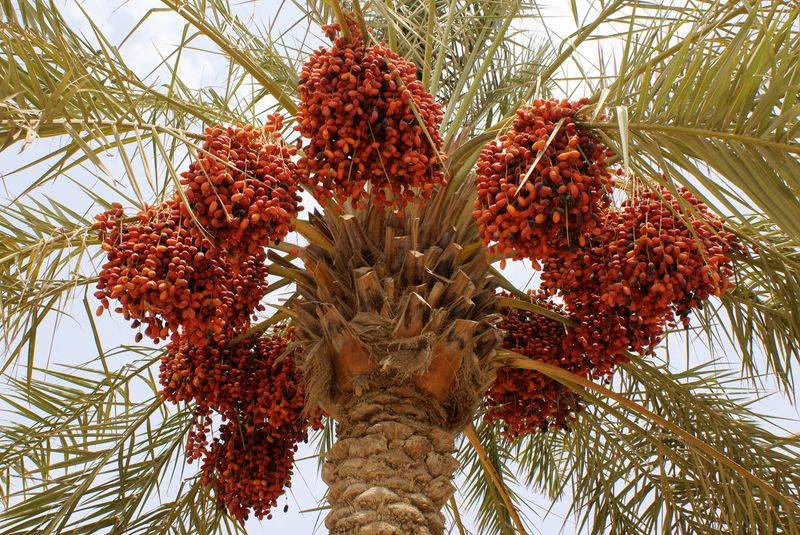
Dates, farmed in Mesopotamia and Egypt around 6,000 BCE, have long been a staple in desert regions, offering sweet sustenance and vital nutrition.
Their chewy texture and natural sweetness have made them a beloved ingredient in cuisines worldwide. Today, dates are major exports from the Middle East and North Africa, cherished for their energy-boosting properties and versatile culinary uses. The story of dates is one of endurance and adaptability, rooted in ancient agricultural practices and continuing to nourish modern diets.
14. Flax

Flax, grown in ancient Sumer and Egypt around 8,000 BCE, has a storied past as a source of seed oil and linen fiber. Its vibrant blue flowers and sturdy stalks make it an agricultural marvel.
From linen textiles to linseed oil, flax continues to impact industries today. Its cultivation reflects a blend of beauty and utility, bridging ancient practices with modern needs. The enduring legacy of flax lies in its versatility and its ability to adapt to changing times, enriching our lives through both food and fabric.
15. Quinoa
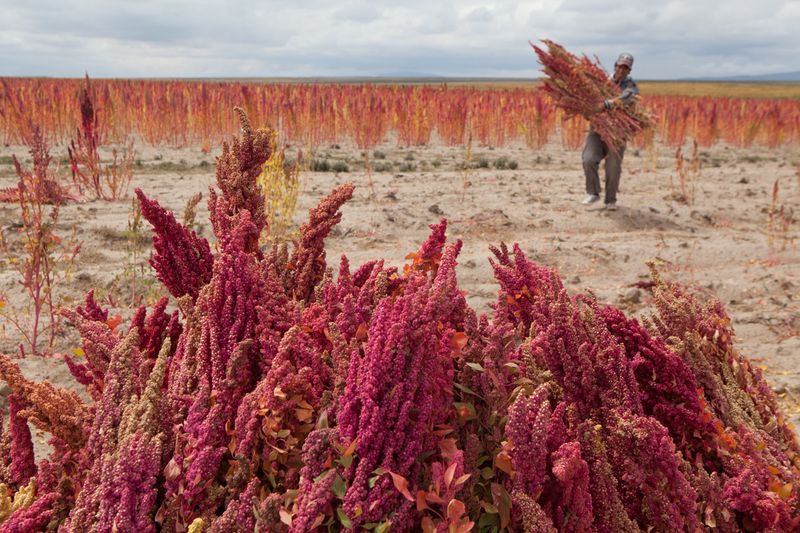
Quinoa, domesticated by Andean cultures in Peru and Bolivia around 3,000 BCE, is celebrated as a protein-rich “pseudocereal.” Its tiny seeds pack a nutritional punch, making it a favorite among health enthusiasts.
This ancient crop thrives in high altitudes and harsh conditions, reflecting its resilience. Quinoa’s versatility shines in dishes from salads to breakfast bowls, offering a nutritious alternative to traditional grains. Its cultivation highlights a harmonious relationship between ancient agricultural practices and modern dietary trends, sustaining both body and tradition.