 Complete Gardening
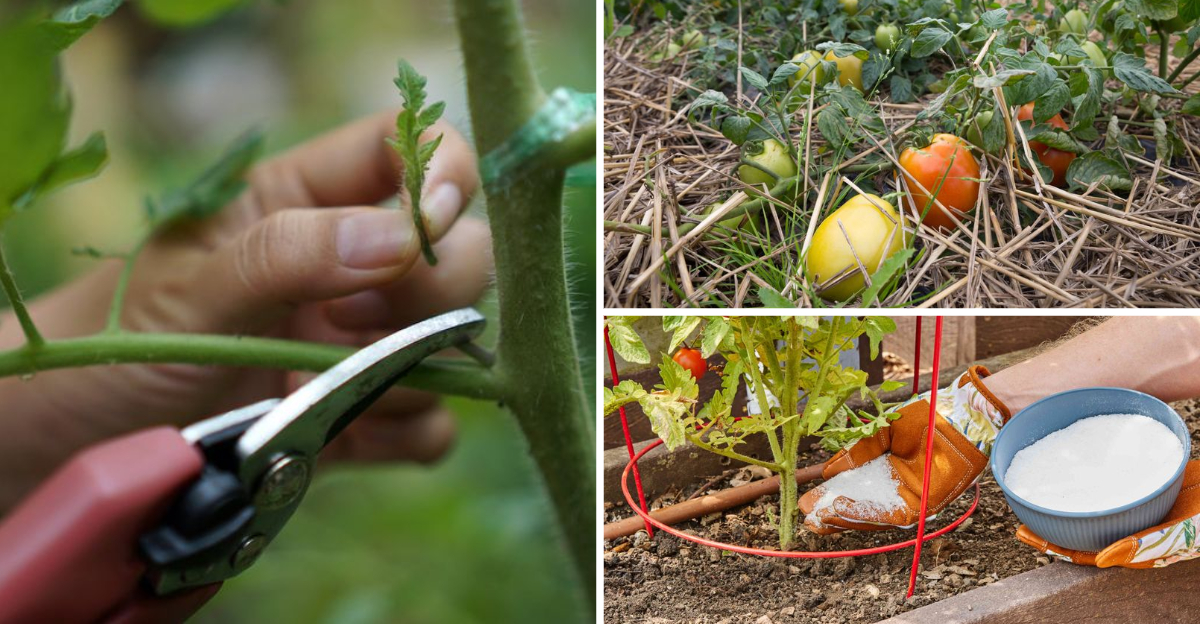
Explore the shared wisdom of 15 seasoned tomato growers who reveal the secret remedy to combat yellowing leaves. Whether you’re a novice gardener or a seasoned green thumb, these insights are sure to enhance your tomato-growing journey.
1. The Power of Epsom Salt
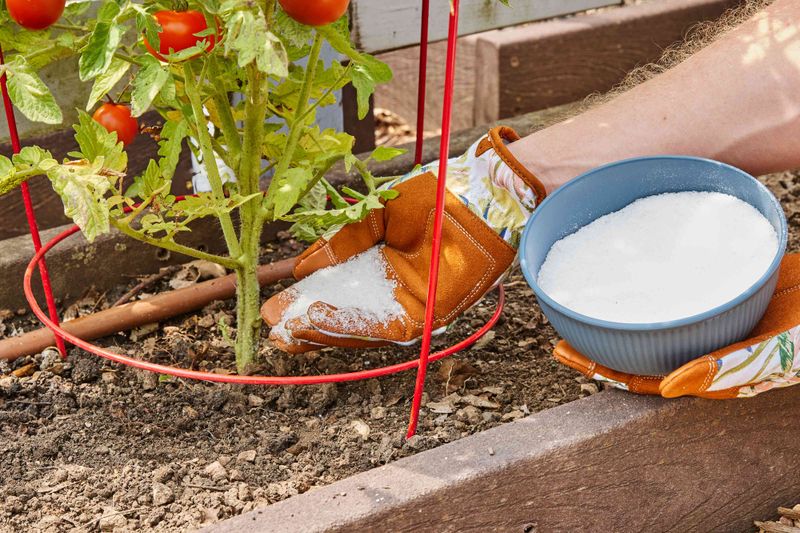
A seasoned gardener, in his 50s, swears by Epsom salt to treat yellow leaves in tomato plants. Start by dissolving a tablespoon of Epsom salt in a gallon of water. Apply this solution to the soil every three to four weeks. This simple remedy provides magnesium, essential for chlorophyll production. With consistent use, leaves regain their vibrant green hue. Have you noticed yellowing leaves on your tomato plants? Epsom salt could be the solution. This cost-effective method is easy to apply and shows visible results rapidly. Many gardeners find it to be both practical and impactful. Give it a try!
2. Mulch Magic
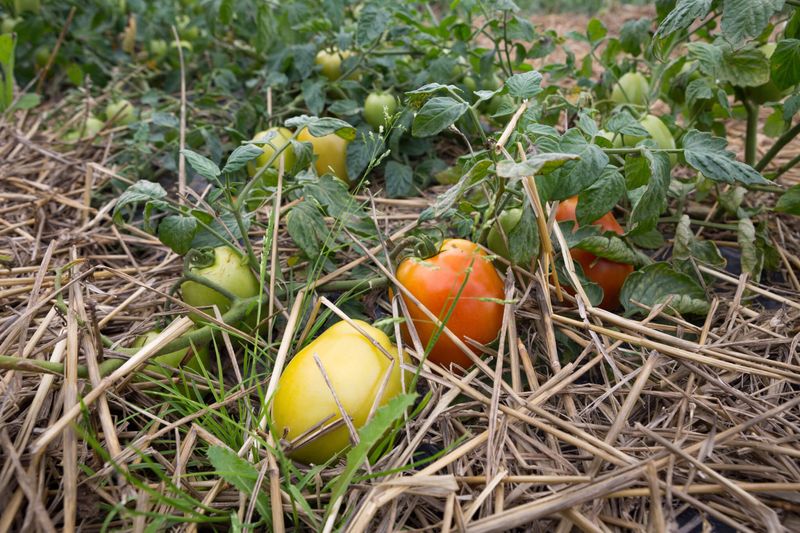
Mulching is a hidden gem shared by an enthusiastic gardener in her 30s. By applying a thick layer of mulch around tomato plants, moisture retention is significantly improved. This technique reduces stress on the plants, which often leads to yellow leaves. Mulch acts as a blanket, conserving water and preventing soil erosion. Furthermore, it enriches the soil with nutrients as it decomposes. Have you considered what mulch can do for your tomatoes? It’s not just about aesthetics; it’s a vital ally in plant health. Experiment with organic options like straw or wood chips for best results.
3. Balanced Fertilization
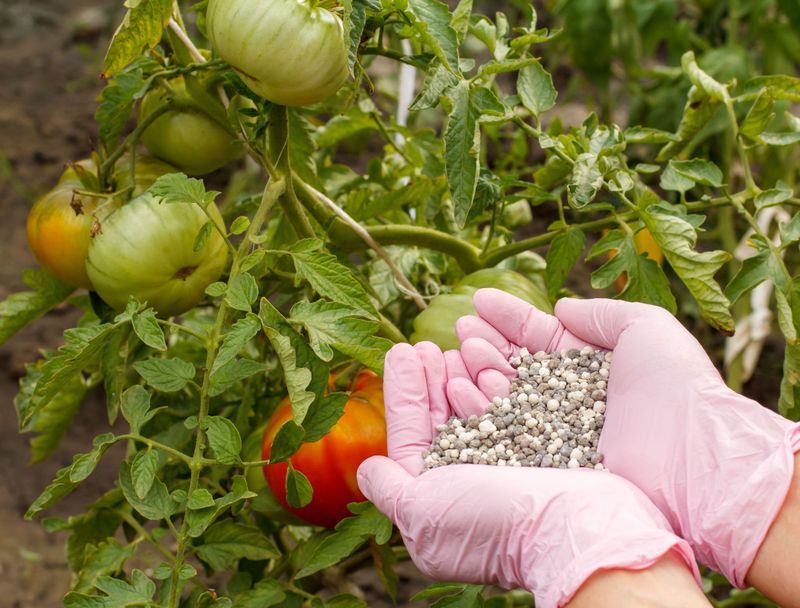
A veteran grower, aged 60, highlights the importance of balanced fertilization. Over-fertilizing can cause more harm than good to tomato plants, leading to yellow leaves. Strive for a balanced nutrient mix to encourage healthy growth. This gardener recommends a well-rounded fertilizer that doesn’t overload any single nutrient. Consistent application ensures that the plants receive what they need without the risk of nutrient burn. Has over-fertilization been your issue? A balanced approach may be the answer. It’s crucial to follow the recommended dosage and schedule for optimal results.
4. Pruning Precision
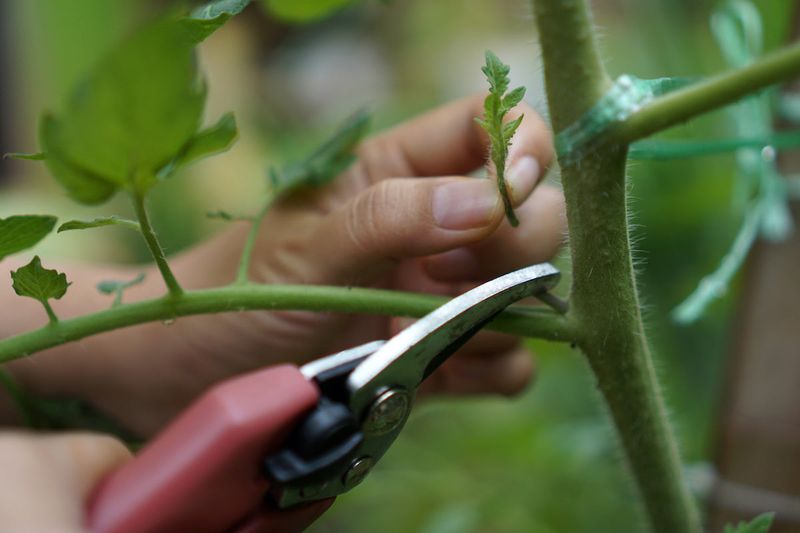
Pruning is an art, as an experienced gardener in his 70s explains. Carefully removing excess foliage allows more sunlight to reach the inner parts of the plant. This can reduce yellowing leaves, as it improves air circulation and light penetration. Pruning encourages healthier growth and can prevent disease spread. Are you overwhelmed by dense foliage? Try a careful pruning routine. This technique not only helps with yellow leaves but also enhances overall plant vitality. The gardener suggests starting with removing any dead or yellowing leaves first for best results.
5. Proper Watering Techniques
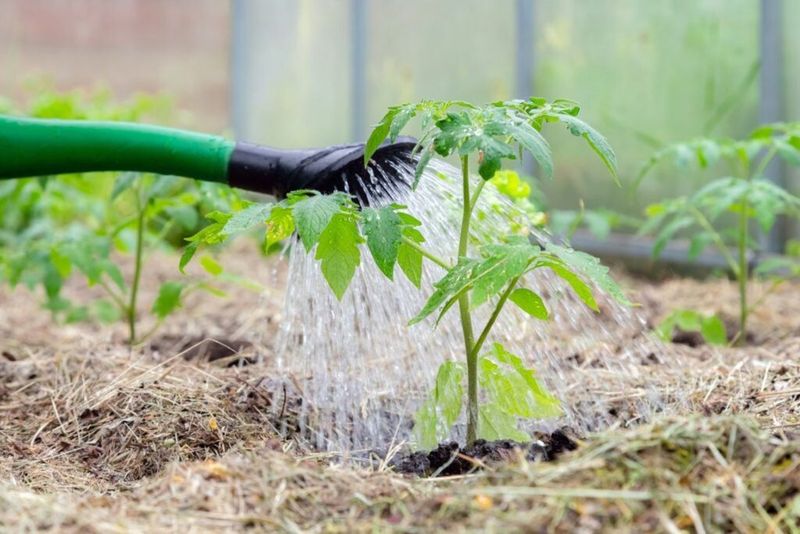
Watering seems simple, yet a young gardener in her late 20s shares a key insight: inconsistency leads to yellow leaves. Aim for deep, even watering, reaching the roots adequately without drowning them. Overhead watering is discouraged, as it can cause fungal diseases. Instead, water at the base. Does your watering routine need adjustment? Consistency and technique are crucial. Adjusting these can make a visible difference in leaf color. This gardener stresses the importance of observing your plants closely. Each plant may have unique water requirements based on its environment.
6. Coffee Grounds Enrichment
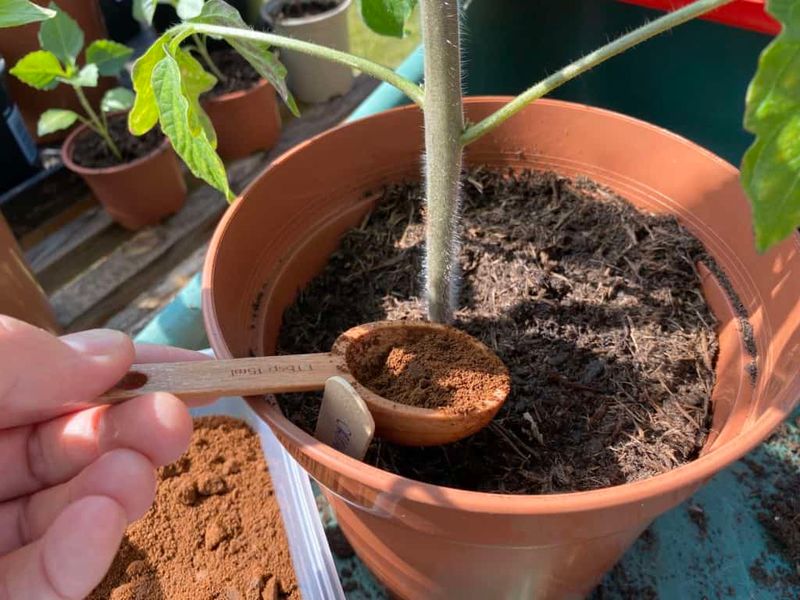
Did you know? Coffee grounds can be a game-changer, according to a gardener in his 40s. Rich in nitrogen, they enhance soil quality, helping to prevent yellow leaves. Sprinkle them around the base of your tomato plants. This natural boost can deter pests while slowly releasing nutrients into the soil. Have you tried coffee grounds in your garden? The results can be surprisingly effective. They’re a sustainable choice that recycles waste while nourishing plants. This tip is perfect for those seeking an eco-friendly solution to garden challenges.
7. Companion Planting Strategy
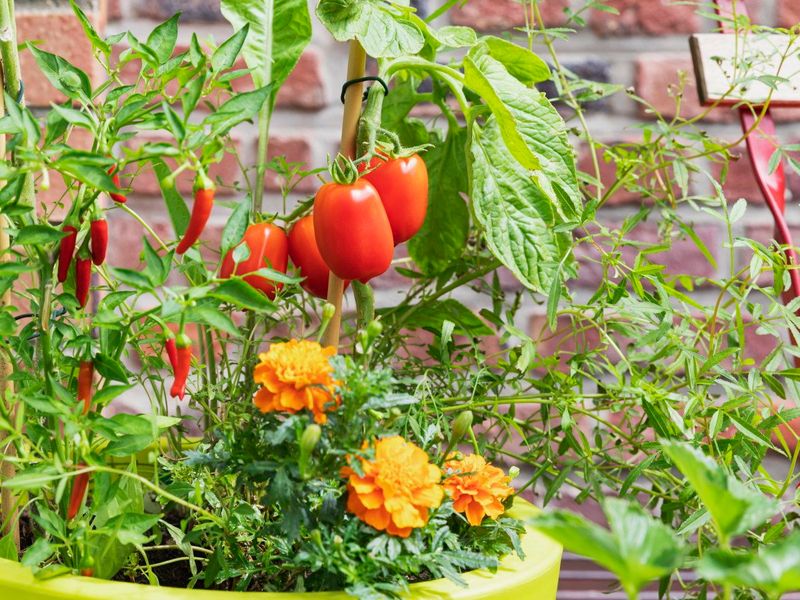
A unique approach is offered by a gardening duo in their 50s: companion planting. By incorporating plants like marigolds, tomato plants benefit from a natural pest deterrent. This strategy can minimize stress, reducing yellow leaves. These companions not only ward off harmful insects but also enhance pollination. Are you looking for natural solutions? Companion planting offers a symbiotic environment for your garden. It’s a creative way to manage pests while enriching the garden’s ecosystem. Experiment with different plant combinations to discover what works best for your tomatoes.
8. Soil pH Management
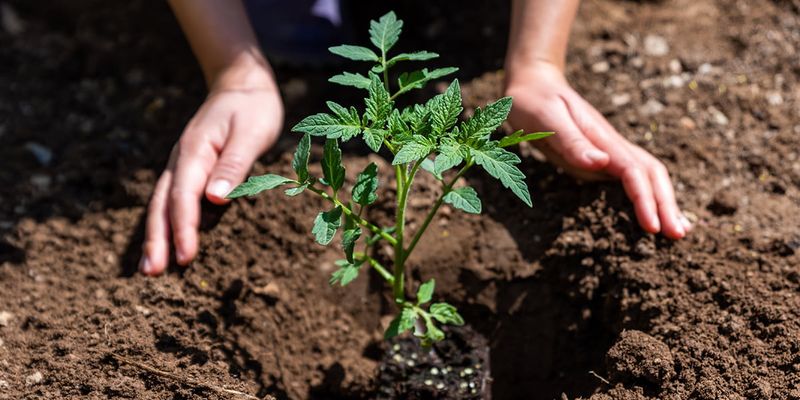
Soil pH plays a pivotal role, as shared by a 50-year-old gardener. Maintaining a pH between 6.0 to 6.8 is crucial for tomato growth. Imbalanced pH can impede nutrient absorption, leading to yellow leaves. Regular testing and amending the soil with lime or sulfur can correct pH levels. Is your soil pH aligned with tomato requirements? This step is often overlooked, yet it’s essential for vibrant foliage. Soil management can significantly impact the health and productivity of your plants. Ensure you check pH periodically to keep your garden thriving.
9. Pest Control Wisdom
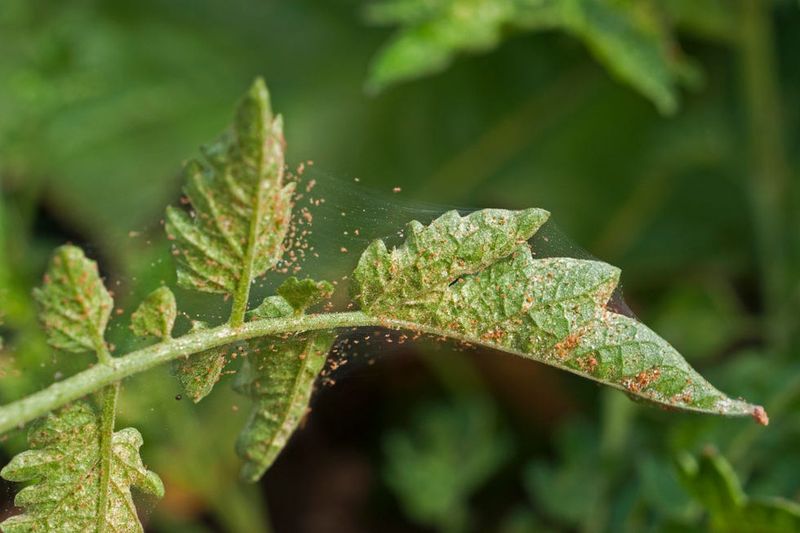
A gardener in her 60s emphasizes vigilance in pest control. Aphids and whiteflies can cause yellowing by sapping nutrients from leaves. Regularly inspecting plants and using natural deterrents can mitigate this issue. Are pests plaguing your tomatoes? Focus on early detection and management. Incorporating beneficial insects, like ladybugs, can naturally reduce pest populations. This gardener recommends neem oil as an effective treatment. Keeping pests at bay ensures healthier plants. By being proactive, your tomato plants can thrive without the nuisance of unwanted visitors.
10. Rotation and Soil Health
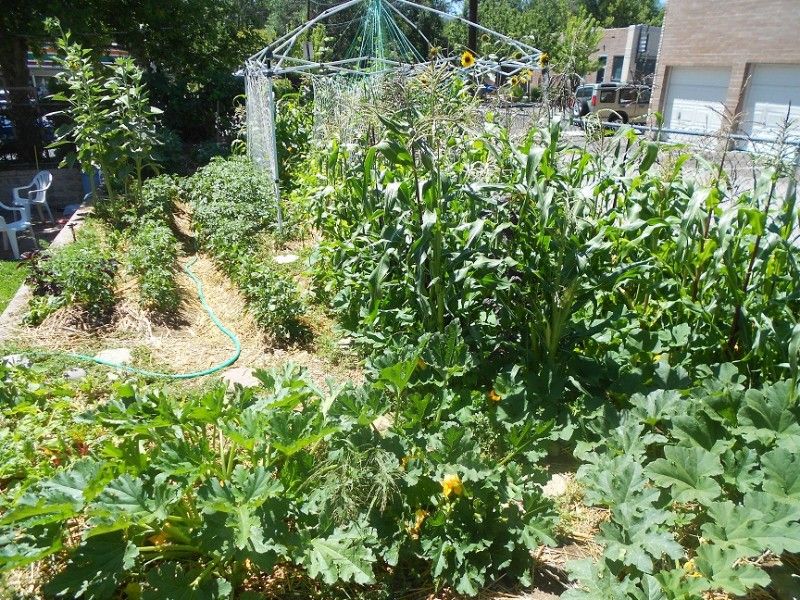
Crop rotation is a traditional practice, championed by a 30-year-old gardener. Rotating crops prevents soil depletion and reduces disease risk, tackling yellow leaves. By changing planting locations annually, soil health improves, minimizing nutrient imbalances. Have you considered the benefits of crop rotation? It’s a time-honored technique that enhances soil resilience. This gardener highlights its role in disrupting pest and disease cycles. A thoughtful rotation plan can be beneficial, fostering a healthier environment for your tomatoes and ensuring a more bountiful harvest.
11. The Role of Calcium
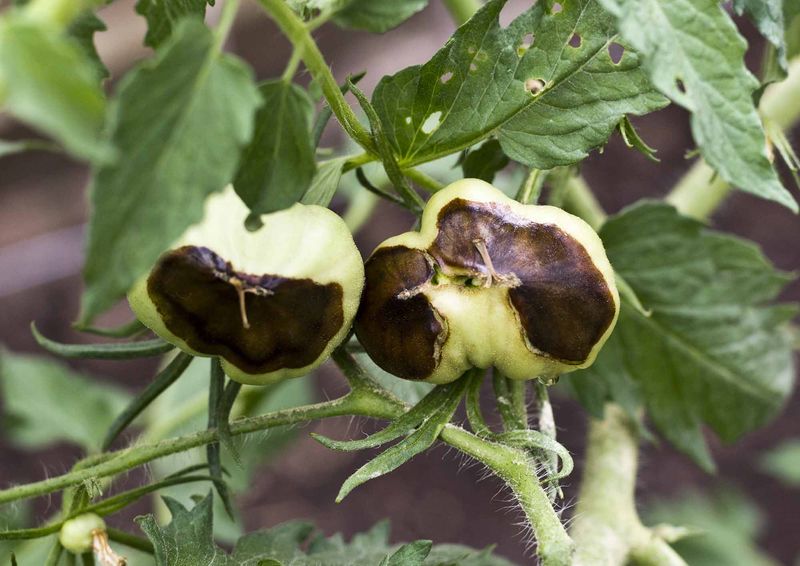
Calcium deficiency often results in yellow leaves, notes a gardener in his 40s. Crushed eggshells, rich in calcium, can be scattered around tomato plants. As they decompose, they enrich the soil, alleviating deficiencies. Are you utilizing eggshells in your garden? Their slow release ensures a steady supply of calcium. This approach prevents blossom end rot, a common issue linked to calcium shortage. It’s an easy, cost-effective method to bolster your plant health. Ensuring adequate calcium can significantly impact leaf color and overall vitality.
12. Light Exposure Optimization
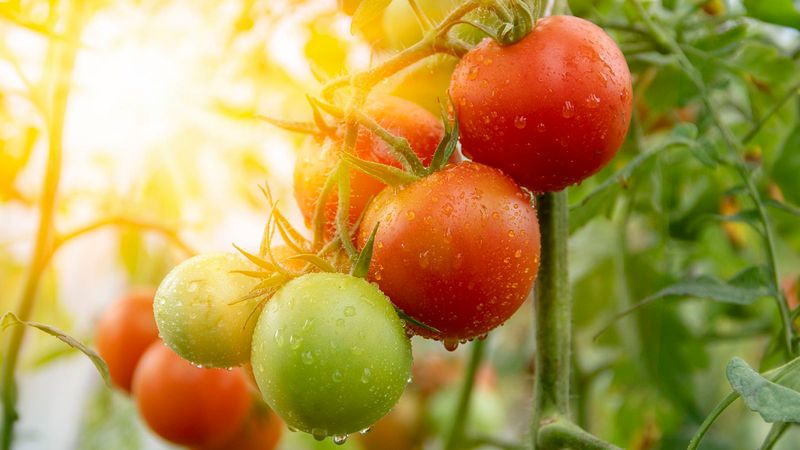
Light exposure is critical, as shared by a 50-year-old gardener. Tomatoes require full sun, ideally 6-8 hours daily, to thrive. Insufficient light can cause leaves to yellow and stunt growth. Adjusting plant positions or pruning nearby growth can enhance light availability. Are your tomatoes getting enough sunlight? Evaluate their placement to optimize light exposure. This gardener emphasizes the importance of monitoring light as a key factor. Proper exposure ensures robust growth and vibrant leaf coloration. It’s a simple yet often overlooked aspect of successful tomato cultivation.
13. Organic Composting Benefits
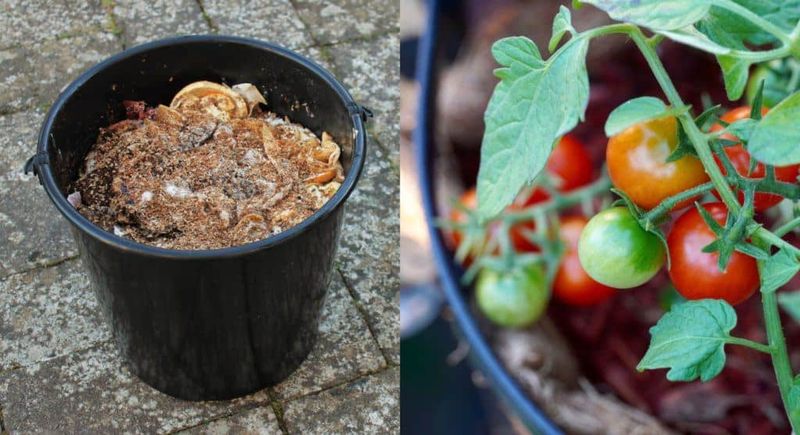
Composting is a gardener’s ally, conveys a woman in her 30s. Organic compost enriches soil, providing essential nutrients that combat yellow leaves. By integrating compost, nutrient deficiencies are addressed effectively. Have you explored composting in your garden routine? It improves soil structure, enhancing water retention and root health. This eco-friendly method recycles garden waste into valuable fertilizer. The gardener highlights the sustainability aspect, making it a preferred choice. Regular compost application can transform your tomato plants, leading to more vigorous and resilient growth.
14. The Humidity Factor
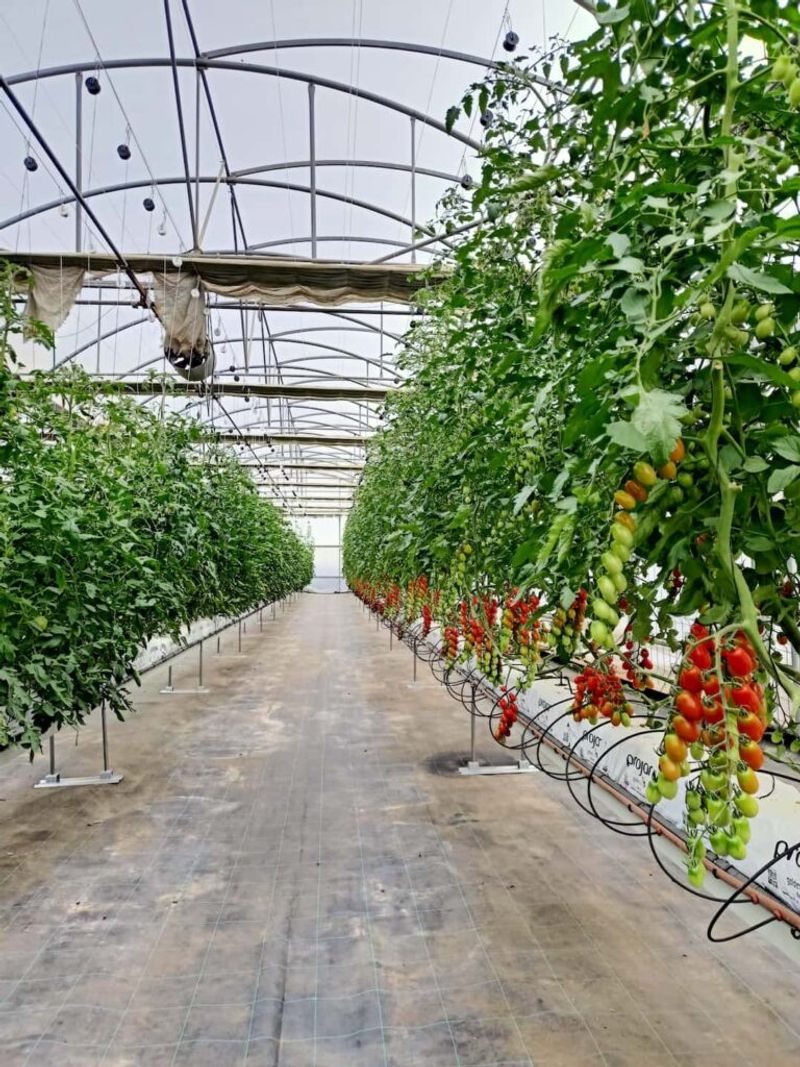
Humidity levels play a significant role, suggests a gardener in his 50s. Too much humidity can lead to fungal issues and yellow leaves. Using a greenhouse or protective cover helps regulate moisture. Are you managing humidity in your garden? Balancing humidity can significantly affect plant health. This gardener finds that proper ventilation is equally vital. Creating an ideal microclimate ensures healthier plants and vibrant foliage. It’s a simple adjustment that can have substantial results. Monitoring and adjusting humidity may be the key to solving yellow leaf challenges.
15. Stress Reduction Techniques
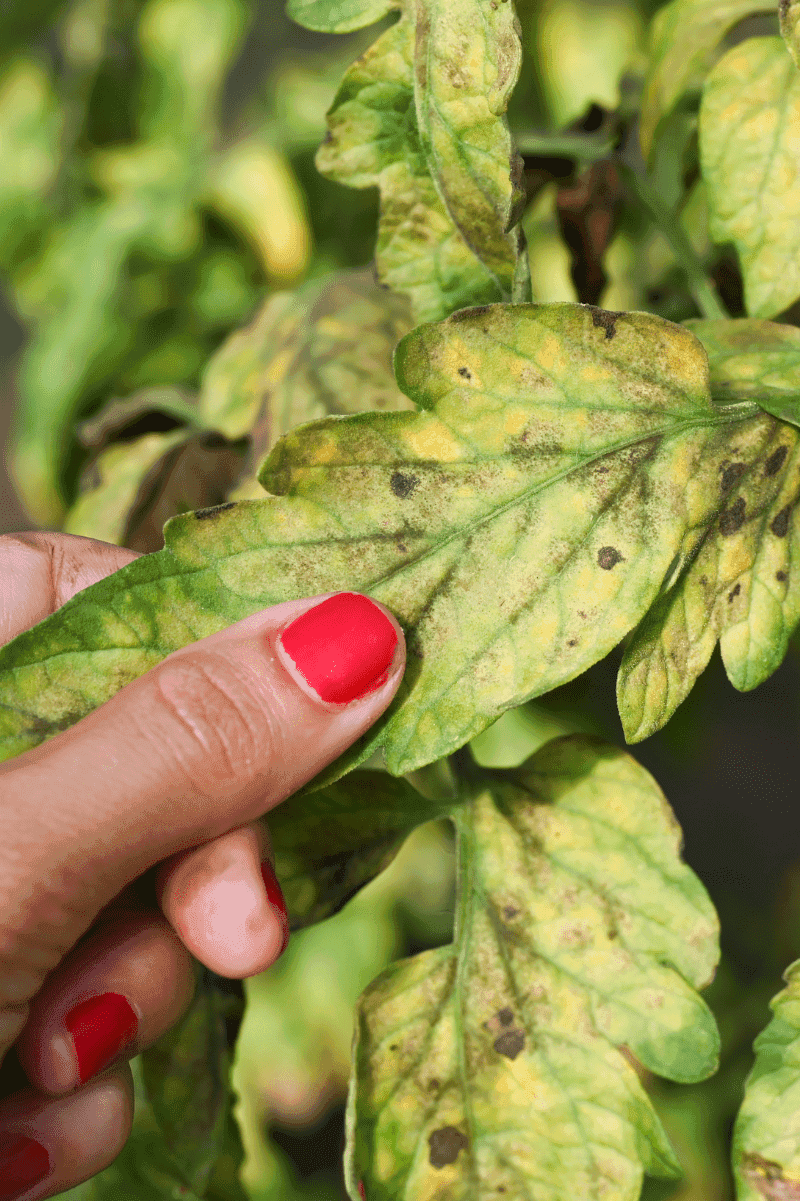
Stress can manifest in yellowing leaves, as explained by a 70-year-old gardener. Identifying and minimizing stress factors like inconsistent watering, pests, or sudden temperature changes is crucial. Have you considered stress impacts on your plants? Implementing a stable routine can create a nurturing environment. The gardener advises monitoring conditions closely and responding swiftly to changes. A calm, thoughtful approach to care ensures healthier, happier plants. Stress reduction is often the missing piece in maintaining robust tomato plants. With careful attention, your garden can flourish against adversity.