 Complete Gardening
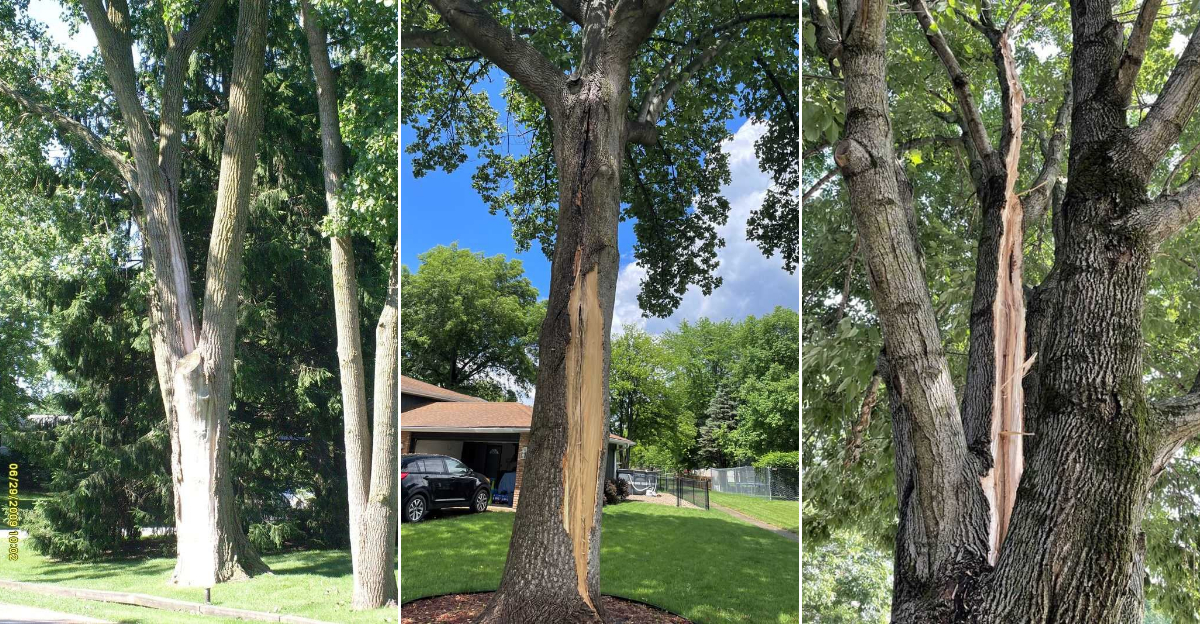
Lightning is a powerful natural force that can have devastating effects on trees, especially those that are more susceptible to strikes. While many trees are planted for their beauty and benefits, some are more likely to be struck by lightning due to their height, moisture content, or other characteristics. Understanding which trees are most vulnerable can help in making informed decisions about landscaping and tree care.
1. Oak Trees
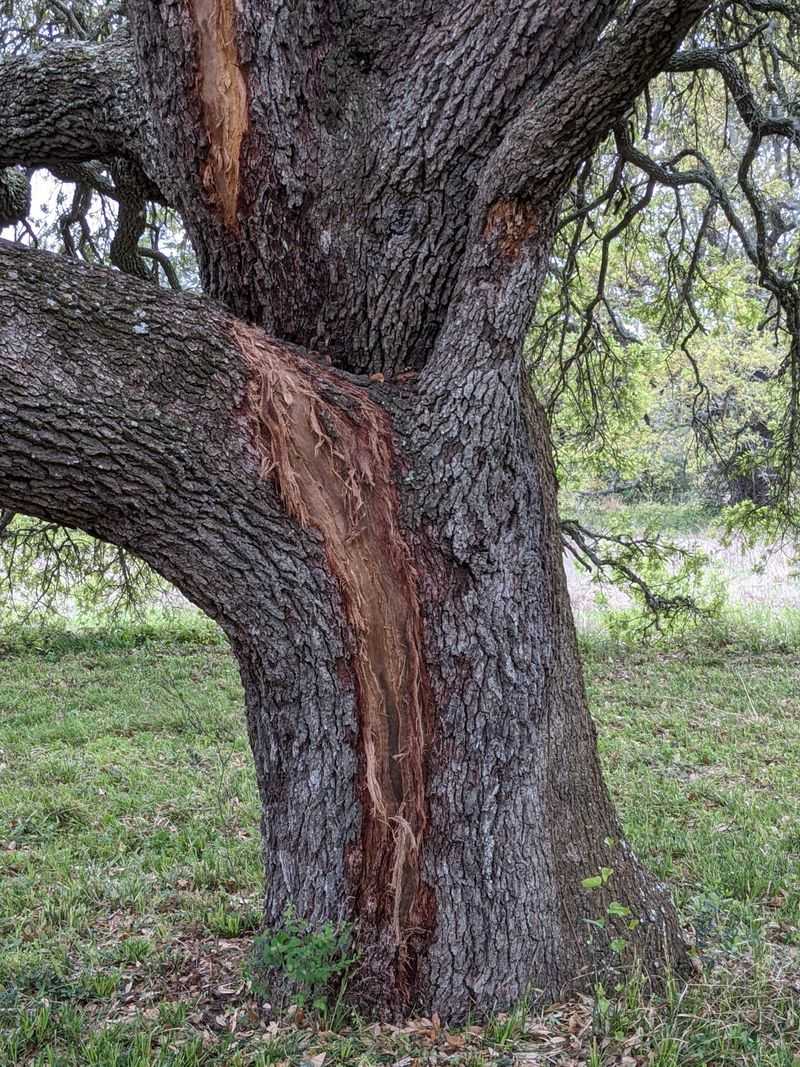
Oak trees, particularly red and white oaks, stand as icons of strength and resilience. However, their tall stature, deep roots, and high moisture content make them prime targets for lightning strikes. When storm clouds gather, these giants of the forest often find themselves in the lightning’s path. The very characteristics that make them so imposing also increase their vulnerability. Planting an oak is a commitment to beauty and shade, but it comes with risks. Consider placing them strategically away from structures to mitigate potential damage from strikes.
2. Pine Trees
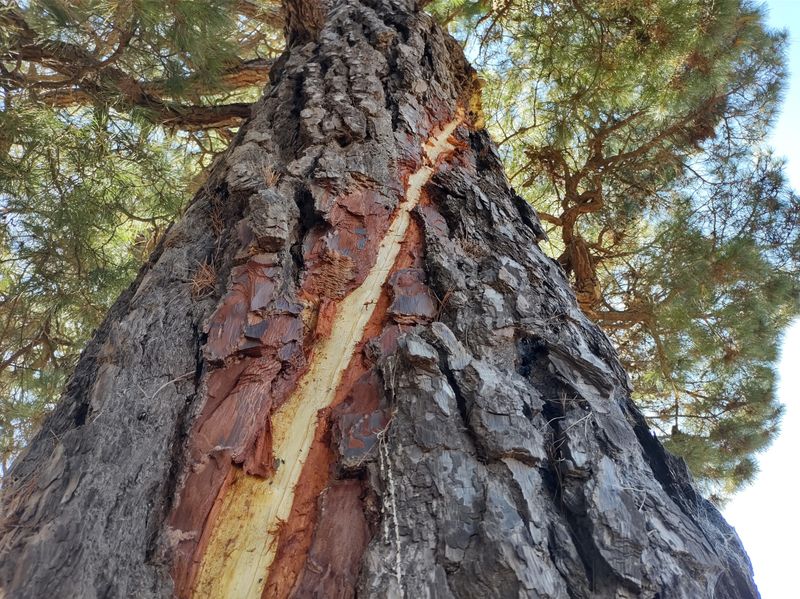
Pine trees grace landscapes with their evergreen beauty, yet their tall height and resin-rich composition make them susceptible to lightning. During thunderstorms, their towering presence is hard to miss, and the resin acts as a conductor. Planting pines offers year-round greenery, but they’re also lightning magnets. If you choose to plant them, ensure they’re not the tallest objects in the area. Proper placement and care can reduce the chances of a direct strike, offering a balance between their aesthetic appeal and safety.
3. Poplar Trees
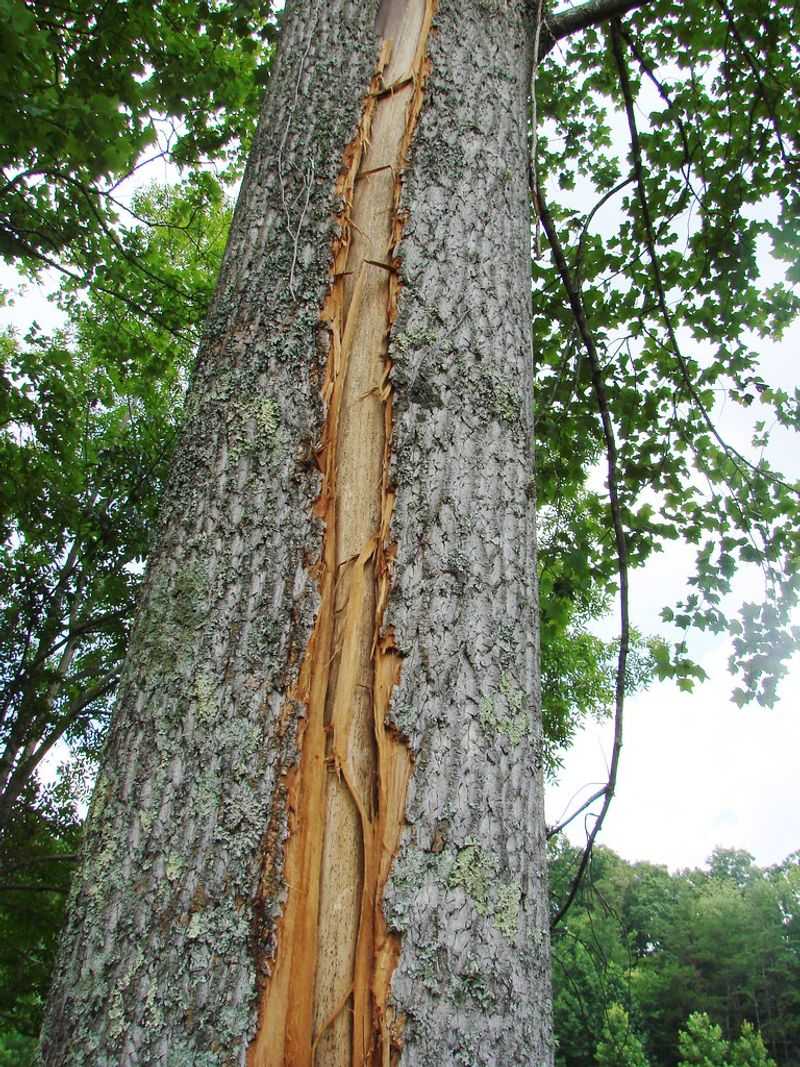
Poplar trees are known for their rapid growth and towering height. These qualities make them appealing for quick landscaping solutions, but they also attract lightning. Their fast growth results in a higher water content, which can increase conductivity during storms. While they offer quick shade and windbreaks, planting them requires careful consideration of placement. Keep them away from buildings and power lines to minimize risks. Enjoy the benefits of their rapid growth by integrating them into larger, diverse plantings that mitigate potential dangers.
4. Maple Trees
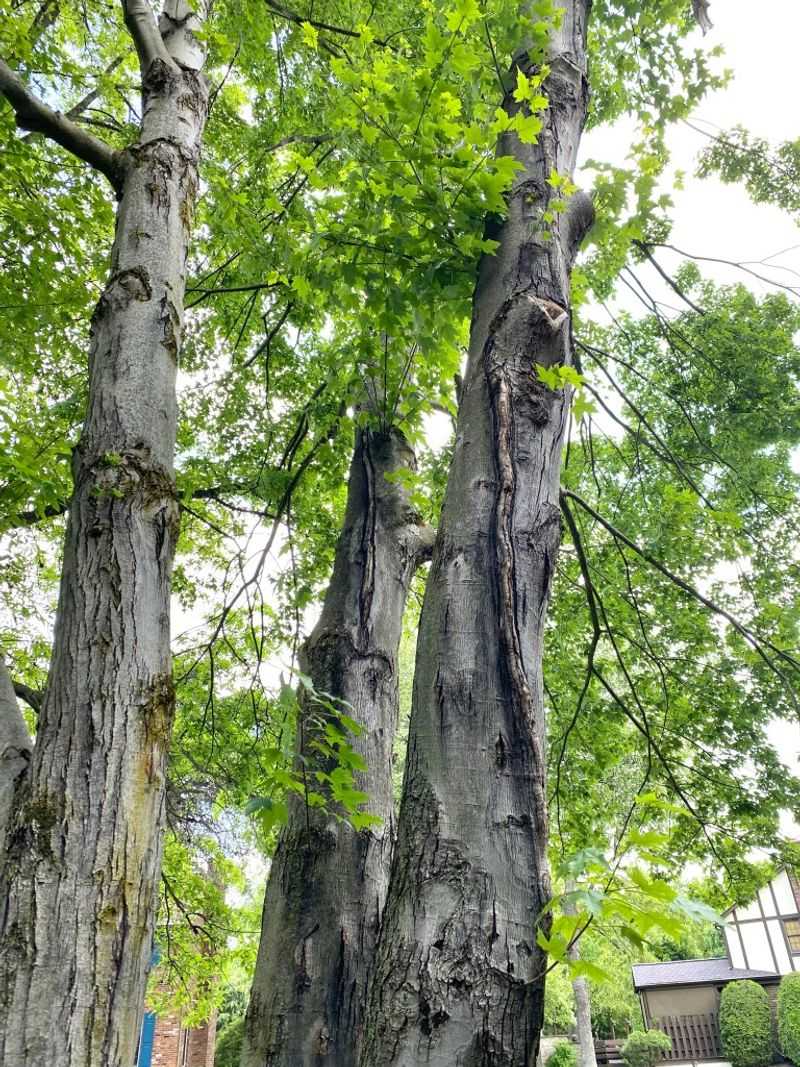
Maple trees are favorites in landscaping due to their beautiful fall foliage and sturdy form. However, the moisture-rich sap that courses through them can make them vulnerable to lightning. Their widespread branches can channel strikes towards the ground, making them a potential hazard in storms. When planting maples, consider their location carefully, ensuring they are not the tallest structures around. Their vibrant beauty is worth the care needed to keep them safe from unpredictable weather conditions.
5. Sycamore Trees
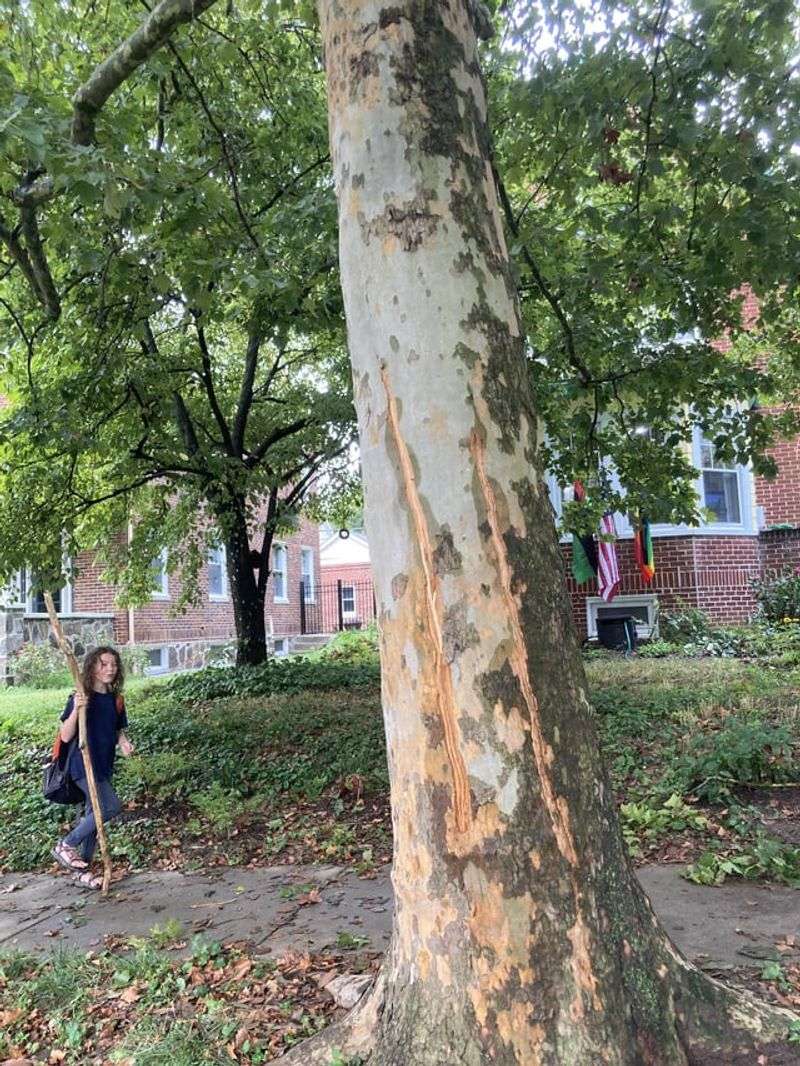
Sycamore trees are notable for their impressive size and distinctive appearance, making them a popular choice in parks and large gardens. Their substantial height often places them directly in the path of lightning. The large surface area of their leaves and branches can attract strikes. Planting sycamores requires strategic placement to avoid potential damage from lightning, especially in open areas. Their beauty and shade are undeniable, but awareness and preparation for their lightning susceptibility are essential.
6. Elm Trees
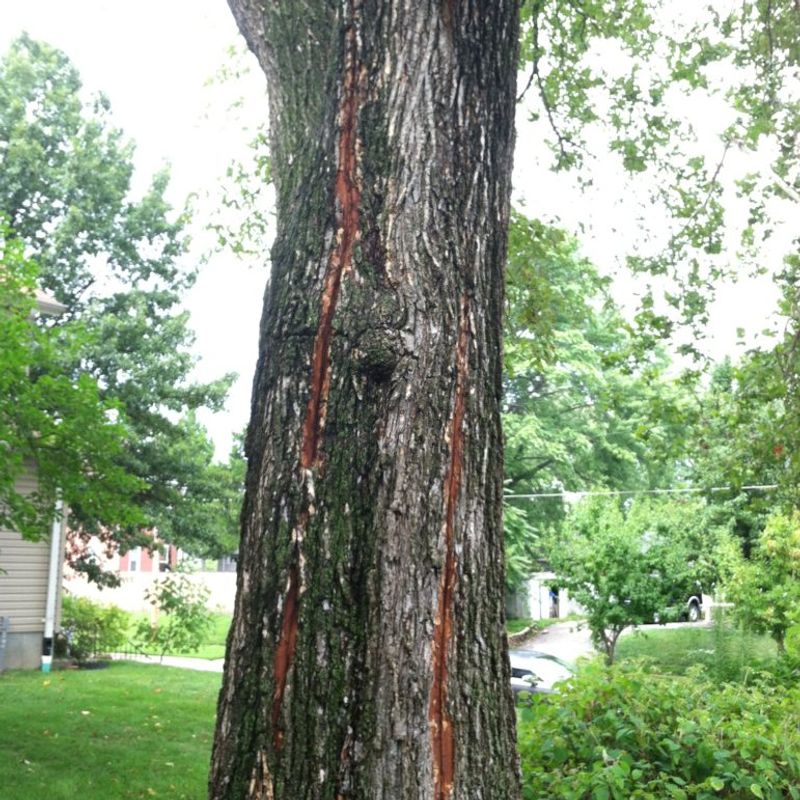
Elm trees, with their elegant, arching branches and dense leaves, are common sights in landscapes. Yet, this grandeur comes with a downside—their large size and moisture-heavy wood make them frequent lightning targets. The juxtaposition of beauty and risk is a consideration when planting elms. Position them in areas where they can thrive without posing a hazard to nearby structures. Their resilience is matched by the care needed to protect them from the elements. Plant them wisely and enjoy their timeless charm.
7. Ash Trees
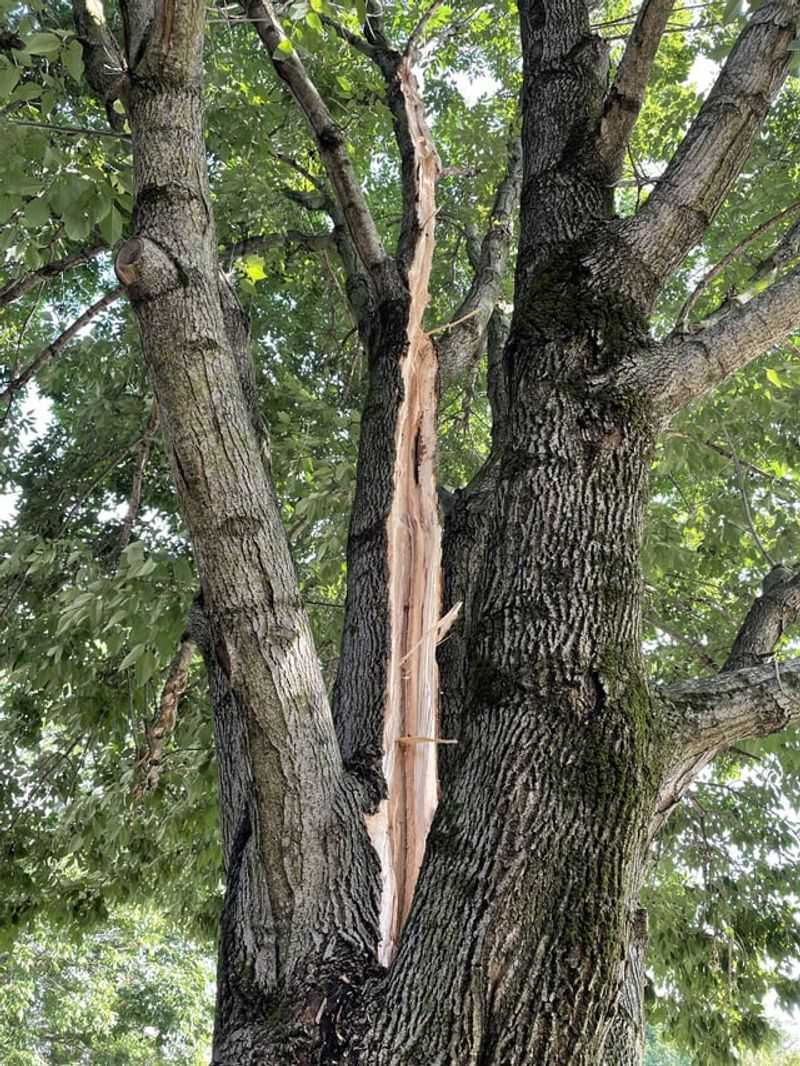
Ash trees are valued for their strong wood and impressive height, making them a staple in both urban and rural settings. However, these same attributes contribute to their susceptibility to lightning. The height and density of ash trees make them prominent targets during thunderstorms. When incorporating ashes into your landscape, consider their proximity to structures and power lines. Their striking presence is a testament to nature’s design, but it requires thoughtful placement to balance aesthetics with safety.
8. Tulip Poplar (Tulip Tree)
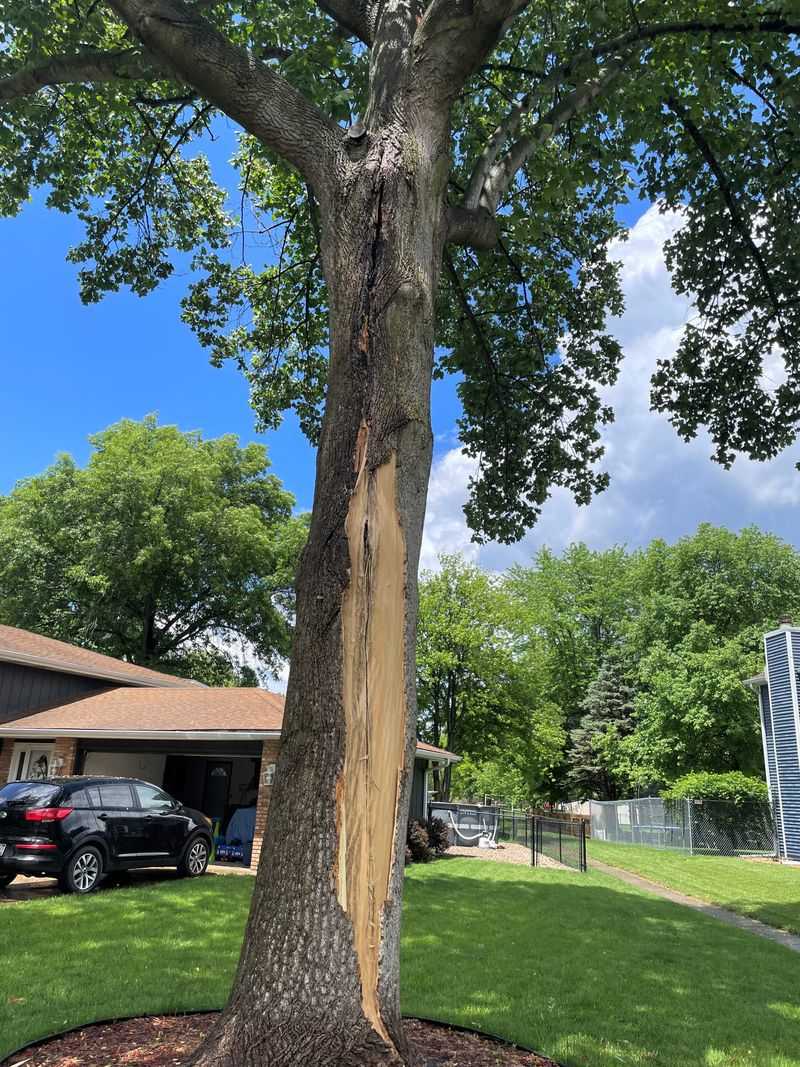
Tulip poplars, often called tulip trees, are among the tallest hardwoods in eastern forests. Their towering height makes them attractive lightning targets. These trees offer wonderful shade and stunning spring blooms, but their susceptibility to lightning cannot be ignored. Planting tulip poplars demands careful site selection, ensuring they are not isolated in open spaces. By integrating them into mixed plantings, their risk can be minimized while still enjoying their natural elegance. Experience their grandeur, but plant with caution.
9. Hickory Trees
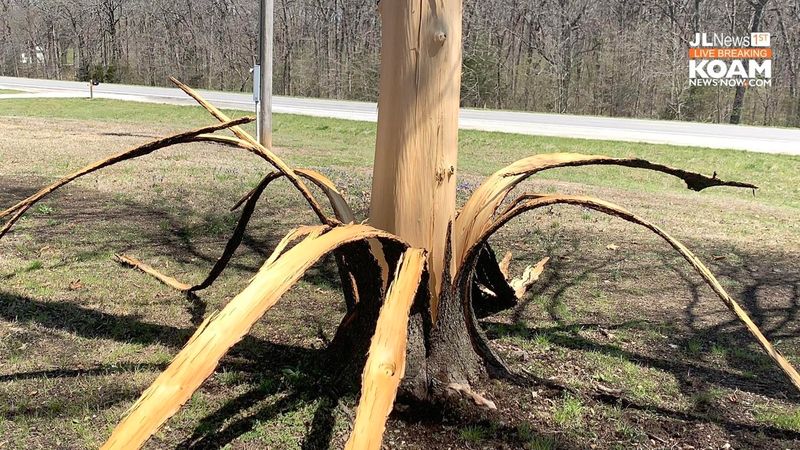
Hickory trees are known for their strength, dense wood, and towering presence in forests and yards. These same features, however, make them magnets for lightning. Their robust build and height are both a blessing and a curse. When considering hickories for your landscape, think strategically about their placement. Avoid placing them where potential lightning strikes could cause harm to structures. Their beauty and utility are best appreciated when balanced with an understanding of their vulnerabilities.
10. Cottonwood Trees
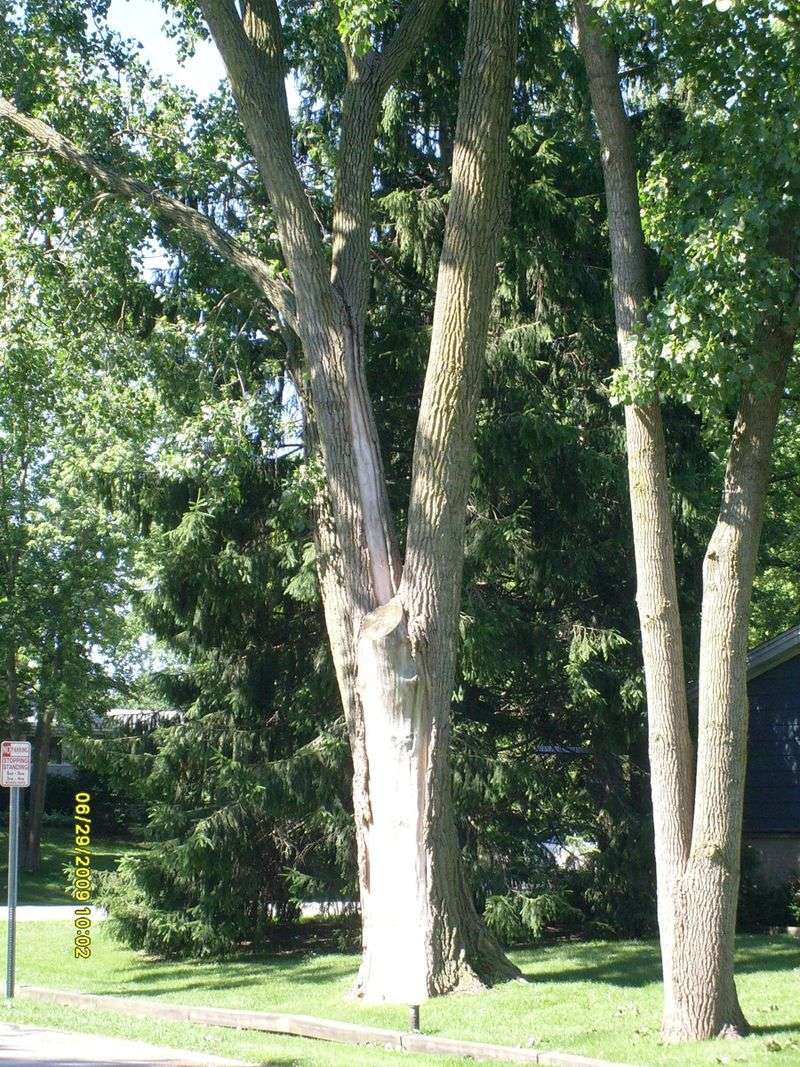
Cottonwood trees are often found near water, growing to impressive heights. This proximity to moisture and towering stature increases their likelihood of being struck by lightning. Their rapid growth and expansive branches make them both beneficial and risky. When planting cottonwoods, consider the landscape carefully, using their size to your advantage for shade but mindful of their lightning attraction. Integrate them into diverse plantings to mitigate risks, allowing their natural beauty to shine without becoming a liability.
11. Cypress Trees
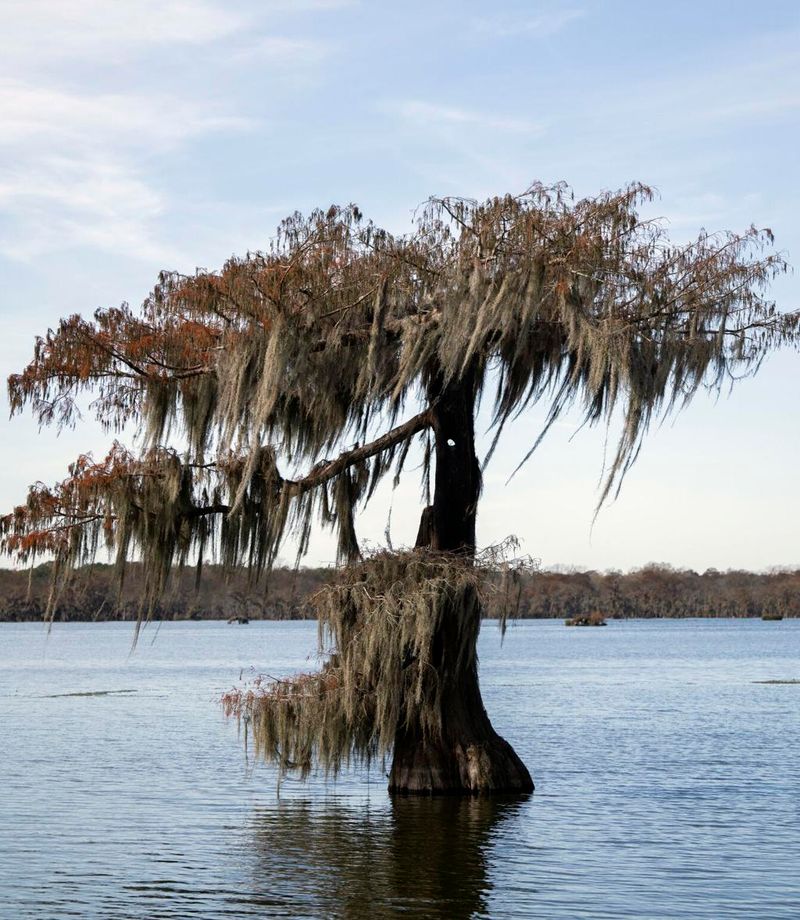
Cypress trees, particularly the bald cypress, are often found in wet areas, adding to their vulnerability to lightning. Their imposing size and unique appearance make them standout features in landscapes. However, their location in moist environments can make them prime targets during storms. When planting cypress trees, ensure they are part of a well-planned garden design that considers the risks of lightning. Their beauty is amplified by proper placement, allowing them to thrive while minimizing potential hazards.
12. Willow Trees
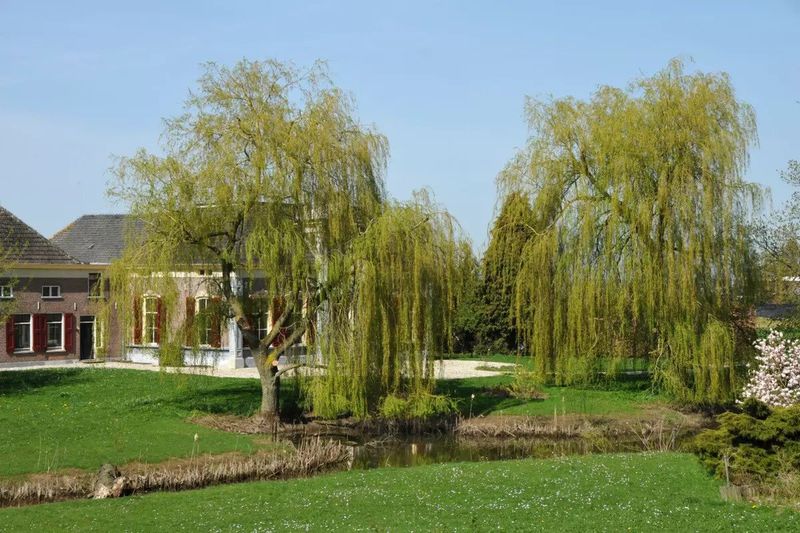
Willow trees are synonymous with elegance and grace, often seen by water’s edge. Their love for moisture increases their conductivity and thus their risk of lightning strikes. Despite this, their graceful branches offer a serene beauty that many find irresistible. When planting willows, consider areas where their striking form can be admired without posing a threat. Balancing their aesthetic appeal with safety considerations ensures they remain a cherished part of your landscape.
13. Beech Trees
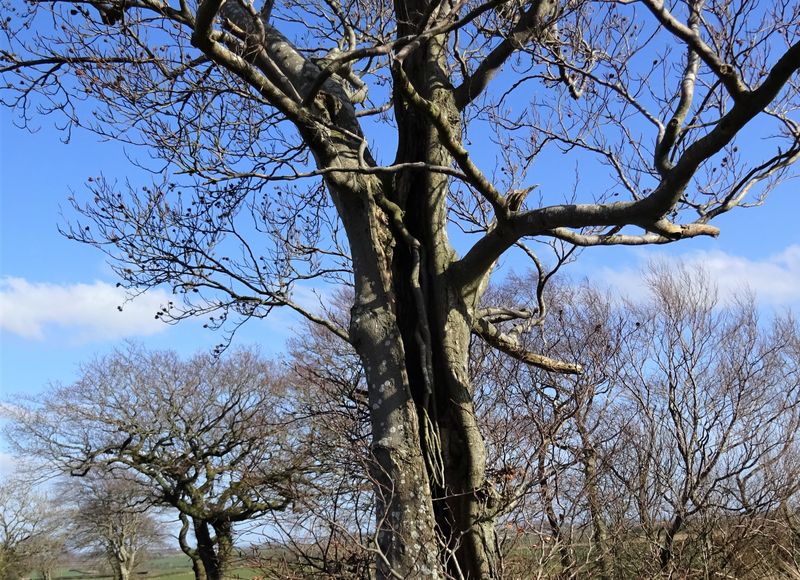
Beech trees, with their smooth bark and dense canopy, are a beloved choice for their stately presence. However, this smooth bark doesn’t offer much protection against lightning. Their imposing size and the moisture within make them vulnerable. When considering beech trees for planting, focus on their placement within the landscape to reduce risk. Their enduring beauty is a treasure, but it comes with the responsibility of ensuring they do not become a lightning hazard.
14. Eucalyptus Trees
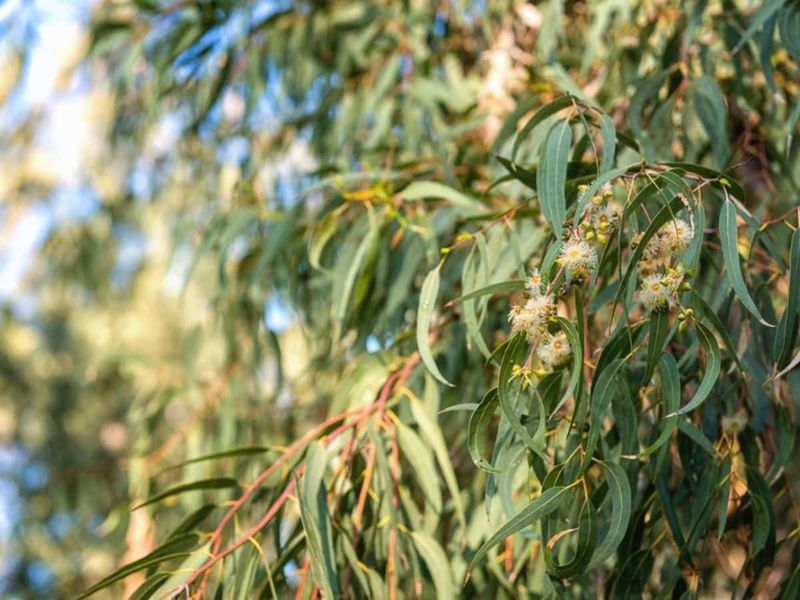
Eucalyptus trees, with their towering height and oil-rich leaves, are particularly susceptible to lightning, especially in warmer climates. Their distinctive fragrance and impressive growth make them popular in many regions. However, their susceptibility to lightning requires careful consideration. Planting eucalyptus trees involves strategic placement, ensuring they are not the tallest objects around. Their aromatic presence and rapid growth are best enjoyed when safety is prioritized, allowing them to thrive without increasing the risk of lightning strikes.
15. Basswood (American Linden)
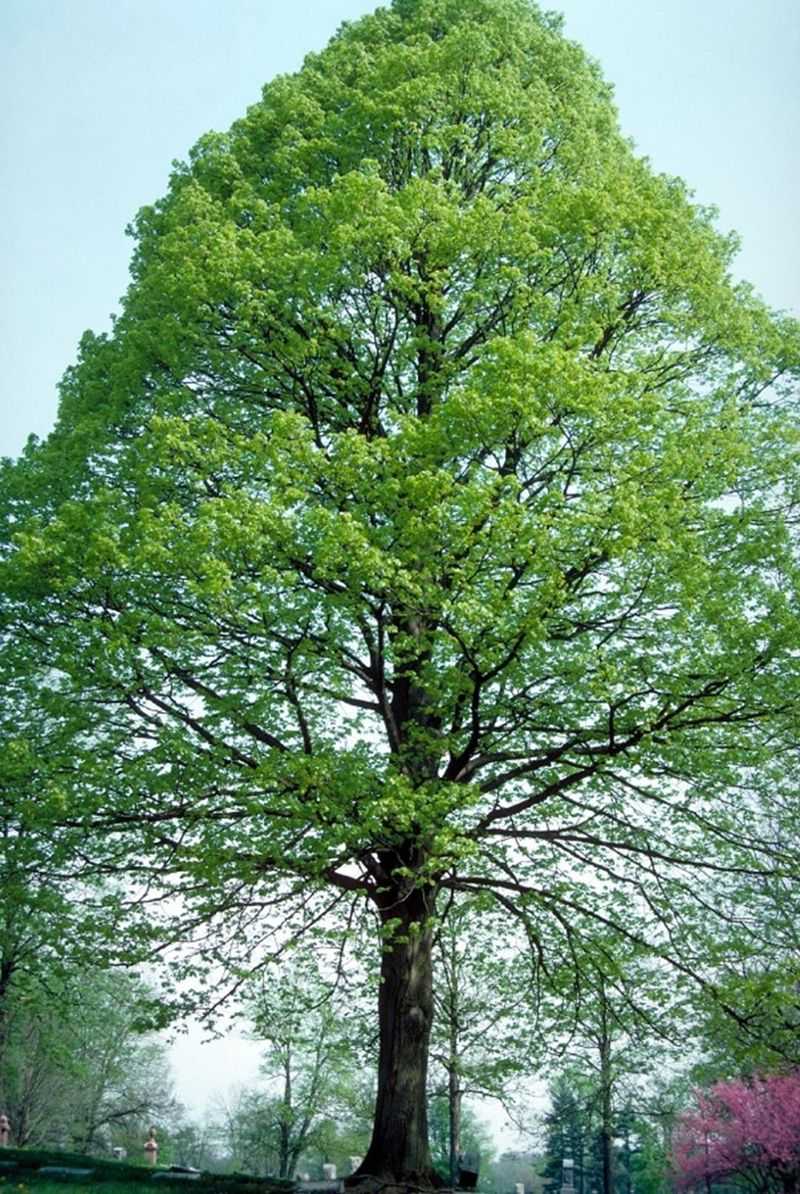
Basswood trees, also known as American Lindens, are admired for their rapid growth and lush, heart-shaped leaves. However, their fast growth and moisture content make them frequent lightning targets. When planting basswoods, consider areas where their beauty can be showcased without posing safety risks. Their shade and fragrant flowers are delightful, but they need to be part of a well-thought-out landscape plan that considers potential lightning strikes. Enjoy their charm by integrating them with care and awareness.