 Complete Gardening
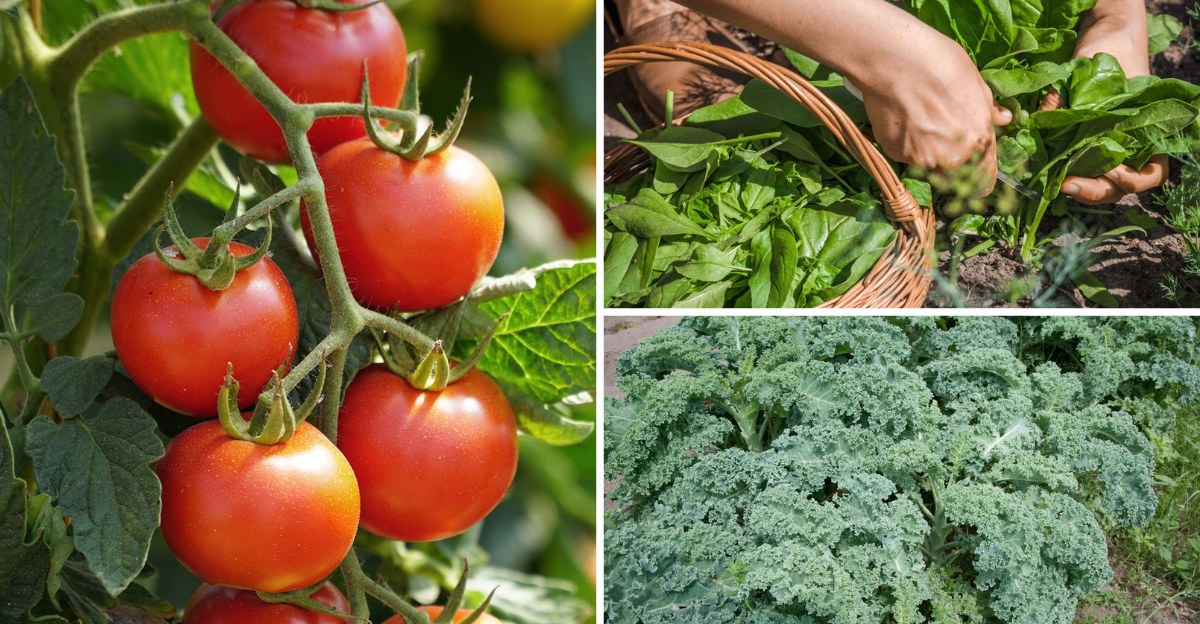
Inflammation is the body’s natural response to injury or infection, but chronic inflammation can lead to numerous health problems. Fortunately, certain vegetables have been scientifically proven to combat inflammation. These vegetables are not only potent in their anti-inflammatory properties but can also thrive in nearly any backyard, making them accessible for home gardeners. Let’s explore 15 such vegetables that you can easily grow at home and add to your diet for healthier living.
1. Spinach
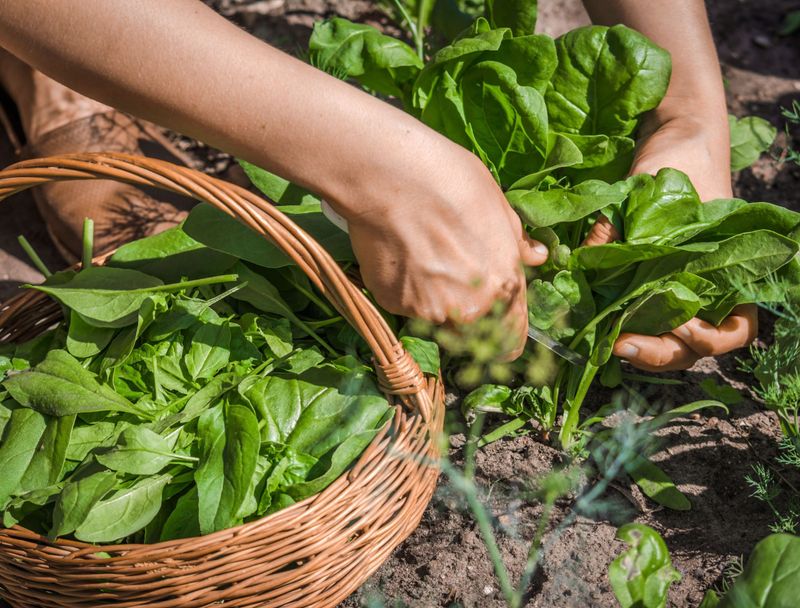
Spinach, a leafy green powerhouse, is rich in antioxidants like vitamin C and beta-carotene, which are vital for combating inflammation.
Did you know that this versatile vegetable can be used in smoothies, salads, and cooked dishes? Its mild flavor and tender texture make it a beloved choice for many.
Moreover, spinach thrives in cooler temperatures, making it suitable for spring and fall planting. It’s an excellent addition to any garden, providing not only health benefits but also a vibrant green touch to your backyard.
2. Kale
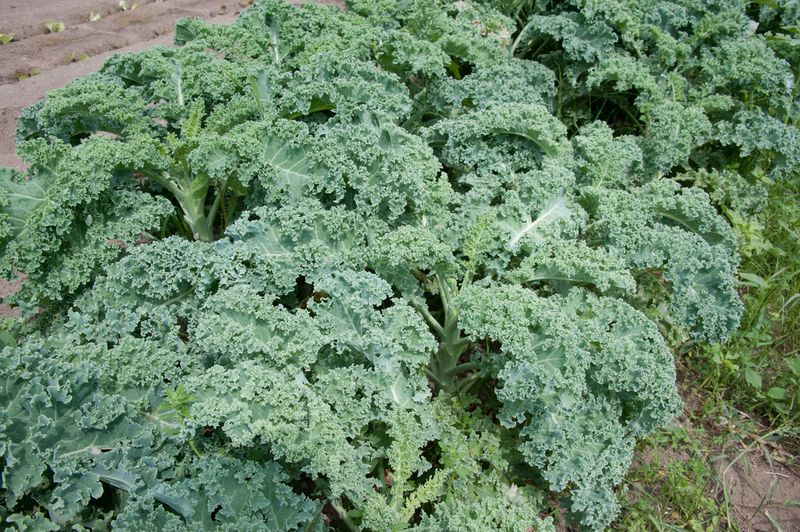
Kale, often hailed as a superfood, packs a punch with its high levels of vitamins A, C, and K, and omega-3 fatty acids, all known for their anti-inflammatory effects.
Its sturdy leaves can withstand various weather conditions, making kale an ideal choice for novice gardeners. Whether in salads, smoothies, or soups, kale’s versatility is unmatched.
For centuries, kale has been a staple in European diets, revered for its robust health benefits. Growing kale in your backyard not only boosts your nutrition but also adds a touch of history to your garden.
3. Broccoli
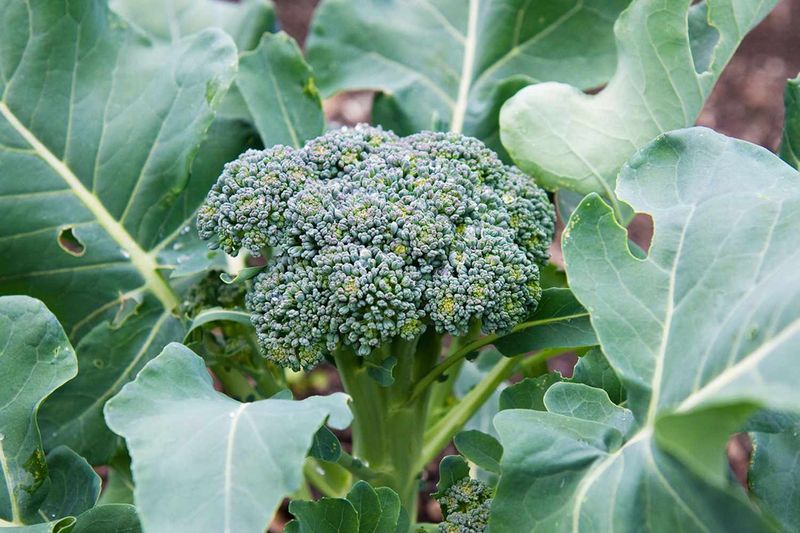
Broccoli is more than just a side dish; it’s a cruciferous vegetable loaded with sulforaphane, a compound shown to reduce inflammation.
This vegetable loves sunny spots and fertile soil, making it a perfect candidate for your backyard garden. Its slightly bitter taste transforms into a sweet delight when roasted or sautéed.
Interestingly, broccoli belongs to the same family as cabbage, and its health benefits have been recognized since Roman times. Cultivating broccoli at home means enjoying fresh, nutrient-rich produce packed with anti-inflammatory goodness.
4. Carrots
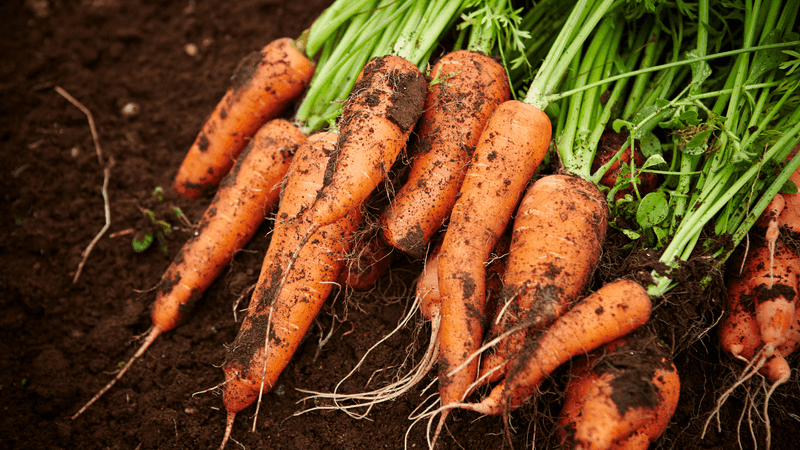
Carrots are not just for rabbits; these root vegetables are a rich source of beta-carotene, which the body converts into vitamin A to fight inflammation.
Their sweet, earthy flavor makes carrots a favorite in juices, salads, and stews. Carrots grow best in well-drained soil and require minimal maintenance, making them a gardener’s delight.
Beyond their culinary uses, carrots have been cultivated for their medicinal properties since ancient times. A backyard garden filled with vibrant carrots promises both beauty and health benefits for you and your family.
5. Sweet Potatoes
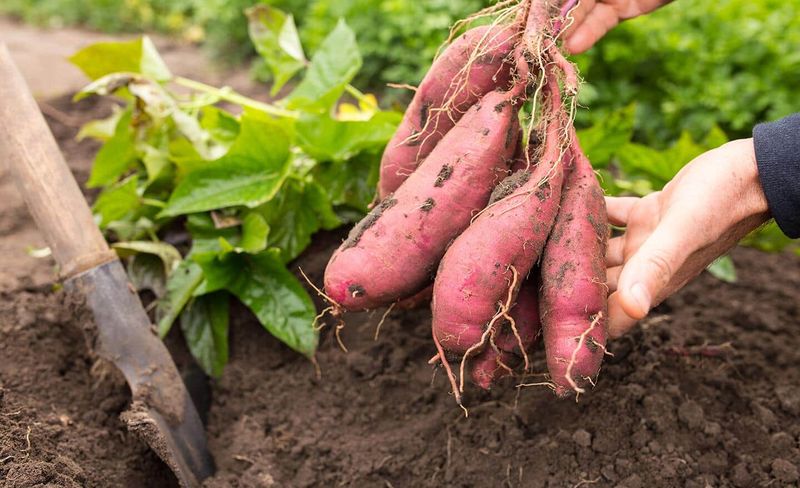
Sweet potatoes are not only deliciously sweet but also packed with fiber, vitamins, and anti-inflammatory compounds like beta-carotene.
These tubers thrive in warm climates and are easy to grow, making them an excellent choice for backyard gardens. Their vibrant orange flesh adds a splash of color to any dish, from casseroles to desserts.
Historically, sweet potatoes have been a dietary staple in many cultures, prized for their nutritional benefits. Planting sweet potatoes in your garden ensures a bountiful harvest of healthful, inflammation-fighting vegetables.
6. Tomatoes
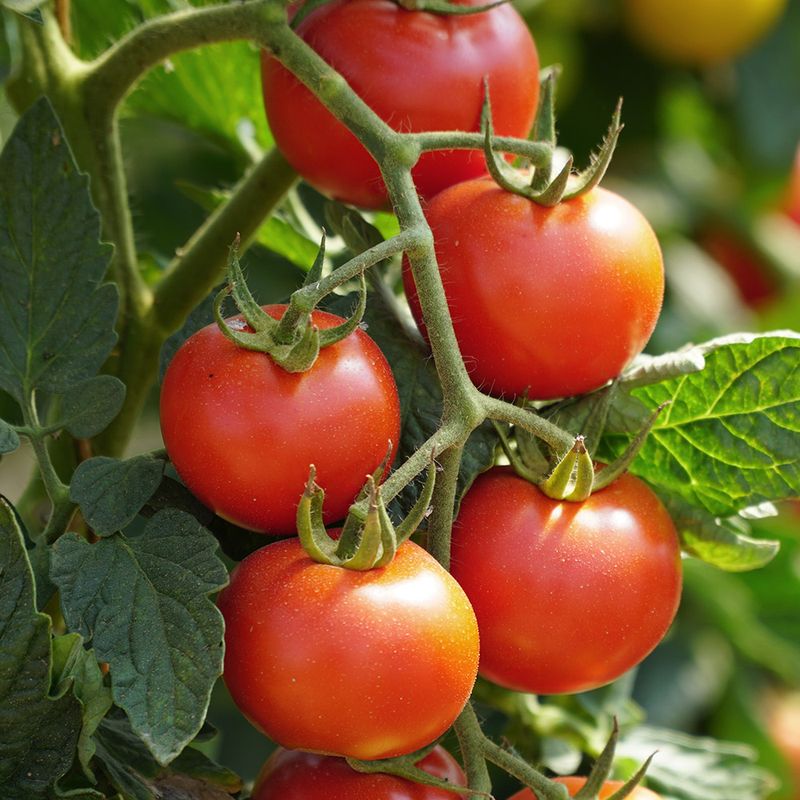
Tomatoes are a backyard gardener’s best friend, offering juicy, flavorful fruits that are rich in lycopene, an antioxidant known for its anti-inflammatory properties.
These versatile fruits can be grown in pots or directly in the ground, making them suitable for any garden size. From salads to sauces, tomatoes add a burst of flavor to any meal.
The tomato’s origin traces back to South America, and today, it’s a global favorite. Growing tomatoes at home not only enhances your culinary creations but also supports a healthier lifestyle.
7. Beets
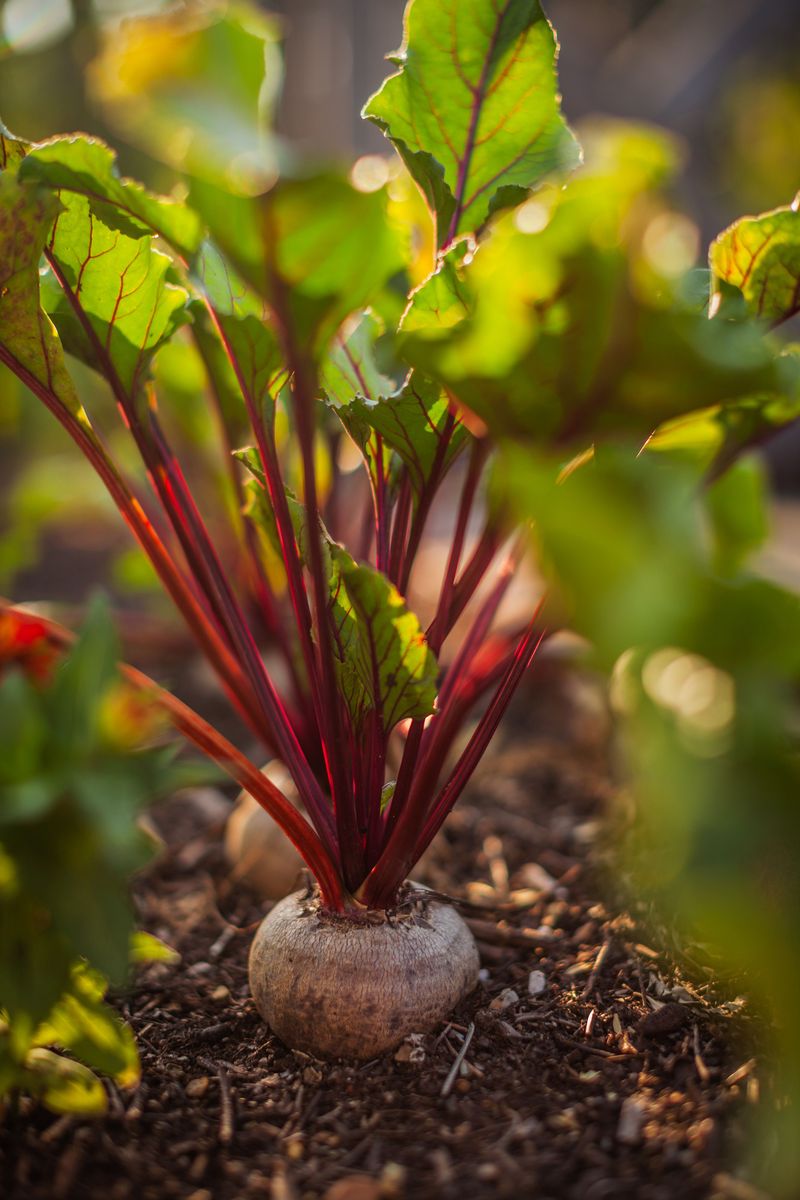
Beets are nature’s colorful gems, packed with betalains, pigments that offer potent anti-inflammatory and antioxidant effects.
These root vegetables thrive in cool weather and can be a stunning addition to any backyard garden. Their earthy sweetness complements both savory and sweet dishes.
In ancient Roman times, beets were used medicinally to treat fever and constipation. Cultivating beets in your garden provides access to a nutritious and health-promoting vegetable all year round.
8. Onions
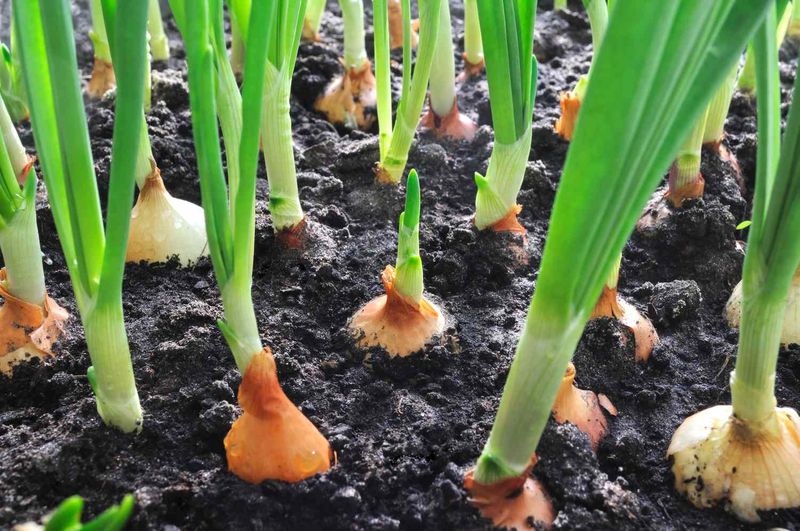
Onions are a culinary staple, known for their pungent flavor and impressive anti-inflammatory properties, thanks to quercetin, a powerful antioxidant.
These bulbs prefer well-drained soil and full sunlight, making them a straightforward choice for home gardeners. Onions add depth to countless dishes, from soups to stir-fries.
Historically, onions have been cultivated for over 5,000 years and were even used as currency in ancient Egypt. Growing onions in your backyard connects you to a rich history while enhancing your diet.
9. Garlic
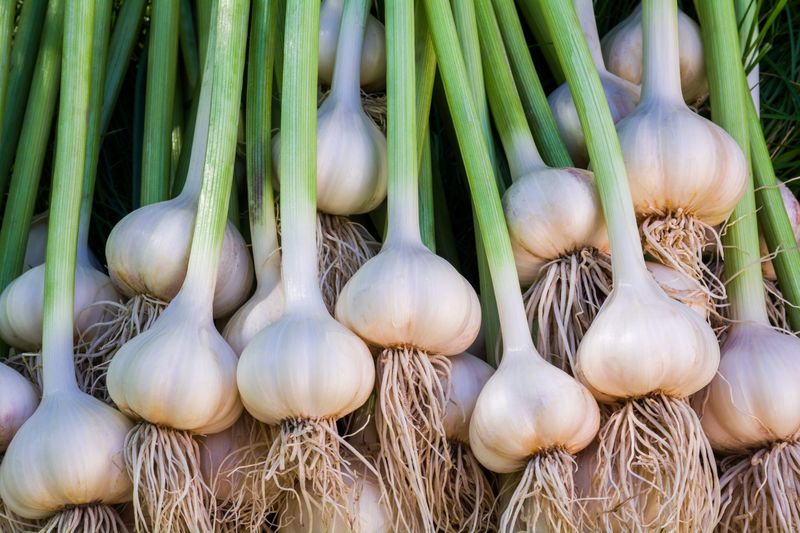
Garlic, with its distinctive aroma and flavor, is a superfood renowned for its anti-inflammatory and immune-boosting properties.
This hardy plant is easy to grow in any backyard, requiring little more than well-drained soil and occasional watering. From pastas to marinades, garlic elevates the taste of numerous dishes.
Garlic has been celebrated for its medicinal uses since ancient times, particularly in traditional Chinese medicine. Adding garlic to your garden not only enriches your culinary repertoire but also supports your well-being.
10. Peppers
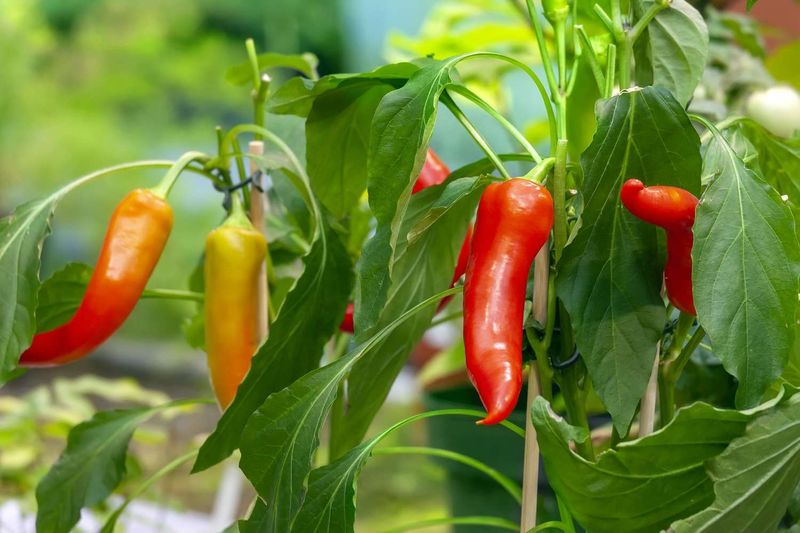
Peppers, whether sweet or spicy, bring vibrant colors and flavors to your garden and plate. Rich in vitamin C and capsaicin, they offer excellent anti-inflammatory benefits.
These versatile plants thrive in warm temperatures and sunny locations, making them a suitable option for most backyards. Peppers can be enjoyed fresh, roasted, or dried.
Originating in Central and South America, peppers have become a staple worldwide. By growing peppers, you not only add diversity to your diet but also embrace a plant with a deep cultural heritage.
11. Cabbage
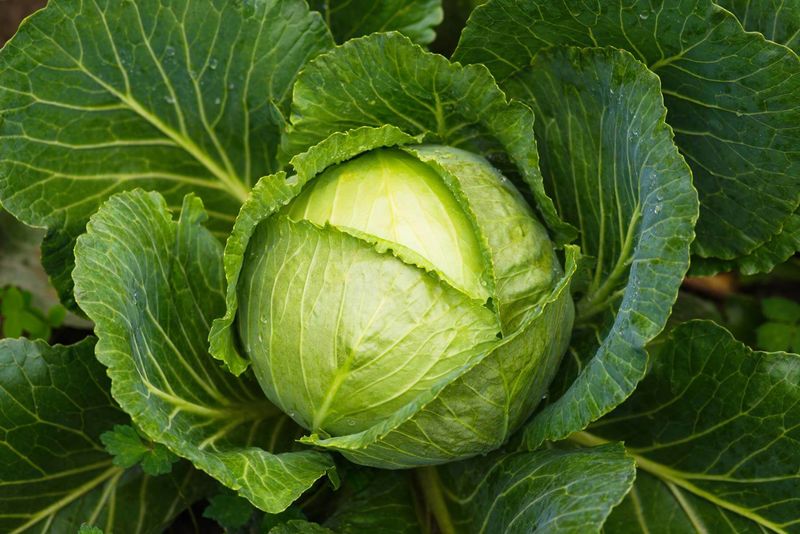
Cabbage is a humble yet nutrient-rich vegetable, celebrated for its anti-inflammatory properties due to compounds like indoles and anthocyanins.
This cool-season crop is easy to grow and can thrive in many backyard gardens. Cabbage is incredibly versatile, whether used in slaws, soups, or fermentations like sauerkraut.
With a history dating back to ancient Europe, cabbage has been a dietary staple for centuries. Cultivating cabbage at home ensures a fresh supply of this healthful vegetable, ready to support your wellness journey.
12. Cauliflower
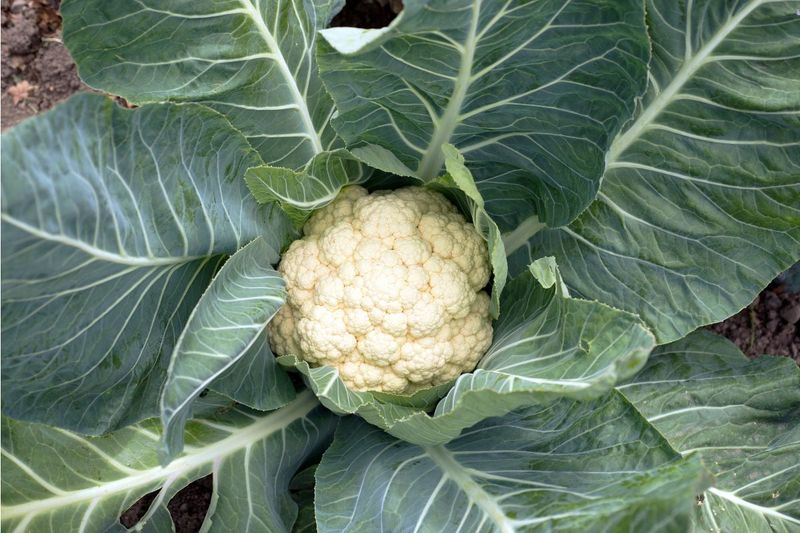
Cauliflower, a cruciferous vegetable, is known for its anti-inflammatory and antioxidant properties, thanks to compounds like glucosinolates.
This adaptable plant prefers cool weather and well-drained soil, making it a favorite among home gardeners. Its mild taste allows it to blend seamlessly into a variety of dishes.
Interestingly, cauliflower has gained popularity as a low-carb substitute in recipes, from rice to pizza crust. Growing cauliflower in your backyard provides a nutritious alternative to traditional starchy foods.
13. Zucchini
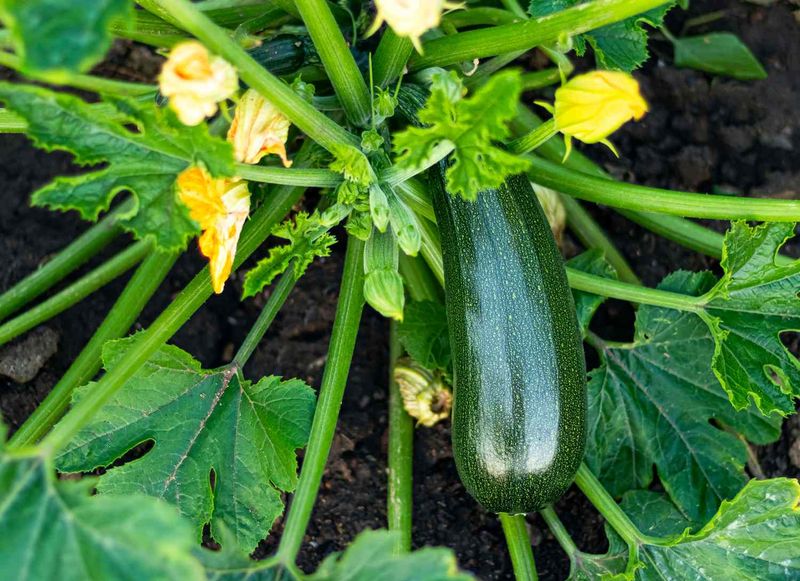
Zucchini, a type of summer squash, offers a unique combination of low calories and high nutritional value, boasting anti-inflammatory vitamins like vitamin C.
These plants thrive in warm weather and can produce an abundant harvest in a short time, making them ideal for home gardens. Zucchini’s mild flavor makes it a versatile addition to countless recipes.
In addition to its culinary uses, zucchini has a rich history, originating in Central America. Growing zucchini in your garden ensures a fresh supply of this adaptable and health-promoting vegetable.
14. Asparagus
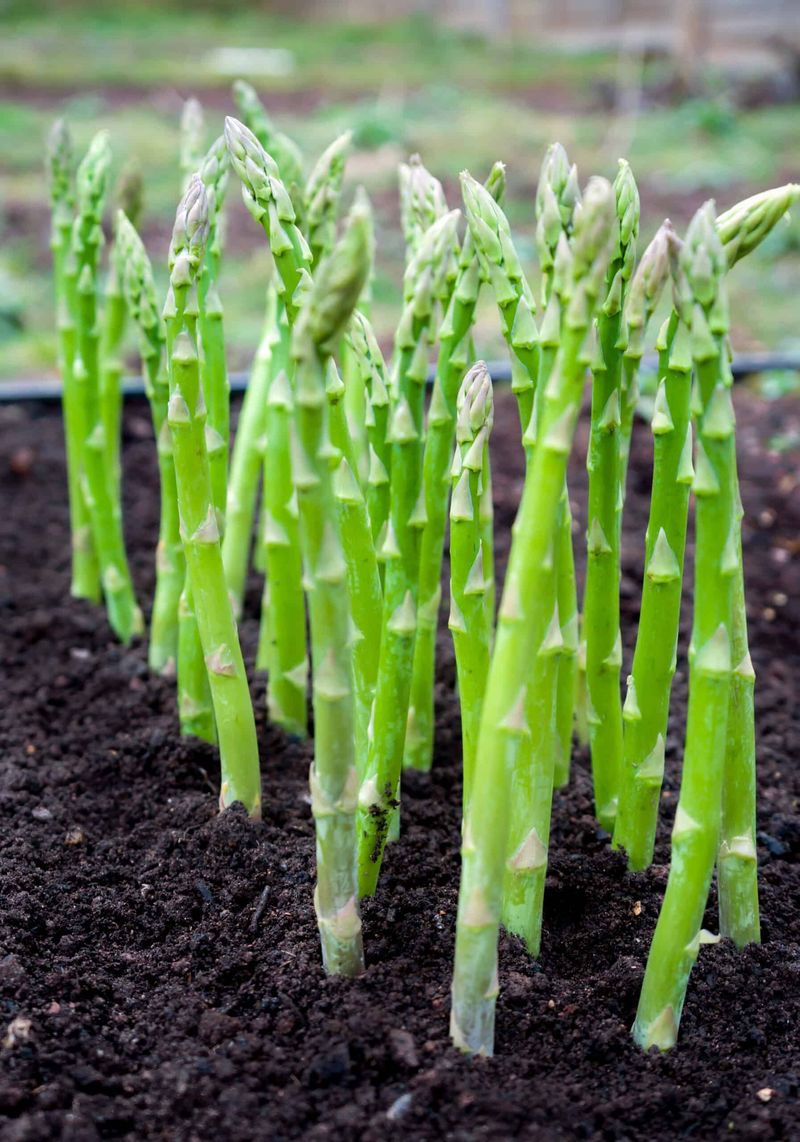
Asparagus, with its tender spears, is a springtime favorite known for its anti-inflammatory properties, thanks to compounds like saponins.
This perennial vegetable prefers sunny locations and sandy soil, making it a unique addition to any backyard garden. Asparagus can be steamed, grilled, or roasted to enhance its delicate flavor.
Historically, asparagus has been cherished since ancient Greek and Roman times for its taste and medicinal benefits. By cultivating asparagus, you can enjoy a perennial harvest of this elegant, inflammation-fighting vegetable.
15. Brussels Sprouts
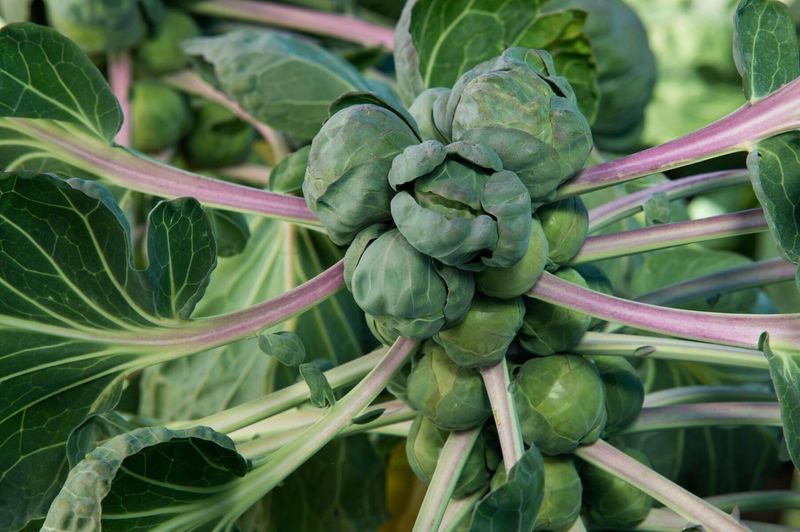
Brussels sprouts, small yet mighty, are packed with anti-inflammatory nutrients like vitamins C and K.
These hardy plants thrive in cool weather and are perfect for fall planting in a backyard garden. Brussels sprouts can be roasted or sautéed for a delightful side dish.
Named after the city of Brussels, they’ve been cultivated in Europe for over 400 years. Growing Brussels sprouts at home not only diversifies your garden but also brings an array of health benefits to your table.