 Complete Gardening
Gardening can be a rewarding hobby, but certain vegetables are notorious for attracting pests. These pests can wreak havoc on your garden, munching away at leaves, roots, and stems, leaving behind a trail of destruction. In this article, we will explore 15 vegetables that seem to attract pests like magnets. Understanding why these vegetables are prone to pests and how to manage them can help you maintain a healthy, thriving garden. From cabbage to sweet potatoes, learn how to fight back against these common garden invaders!
1. Cabbage (& All Brassicas) 🥬
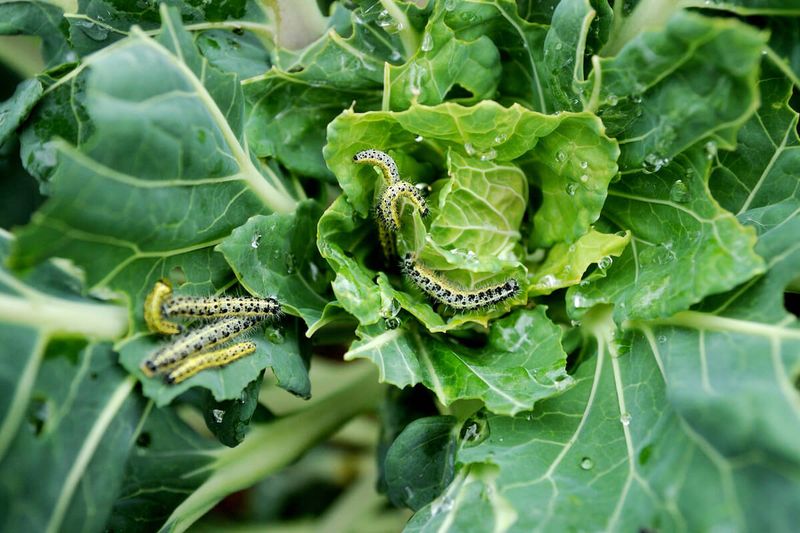
Cabbage and its relatives in the brassica family are a favorite target for pests. The tender, leafy greens provide the perfect buffet for cabbage worms, aphids, and flea beetles. Gardeners often find holes and damage on the leaves, a clear sign of infestation. These pests not only feast on the leaves but can also stunt the growth of the plant if left unchecked. Some innovative solutions include using row covers to physically block the pests, spraying neem oil for a natural remedy, or planting nasturtiums nearby to act as a trap crop. Each method offers its own unique form of protection.
2. Tomatoes 🍅
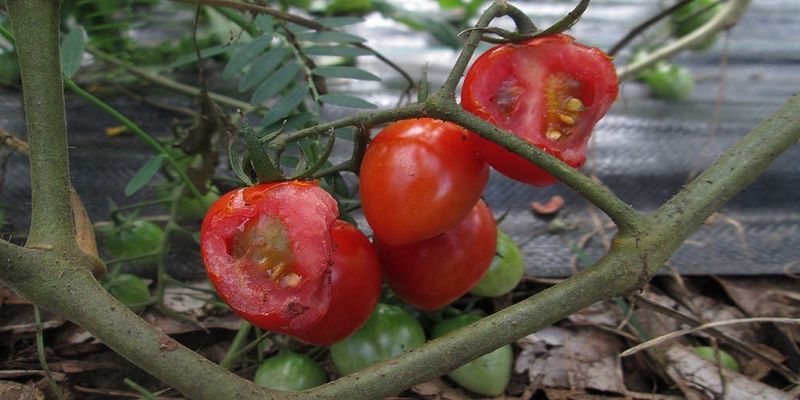
Tomatoes are a staple in many gardens but are notorious for attracting hornworms, whiteflies, and aphids. Juicy stems and leaves attract these sap-suckers, causing gardeners to often find themselves in a battle to protect their plants. The lush growth of tomato plants provides a welcoming environment for these pests, sometimes leading to wilting and reduced fruit production. Companion planting with basil or marigolds can effectively deter these tiny invaders, offering a natural solution for protection. This companion planting not only helps in pest control but also enhances flavor in the tomato yield.
3. Cucumbers 🥒
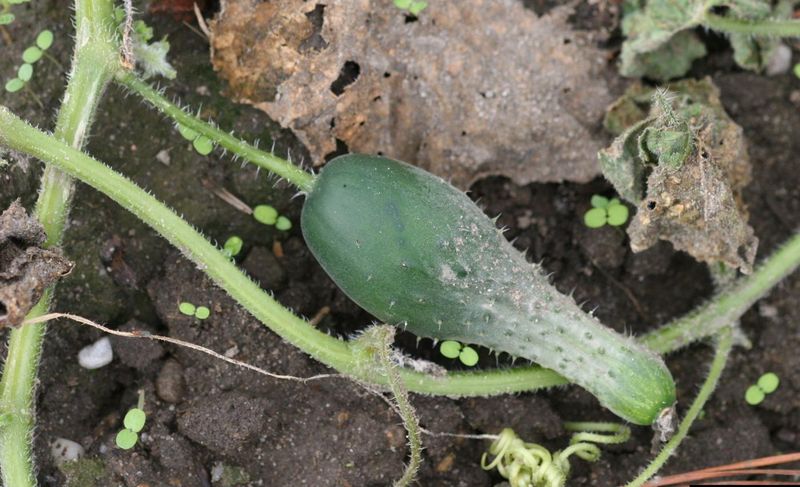
Cucumbers, with their sprawling vines, act as a highway for cucumber beetles and squash bugs. These pests can cause significant damage to the vines, leaving leaves wilted and fruit scarred. The continuous movement of these pests along the vines poses a challenge for gardeners who wish to protect their produce. Trellising the plants can improve airflow, reducing the attractiveness to bugs. This method not only aids in pest control but also ensures better fruit development by lifting the vines off the ground. Such care helps maintain the health and vigor of the cucumber plants.
4. Zucchini & Squash 🎃
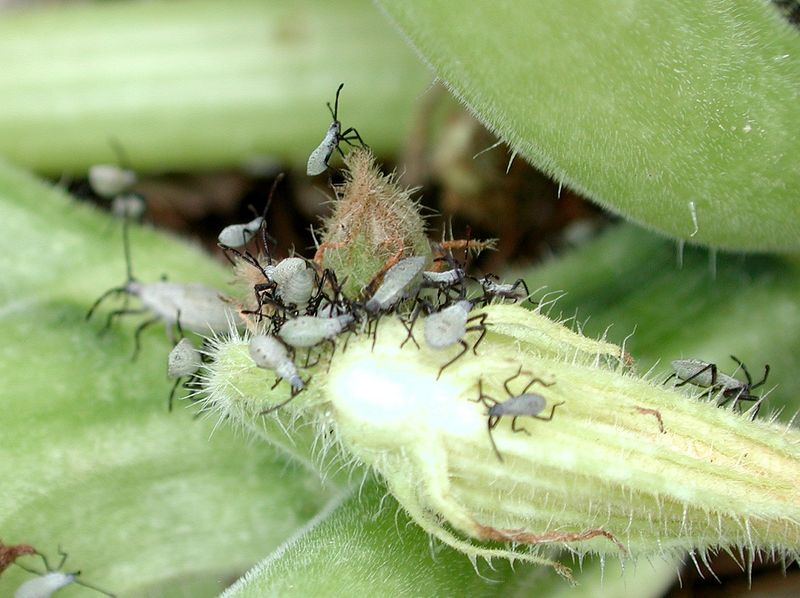
Zucchini and squash are beloved for their prolific harvests, but they often fall victim to squash vine borers and squash bugs. These pests target the soft stems of the plants, making them easy prey for the borers. The damage can lead to wilting and even death of the plants if not addressed promptly. Gardeners use creative techniques like wrapping the stems in foil to deter borers or applying Bt (Bacillus thuringiensis) for biological control. Such measures help safeguard the plants, ensuring a bountiful harvest despite the threat of these persistent pests.
5. Lettuce 🥬
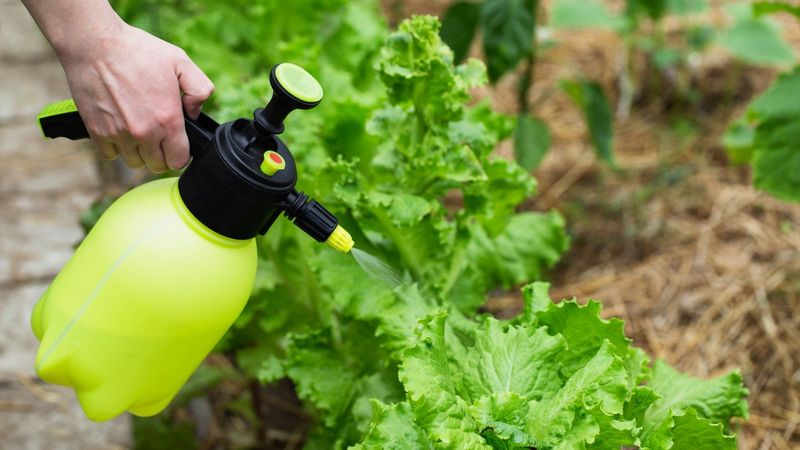
Lettuce, with its tender leaves, is often regarded as candy by slugs, snails, and even rabbits. The vulnerability of the leaves makes them easy targets for these pests, leading to noticeable damage in a short time. Gardeners often resort to beer traps to lure and drown slugs, while copper tape serves as a barrier. These methods are practical and environmentally friendly, providing an effective defense against the common perpetrator of garden damage. Protecting lettuce from these unwanted visitors ensures that the greens remain lush and ready for harvest.
6. Corn 🌽
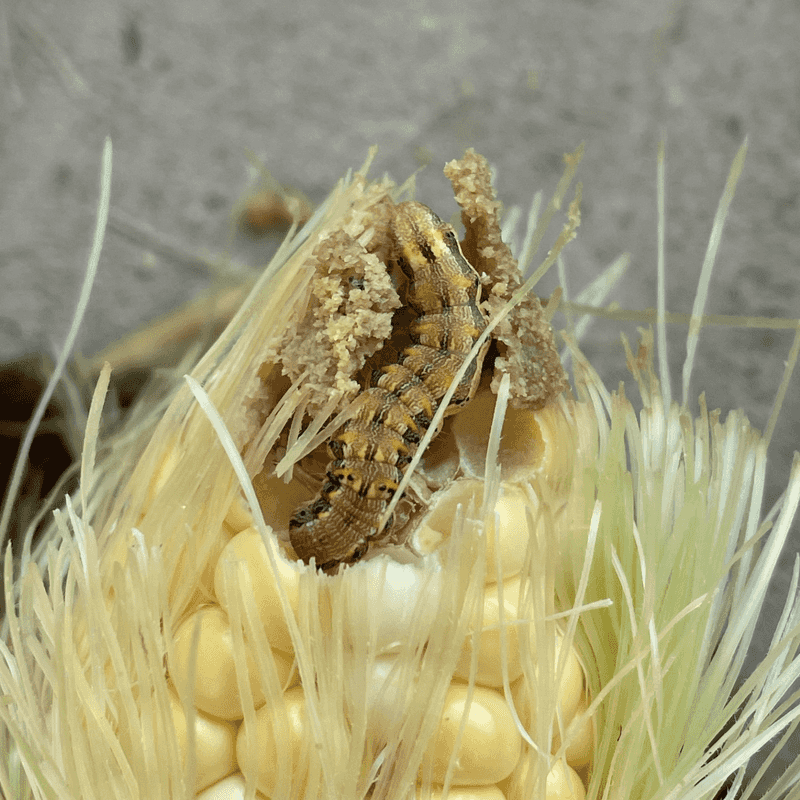
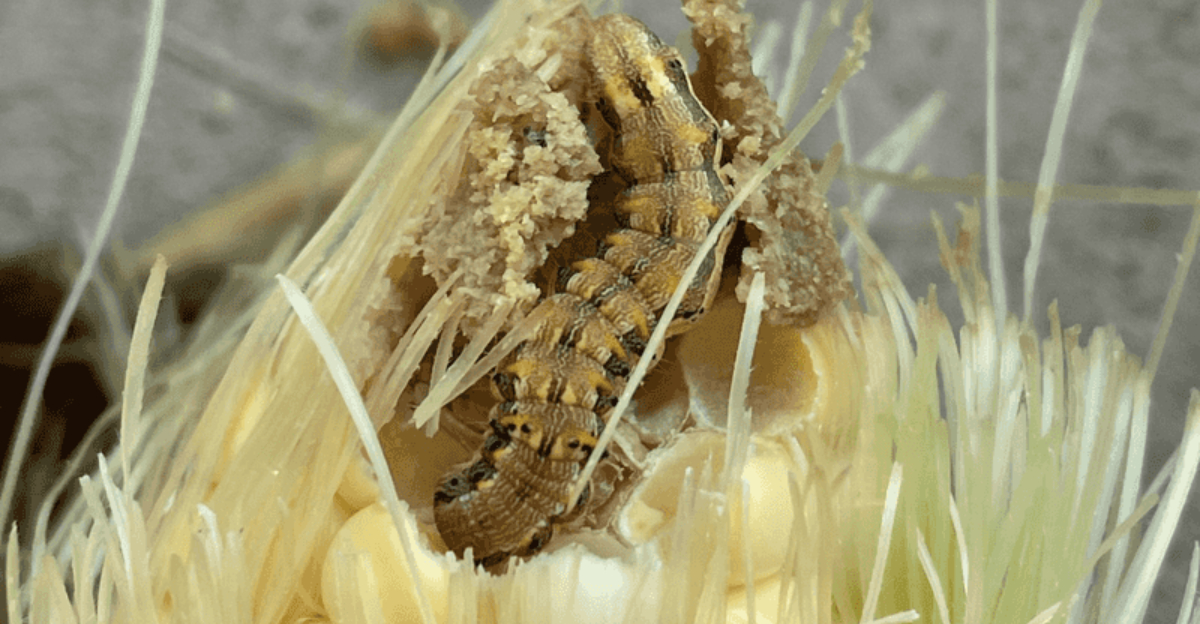
Corn fields are favorite targets for corn earworms, raccoons, and birds, all attracted by the sweet kernels. The presence of these pests can significantly reduce yield by feeding on the ears of corn. Cultivating corn later in the season can help avoid peak pest times, providing a strategic approach to pest management. Introducing predator bugs like ladybugs also offers a natural method of control, reducing the reliance on chemical pesticides. Such biological solutions are both effective and environmentally conscious, ensuring a healthier crop with fewer pests.
7. Beans 🌱
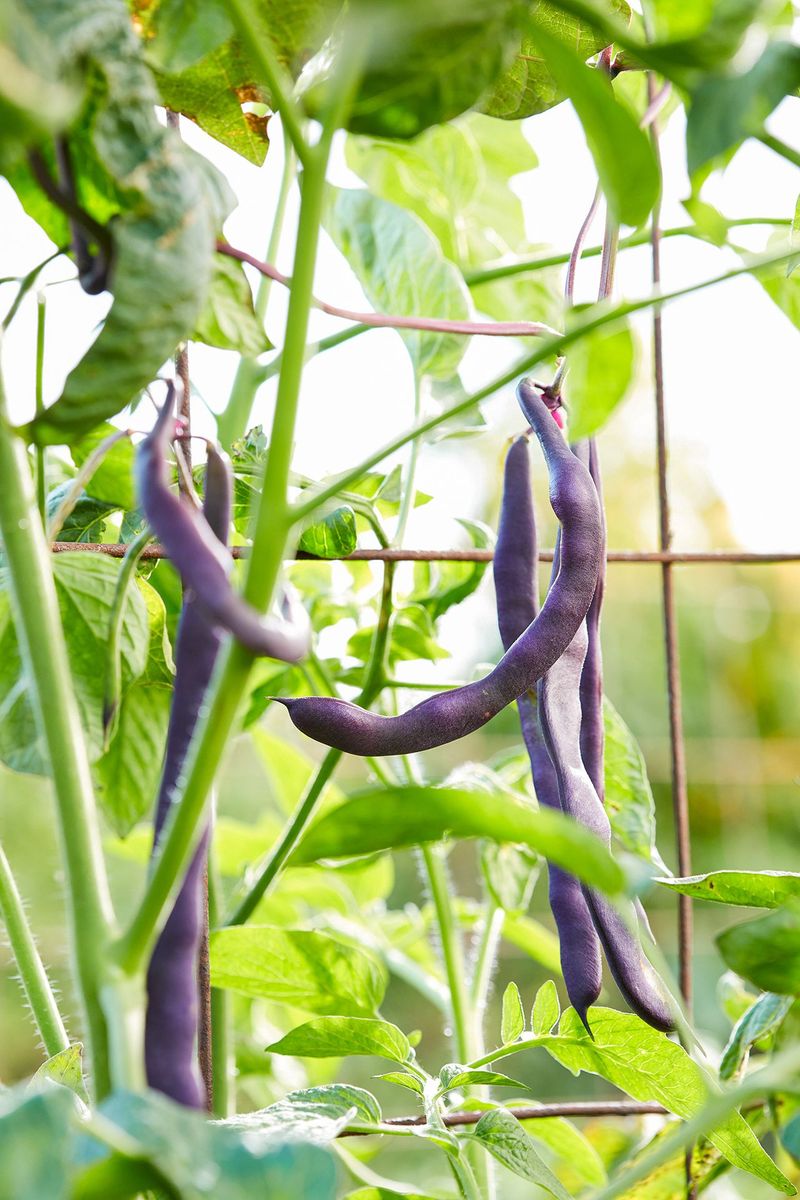
Bean plants, with their soft foliage, attract Mexican bean beetles and aphids, leading to damaged leaves and reduced plant vigor. The delicate nature of the foliage makes it easy for these pests to munch, posing a threat to the plant’s health. Interplanting beans with garlic or onions can effectively deter these pests, offering a natural solution to the problem. The strong scent of these companion plants confuses and repels the pests. This method not only protects the beans but also enhances the overall diversity of the garden, promoting a healthy ecosystem.
8. Potatoes 🥔
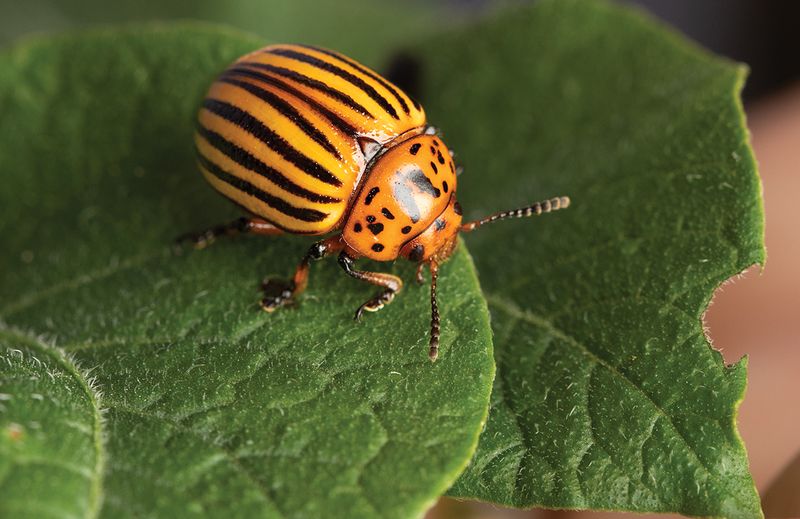
Potatoes are a favored target for Colorado potato beetles and wireworms, both eager to feast on the underground tubers. This hidden feast can lead to significant crop loss if not managed properly. Crop rotation is an essential practice in managing these pests, preventing the build-up of pest populations over time. Using diatomaceous earth around the plants creates a physical barrier, deterring movement and feeding of beetles. Such integrated pest management strategies are crucial for preserving the health and yield of potato crops, ensuring a successful harvest.
9. Eggplant 🍆
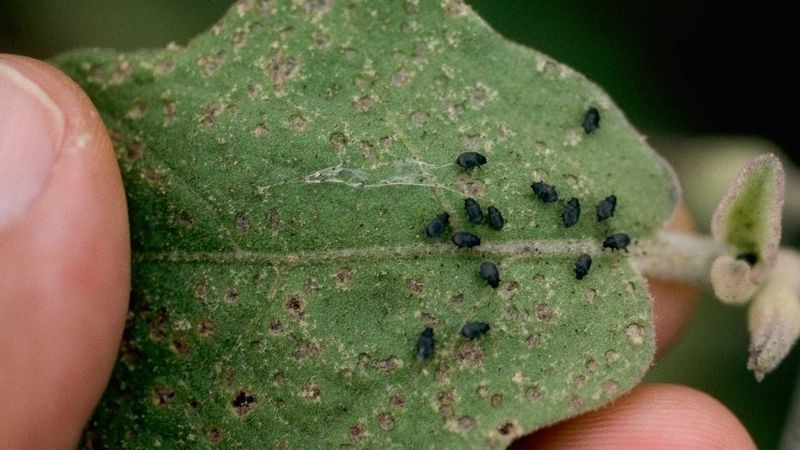
Eggplants, with their shiny leaves, attract flea beetles, notorious for causing significant damage in a short time. These tiny pests jump from plant to plant, leaving behind numerous tiny holes that mar the foliage’s appearance. Sticky traps can be strategically placed around the plants to capture these jumpy nibblers, providing an effective method of control. Alternatively, spraying kaolin clay can protect the plants by creating a barrier on the leaves. These techniques help maintain the plants’ beauty and productivity, allowing them to thrive despite the pest pressure.
10. Carrots 🥕
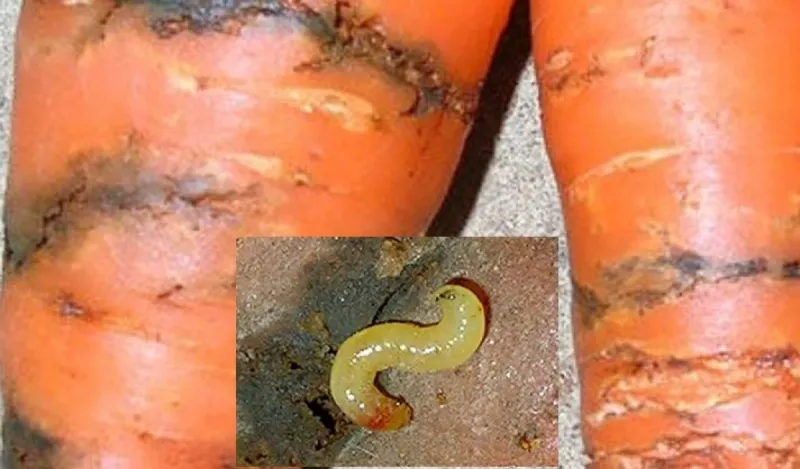
Carrots are prone to attacks by carrot rust flies and rabbits, both attracted to the sweet roots beneath the soil. The damage from these pests can lead to deformed roots and reduced yield. Covering the plants with fine mesh is an effective strategy to keep these pests at bay, providing a physical barrier that prevents access. Planting chives nearby can also help deter rust flies, offering an additional layer of protection. These combined methods ensure that carrots grow healthily and reach their full potential, ready for a bountiful harvest.
11. Kale 🌿
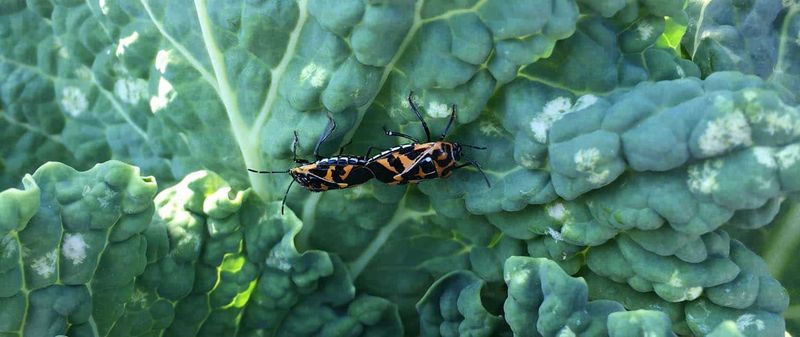
Kale, often seen as a trendy green, doesn’t escape the attention of cabbage moths and aphids. The curly leaves provide ample hiding spots for these pests, leading to infestations that can quickly escalate. Spraying soapy water on the leaves is a gentle yet effective way to dislodge aphids. Covering the plants with netting can prevent moths from laying eggs, reducing the caterpillar population. These proactive measures help maintain the integrity of the kale crop, ensuring its availability for tasty and nutritious meals.
12. Peppers 🌶️
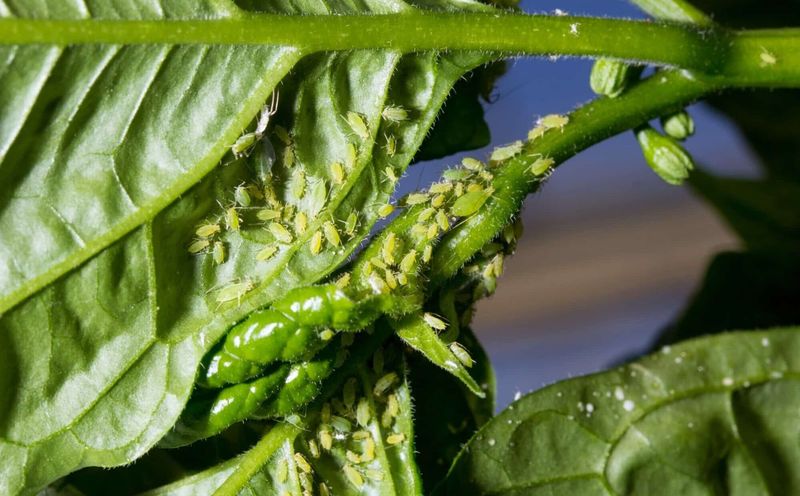
Peppers, with their sap-rich stems, lure aphids and pepper maggots. These pests can stunt growth and reduce fruit quality, posing a significant challenge for gardeners. Companion planting with cilantro or dill can effectively repel these insects, offering a fragrant barrier that confuses pests. Such herbal allies not only protect the peppers but also enhance the garden’s diversity and appeal. By employing these natural deterrents, gardeners can ensure a healthy pepper harvest, full of flavor and free from pest damage.
13. Radishes 🟢
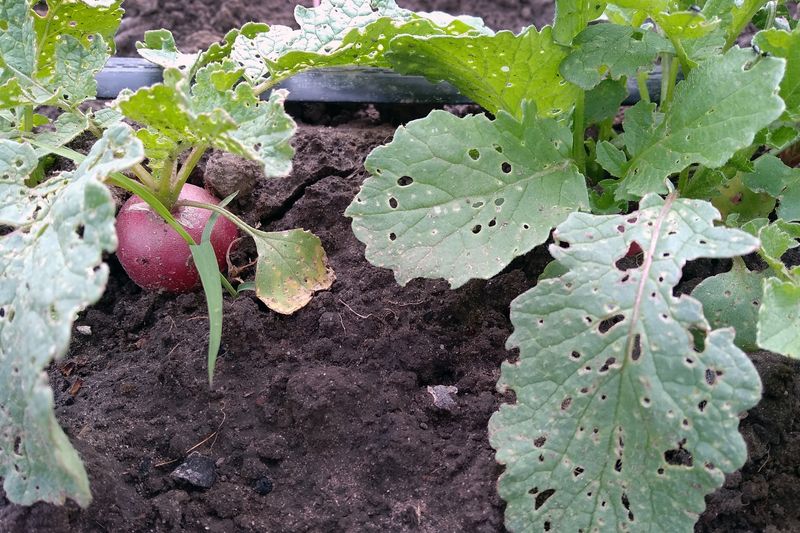
Radishes, known for their rapid growth, often face attacks from flea beetles and root maggots. The fast-growing nature of the radish makes it an attractive target for these pests, leading to damaged roots and foliage. Planting radishes with slower-growing crops can act as a decoy, drawing pests away from more valuable plants. This strategic planting method helps manage pest populations, reducing damage to the radishes themselves. Such thoughtful placement within the garden enhances overall productivity and pest management efforts, leading to a more balanced ecosystem.
14. Spinach 🍃
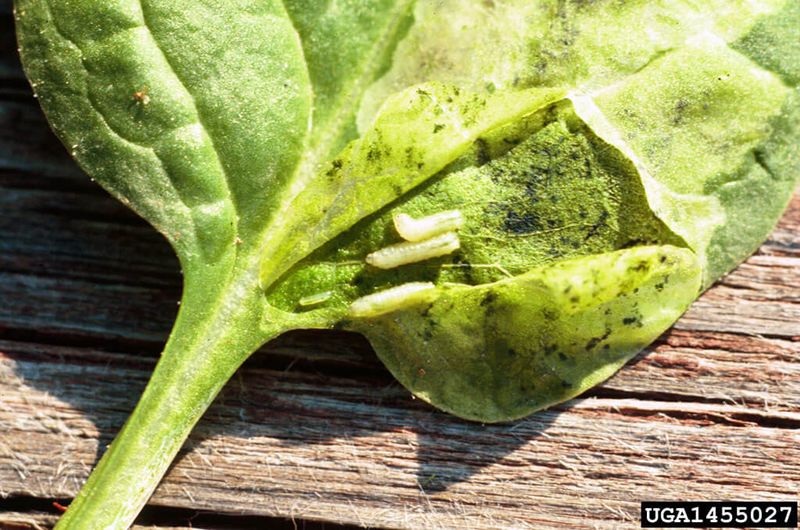
Spinach, with its delicate leaves, is a prime target for leafminers and slugs. The damage from these pests can quickly render the leaves unappetizing and unmarketable. Harvesting spinach early can help avoid peak pest times, ensuring that the leaves remain tender and fresh. Using floating row covers offers additional protection, creating a barrier against pest entry. These methods help maintain the quality and appearance of the spinach, allowing gardeners to enjoy a lush and healthy crop throughout the growing season.
15. Sweet Potatoes 🍠
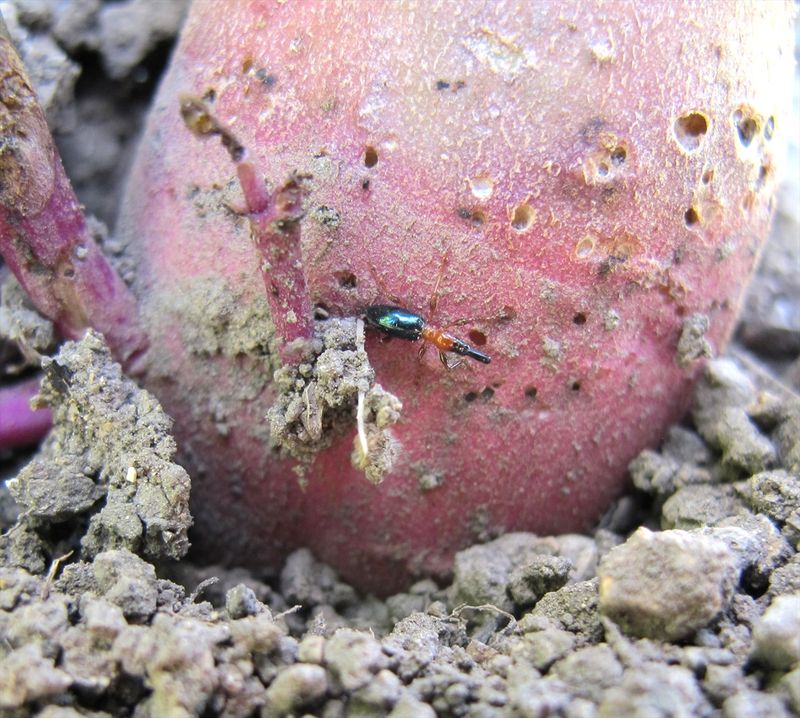
Sweet potatoes, with their underground storage, are a delight for sweet potato weevils and voles. These pests can cause severe damage, leading to reduced quality and yield. Crop rotation is a vital practice in managing these pests, preventing the establishment of pest populations year after year. Avoiding overwatering also helps, as it reduces the likelihood of voles making a home among the crops. These management practices are key to safeguarding sweet potatoes, ensuring they develop fully and remain free from pest-related issues.