 Complete Gardening
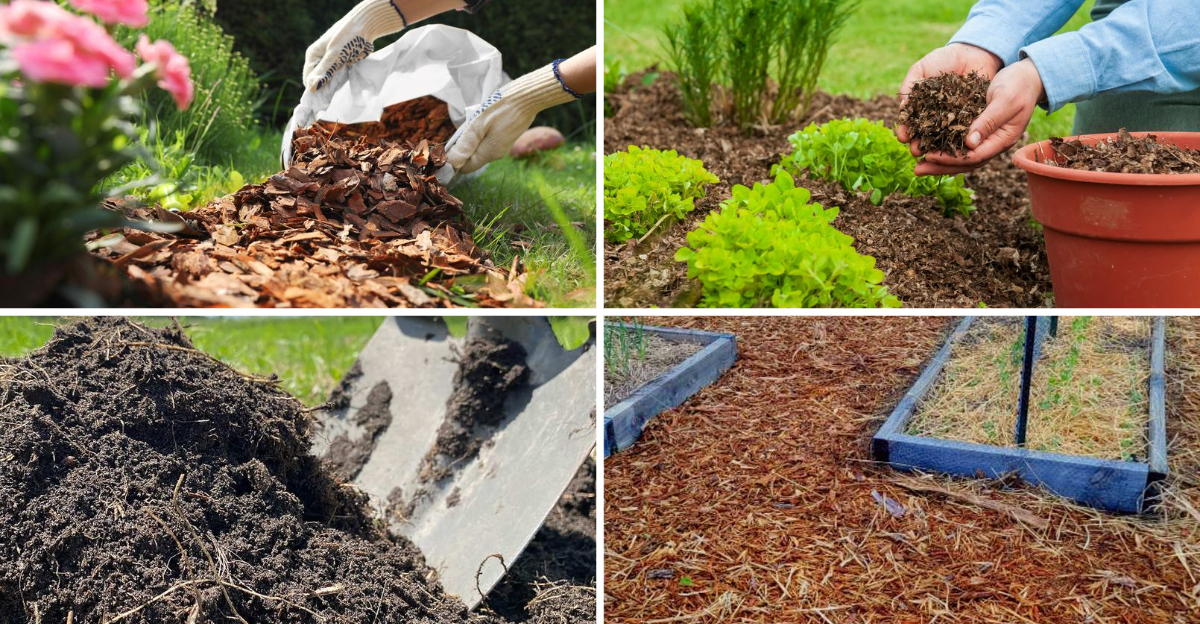
Every gardener dreams of a thriving, healthy garden that requires less work and produces better results. Mulching might just be the secret weapon you’ve been looking for. This simple practice of covering soil with organic or inorganic materials can transform your garden in ways you never imagined. From saving time on watering to creating a beautiful landscape, mulching offers incredible advantages that both beginner and experienced gardeners will love.
1. Retains Soil Moisture
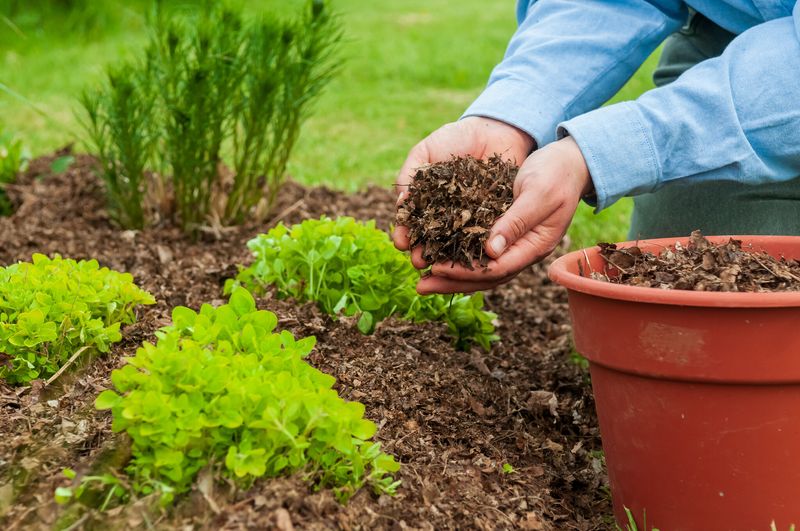
Picture never having to worry about your plants wilting during hot summer days. Mulch acts like a protective blanket over your soil, preventing water from evaporating quickly into the air.
This natural barrier can reduce watering needs by up to 50%. Your plants stay hydrated longer, and you save both time and money on water bills.
During drought conditions, mulched gardens often survive while others struggle.
2. Suppresses Weed Growth
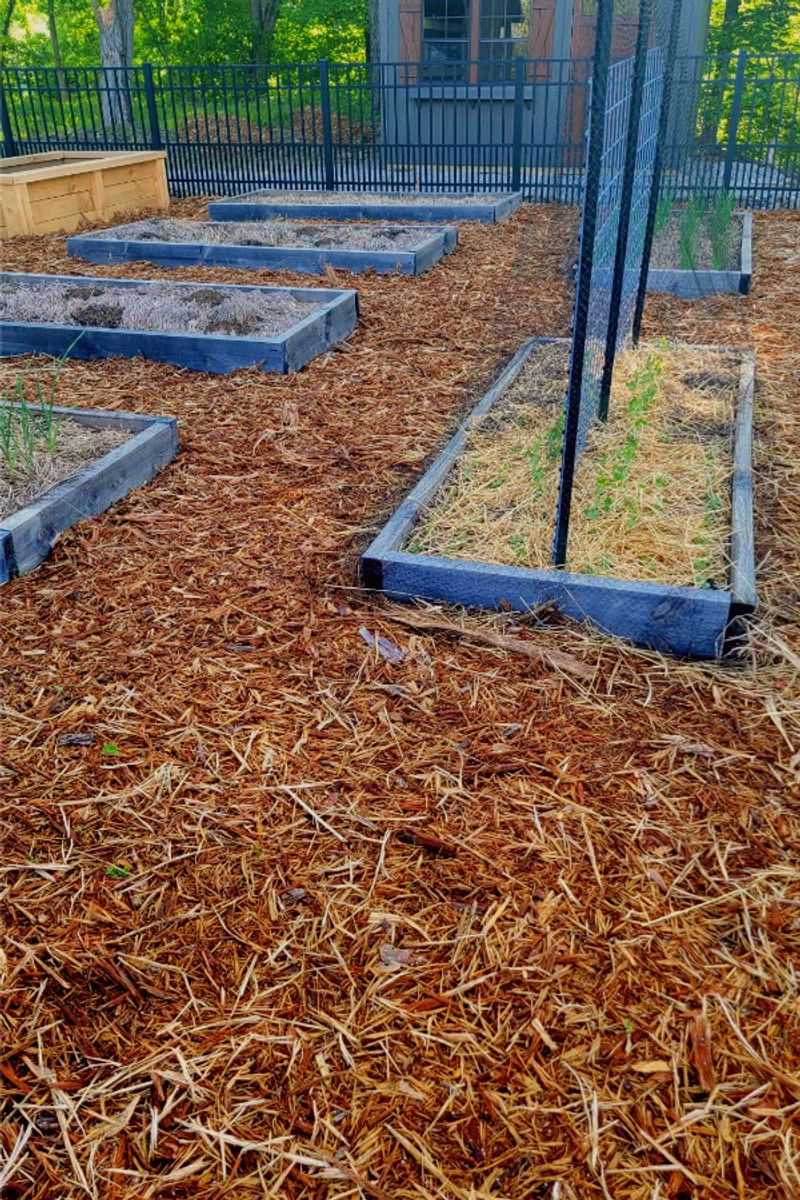
Weeds are every gardener’s nightmare, but mulch creates an effective barrier that blocks sunlight from reaching weed seeds. Without light, most weeds simply cannot germinate and grow.
A thick layer of mulch eliminates hours of back-breaking weeding work. The few weeds that do manage to sprout are much easier to pull from the soft, moist soil beneath mulch.
Your garden stays cleaner and more organized naturally.
3. Regulates Soil Temperature
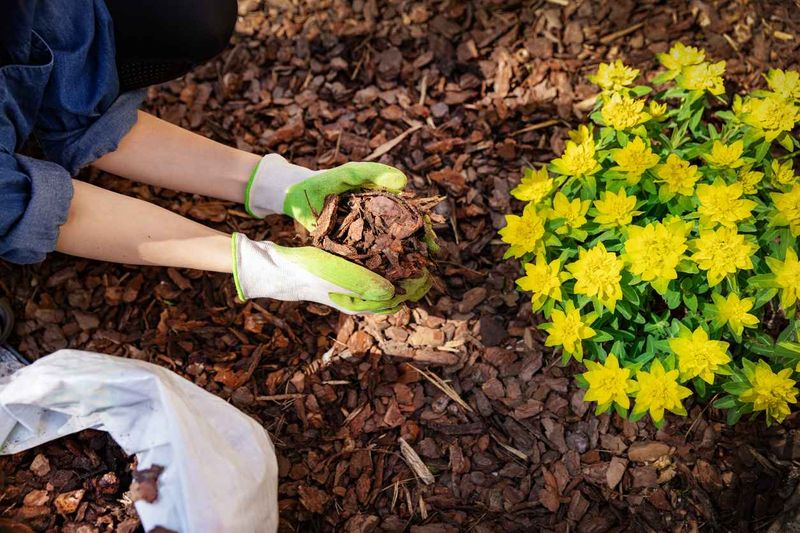
Soil temperature swings can stress plants and harm their root systems. Mulch works like insulation for your garden, keeping soil cooler during scorching summer heat and warmer during chilly nights.
This temperature control helps plants grow more consistently throughout the season. Root vegetables especially benefit from stable soil temperatures, producing better crops.
Your garden becomes more resilient to weather extremes and climate changes.
4. Improves Soil Structure
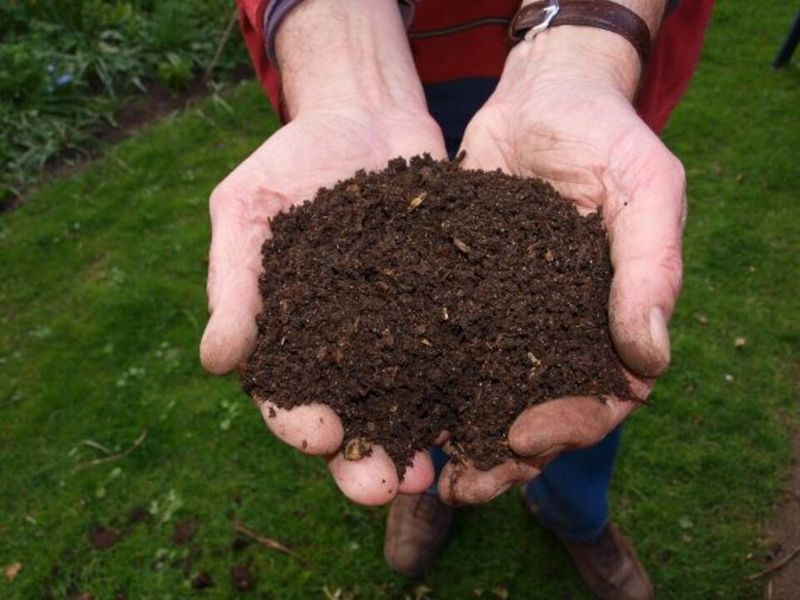
Compacted, hard soil makes it difficult for plant roots to spread and absorb nutrients effectively. Organic mulches gradually break down and add valuable organic matter to your soil.
This process creates a crumbly, well-draining soil structure that roots love. Earthworms and beneficial microorganisms thrive under mulch, naturally aerating the soil as they work.
Over time, your garden soil becomes richer and more fertile than ever before.
5. Reduces Soil Erosion
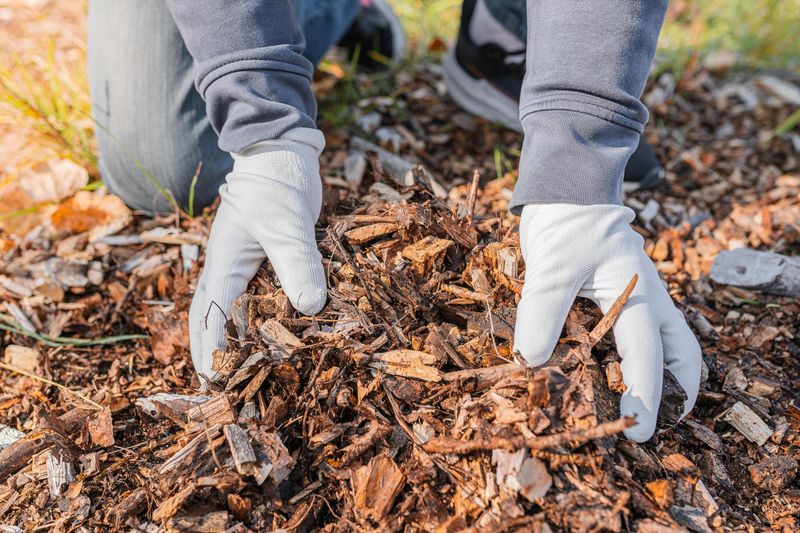
Heavy rains can wash away precious topsoil, taking nutrients and hard work with it. Mulch acts as a protective shield, absorbing the impact of raindrops and preventing soil from washing away.
Sloped gardens especially benefit from this protection, as mulch helps water soak in slowly rather than running off. Your garden beds stay intact even during severe weather.
This natural erosion control saves you from constantly replacing lost soil.
6. Adds Essential Nutrients
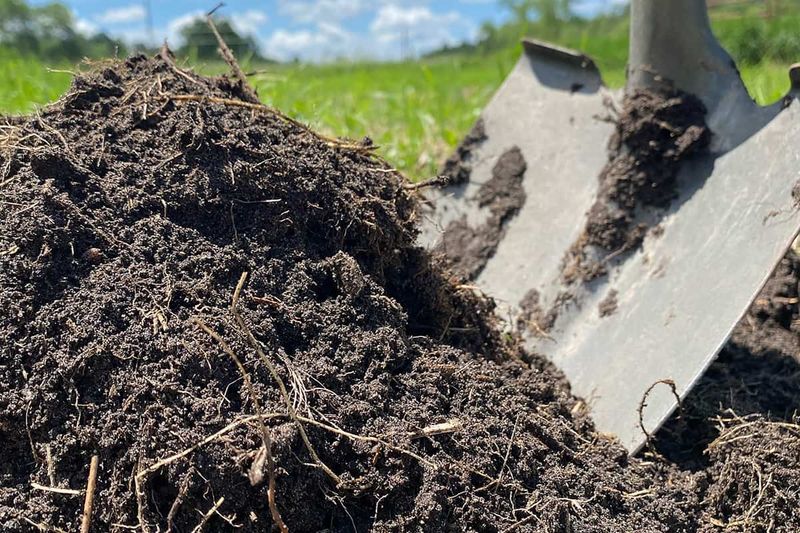
Organic mulches like compost, leaves, and grass clippings slowly decompose and release nutrients directly into the soil. This natural fertilization process feeds your plants gradually over months.
Unlike chemical fertilizers that can burn plants, mulch provides gentle, steady nutrition. Nitrogen, phosphorus, and potassium are released naturally as beneficial microorganisms break down the organic matter.
Your plants receive consistent feeding without any extra effort from you.
7. Saves Time and Labor
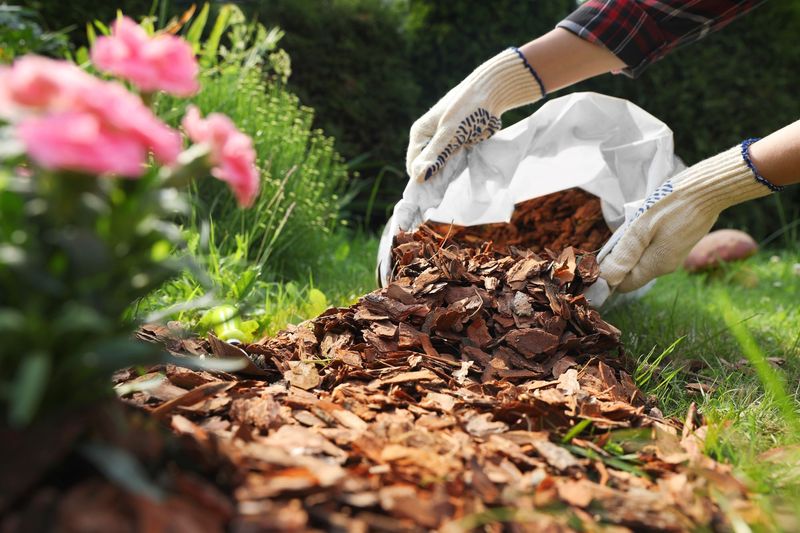
Who wants to spend every weekend pulling weeds and watering plants? Mulching dramatically reduces garden maintenance tasks, giving you more time to enjoy your outdoor space.
Less weeding, less watering, and less soil preparation means more time for relaxation. Many gardeners report cutting their garden work in half after implementing proper mulching techniques.
You can focus on the fun aspects of gardening rather than tedious chores.
8. Enhances Garden Appearance
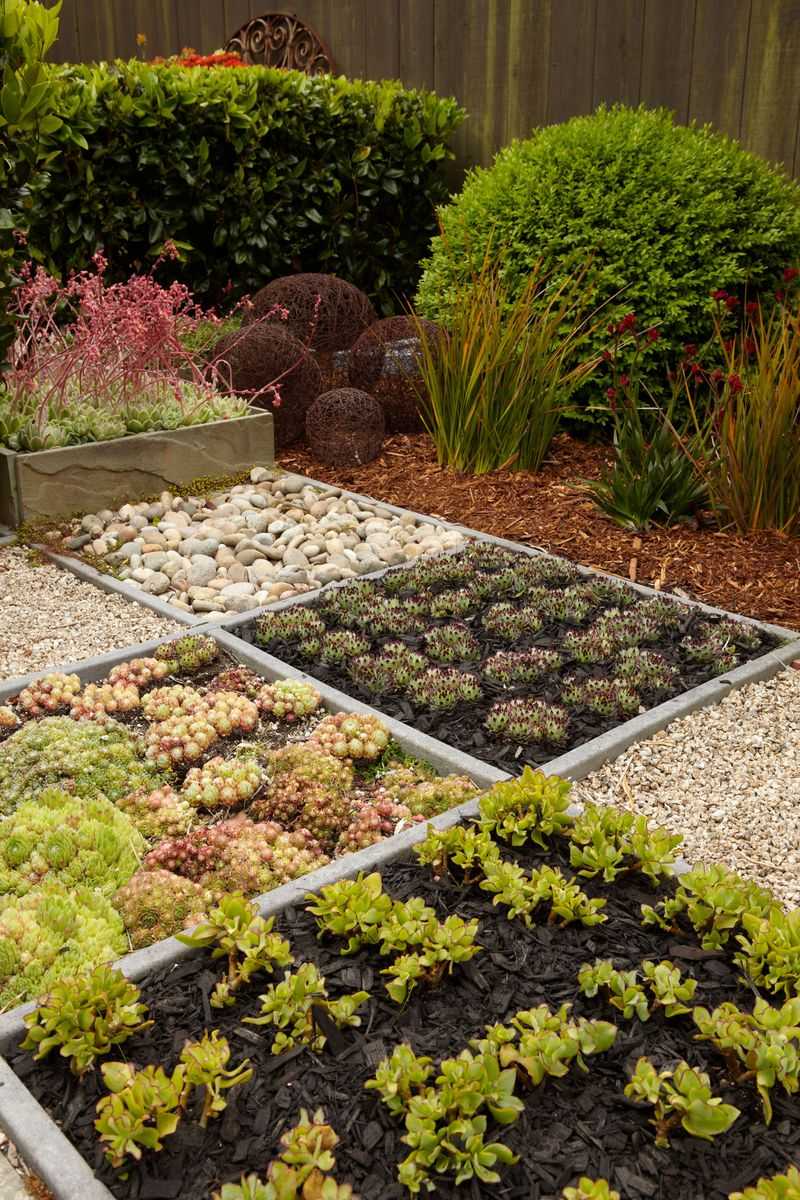
A well-mulched garden looks professionally landscaped and incredibly neat. Mulch creates clean, defined edges around plants and gives your entire garden a polished, finished appearance.
Different mulch colors and textures can complement your plants and home’s exterior design. Dark mulches make green foliage pop, while lighter options create interesting contrast.
Your garden becomes an attractive focal point that neighbors and visitors will admire and compliment.
9. Protects Plant Roots
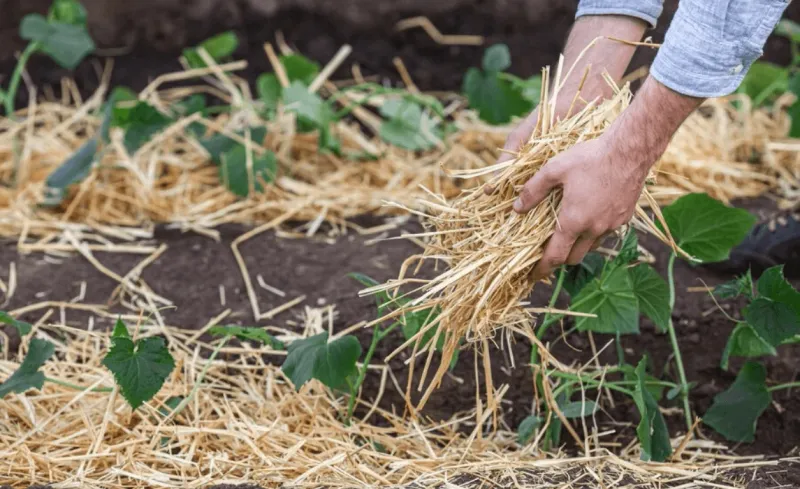
Plant roots near the soil surface are vulnerable to damage from foot traffic, tools, and weather extremes. Mulch creates a cushioning layer that shields these delicate root systems from harm.
This protection is especially important for trees and shrubs with shallow root systems. Mulch prevents accidental damage when you’re working around plants with garden tools.
Healthier root systems mean stronger, more productive plants that live longer and produce better results.
10. Reduces Water Runoff
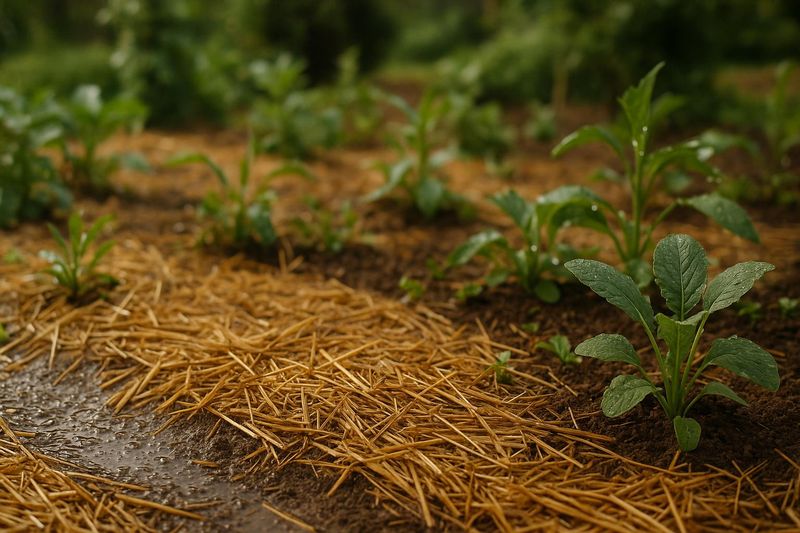
When rain hits bare soil, much of it runs off instead of soaking in where plants need it. Mulch slows down water flow and helps it penetrate deeply into the soil.
This improved water absorption means less waste and better hydration for your plants. Your garden makes the most of every drop of rainfall or irrigation water.
During dry spells, this improved water retention can mean the difference between thriving plants and struggling ones.
11. Encourages Beneficial Insects
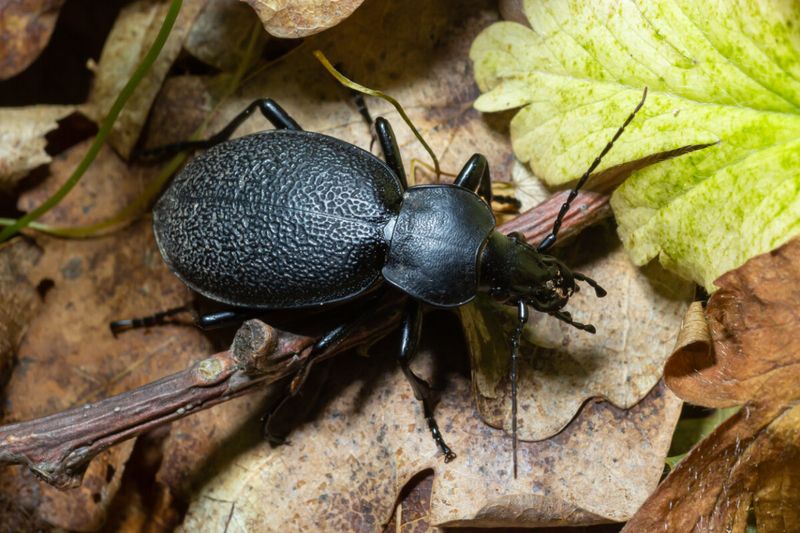
Organic mulches create cozy habitats for helpful insects like ground beetles, spiders, and beneficial microorganisms. These natural pest controllers help keep harmful insects in check without chemicals.
A thriving ecosystem develops under mulch layers, promoting natural balance in your garden. Predatory insects find shelter and hunting grounds, protecting your plants from damage.
You get free, natural pest control that works around the clock to keep your garden healthy.
12. Prevents Soil Compaction
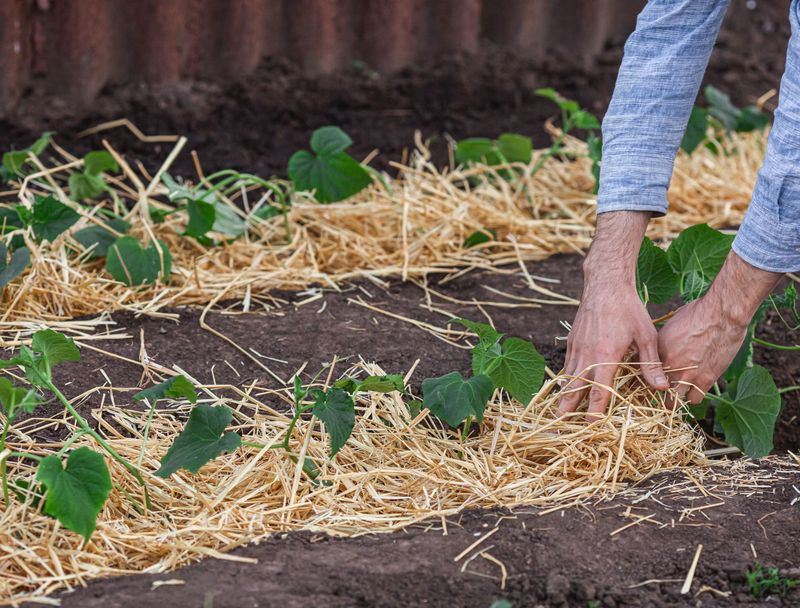
Walking on garden soil or heavy rain can pack it down tightly, making it hard for air and water to reach plant roots. Mulch acts as a protective barrier that absorbs impact.
This cushioning effect keeps soil loose and well-aerated, even in high-traffic areas. Plant roots can spread easily through uncompacted soil, leading to stronger, healthier growth.
Your garden soil maintains its ideal structure without constant cultivation and loosening efforts from you.
13. Reduces Plant Disease
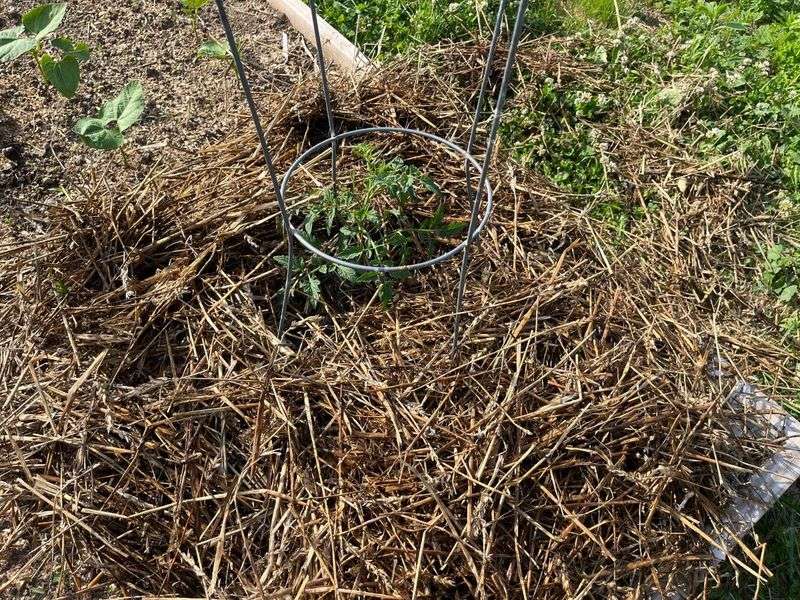
Many plant diseases spread when soil splashes onto leaves during watering or rain. Mulch prevents this soil-to-plant contact, breaking the disease transmission cycle effectively.
Fungal problems like blight and leaf spot become much less common in mulched gardens. Air circulation improves around plants when they’re not competing with weeds for space.
Your plants stay healthier naturally, reducing the need for fungicides and other chemical treatments that harm beneficial organisms.
14. Conserves Natural Resources
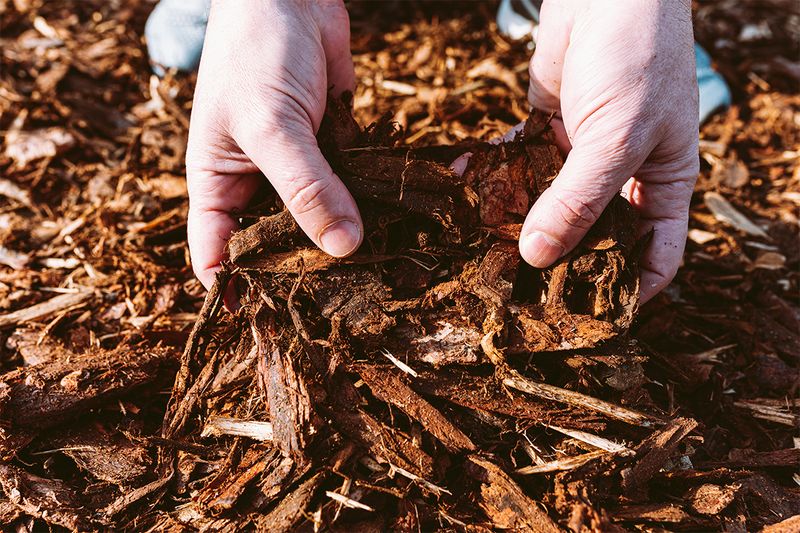
Using organic mulches like fallen leaves, grass clippings, and wood chips keeps these materials out of landfills while benefiting your garden. This recycling approach reduces waste significantly.
Less watering means conserving precious water resources, especially important during drought conditions. You’re creating a sustainable garden system that works with nature rather than against it.
Your gardening practices become environmentally responsible while producing better results than conventional methods.
15. Extends Growing Season
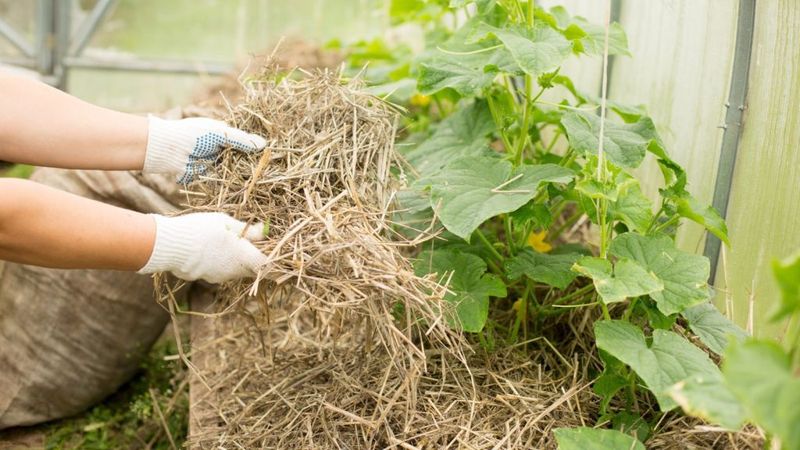
Mulch’s insulating properties help protect plants from early frosts and extend productive growing time into fall. Root zones stay warmer longer, allowing continued growth.
Cool-season crops benefit especially from this temperature moderation, producing harvests weeks longer than in unmulched gardens. Your garden becomes more productive throughout the year.
Spring planting can also begin earlier since mulched soil warms up more gradually and maintains better structure after winter freeze-thaw cycles.
16. Increases Property Value

Well-maintained, professionally landscaped gardens significantly boost home values and curb appeal. Mulched gardens look established and well-cared-for, creating positive first impressions for visitors and potential buyers.
Real estate professionals often recommend quality landscaping as one of the best investments homeowners can make. Mulched gardens require less maintenance, appealing to busy homeowners.
Your garden becomes an asset that pays dividends in both enjoyment and financial return.