 Complete Gardening
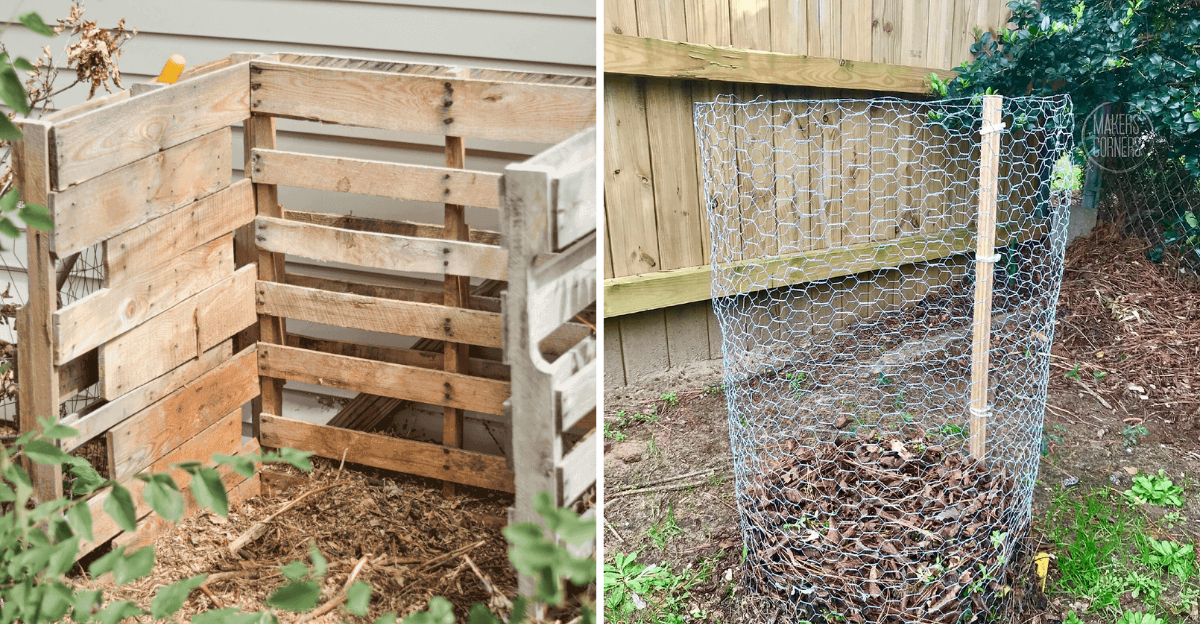
Composting is an eco-friendly way to reduce waste and nourish your garden. Building a compost bin yourself can be a rewarding project that saves money and tailors to your specific needs. Here are 16 unique compost bins you can construct, each with its own charm and functionality.
1. Wooden Pallet Bin
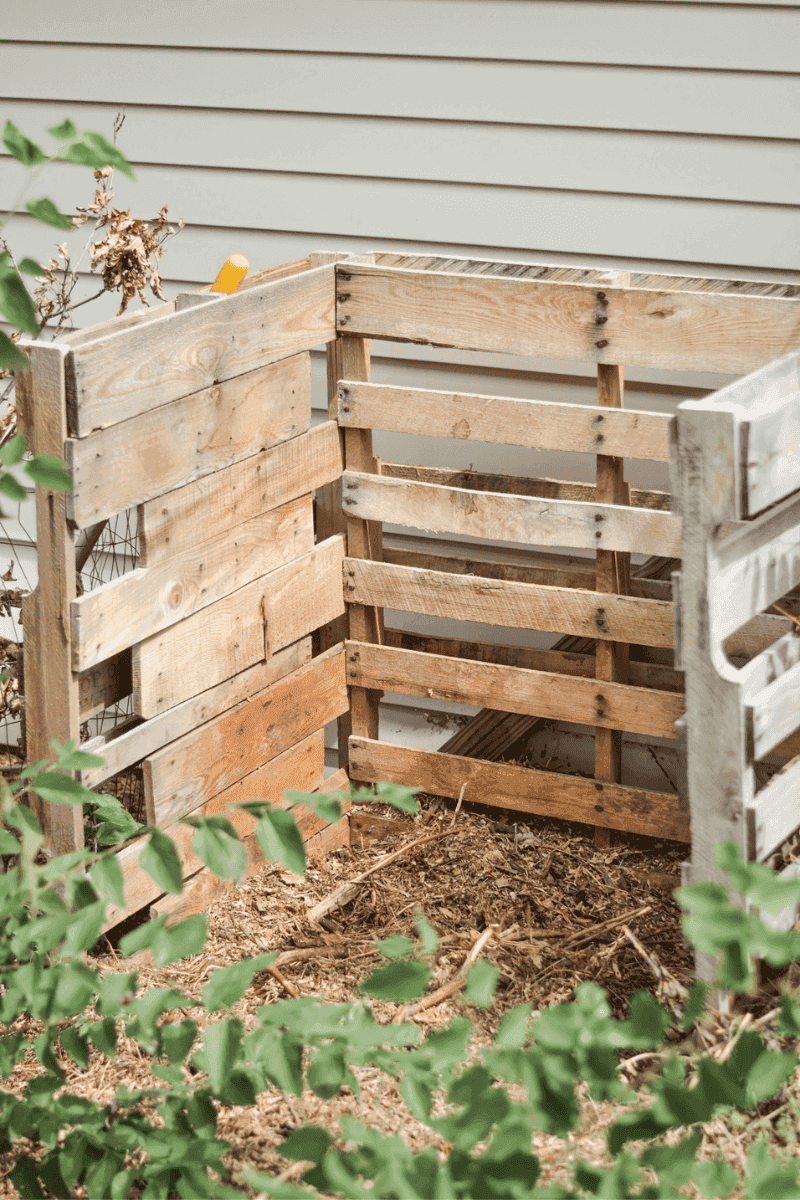
Wooden pallets can transform into a practical compost bin. Begin with four pallets, securing them in a square shape. This design allows for easy access and ventilation. The pallets’ slatted structure promotes airflow, accelerating decomposition.
This bin is perfect for those who love a rustic touch. It fits seamlessly into any garden. Moreover, wooden pallets are often available for free or at a low cost, making this an economical choice.
Fun Fact: Pallets were first used during World War II to move supplies efficiently, and now they’re a staple in the DIY world.
2. Wire Mesh Bin

Wire mesh compost bins are ideal for small spaces. They are easy to assemble: form a cylinder with wire mesh and secure it with clips. This design offers excellent ventilation, ensuring a quick composting process.
Perfect for urban gardeners, the mesh allows you to monitor the composting progress effortlessly. The lightweight structure makes relocation simple, adapting to your garden’s changing needs.
A quirky fact: Chicken wire, used in these bins, was originally designed to keep chickens safe, but it found its way into gardening as a versatile tool.
3. Bamboo Compost Bin
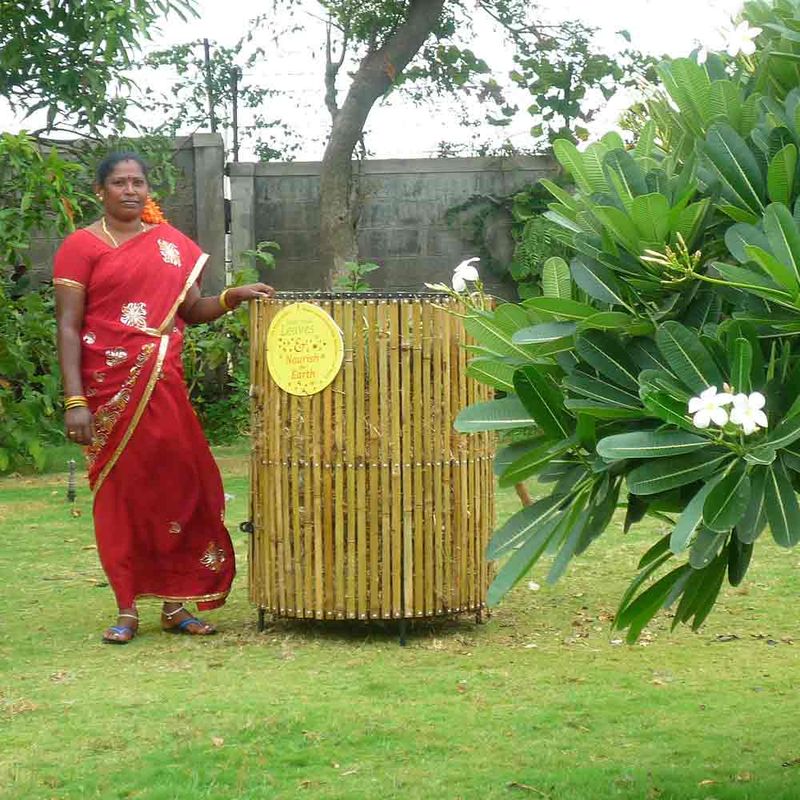
For a sustainable and aesthetic compost bin, consider bamboo. This fast-growing plant provides durable material. Construct the bin by lashing bamboo poles into a frame. Its natural look blends beautifully into gardens.
Bamboo’s strength and flexibility make it ideal for a lasting compost system. Its water resistance ensures durability through various weather conditions. Plus, using bamboo supports sustainable practices.
Did you know? Bamboo can grow up to 91 cm (35 inches) per day, making it one of the fastest-growing plants on Earth, perfect for eco-conscious projects.
4. Concrete Block Bin
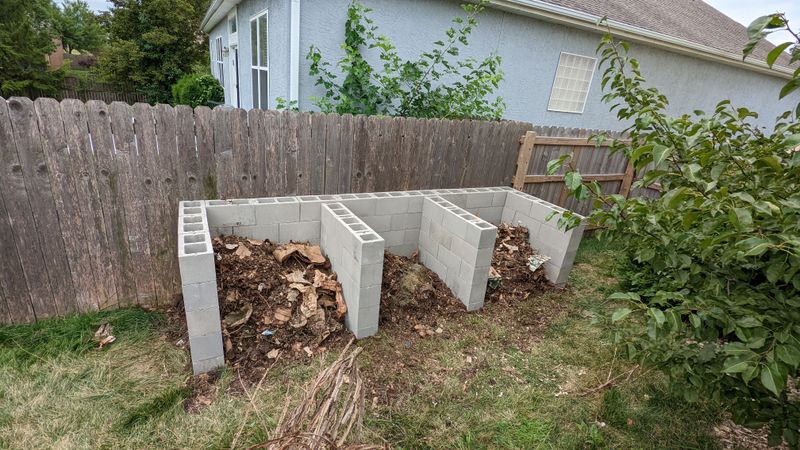
Concrete blocks create a robust and permanent compost bin. Stack blocks without mortar, allowing air circulation. This method creates a solid structure that can withstand harsh weather.
Ideal for gardeners seeking durability, this bin requires minimal maintenance. The weight and sturdiness of concrete blocks ensure it won’t tip over easily.
Fun Fact: Concrete blocks were first used in ancient Rome, but their popularity surged during the 20th century as a reliable building material for both residential and industrial structures.
5. Plastic Storage Bin
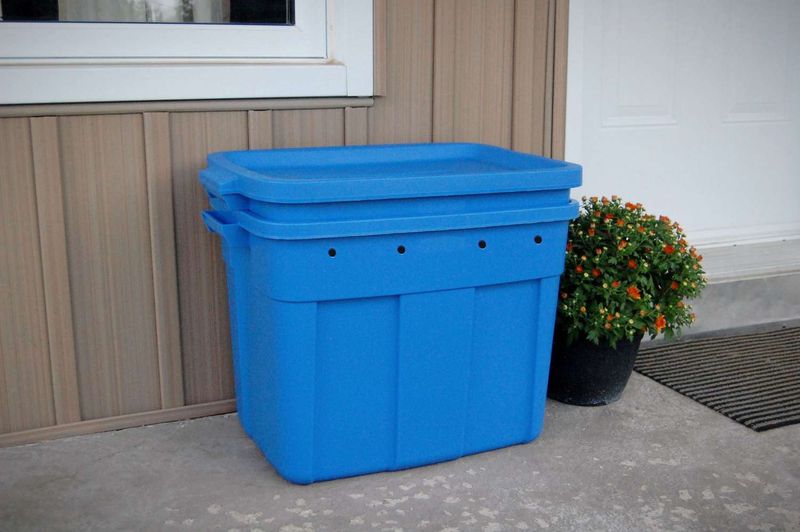
Repurposing a plastic storage bin is an excellent option for apartment dwellers. Drill holes in the sides for aeration, and you’re ready to start composting. This compact bin fits well in limited spaces like balconies.
It’s affordable and portable, making it ideal for renters. The bin’s lid helps retain moisture while keeping pests out, ensuring your composting efforts remain efficient.
A surprising tidbit: The first plastic, Bakelite, was invented in 1907, revolutionizing materials and paving the way for today’s diverse range of plastic products.
6. Tire Tower Bin
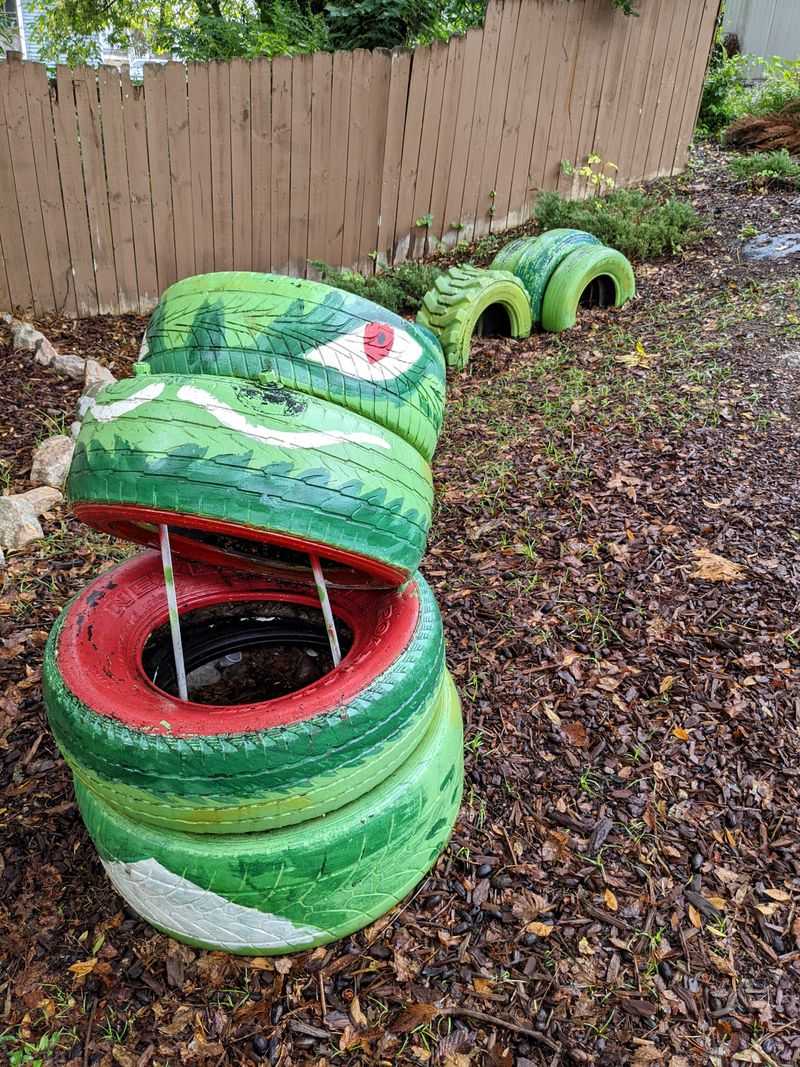
Upcycle old tires into a quirky compost bin. Stack the tires to form a tower, filling them with compostable materials. This creative design takes advantage of vertical space.
Perfect for those looking to reduce waste, this tire bin adds character to your garden. It’s an eco-friendly option, diverting tires from landfills and giving them a new purpose.
Did you know? The first practical pneumatic tire was invented by John Boyd Dunlop in 1888, transforming transportation and later inspiring innovative garden projects like this.
7. Wood and Chicken Wire Bin
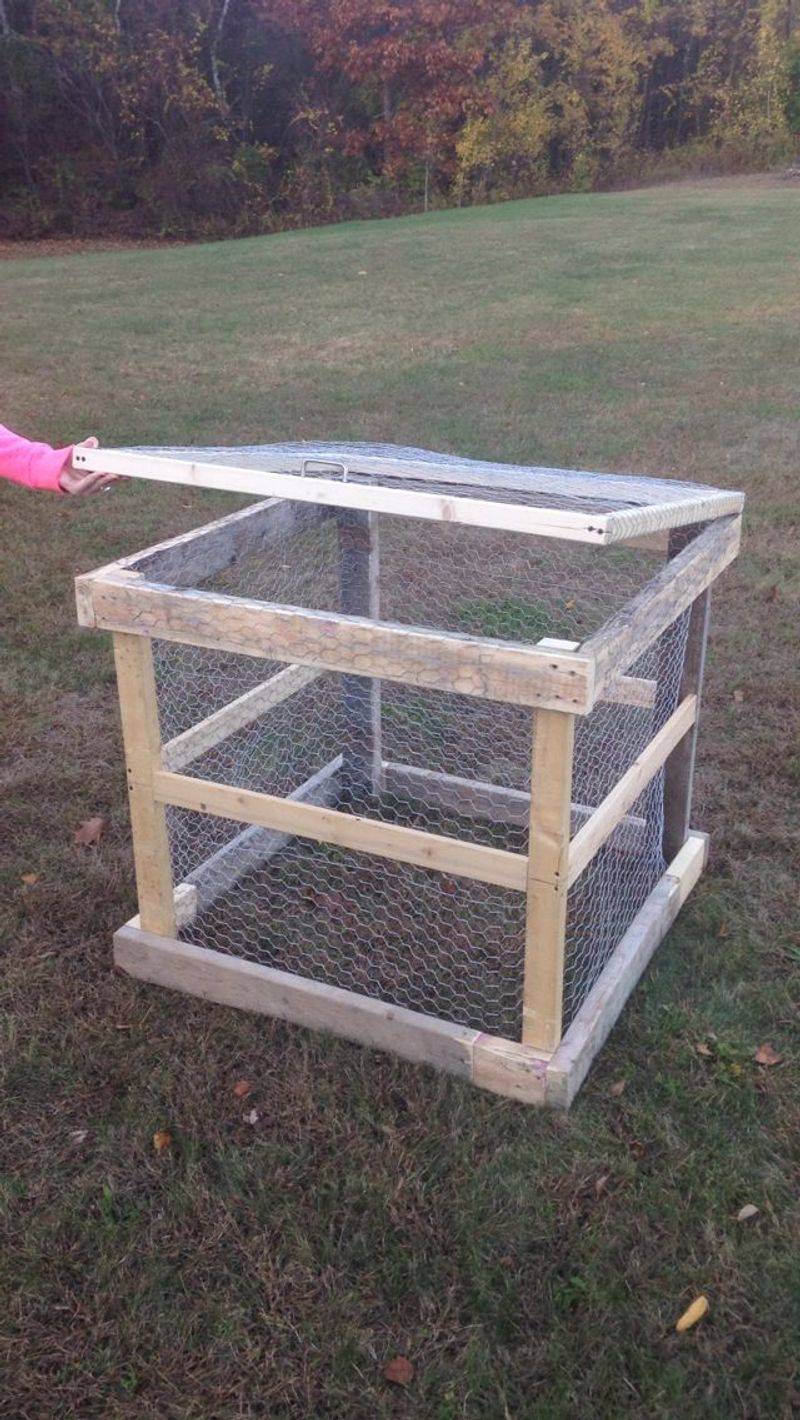
Combine wood and chicken wire for a simple compost bin. Build a wooden frame and cover it with chicken wire. This design is straightforward and offers excellent ventilation.
Ideal for beginners, the materials are readily available at most hardware stores. This bin is easy to assemble and maintain, blending function with simplicity.
Fun Fact: Chicken wire, though named for poultry, has been a gardener’s ally since the 19th century, providing endless possibilities for creative projects.
8. Cinder Block Bin
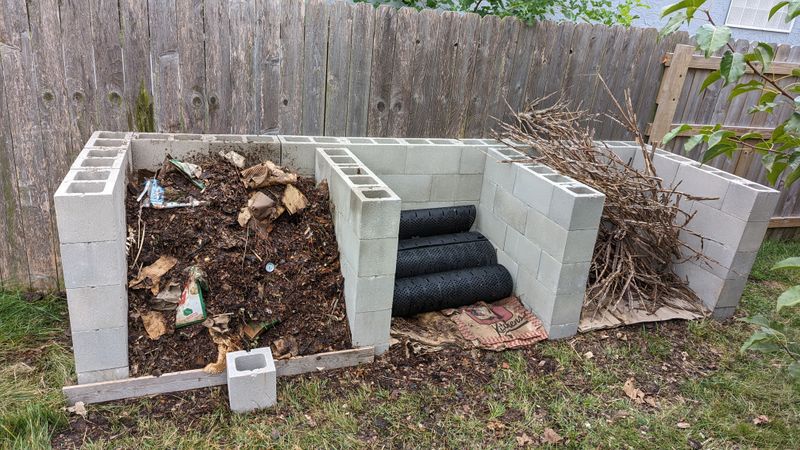
Cinder blocks offer a sturdy and versatile solution. Stack them to form a compost bin with ample space for decomposition. This design ensures durability and easy access.
Ideal for community gardens, cinder blocks are readily available and allow for expansion. Their weight provides stability, essential for a long-lasting compost system.
A quirky fact: Cinder blocks have been used since the early 20th century, originally made using cinders from coal combustion, adding an industrial touch to your garden space.
9. Drum Compost Tumbler
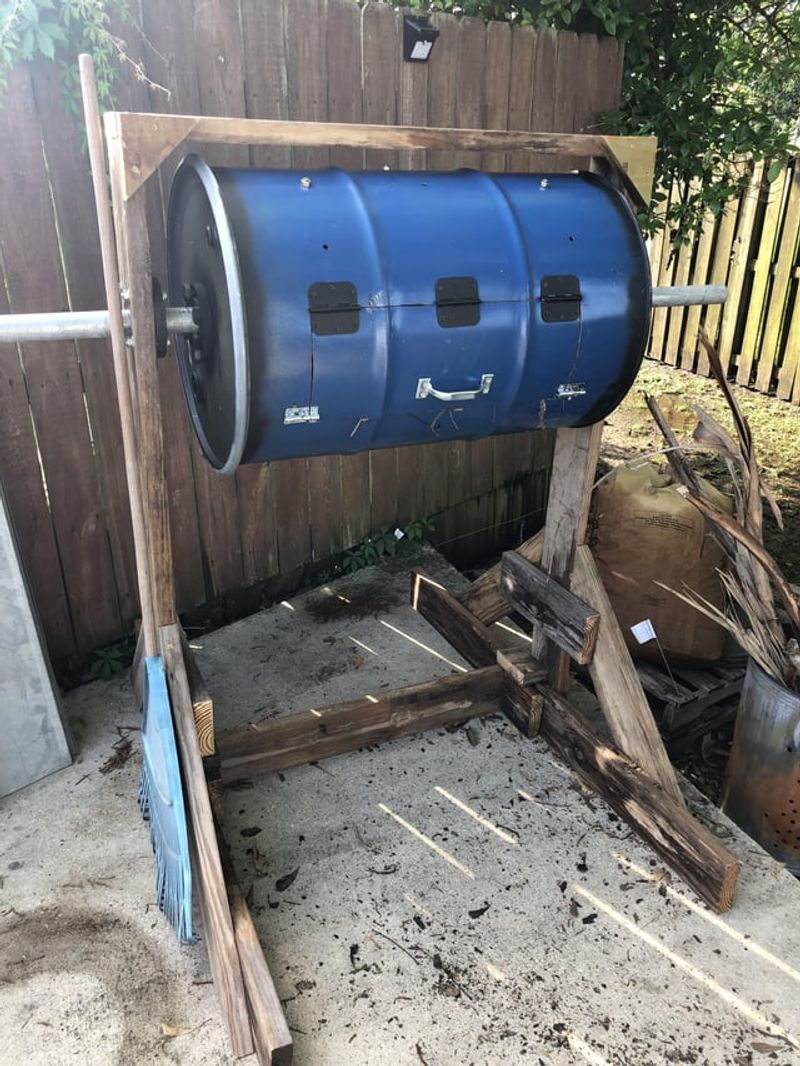
A drum compost tumbler speeds up the composting process. Mount a drum on a stand, adding a handle for easy turning. This closed system retains heat and moisture, accelerating decomposition.
Perfect for those seeking efficiency, the tumbler allows regular mixing without manual labor. It’s compact, suitable for various garden sizes, and keeps pests at bay.
Did you know? Rotary drum composters have been used since the 1970s, touted for their ability to produce nutrient-rich compost quickly, making them a favorite among avid gardeners.
10. Woven Wattle Bin
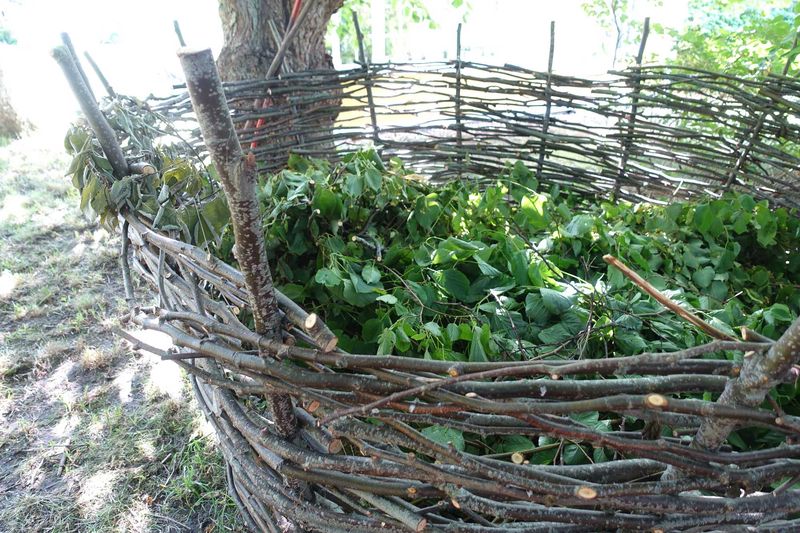
Create a charming wattle compost bin with twigs and branches. Weave them together to form a circular or square structure. This design offers a rustic and fairy-tale-like appearance.
Ideal for those with an artistic flair, wattle bins blend seamlessly into natural settings. The gaps between twigs provide ventilation, boosting decomposition.
Fun Fact: Wattle and daub construction dates back to Neolithic times, showcasing the timeless appeal of weaving techniques to create both functional and beautiful structures.
11. Metal Trash Can Bin
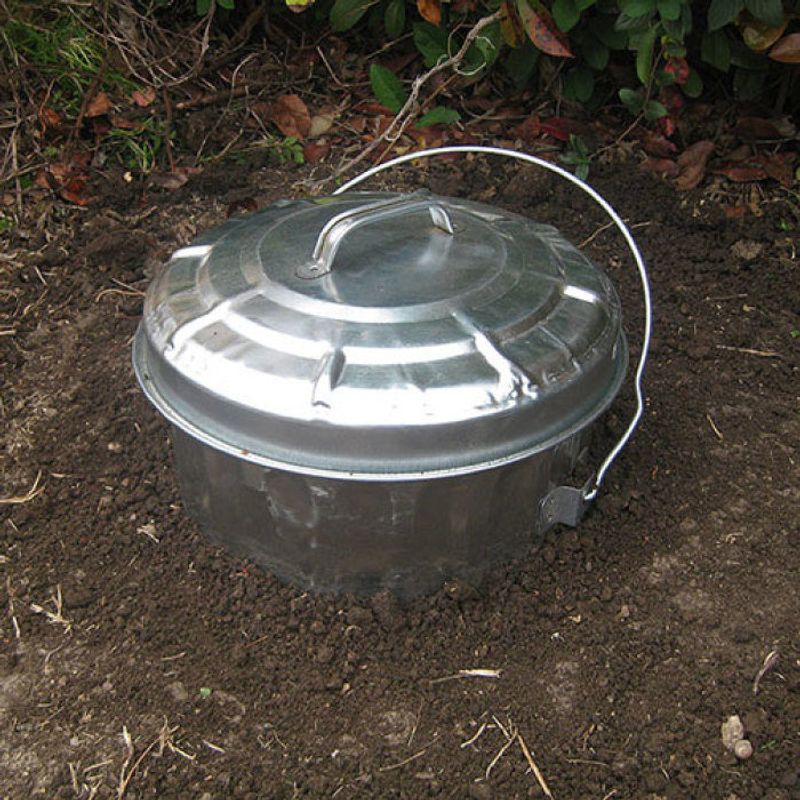
Transform a metal trash can into a compost bin by drilling aeration holes. Its sturdy material withstands harsh conditions, making it perfect for urban settings.
This compact bin fits snugly in patios, offering quick and easy composting. The lid retains moisture while preventing pests, ensuring your compost remains effective.
A quirky tidbit: Metal trash cans have been a household staple since the late 19th century, evolving from basic waste containers to versatile tools for creative DIYers.
12. Recycled Brick Bin
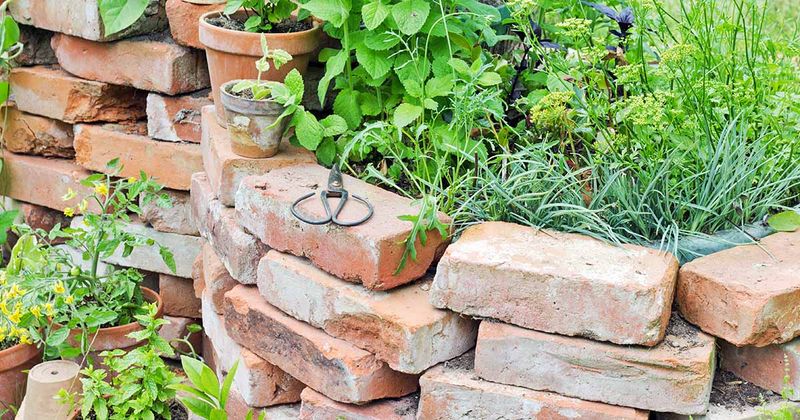
Utilize recycled bricks to construct a charming compost bin. Stack them to form a square or rectangle. This design combines durability with a classic aesthetic.
Perfect for country gardens, brick bins offer stability and a touch of nostalgia. The gaps between bricks allow for aeration, enhancing the composting process.
Fun Fact: Bricks have been used for thousands of years, with ancient civilizations relying on them for building, showcasing their timeless versatility in construction.
13. Straw Bale Bin
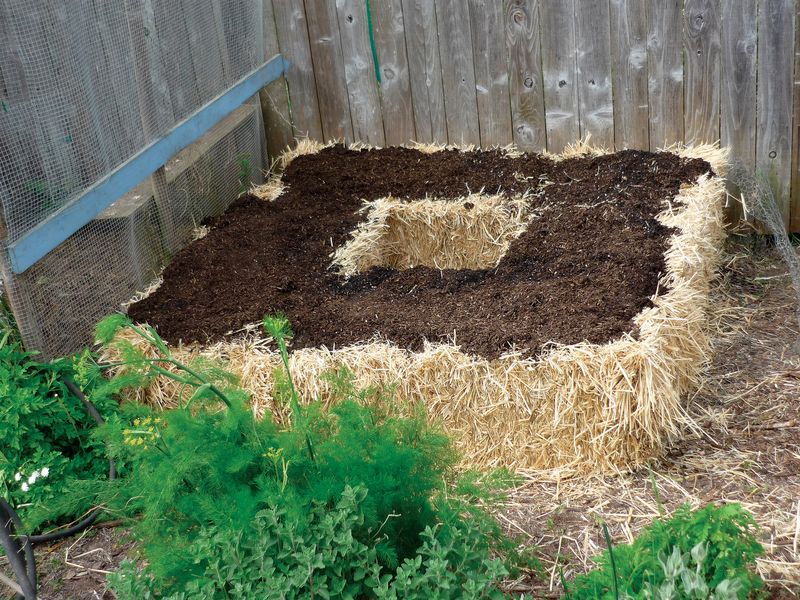
Straw bales naturally insulate compost, accelerating decomposition. Arrange bales in a square to create a simple and effective bin. This temporary structure breaks down over time, enriching soil.
Ideal for seasonal gardeners, straw bales are cost-effective and easy to assemble. They blend into natural landscapes, offering both function and beauty.
Did you know? Straw bale gardening dates back to the 19th century, providing a sustainable and space-efficient way to grow plants, now adapted for composting needs.
14. Gabion Wall Bin
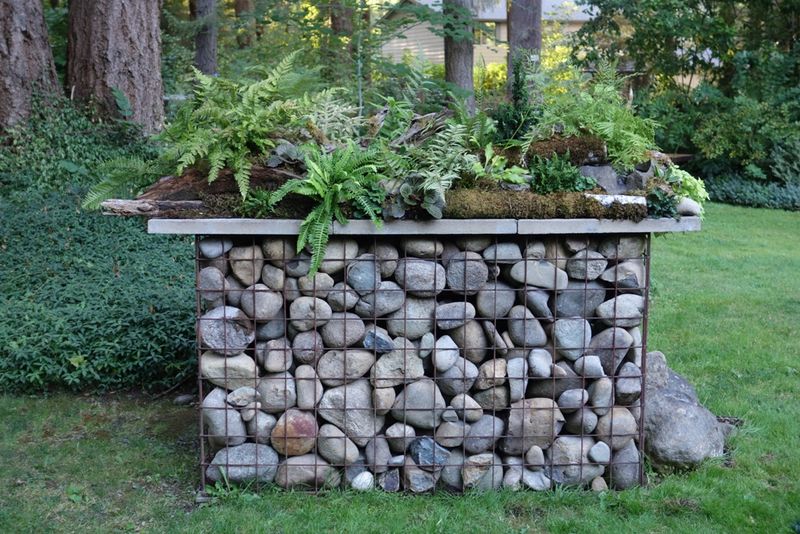
Gabion walls offer a contemporary twist on composting. Use metal cages filled with rocks to create a bin. This design is both functional and visually striking.
Ideal for modern landscapes, gabion bins provide sturdy and stylish composting solutions. Their open structure allows for excellent ventilation and drainage.
A fun fact: Gabions have been used in civil engineering since the 19th century, originally for structural purposes, now finding a place in artistic and garden applications.
15. Horseshoe Bin

Craft a horseshoe-shaped bin with wooden planks. This unique design maximizes accessibility and space, perfect for larger gardens.
The open layout facilitates easy turning of compost, enhancing decomposition. Its distinctive shape adds a whimsical touch to any outdoor space.
Did you know? Horseshoes have been used since ancient times to protect horses’ hooves, inspiring their shape for creative DIY projects like this one, combining tradition with innovation.
16. Rain Barrel Bin
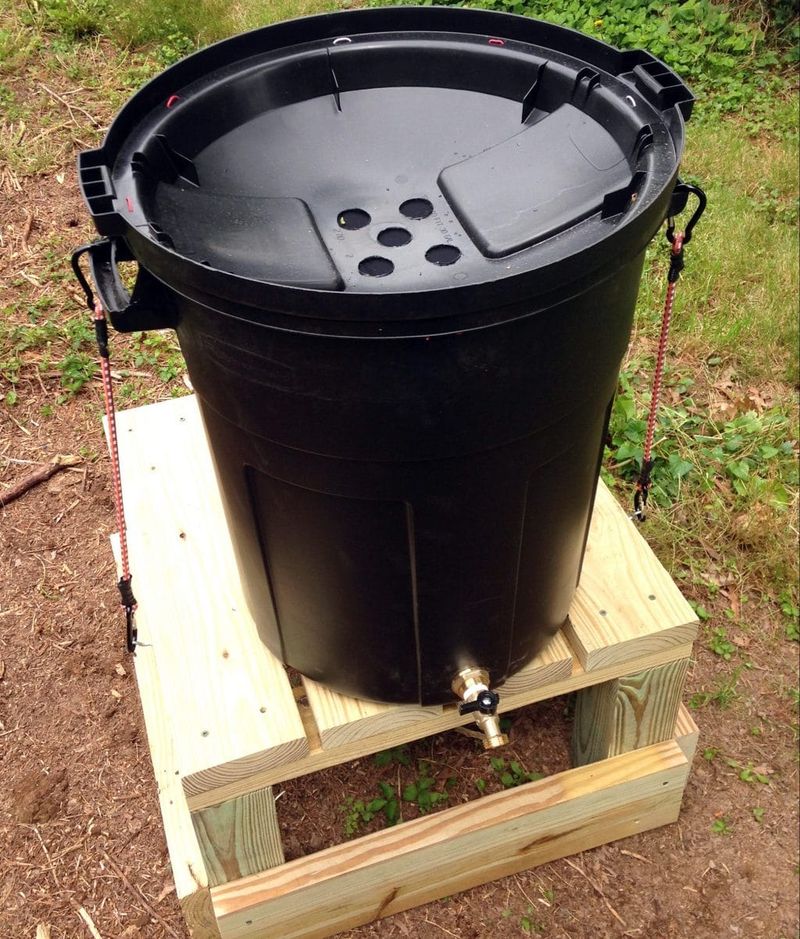
Repurpose a rain barrel for composting by adding ventilation holes. This closed system retains heat, speeding up decomposition while conserving space.
Ideal for rainy climates, the barrel’s design prevents excess moisture build-up. Its compact size fits well in various garden settings, offering both efficiency and convenience.
A quirky fact: Rain barrels have been used for centuries to collect rainwater, promoting sustainability long before modern environmental movements, now adapted for composting purposes.