 Complete Gardening
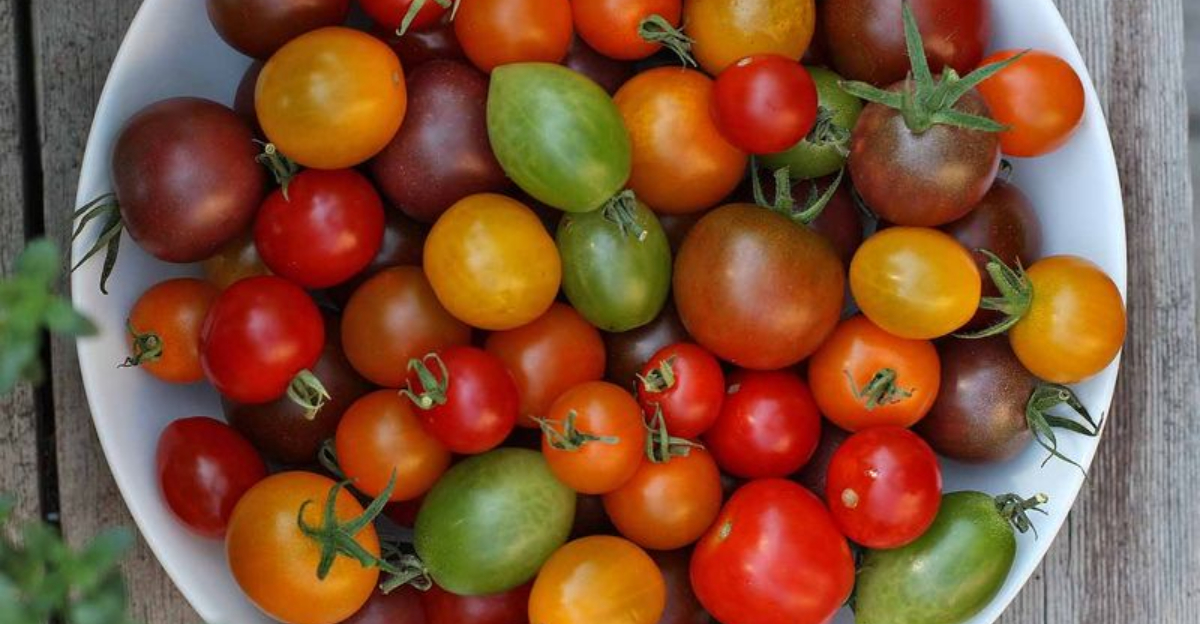
Growing tomatoes that taste incredible is an art and a science. This guide explores 16 essential facts that will transform your tomato-growing experience, ensuring that your harvests are not only bountiful but also bursting with flavor.
1. Soil Quality Matters
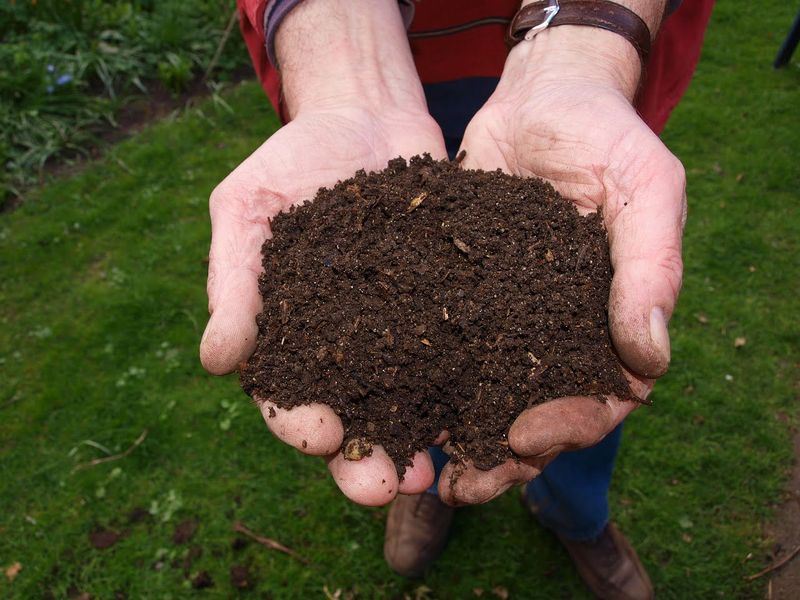
Soil quality is the foundation of flavorful tomatoes. Without nutrient-rich soil, your tomatoes won’t reach their full potential. Use a mix rich in organic matter for best results. Consider adding compost or well-rotted manure to boost nutrients. These additions not only nourish the plant but also enhance the soil’s water retention.
Regularly testing your soil can help you keep it balanced. Adjust pH levels if needed, aiming for a slightly acidic range. This environment encourages optimal nutrient absorption. Great soil is the unsung hero of incredible tomatoes.
2. Sunlight is Essential
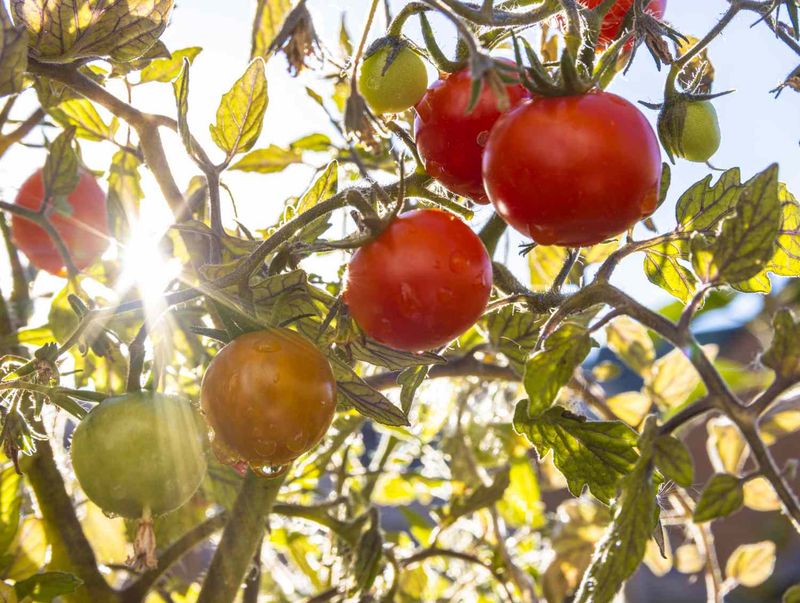
Sunlight is crucial for growing tomatoes that burst with flavor. Without sufficient light, photosynthesis is inadequate, and the fruit suffers. Place plants where they receive at least six hours of direct sunlight daily.
More sunlight equals more energy for fruit production, so aim for maximum sun exposure. Consider using reflective surfaces to enhance light coverage.
In urban settings, bright rooftop gardens can be ideal. Sunlight is the energy powerhouse that transforms regular tomatoes into flavorful delights.
3. Water Wisely
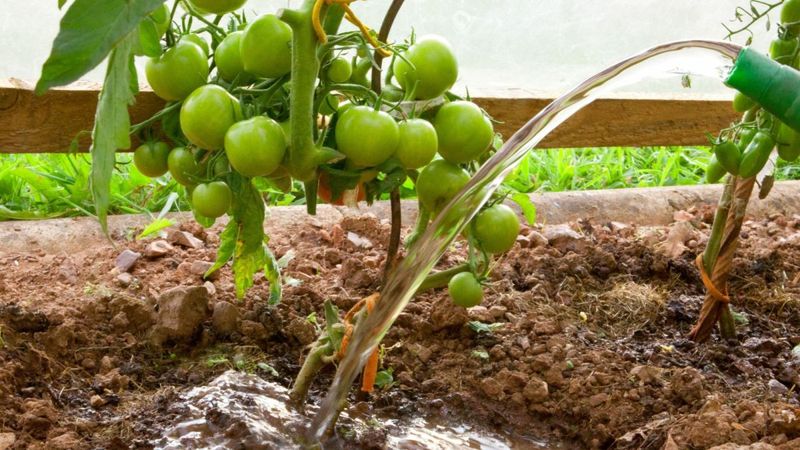
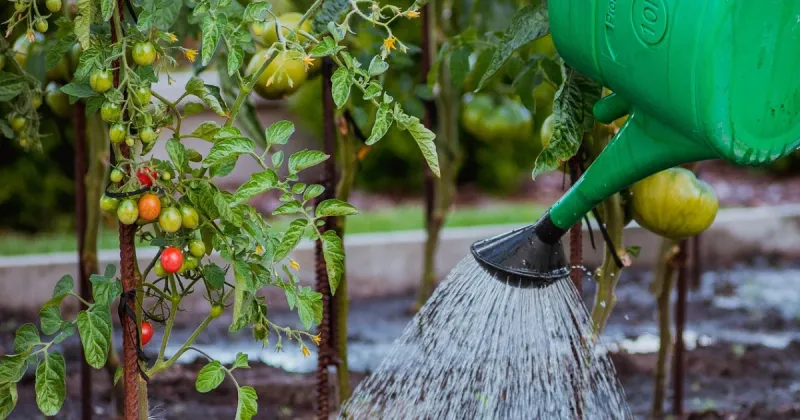
Watering tomatoes is an art. Too much or too little can affect their taste. Early morning is the best time to water, reducing evaporation and allowing plants to absorb moisture throughout the day.
Consistency is key; irregular watering can lead to split fruit and poor flavor. Drip irrigation systems can provide consistent moisture and prevent over-watering.
Healthy hydration maintains flavor and prevents diseases. Mastering the watering schedule is crucial for tomatoes that taste incredible.
4. Choose the Right Varieties
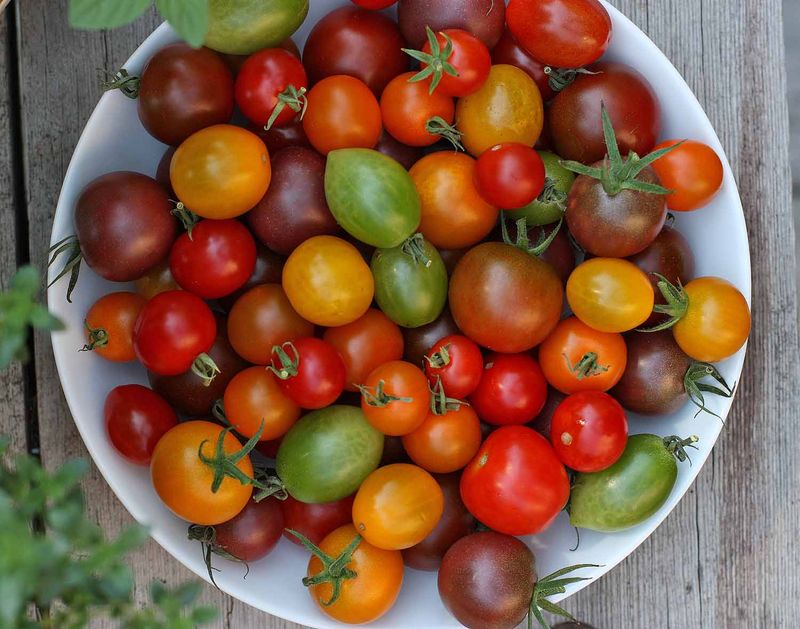
Selecting the right tomato variety is essential for flavor. Heirloom varieties are often praised for their exceptional taste. Their genetic diversity means unique flavors that are absent in some commercial types.
Consider growing several varieties to discover personal favorites and enjoy a range of flavors. Cherry tomatoes are sweet and versatile, perfect for salads.
The choice of variety influences taste profoundly. Explore, experiment, and taste the difference in your garden-grown tomatoes.
5. Pruning for Productivity
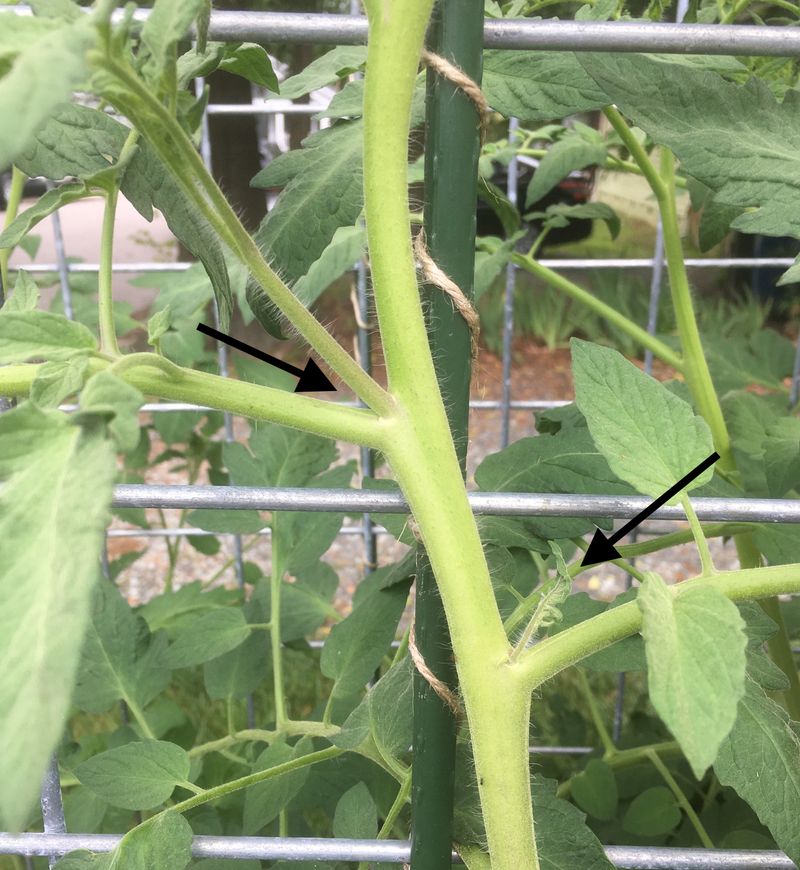
Pruning tomatoes optimizes their flavor and productivity. Removing excess foliage allows more sunlight to reach the fruit, enhancing taste.
Focus on removing suckers – small shoots that grow between the main stem and branches. This encourages the plant’s energy to focus on fruit development rather than foliage.
Pruning also improves air circulation, reducing disease risk. It’s a simple but effective technique that contributes to a tastier harvest.
6. Companion Planting Benefits
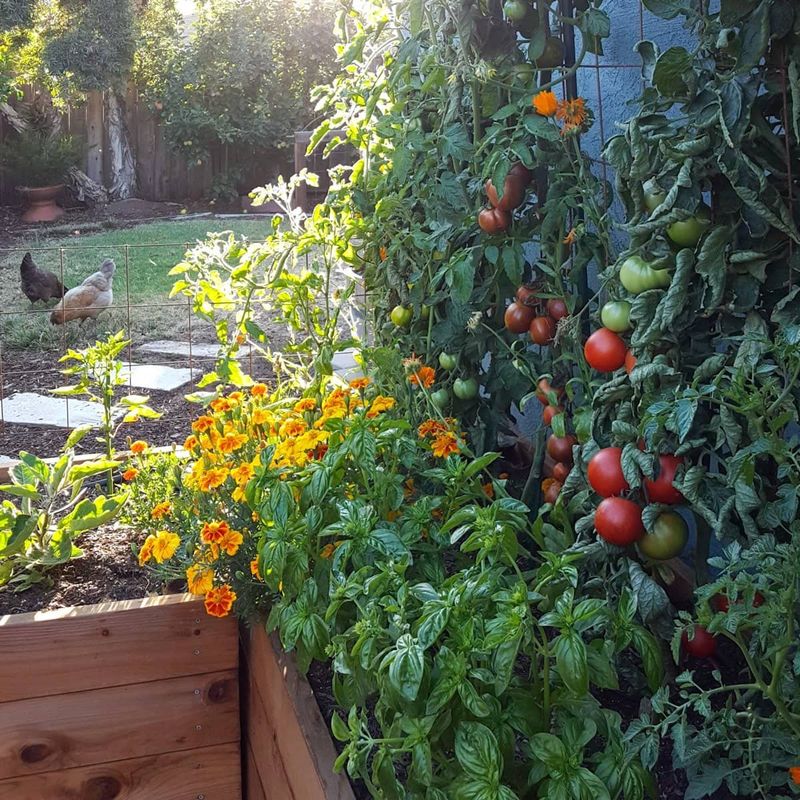
Companion planting can enhance tomato flavor and growth. Certain plants, like basil and marigolds, can boost tomato health and taste when grown nearby.
Basil is believed to repel pests and improve growth, while marigolds deter nematodes and other soil pests. This natural partnership creates a thriving garden ecosystem.
The right companions can lead to a more flavorful and abundant tomato harvest, making this method a gardener’s secret weapon.
7. Fertilize for Flavor
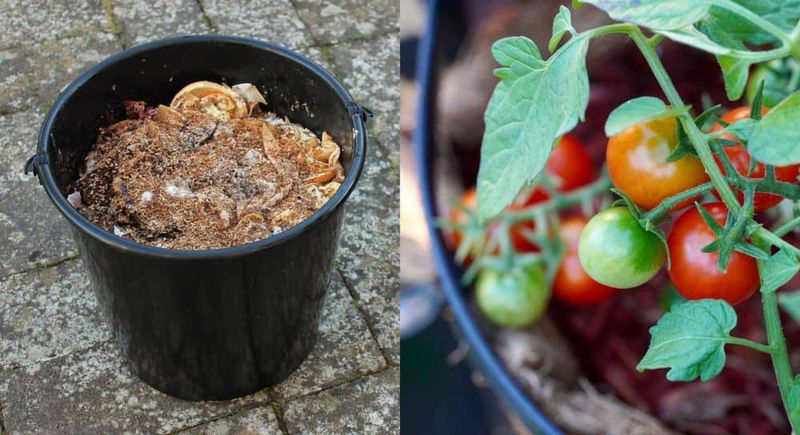
Using the right fertilizer can significantly impact tomato taste. Organic options are often preferred for their natural benefits. Compost and organic fertilizers provide essential nutrients without harmful chemicals.
Nitrogen, phosphorus, and potassium are crucial for growth and flavor. Regular feeding ensures that plants have the nutrients needed to produce delicious fruit.
Fertilizing is about balance, and the right mix can lead to incredible taste.
8. Control Temperature and Humidity
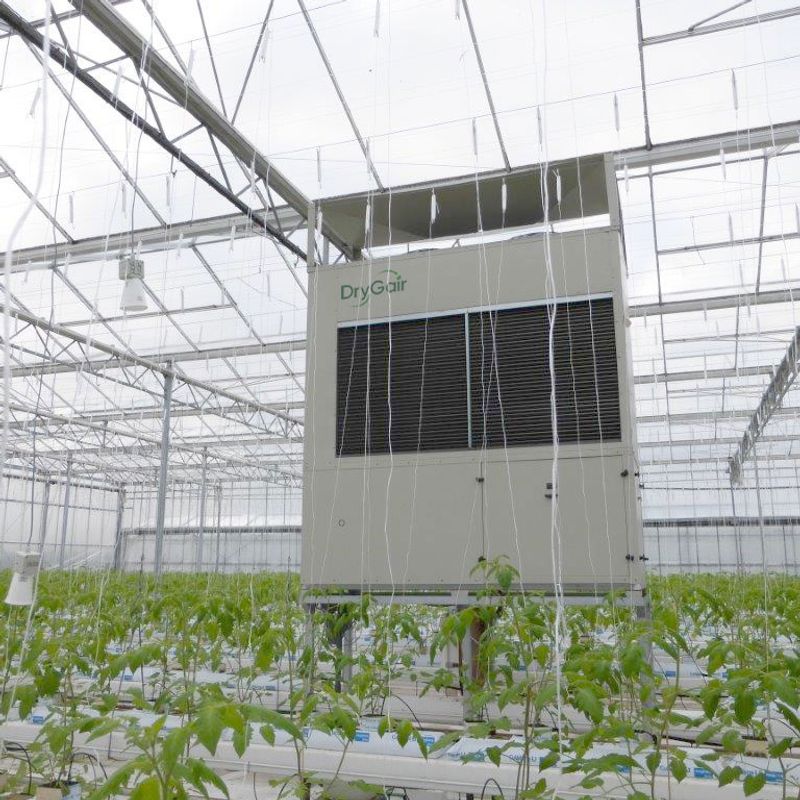
Maintaining the right temperature and humidity is vital for tomato flavor. Extreme temperatures can stress plants, affecting taste. Tomatoes thrive between 70-85°F during the day and around 55-70°F at night.
Humidity levels should be moderate; too high can lead to disease, affecting flavor. Greenhouses can provide a controlled environment, ensuring ideal conditions for growth.
Balance in climate contributes to the rich taste of tomatoes, making this an essential factor.
9. Mulching for Moisture
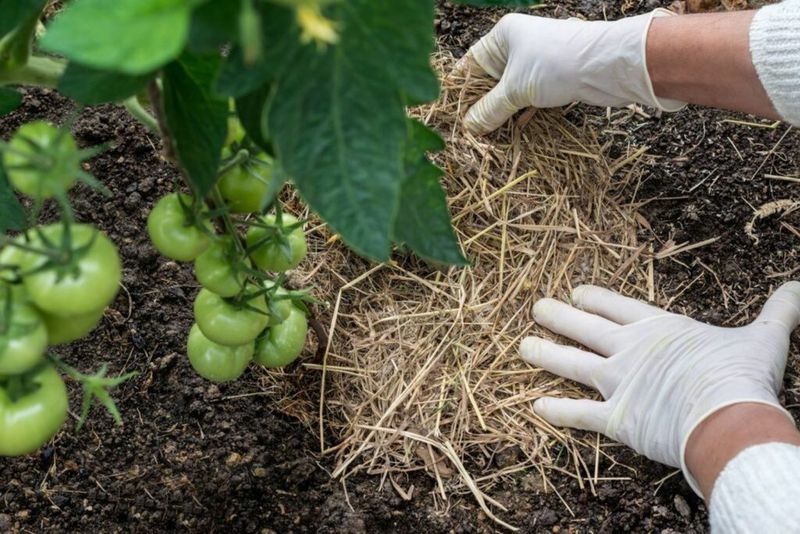
Mulching helps retain soil moisture, which is key for flavorful tomatoes. Straw, wood chips, or grass clippings can serve as effective mulches. They reduce evaporation, keeping the soil consistently moist.
Mulching also suppresses weeds, which compete for nutrients and water. This allows tomato plants to flourish without competition.
The benefits of mulching extend to temperature regulation as well, protecting roots from extreme heat.
10. Disease Prevention Strategies
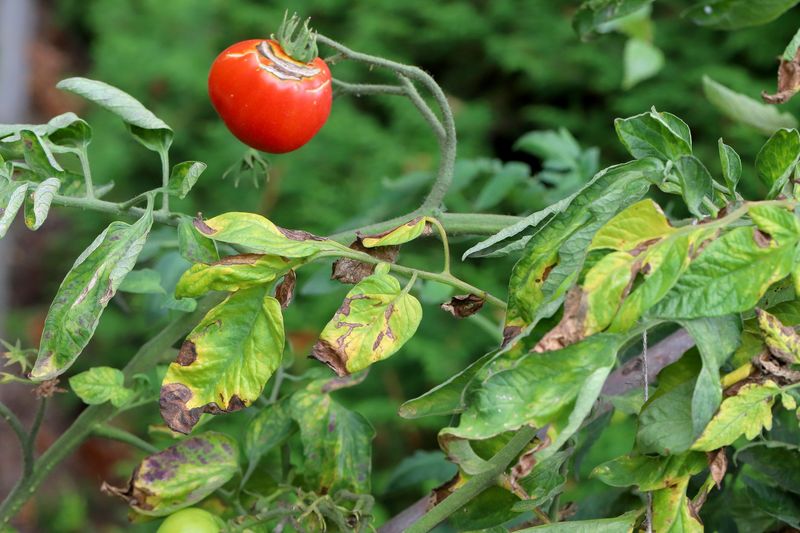
Preventing diseases is crucial for maintaining tomato flavor. Diseases can sap nutrients, leaving tomatoes bland. Regularly inspecting plants for signs of disease is key.
Practice crop rotation and use disease-resistant varieties to prevent common issues. Proper spacing ensures air circulation, reducing mildew and blight risks.
Healthy plants produce the tastiest tomatoes, so prevention is always better than cure.
11. Pollination Enhancements
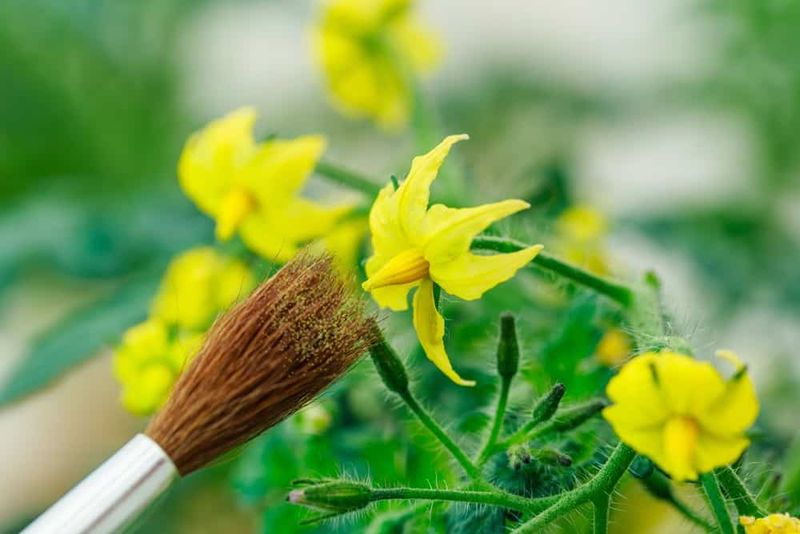
Pollination impacts tomato production and taste. Manual pollination can improve yields if natural pollinators are scarce. Gently shaking the plant can mimic wind, aiding pollination.
Attracting bees and other pollinators to your garden can enhance fruit set. Flowers converted to fruit through effective pollination often result in better flavor.
Every flower can turn into a delicious tomato with the right pollination techniques.
12. Harvest Timing
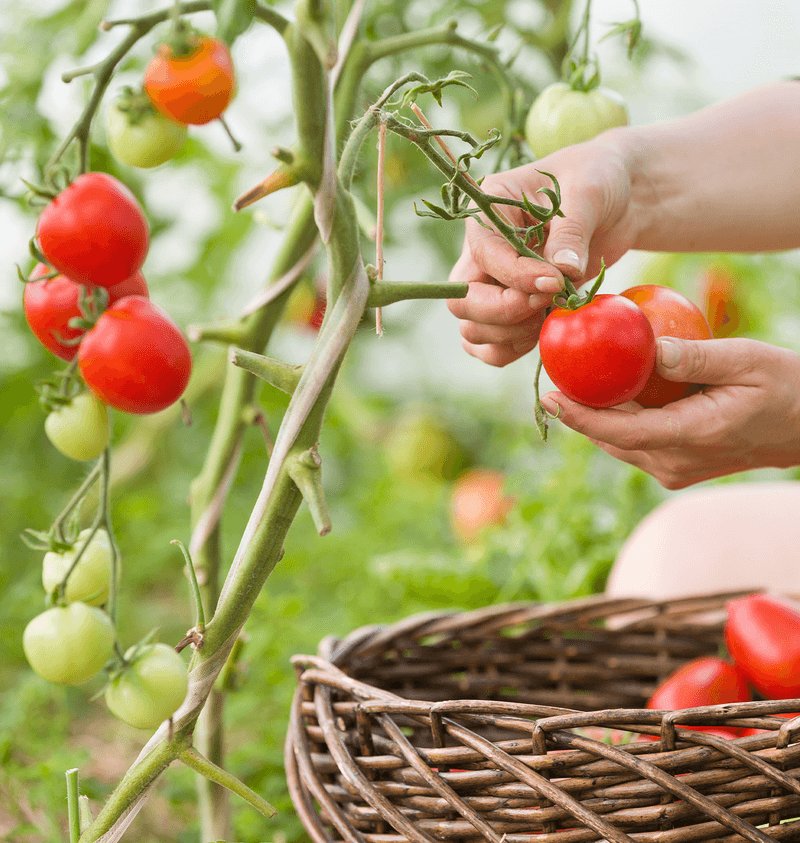
Timing is everything when harvesting tomatoes. Pick them when they’re fully ripe for the best taste. The color should be vibrant, and they should feel firm but yield slightly to pressure.
Taste and aroma can guide the perfect harvesting moment. Avoid refrigeration immediately after picking, as it can dull flavor.
Harvesting at the right time ensures that tomatoes develop their full flavor potential before reaching your table.
13. Staking and Support
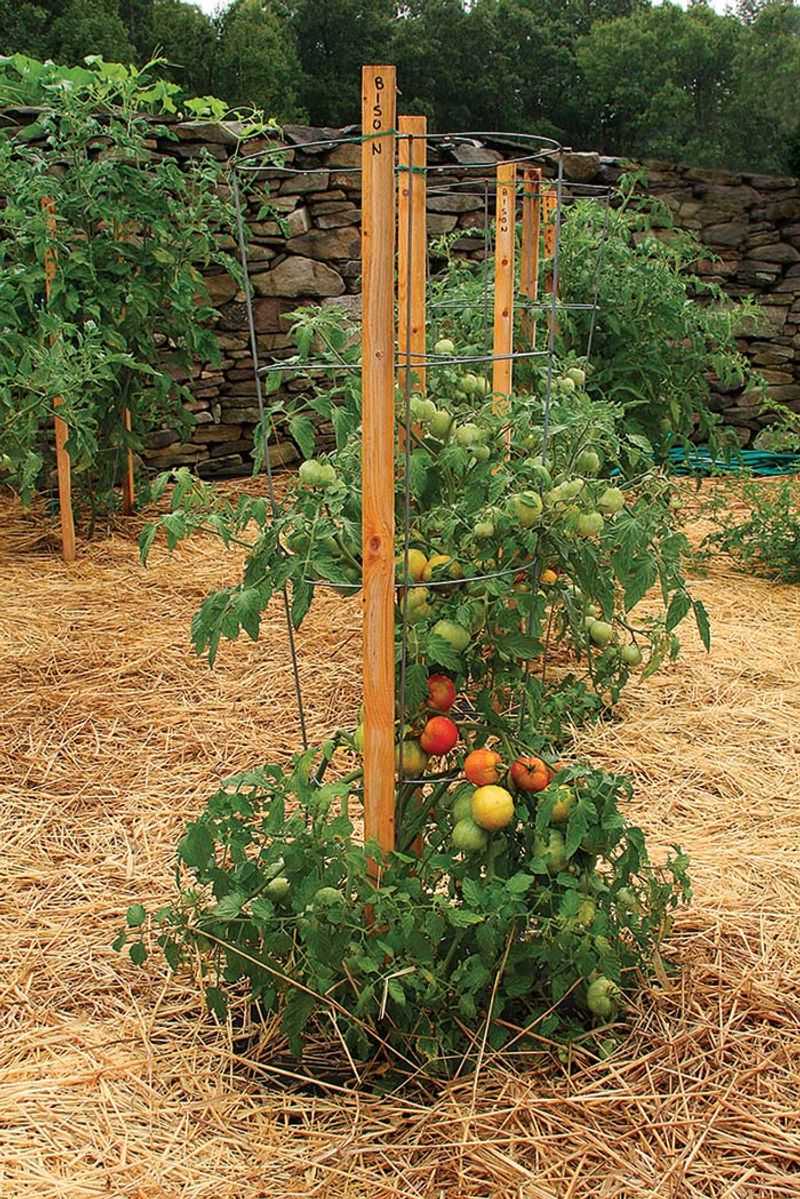
Providing support for tomato plants prevents fruit damage, which affects taste. Stakes, cages, or trellises keep plants upright, allowing air circulation and sun exposure.
Well-supported plants are less prone to disease, promoting healthier growth. This leads to tomatoes that are not only visually appealing but also packed with flavor.
The right support is essential for maximizing taste and yield, making it a critical aspect of tomato cultivation.
14. Use of Epsom Salt
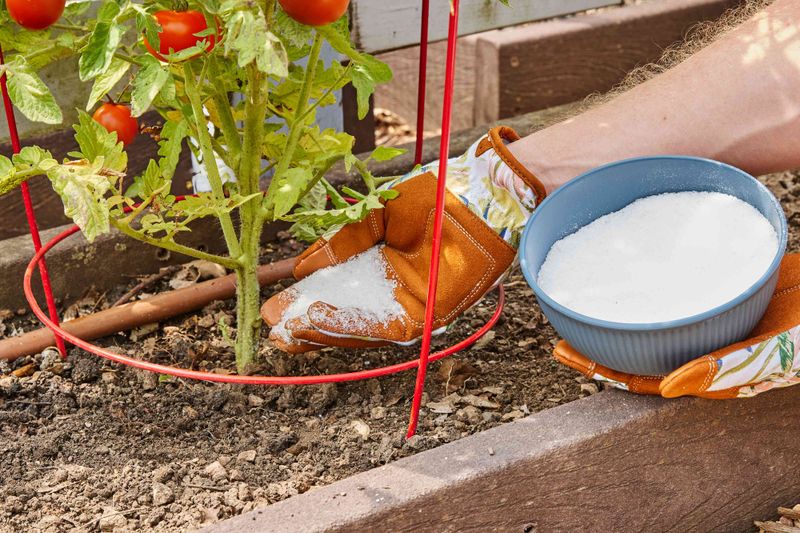
Epsom salt can boost tomato plant health, indirectly enhancing flavor. Rich in magnesium and sulfur, it contributes to chlorophyll production and nutrient uptake.
Sprinkle a tablespoon around each plant during planting and mid-season. This practice can result in more robust plants with tastier fruit.
While not a miracle solution, Epsom salt can be a helpful addition to a balanced fertilization routine.
15. Avoiding Overcrowding
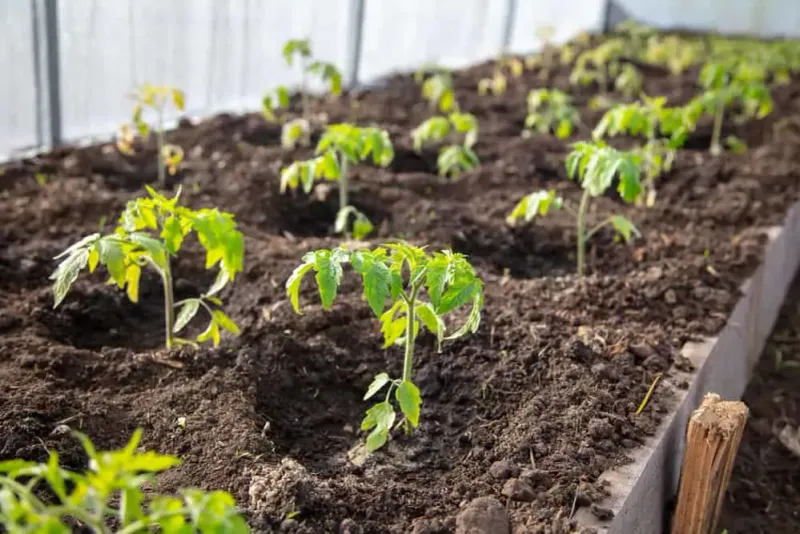
Space is essential for growing flavorful tomatoes. Overcrowding leads to competition for sunlight, water, and nutrients. Proper spacing ensures each plant receives adequate resources, promoting better taste.
Crowded conditions can also lead to disease, impacting flavor and yield. By giving each plant room to grow, you encourage healthy development and delicious harvests.
Thoughtful garden planning prevents overcrowding and its associated problems, ensuring top-quality tomatoes.
16. Seasonal Adjustments
Tomato plants can benefit from seasonal adjustments to enhance flavor. Adjustments in watering, fertilization, and pruning can align with seasonal changes.
In cooler months, reduce watering to prevent root rot, while warmer months might require increased hydration. Fertilizer needs can vary, and understanding these changes is key.
Adapting to the seasons ensures that tomatoes remain flavorful throughout the year.