 Complete Gardening
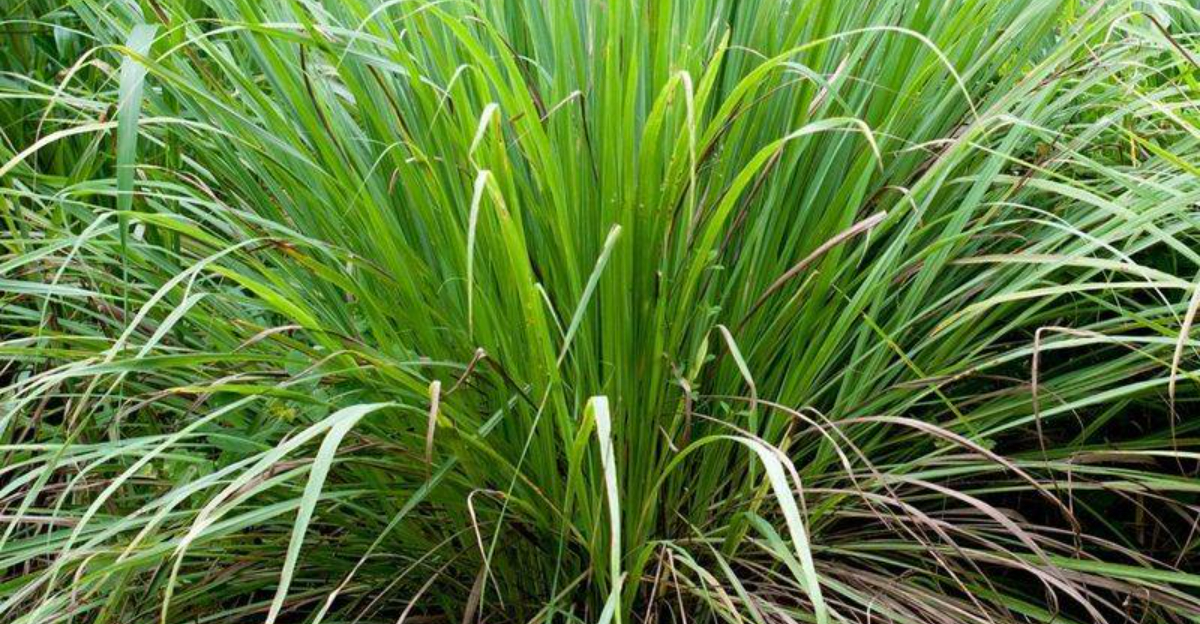
Alabama summers are known for their balmy weather and pesky insects. Fortunately, nature provides a fragrant solution to keep those bugs at bay. These 16 plants not only add beauty to your garden but also serve as natural repellents, allowing you to enjoy the outdoors without the unwelcome company of mosquitoes, flies, and other insects.
Lavender
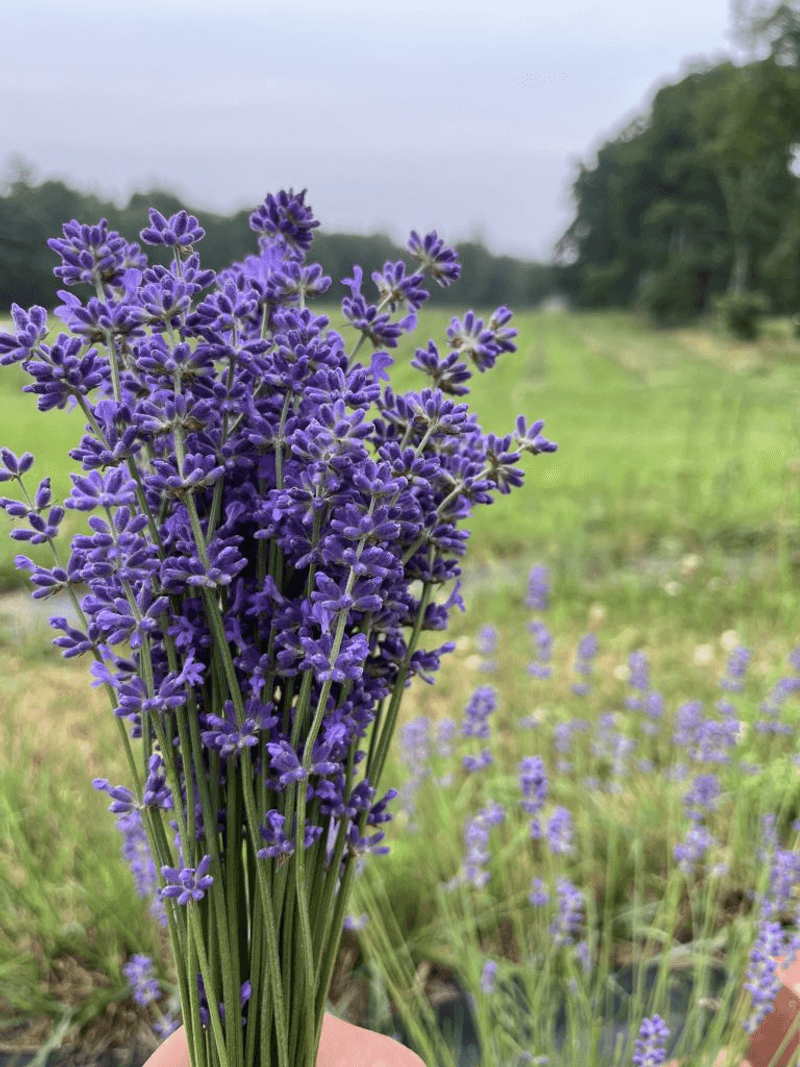
Lavender, with its sweetly soothing aroma, is more than just a pretty face in the garden. This delightful plant is renowned for its ability to repel mosquitoes and flies, making it a must-have for any outdoor space in Alabama. In addition to its insect-repelling properties, lavender adds a touch of elegance and a splash of color that enhances any landscape.
Planting lavender near patios or doorways not only elevates the aesthetic appeal but also creates a natural barrier against pesky bugs. Its versatile charm and practical benefits have made it a beloved choice among gardeners for centuries.
Rosemary
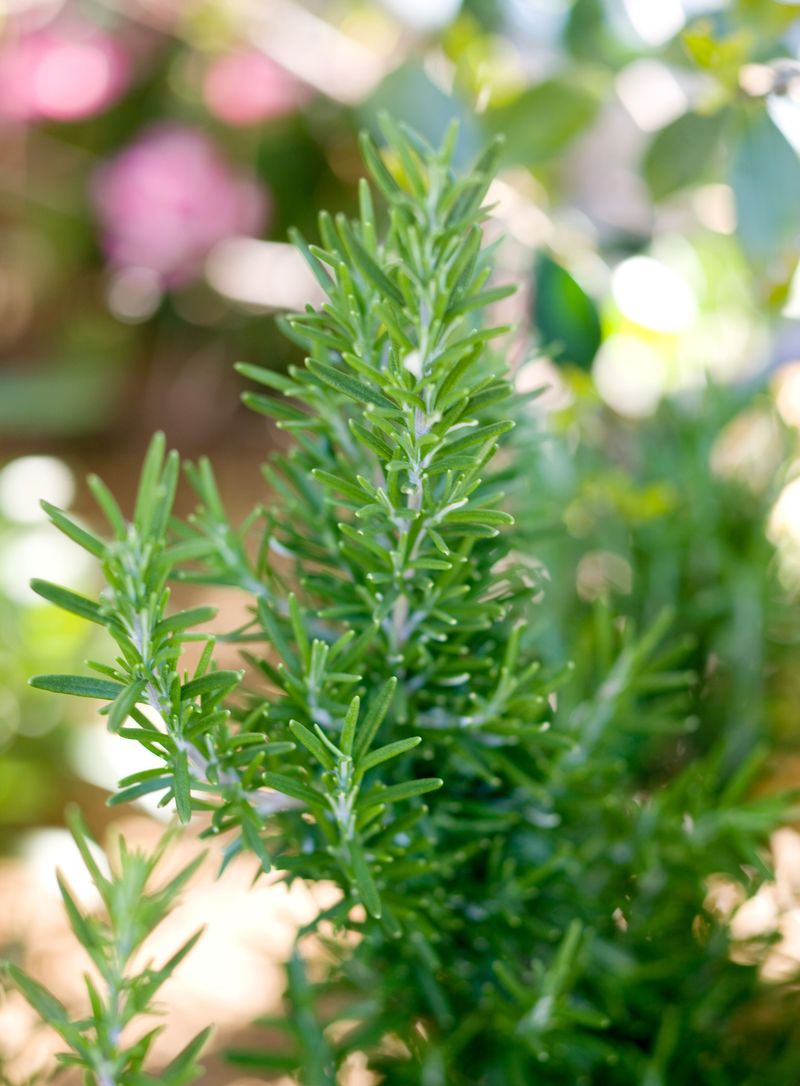
Rosemary, a staple in many kitchens, doubles as an effective insect repellent in the garden. Its pungent scent is a natural deterrent to mosquitoes and other insects, providing a fragrant shield around your outdoor living spaces. This resilient herb thrives in Alabama’s warm climate, making it a perfect addition to local gardens.
Incorporating rosemary into your landscape not only keeps bugs at bay but also offers fresh herbs for culinary delights. Its robust nature and multi-functional use make rosemary a gardener’s ally.
Basil
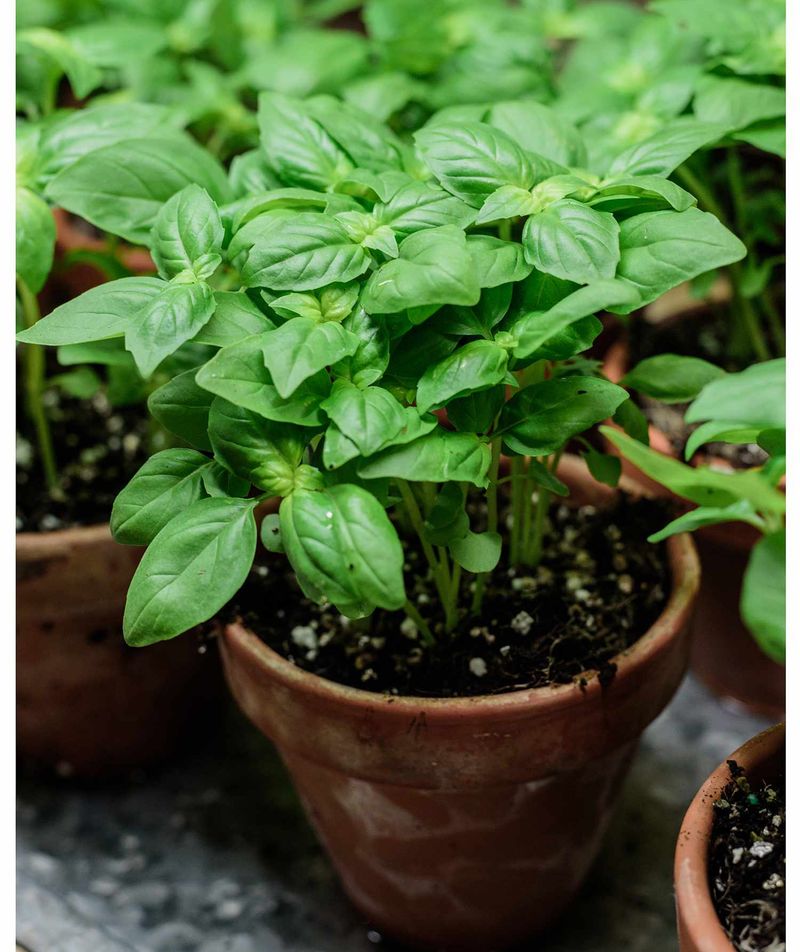
Basil, often associated with Italian cuisine, is also a formidable foe against insects. Its strong aroma confuses mosquitoes, keeping them away from your summer gatherings. Planting basil in pots or garden beds near areas where you relax outdoors can significantly decrease insect activity.
Beyond its repellent qualities, basil offers fresh leaves for your culinary adventures, adding flavor and aroma to dishes. This dual-purpose plant is both practical and delicious, making it a garden favorite.
Mint
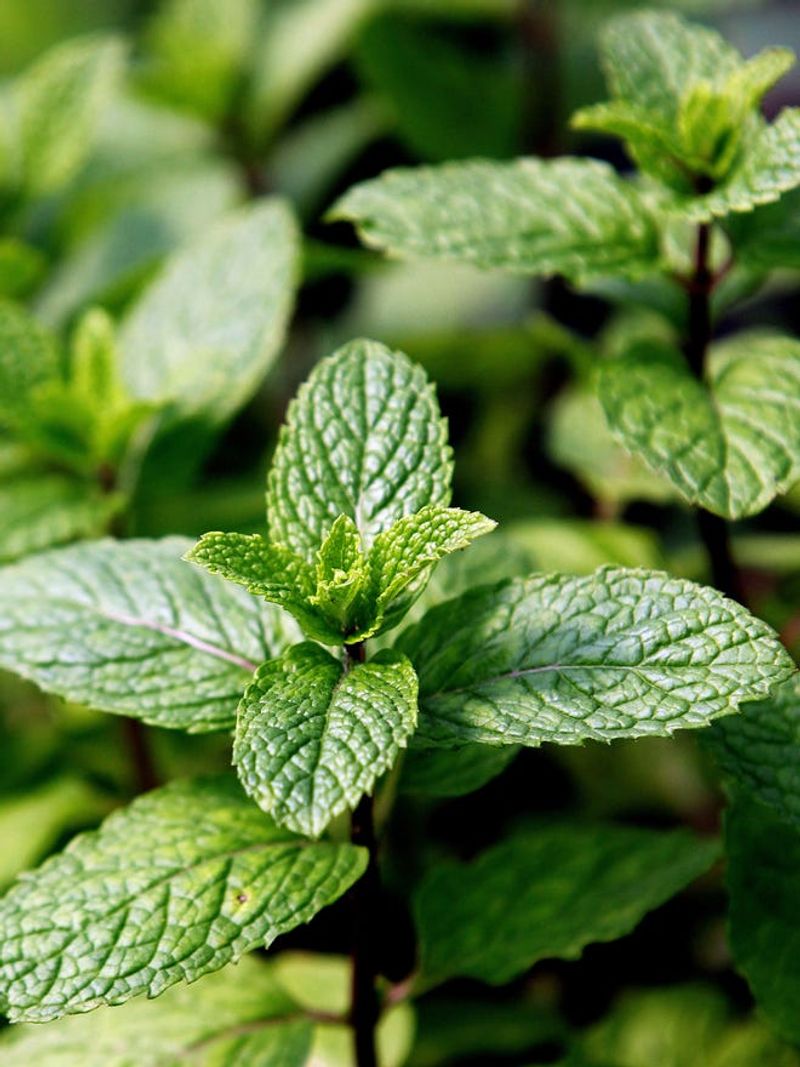
Mint’s invigorating scent is a powerful deterrent for bugs, particularly mosquitoes and ants. This hardy plant spreads quickly, providing ample coverage and protection for your outdoor areas. Plant mint in containers to control its growth while enjoying its refreshing aroma and insect-repelling benefits.
Whether used in teas or as a garnish, mint offers culinary versatility. Its aggressive growth and dual functionality make it a dynamic addition to any garden.
Lemon Balm
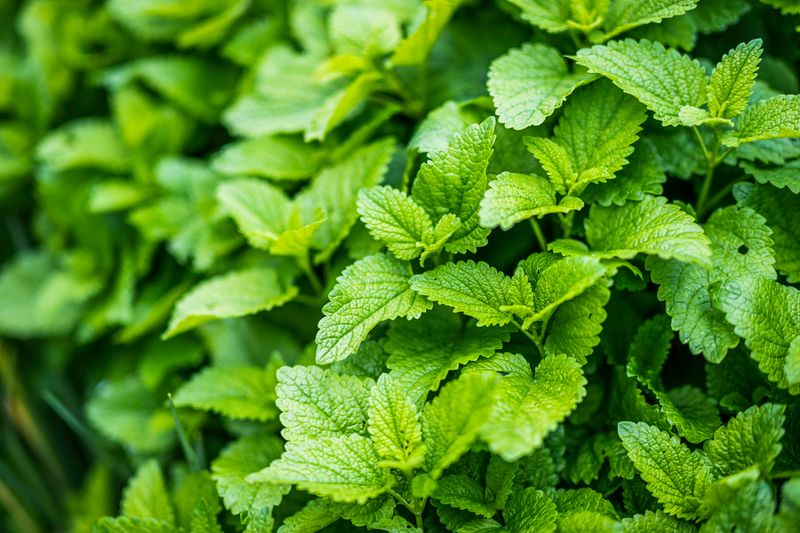
Lemon balm, with its citrusy scent, acts as a natural mosquito repellent. This easy-to-grow herb flourishes in the sunny, warm climate of Alabama, making it an ideal choice for local gardens. Plant lemon balm near seating areas to create a bug-free zone, allowing you to enjoy summer evenings without disturbance.
Apart from its pest-repelling properties, lemon balm can be used in teas and salads, providing a refreshing twist to your culinary creations. Its fragrant aroma and versatility make it a delightful garden companion.
Citronella Grass
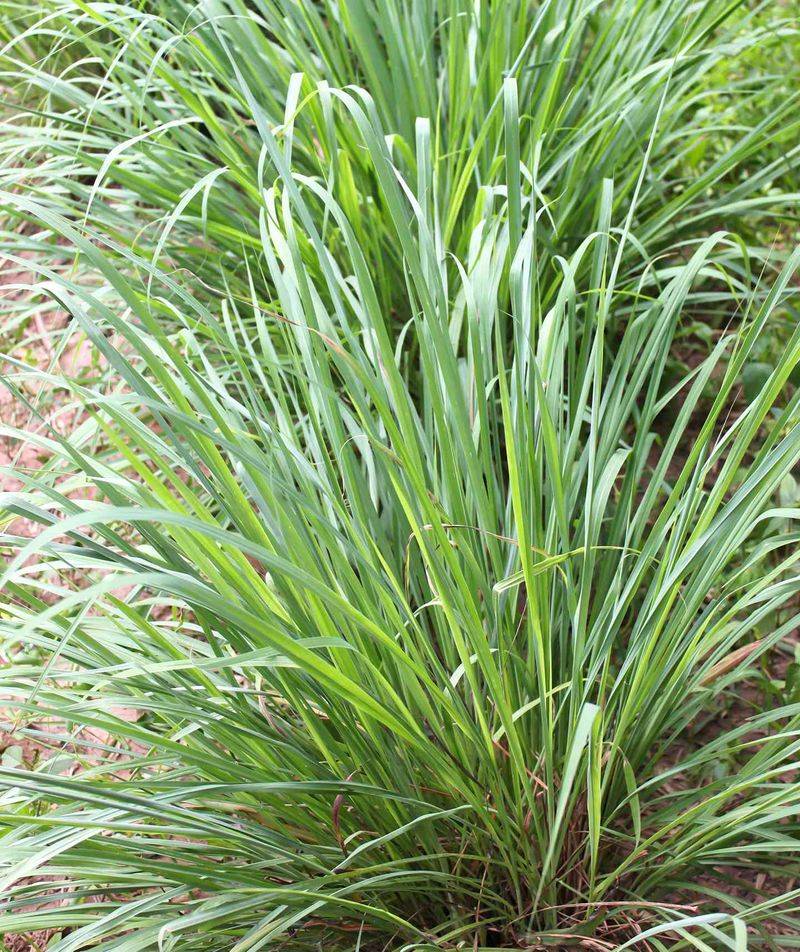
Citronella grass is famed for its mosquito-repelling oil, often used in candles and sprays. Planting this grass in your garden creates a natural barrier against mosquitoes. Its tall, graceful blades add an element of elegance to landscapes, blending beauty with functionality.
The plant’s natural oils are an effective deterrent for other insects as well, making citronella grass a comprehensive choice for pest control. Its robust growth and imposing presence make it a striking addition to any garden setting.
Marigold
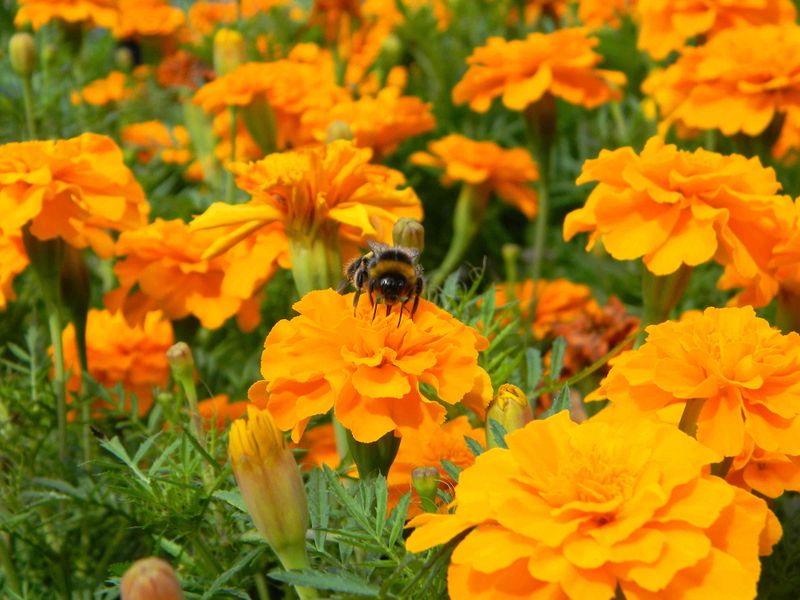
Marigolds are not only visually stunning but also serve as an effective insect repellent. Their distinctive scent deters mosquitoes and other pests, making them a valuable addition to flower beds and borders. These hardy plants thrive in Alabama’s sunny climate, offering continuous blooms throughout summer.
Beyond their beauty and pest-repelling properties, marigolds contribute to a balanced garden ecosystem by attracting beneficial insects. Their cheerful appearance and practical benefits make them a gardener’s delight.
Catnip
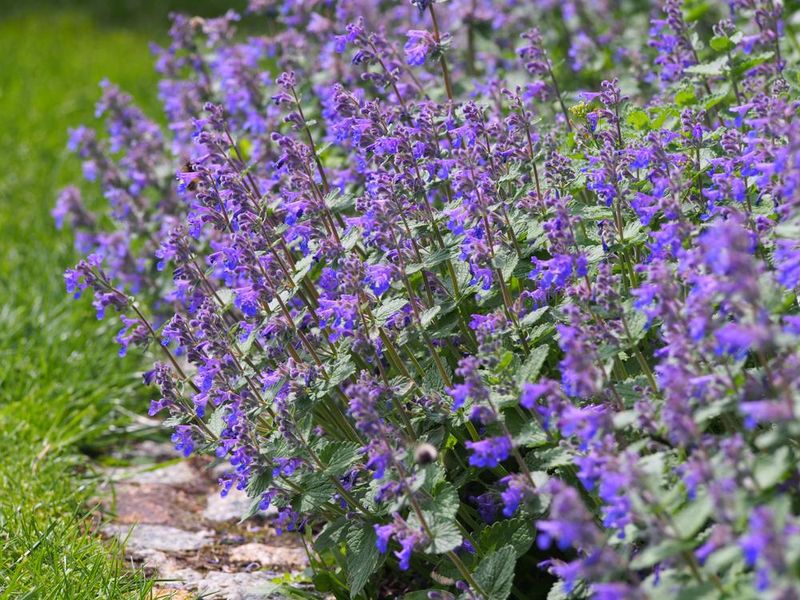
Catnip, a favorite among felines, is also a potent insect repellent, particularly against mosquitoes. Its nepetalactone compound is ten times more effective than DEET, offering a natural and safe alternative for pest control. Planting catnip in your garden ensures a bug-free zone while delighting your furry friends.
This adaptable plant thrives in various conditions, making it suitable for Alabama’s diverse climates. Its dual appeal to cats and deterring capabilities make catnip a unique garden addition.
Sage
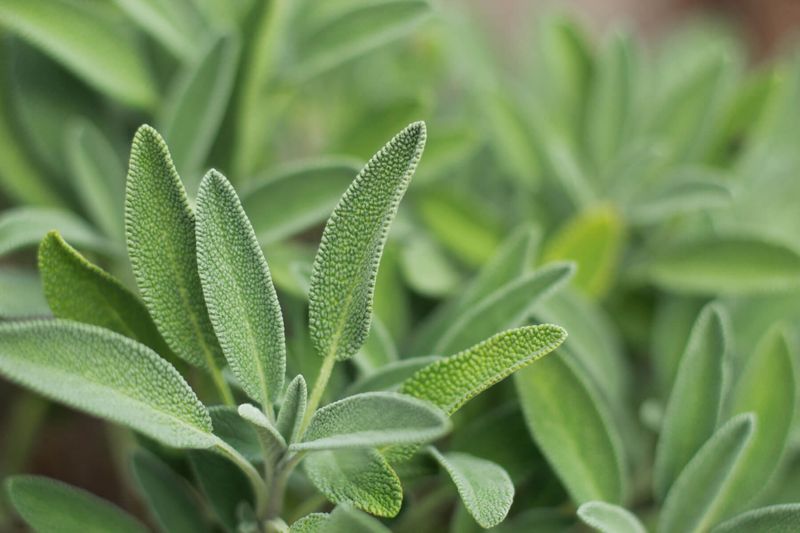
Sage, a cherished culinary herb, also excels as an insect repellent. Its strong aroma deters mosquitoes, flies, and other pests, making it an essential component of any bug-free garden. Sage thrives in Alabama’s warm climate, offering year-round protection and fresh herbs for cooking.
Incorporating sage into your garden design not only enhances the landscape but also provides a natural solution to pest problems. Its fragrant leaves and versatile use make sage a garden staple.
Thyme
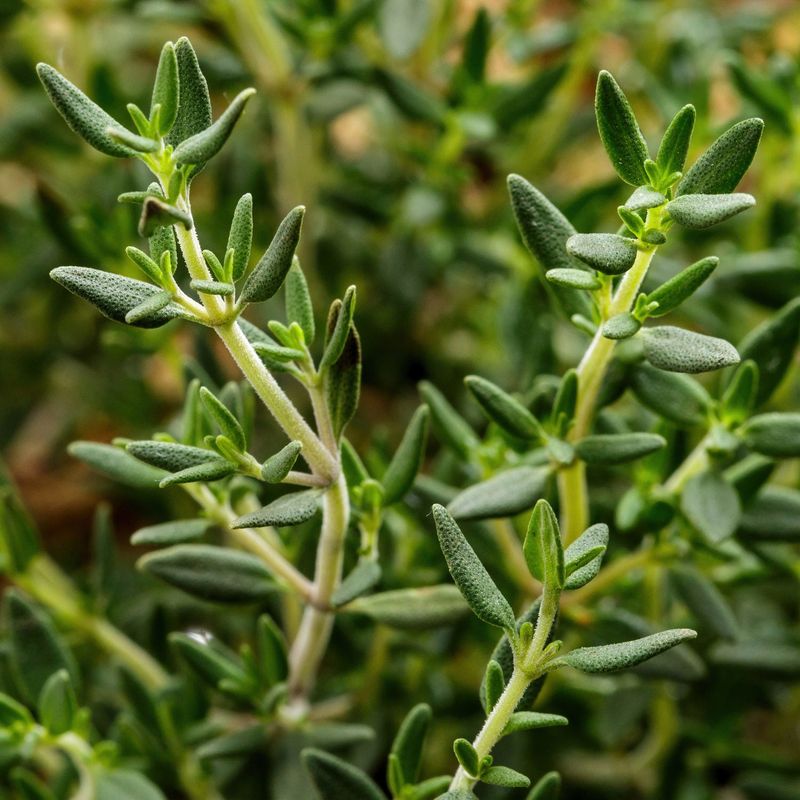
Thyme, with its robust scent, serves as a natural insect repellent, particularly against mosquitoes and cabbage worms. This low-growing herb thrives in Alabama’s sunny gardens, providing ground cover and protection against pests.
Aside from its repellent qualities, thyme offers culinary versatility, adding flavor to various dishes. Its tough nature and multiple uses make thyme a practical choice for gardeners seeking beauty and functionality.
Geranium
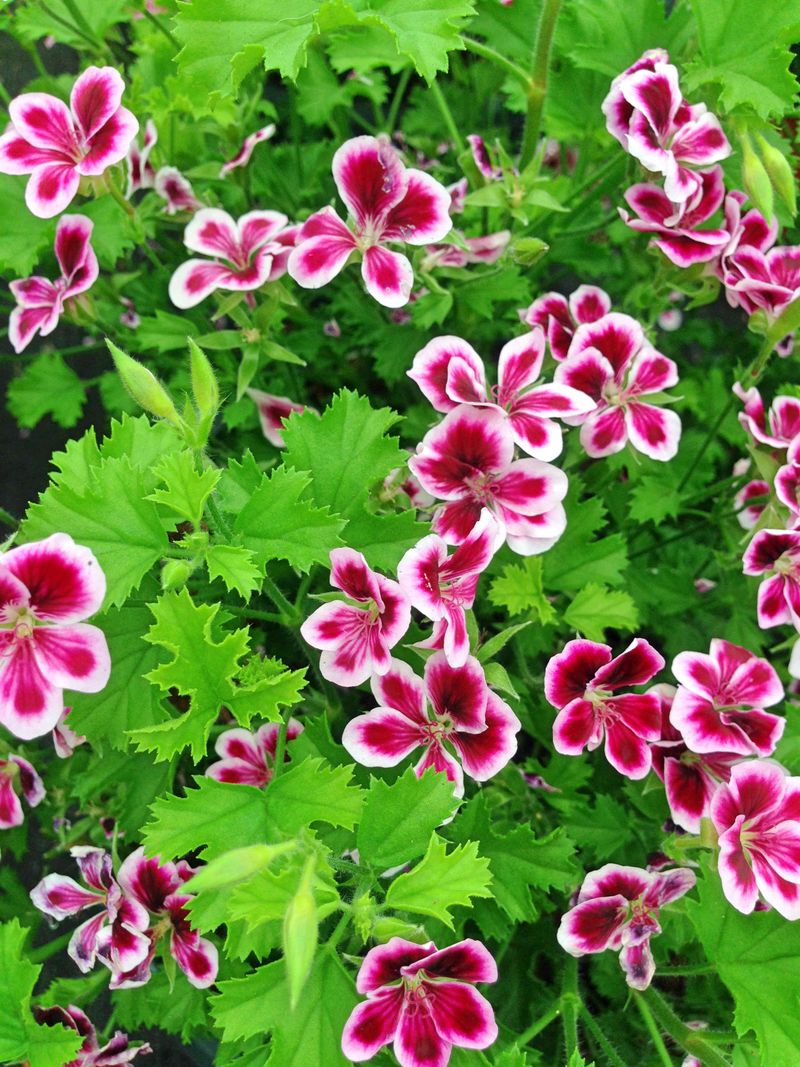
Geraniums are celebrated for their vibrant flowers and bug-repelling capabilities. Their lemony scent, particularly in varieties like citronella geraniums, deters mosquitoes and flies, providing a fragrant fortress around your home.
These versatile plants thrive in pots or garden beds, adding a splash of color and protection to outdoor spaces. Geraniums’ decorative appeal and practical benefits make them a popular choice among gardeners.
Allium
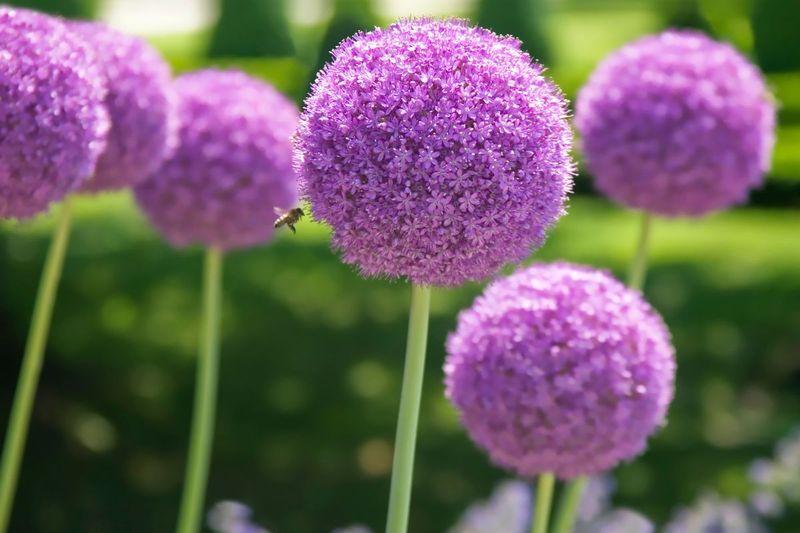
Alliums, with their striking globe-like flowers, are not just ornamental beauties. Their potent scent repels mosquitoes, aphids, and other pests, making them a valuable addition to any garden focused on natural pest control.
These plants add height and drama to flower beds, offering both aesthetic and functional benefits. Alliums’ unique appearance and insect-repelling properties make them a standout choice for Alabama gardens.
Fennel
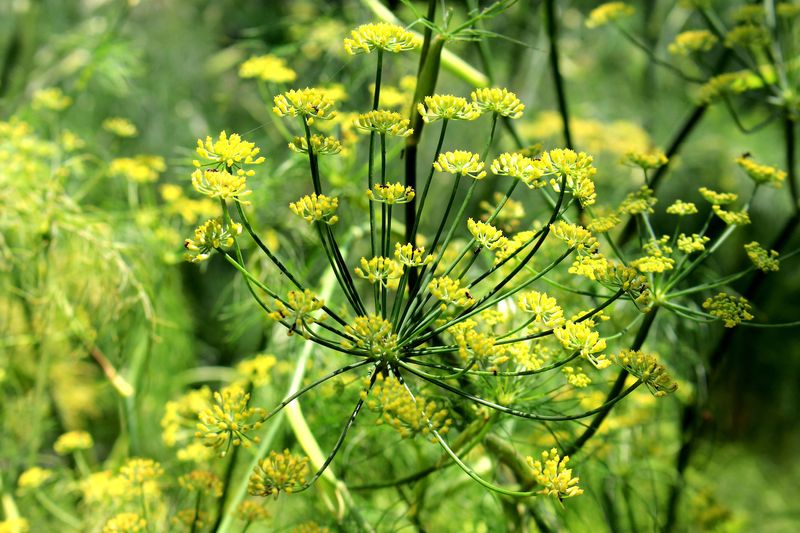
Fennel’s aromatic foliage attracts beneficial insects while repelling aphids and mosquitoes. This dual-action plant is perfect for Alabama gardens, where it contributes to a balanced ecosystem. Plant fennel in garden beds to create a natural barrier against pests.
Beyond its pest-repelling abilities, fennel offers culinary uses with its flavorful seeds and leaves. Its multi-functional nature makes fennel a cherished plant among gardeners.
Bee Balm
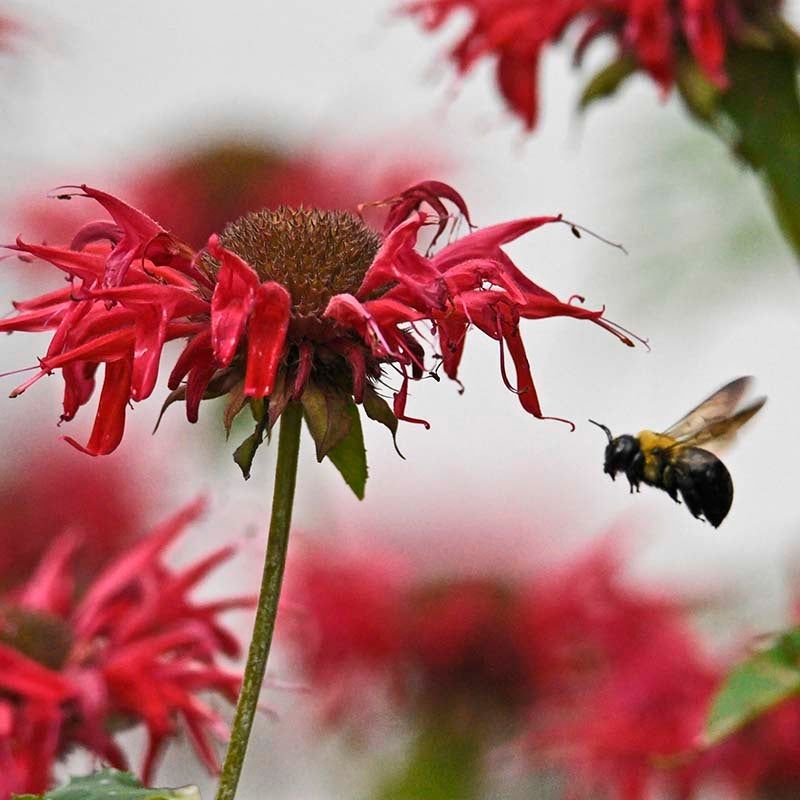
Bee balm, known for attracting pollinators like bees and hummingbirds, also excels at repelling mosquitoes. Its vibrant blooms and aromatic leaves create a lively and functional garden space. Planting bee balm ensures both beauty and protection from pests.
This North American native thrives in Alabama’s climate, offering a burst of color and a natural insect barrier. Bee balm’s dual role in attracting and deterring makes it a unique garden asset.
Petunias
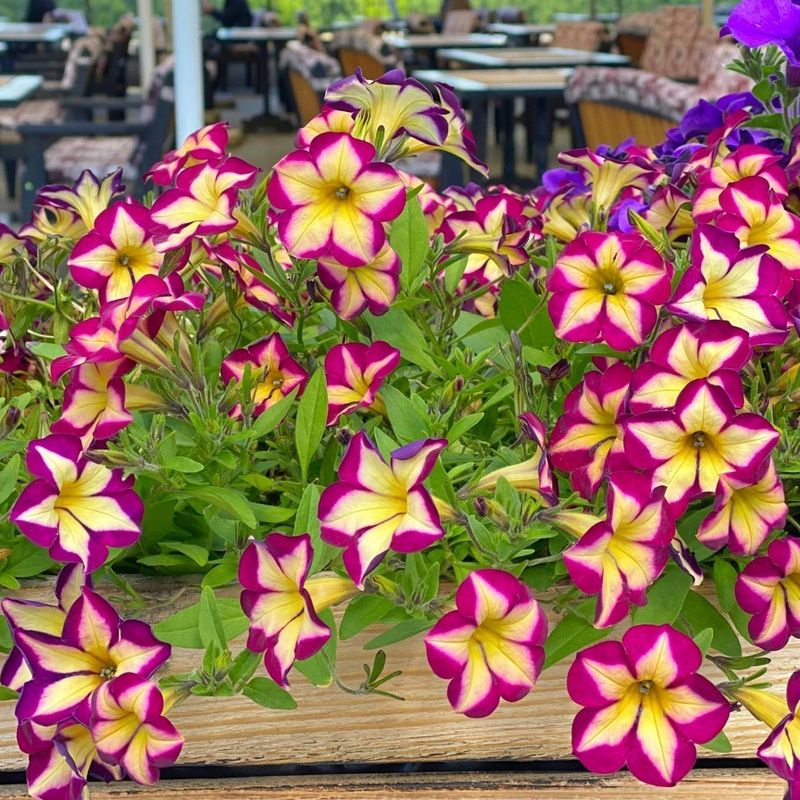
Petunias, with their cascading flowers, are not only ornamental but also serve as natural pest deterrents. Their subtle fragrance repels aphids, beetles, and other garden pests, offering protection in a beautifully understated way.
Hanging baskets filled with petunias add visual interest and pest control to porches and patios. Their decorative charm and repellent functionality make petunias a versatile addition to any outdoor space.
Lemongrass
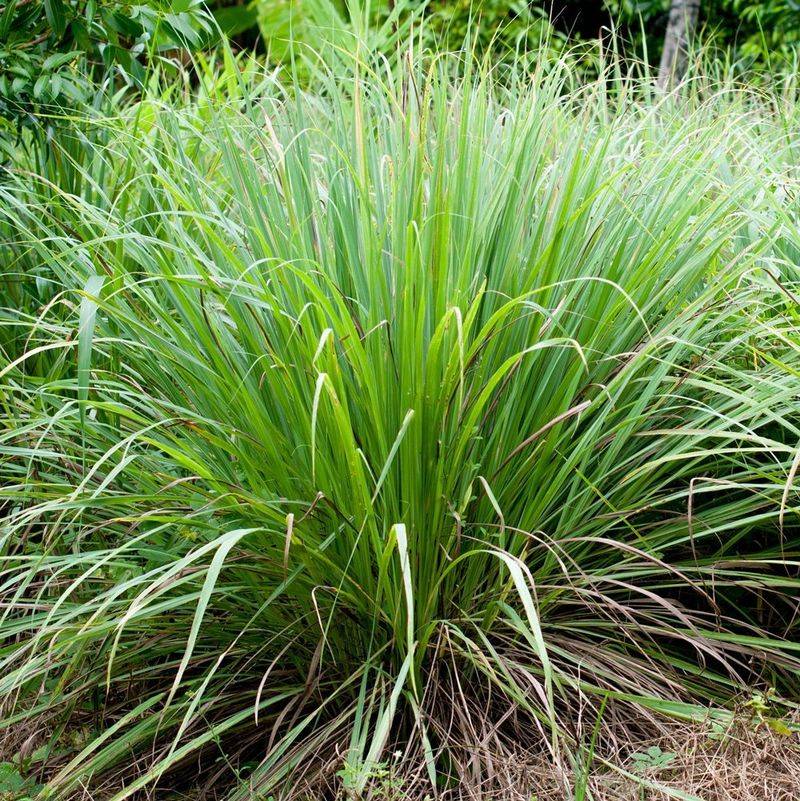
Lemongrass is prized for its citrusy aroma and insect-repelling prowess, particularly against mosquitoes. This tropical grass thrives in Alabama’s warm climate, offering a fragrant barrier that enhances outdoor living areas.
Beyond its pest-repelling benefits, lemongrass is used in cooking and herbal remedies, adding a touch of the exotic to your garden. Its tall, graceful appearance and practical uses make lemongrass an appealing choice for gardeners.