 Complete Gardening
Gardening is a rewarding hobby that brings joy and beauty into our lives. However, first-time gardeners often make common mistakes that can hinder their success. In this blog post, we will explore 16 common errors made by novice gardeners and how to avoid them. By understanding these pitfalls, you can create a thriving garden that flourishes with vibrant plants and colorful blooms. Whether you’re growing vegetables, herbs, or flowers, this guide will help you navigate your gardening journey with confidence. Let’s dig in!
1. Overwatering Plants
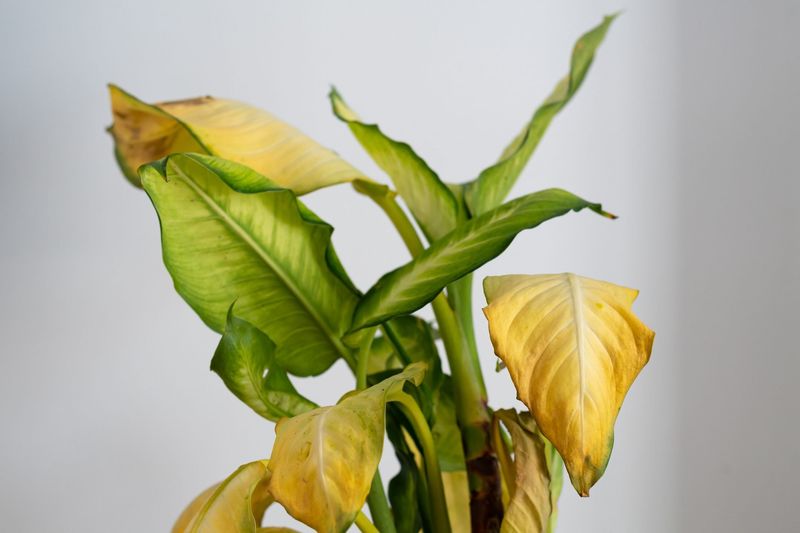
Many first-time gardeners believe that more water means healthier plants, but this is a common misconception. Overwatering can lead to root rot and suffocate plants by depriving them of necessary oxygen. It’s crucial to understand the water needs of each plant species.
Consider using a moisture meter to gauge the soil’s hydration level. Water plants in the early morning or late afternoon to minimize evaporation.
Observing signs such as yellowing leaves or moldy soil can help identify overwatering. Learning proper watering techniques will ensure your garden thrives without drowning.
2. Ignoring Soil Quality
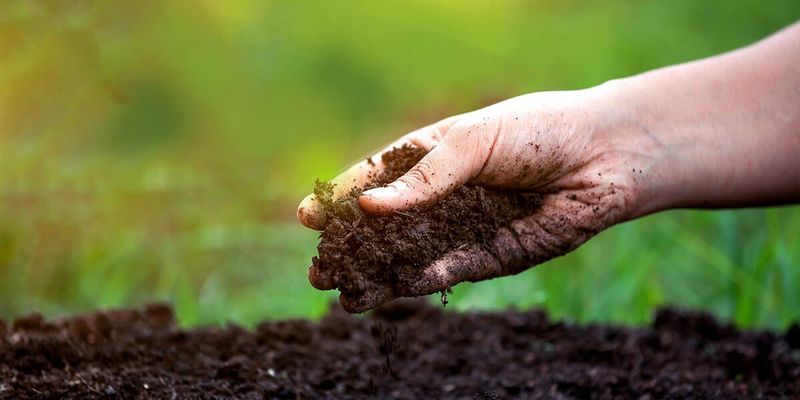
Good soil is the foundation of a healthy garden. Many beginners overlook soil quality, leading to struggling plants. Poor soil can lack the nutrients plants require to grow strong.
Testing your soil’s pH and nutrient levels is a vital step in preparing your garden. Amend the soil with compost or other organic materials to enhance fertility.
Understanding your soil type will guide you in selecting suitable plants. Embrace this knowledge to avoid nutrient deficiencies and support robust plant growth.
3. Planting Too Early
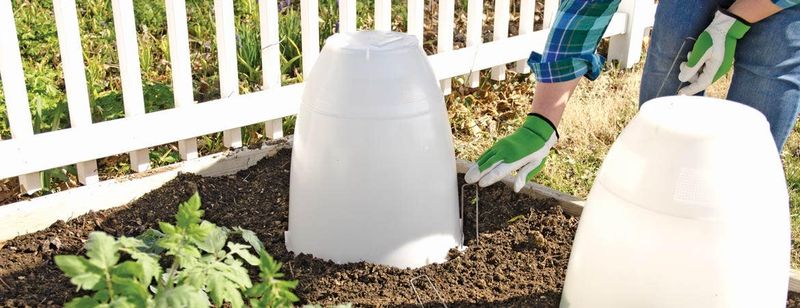
Enthusiasm can lead first-time gardeners to plant too early in the season, risking frost damage. Young plants exposed to cold can suffer stunted growth or death.
Researching your local climate and frost dates is essential for proper planting timing. Use protective measures like frost covers when necessary.
By waiting for the right moment, you ensure that your garden starts strong and healthy. Timing is everything in gardening success.
4. Neglecting Plant Spacing
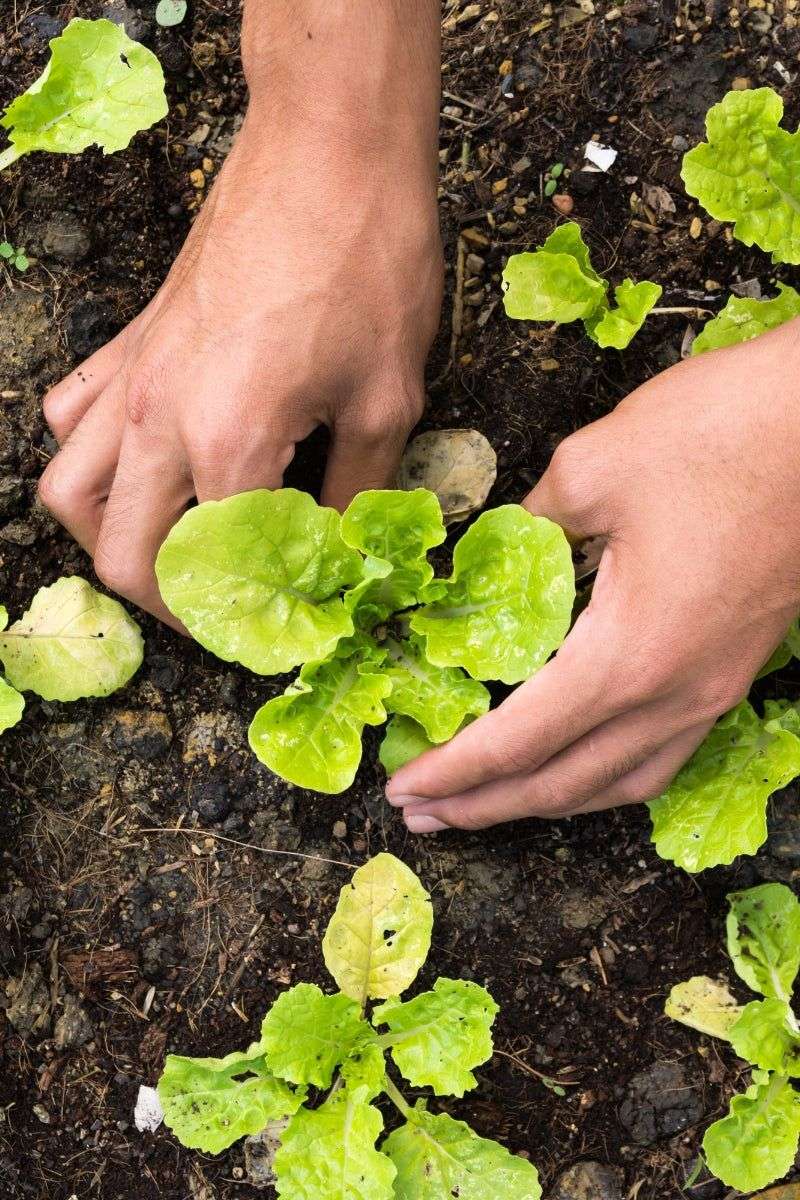
Proper spacing is key to a thriving garden, yet it’s often disregarded by beginners. Crowded plants compete for light, nutrients, and water, leading to weak growth and disease.
Refer to plant labels or guides to determine the appropriate distance between plants. This promotes robust development and reduces the risk of fungal infections.
By giving each plant room to breathe, you’ll encourage a healthier garden environment.
5. Overlooking Pest Control
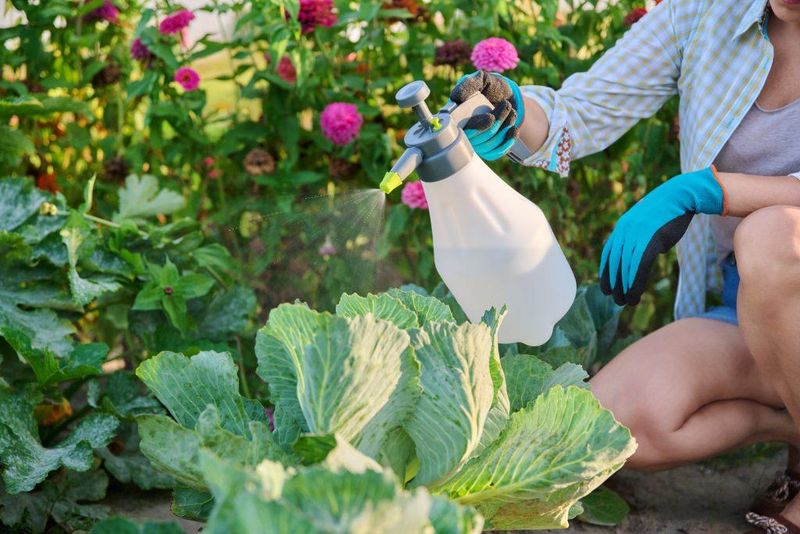
Pests can quickly turn a flourishing garden into a disaster. Ignoring pest control is a pitfall for new gardeners who underestimate the impact of insects.
Regularly inspect your plants for signs of infestation, such as holes or discolored leaves. Natural remedies like neem oil can deter pests without harming beneficial insects.
Implementing an integrated pest management approach will protect your garden from unwelcome invaders.
6. Choosing Incompatible Plants
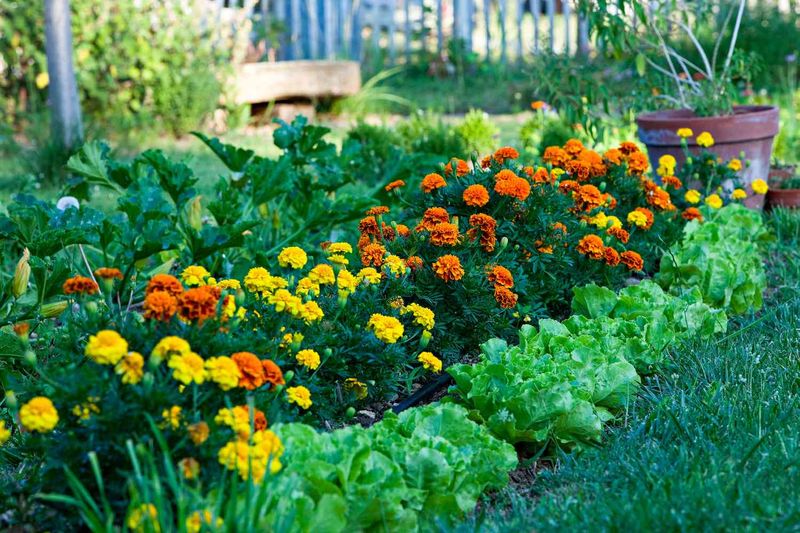
Selecting plants that don’t complement each other in terms of growth needs or aesthetics is a frequent mistake.
Researching plant compatibility can prevent issues like nutrient competition and clashing colors. Companion planting promotes mutual benefits, such as pest control and improved yield.
Understanding which plants thrive together will create a harmonious and visually pleasing garden.
7. Lack of Sunlight Awareness
Many novice gardeners fail to consider the sunlight requirements of different plants. Insufficient sunlight can cause plants to become leggy and weak.
Observe your garden’s sun exposure throughout the day and choose plants that match the conditions. Full-sun, partial-sun, and shade-loving plants have distinct needs.
By matching plants with their sunlight preferences, you’ll foster a vibrant and thriving garden.
8. Skipping Seasonal Planning
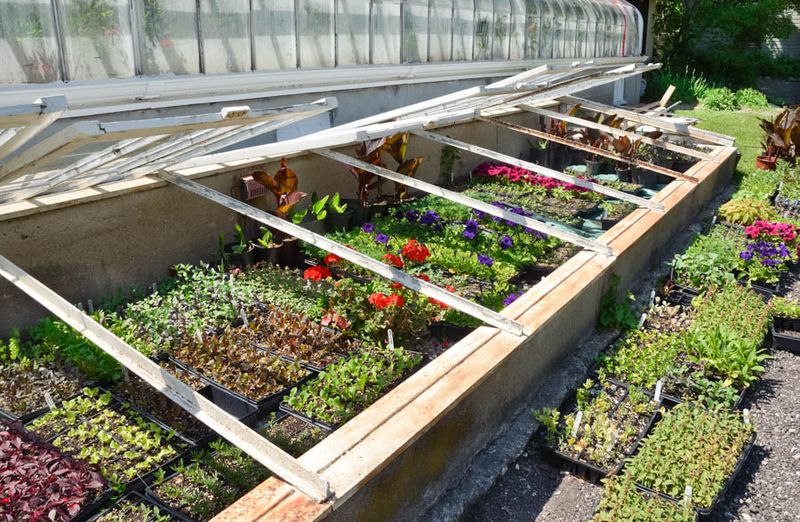
Gardening success often depends on timing and planning, yet many skip this crucial step. Understanding seasonal changes and plant cycles helps in choosing the right plants at the right time.
Utilize gardening calendars and resources to plan your planting schedule. This ensures that your garden remains productive and vibrant throughout the year.
Embrace seasonal planning to adapt to weather changes and maximize your garden’s potential.
9. Forgetting to Mulch
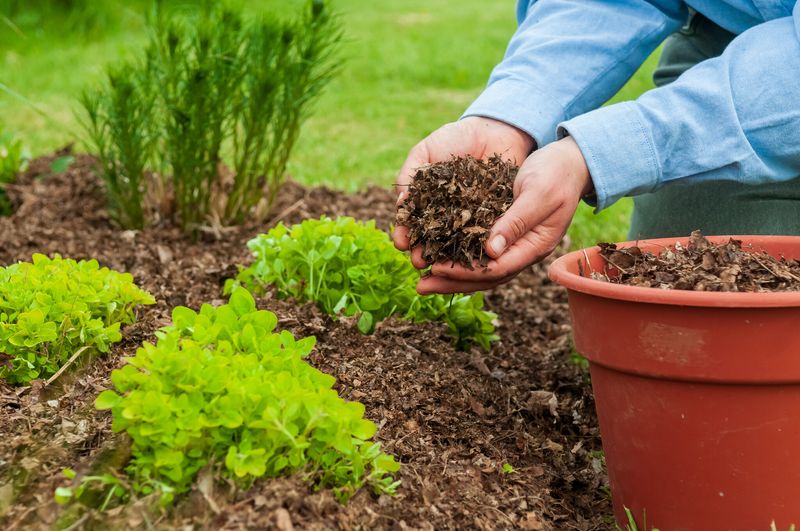
Mulching is a simple yet effective practice often overlooked by beginners. Mulch helps retain soil moisture, suppress weeds, and regulate temperature.
Apply a layer of organic mulch like wood chips or straw around your plants. This not only enriches the soil but also protects plant roots.
Embracing mulching will enhance your garden’s health and appearance, making it more manageable.
10. Over-fertilizing Plants
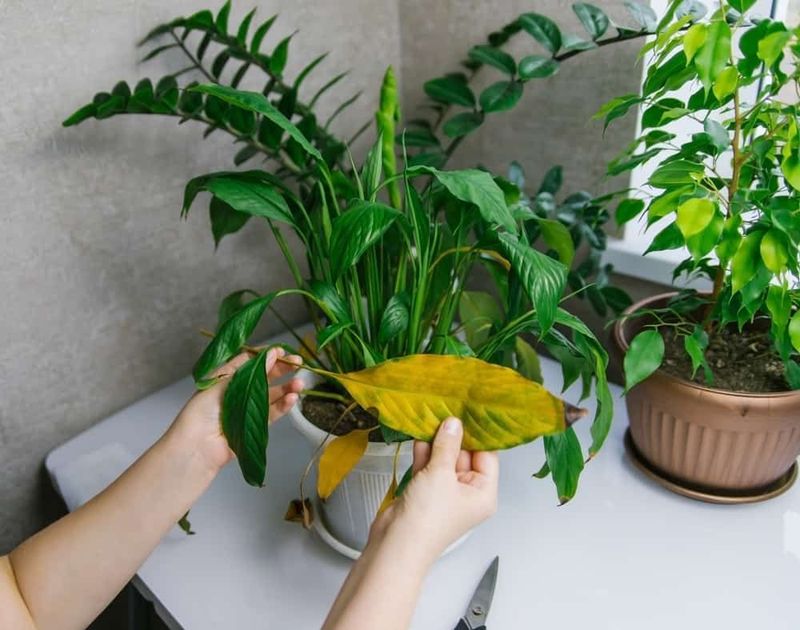
Fertilizer is often seen as a magic solution, but overuse can harm plants. Over-fertilizing leads to salt buildup and burnt foliage.
Understanding each plant’s nutrient needs helps in applying the right amount. Use organic fertilizers and follow recommended guidelines to avoid over-fertilization.
Balanced feeding will promote healthy growth without overwhelming your plants.
11. Ignoring Local Climate
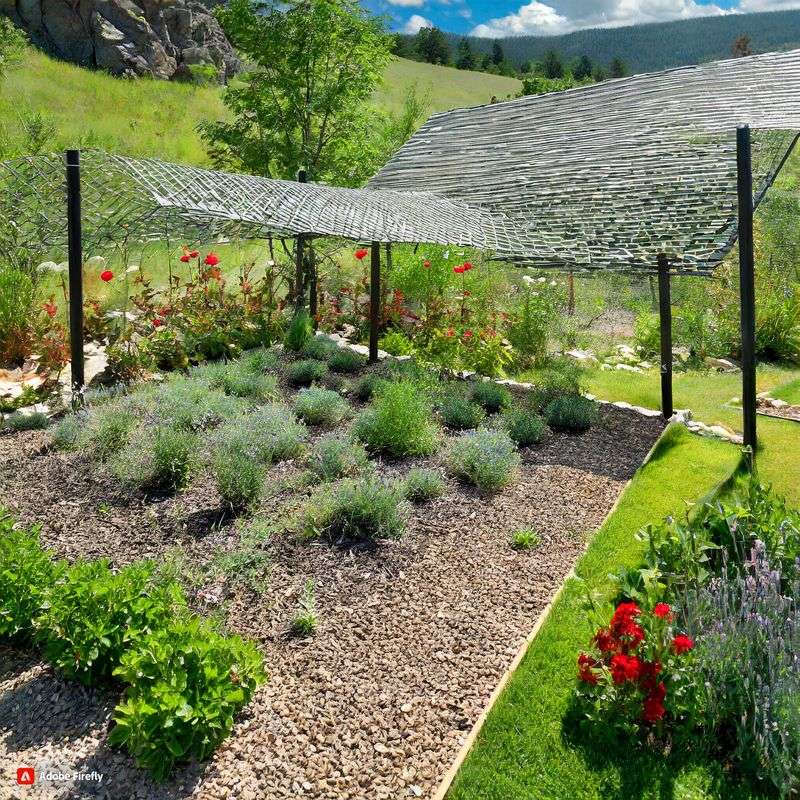
Ignoring the local climate can lead to disappointing gardening results. Plants are sensitive to temperature, humidity, and rain patterns.
Research your area’s climate and choose plants suited to those conditions. This ensures resilience and reduces the need for extensive maintenance.
By aligning your garden with the local climate, you’ll create a sustainable and flourishing environment.
12. Not Rotating Crops
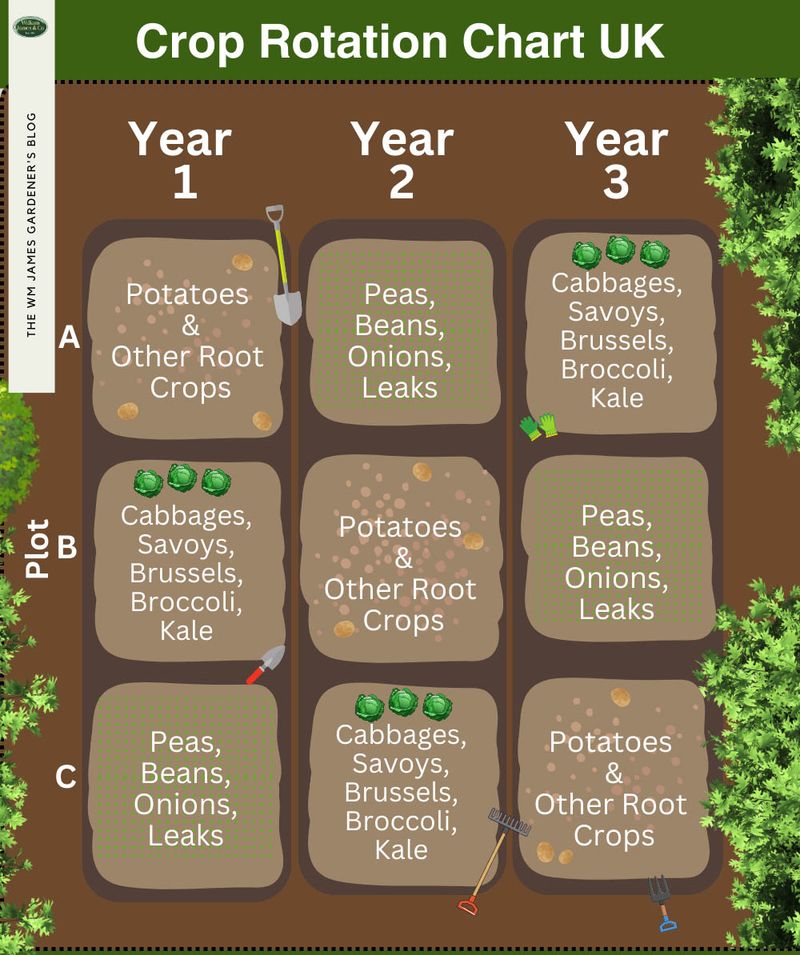
Crop rotation is essential for maintaining soil health, yet it’s often neglected by new gardeners. Planting the same crops in the same spot depletes nutrients and invites pests.
Rotating crops prevents soil exhaustion and disrupts pest cycles. It allows different plants to access diverse nutrients and enhances overall garden fertility.
Adopting crop rotation will lead to a more productive and balanced garden.
13. Overlooking Pruning
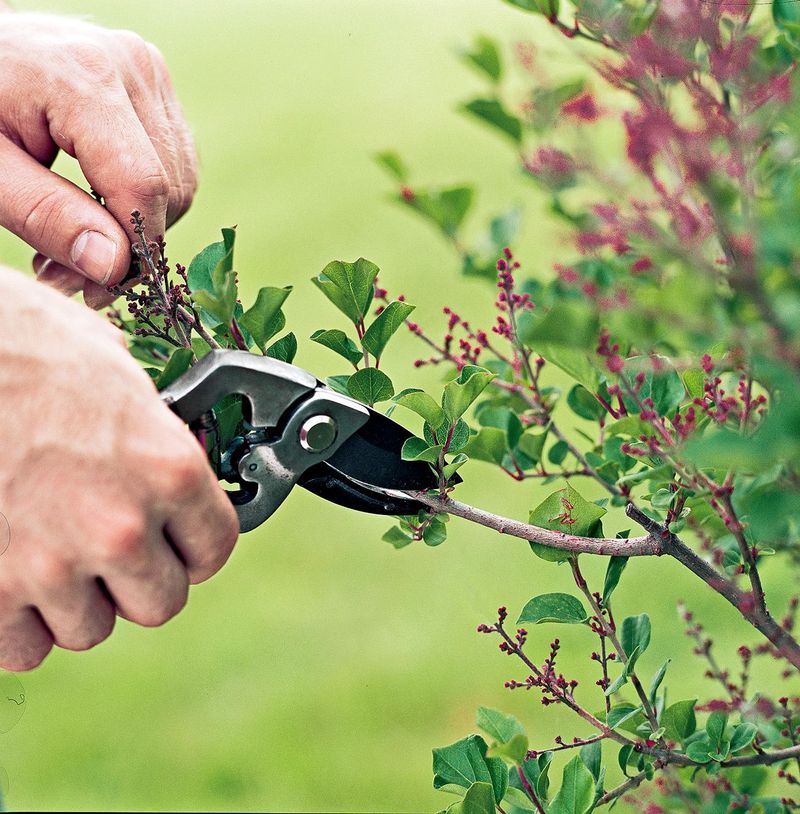
Pruning helps plants maintain their shape and health, but many beginners overlook its importance. Neglecting pruning can lead to overgrown, unhealthy plants.
Regularly prune dead or diseased branches to encourage new growth and airflow. Understanding specific pruning needs of each plant will enhance their vitality.
Embrace pruning as a vital gardening practice to ensure robust plant development.
14. Failure to Compost
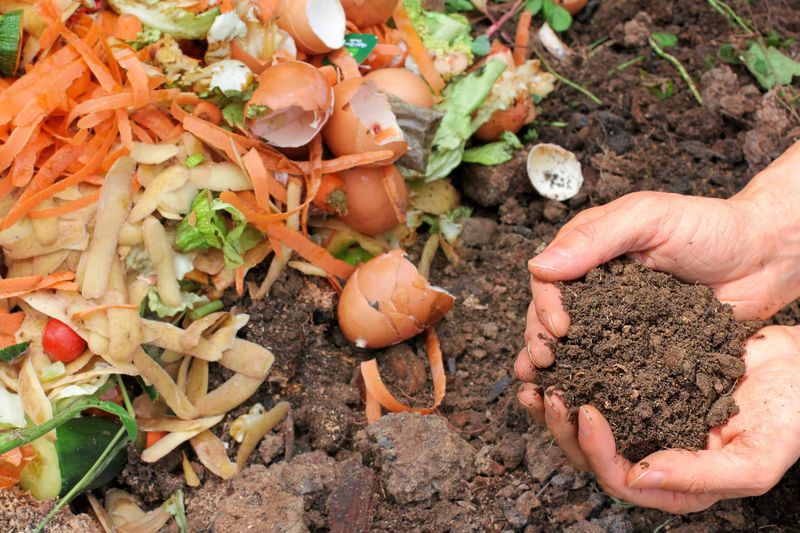
Composting transforms garden waste into nutrient-rich soil conditioner. Many beginners ignore this sustainable practice, missing out on its benefits.
Collect organic waste like vegetable scraps and yard clippings. Turn them into compost to improve soil structure and fertility.
Composting reduces waste and provides a valuable resource for your garden, promoting eco-friendly gardening practices.
15. Underestimating Growth Potential
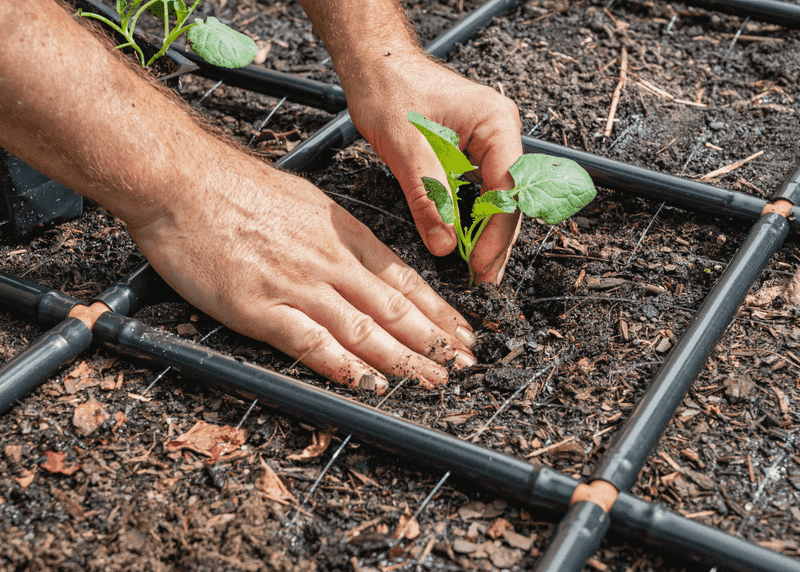
Misjudging a plant’s growth potential can lead to overcrowding and unmanageable gardens. Many first-time gardeners underestimate how large plants can become.
Researching mature plant sizes helps in planning appropriate space and support structures. Knowing growth potential ensures a well-organized and thriving garden.
By accommodating future growth, you’ll prevent chaos and maintain control over your garden.
16. Not Using Native Plants
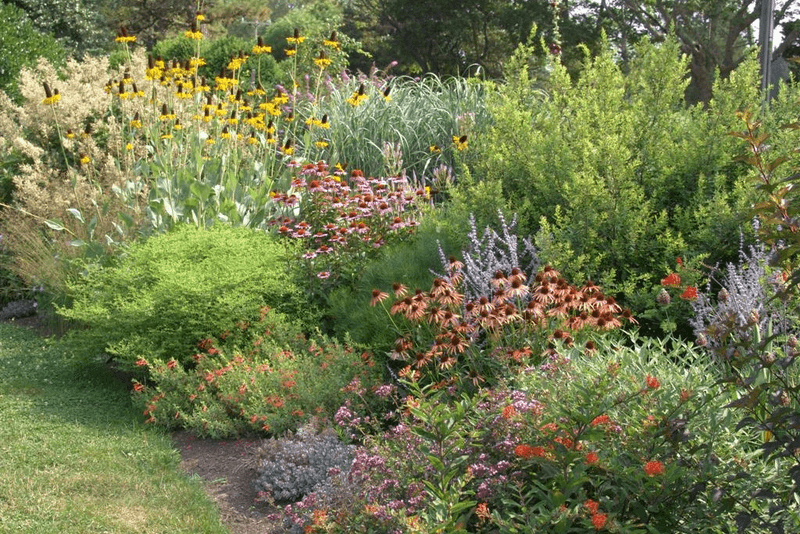
Native plants offer advantages in resilience and adaptability, yet they’re often overlooked. First-time gardeners may not realize the benefits of planting native species.
Native plants thrive with minimal intervention, saving time and resources. They support local ecosystems and attract beneficial wildlife.
Incorporating native species creates a harmonious and sustainable garden environment.