 Complete Gardening
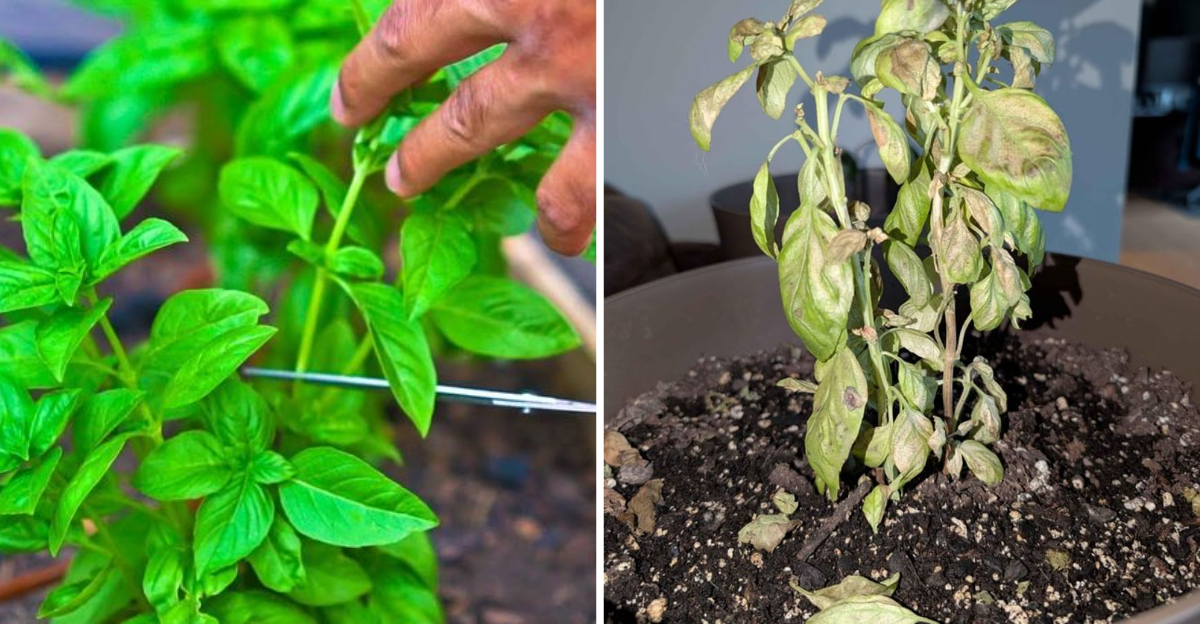
Growing basil can be a rewarding experience for any gardener, yet it is not without its potential pitfalls. This popular herb requires specific conditions and care to thrive. Understanding common mistakes can help you cultivate a healthy, lush basil plant. From watering woes to sunlight slip-ups, these errors are often easy to correct once identified. This guide highlights 16 mistakes commonly made when growing basil, ensuring your basil gardening journey is successful and enjoyable. Each mistake is detailed with practical advice and preventive measures to help you avoid these common setbacks.
1. Overwatering Basil
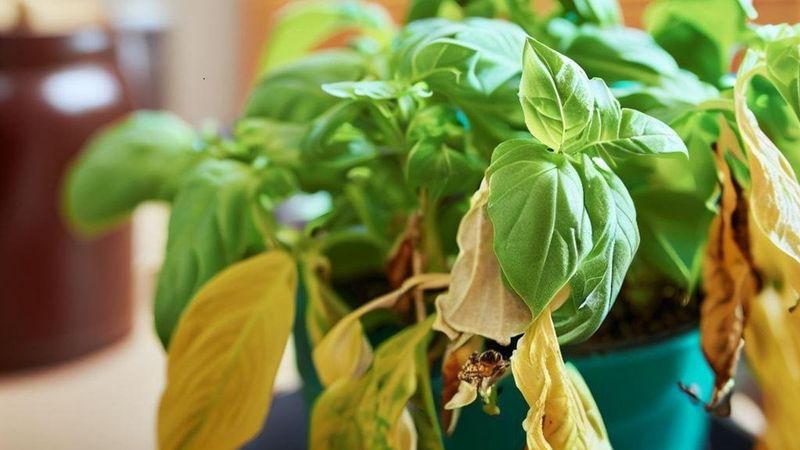
Overwatering is a frequent mistake in basil care. It can lead to root rot, a condition where the roots become waterlogged and start decaying. This often results in yellowing leaves and stunted growth, leaving the plant weak and vulnerable to diseases.
A simple way to avoid this problem is to check the soil moisture. Insert your finger into the soil up to the first knuckle; if it feels damp, there’s no need to water.
Ensure proper drainage by using well-draining soil and pots with holes at the bottom.
2. Insufficient Sunlight
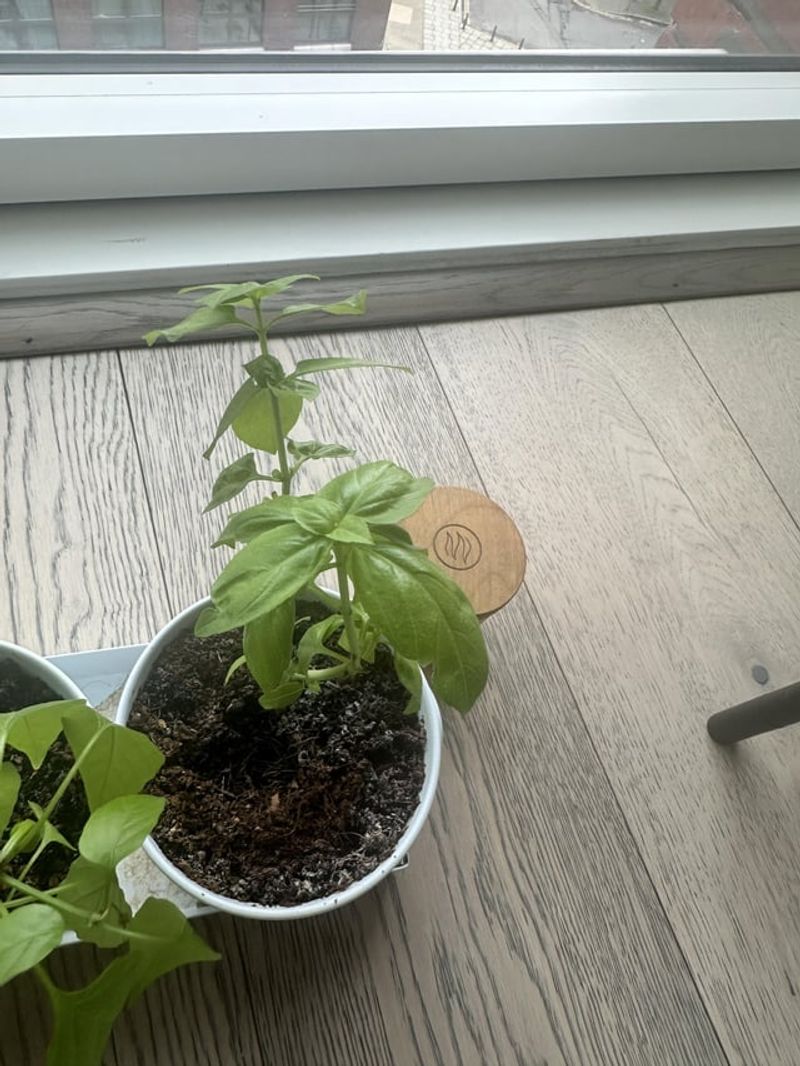
Basil thrives in sunlight, needing at least six hours of direct sunlight daily to grow optimally. Without adequate light, you’ll notice leggy growth where stems elongate, and leaves appear sparse.
Position your basil plants in a sunny spot, whether in a garden or on a windowsill. If natural light is scarce, consider supplementing with grow lights to ensure they receive enough light.
This adjustment can make a significant difference, helping to maintain a compact and bushy basil plant.
3. Planting in Poor Soil
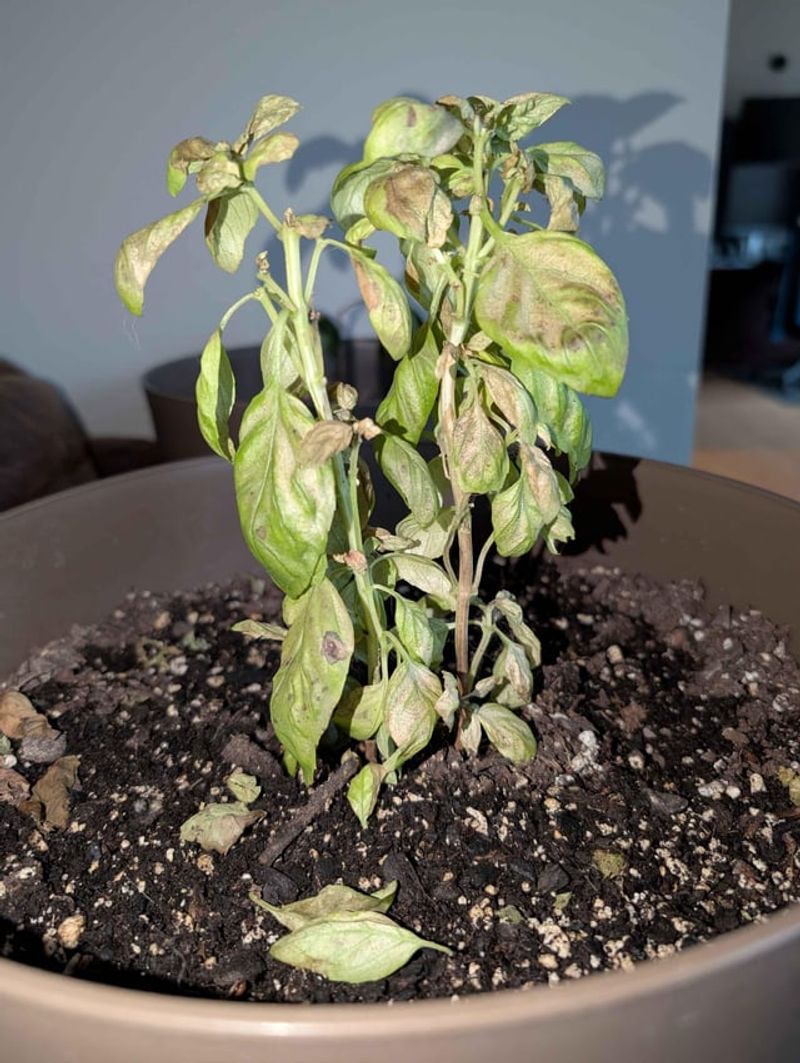
Soil quality is crucial for basil’s health. Poor soil can lead to insufficient nutrient uptake, leaving the plant weak. Basil requires rich, well-draining soil that’s high in organic matter for optimal growth.
Incorporate compost or well-rotted manure into garden soil to improve its structure and nutrient content. This practice not only enhances soil fertility but also encourages robust root development.
For potted basil, a high-quality potting mix is recommended. Avoid using garden soil in pots as it can compact easily, restricting root growth.
4. Ignoring Pests
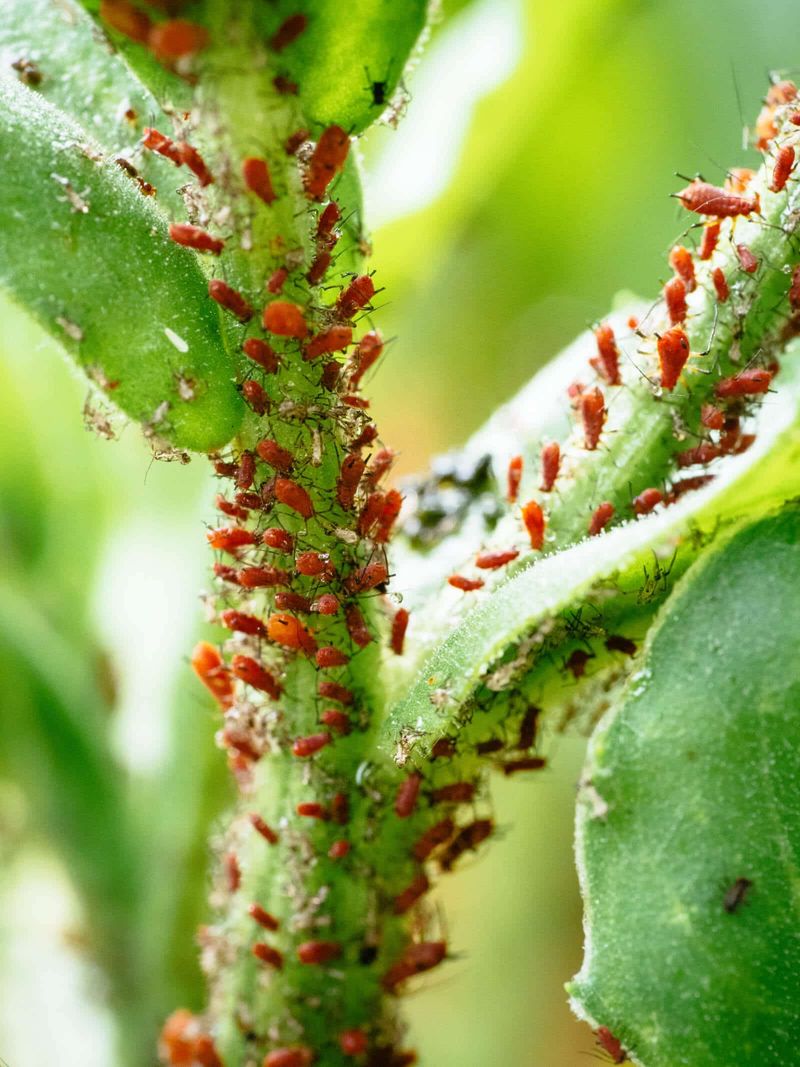
Pests like aphids and spider mites can wreak havoc on basil plants. They feed on the sap, causing leaves to yellow and curl, which can stunt the plant’s growth.
Regular inspection of your plants is key. Look for signs of pest activity such as tiny webs or clusters of insects under leaves.
Using natural pest control methods, like neem oil or insecticidal soap, can effectively manage these unwelcome guests without harming beneficial insects.
5. Crowding the Plants
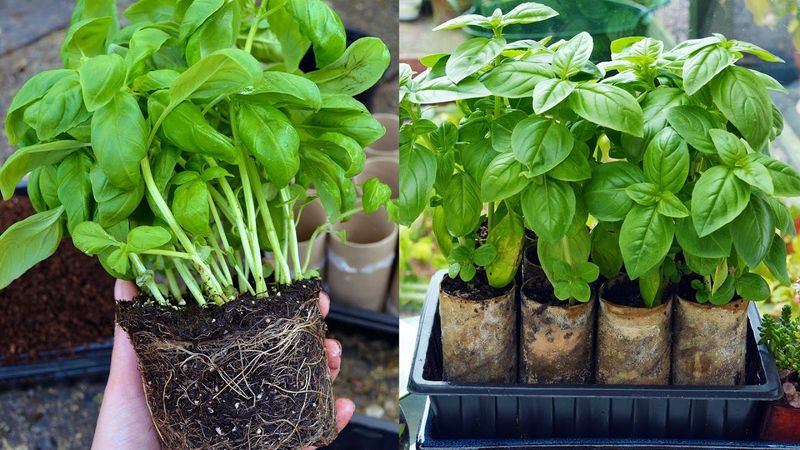
Crowding basil plants can lead to poor air circulation, which increases the risk of diseases such as mildew. It also causes competition for nutrients, hindering growth.
To promote healthy development, space basil plants adequately. In garden beds, maintain at least 12 inches between each plant. For pots, ensure they are large enough to accommodate the root system.
Adequate spacing allows each plant to receive sufficient light and air, reducing stress and encouraging strong growth.
6. Neglecting Pruning
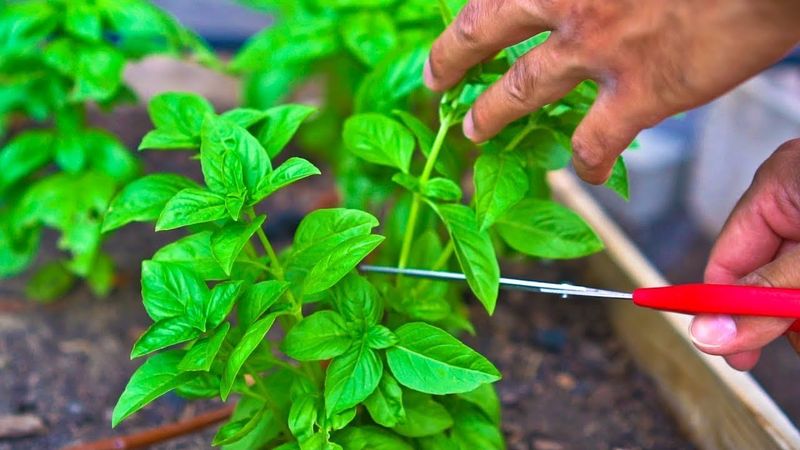
Pruning is essential for basil’s health and productivity. Without it, basil can become leggy, with long stems and fewer leaves, reducing its culinary yield.
Regularly pinching back the top sets of leaves encourages bushier growth and prevents flowering, which can alter the flavor of the leaves. Use clean, sharp scissors to make cuts above a leaf node.
This simple practice promotes a fuller plant with more leaves for harvesting, enhancing both appearance and utility.
7. Allowing Flowers to Bloom
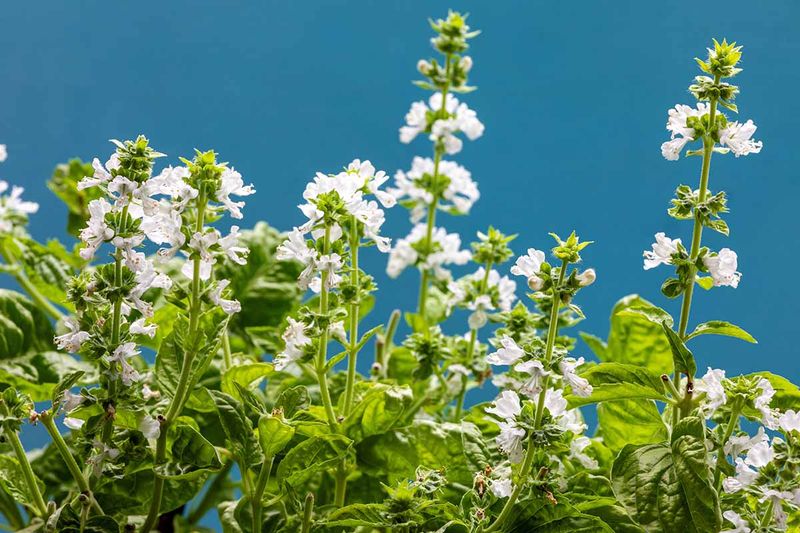
Basil plants tend to flower, which diverts energy from leaf production, affecting the plant’s flavor. Flowers indicate it’s time to harvest more leaves or prune.
Regularly remove flower buds as soon as they appear. This encourages the plant to focus on producing flavorful leaves rather than seeds.
Frequent harvesting also helps in maintaining the plant’s vigor. If flowers are left unchecked, the leaves may become bitter and less desirable for culinary uses.
8. Using Cold Water
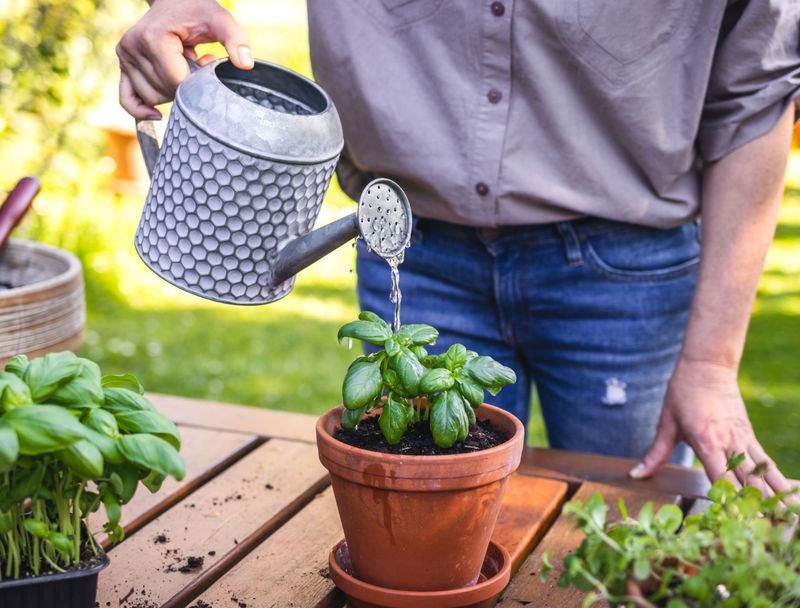
Basil is sensitive to cold temperatures, including cold water. Using cold water can shock the plant, leading to stress and potential leaf damage.
Always use room temperature water for watering basil. This helps maintain a stable environment and reduces the risk of temperature-related stress.
Especially during cooler months, avoid watering during the cooler parts of the day. Opt for mornings or early afternoons when temperatures are warmer.
9. Skipping Fertilization
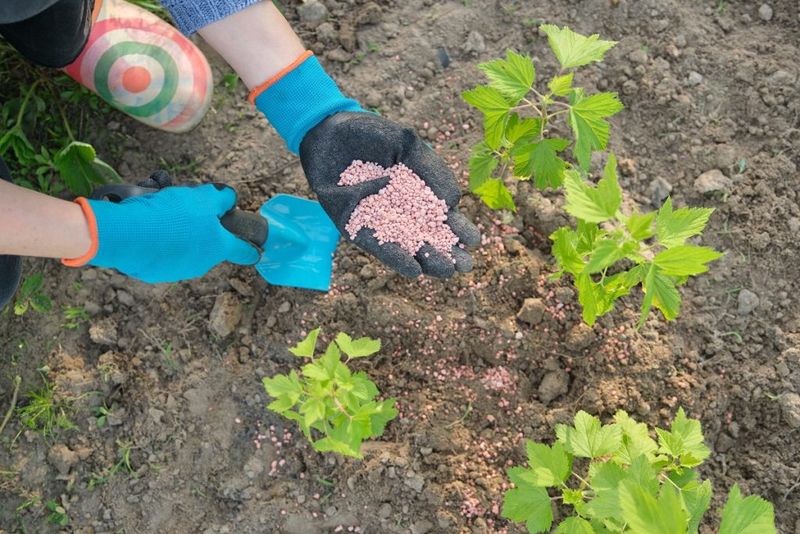
Regular fertilization is vital for a thriving basil plant. Without it, basil can exhibit nutrient deficiencies, leading to pale, weak foliage and reduced growth.
Use a balanced, liquid fertilizer every few weeks to provide essential nutrients. Organic options, like fish emulsion or compost tea, are excellent choices for those seeking natural alternatives.
Consistent feeding ensures vibrant, lush growth, enhancing both the plant’s appearance and flavor potential.
10. Planting Too Early
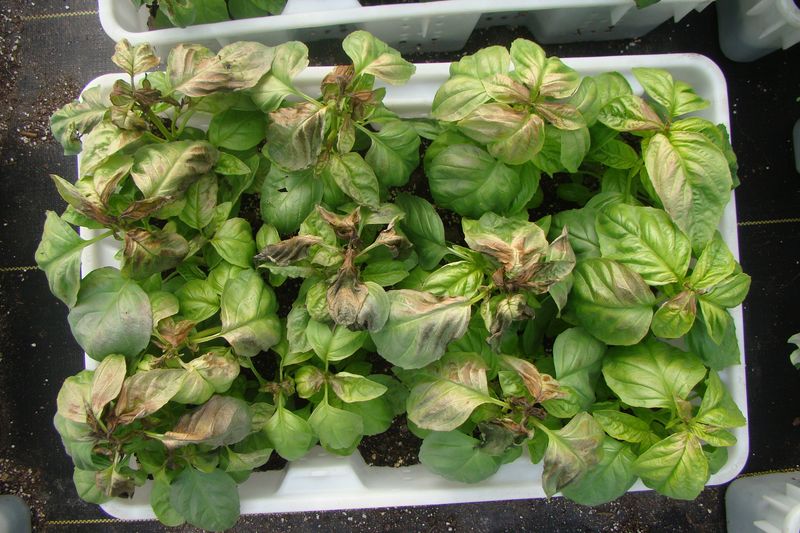
Planting basil too early in the season exposes it to cold temperatures, which can stunt growth or even kill the plant. Basil thrives in warm conditions and is very sensitive to cold.
Wait until the danger of frost has passed and temperatures consistently remain above 50°F (10°C) before transplanting basil outdoors.
Starting seeds indoors can help get a jumpstart on the season while ensuring optimal temperature conditions are met before moving plants outside.
11. Using the Wrong Pot Size
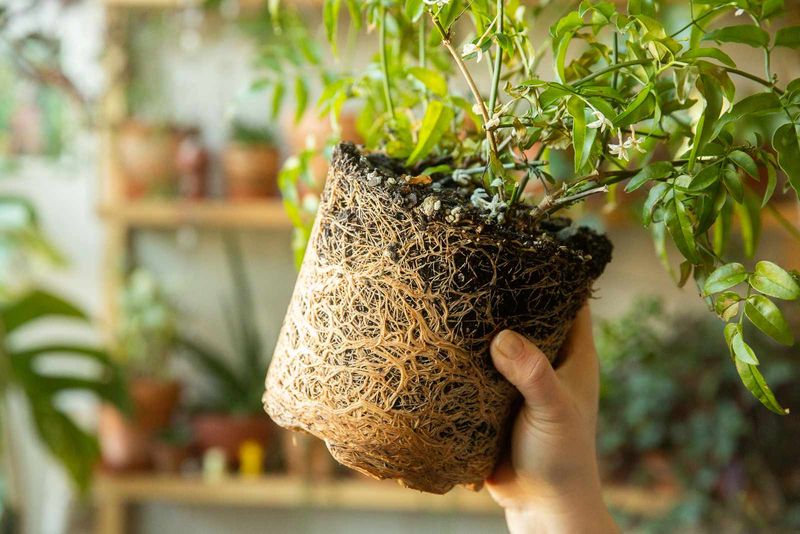
A pot that’s too small restricts root growth and can lead to a root-bound plant, where roots circle the pot’s perimeter, leading to stunted growth and nutrient deficiencies.
Choose a pot that’s at least 12 inches in diameter for one plant. This allows sufficient room for root expansion and access to nutrients.
Repotting when you notice roots growing out of the drainage holes can prevent root-bound conditions and keep your basil thriving.
12. Neglecting Pest Control
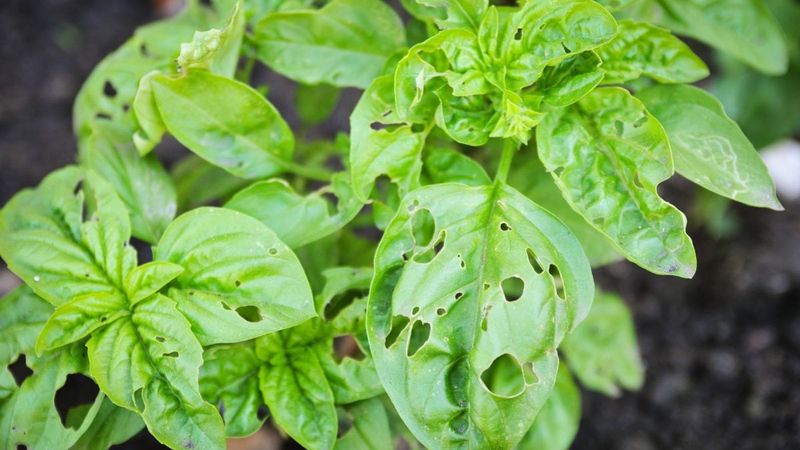
Pests are a bane to healthy basil growth. Caterpillars, beetles, and other pests can quickly damage leaves, impacting both appearance and flavor.
Preventative measures, such as companion planting or insect netting, can deter pests. Regular checks and manual removal of pests also help maintain plant health.
Consider natural pest control methods, ensuring chemical pesticides are a last resort to preserve beneficial insect populations.
13. Over Fertilizing
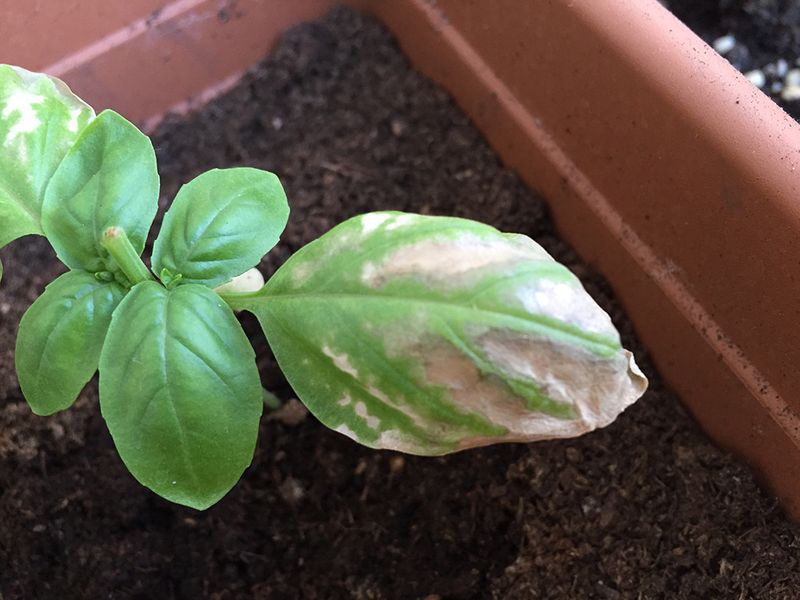
Over-fertilizing can be as detrimental as neglecting it altogether. Excess nutrients can lead to burnt leaf tips and a buildup of salts in the soil.
Follow fertilizer instructions carefully and avoid the temptation to overapply. Less is often more when it comes to fertilizer.
Flush the soil with water if over-fertilization is suspected, which can help remove excess salts and prevent further damage to the plant.
14. Ignoring Temperature Needs
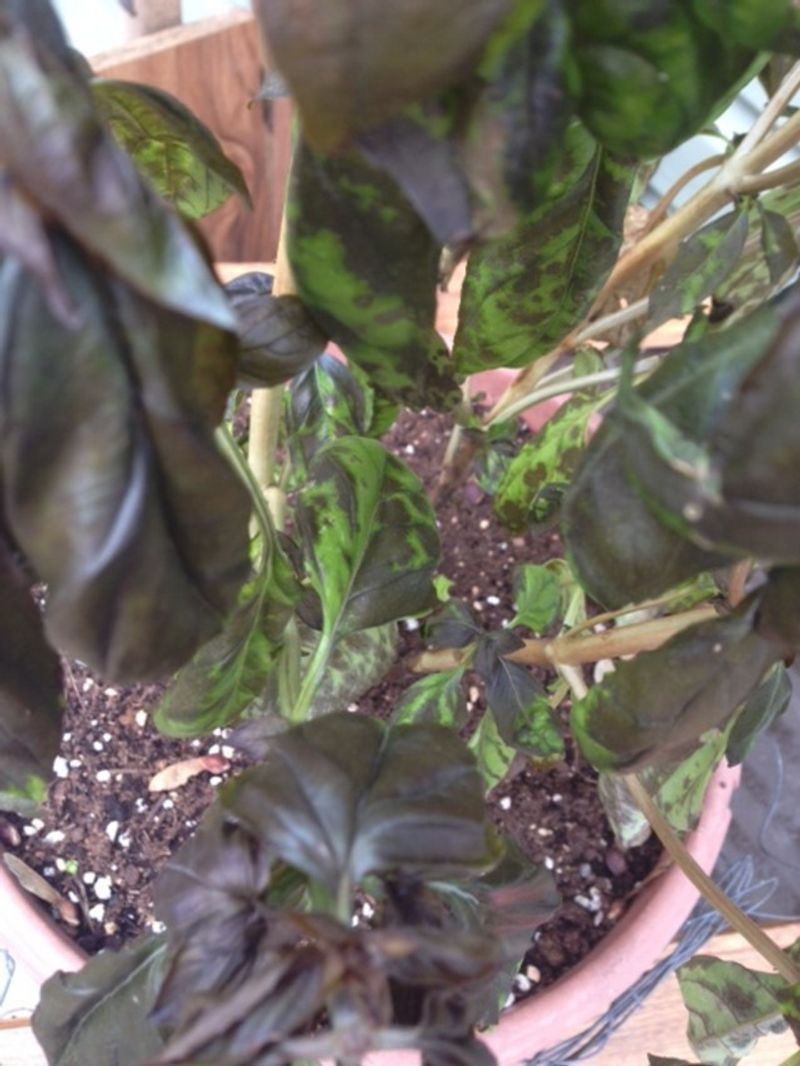
Basil appreciates warmth and can suffer in cold conditions. Chilly temperatures can cause leaves to wilt and slow down growth.
Monitor weather forecasts and protect basil from cold snaps by bringing pots indoors or using row covers. Ensure the growing environment remains above 50°F (10°C).
Adhering to these temperature guidelines supports robust growth and ensures basil remains lush and flavorful throughout the growing season.
15. Inconsistent Watering
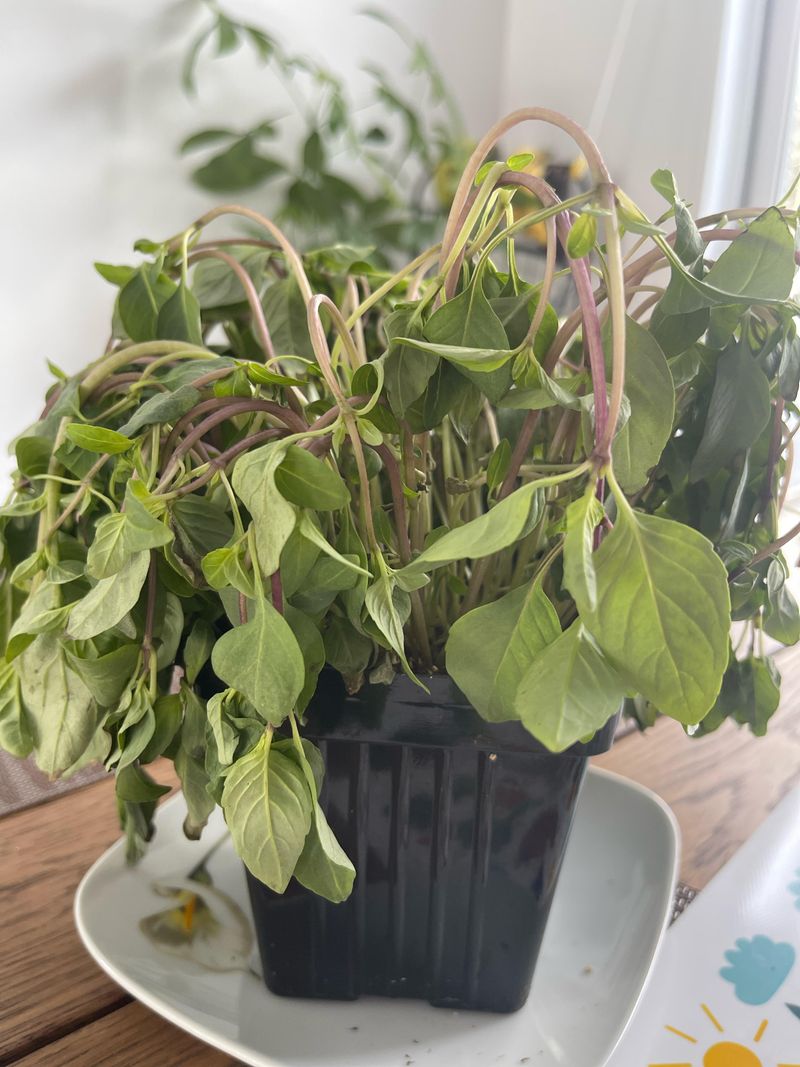
Irregular watering can stress basil, causing droopy leaves and uneven growth. Consistent moisture levels are key to healthy basil care.
Stick to a regular watering schedule, ensuring soil remains evenly moist but not waterlogged. Adjust frequency based on weather and plant size.
This stability in watering encourages a vigorous root system, supporting overall plant health and productivity.
16. Ignoring Companion Planting
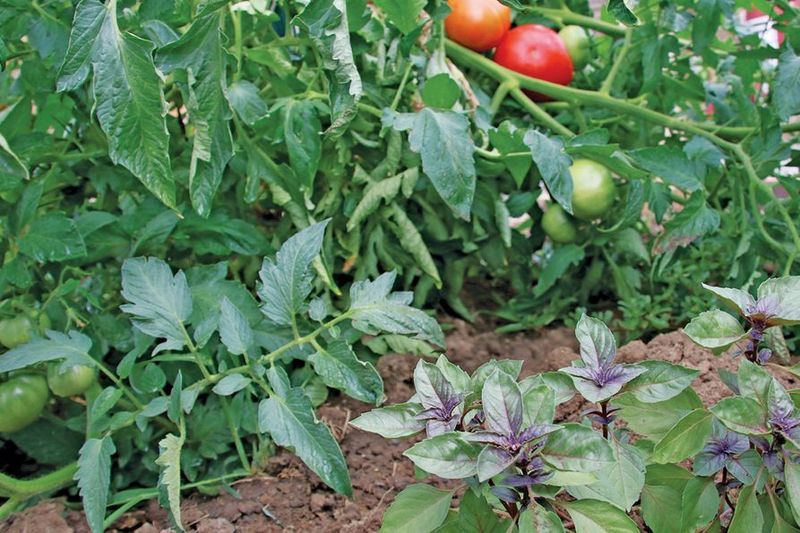
Companion planting can enhance basil growth and deter pests. Basil benefits from being planted alongside tomatoes or peppers, which can improve flavor and repel harmful insects.
Avoid planting basil near cucumbers, which can hinder its growth. Thoughtful companion planting fosters a beneficial environment for basil.
Incorporating this strategy into your gardening routine can lead to healthier plants and a more productive harvest.