 Complete Gardening
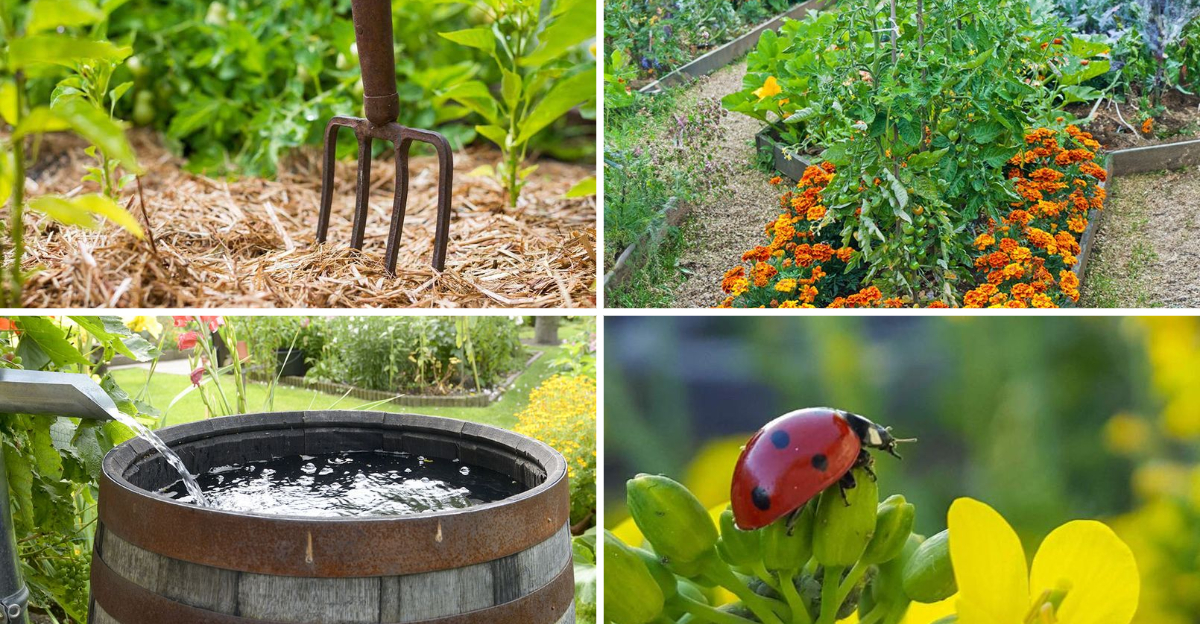
Gardening has always been a cherished pastime, offering solace and the satisfaction of nurturing life. Over the decades, many gardening tips have been passed down through generations, proving timeless in their effectiveness. Let’s explore ten such old-school gardening techniques that continue to work wonders even in modern times.
1. Companion Planting
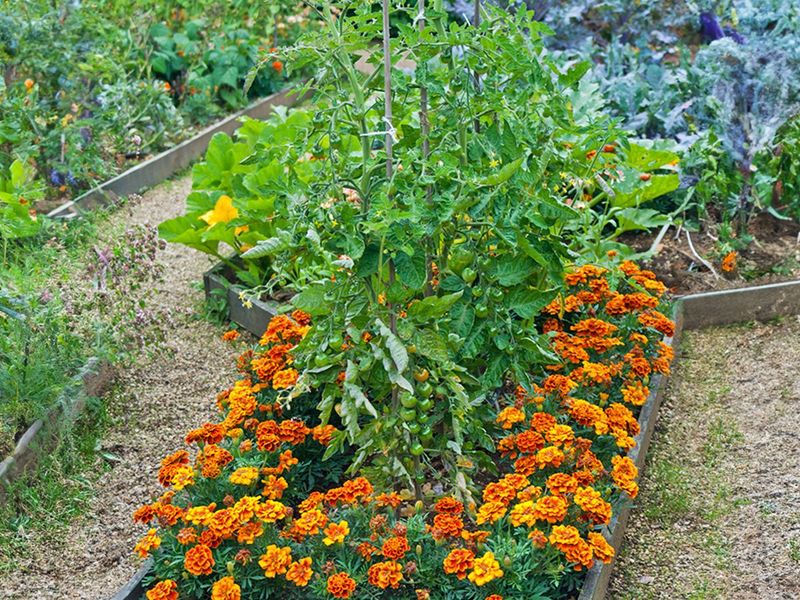
Planting basil next to tomatoes does more than just save space. This traditional method minimizes pest problems and improves growth naturally. The pungent aroma of basil wards off insects threatening tender tomatoes.
Meanwhile, marigolds, known for their vibrant blooms, serve as natural pest deterrents. Their roots release a chemical that keeps nematodes at bay.
Gardeners have relied on this symbiotic relationship for centuries. The combination of these plants not only conserves garden space but fosters a healthier ecosystem, making it a treasured old-school tactic.
2. Rainwater Harvesting
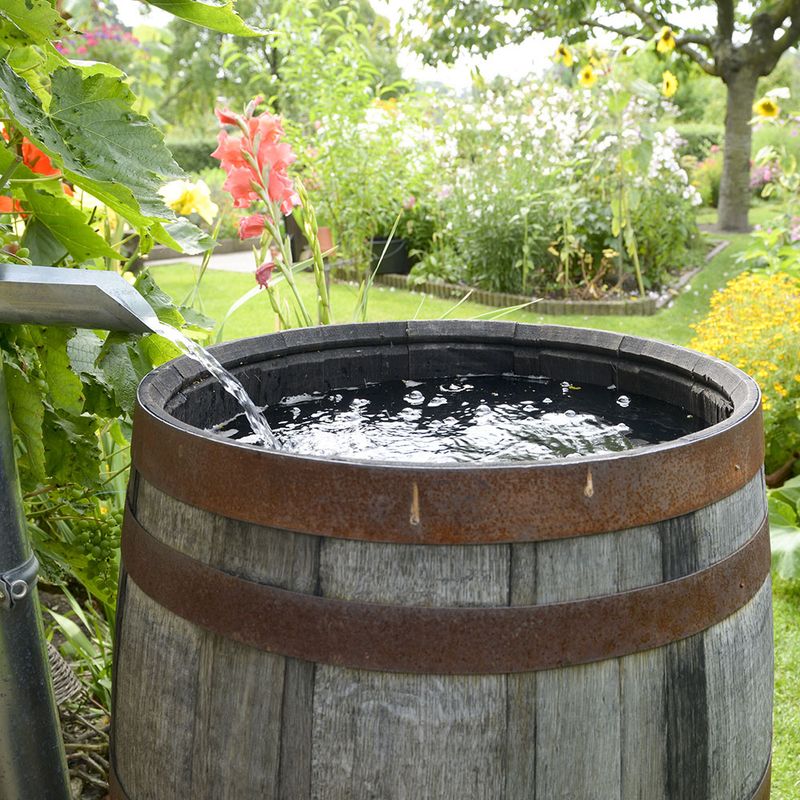
Long before modern conservation techniques, gardeners embraced rainwater harvesting. Using barrels to collect rain provided a natural and free water source for plants.
This eco-friendly practice reduces water bills and ensures gardens thrive even in droughts. The purity of rainwater, free from chlorination, is especially beneficial for delicate plants.
In today’s environmentally conscious world, this old-fashioned method finds renewed purpose. By capturing nature’s gift, gardeners nurture their greens sustainably, honoring age-old wisdom.
3. Crop Rotation
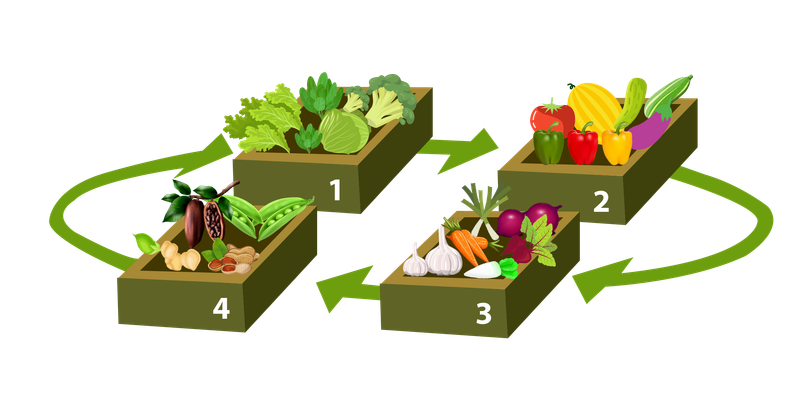
Ancient farmers discovered soil fertility maximization through crop rotation. By rotating different crops each season, soil nutrients aren’t depleted.
This method prevents disease buildup and controls pests without chemicals. Growing legumes enriches soil nitrogen for future plants.
This practice, deeply rooted in history, remains relevant today. Modern gardeners adopt this technique for sustainable, robust growth, ensuring soil remains vibrant and productive.
4. Natural Pest Control
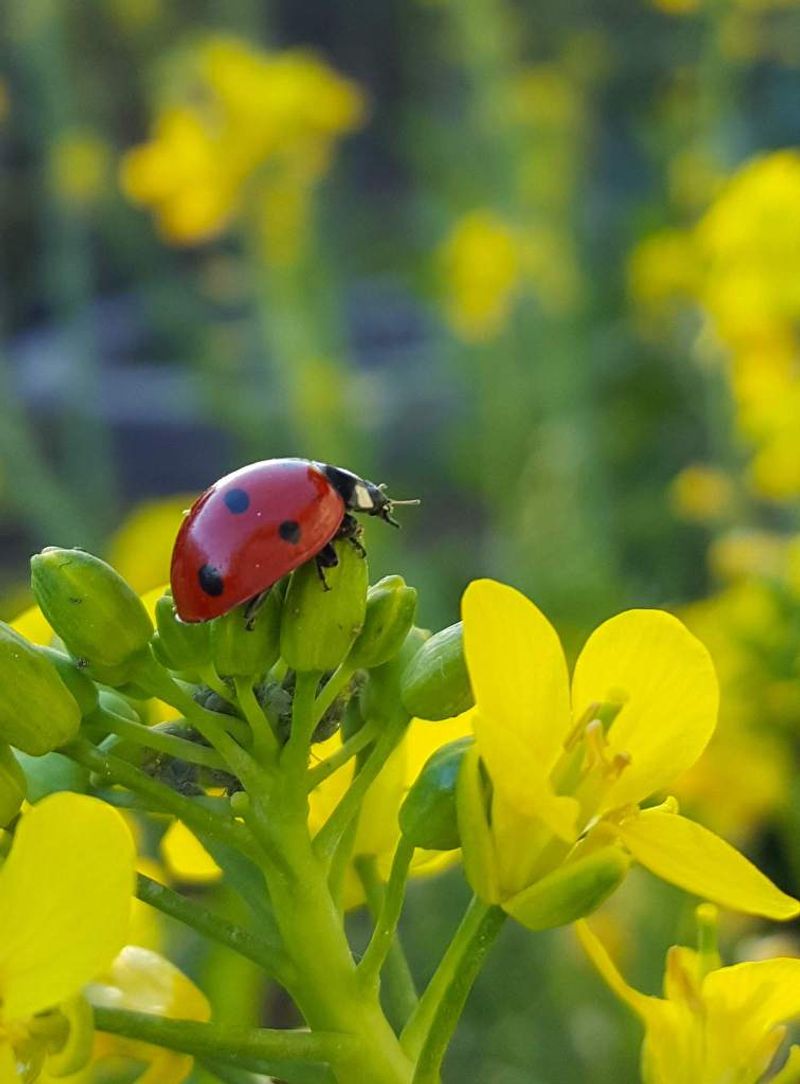
Before pesticides’ advent, gardens thrived under nature’s balance. Ladybugs and birds acted as the primary pest control agents.
These creatures maintain pest populations, protecting crops organically. Encouraging their presence through bird feeders or ladybug-attracting plants is beneficial.
Utilizing nature’s allies ensures healthier produce and a thriving ecosystem, preserving a gardening tradition that’s as effective as it is environmentally friendly.
5. Composting
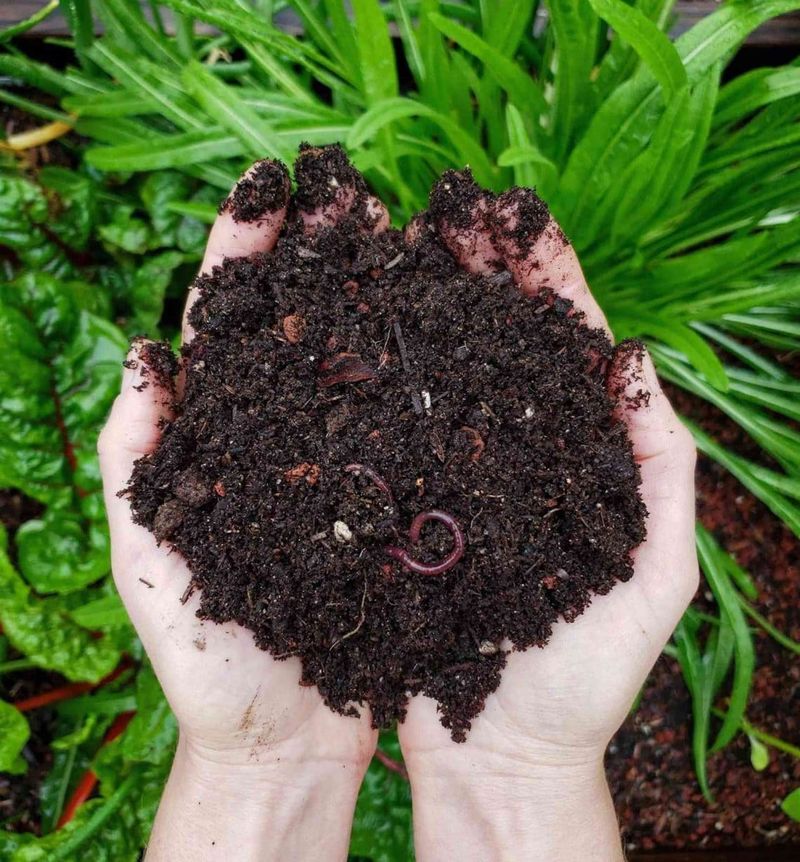
Composting transforms kitchen scraps into nutrient-rich soil enhancers. This centuries-old technique recycles organic waste, reducing landfill contributions.
Through decomposition, compost enriches soil, promoting plant growth without synthetic fertilizers. It enhances soil structure and moisture retention.
Gardeners worldwide continue to harness this sustainable practice. Composting not only nurtures healthy plants but reflects a commitment to environmental stewardship.
6. Moon Gardening
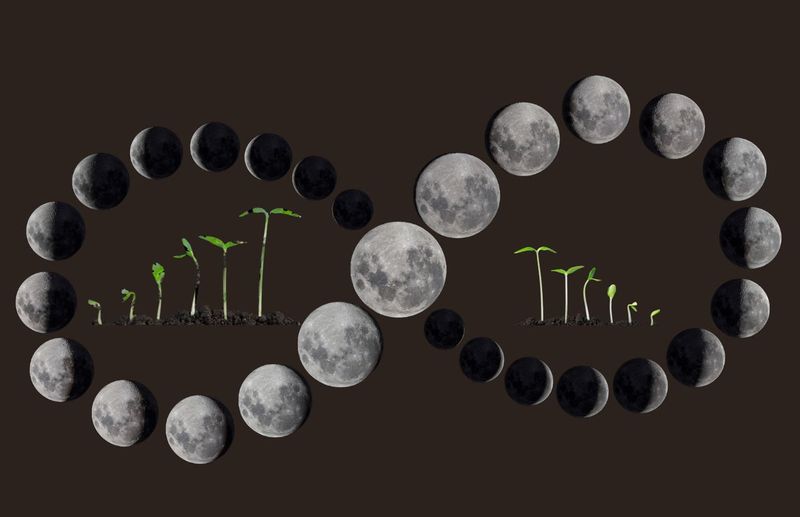
Lunar phases have guided planting rhythms since ancient times. This mystical practice involves aligning plant activities with the moon’s cycle.
The waxing moon supports leafing and seeding, while the waning moon is ideal for root planting. This celestial method optimizes growth.
Though scientific evidence varies, many gardeners find success following lunar cues. This age-old technique connects growers with cosmic rhythms, adding a magical touch to gardening.
7. Heirloom Seeds

Heirloom seeds carry stories of the past, cherished for their genetic diversity. Passed down through generations, these seeds offer unique flavors and resilience.
Gardeners appreciate heirlooms for their rich heritage and the ability to save seeds annually. These plants thrive without genetic modification.
In an era of hybrid dominance, heirloom seeds preserve biodiversity and tradition. They empower gardeners to cultivate flavorsome crops, celebrating horticultural history.
8. Mulching
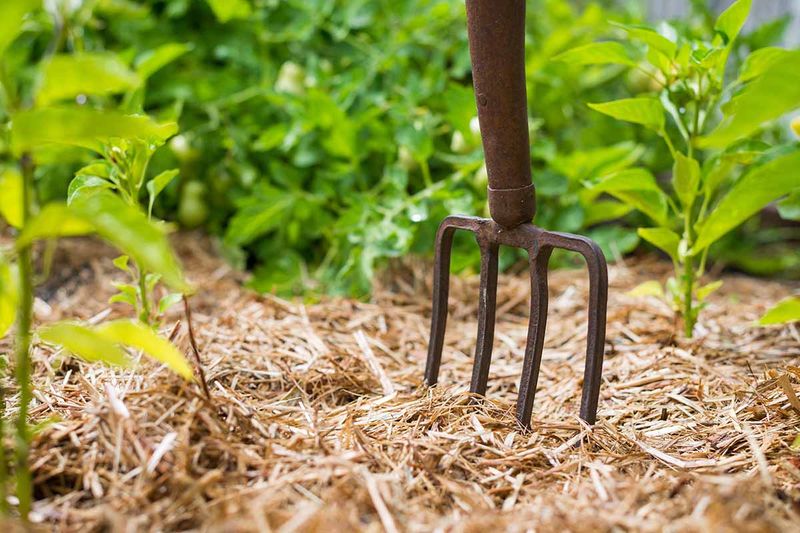
Mulching, a simple yet effective method, controls weeds and retains soil moisture. Ancient gardeners used straw, leaves, and bark to shield plant roots.
This practice conserves water and regulates temperature, ensuring stable growth. Organic mulches break down, enriching soil over time.
Today, gardeners continue this practice, valuing its protective qualities. Mulching embodies a blend of tradition and practicality, fostering healthy gardens worldwide.
9. Companion Animal Gardening
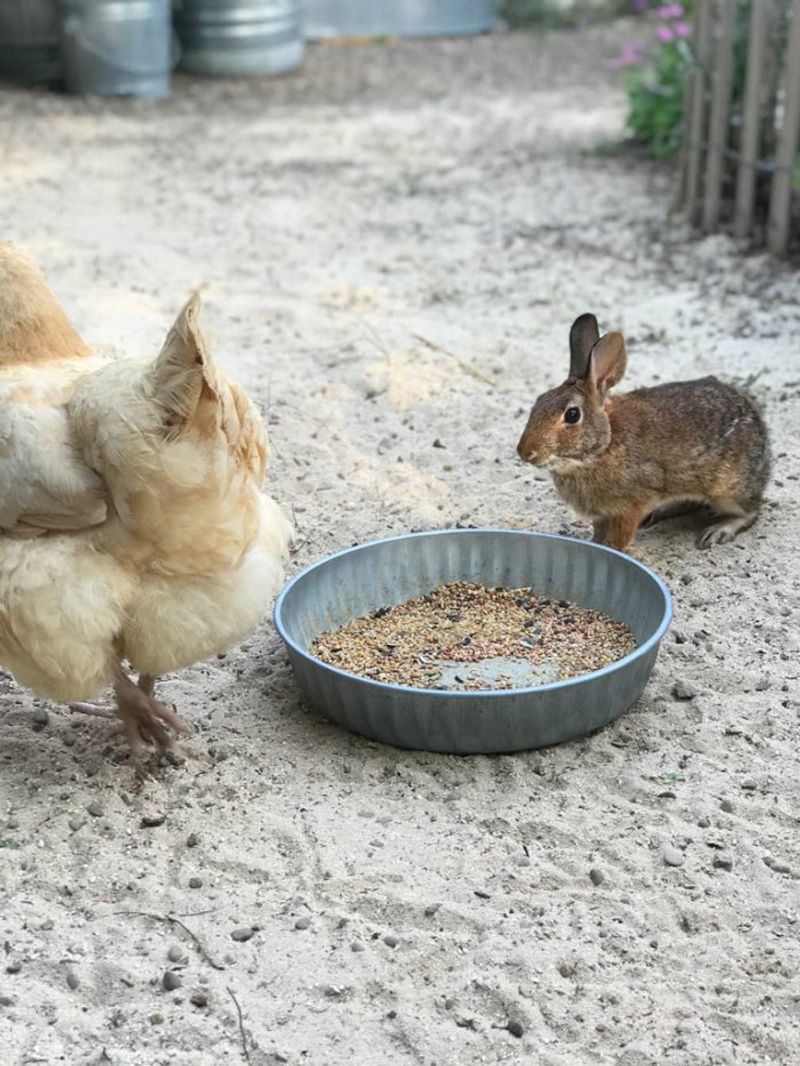
In bygone times, animals played roles in the garden beyond companionship. Chickens and rabbits helped in pest control and fertilization.
Rabbits, through their grazing, maintained tidy vegetable patches, while chickens enriched soil with droppings. These animals also supplied food.
This symbiotic relationship highlights sustainable gardening’s roots. By involving animals, gardeners embrace eco-friendly methods rooted in history.
10. Raised Bed Gardening
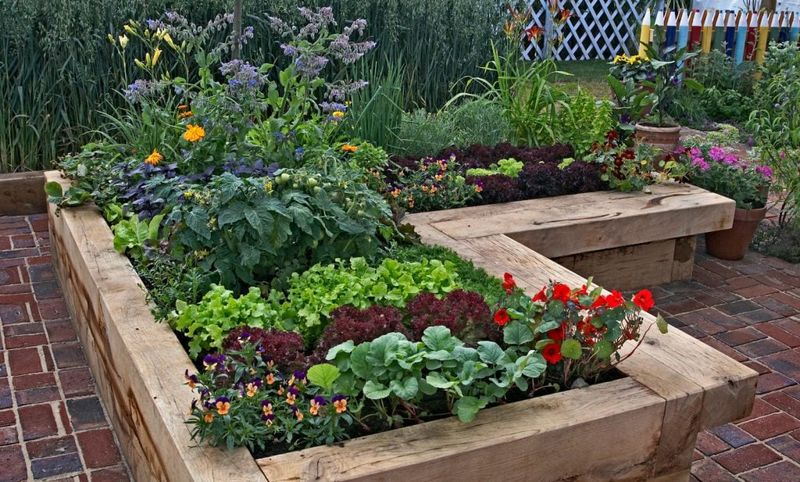
Raised bed gardening, favored throughout history, offers several advantages. Elevated soil warms faster, extending the growing season.
These beds improve drainage and reduce soil compaction. They also allow gardeners to control soil quality and structure.
Raised beds represent a harmonious blend of tradition and innovation, accommodating diverse gardening needs. Their continued popularity underscores their timeless appeal.
11. Using Fish Heads as Fertilizer

Long before commercial fertilizers became the norm, gardeners turned to fish heads to enrich their soil. Bury a fish head beneath your plant’s roots, and watch as your garden thrives. The natural decomposition releases essential nutrients.
This method is not only sustainable but also incredibly effective. It turns waste into nourishment, reducing dependency on chemical solutions.
Moreover, the slow release of nitrogen and other minerals ensures plants receive a steady supply of nutrients. A practice that echoes ancient wisdom, it’s a simple yet powerful technique.
12. Underplanting with Clover

Clover, often seen as a mere weed, can be a gardener’s ally. Underplanting with clover helps fix nitrogen in the soil, benefiting neighboring plants. Its lush carpet reduces weeds and retains moisture.
Clover’s presence creates a symbiotic relationship with the soil, enhancing its fertility. Additionally, its soft foliage provides a cushiony cover, protecting the soil from erosion.
As a cover crop, clover is unmatched in its ability to improve soil health naturally. This age-old trick is a testament to nature’s interconnectedness.
13. Aged Manure Application
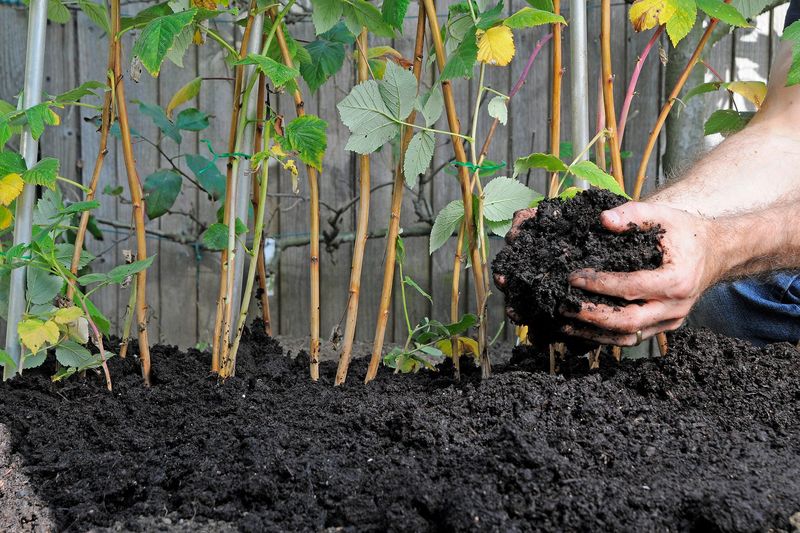
Aged manure has long been a staple in traditional gardening. Unlike fresh manure, aged manure is less likely to burn plants and provides a balanced nutrient mix.
Adding it to your garden not only improves soil structure but also boosts microbial activity. The organic matter breaks down gradually, offering a steady release of nutrients.
This time-honored practice enhances soil fertility and supports robust plant growth. Embracing aged manure is a nod to sustainable gardening methods that nourish the earth.
14. Seed Saving Techniques
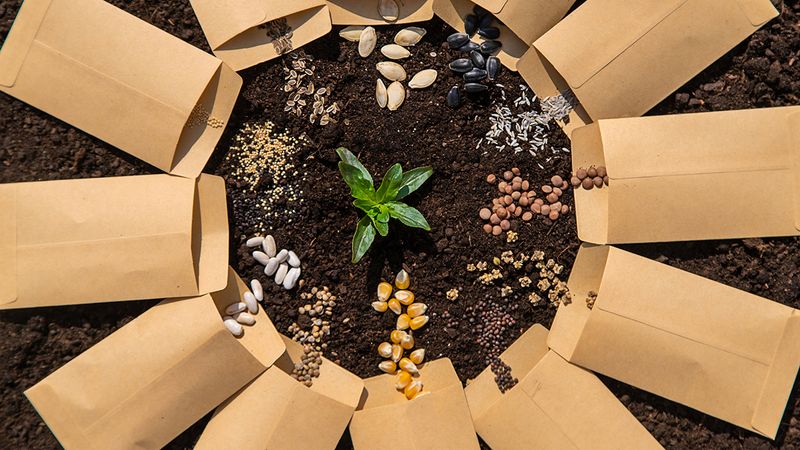
Gardening wisdom includes the art of seed saving, a practice that has been cherished for generations. By saving seeds, gardeners ensure a cycle of sustainability and self-reliance.
It’s an economical way to preserve heirloom varieties and adapt plants to local conditions. The act of collecting seeds fosters a deeper connection with nature.
This tradition also guards against the loss of genetic diversity. Seed saving is more than just a technique; it’s a legacy of stewardship and preservation.
15. Urine as a Fertilizer
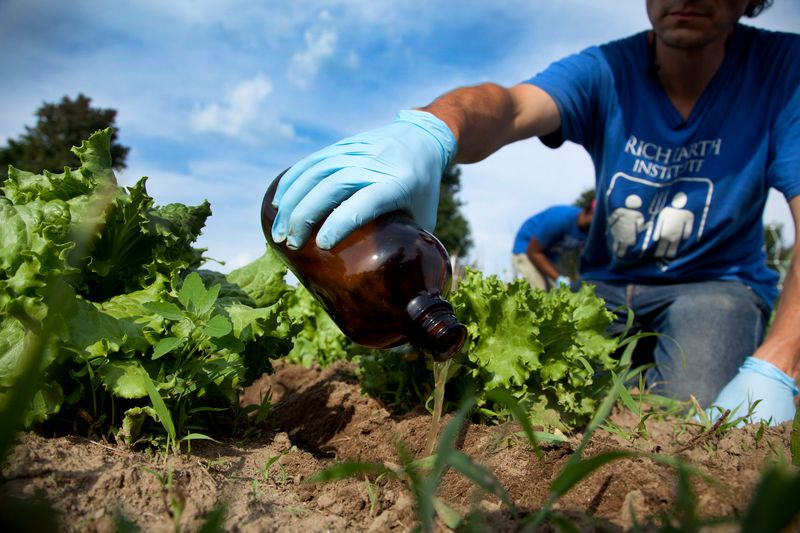
While unconventional, using diluted urine as a fertilizer is an age-old trick that provides plants with valuable nutrients. Rich in nitrogen, phosphorus, and potassium, it acts as a natural growth booster.
Dilution is key to prevent harming plants; a ratio of one part urine to ten parts water is recommended. This method reduces waste and recycles nutrients back into the garden.
An eco-friendly approach, it embodies the principle of returning to the earth what it gives us. A quirky, yet effective, gardening hack.
16. Hoeing for Weed Control
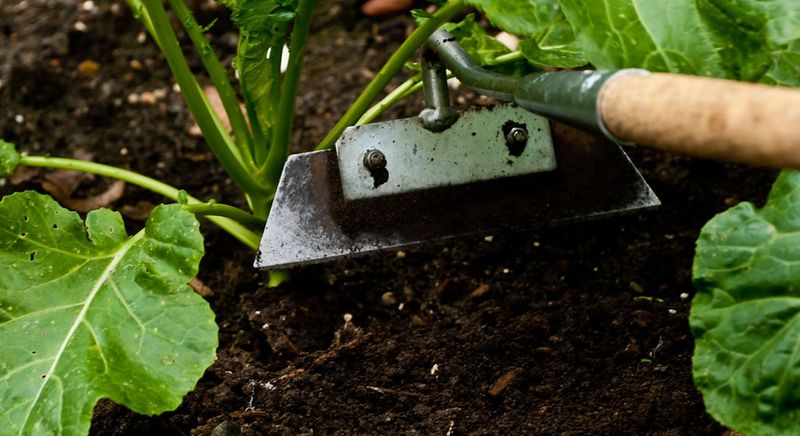
Hoeing is a classic gardening technique for controlling weeds, dating back centuries. This manual method disturbs the soil surface, disrupting weed growth without chemicals.
It’s effective in maintaining soil aeration and promoting healthy plant roots. Regular hoeing keeps weeds at bay and enhances garden aesthetics.
This simple tool requires minimal effort and provides maximum results. Adopting hoeing as a routine practice reflects a commitment to sustainable gardening, preserving both the garden and the environment.