 Complete Gardening
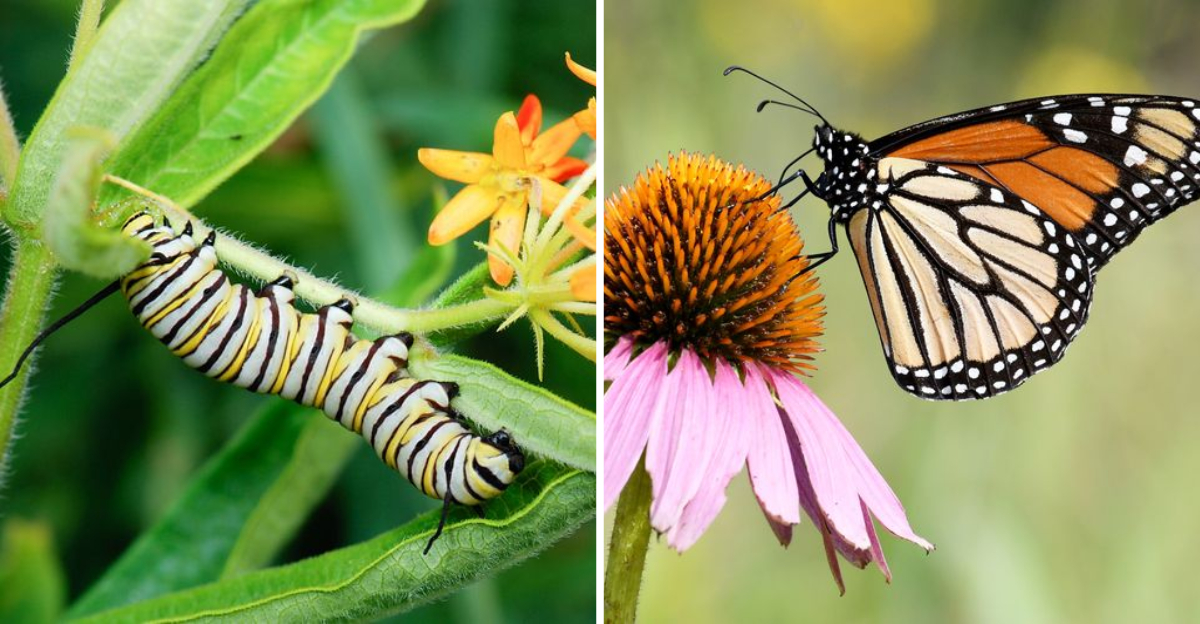
Monarch butterflies are majestic creatures renowned for their stunning orange and black wings. These pollinators embark on incredible migrations, capturing the hearts of nature enthusiasts worldwide. To support these butterflies, planting specific flora can provide essential nourishment and habitat. Here’s a guide to 16 plants that monarch butterflies are particularly fond of. Each plant not only offers sustenance but also contributes to a vibrant and diverse garden ecosystem.
1. Milkweed
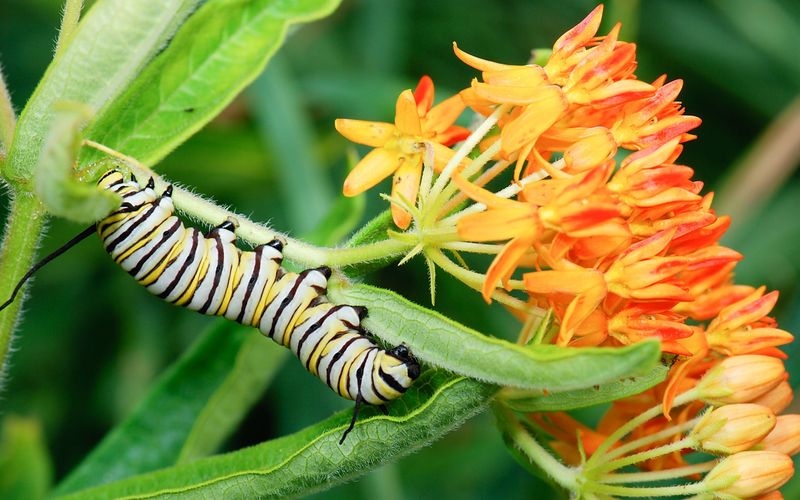
Milkweed is vital for monarchs, serving as the only plant where they lay eggs. Its leaves are the primary food source for caterpillars. With over 100 species, milkweed varies in color and shape, making it a versatile addition to gardens.
Apart from being a food source, milkweed’s nectar lures in adult butterflies, providing them with energy for their long migratory journeys. Its resilience in various climates makes it a staple in butterfly-friendly habitats.
Did you know? Milkweed contains toxins that caterpillars absorb, making them less palatable to predators.
2. Purple Coneflower
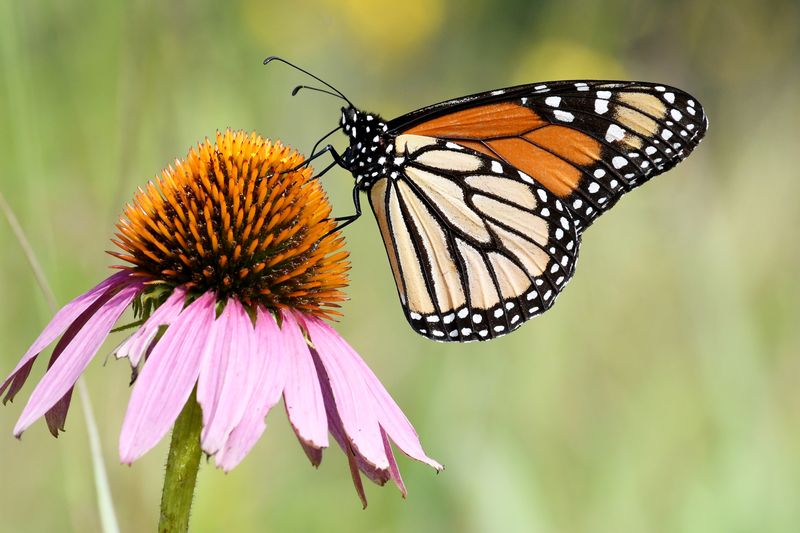
Purple coneflower, known for its daisy-like appearance, is a magnet for monarchs. Its vibrant purple petals and prominent cone center are not just visually appealing but also rich in nectar.
These flowers bloom from midsummer to fall, aligning perfectly with the monarchs’ migratory patterns. Their sturdy stems make them a reliable food source even in windy conditions.
Fun fact: The purple coneflower is also cherished for its medicinal properties in boosting the immune system in humans.
3. Butterfly Bush
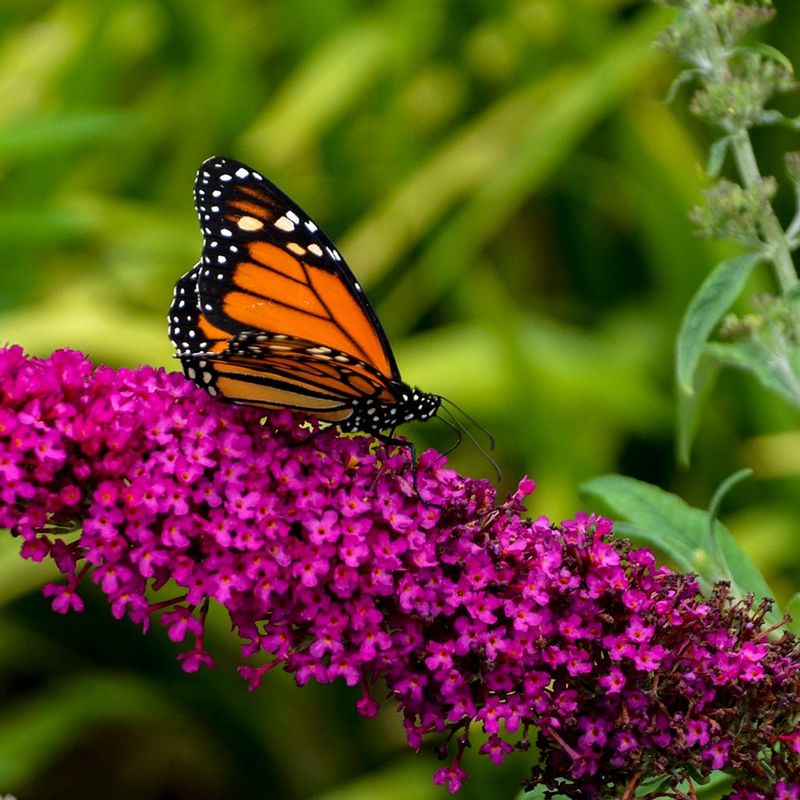
True to its name, the butterfly bush is a haven for monarchs. Its cascading blooms come in various shades, creating a visual feast. The sweet fragrance is irresistible to butterflies seeking sustenance.
These plants thrive in sunny locales and are easy to care for, making them a gardener’s delight. Regular pruning encourages more blooms, ensuring a continuous supply of nectar.
Interesting tidbit: While beloved by butterflies, some regions consider it invasive, so check local guidelines before planting.
4. Zinnia
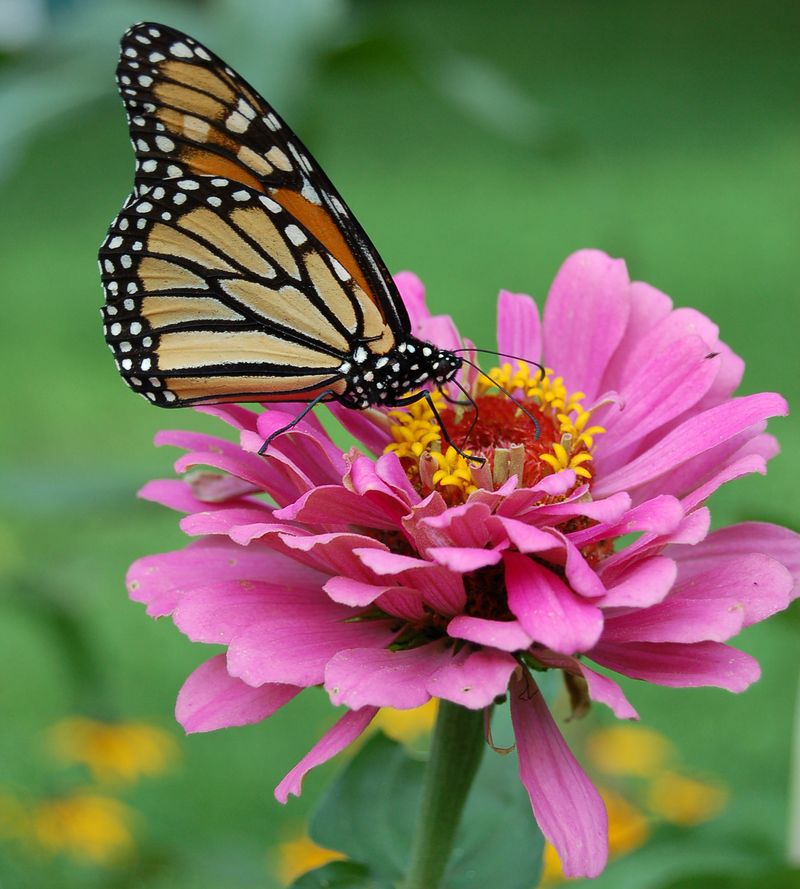
Zinnias are a burst of color in any garden, attracting monarchs with their diverse hues ranging from red to yellow. Their open, flat petals provide an ideal landing platform for butterflies.
Blooming from spring to frost, zinnias offer a long-lasting nectar source. They’re easy to grow, requiring minimal maintenance, making them perfect for novice gardeners.
Did you know? Zinnias are named after the German botanist Johann Gottfried Zinn, who greatly contributed to their classification.
5. Lantana
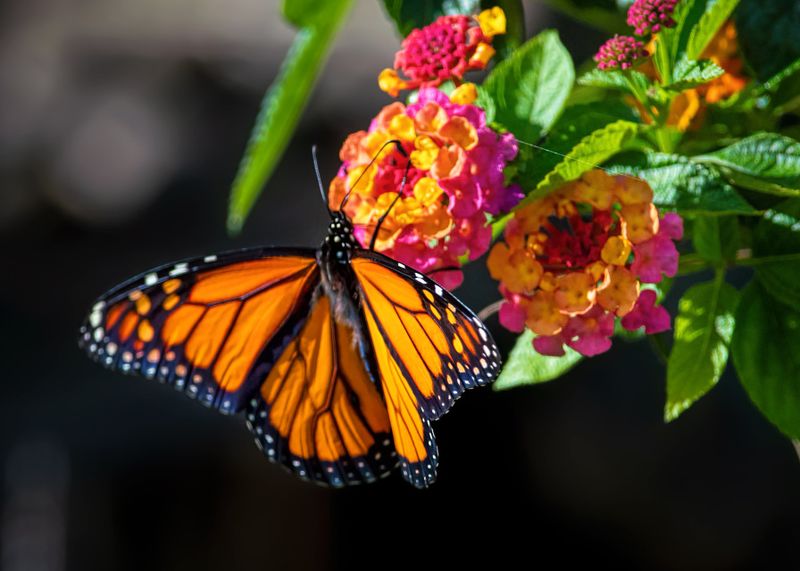
Lantanas are vibrant flowers that attract monarchs with their sweet nectar and bright colors. They bloom in clusters, presenting a rich tapestry of hues like pink, orange, and yellow.
Their ability to thrive in heat makes them ideal for warm climates. Monarchs are drawn to their plentiful nectar, which fuels their long journeys.
Fun fact: Lantanas are known for their aroma, which can repel some pests, making them a dual-purpose plant in gardens.
6. Joe-Pye Weed
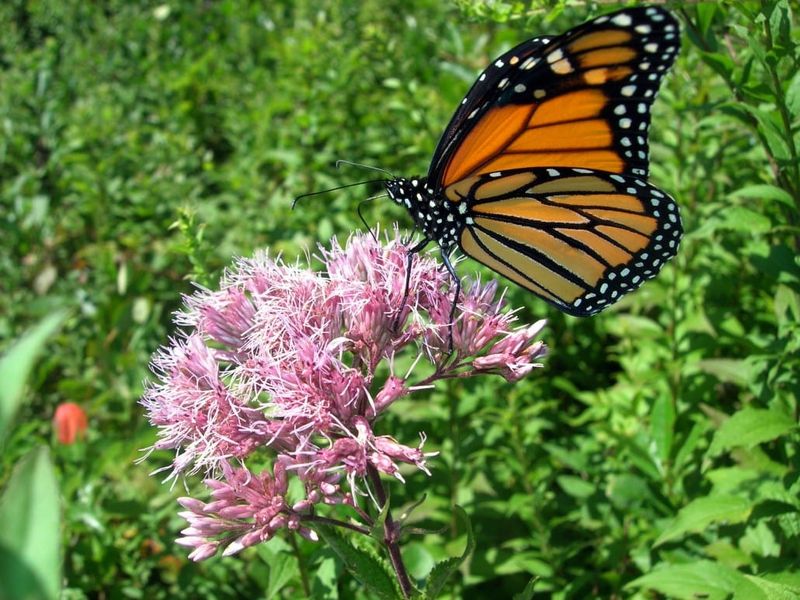
Joe-Pye weed is a towering presence in gardens, known for its clusters of soft purple flowers. Monarchs are fond of its nectar-rich blooms.
This perennial thrives in moist, sunny environments, often found near streams or ponds. Its tall stature and dense foliage provide shelter and food.
Did you know? The plant is named after a Native American herbalist who used it for medicinal purposes, symbolizing its historical significance.
7. Goldenrod
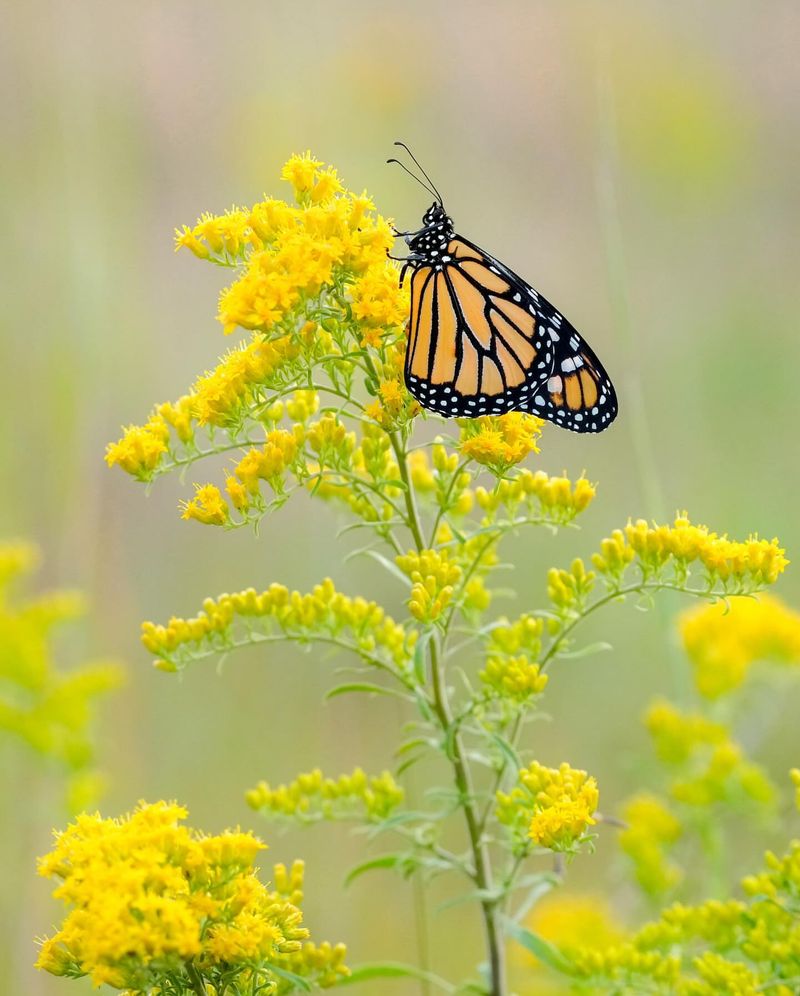
Goldenrod stands out with its striking yellow flowers, a favorite among monarchs. Its late summer bloom period coincides with the butterflies’ migration.
The plant’s dense flower clusters offer ample nectar, supporting monarchs and other pollinators. It’s hardy and adaptable, thriving in various soil types.
Fun fact: Goldenrod was once mistakenly blamed for causing hay fever, but it’s actually the culprit ragweed blooming simultaneously.
8. Aster
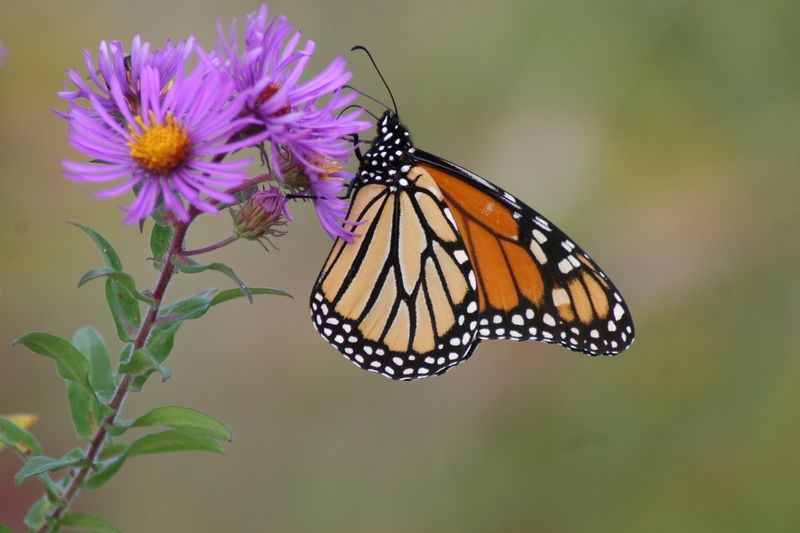
Asters bring a touch of whimsy to gardens with their star-shaped blooms. Monarchs are drawn to these flowers, which offer nectar late into the fall.
With a range of colors, asters complement any garden palette, and their long blooming season ensures a steady food supply. They thrive in well-drained soil and full sun.
Did you know? Asters are associated with love and patience, symbolizing the enduring nature of monarchs’ migratory journeys.
9. Blazing Star
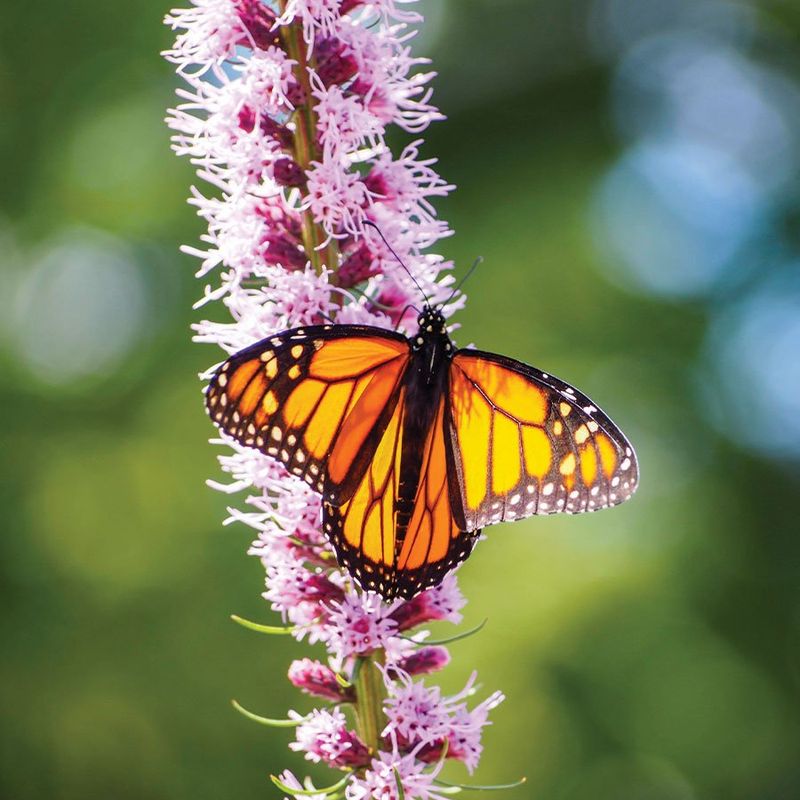
Blazing stars, known for their tall spikes of purple flowers, are a monarch favorite. Their unique shape offers an abundant nectar source.
These perennials thrive in sunny, well-drained locations and are drought-tolerant, making them a resilient garden choice. Monarchs and other pollinators frequent their blooms.
Fun fact: The blazing star’s roots were used by Native Americans for medicinal purposes, showcasing its cultural significance.
10. Black-eyed Susan
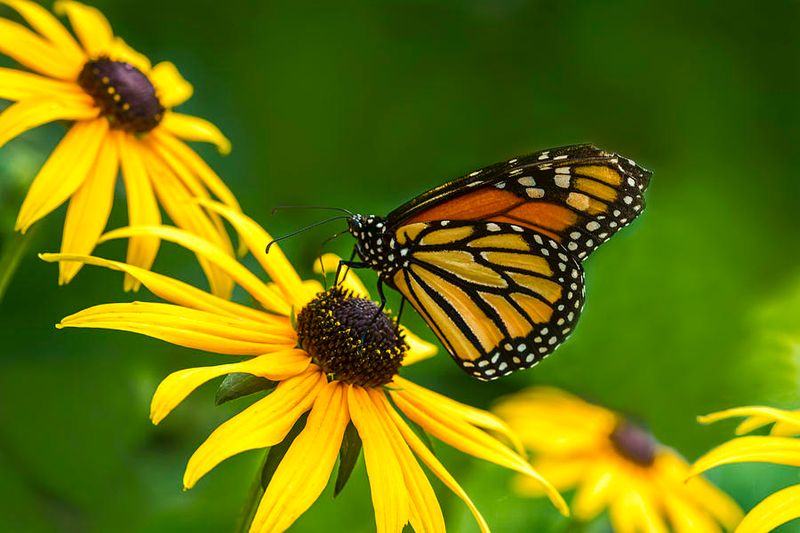
Black-eyed Susans, with their cheerful yellow petals and dark centers, are a garden classic that monarchs adore. Their bright color and ample nectar attract these butterflies.
Blooming from mid-summer to fall, they provide a reliable food source. These hardy plants are easy to grow, thriving in various conditions.
Did you know? Black-eyed Susans are the state flower of Maryland, highlighting their cultural importance in American flora.
11. Swamp Milkweed
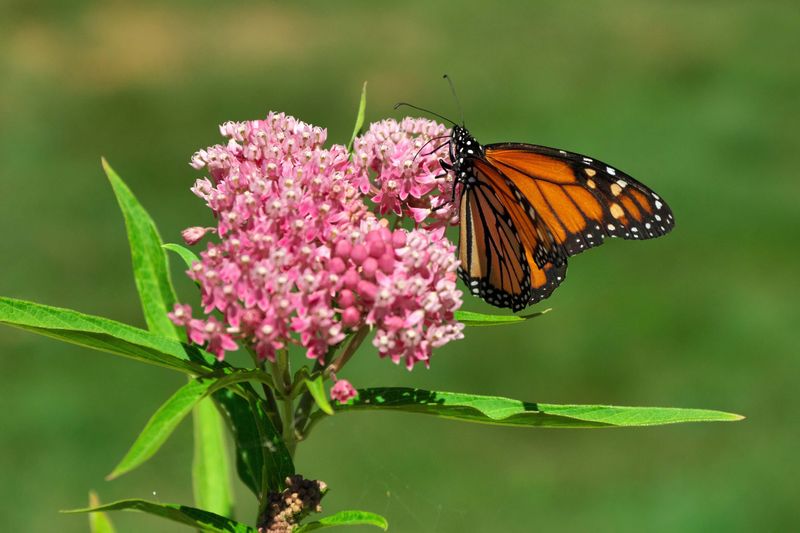
Swamp milkweed is a monarch staple, offering both a breeding ground and nectar source. Its pink flowers attract butterflies in wetland areas.
These plants prefer moist soil and full sun, thriving in ponds or rain gardens. Monarchs rely on them during their breeding cycle.
Interesting tidbit: Swamp milkweed is less toxic than other milkweeds, making it safer for both butterflies and curious pets.
12. Verbena
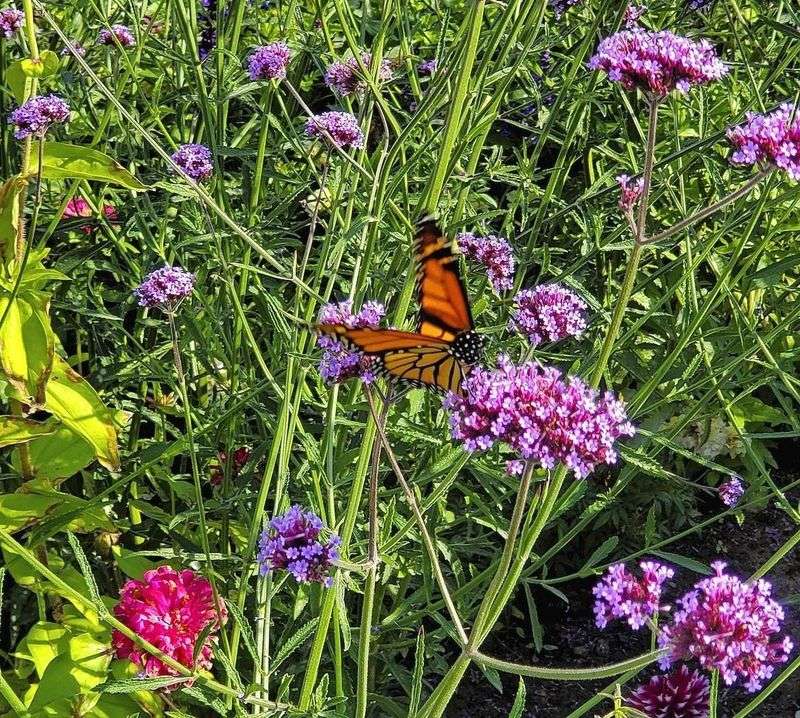
Verbena, with its delicate clusters of flowers, is a treat for monarchs. Its vibrant colors and sweet nectar make it a beloved choice.
These plants bloom throughout the summer, providing a continuous nectar source. They’re easy to grow and maintain, flourishing in sunny spots.
Fun fact: Verbena was historically thought to have healing properties, used in various cultural rituals and remedies.
13. Cosmos
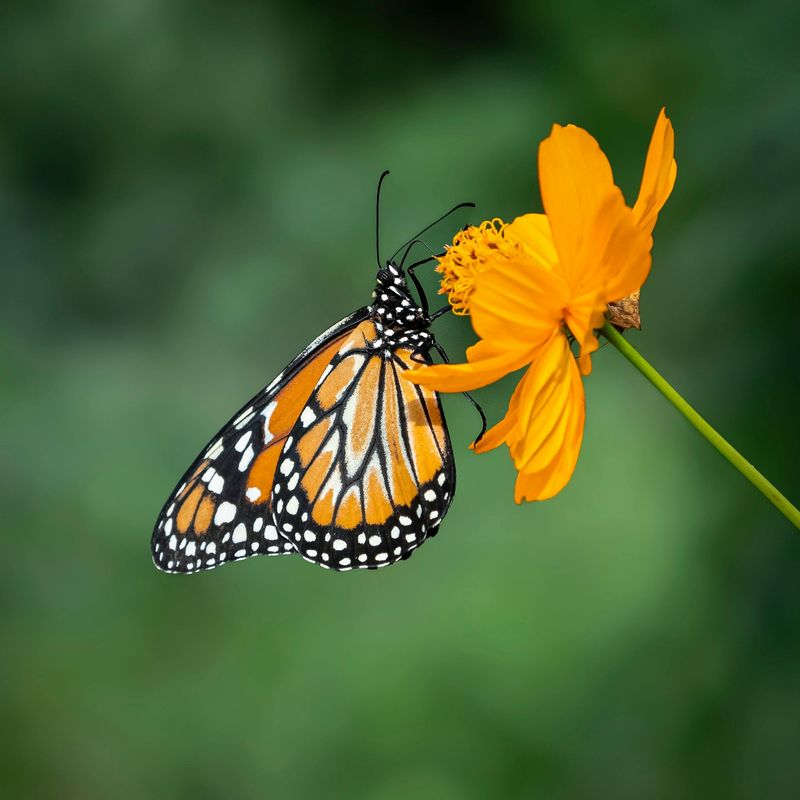
Cosmos flowers, with their airy stalks and daisy-like blooms, are a monarch magnet. Their pastel hues create a serene garden atmosphere.
Blooming from summer to fall, they offer ample nectar to migrating monarchs. They’re hardy and self-seeding, making them a low-maintenance choice.
Did you know? Cosmos flowers are associated with harmony and peace, reflecting the tranquility they bring to garden spaces.
14. Ironweed
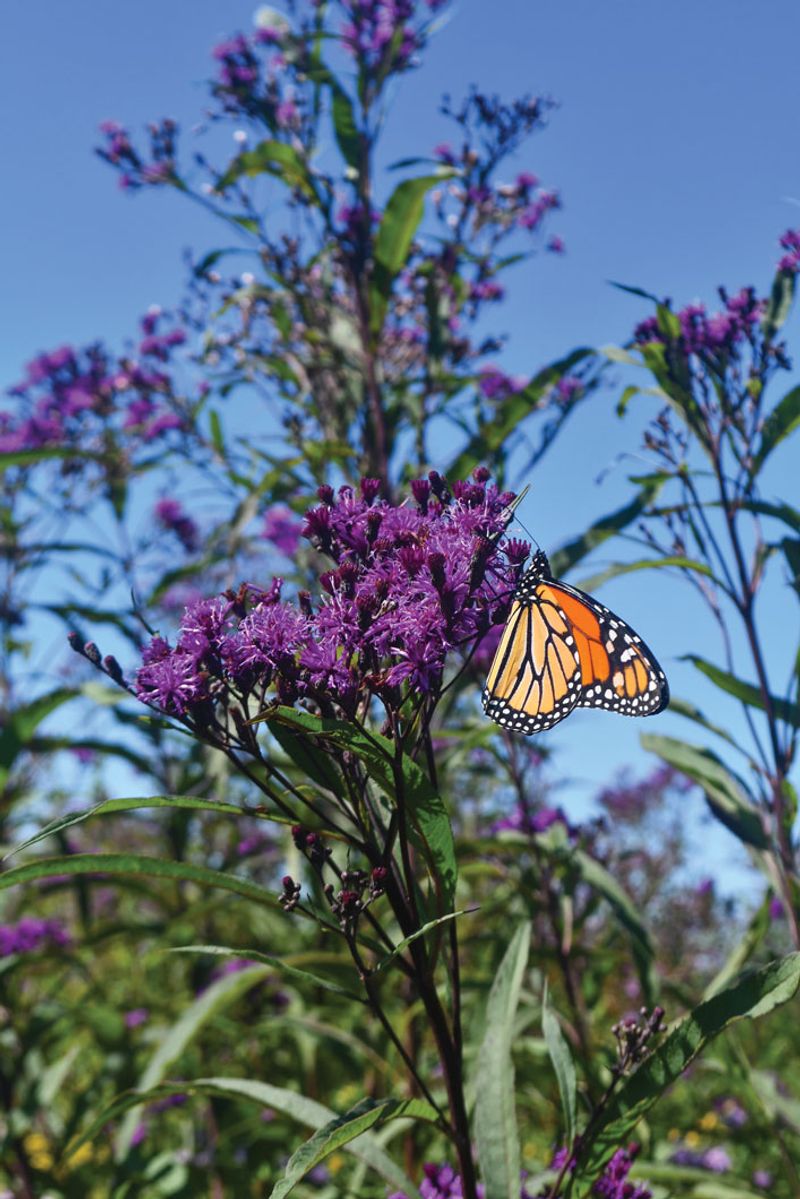
Ironweed, despite its tough name, is a delightful addition for monarchs. Its vibrant purple flowers stand tall, offering nectar through late summer.
This plant thrives in moist areas and full sun, often found in meadows. Its sturdy stems withstand various weather conditions, ensuring a lasting food source.
Fun fact: Ironweed’s robust nature has made it a symbol of endurance and strength in folklore.
15. Sunflower
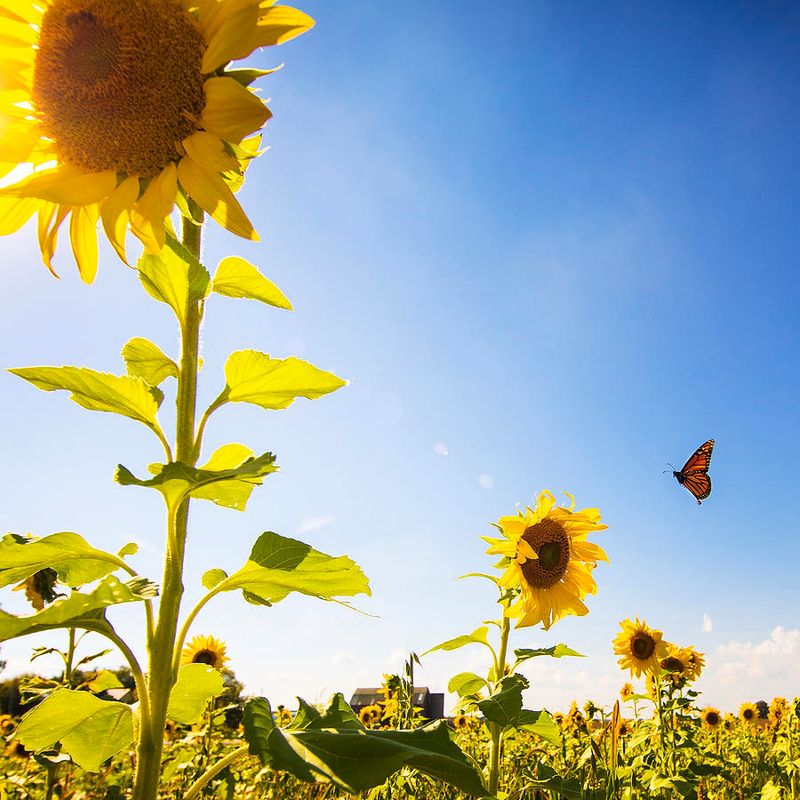
Sunflowers, with their towering presence and sunny disposition, are a favorite among monarchs. They provide not only nectar but also a sunny perch.
Blooming during the summer, they align with the monarchs’ migratory timeline. Their seeds offer additional nourishment for various wildlife.
Did you know? Sunflowers exhibit heliotropism, turning their heads to follow the sun, a trait that fascinates nature lovers.
16. Bee Balm
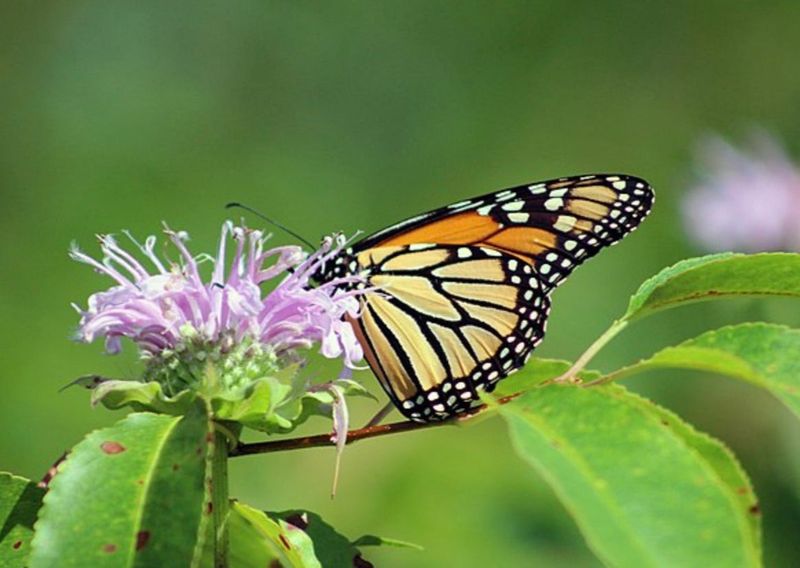
Bee balm, known for its unique tubular flowers, is irresistible to monarchs. Its rich nectar and aromatic leaves attract many pollinators.
These blooms thrive in sunny, moist environments, offering color and life to garden spaces. Their long flowering season ensures consistent nectar availability.
Fun fact: Bee balm was used by Native Americans for medicinal teas, showcasing its historical importance.