 Complete Gardening
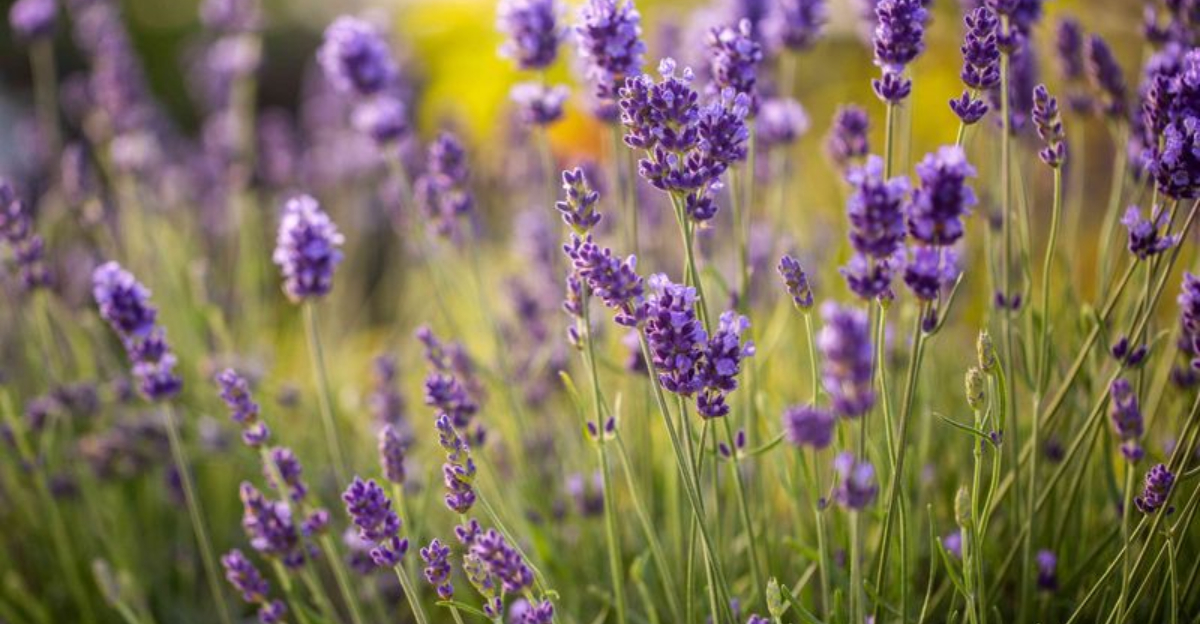
Transform forgotten corners of your garden with these resilient plants that thrive in low-maintenance environments. These selections are perfect for areas that receive minimal attention, offering beauty and greenery where you least expect it.
1. Hosta
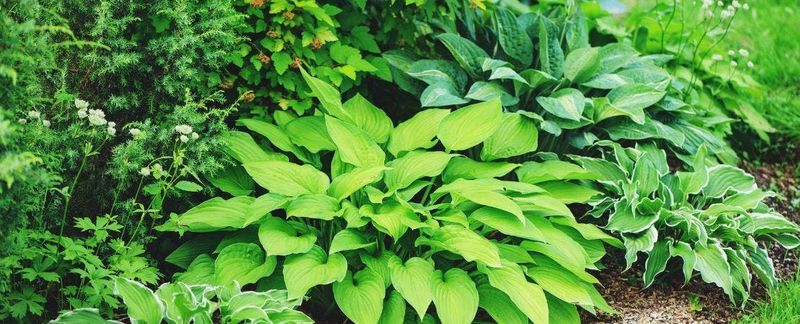
Hostas are the ultimate shade champions, perfect for the shadowy corners of your garden. Known for their eye-catching foliage that comes in a variety of greens, blues, and yellows, these perennials add lushness to any neglected spot.
Their low-maintenance nature makes them a favorite among busy gardeners. Once established, they require little care, making them ideal for those who want greenery without the hassle.
Fun fact: Hostas are native to northeast Asia and were introduced to Europe in the late 1700s, quickly becoming a garden staple.
2. Ferns
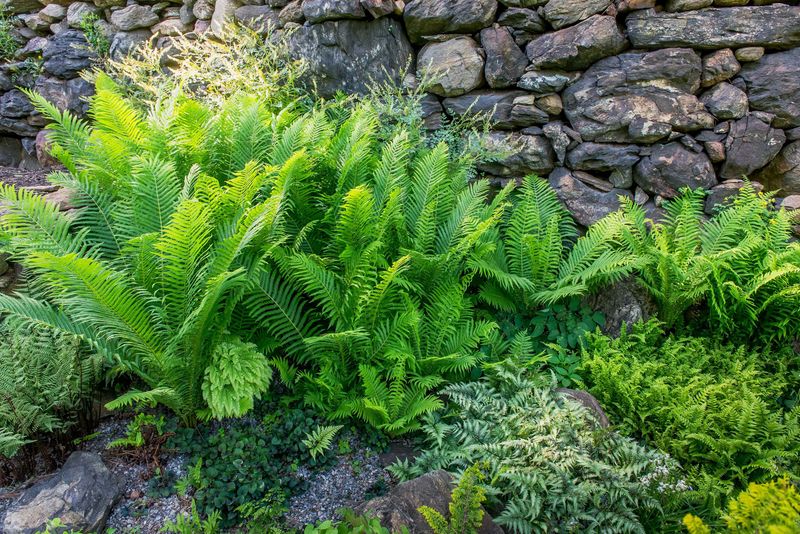
Ferns are like the whisper of the forest floor, offering delicate greenery that thrives in the dimmest corners. Their feathery fronds provide a soft texture to your garden, perfect for creating a serene atmosphere.
These plants are incredibly resilient, flourishing with minimal sunlight and care. Their adaptability makes them a versatile addition to any garden space.
Interesting tidbit: Ferns are ancient plants, having existed for over 360 million years, long before the dinosaurs roamed the Earth.
3. Lavender
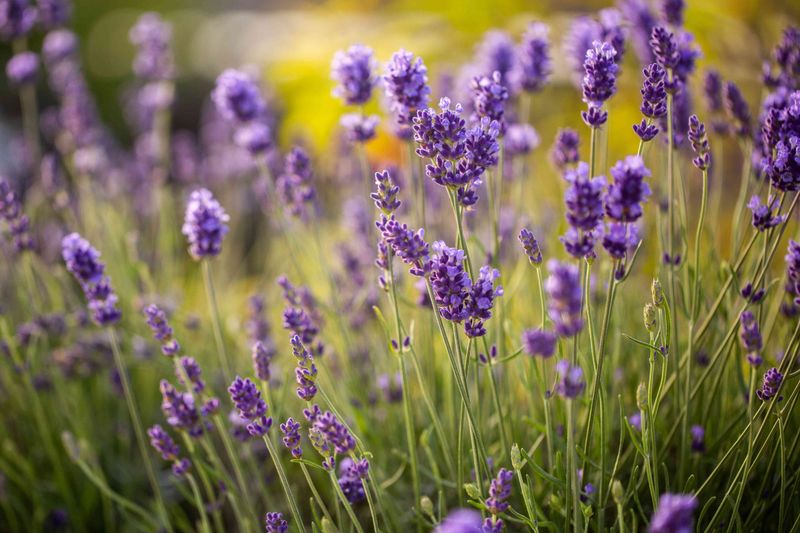
Lavender brings a touch of Provence to any garden, even those forgotten corners. Its aromatic fragrance and vibrant purple blooms are a feast for the senses.
This hardy plant thrives in sunny, dry spots, making it perfect for those areas you often overlook. Once established, lavender is drought-resistant and requires little maintenance.
Did you know? Lavender has been used for centuries in culinary and medicinal applications, prized for its soothing properties.
4. Sedum
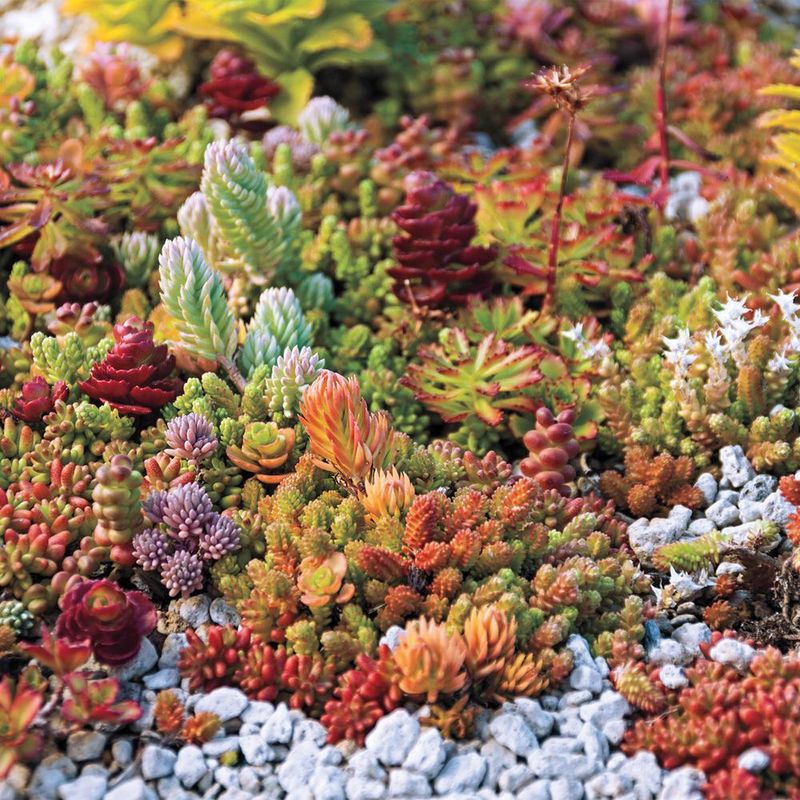
With its succulent leaves and star-shaped flowers, sedum is a low-maintenance gem for any neglected sunny spot. These plants are drought-tolerant, making them perfect for areas with little water access.
Sedum varieties offer an array of colors and textures, adding interest without the fuss. They are perfect for rock gardens or as ground cover.
Fun fact: Sedum is part of the Crassulaceae family, known for its ability to thrive in harsh, dry conditions.
5. Daylilies
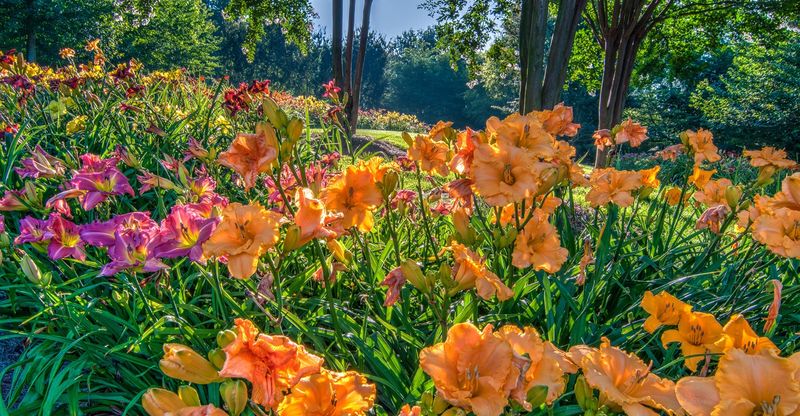
Daylilies are the workhorses of the garden, blooming profusely even in the most overlooked spots. Their vibrant flowers open for just one day, but each stem holds multiple buds, ensuring continuous color.
These perennials are incredibly easy to grow, withstanding drought, poor soil, and neglect. They’re perfect for adding a splash of color without much effort.
Did you know? Daylilies are edible and have been used in Chinese cuisine for hundreds of years.
6. Spider Plant
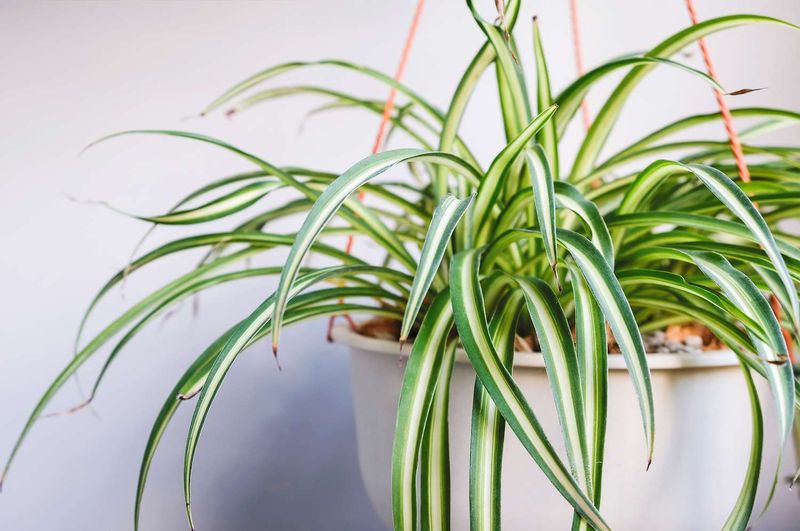
Spider plants are like the friendly ghosts of houseplants, requiring little attention while still looking vibrant. Their long, arching leaves make them a stylish addition to any dim corner.
These plants are excellent at purifying air and require minimal watering, making them perfect for the forgetful gardener.
Interesting fact: Spider plants produce ‘pups’ or offshoots that can be replanted to create new plants, making them easy to share with friends.
7. Snake Plant
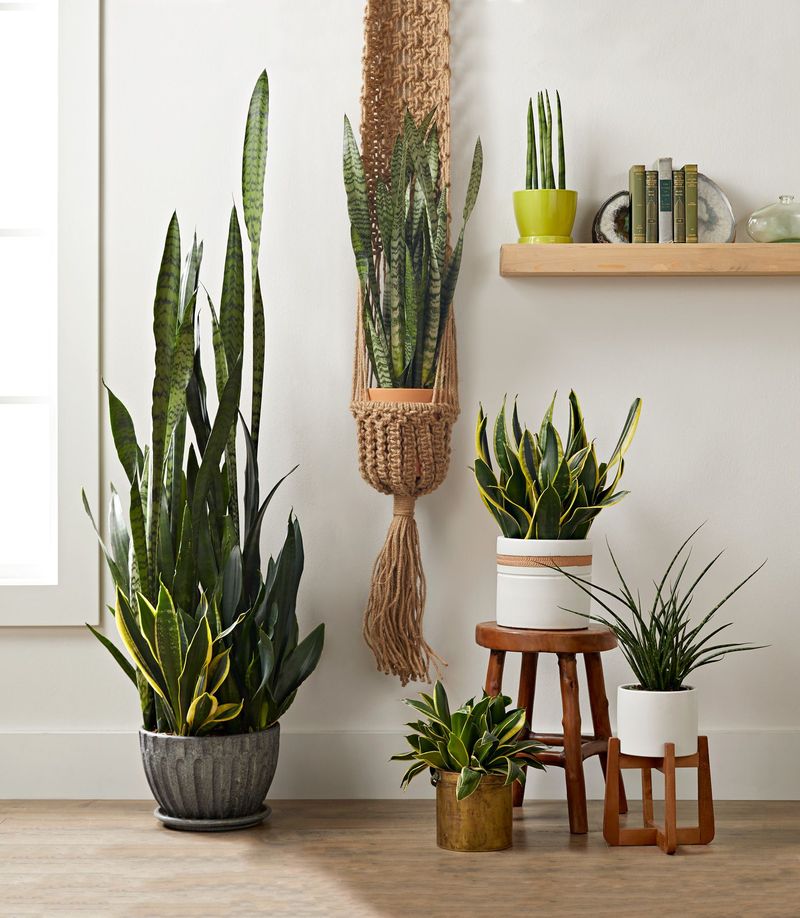
Snake plants, also known as mother-in-law’s tongue, stand tall and unyielding, perfect for neglected corners. Their upright leaves add vertical interest and are nearly indestructible.
These plants are tolerant of low light and irregular watering, making them ideal for busy lifestyles. They also purify the air, enhancing your indoor environment.
Fun fact: NASA’s Clean Air Study found that snake plants are effective at removing toxins like formaldehyde from the air.
8. Liriope
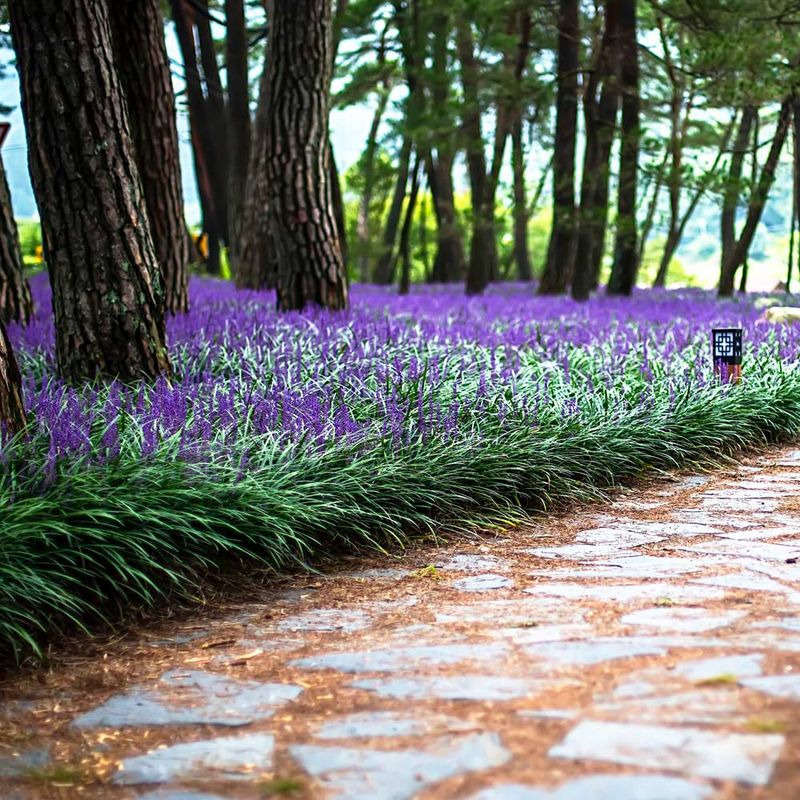
Liriope, often known as lilyturf, is a sturdy ground cover that thrives in both sun and shade. Its grass-like foliage and purple flower spikes add texture and color.
This plant is perfect for edging paths or filling in garden gaps, needing minimal care once established. Its resilience makes it a top choice for those tricky garden spots.
Interesting tidbit: Liriope is a member of the asparagus family, showcasing its hardy nature and adaptability.
9. Ajuga
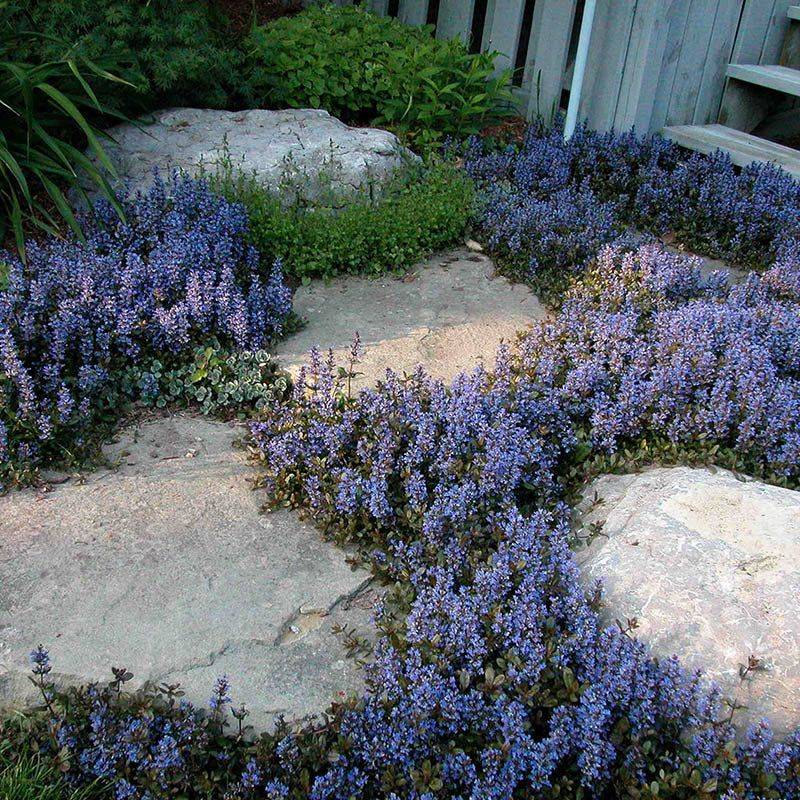
Ajuga, also known as bugleweed, brings a splash of color with its vibrant foliage and blue flower spikes. It’s a fast-spreading ground cover, ideal for shaded areas.
This hardy plant suppresses weeds and needs little care, flourishing in spots where other plants struggle. Ajuga’s adaptability makes it a garden favorite.
Did you know? Ajuga has been used in traditional medicine for its anti-inflammatory properties.
10. Astilbe
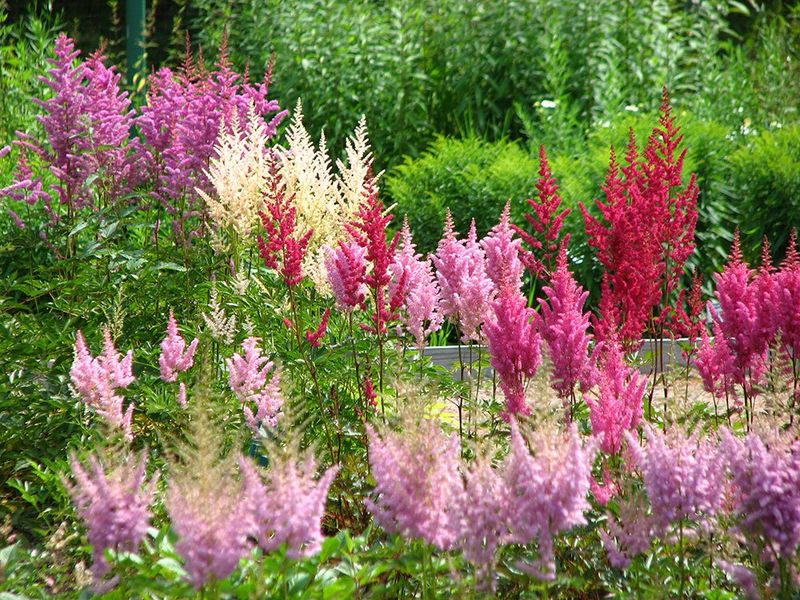
Astilbe adds elegance with its feathery plumes and lush foliage, perfect for shady, moist areas where other plants may falter. These perennials come in a range of colors, including pink, white, and red.
Astilbe is low-maintenance once planted, requiring little more than consistent moisture to thrive. Its beautiful blooms attract butterflies and other pollinators.
Fun fact: Astilbe is native to Asia and North America, and it’s a favorite in shade gardens for its showy flowers and foliage.
11. Coral Bells
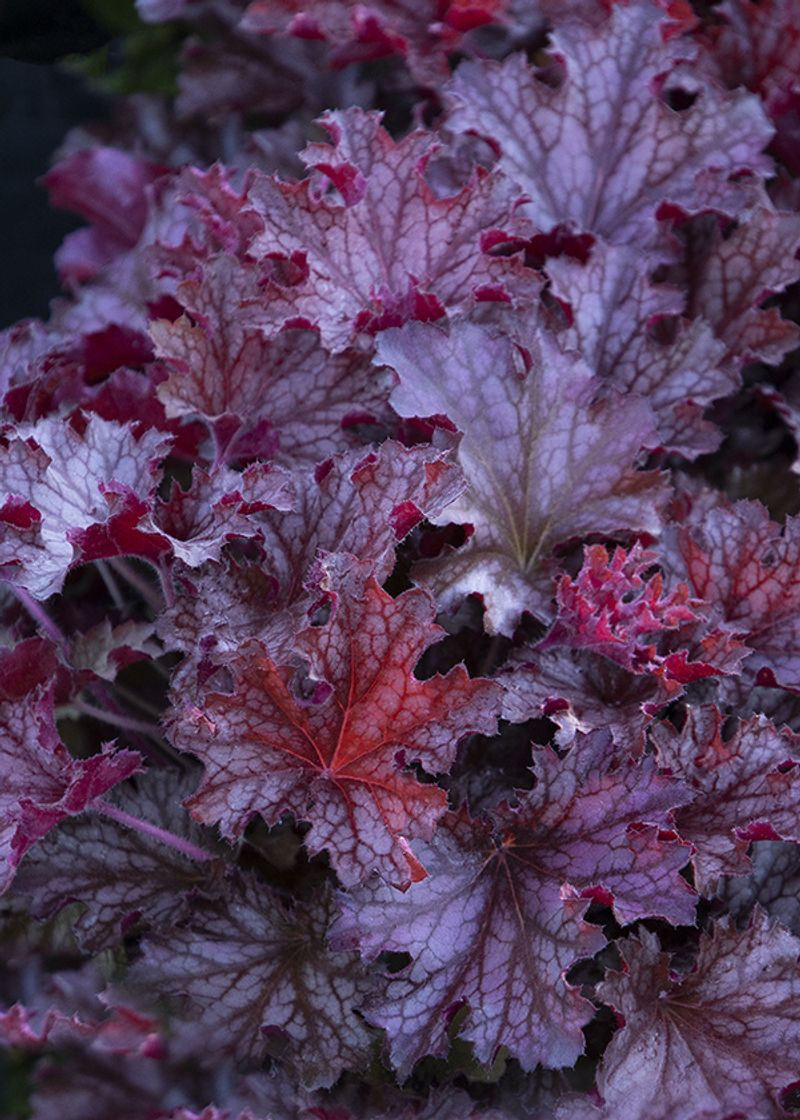
Coral bells, known for their striking foliage, bring vibrant color to any garden. Their leaves come in an array of hues, including purple, bronze, and green, perfect for shaded corners.
These perennials are easy to care for, requiring minimal attention once established. Their delicate flower spikes add a touch of elegance.
Did you know? Coral bells are native to North America and were named after Johann Heinrich von Heuchera, a German physician and botanist.
12. Creeping Jenny
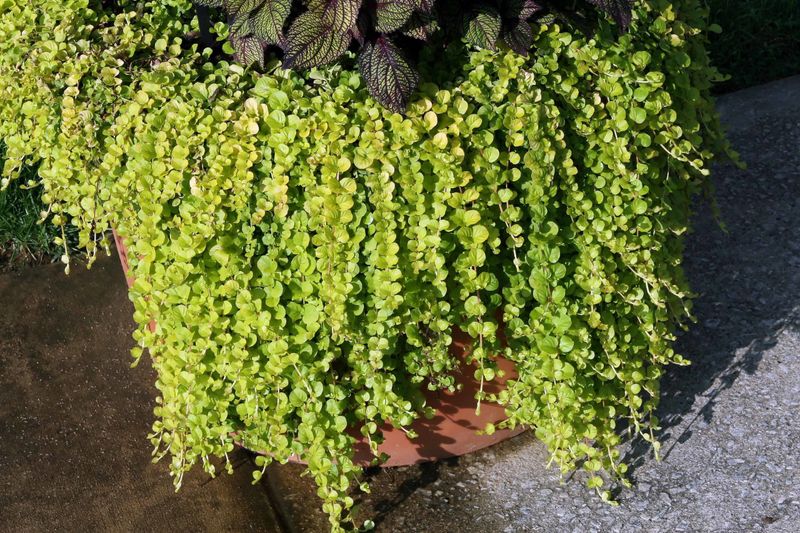
Creeping Jenny, with its golden-green leaves, creates a lush carpet in damp, neglected spots. This ground cover plant is hardy, needing little more than a bit of moisture to thrive.
Its trailing habit makes it excellent for hanging baskets or as a spiller in containers. Creeping Jenny brightens up any area with its cheerful foliage.
Fun fact: Also known as moneywort, Creeping Jenny is native to Europe and has been used in traditional medicine for various ailments.
13. Lamb’s Ear
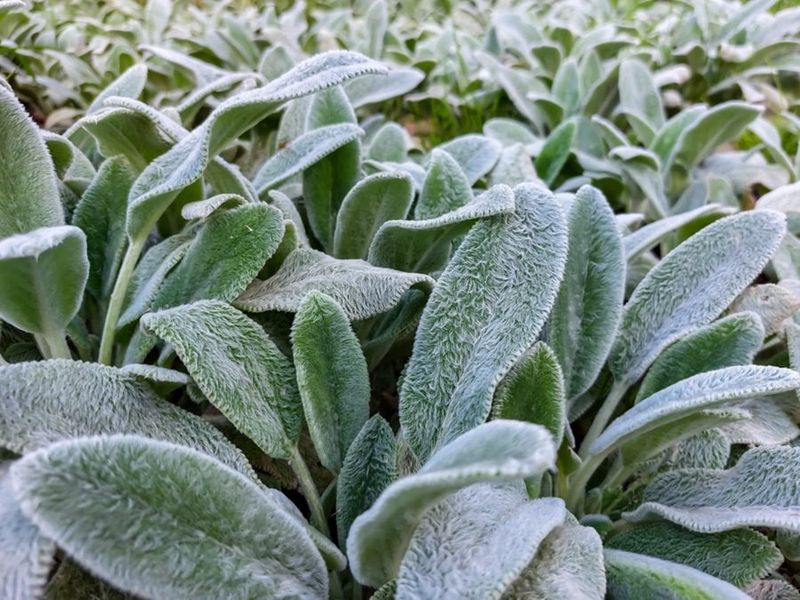
With its silvery, velvety leaves, lamb’s ear is like a whisper of softness in any garden. This plant thrives in sunny spots, even those lacking regular care.
Low-maintenance and drought-tolerant, lamb’s ear adds a unique texture to garden beds and borders. Its subtle presence is both soothing and intriguing.
Interesting tidbit: Lamb’s ear is named for its woolly leaves, which resemble the ears of a lamb, and is native to Turkey and Iran.
14. Japanese Forest Grass
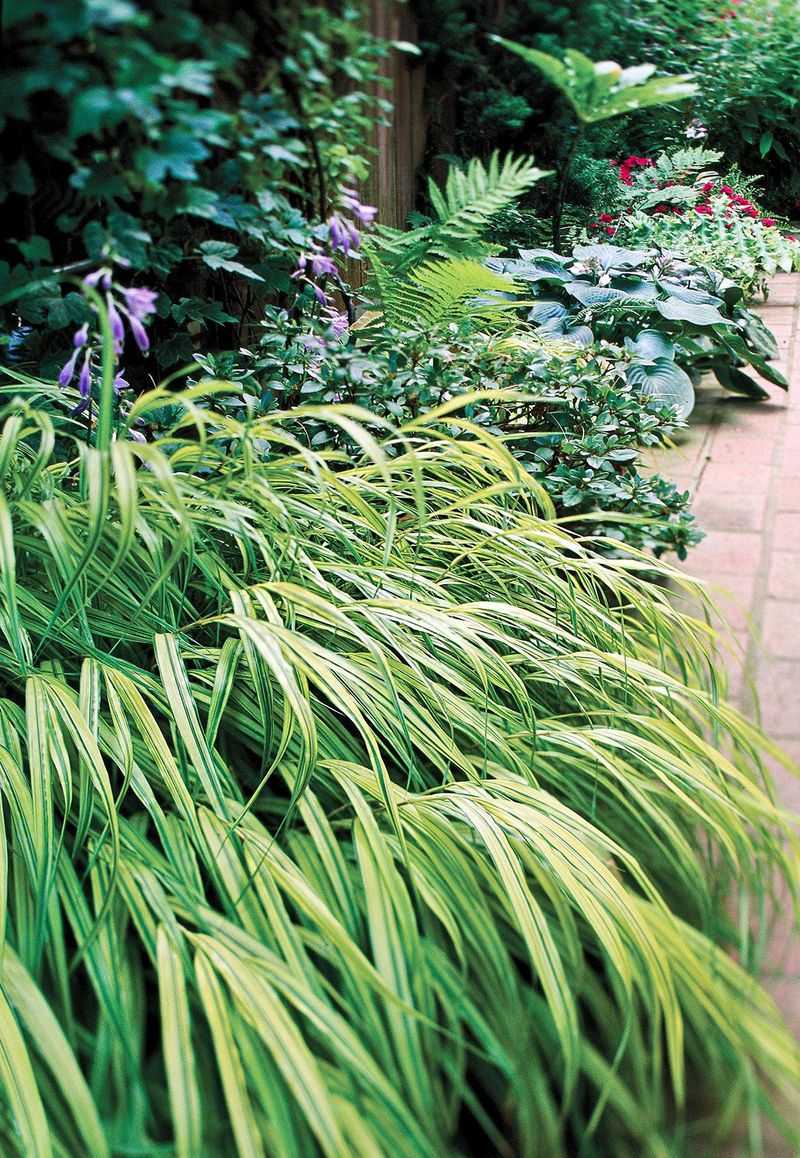
Japanese forest grass adds a touch of the exotic with its graceful, arching blades. Ideal for shaded areas, it brings movement and texture to your garden.
This ornamental grass is low-maintenance, requiring minimal care once established. Its golden-green foliage brightens up dark corners with elegance.
Fun fact: Known as Hakonechloa, this grass is native to the mountains of Japan and is revered for its beauty and form.
15. Sweet Woodruff
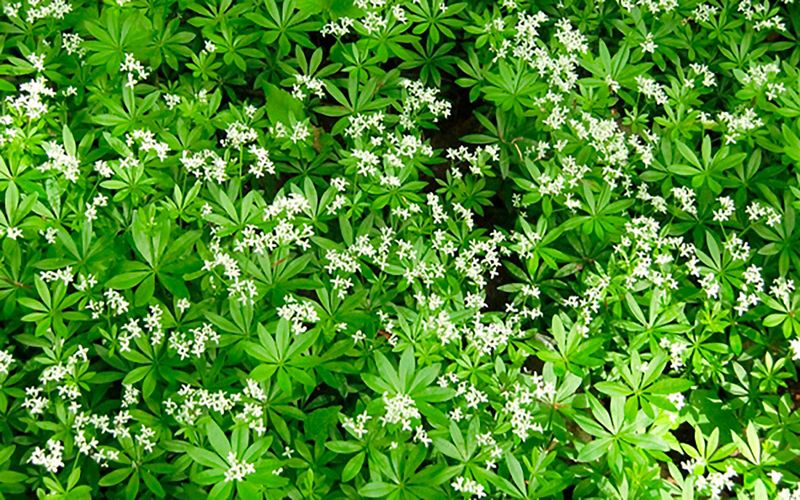
Sweet woodruff is a fragrant ground cover that thrives in shaded, woodland settings. Its delicate white flowers and whorled leaves create a soft, inviting carpet.
This plant is perfect for areas under trees or along shaded paths, requiring little more than occasional moisture. Its sweet scent is a bonus.
Did you know? Sweet woodruff has been used in traditional German May wine and for its aromatic properties in sachets and potpourris.
16. Foxglove
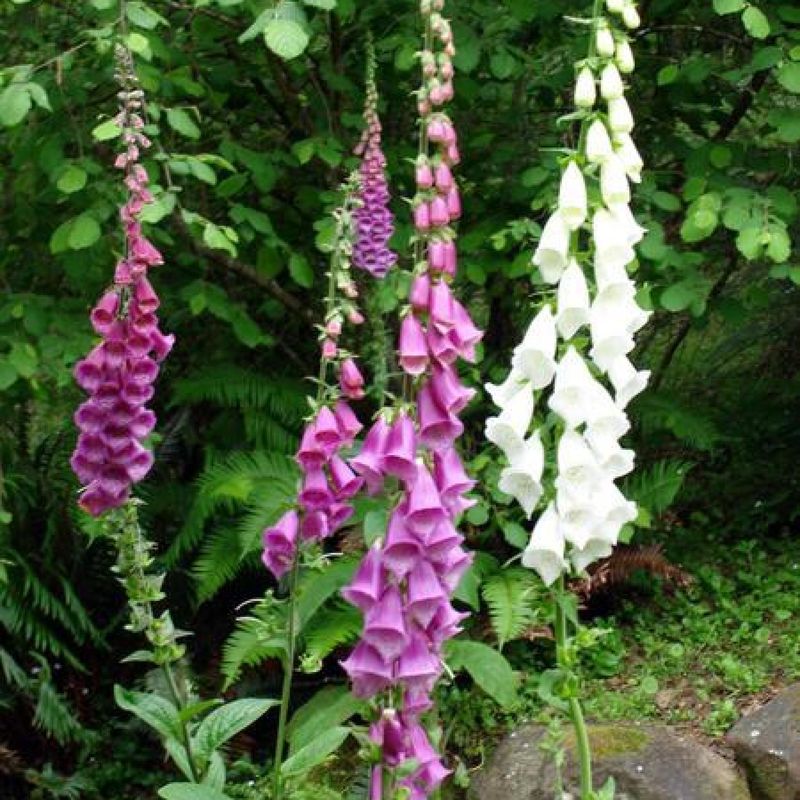
In the shadowy corners of your yard, foxgloves stand tall with elegance. Their tubular blossoms, in shades of pink, purple, and white, sway like gentle bells in the breeze. These biennials bring a touch of the wild to cultivated gardens, thriving where other plants shy away.
Foxgloves not only add height and drama but also attract hummingbirds, infusing life into overlooked spaces. Historically, they were linked to folklore as homes for fairies. Although caution is advised due to their toxicity, their beauty is undeniably enchanting.
A sprinkle of foxgloves can effortlessly transform a dull corner into a magical retreat.