 Complete Gardening
Gardening enthusiasts often gravitate towards perennials for their enduring beauty and low maintenance. However, not all perennials are garden-friendly, despite their appealing looks. Some are invasive, toxic, or just plain troublesome, making them less than ideal for your green space. In this guide, we explore 16 popular perennials that are best avoided, offering alternative plant suggestions for each. By making informed choices, you can cultivate a garden that is both beautiful and manageable, supporting local ecosystems rather than hindering them.
1. Mint
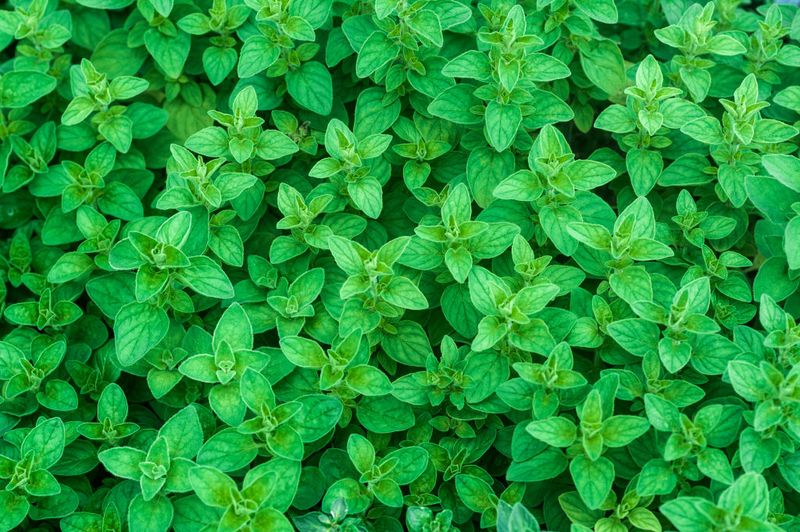
Mint, with its invigorating scent, can quickly become a gardener’s nightmare. This herb spreads aggressively through underground runners, invading gardens and choking out other plants. Its vigorous nature makes it hard to control, often requiring drastic measures to eradicate. For those seeking fragrant foliage without the hassle, lemon balm offers a pleasant alternative. It provides a similar aroma but lacks mint’s invasive tendencies. Choosing lemon balm can save your garden from becoming an unchecked mint thicket, ensuring a harmonious green space without relentless growth battles.
2. English Ivy
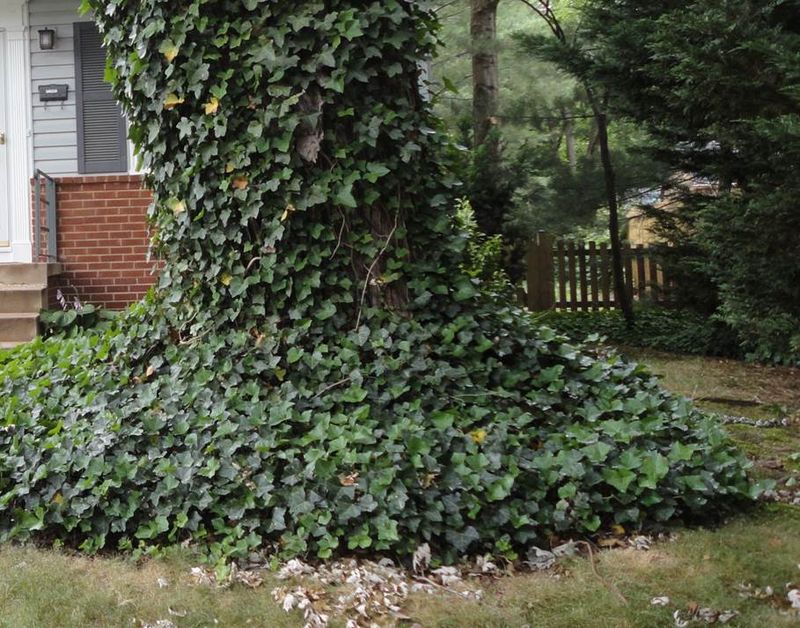
English ivy may conjure images of elegant, ivy-covered walls, but its impact is anything but charming. This perennial can be destructive to structures, trees, and native ecosystems, often proving nearly impossible to fully remove. Its clinging nature can damage buildings and smother trees, leading to long-term ecological harm. For a less damaging alternative, consider Virginia creeper. This native plant not only offers stunning fall colors but also respects its surroundings, providing beauty without the destruction. Choosing Virginia creeper can preserve both aesthetics and nature’s balance.
3. Lily of the Valley
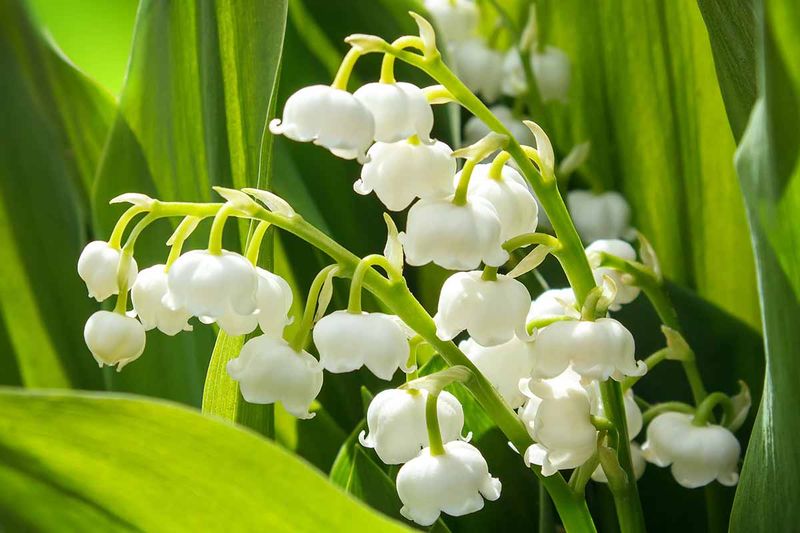
Lily of the Valley, with its delicate bell-shaped flowers, hides a more sinister side. This plant is toxic to pets and children, posing a serious risk if ingested. Additionally, it spreads uncontrollably, making it difficult to eradicate once established. Foamflower (Tiarella) offers a safer alternative with similar delicate blooms, while behaving well in garden settings. By opting for foamflower, gardeners can enjoy comparable visual appeal without the accompanying hazards. Prioritizing safety and manageability ensures a garden that’s both beautiful and family-friendly.
4. Purple Loosestrife
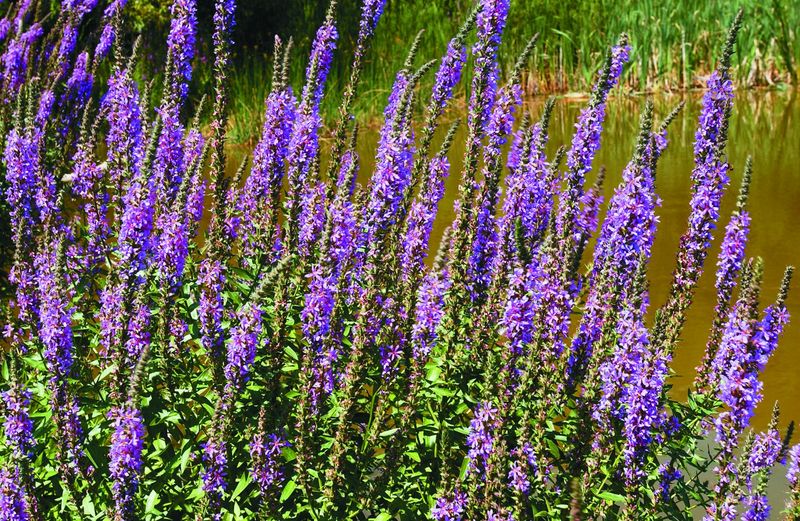
Purple loosestrife, with its striking purple spikes, is more than just a visual delight; it’s a wetland menace. Banned in many states, it chokes wetlands and crowds out native plants, threatening biodiversity. Its ability to dominate natural habitats makes it a poor choice for eco-conscious gardeners. Liatris, or Blazing Star, provides a pollinator-friendly alternative, offering tall purple spikes without the ecological drawbacks. Choosing Liatris supports local wildlife and maintains biodiversity, allowing gardeners to enjoy vibrant blooms while safeguarding natural ecosystems.
5. Japanese Barberry
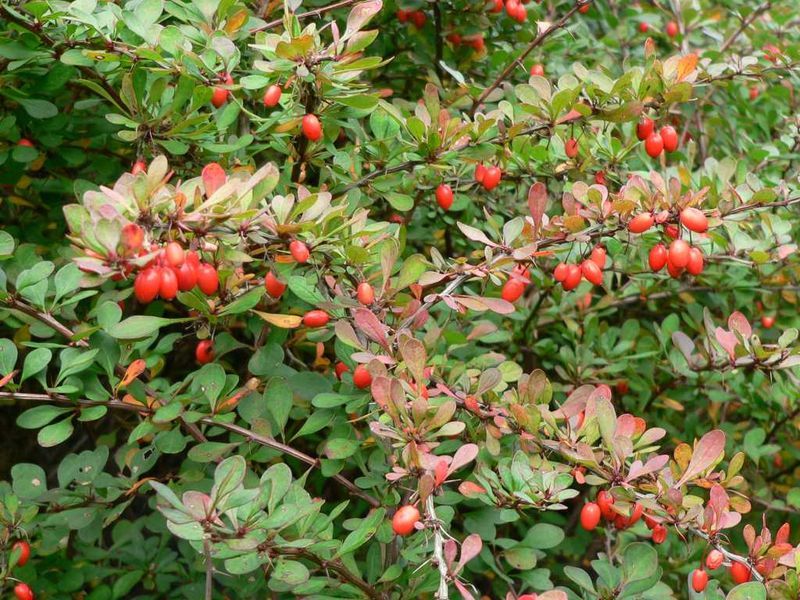
Japanese Barberry might offer appealing foliage, but its impact on the environment is far from positive. This invasive shrub harbors ticks and outcompetes native plants, disrupting local ecosystems. Its presence can lead to increased tick populations, posing health risks to humans and animals. For a similar aesthetic without the ecological damage, consider Ninebark (Physocarpus). This native shrub supports wildlife and offers attractive foliage, harmonizing with its surroundings. Opting for Ninebark can protect your garden’s ecological balance while enhancing its visual appeal.
6. Butterfly Bush (Buddleia)
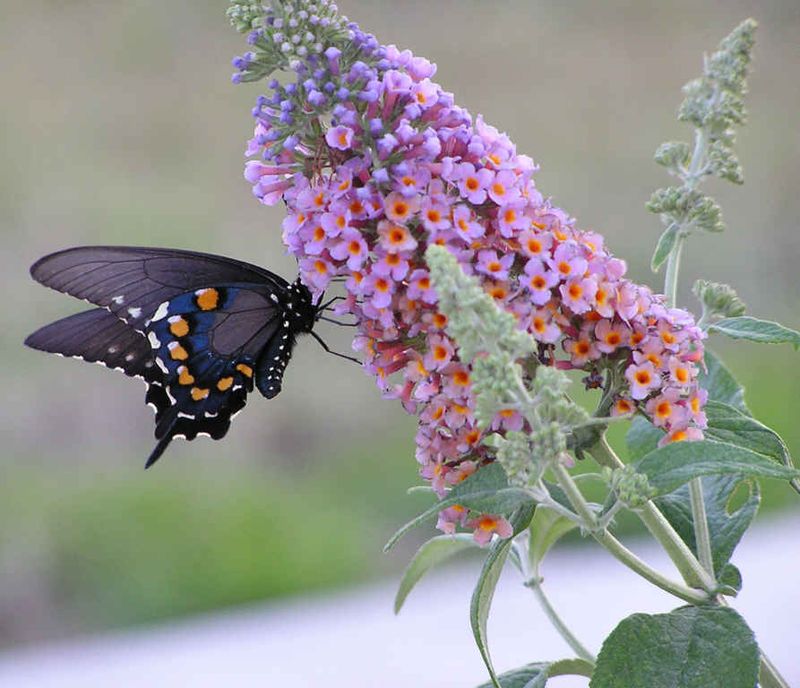
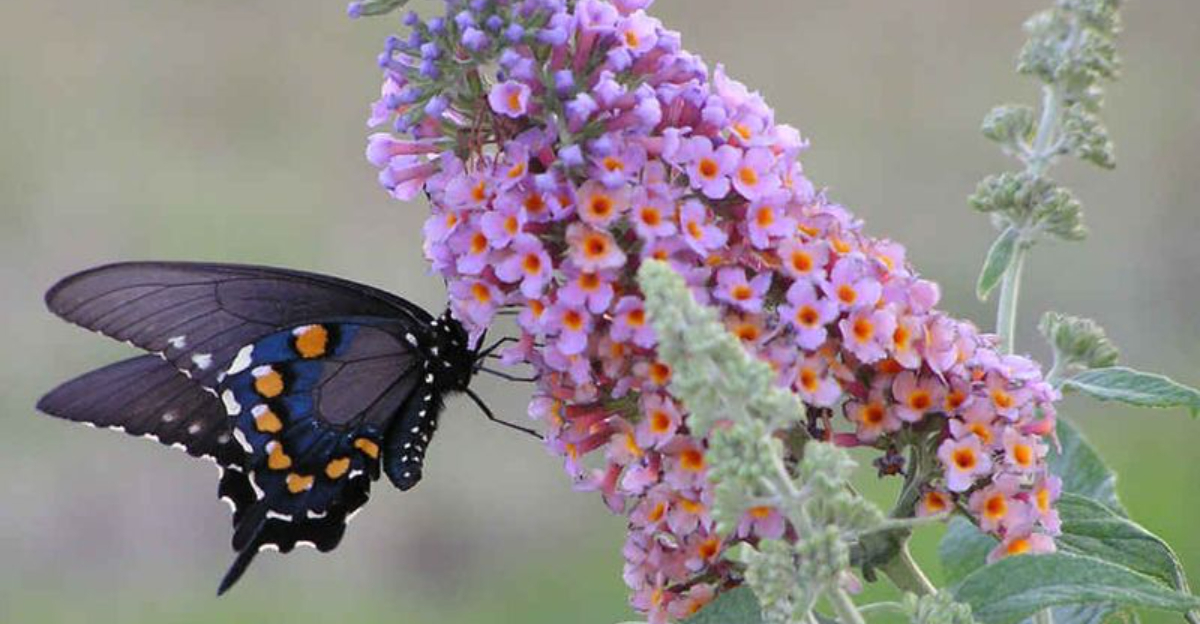
Butterfly Bush, despite its name, doesn’t always support these winged beauties long-term. Some varieties are invasive and fail to provide necessary larval hosting, misleading gardeners seeking to support butterflies. Native milkweed or Joe-Pye Weed offer better alternatives, supporting butterflies through all life stages. By choosing these native plants, gardeners can genuinely contribute to butterfly conservation, ensuring a vibrant and sustainable environment for these pollinators. Embracing native options fosters biodiversity and creates a haven for butterflies in all their life phases.
7. Creeping Jenny (Lysimachia nummularia)
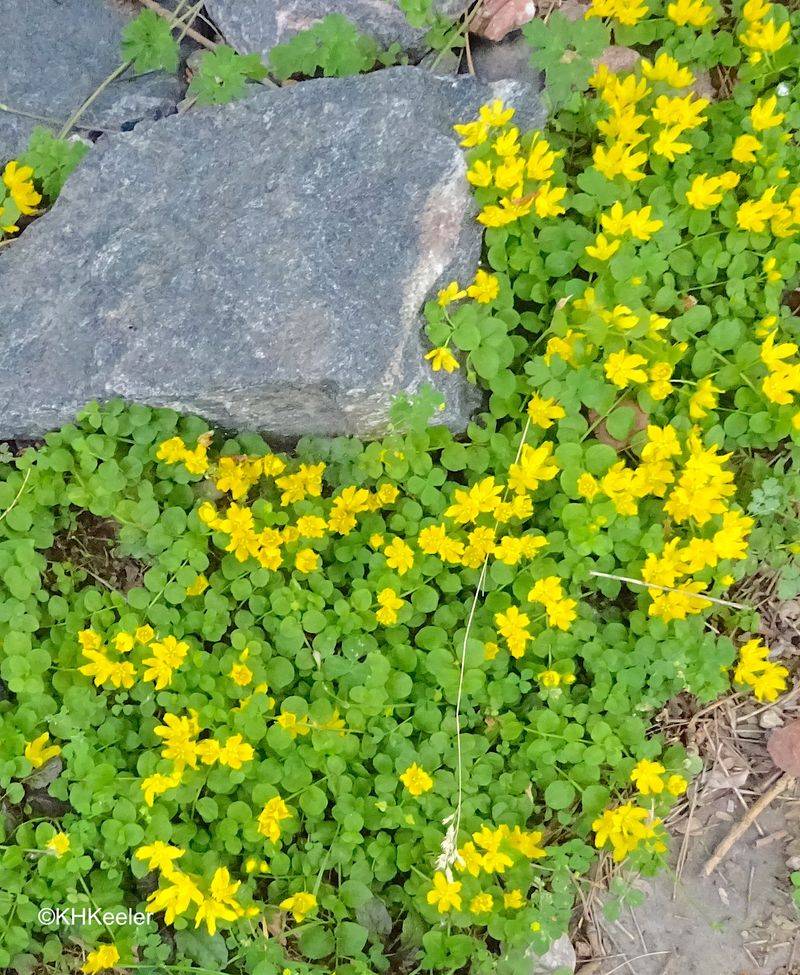
Creeping Jenny, though lovely, can quickly turn into an unwelcome guest. This aggressive groundcover smothers everything in its path, overtaking gardens with ease. Its rapid spread can choke out other plants, leaving little room for diversity. Creeping thyme presents a more manageable alternative, staying put while offering drought-tolerance and fragrance. By selecting creeping thyme, gardeners maintain control over their green spaces, enjoying the perks of groundcover without the invasive aftermath. This choice encourages a harmonious and fragrant garden environment.
8. Ranunculus (Persian Buttercup)
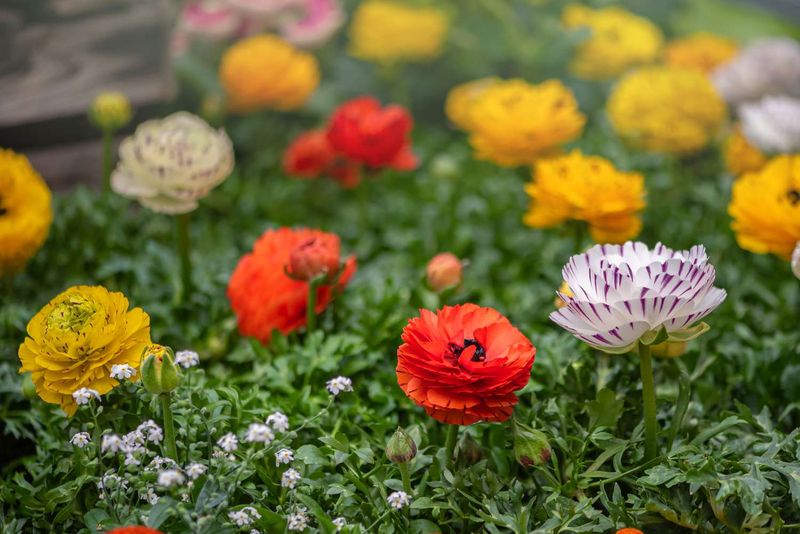
Ranunculus, also known as Persian Buttercup, may dazzle with its vibrant blooms, but its demands can outstrip its rewards. Short-lived and fussy about drainage, it often fails to return reliably, leaving gardeners frustrated. Peonies, on the other hand, are long-lived and low-maintenance, providing showy blooms without the hassle. Choosing peonies ensures a garden filled with lasting beauty and minimal fuss, delighting gardeners with their reliability and grace. This alternative brings both elegance and ease, enhancing any garden with timeless charm.
9. Chinese Wisteria
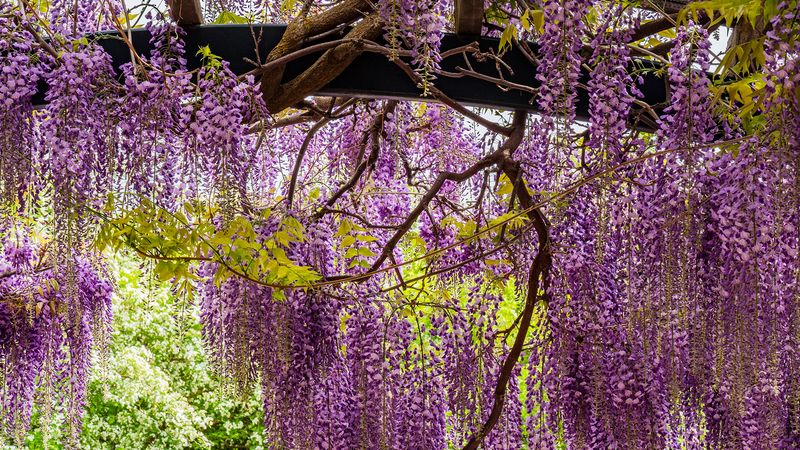
Chinese Wisteria’s cascading blooms might enchant, but their behavior is less enchanting. These vines can be destructive, crushing trees and buildings while proving nearly impossible to control. American Wisteria (Wisteria frutescens) offers a less aggressive, native alternative, bringing beauty without destruction. By opting for American Wisteria, gardeners preserve their landscapes while still enjoying lush, fragrant blooms. This choice supports native ecosystems and ensures that structures and trees remain unharmed by unchecked growth. It’s a decision that marries beauty with responsibility.
10. Ribbon Grass (Phalaris arundinacea)
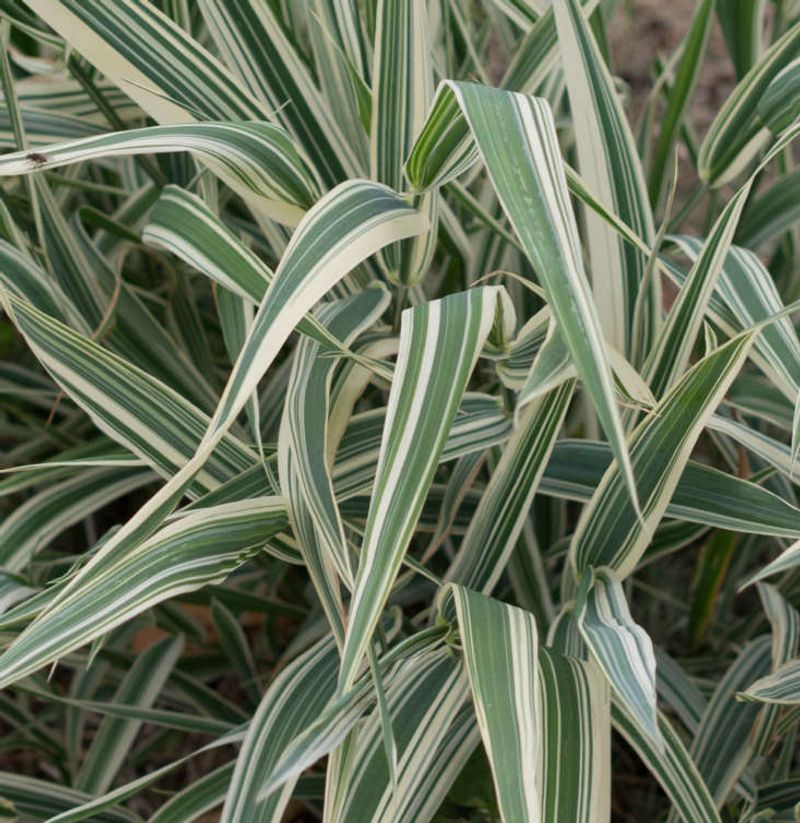
Ribbon Grass, with its variegated leaves, may seem a gardener’s delight, but it behaves more like a menace. Its tendency to spread like wildfire into lawns and natural areas disrupts harmony and order. Variegated sedge (Carex) presents a clump-forming, non-invasive alternative, offering aesthetic appeal without the rampant spread. By choosing variegated sedge, gardeners maintain the integrity of their lawns and gardens, enjoying visual interest without the chaos. This alternative provides structure and beauty, keeping green spaces orderly and appealing.
11. Tansy
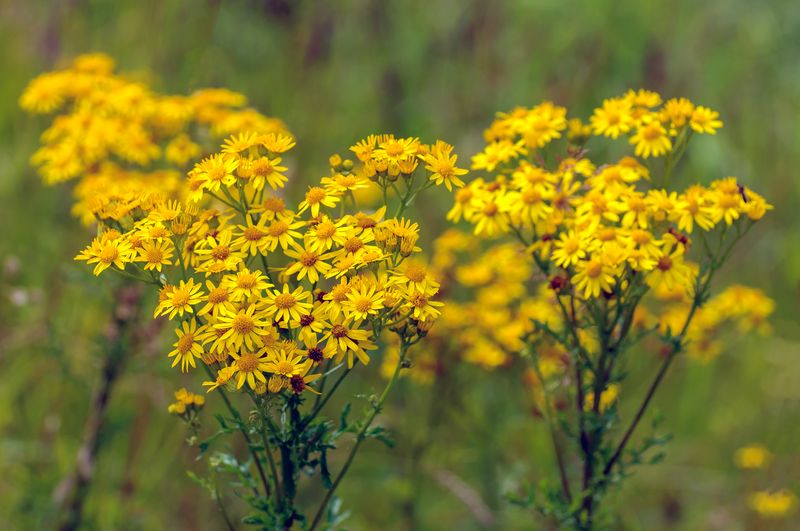
Tansy, with its button-like blooms, hides a toxic secret. It’s harmful to livestock and can spread aggressively, posing risks to both animals and pollinators. For a safer, more environmentally friendly option, consider Goldenrod (Solidago). This native plant supports bees and butterflies, offering vibrant yellow blooms without the toxicity. Choosing Goldenrod enriches gardens with color and sustenance, fostering a thriving ecosystem. By prioritizing safe and beneficial plants, gardeners create spaces that support wildlife and maintain ecological balance.
12. Russian Sage
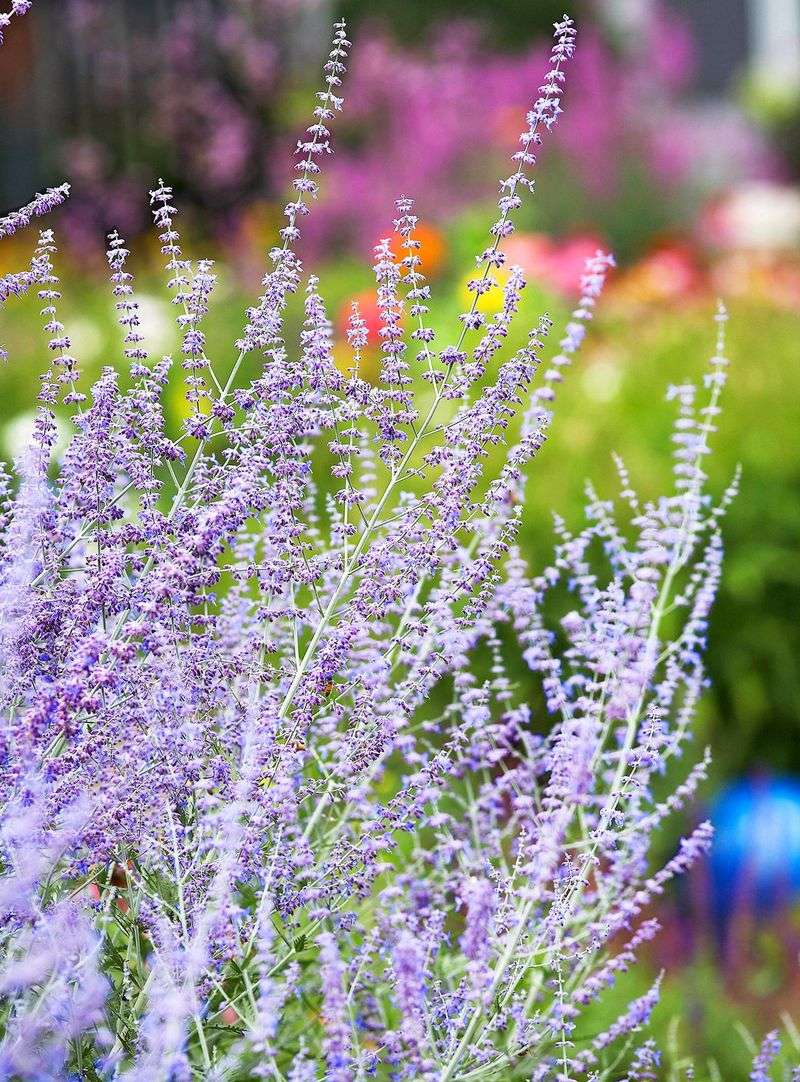
Russian Sage, despite its elegant appearance, often disappoints with its floppy stems and self-sowing tendencies in dry climates. Its unruly nature can lead to a lackluster garden experience. Catmint (Nepeta) offers a more behaved alternative, presenting a similar look without the headaches. This plant maintains structure and beauty, delighting gardeners with its ease of care. By opting for Catmint, gardeners enjoy a garden that remains attractive and manageable, supporting a peaceful and orderly green space. This choice balances aesthetics with practicality.
13. Obedient Plant (Physostegia)
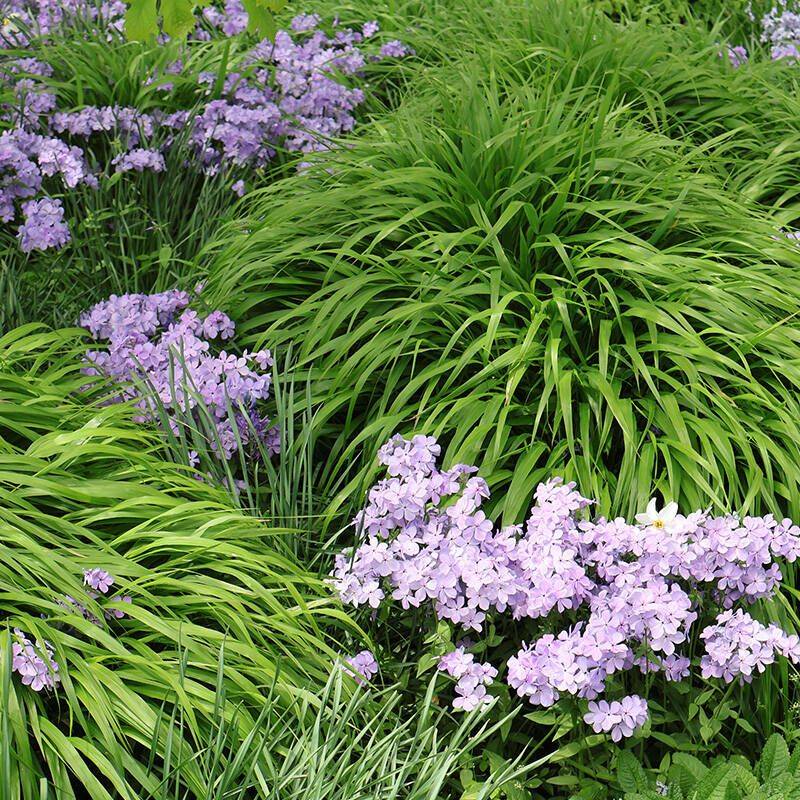
Obedient Plant, ironically, is anything but obedient. It spreads rapidly by rhizomes, defying control and overwhelming gardens. Its unruly behavior can lead to frustration for those seeking a tidy landscape. Salvia (Perennial Sage) offers a more reliable alternative, acting as a pollinator magnet without the invasive tendencies. Choosing Salvia ensures a garden filled with vibrant blooms and buzzing life, all while maintaining order. This alternative provides a harmonious balance, enriching gardens with both beauty and biodiversity. It’s a sensible yet stunning choice.
14. Gooseneck Loosestrife
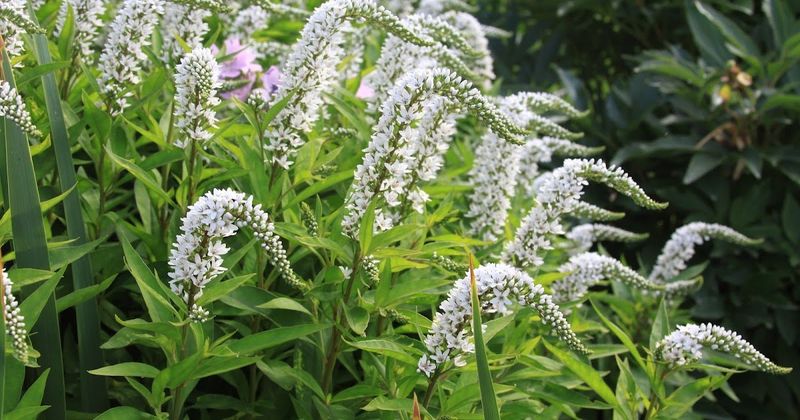
Gooseneck Loosestrife, with its distinctive arching stems, can quickly become a garden bully. This aggressive spreader thrives in moist soils, often outcompeting more desirable plants. Astilbe provides a gentler alternative, sharing a love for shade and water without the invasiveness. By choosing Astilbe, gardeners maintain control while enjoying delicate, feathery blooms. This plant’s well-mannered nature allows for a balanced and beautiful garden environment, offering elegance without the aggressive spread. It’s a choice that supports both aesthetics and garden harmony.
15. Mexican Feather Grass
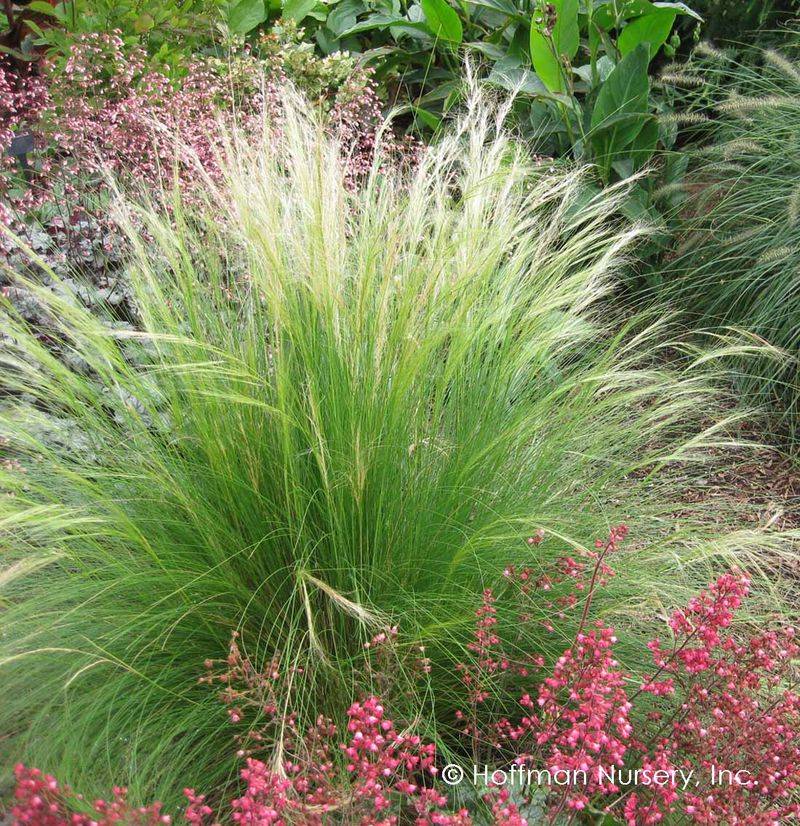
Mexican Feather Grass, with its wispy elegance, can turn invasive in warm climates. Its self-sowing nature allows it to spread unchecked, often overtaking gardens. Blue Fescue Grass offers a more controlled alternative, forming neat clumps that are drought-tolerant and visually appealing. By opting for Blue Fescue, gardeners enjoy the grace of ornamental grass without the invasion. This choice preserves garden aesthetics while preventing the chaos of uncontrolled spread. It’s a decision that values both beauty and order in the landscape.
16. Daylilies (Wild Orange Types)
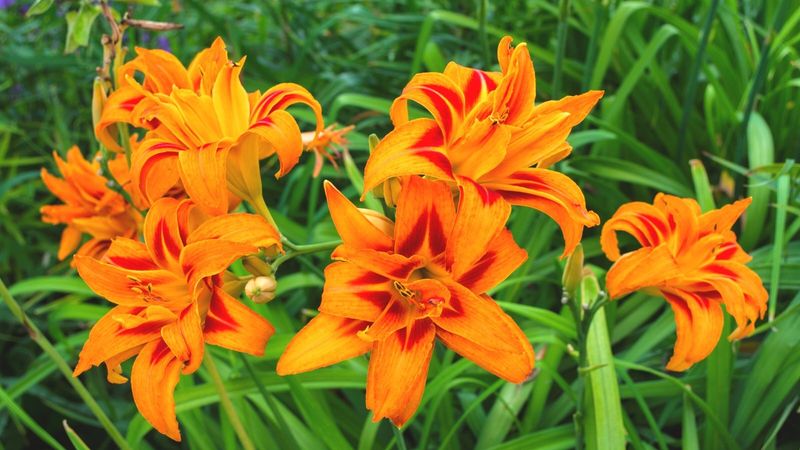
Wild orange daylilies, while beautiful, can behave like garden invaders. Their tendency to spread like weeds means they often crowd out other plants, disrupting garden diversity. Re-blooming daylilies, cultivated varieties, provide a less aggressive option, offering the same vibrant color without the invasive spread. These sterile varieties allow for controlled growth, ensuring a harmonious and colorful garden. Choosing re-blooming daylilies fosters a balanced environment, maintaining plant diversity and visual appeal. It’s a thoughtful choice for gardeners seeking beauty without compromise.