 Complete Gardening
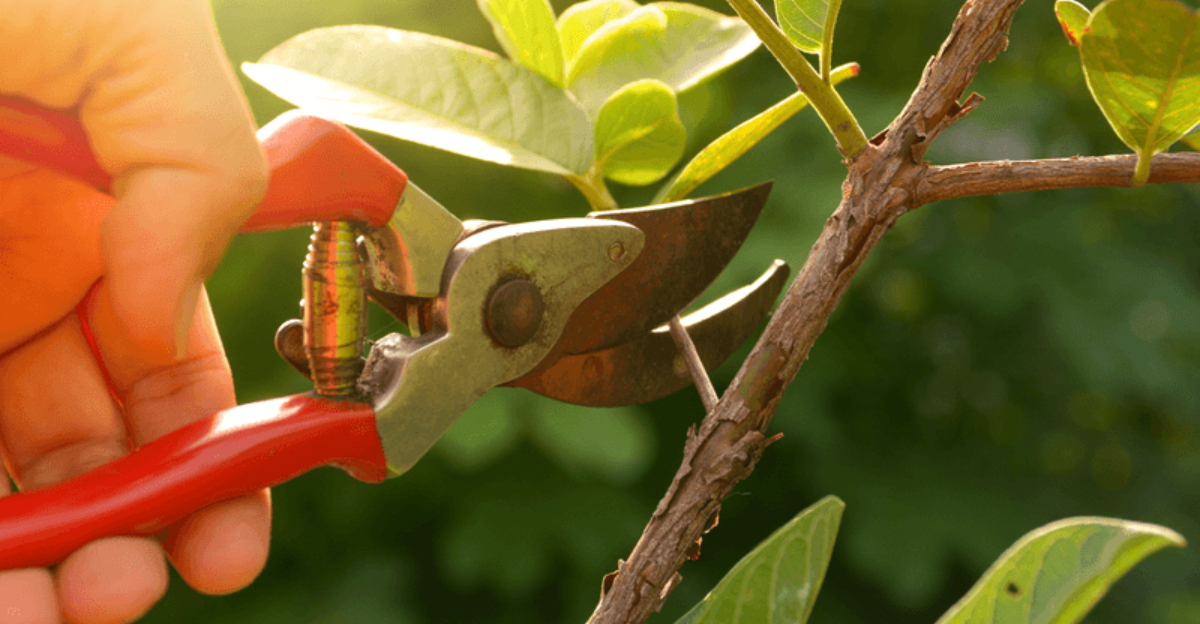
Fruit trees dropping their fruit prematurely can be frustrating for any gardener. Understanding the reasons behind this phenomenon is essential to ensure a healthy and bountiful harvest. Below are 16 common reasons your fruit trees may be dropping fruit, along with practical solutions to help you achieve larger and more plentiful harvests.
1. Insufficient Pollination
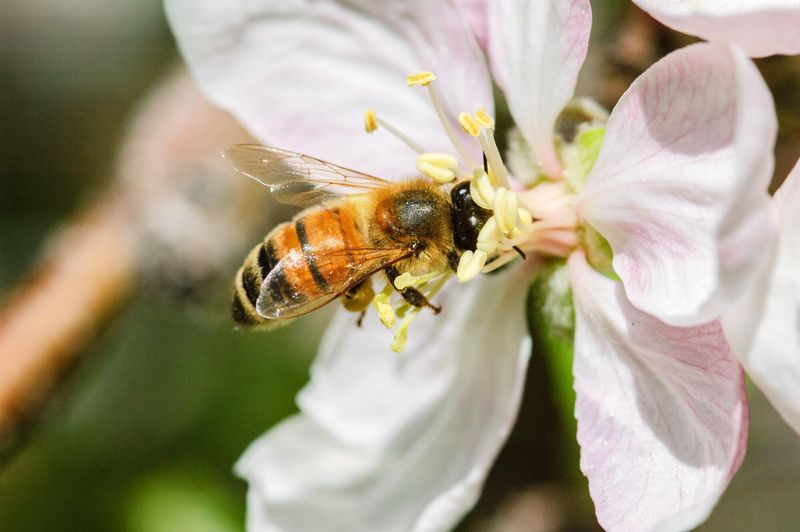
Inadequate pollination is a frequent cause of fruit drop. When flowers aren’t effectively pollinated, trees shed the fruit early. Encourage beneficial pollinators like bees by planting a variety of flowers nearby. Bee-friendly gardening practices significantly enhance pollination rates.
Consider hand-pollinating if bee activity is low. Use a small brush to transfer pollen between flowers. This technique is especially useful for isolated or indoor fruit trees. Strong pollination leads to healthy fruit development and less drop.
Did you know? Planting more than one tree of the same species increases cross-pollination chances, boosting fruit yield.
2. Water Stress
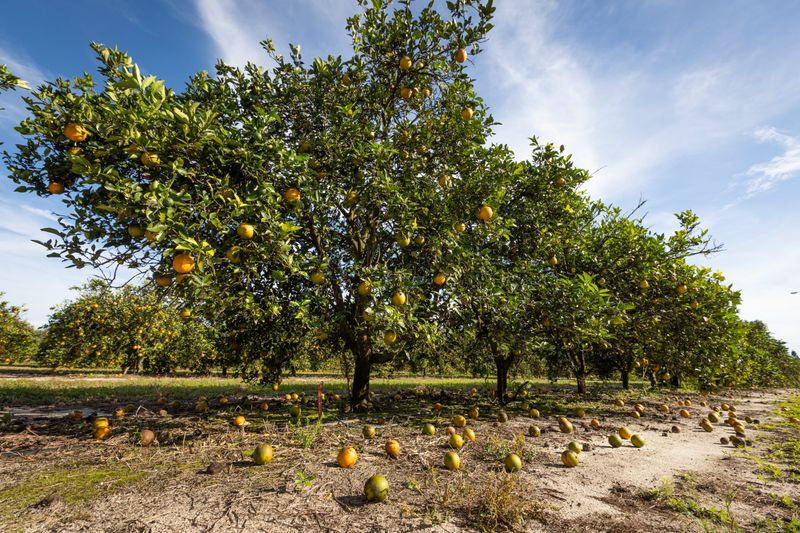
Water stress, either from overwatering or drought, causes fruit trees to drop fruit. Trees under water stress prioritize survival over fruit production. Ensure consistent watering to prevent stress.
Monitor soil moisture levels closely. Use mulch to retain soil moisture and regulate temperature. Avoid waterlogging by ensuring good drainage. Adjust watering routines based on weather conditions.
Interestingly, some drought-tolerant tree species develop deeper roots, making them more resilient to water stress. Regular observation helps maintain optimal tree health and maximize fruit retention.
3. Nutrient Deficiency
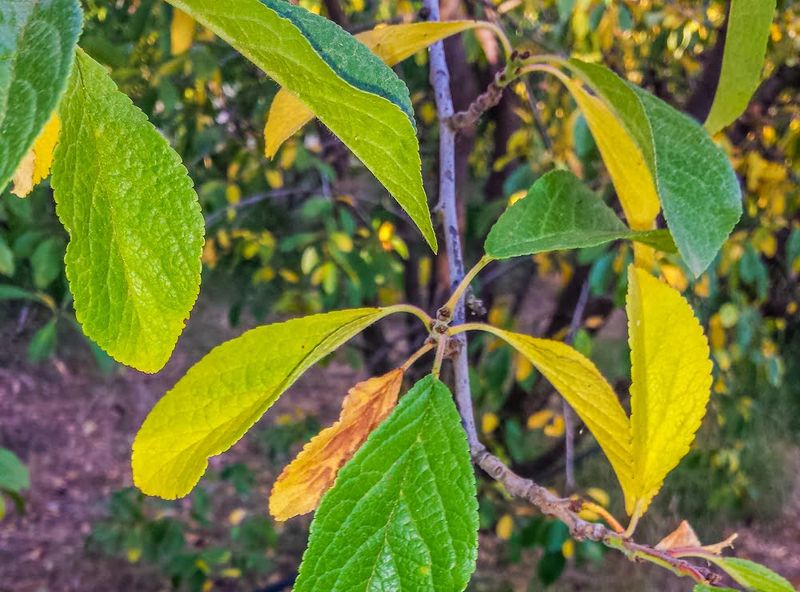
Nutrient deficiencies manifest in yellowing leaves and poor fruit development. Essential nutrients, like nitrogen, phosphorus, and potassium, contribute to healthy fruit production.
Conduct soil tests to identify lacking nutrients. Apply appropriate fertilizers, focusing on nutrient balance. Compost and organic matter improve soil fertility naturally.
Interestingly, over-fertilization can be as harmful as deficiencies. Excessive nutrient levels may lead to rapid growth but poor fruit quality. Consistent monitoring ensures trees receive the right nutrition for optimal fruiting and retention.
4. Pest Infestation
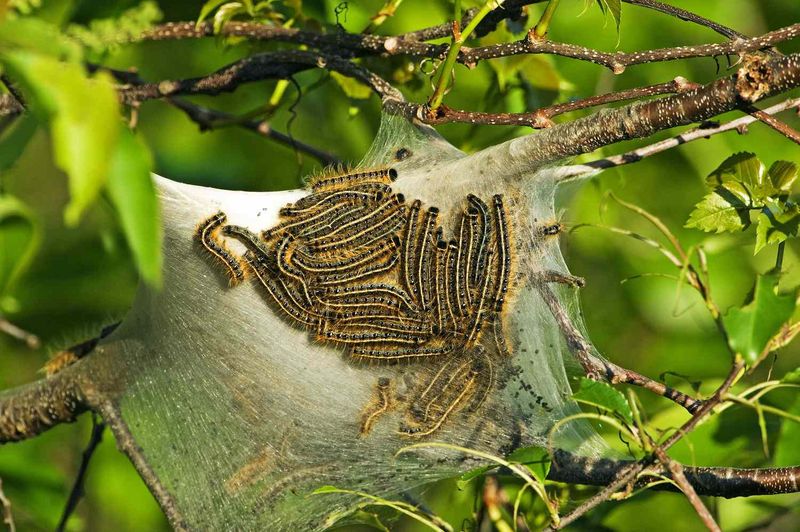
Pests like caterpillars and aphids damage fruit trees, leading to fruit drop. They weaken trees by feeding on leaves and fruits, disrupting growth.
Implement integrated pest management strategies. Introduce natural predators, like ladybugs, to control aphid populations. Regularly inspect trees for pest presence and use organic insecticides when necessary.
Fascinatingly, certain companion plants repel pests naturally. For example, marigolds deter nematodes and aphids. Embracing biodiversity within the garden reduces pest problems, promoting healthier fruit trees.
5. Poor Weather Conditions
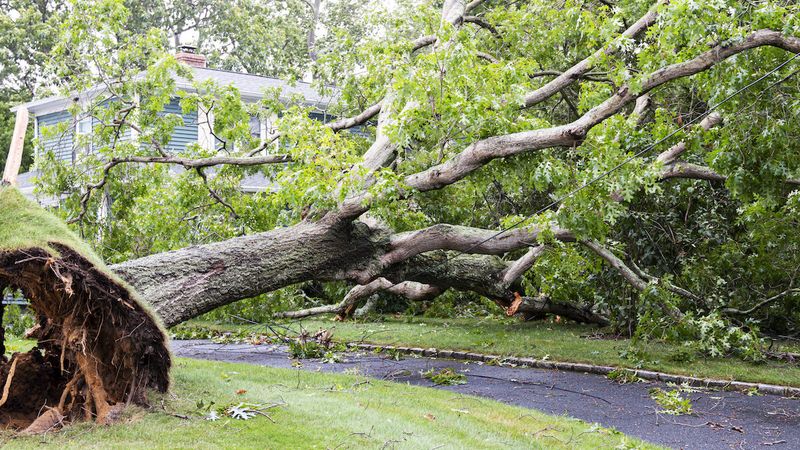
Adverse weather, such as storms or frost, can cause fruit drop. Poor weather stresses trees, disrupting fruit development and retention.
Protect trees using windbreaks and frost covers. Plant trees in locations with natural shelter from harsh weather conditions. Consider using anti-transpirants to reduce water loss during extreme weather.
Did you know? Some ancient cultures used stone walls to protect orchards from harsh winds. Understanding your local climate helps in planning and protecting your fruit trees for better harvests.
6. Disease
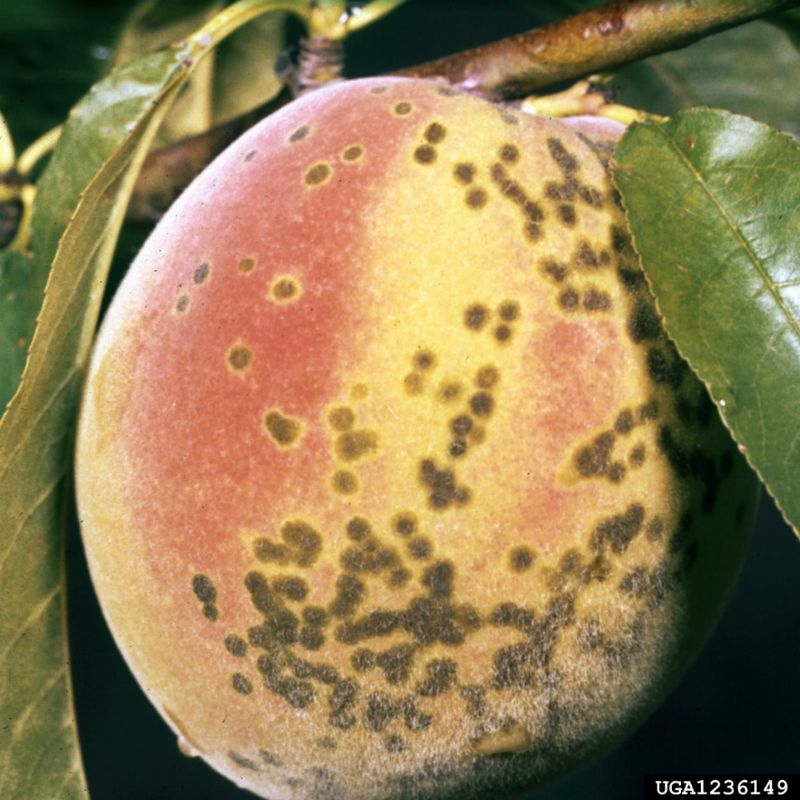
Diseases like fungal infections or bacterial blights affect tree health, leading to fruit drop. Infected trees are unable to support developing fruits.
Regularly inspect trees for disease symptoms. Prune affected areas and apply fungicides as needed. Ensure good air circulation around trees to discourage disease spread.
Interestingly, some fruit tree varieties have natural resistance to specific diseases. Planting resistant varieties can reduce disease incidence, ensuring healthier and more productive trees.
7. Improper Pruning
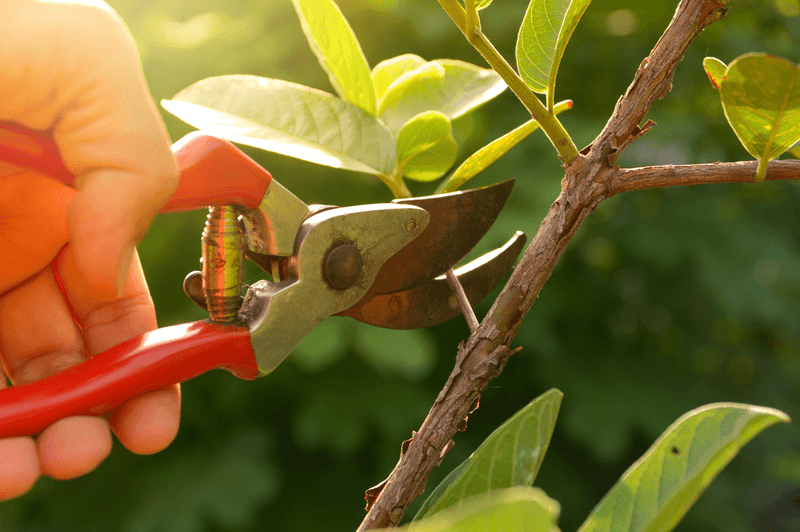
Improper pruning weakens fruit trees, causing stress and fruit drop. Incorrectly cut branches disrupt nutrients and energy flow.
Learn proper pruning techniques specific to each fruit tree type. Prune during the correct season to encourage healthy growth. Remove dead or crossing branches to improve tree structure.
A fun fact: Ancient Romans practiced tree pruning to boost fruit production. Today, proper pruning remains vital in achieving healthy, bountiful harvests.
8. Overbearing
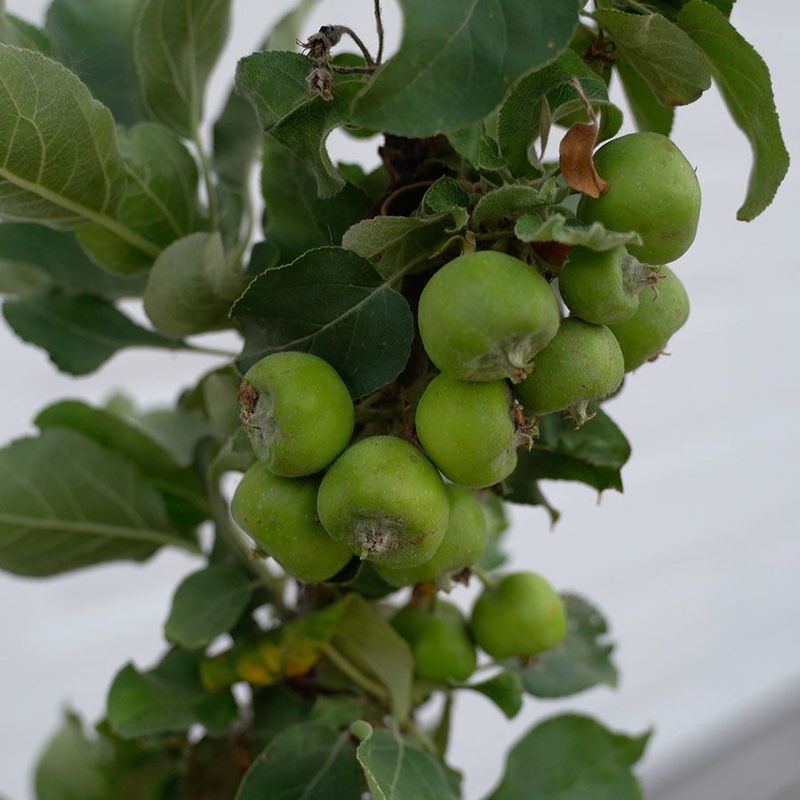
When a tree bears too many fruits, it cannot support them all, resulting in fruit drop. Overbearing leads to small, less flavorful fruits.
Thin excess fruits early in the season to reduce stress. This practice allows the remaining fruits to grow larger and tastier. Proper thinning ensures better fruit quality and tree health.
Some traditional orchardists believed in meticulous thinning to achieve the perfect balance of quantity and quality. Emulating this practice enhances your harvest’s overall success.
9. Age of the Tree
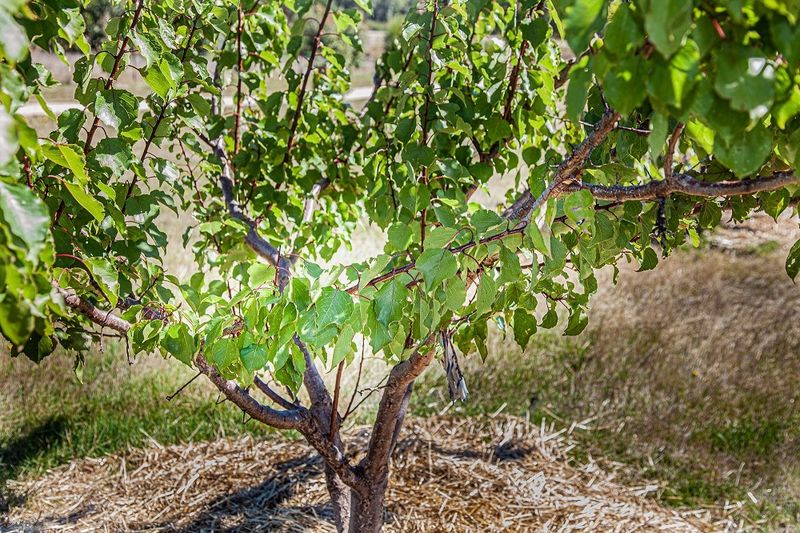
Young trees often drop fruit as they mature. Their energy focuses on growth rather than fruit production. Patience is key with young trees.
Provide balanced nutrients to support healthy development. Encourage strong root systems through proper watering and fertilization. Healthier young trees produce better fruit as they age.
Did you know? Some trees take several years before reliably producing fruit. Understanding your tree’s age and growth patterns helps align expectations with reality.
10. Chemical Spray Damage
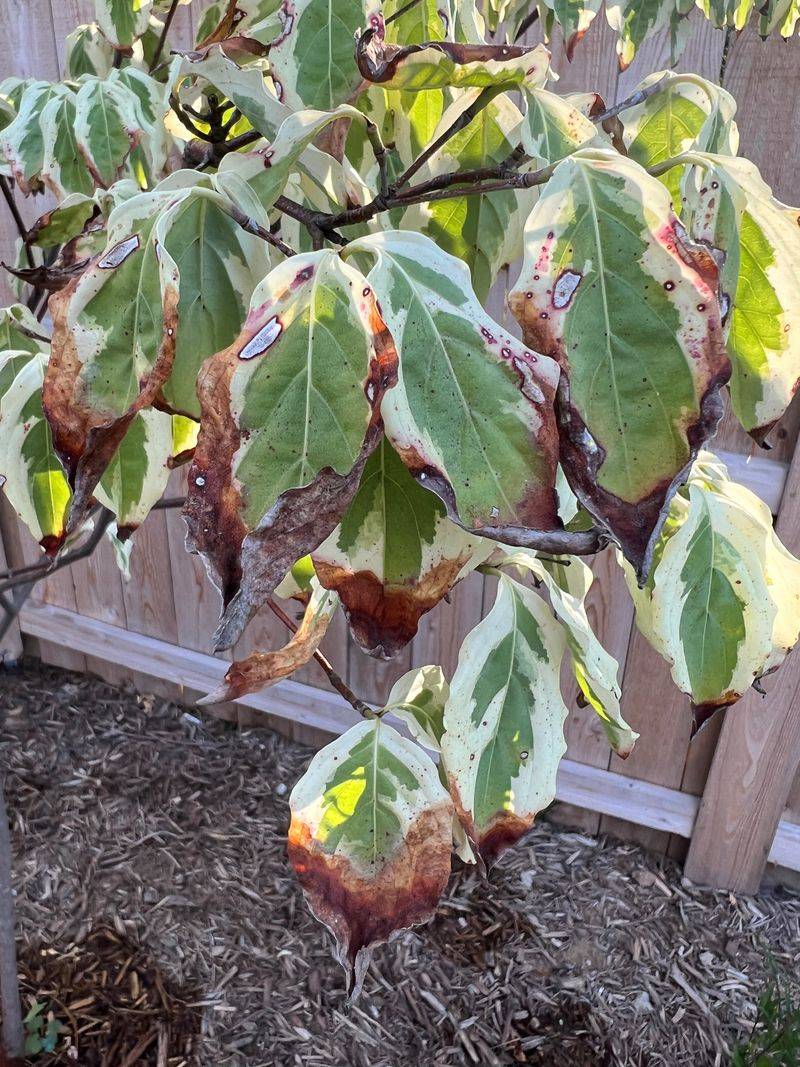
Improper use of chemical sprays harms fruit trees and leads to fruit drop. Misapplied chemicals can burn leaves and disrupt growth.
Follow instructions on chemical products carefully. Apply sprays during appropriate conditions, avoiding windy days to prevent drift. Opt for organic products when possible.
Interestingly, some gardeners use homemade sprays from natural ingredients. These alternatives minimize chemical damage while protecting your trees from pests and diseases.
11. Root Damage
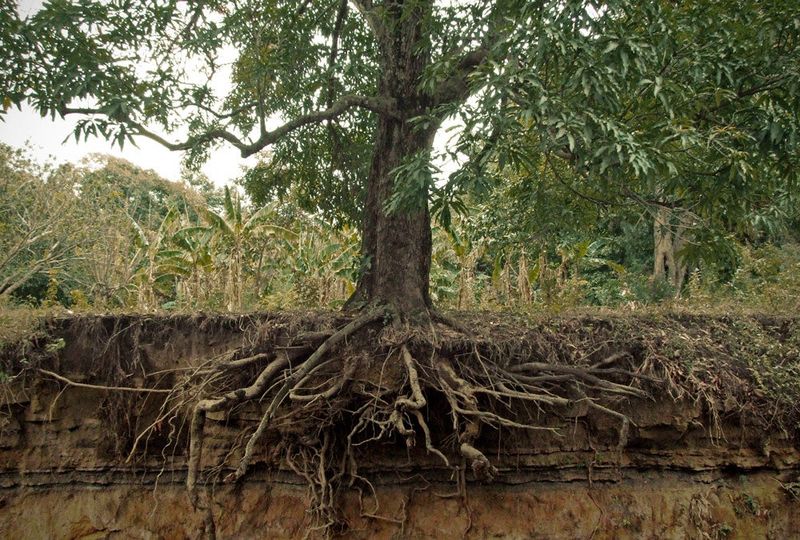
Root damage from erosion or improper planting causes fruit drop. Strong roots anchor trees and support healthy fruiting.
Ensure proper planting depth and stabilize soil to prevent erosion. Mulch around the base to protect roots and maintain moisture levels. Regularly inspect roots for signs of damage.
Historically, tree roots were considered sacred in some cultures, symbolizing strength and stability. Protecting roots is crucial for healthy tree development and abundant harvests.
12. Temperature Fluctuations
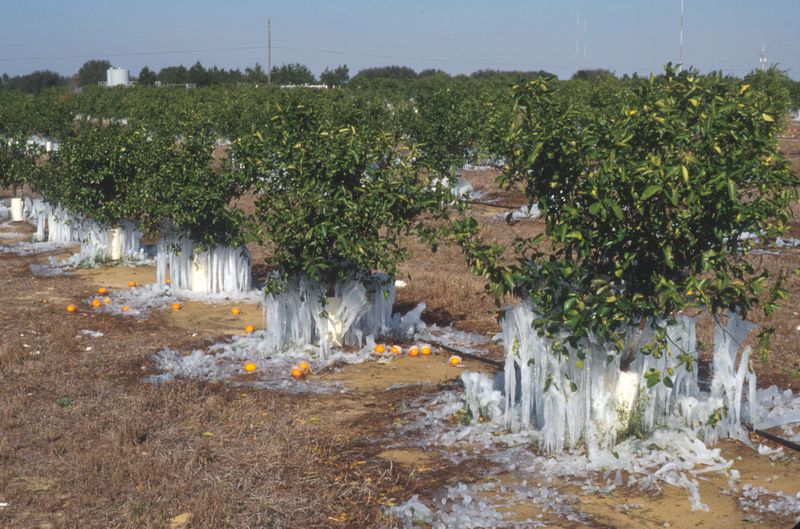
Sudden temperature changes shock fruit trees, leading to fruit drop. Trees struggle to cope with fluctuating temperatures.
Provide protection during extreme weather. Use frost blankets or burlap to shield trees from cold snaps. Planting windbreaks helps buffer temperature shifts.
Did you know? Citrus trees are sensitive to temperature changes, requiring extra care in colder climates. Monitoring temperature patterns aids in safeguarding your trees for successful fruiting.
13. Soil Compaction
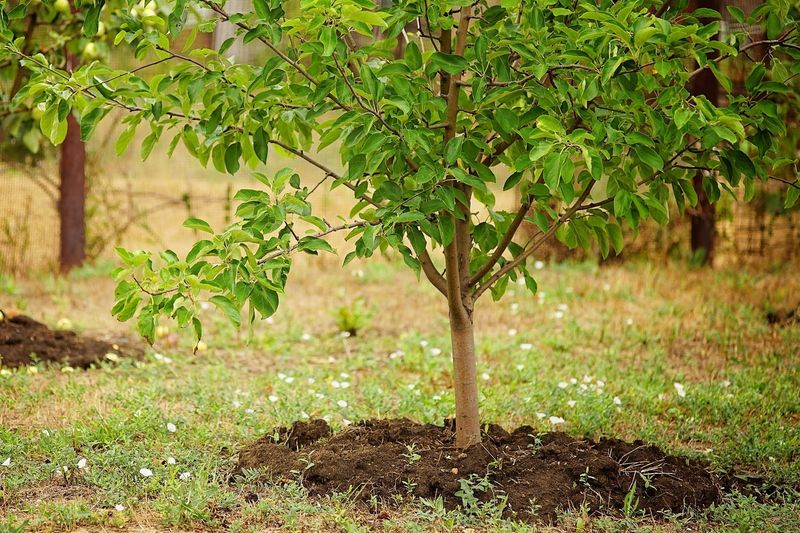
Compacted soil restricts root growth and nutrient uptake, leading to fruit drop. Healthy trees require loose, well-aerated soil.
Regularly aerate soil around trees to improve drainage and root development. Avoid foot traffic and heavy machinery near root zones.
Interestingly, earthworms naturally aerate soil, benefiting tree health. Encouraging earthworm activity supports a thriving fruit tree ecosystem.
14. Lack of Sunlight
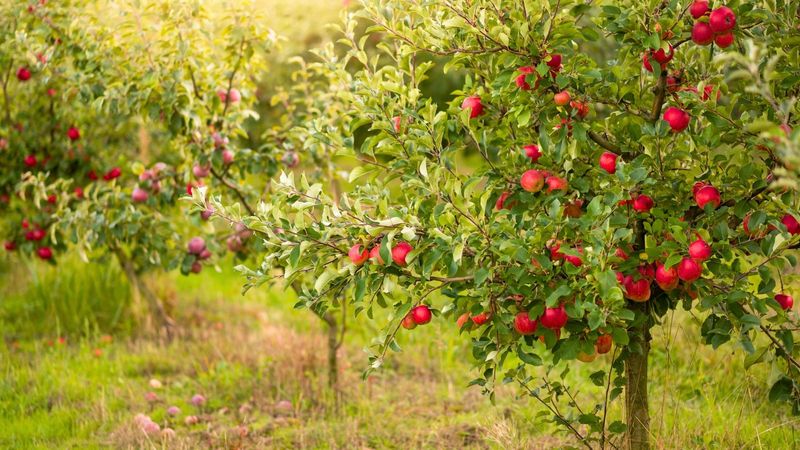
Fruit trees need ample sunlight for photosynthesis and fruiting. Lack of sunlight weakens trees and causes fruit drop.
Ensure trees are planted in sunny locations, away from tall structures or dense foliage. Prune surrounding vegetation to allow light penetration.
In certain garden designs, reflective surfaces are used to increase sunlight exposure. Strategic planting locations maximize sunlight and optimize fruit production.
15. Incorrect Soil pH
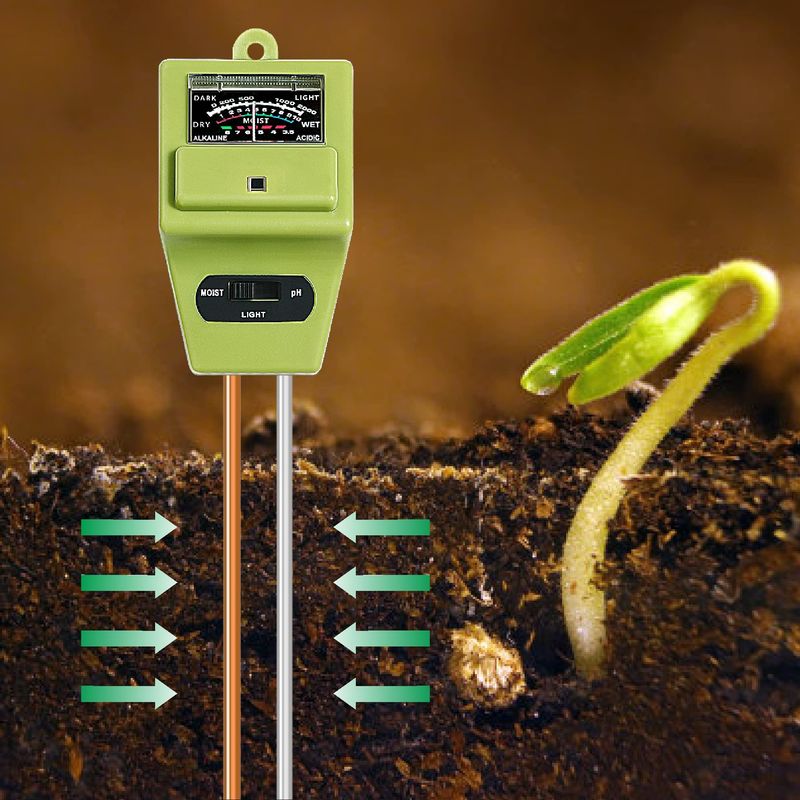
Soil pH affects nutrient availability, influencing fruit tree health. Incorrect pH levels result in stunted growth and fruit drop.
Regularly test soil pH and amend as needed. Use lime to raise pH or sulfur to lower it, depending on requirements. Different fruit tree species thrive in specific pH ranges.
Did you know? Blueberries prefer acidic soil, unlike most fruit trees. Understanding species-specific pH needs ensures thriving trees and fruitful harvests.
16. Improper Tree Spacing
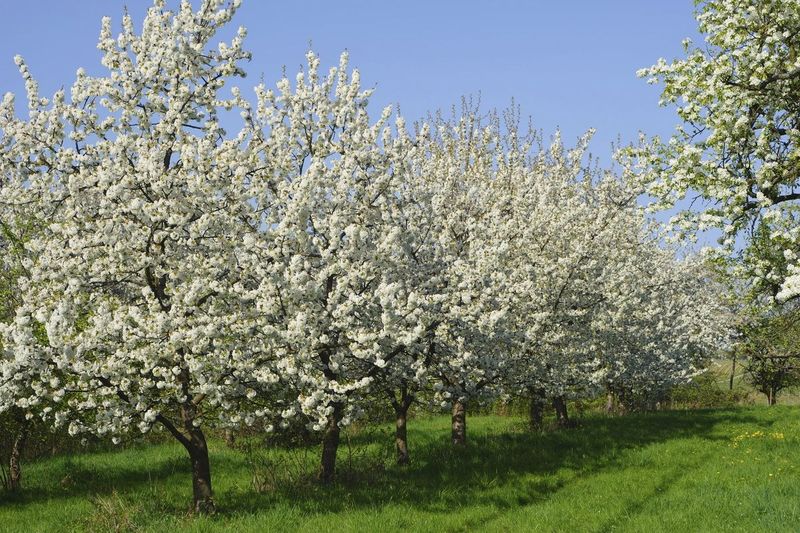
Overcrowded fruit trees compete for resources, leading to fruit drop. Adequate space ensures trees access sufficient sunlight, water, and nutrients.
Plan orchard layouts with proper spacing guidelines for each tree type. Allow air circulation to prevent disease spread and promote healthy growth.
Some traditional orchard designs use precise geometric spacing to enhance productivity. Implementing proper spacing strategies leads to healthier trees and more abundant harvests.