 Complete Gardening
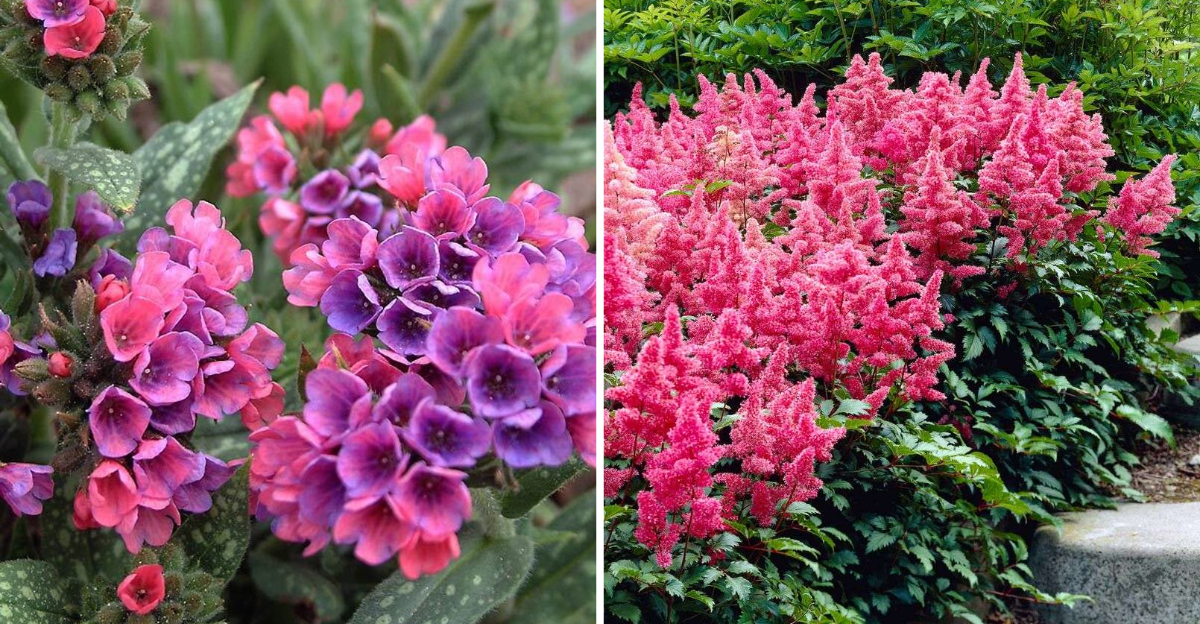
Gardening enthusiasts often face the challenge of finding plants that thrive in low-light conditions. Fortunately, shade-loving perennials offer a perfect solution, bringing color and life to the dimmest corners of your garden. These hardy plants not only survive but flourish in the shadows, providing lush greenery and vibrant blooms. This comprehensive guide explores 16 exceptional shade-loving perennials that will transform any garden space into a serene oasis. From the elegant Hostas to the whimsical Bleeding Hearts, these plants offer diversity in color, texture, and form, making them ideal for enhancing garden landscapes with limited sunlight.
1. Hosta
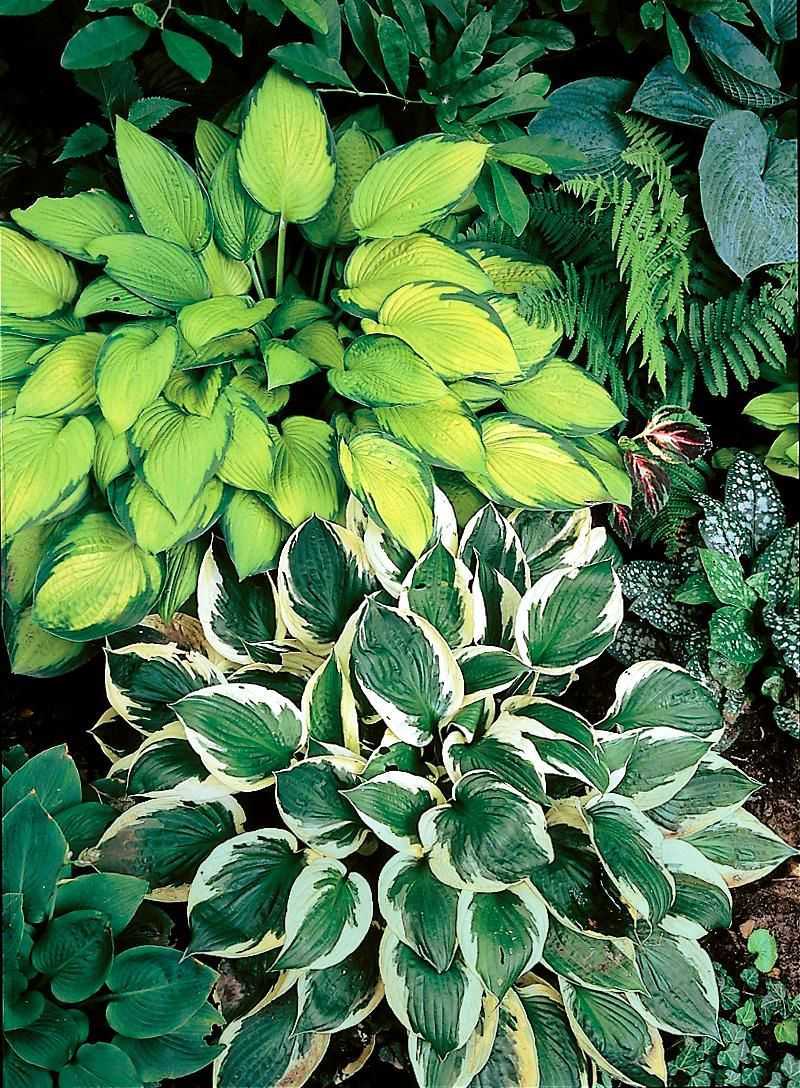
Hostas, with their broad, lush leaves, are a staple in any shade garden. Each leaf tells a story of elegance, adorned with variegated patterns that captivate the eye. Their ability to thrive in low-light conditions makes them a gardener’s dream.
Whether used as a border plant or a focal point, Hostas add a touch of sophistication. A perennial favorite, they return each year, more robust and captivating. Did you know? There are over 3,000 registered Hosta varieties, each unique in color and texture.
Hostas embody the art of simplicity in plant form.
2. Bleeding Heart
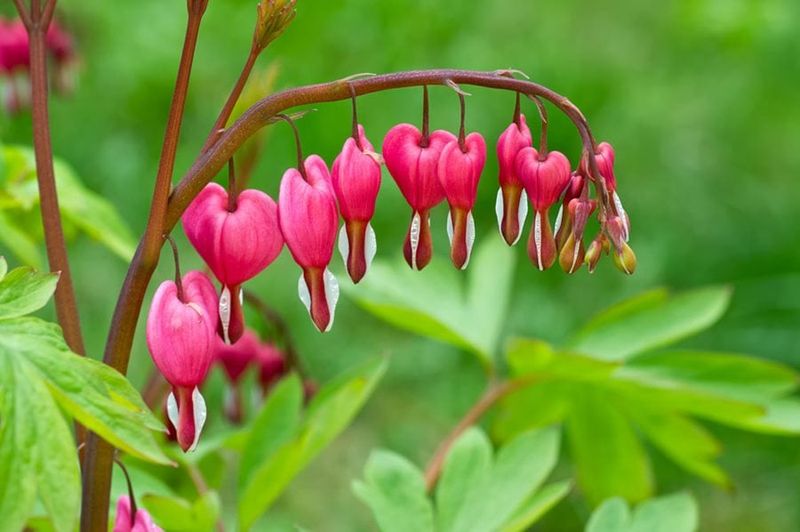
Bleeding Hearts, with their enchanting heart-shaped flowers, seem to dance gracefully in the breeze. Their pink and white blooms are a symbol of romantic allure.
These perennials prefer the cool embrace of shade, adding whimsy to any garden. Their arching stems and delicate blossoms create an ethereal atmosphere, inviting admiration from all who pass by. Historically, they have been associated with love and passion.
Did you know? In Victorian times, gifting a Bleeding Heart was a declaration of love, making them a timeless choice for sentimental gardeners.
3. Astilbe
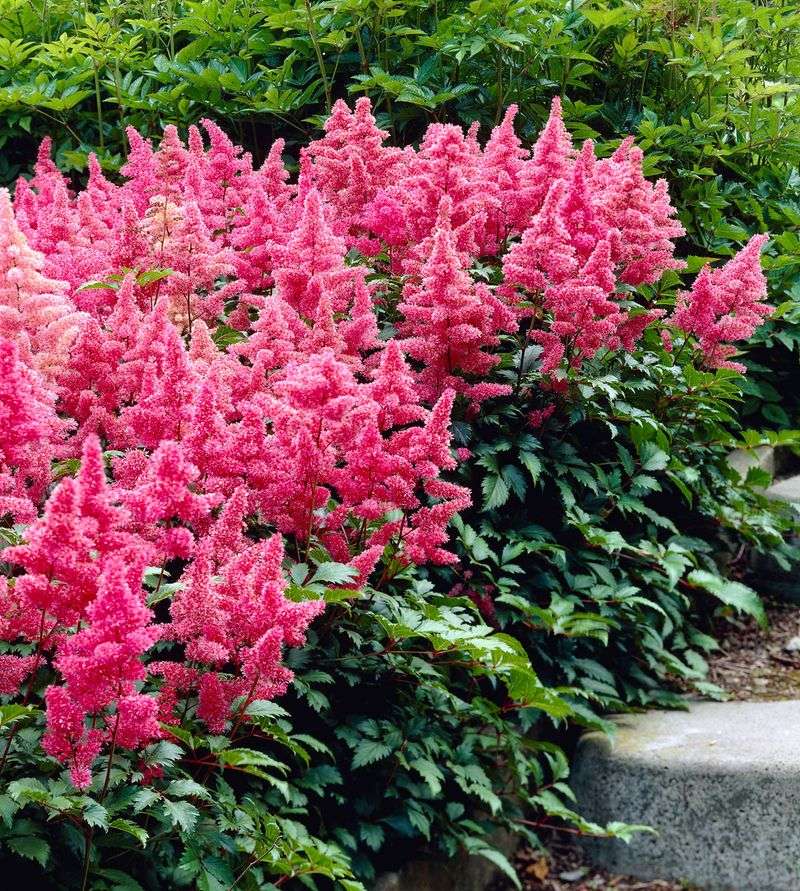
Astilbes bring a splash of color to shaded areas with their feathery plumes and vibrant hues. They thrive in moist, shady spots, where their pink, red, or white flowers can stand out.
These perennials are more than just pretty faces—Astilbes are known for their resilience and low-maintenance nature. They make excellent companions to ferns and other shade lovers, blending seamlessly into any garden landscape.
Astilbes offer a playful elegance and are perfect for adding texture and color year after year. Did you know? They are often used in bridal bouquets for a touch of grace.
4. Ferns
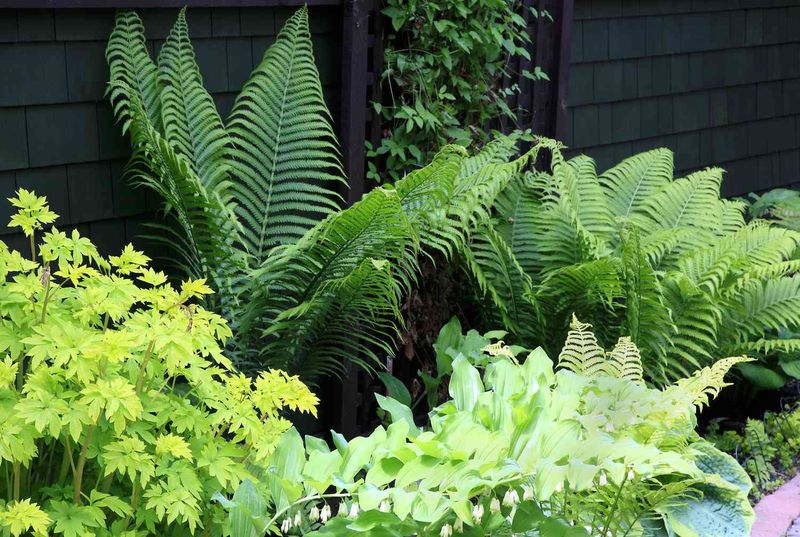
Ferns, with their intricate fronds, are the epitome of botanical grace. Each unfurling leaf is a masterpiece of nature, offering texture and depth to shaded gardens.
Their timeless beauty has made them a favorite for generations. Whether nestled in a forest glade or a city garden, ferns thrive in low-light conditions. They serve as a green backdrop, complimenting more colorful blooms.
Ferns have been around for millions of years, making them a living link to ancient landscapes. Did you know? Ferns once dominated the Earth’s flora during the age of dinosaurs.
5. Lungwort
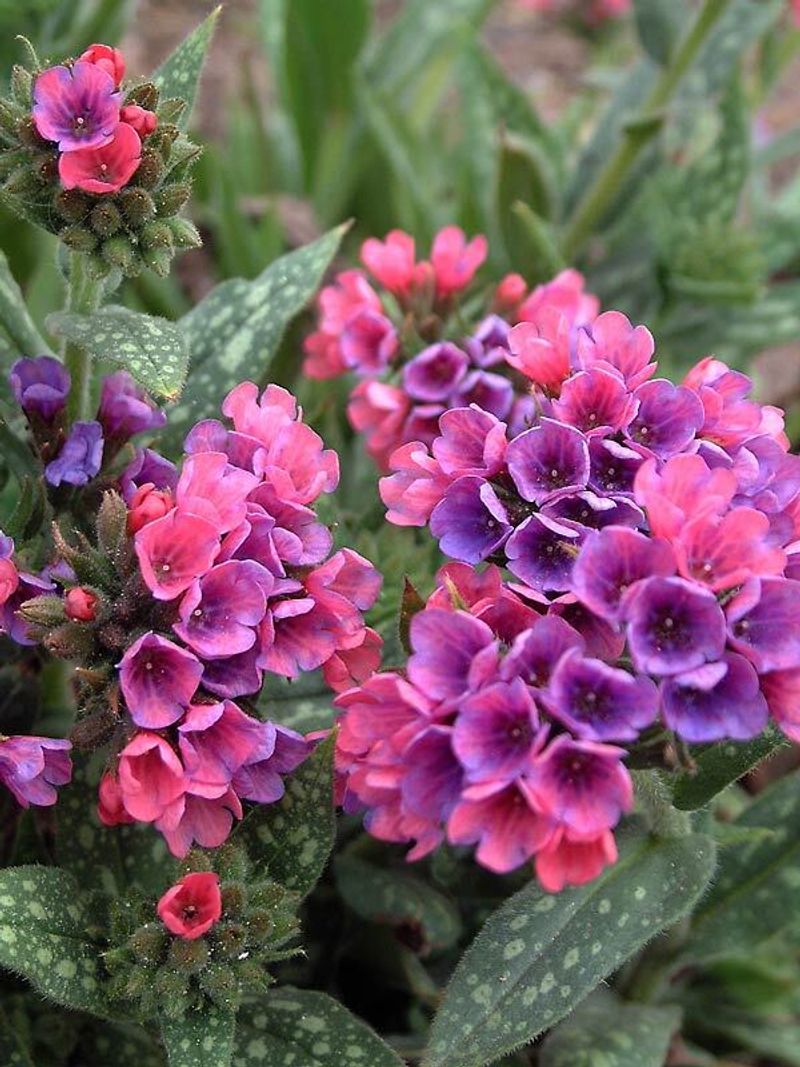
Lungwort is a delightful perennial known for its spotted leaves and charming flowers. Its blooms transition from pink to blue, creating a visual spectacle that delights gardeners.
Preferring shade, Lungwort adds interest with its unique foliage texture. It’s a hardy plant, resisting deer and rabbits, making it a practical choice for many gardeners.
This plant’s unusual name comes from medieval times, where it was believed to treat lung diseases. Did you know? The spots on Lungwort leaves resemble lungs, inspiring its common name and historical use.
6. Japanese Forest Grass
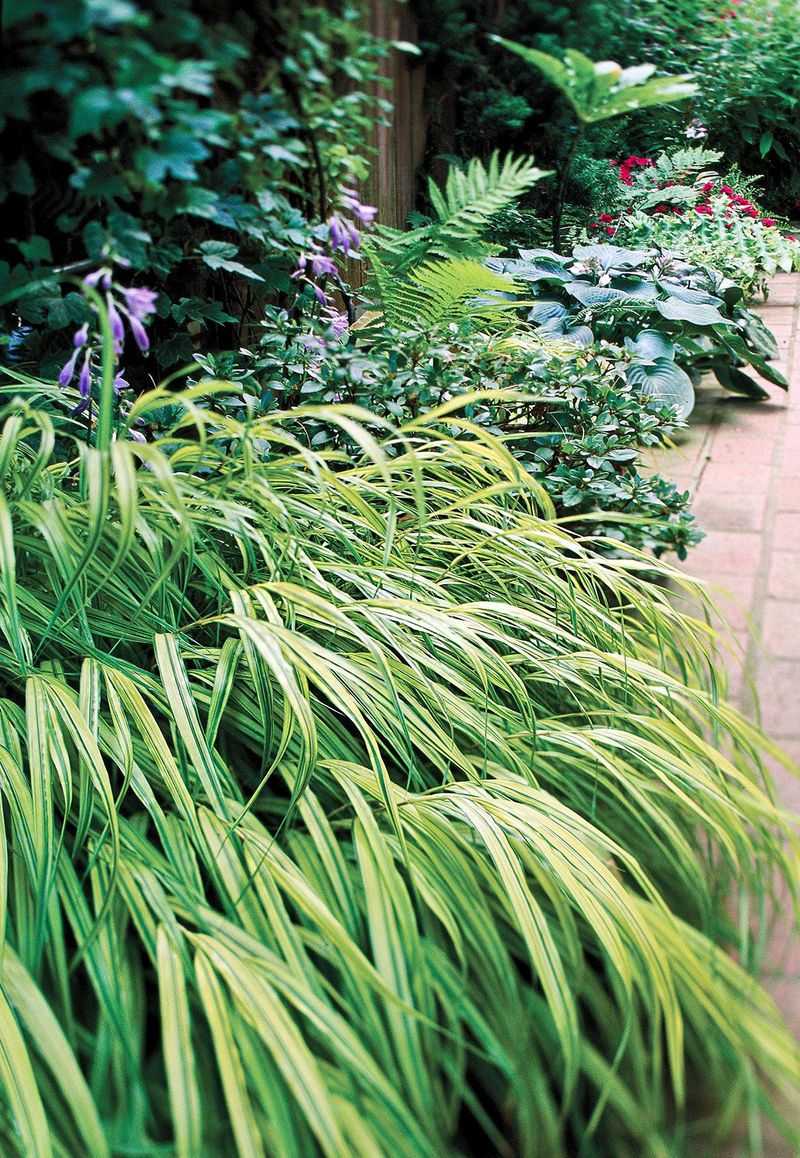
Japanese Forest Grass captivates with its flowing, golden blades that cascade gracefully. It’s a plant that embodies tranquility, swaying in gentle breezes.
Ideal for low-light areas, this grass adds movement and a soft texture to gardens. Its golden hues brighten even the shadiest corners, providing contrast against darker foliage.
Did you know? This grass, known as Hakonechloa, originates from the mountainous regions of Japan, where it grows in the shade of towering trees. It’s a testament to nature’s adaptability and beauty in shaded environments.
7. Solomon’s Seal
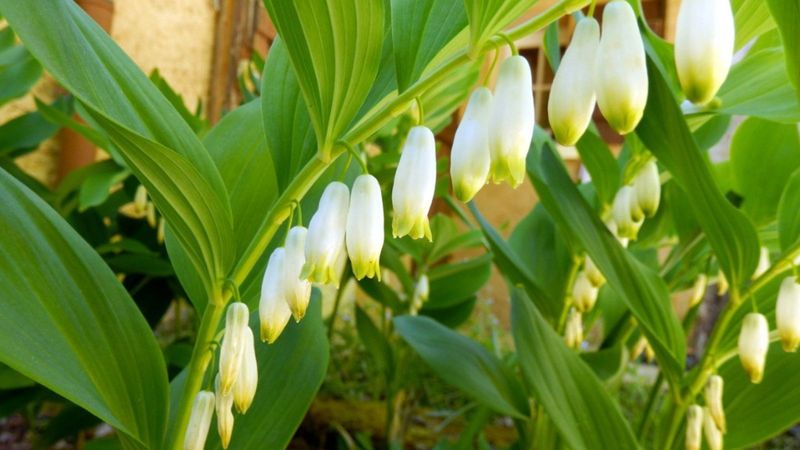
Solomon’s Seal is a picture of elegance with its arching stems and dangling white flowers. Each bloom is like a delicate bell ringing in the spring.
This perennial thrives in shade, where its graceful form adds an element of sophistication. The plant’s lush green leaves turn golden in the fall, extending its seasonal interest.
Solomon’s Seal has a long history in herbal medicine, revered for its healing properties. Did you know? Its name comes from the seal-like scars on its rhizomes, believed to be marks of King Solomon’s seal.
8. Brunnera
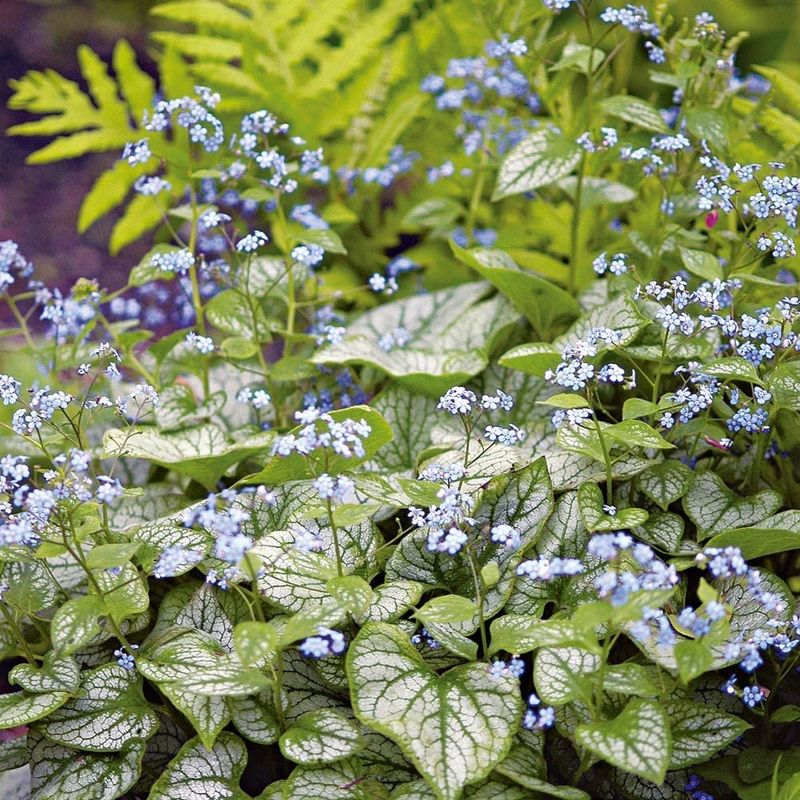
Brunnera, with its heart-shaped leaves and dainty blue flowers, brings a touch of woodland magic to gardens. Its foliage, speckled with silver, catches light beautifully.
This perennial loves the cool embrace of shade, flourishing where others might falter. It’s a low-maintenance beauty, perfect for adding elegance without effort.
Did you know? Brunnera is often called “False Forget-Me-Not” due to its flower’s resemblance to the beloved woodland bloom. Its enchanting presence lingers in shaded areas, a reminder of nature’s quiet grace.
9. Toad Lily
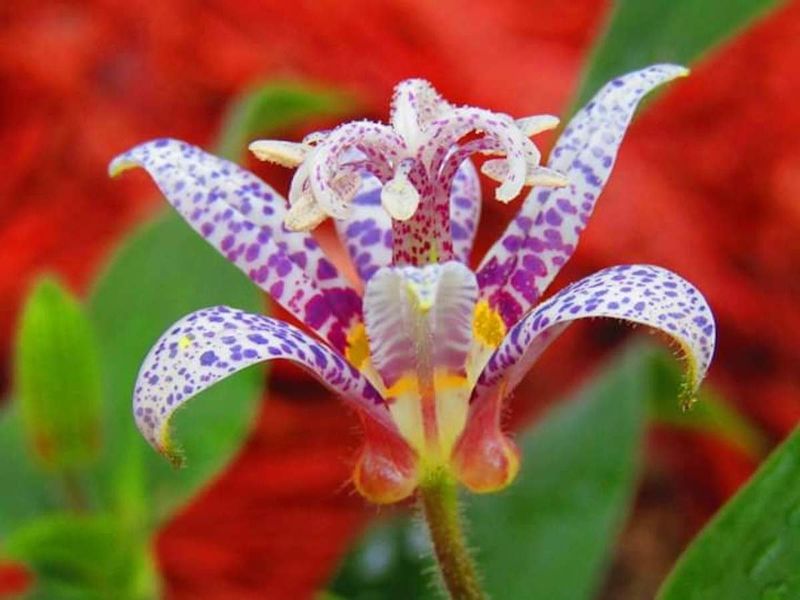
Toad Lilies captivate with their exotic, orchid-like flowers, blooming in the cool shade. Each blossom, speckled with purple, is a work of art.
These perennials bloom in late summer, when most flowers have faded, adding unexpected beauty to gardens. Their unique appearance often sparks curiosity and admiration.
Did you know? Toad Lilies have been used in traditional medicine for their purported healing properties. Their name is said to derive from the toad-like spots on their petals, which are as intriguing as the plant itself.
10. Heuchera (Coral Bells)
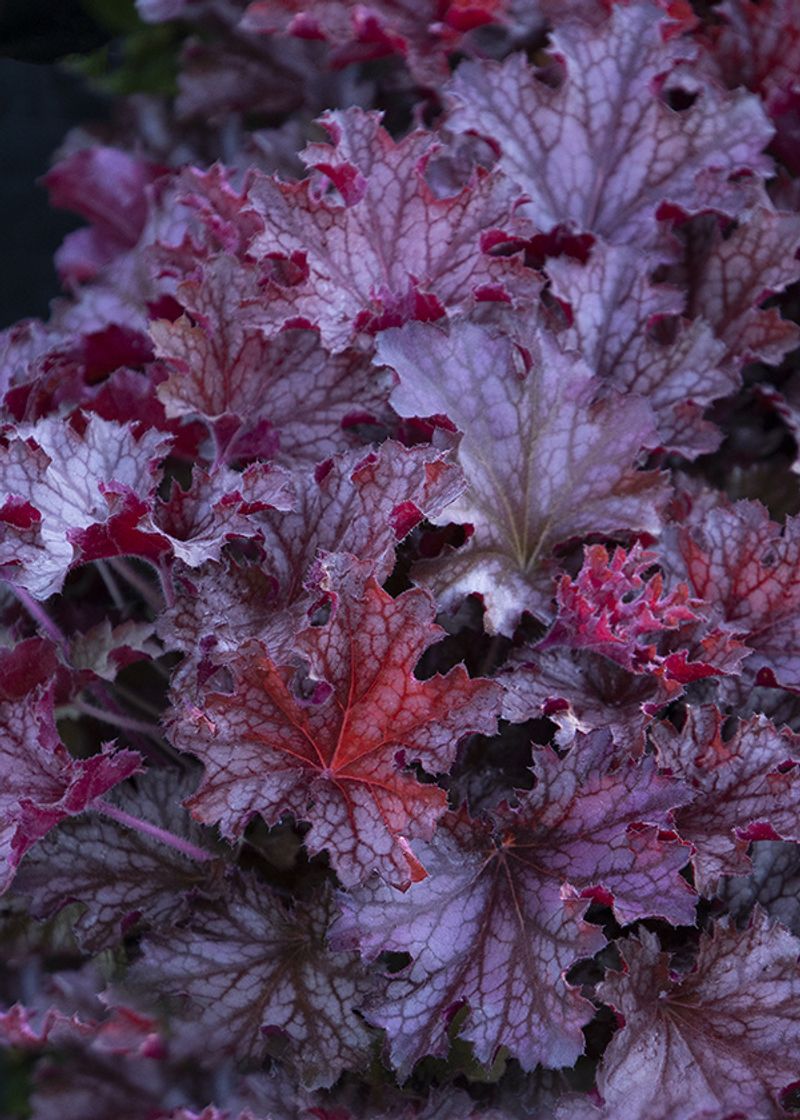
Heuchera, commonly known as Coral Bells, dazzles with its colorful foliage. The leaves, ranging from purple to bronze, provide a vibrant tapestry in any garden.
These perennials are not just about looks; they’re tough and thrive in shaded areas. Their small, bell-shaped flowers add a subtle charm to their bold leaves.
Heuchera’s versatility makes it a gardener’s favorite for borders and containers. Did you know? The plant is native to North America, often found in woodland areas, making it well-suited to shaded garden spaces.
11. Liriope
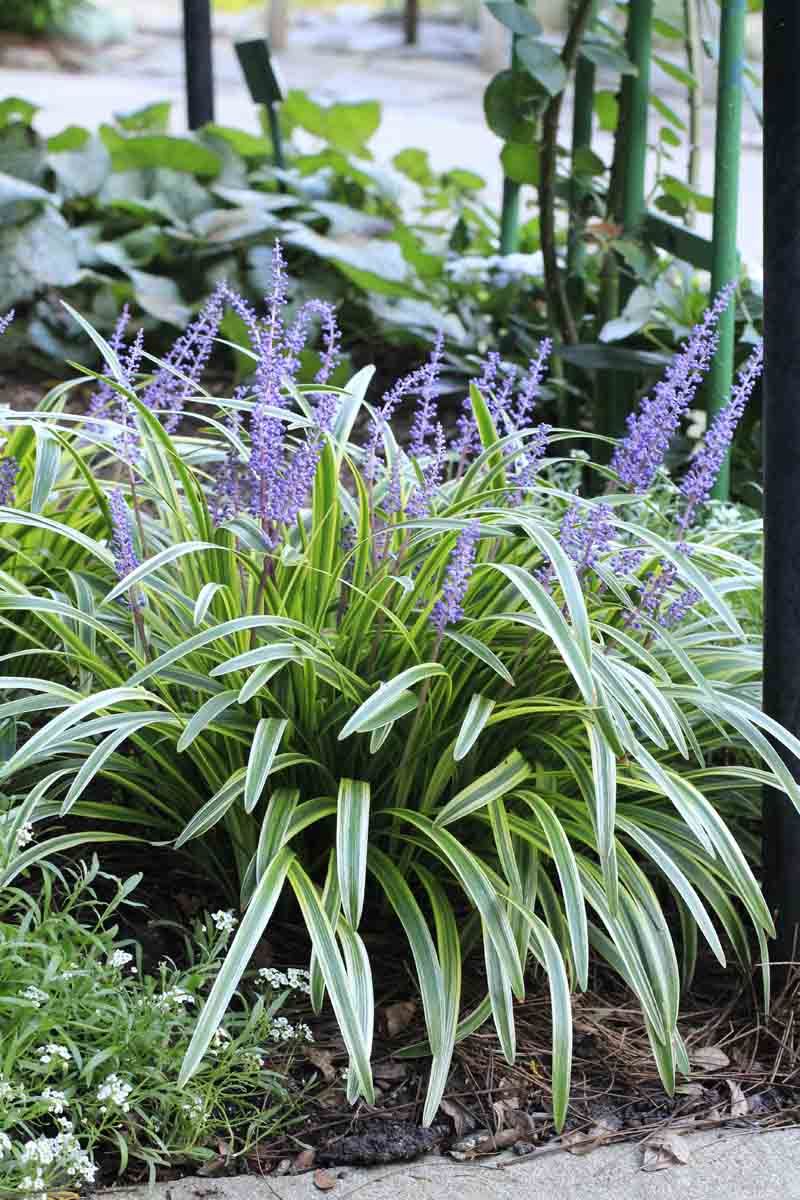
Liriope, with its grass-like leaves and spikes of purple flowers, is both versatile and attractive. It thrives in shaded areas, providing year-round interest.
This perennial is often used as ground cover or edging, creating neat, organized garden beds. Liriope’s resilience and low maintenance make it a favorite among busy gardeners.
Did you know? Liriope is related to asparagus, though you’d never guess from its appearance. Its understated elegance and practicality make it a staple in shade gardens.
12. Hellebore
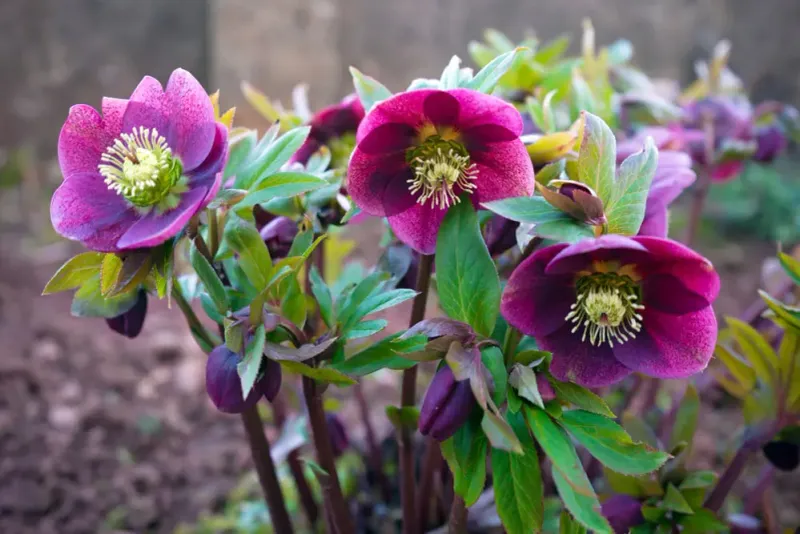
Hellebores, often called the “Winter Rose,” bloom when most of the garden sleeps. Their nodding flowers bring life to the dull winter landscape.
These perennials thrive in shade, offering blooms in pink, white, and even maroon. They’re hardy and long-lived, rewarding gardeners with years of winter color.
Did you know? Hellebores have a rich history in folklore and medicine, once thought to cure madness. Their mysterious beauty continues to enchant, even in the coldest months.
13. Foamflower
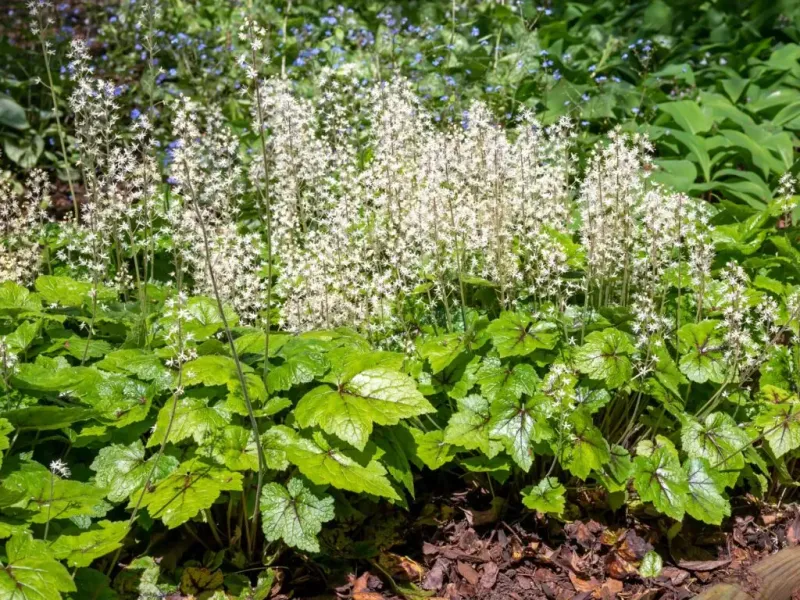
Foamflowers, with their frothy white blooms, bring a light, airy feel to shaded gardens. Their heart-shaped leaves form dense mounds, providing texture and interest.
These perennials are perfect for woodland gardens, where they thrive in the dappled light. Foamflowers are easy to care for, making them a popular choice for both novice and experienced gardeners.
Did you know? Foamflowers are closely related to Heuchera, sharing their resilience and charm. Their delicate appearance belies a tough character, ready to enhance any shaded space.
14. Trillium
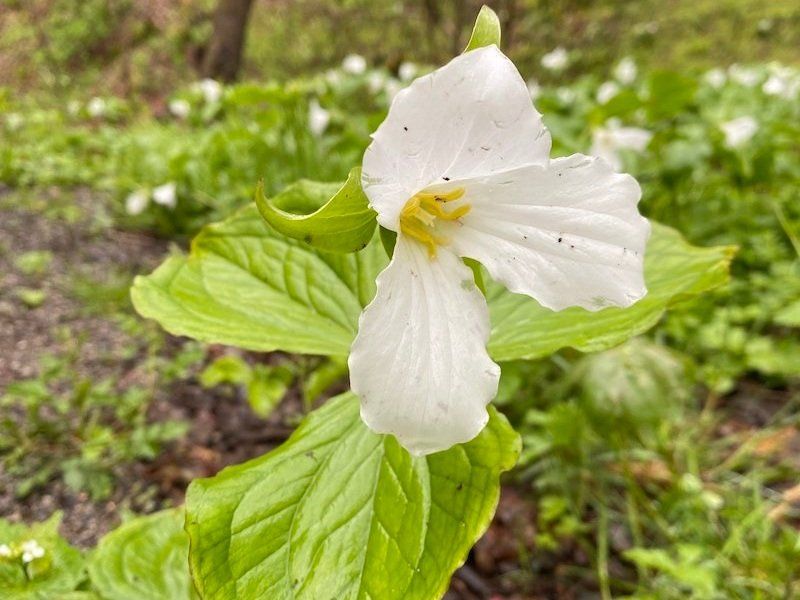
Trilliums are a woodland treasure, with their three-petaled flowers and broad leaves. These perennials are a sign of spring, often emerging in the forest’s quiet corners.
They prefer shaded, moist conditions, where their simple beauty can shine. Trilliums are a symbol of purity and simplicity, cherished by nature enthusiasts.
Did you know? Trilliums are protected in some areas due to their slow growth and importance in native ecosystems. Their presence is a marker of undisturbed, healthy woodlands.
15. Ajuga (Bugleweed)
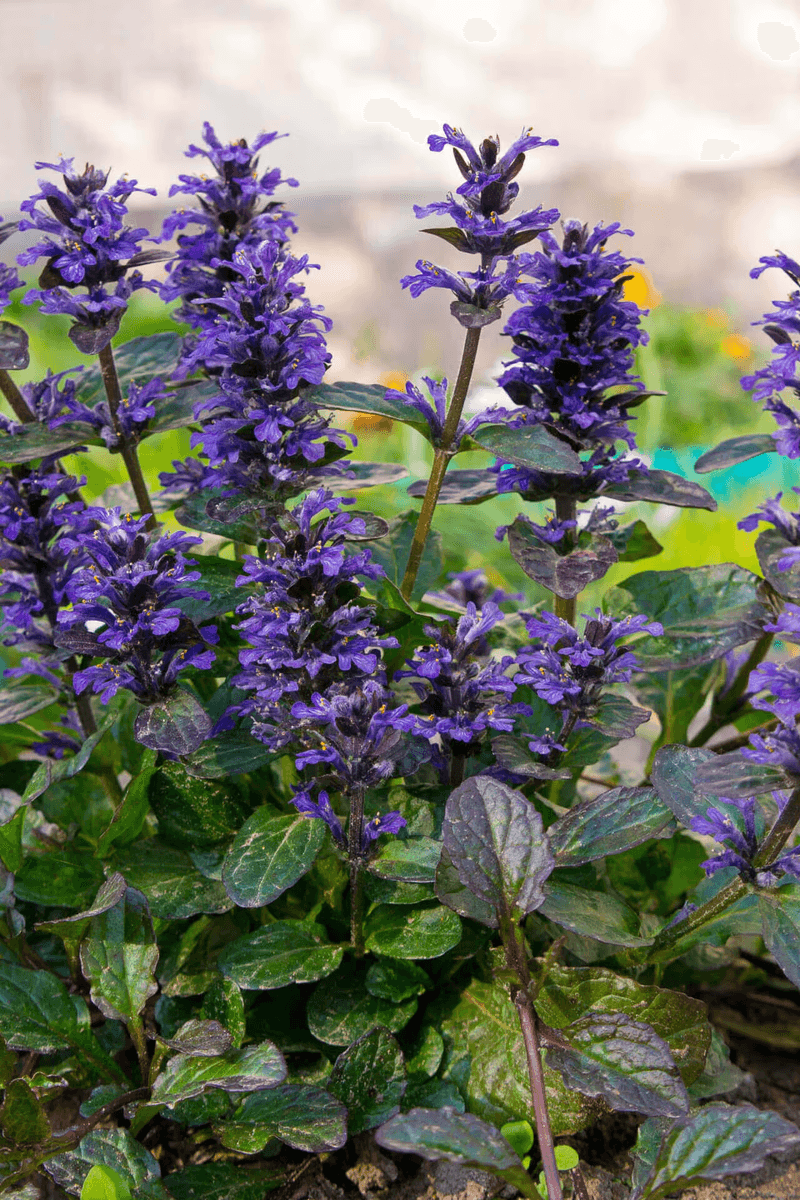
Ajuga, or Bugleweed, is known for its vibrant blue flower spikes and glossy, dark leaves. It’s a ground cover that thrives in shade, creating a lush, colorful carpet.
This perennial is fast-growing and adaptable, making it a great choice for filling tricky garden spots. Its resilience is matched by its beauty, providing a pop of color when it’s needed most.
Did you know? Ajuga’s creeping habit makes it excellent for erosion control in shady areas. Its versatility and striking appearance earn it a spot in many gardens.
16. Epimedium (Barrenwort)
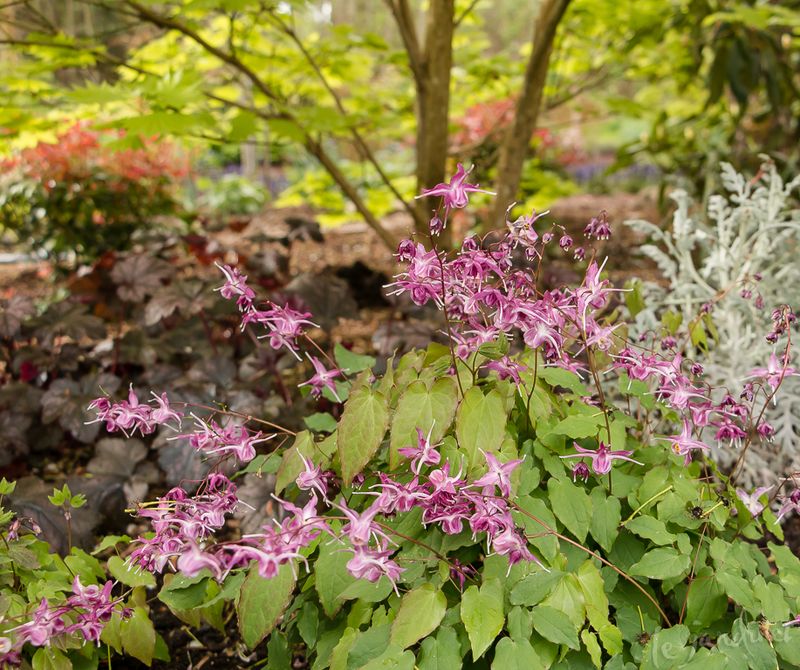
Epimedium, or Barrenwort, enchants with its heart-shaped leaves and delicate, spider-like flowers. It’s a plant of understated elegance, flourishing in shaded, rocky areas.
This perennial is a master of adaptation, thriving where others fail. Its leaves turn shades of red and bronze in autumn, adding seasonal interest.
Epimedium’s resilience is legendary, often used to stabilize slopes and control erosion. Did you know? This plant is sometimes called “fairy wings,” a nod to its delicate, ethereal blooms that dance in the breeze.