 Complete Gardening
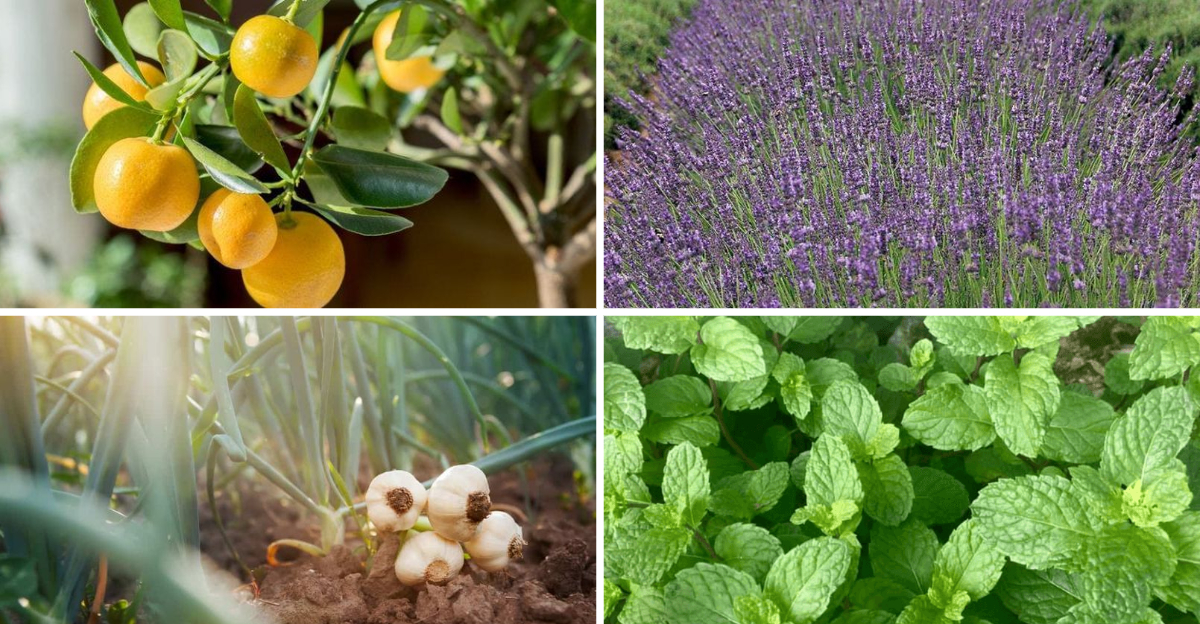
Explore the world of deer scents, where certain odors repel these graceful creatures, while others act as irresistible invitations. Understanding these scents can be crucial for hunters, wildlife enthusiasts, and gardeners looking to manage deer presence. Learn about the specific smells that deer try to avoid and the fragrances that draw them in, like magnets in nature.
1. Cinnamon

Imagine the warm, inviting aroma of cinnamon, a beloved spice in many households. However, to deer, this scent is anything but welcoming. The spicy, pungent smell of cinnamon overwhelms their sensitive noses, causing them to steer clear of areas where it lingers.
This aversion can be a boon for gardeners seeking to protect their plants. By strategically placing cinnamon sticks or using cinnamon oil, you can create a natural barrier against curious deer.
The effectiveness of cinnamon as a deer deterrent stems from its strong fragrance, which masks the natural scents that deer rely on for comfort.
2. Citrus
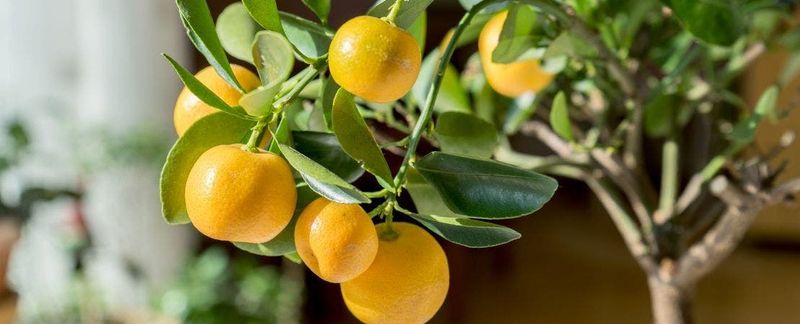
Citrus fruits, with their zesty, refreshing scent, are a staple in many kitchens but a deterrent for deer. The sharp, tangy aroma is off-putting to these creatures, who prefer milder scents.
When citrus peels are scattered around gardens, they create an olfactory fence that discourages deer from venturing too close. This natural method not only protects plants but also adds a fresh fragrance to the garden.
The compelling citrus scent disrupts a deer’s surroundings, making them uneasy and prompting them to seek safer, less aromatic areas.
3. Lavender
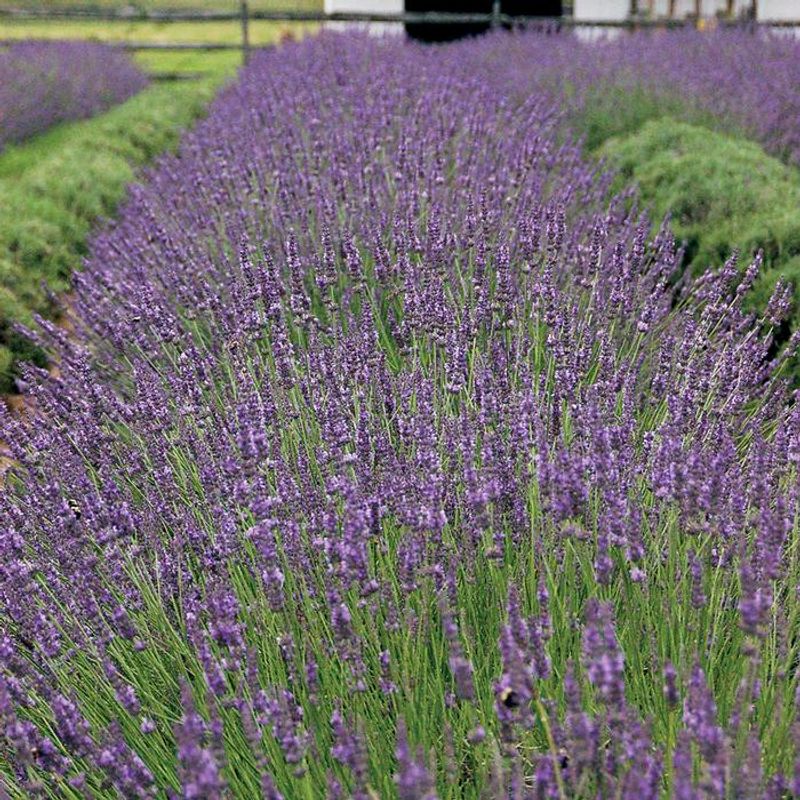
Lavender’s soothing, floral scent is cherished by many, yet it repels deer. The pungent perfume of lavender plants acts as a natural deterrent, preventing deer from grazing.
Planting lavender around the perimeter of a garden can serve as a beautiful and effective barrier. The robust fragrance overpowers the subtle smells deer are attuned to.
This aversion helps maintain the integrity of gardens, as deer are less likely to disrupt areas where lavender thrives. The plant’s dual purpose of decoration and deterrence makes it a gardener’s ally.
4. Garlic
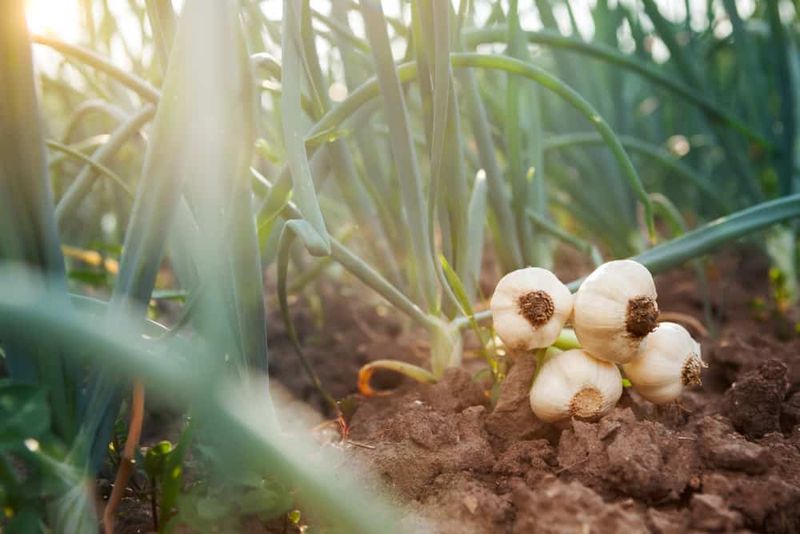
Garlic’s potent, unmistakable aroma is a powerful deer deterrent. The sharp, lingering scent overwhelms their sensitive olfactory senses, making them think twice about approaching areas where garlic is present.
Sprinkling garlic powder or placing cloves near vulnerable plants creates a natural shield. This method not only deters deer but also adds a layer of flavor to the garden’s ambiance.
The strength of garlic’s scent effectively masks the surrounding aromas that attract deer, ensuring they remain at bay while gardens flourish unbothered.
5. Peppermint
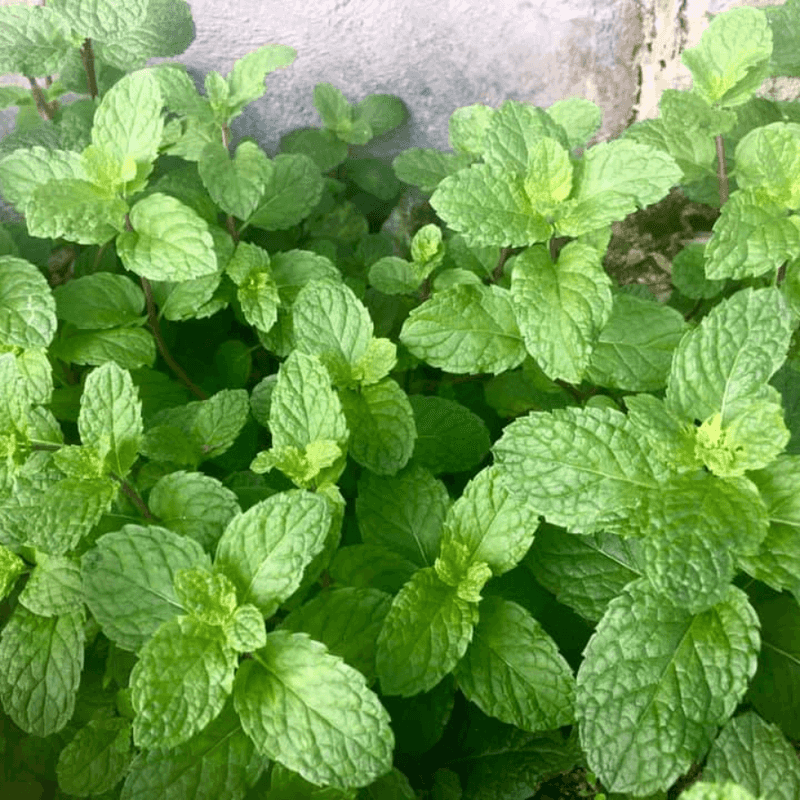
The refreshing, cool scent of peppermint is adored in culinary circles but not by deer. The intense, minty aroma is too strong for their liking, causing them to avoid areas where peppermint is prevalent.
By planting peppermint or using peppermint oil, gardens can benefit from its dual-purpose nature: beautification and protection. The crisp scent serves as a natural border.
Peppermint’s effectiveness lies in its ability to disrupt the subtle scents deer appreciate, ensuring they stay clear of treated areas. This adds an aromatic layer of defense against unwanted visitors.
6. Vinegar
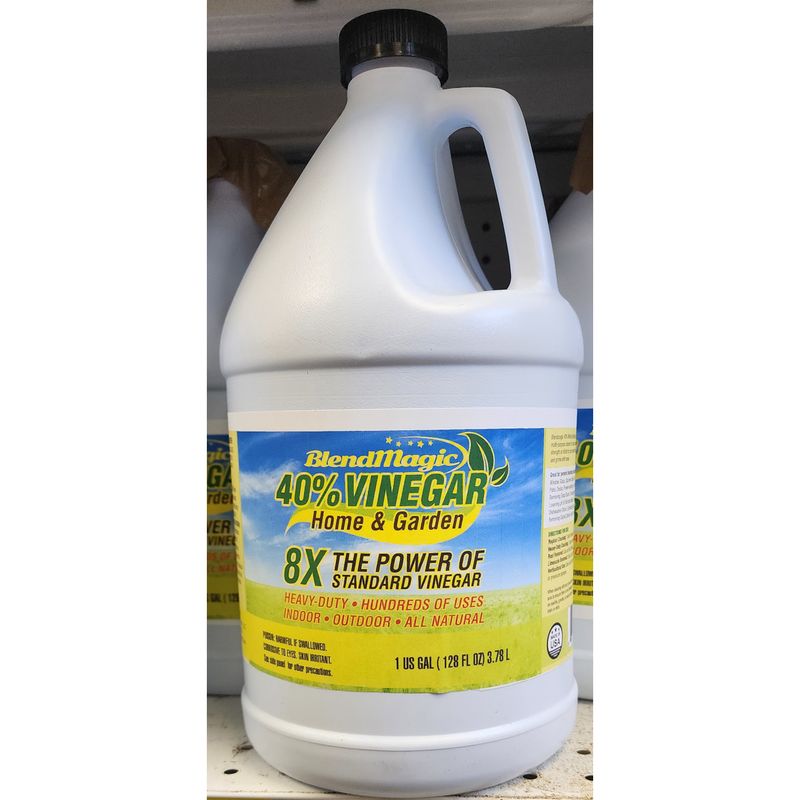
Vinegar, known for its sharp, acidic smell, is a simple yet effective way to deter deer. The pungent odor is overpowering to their sensitive noses, prompting them to avoid treated areas.
Using vinegar in spray form around the perimeter of gardens creates a barrier that deer are reluctant to cross. This method is both cost-effective and environmentally friendly.
The strong scent of vinegar disrupts the favorable aromas deer seek, making them uncomfortable and encouraging them to find less abrasive environments. This natural repellant is a staple for many gardeners.
7. Eucalyptus
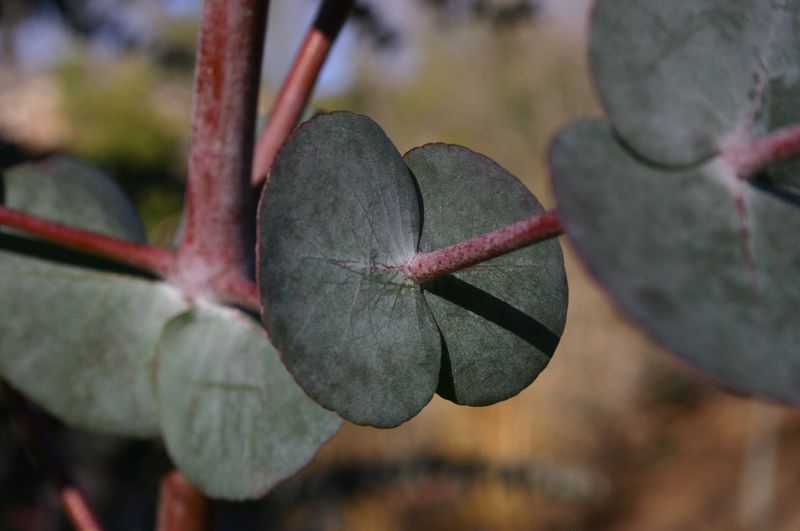
Eucalyptus, with its distinct, menthol-like aroma, is a natural deer repellent. The strong, refreshing scent is too intense for deer, encouraging them to keep their distance.
Gardens featuring eucalyptus benefit from its towering beauty and deterrent properties. The plant’s robust fragrance is a natural barrier.
Eucalyptus’ effectiveness lies in its ability to mask the subtle scents deer find comforting, ensuring they remain at a distance. This dual-purpose plant adds both aesthetic and functional value to any space it occupies.
8. Rosemary
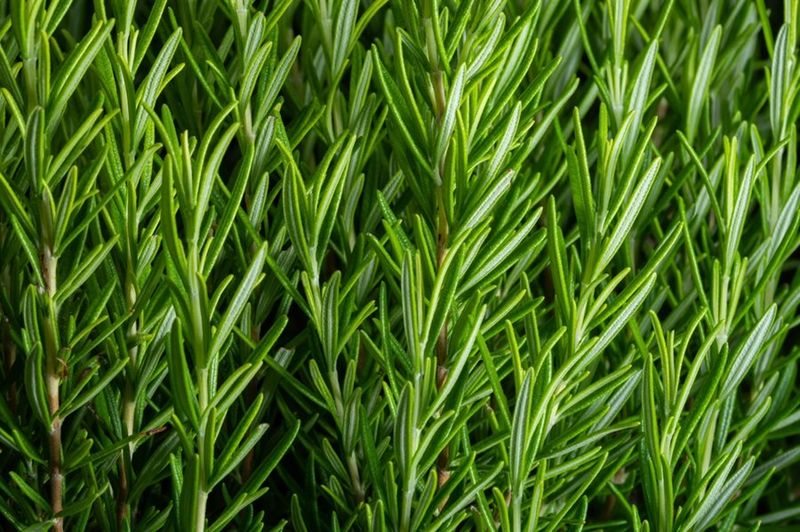
Rosemary, a staple in many kitchens, doubles as a deer deterrent. Its strong, aromatic scent is overwhelming to deer, making gardens less appealing to these creatures.
Planting rosemary around garden borders provides a natural and fragrant barrier. The plant’s robust scent effectively masks the subtle aromas deer enjoy.
The dual functionality of rosemary as a culinary herb and deterrent makes it a valuable addition to any garden. Its presence keeps deer at bay while adding a delightful fragrance to the environment.
9. Mint
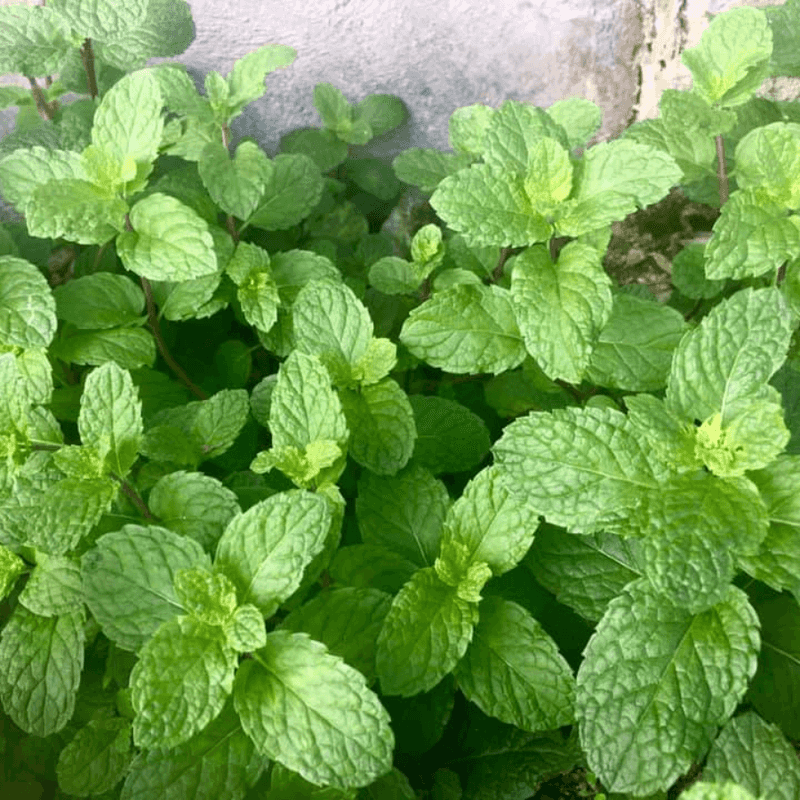
Mint’s invigorating, sharp scent is a natural deer repellent. The intense aroma is off-putting to deer, causing them to avoid areas where mint thrives.
Gardening with mint not only enhances the aesthetic appeal but also serves as an effective protective measure. Its strong scent acts as a natural deterrent.
The effectiveness of mint lies in its ability to mask the subtle fragrances that deer find attractive, ensuring they steer clear of treated areas. This adds a refreshing layer of defense against unwanted garden visitors.
10. Onion
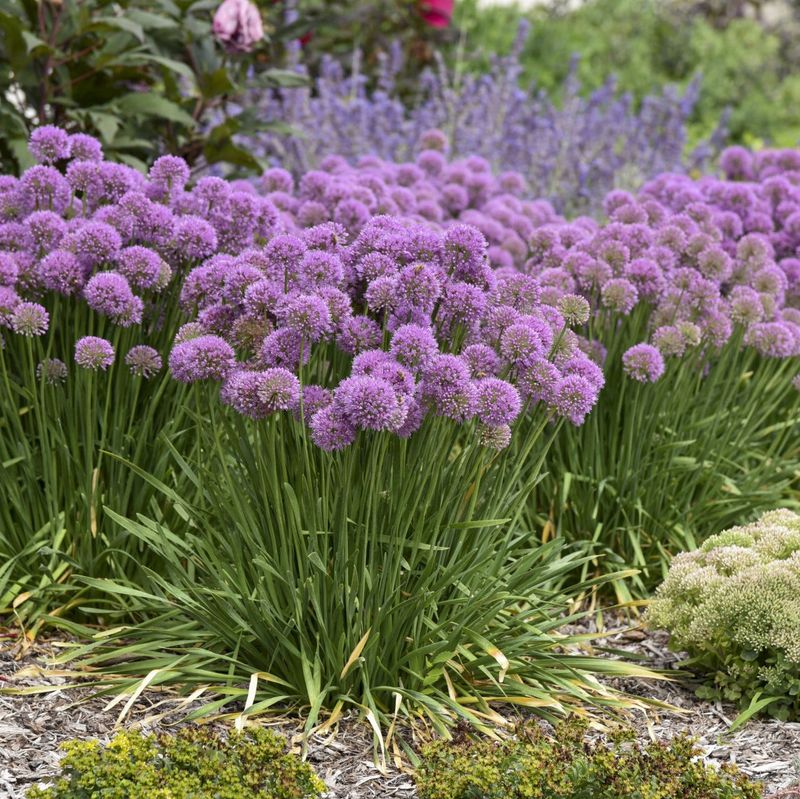
Onions, with their pungent, unmistakable scent, act as a natural barrier against deer. The strong aroma is overwhelming to these creatures, deterring them from approaching.
Planting onions in gardens provides more than just culinary benefits. Their robust scent serves as an effective natural deterrent.
The presence of onions disrupts the subtle scents deer are drawn to, ensuring they remain at a distance. This dual-purpose plant adds both flavor and protection to any garden space it inhabits.
11. Clove
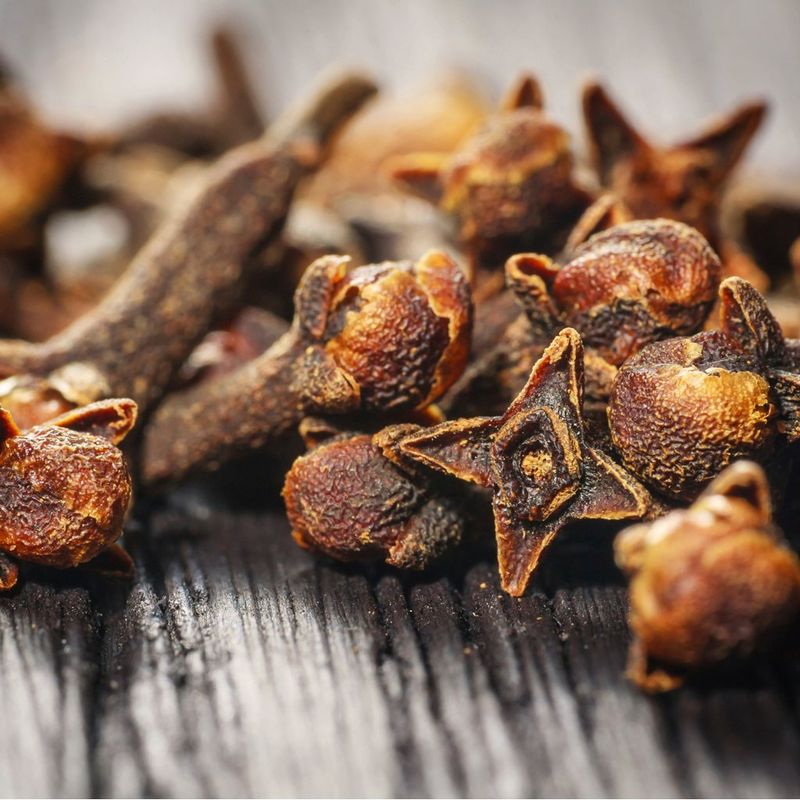
Clove, with its rich, spicy aroma, is a natural deer deterrent. The intense scent overwhelms their sensitive noses, prompting them to avoid areas where cloves are present.
Using clove oil or scattering whole cloves around gardens creates a fragrant barrier that deters deer. This method is both aromatic and effective.
Clove’s robust scent masks the subtle aromas that deer find comforting, ensuring they stay clear of treated areas. This adds a warm, spicy layer of defense against unwanted visitors.
12. Basil
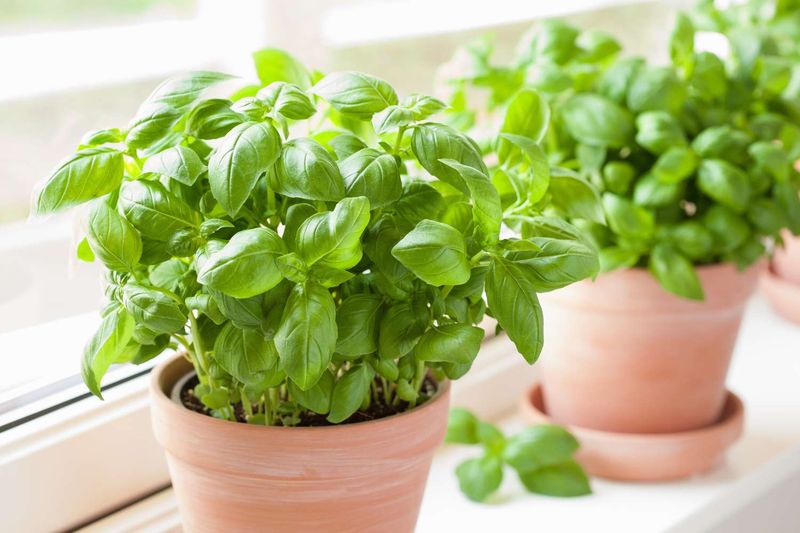
Basil, a beloved culinary herb, serves as a natural deer repellent. Its strong, aromatic scent is off-putting to deer, making gardens less appealing to these creatures.
Planting basil around garden borders provides a fragrant barrier that deters deer. The plant’s robust scent effectively masks the subtle aromas deer enjoy.
The dual functionality of basil as a culinary herb and deterrent makes it a valuable addition to any garden. Its presence keeps deer at bay while adding a delightful fragrance to the environment.
13. Thyme
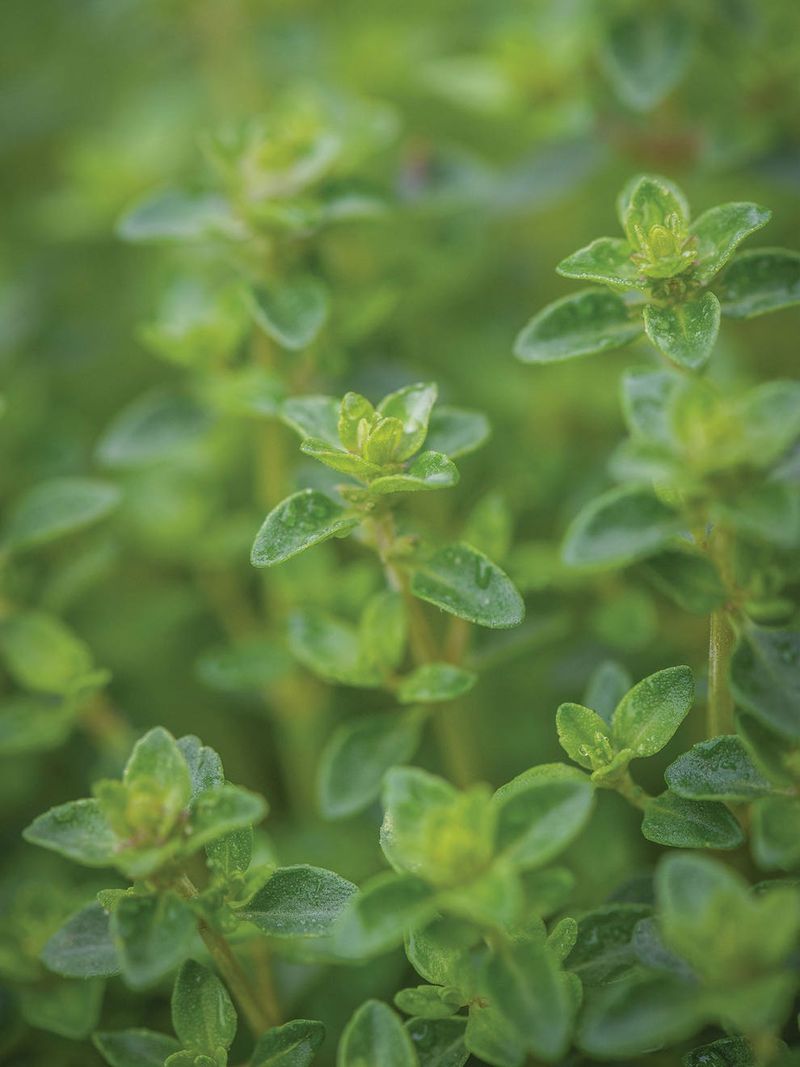
Thyme, with its earthy, aromatic scent, is a natural deterrent for deer. The strong fragrance is overwhelming to their sensitive noses, causing them to avoid areas where thyme is present.
Incorporating thyme into garden landscapes adds both beauty and protection. Its robust scent serves as a natural barrier.
Thyme’s effectiveness lies in its ability to mask the subtle fragrances that deer find attractive, ensuring they steer clear of treated areas. This aromatic herb adds a protective layer to any garden environment.
14. Coffee Grounds

Coffee grounds, with their rich, distinctive aroma, serve as a natural deer deterrent. The strong scent is off-putting to deer, prompting them to stay away.
Using coffee grounds in gardens not only recycles waste but also creates a fragrant barrier. The robust aroma masks the subtle scents that attract deer.
This method is both environmentally friendly and effective, ensuring gardens remain undisturbed by unwanted visitors. The presence of coffee grounds adds a warm, earthy layer of protection.
15. Mothballs

Mothballs, though traditionally used for clothing, act as a deer deterrent. Their strong, chemical scent is overwhelming to deer, prompting them to avoid areas where mothballs are present.
Placing mothballs around garden perimeters creates a barrier that deters deer. This method is both effective and easy to implement.
The pungent aroma of mothballs masks the subtle scents that attract deer, ensuring they remain at a distance. This protective measure adds a layer of defense against unwanted wildlife.
16. Strawberry
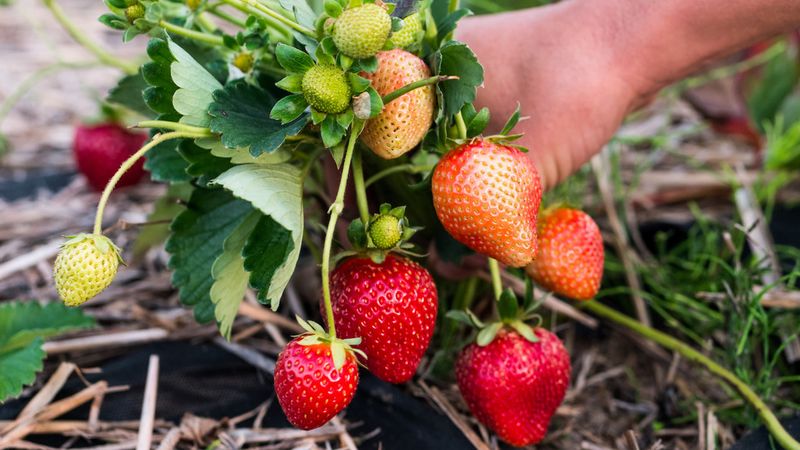
Strawberries, with their sweet, enticing aroma, are a magnet for deer. The rich fragrance is irresistible, drawing them to areas where strawberries grow.
For gardeners, this means taking extra precautions to protect strawberry patches from curious deer. Fencing or netting can help safeguard these beloved fruits.
The allure of strawberries lies in their ability to attract deer, who are drawn to their sweet scent. This creates both a challenge and an opportunity for creative garden management.
17. Cedar
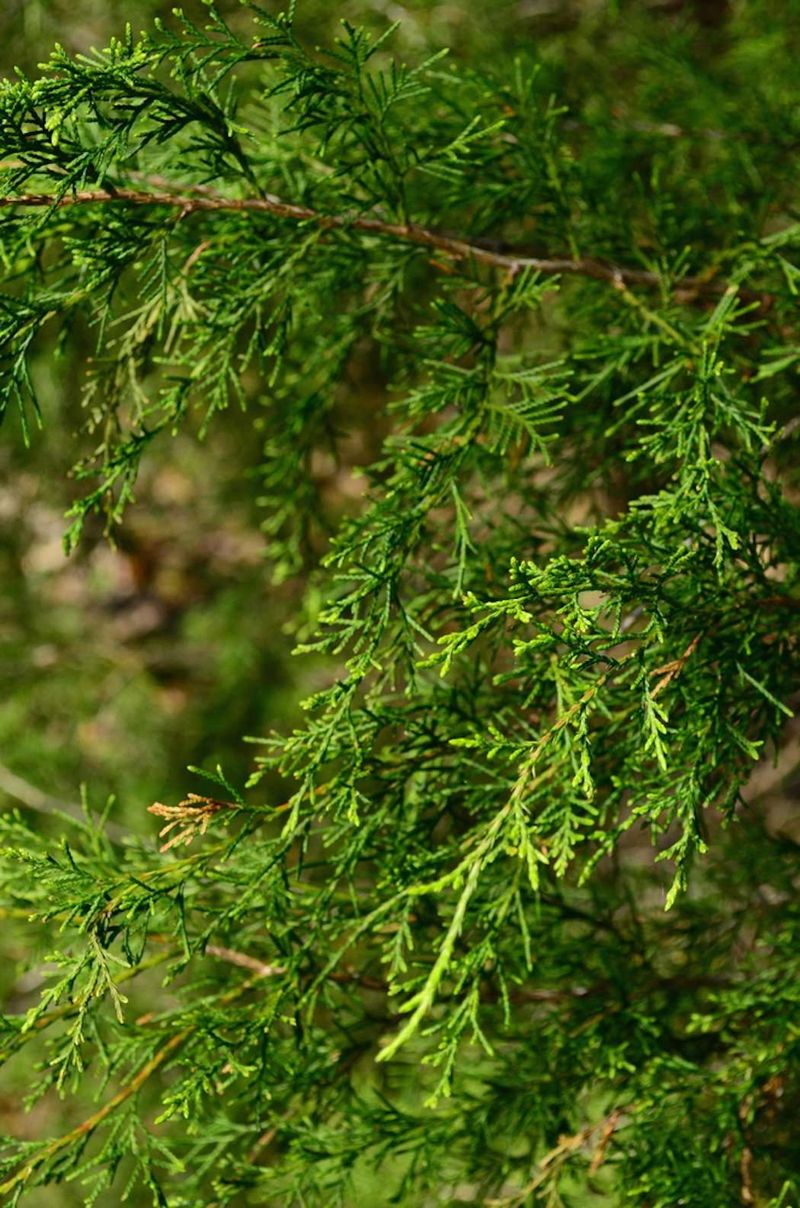
Cedar, with its rich, woody aroma, is a natural attractant for deer. The scent is inviting, encouraging deer to linger in areas where cedar is present.
For those managing deer presence, understanding cedar’s allure can inform strategies for controlling access to certain areas.
The appeal of cedar lies in its ability to create a welcoming environment for deer, who are drawn to its comforting fragrance. This knowledge can be leveraged for creating specific wildlife habitats.
18. Apple
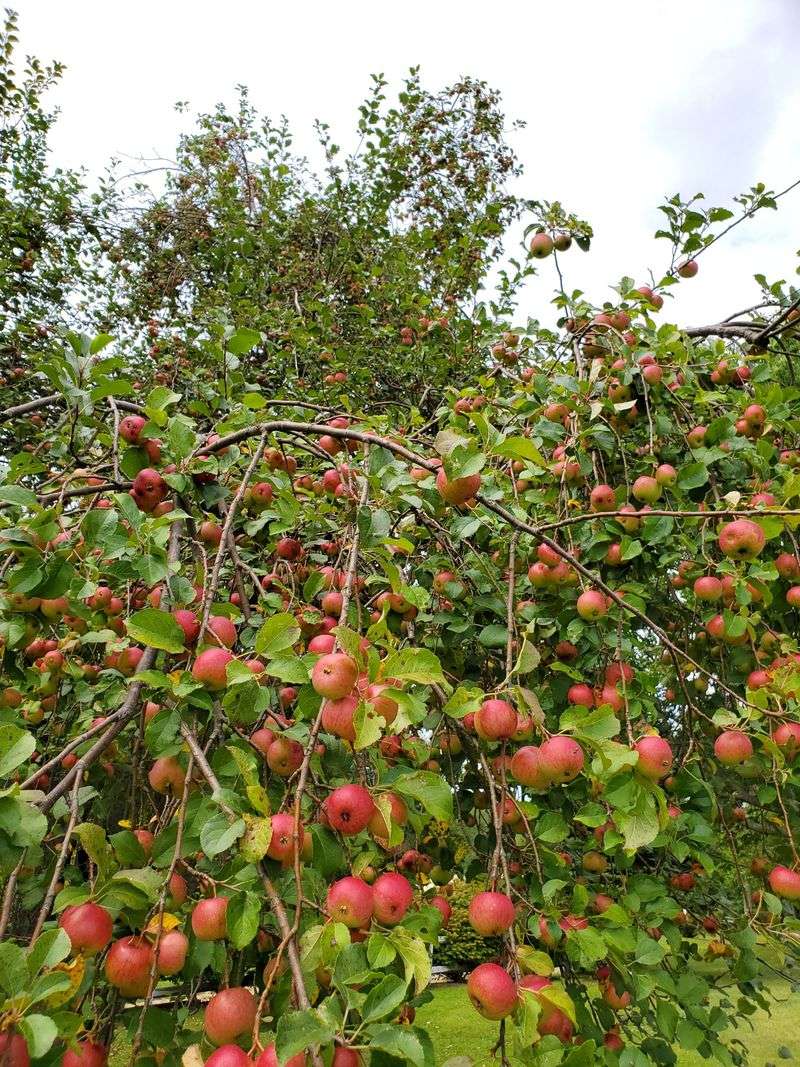
Apples, with their sweet, crisp aroma, are an irresistible lure for deer. The enticing scent draws them to orchards and gardens where apples grow.
For farmers and gardeners, this attraction requires careful management to prevent crop loss. Fencing and other protective measures can help protect apple yields.
The magnetic pull of apples lies in their ability to attract deer, who are drawn to their delicious fragrance. This creates both a challenge and an opportunity for those managing deer populations.
19. Corn
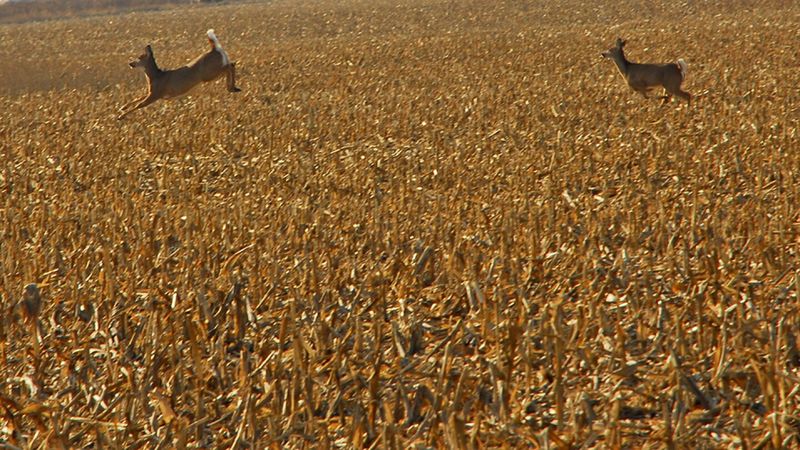
Corn, with its sweet, earthy aroma, is a favorite for deer. The scent is alluring, drawing them to fields where corn is grown.
Farmers must take precautions to protect their crops from deer, who are attracted to the scent and taste of corn. Fencing and deterrents can help safeguard harvests.
The appeal of corn lies in its ability to attract deer, who are drawn to its sweet fragrance. This creates both challenges and opportunities for managing deer in agricultural settings.
20. Acorns

Acorns, with their earthy, nutty aroma, are a natural draw for deer. The scent is inviting, encouraging deer to frequent areas where acorns are plentiful.
For those managing deer populations, understanding the allure of acorns can inform strategies for habitat management.
The attraction of acorns lies in their ability to provide both nutrition and a welcoming aroma for deer. This knowledge can be used to create specific wildlife habitats or manage deer presence effectively.
21. Vanilla
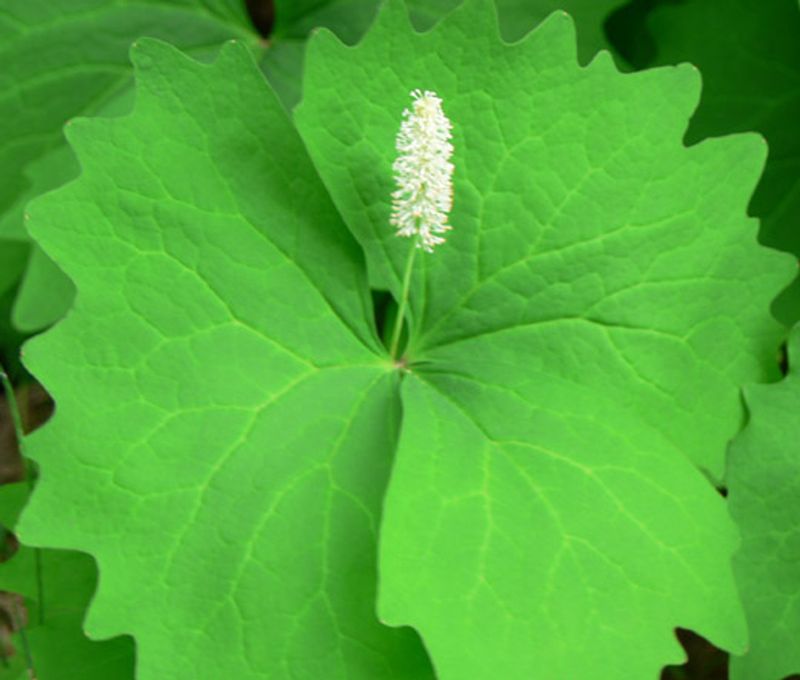
Vanilla, with its sweet, comforting aroma, acts as a magnet for deer. The scent is inviting, drawing them to areas where vanilla is present.
For gardeners and wildlife enthusiasts, understanding vanilla’s allure can help manage deer presence. Strategic planting or use can attract deer for observation or photography.
The appeal of vanilla lies in its ability to create a welcoming environment, encouraging deer to linger. This creates both opportunities and challenges for managing deer in garden settings.