 Complete Gardening
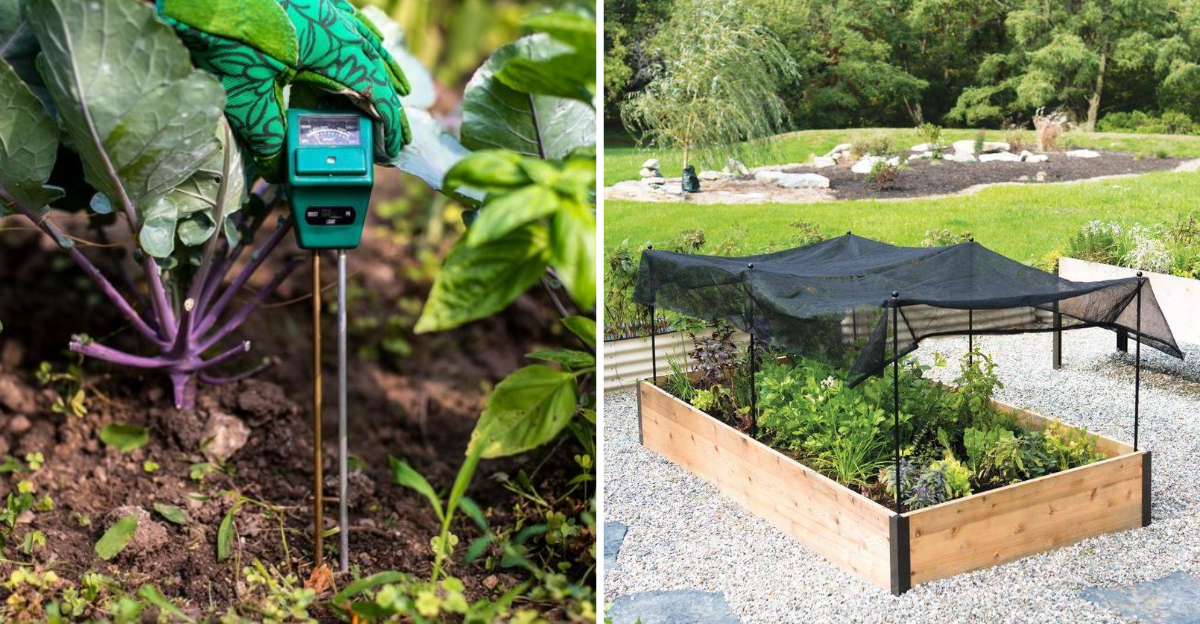
Vegetable bolting is a common issue faced by gardeners, especially during the warm summer months. Bolting occurs when plants prematurely produce a flowering stem, often leading to a bitter taste and reduced yield. Understanding how to prevent this can lead to a more fruitful and satisfying gardening experience. Here are 16 practical tips to keep your vegetables from bolting this summer.
1. Choose Heat-Resistant Varieties
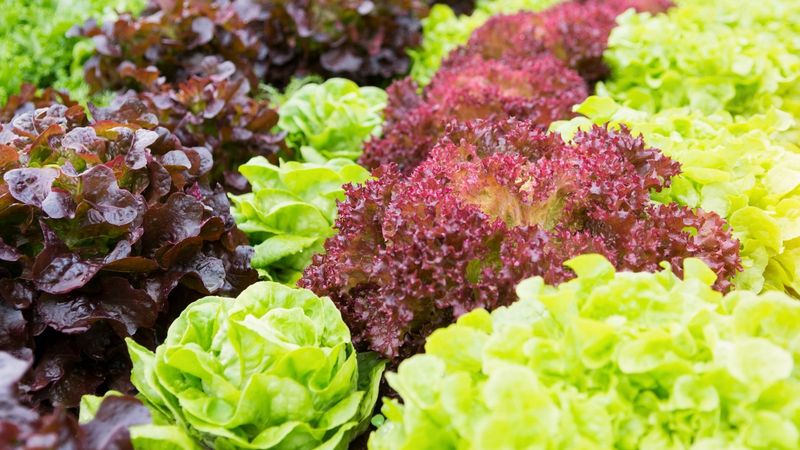
Selecting the right varieties can be a game-changer. Heat-resistant vegetables are specifically bred to withstand high temperatures, preventing premature bolting. Consider varieties like ‘Summer Crisp’ lettuce or ‘Corvair’ spinach, known for their tolerance to heat.
A wise choice in seeds can not only enhance your garden’s productivity but also make the gardening process more enjoyable. Avoid the disappointment of bolting by investing in seeds designed for resilience.
These varieties often come with the added benefit of resisting pests, providing an all-around win for gardeners.
2. Monitor Soil Moisture
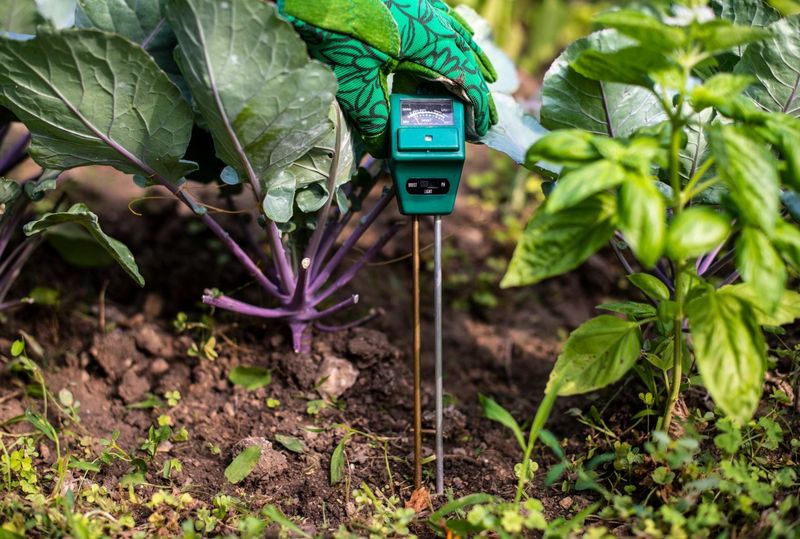
Keeping an eye on soil moisture is vital. Dry conditions can stress plants, leading them to bolt. Employing a moisture meter helps ensure that your vegetables receive adequate water without over-saturating the soil.
Regular monitoring allows you to adjust watering schedules according to your plants’ needs, maintaining optimal growth conditions.
A well-hydrated plant is less likely to bolt, thus prolonging its productive phase. This simple tool can be a game-changer in your gardening toolkit, providing peace of mind during the hot summer months.
3. Use Mulch to Retain Moisture
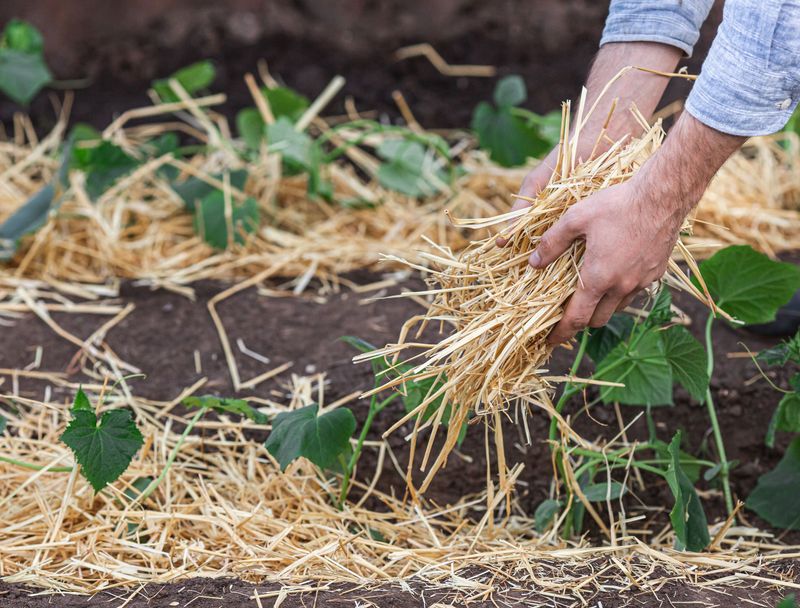
Mulching is a gardener’s best friend when combating bolting. By covering the soil with organic materials like straw or wood chips, you can significantly retain moisture and regulate soil temperature.
This creates a more stable environment for your plants, reducing the stress that can cause bolting.
Mulch not only conserves water but also improves the soil structure over time, making it a sustainable choice for long-term health. For a thriving and stable garden, embrace mulch as a regular practice.
4. Provide Shade During Peak Sun
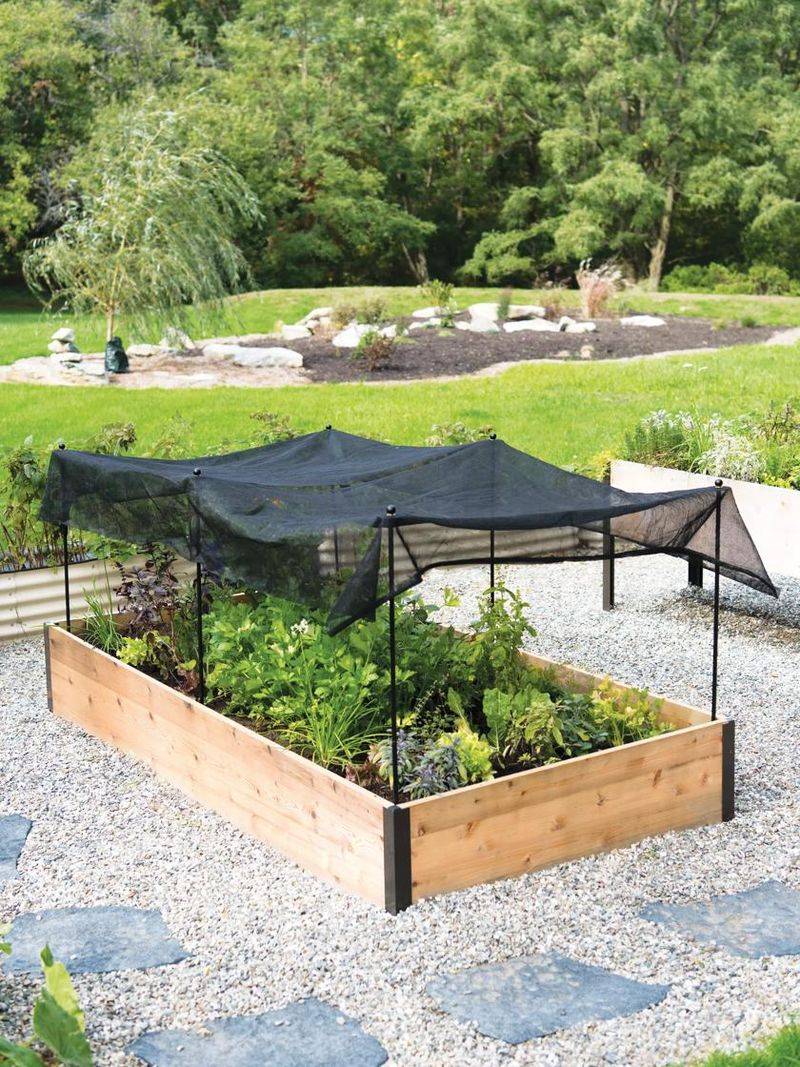
Intense sunlight can trigger bolting, especially in cool season crops. Using shade cloths during peak sun hours helps to protect your vegetables from excessive heat.
This simple yet effective technique can drastically reduce stress on plants, maintaining their growth cycle.
Shade cloths are available in various densities, allowing you to customize the level of protection. By providing a cool sanctuary, you can extend the life of your plants and enjoy a prolonged harvest.
5. Ensure Adequate Spacing
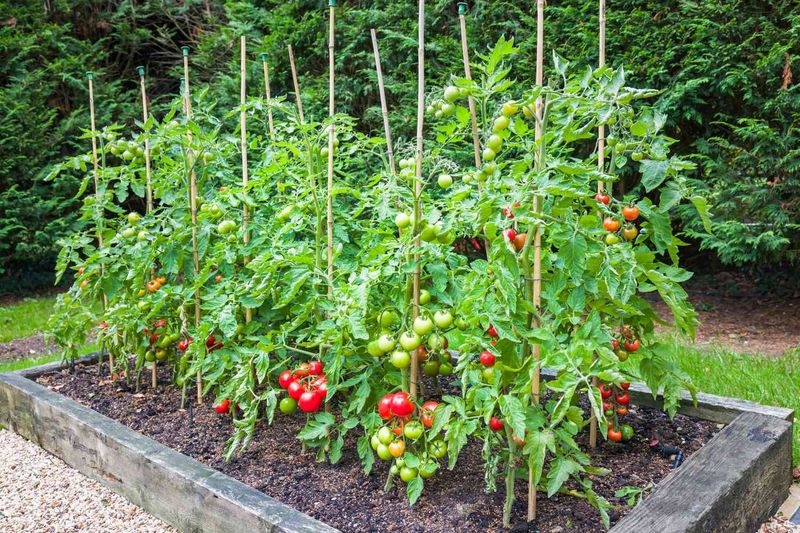
Crowded plants compete for resources, which can lead to stress and bolting. Ensuring adequate spacing allows each plant to receive sufficient nutrients, sunlight, and air circulation.
This thoughtful arrangement prevents competition and encourages healthy growth.
By giving your vegetables room to breathe, you create an environment where they can thrive without the pressure to reproduce prematurely. This simple adjustment can make a significant difference in your garden’s success.
6. Regularly Harvest Leaves and Flowers
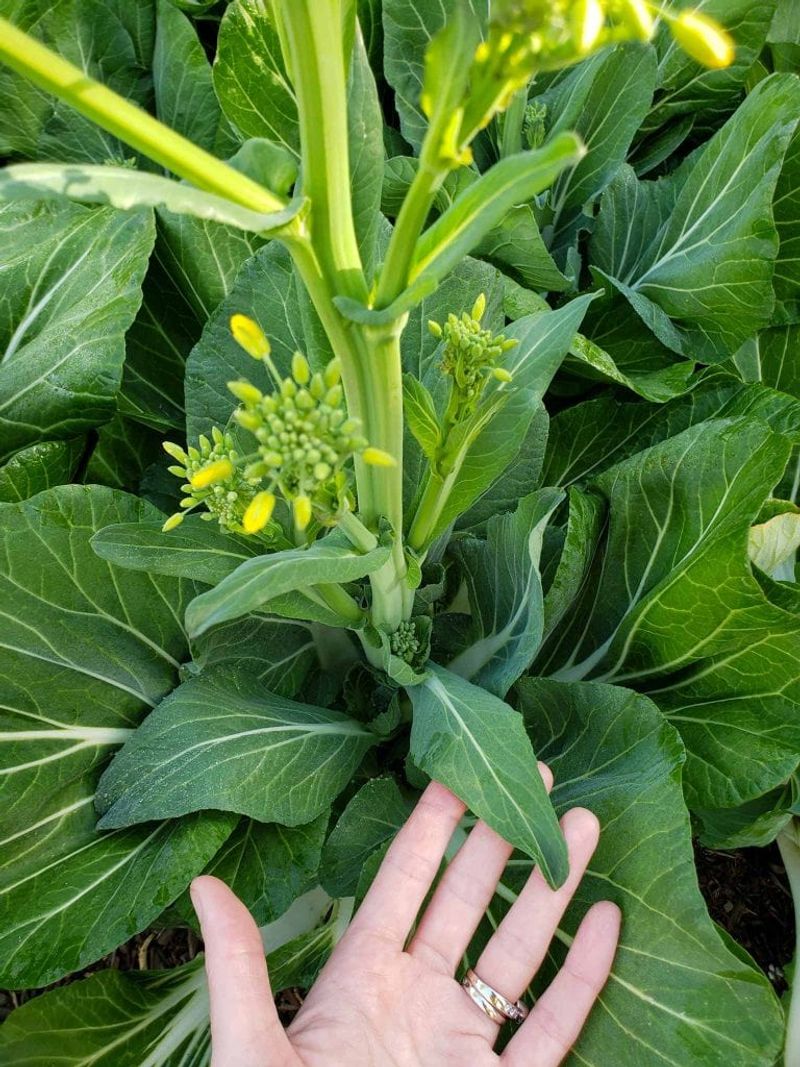
Regularly harvesting leaves and flowers from your plants encourages continual growth. This practice prevents the plant from reaching maturity too quickly, which can trigger bolting.
By keeping your plants in a state of production, you extend their lifespan and maximize yield.
This simple act of regular harvesting is not just beneficial for your garden but also provides fresh produce for your kitchen. A win-win for any gardener looking to make the most of their efforts.
7. Maintain Consistent Temperature
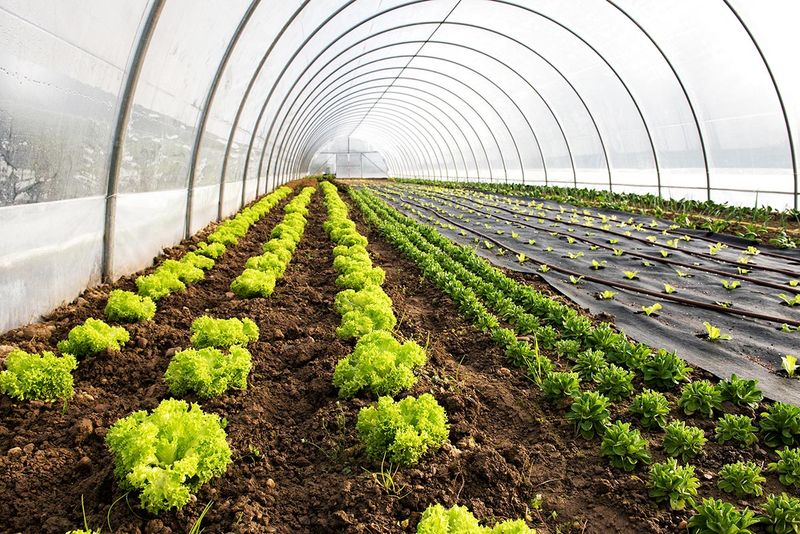
Temperature fluctuations are a common cause of bolting. By maintaining a consistent temperature around your plants, you can avoid the stress that leads to premature flowering.
Using greenhouses or row covers can help create a stable climate for your vegetables.
This controlled environment not only prevents bolting but also promotes overall plant health, making it a worthy investment for serious gardeners. Consistency in temperature translates to consistency in growth and production.
8. Feed Plants Wisely
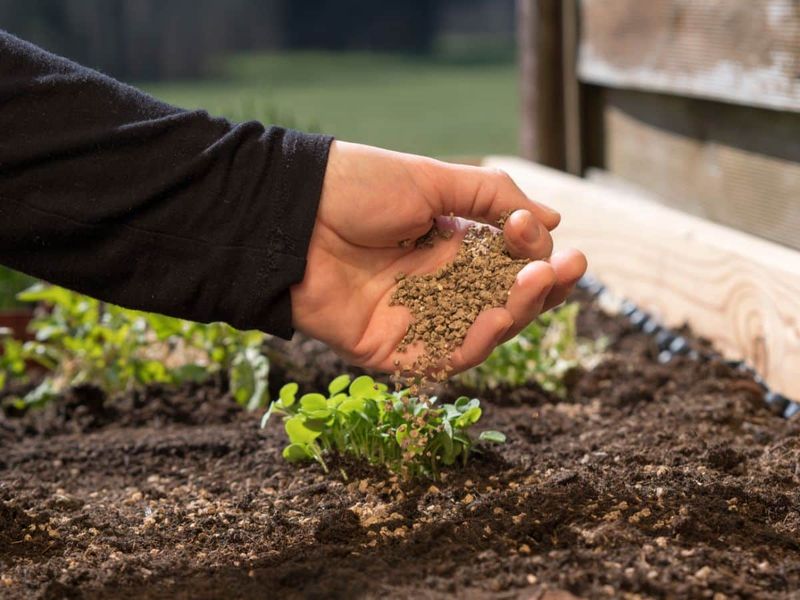
Proper nutrition is crucial in preventing bolting. Feeding your plants with balanced fertilizers ensures they have all the nutrients needed for growth without overstimulating them.
Organic options provide a steady release of nutrients, supporting sustained development. Avoid high nitrogen fertilizers that can prompt rapid growth and bolting.
By nourishing your plants wisely, you encourage strong, healthy growth that withstands stress. This thoughtful approach to feeding leads to a more productive and enduring garden.
9. Plant at Optimal Times

Timing is everything when it comes to planting. Sowing seeds at the optimal time for each vegetable ensures they grow under favorable conditions, reducing the risk of bolting.
Consulting a planting calendar can guide you in choosing the right time to plant based on your region’s climate.
This strategic planning leads to a flourishing garden, as plants mature naturally without the rush to bolt. By aligning your planting schedule with nature’s rhythm, you set your garden up for success.
10. Employ Companion Planting
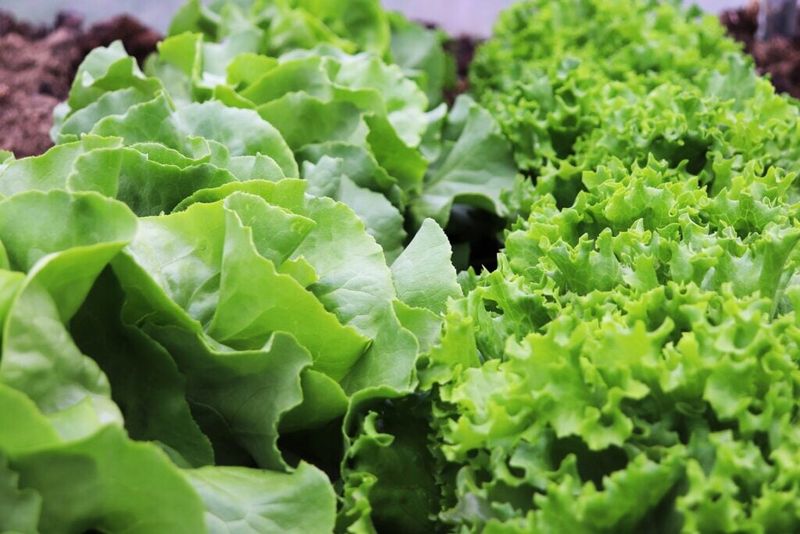
Companion planting can naturally deter bolting by creating a balanced ecosystem. Certain plants, when grown together, can protect each other from pests and environmental stresses.
For example, growing basil alongside tomatoes can enhance growth and deter insects. This synergy reduces stress, lessening the chance of bolting.
By adopting companion planting, you foster a cooperative and resilient garden environment, enriching both soil and plants. This age-old technique is both practical and rewarding, promoting a thriving garden.
11. Use Intercropping Techniques
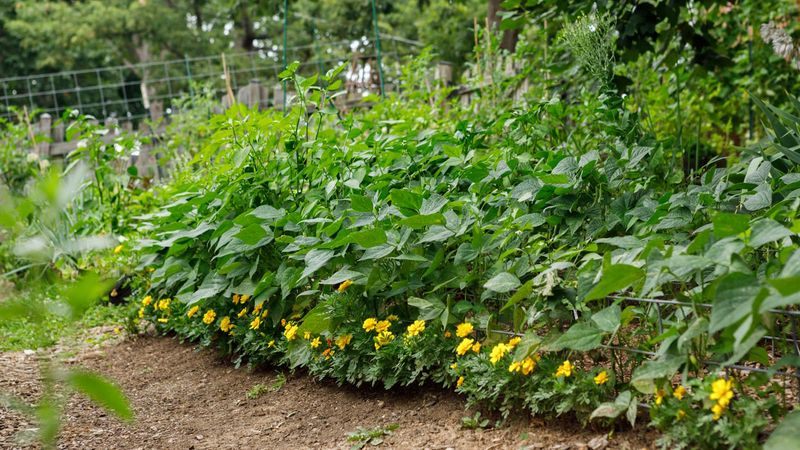
Intercropping involves planting different crops in proximity to encourage beneficial interactions. Fast-growing plants can provide shade for slower-growing ones, reducing stress and preventing bolting.
This method maximizes space and resources, creating a diverse and dynamic garden.
By carefully selecting compatible plants, you can enjoy a balanced and productive growing season. Intercropping not only prevents bolting but also enhances soil health and biodiversity, making it a holistic approach to gardening.
12. Apply Compost Regularly
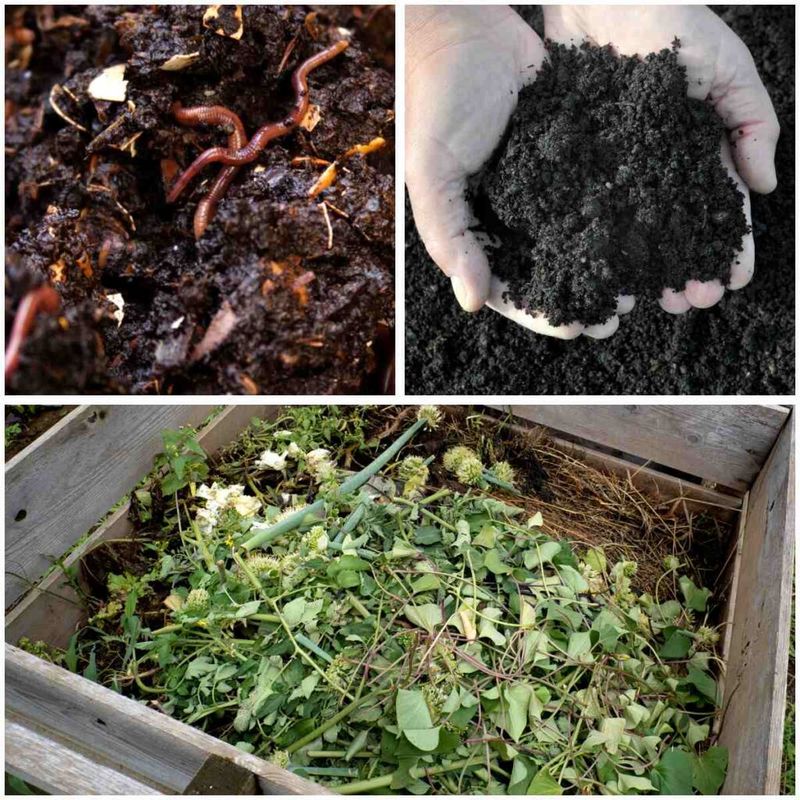
Compost is a gardener’s secret weapon against bolting. Regularly applying compost enriches the soil, providing essential nutrients that support steady growth.
This natural amendment enhances soil structure and moisture retention, creating an ideal environment for vegetables.
Compost fosters a lively soil ecosystem, promoting plant health and resilience. By integrating compost into your gardening routine, you nurture a robust and thriving garden, reducing the likelihood of stress-induced bolting.
13. Practice Crop Rotation
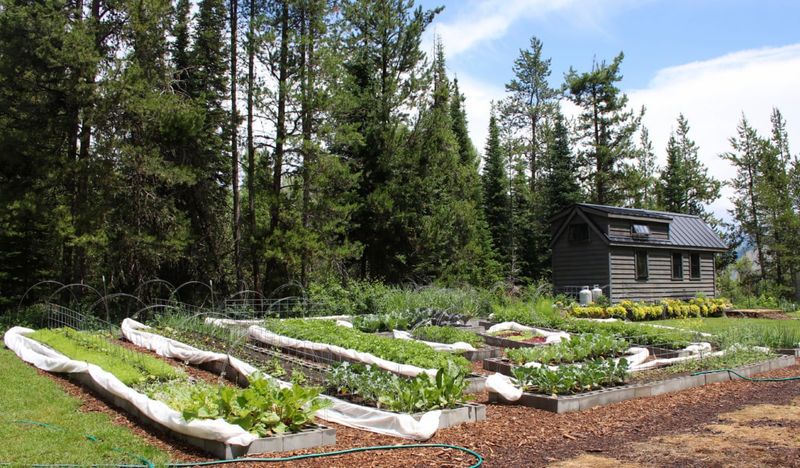
Crop rotation is a time-tested technique that helps prevent bolting by disrupting pest cycles and improving soil fertility. Rotating crops ensures that nutrients are not depleted, maintaining soil health.
This practice reduces stress on plants, allowing them to grow vigorously without bolting.
By changing planting locations each season, you promote a balanced and sustainable garden ecosystem. Crop rotation is a proactive step towards a resilient and productive garden, offering long-term benefits.
14. Select Slow-Bolting Varieties
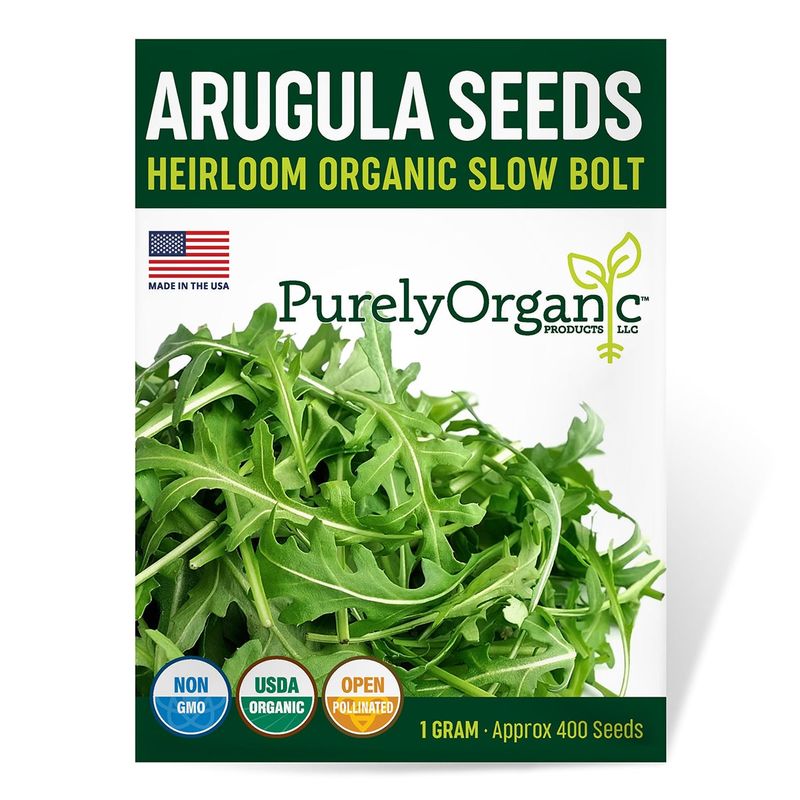
Choosing slow-bolting varieties can significantly enhance your gardening success. These plants are bred to delay flowering, allowing you to harvest longer. Look for labels indicating ‘slow-bolt’ when purchasing seeds.
This choice gives you an edge in managing your garden’s productivity throughout the summer.
By opting for these varieties, you align with nature’s pace, enjoying a bountiful harvest without the rush of bolting. It’s a simple yet effective strategy to keep your garden thriving all season long.
15. Keep Stress Levels Low
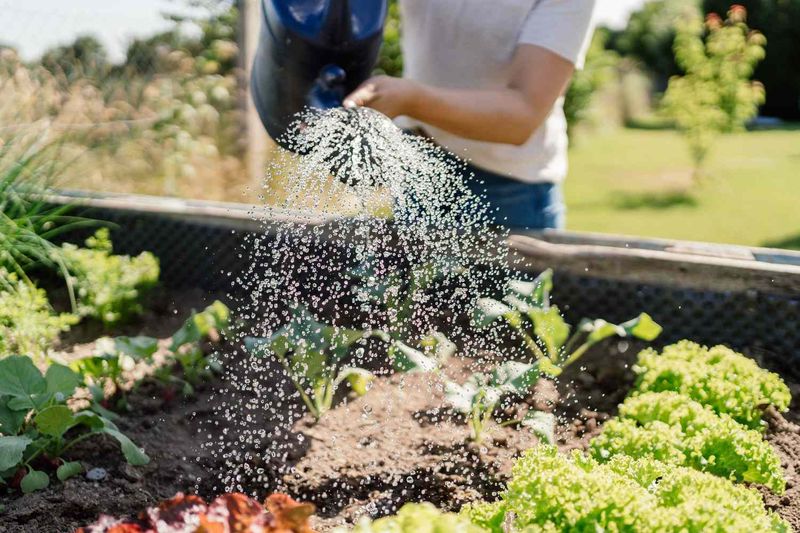
Stress management is crucial for preventing bolting. By maintaining optimal conditions, such as consistent watering and temperature control, you reduce the stress on plants.
Happy plants focus energy on growth rather than reproduction, which is the goal for most gardeners.
Creating a serene and supportive environment allows your vegetables to flourish naturally. This holistic approach fosters a healthy garden, minimizing the triggers that lead to bolting. It’s all about balance and care.
16. Optimize Watering Schedule
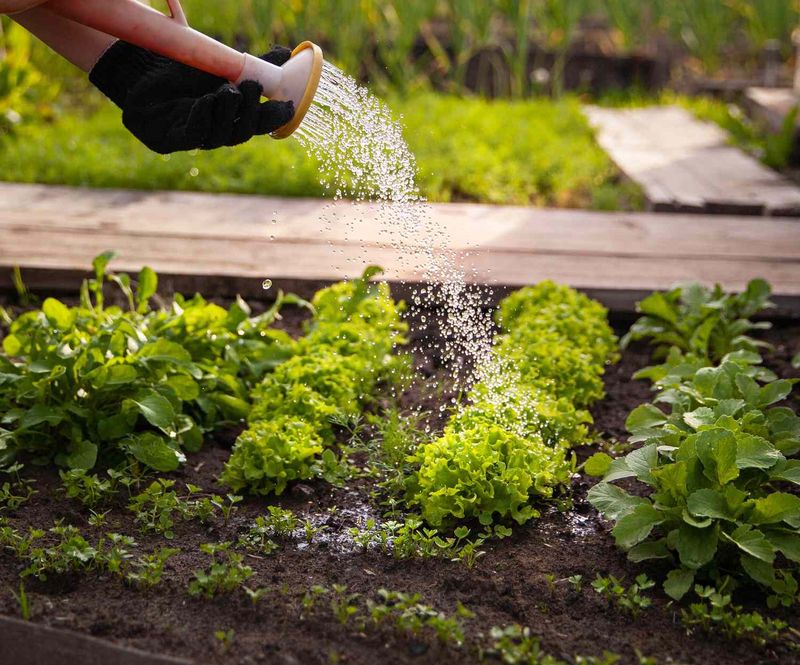
Watering is crucial for preventing bolting, yet many overlook the timing. Early morning watering helps plants absorb moisture before the day’s heat intensifies, reducing stress.
Consider using drip irrigation systems to deliver water directly to the roots, minimizing evaporation and ensuring consistent moisture. This approach not only saves water but also keeps the soil environment stable.
Did you know? Over-watering can be just as harmful, leading to root rot. Therefore, balance is key. Adjust based on weather conditions to maintain optimal hydration and thwart the bolting process effectively.