 Complete Gardening
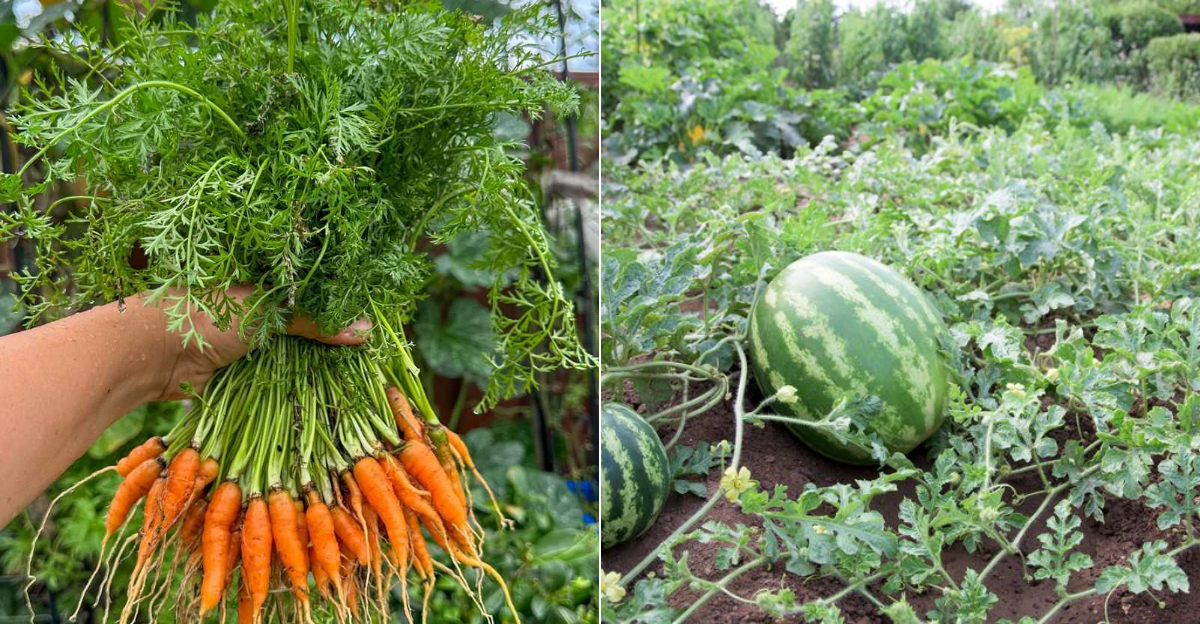
Explore the fascinating world of raised bed gardening with our detailed exploration of vegetables. Discover which 10 vegetables thrive in raised beds, growing quickly and efficiently, and learn about the 10 that find these garden spaces less than ideal. This guide provides insights into the unique needs of each vegetable, with engaging descriptions and creative imagery, ensuring a balanced and informative read. Whether you’re an experienced gardener or just starting, this blog post will help you make informed decisions about your garden’s layout and planting choices.
1. Radishes
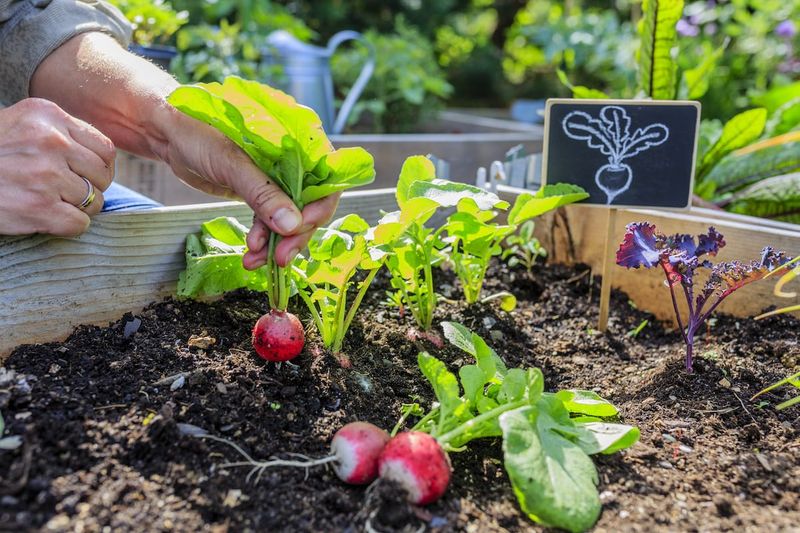
Radishes surprise many with their speed. Their preference for loose, well-drained soil makes raised beds their ideal home. In as little as 3-4 weeks, these peppery delights are ready to harvest.
Its crisp texture and spicy flavor make it a gardener’s favorite. Why wait long for gratification when radishes offer almost instant reward?
Fun fact: Radishes were cultivated in Egypt as early as 2780 BC. These ancient roots have traveled through time to grace your modern garden. Their history is as rich as their taste.
2. Lettuce
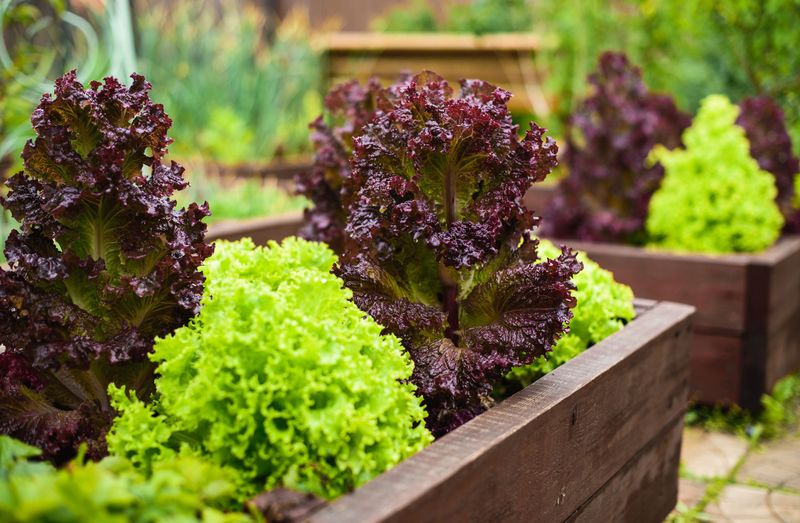
Lettuce loves raised beds. With consistent moisture and protection from pests, it grows quickly, remaining tender and crisp. Imagine tossing a salad with leaves so fresh they still glisten with morning dew.
The secret to its success? Well-draining soil and a microclimate that keeps it cool. Raised beds provide just that. Each bite is a testament to the nurturing conditions of its home.
Did you know that lettuce was served to Persian kings as early as 550 BC? These leafy greens have regal roots, making them a noble addition to any garden.
3. Spinach
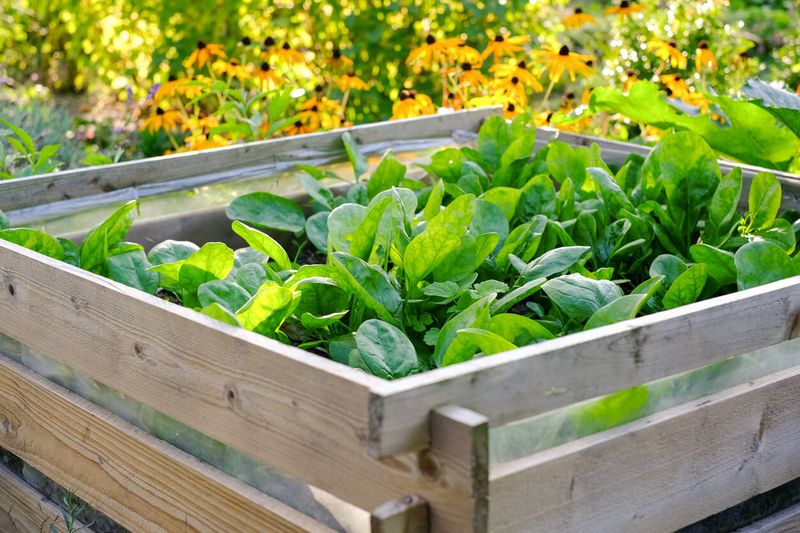
Spinach thrives in cool, well-draining soil, which makes raised beds perfect for its growth. Picture lush, green leaves basking in the gentle morning sun, nourished by the cooler temperatures below.
This nutrient powerhouse offers more than just taste. Rich in vitamins, spinach loves the space and drainage that raised beds afford. Its rapid growth ensures a steady supply for health-conscious individuals.
Spinach’s history traces back to ancient Persia, where it was known as ‘aspanakh.’ Embrace this leafy tribute to wellness in your garden, and enjoy its swift journey from seed to table.
4. Arugula
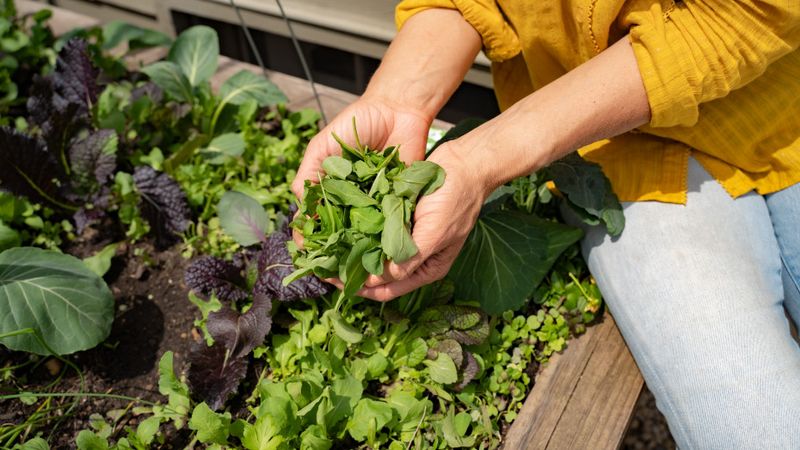
Arugula, with its peppery punch, finds a happy home in raised beds. The controlled environment reduces the risk of bolting, enabling steady growth of its distinct, serrated leaves.
Raise a forkful to your lips and savor the flavor that defines gourmet salads. Its quick growth ensures a constant supply of this culinary favorite, making it a must-grow.
Historically, arugula was a favorite among Romans, who believed it had aphrodisiac properties. Whether or not you buy into the myth, your taste buds will be thankful for this ancient delight.
5. Green Onions/Scallions
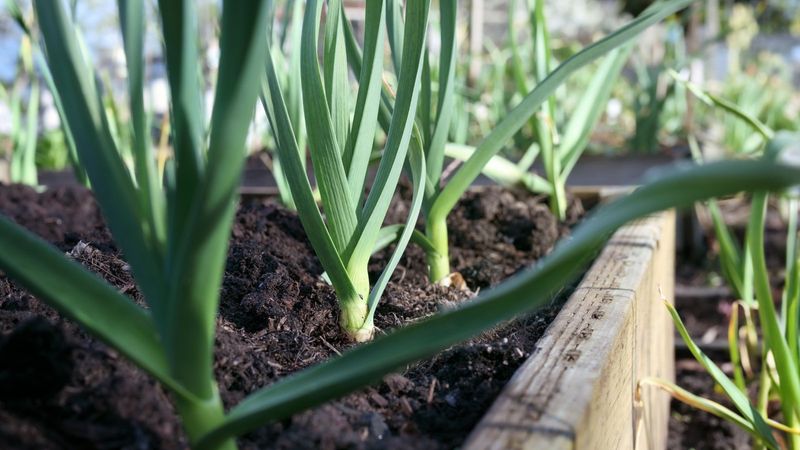
Green onions, or scallions, dance with delight in raised beds. Their slender stalks sway gently, reaching maturity in just 30-40 days. They are perfect for continuous planting, ensuring a perpetual harvest.
Raised beds offer these allium wonders loose soil, preventing compaction and promoting healthy root growth. Imagine the melody of flavors they add to dishes, elevating simple meals to gourmet status.
Scallions have been cultivated for over 5,000 years, with their origins tracing back to Central Asia. These ancient alliums are a timeless addition to modern gardens.
6. Bush Beans

Bush beans thrive without restriction in raised beds, where soil compaction is a thing of the past. Once planted, they produce an abundant yield that delights gardeners and cooks alike.
Their robust nature is enhanced by the well-drained, airy soil, which fosters healthy roots and plentiful pods. Picture a basket overflowing with beans, each pod a promise of culinary delight.
Native to Central and South America, bush beans were an essential crop for indigenous people. Today, they continue to nourish and delight, with flavors that echo their rich heritage.
7. Peas
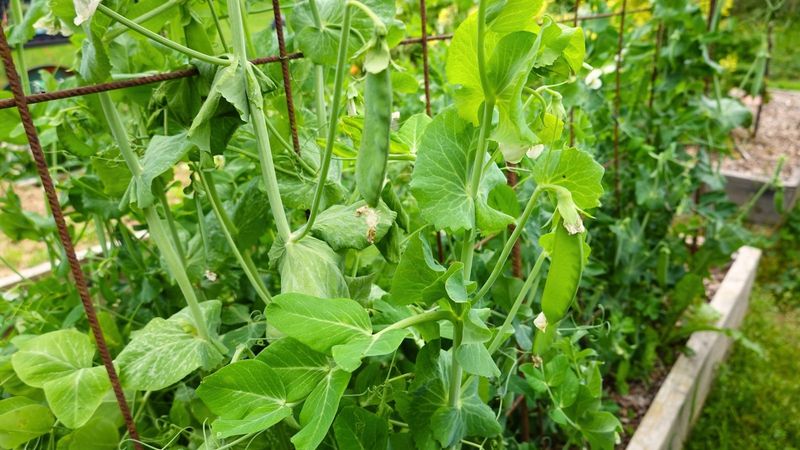
Peas find an early start in raised beds, where the soil warms faster, allowing for timely planting. Supported by trellises, they climb gracefully, their pods swelling with sweet treasures.
The raised bed environment reduces pest issues, ensuring a healthy growth cycle. Imagine popping open a pod, revealing peas so sweet they rival candy.
Peas have been cultivated since the Neolithic period, proving their enduring appeal. From ancient fields to your garden, peas offer a taste of history with each bite.
8. Baby Carrots
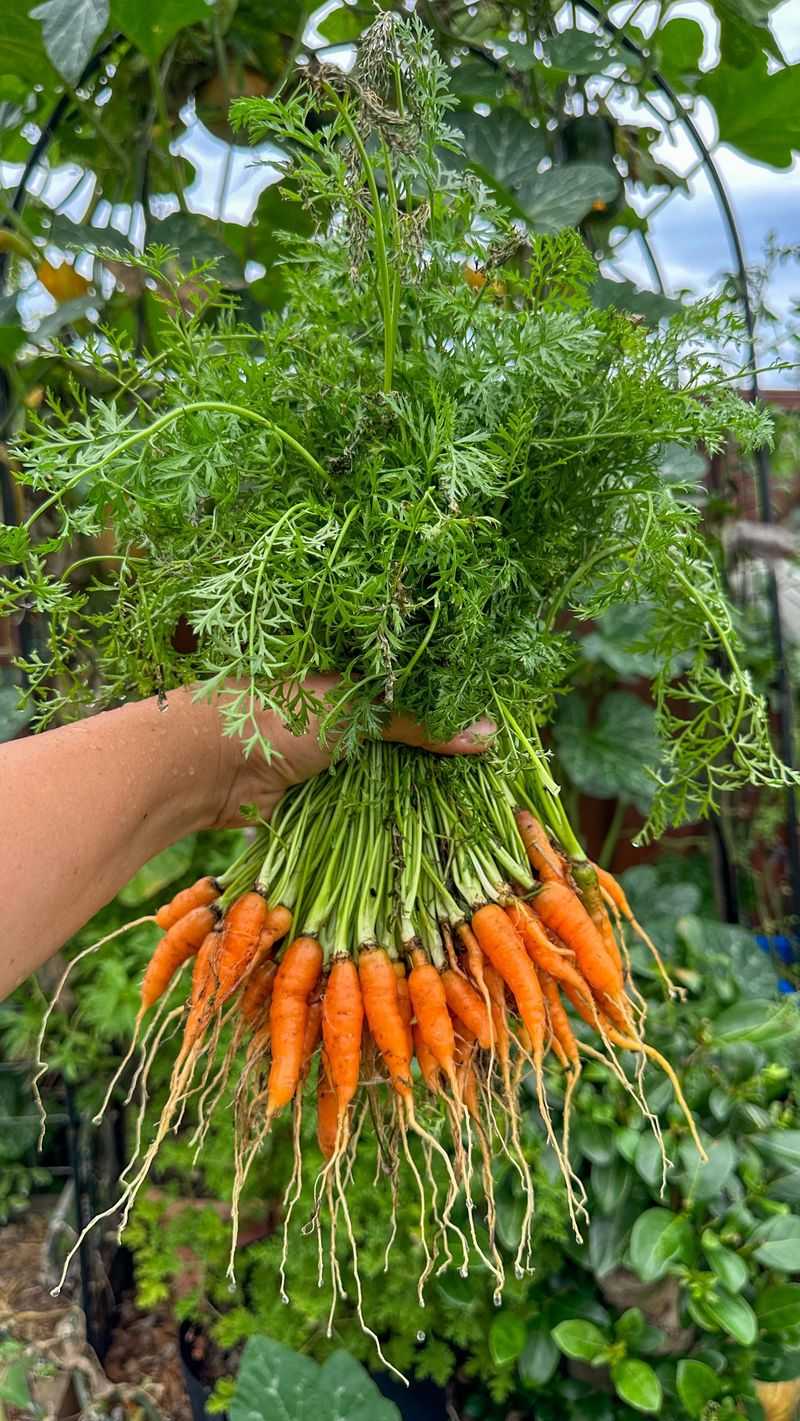
Baby carrots enjoy the luxury of deep, loose soil in raised beds, enabling them to grow straight and true. Their vibrant orange tops peek through the earth, promising a sweet, crunchy reward.
The rock-free environment prevents misshapen roots, ensuring uniformity and quality. Imagine a bundle of these miniatures, fresh from your garden, ready to snack on or cook with.
Carrots originated in Persia and were initially purple and yellow. Their transformation to orange is a testament to horticultural innovation, and they’re a staple in modern cuisine.
9. Beets
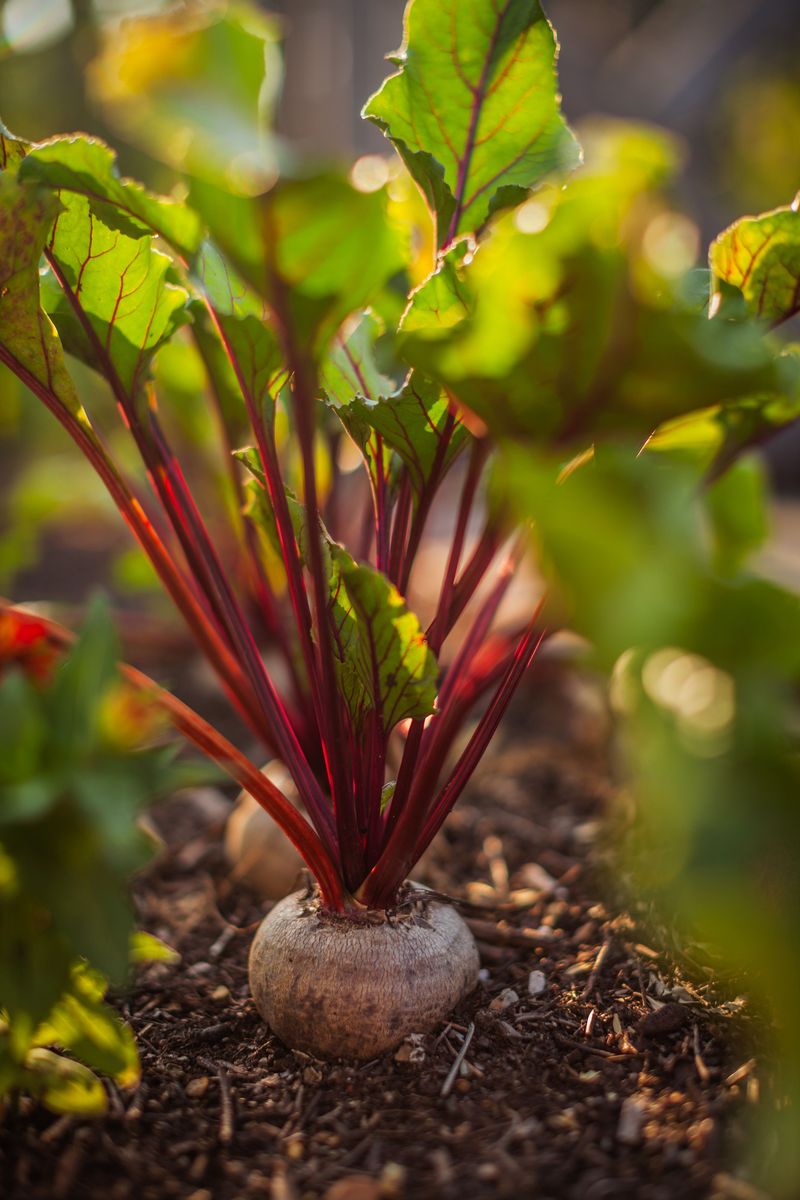
Beets relish the conditions of a raised bed, where rocky soil is nowhere to be found. This absence allows for the development of smooth, unblemished roots that are both tasty and nutritious.
Their earthy sweetness is complemented by the nutritious greens, creating a dual-purpose crop. Imagine them roasted to perfection, their flavors enhanced by the richness of the soil.
Beets have a storied history, used by Romans as an aphrodisiac. Today, they’re celebrated for their health benefits and are a colorful addition to any meal.
10. Swiss Chard
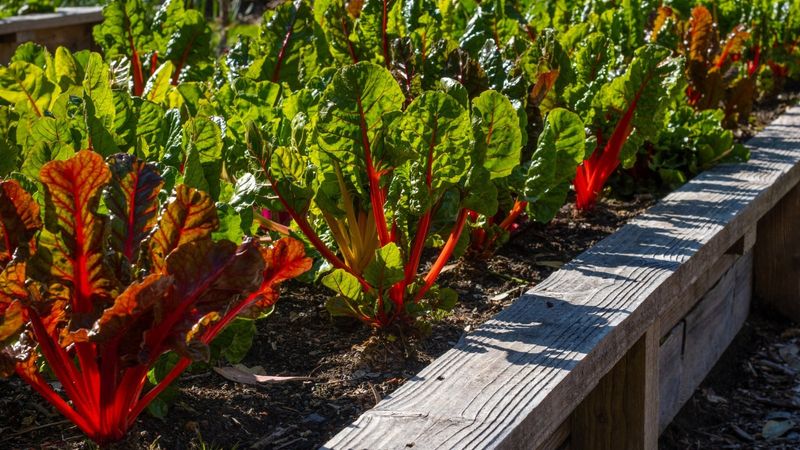
Swiss chard dazzles with its vibrant, rainbow-colored stalks. In raised beds, it grows vigorously, thanks to excellent drainage and space for its roots.
Imagine adding its colorful leaves to your meals, each bite rich in flavor and nutrients. Raised beds provide the perfect conditions for its lush growth, ensuring a continuous harvest.
Native to the Mediterranean, Swiss chard has been a staple since ancient times. Its colorful appearance and rich taste make it a garden favorite that stands the test of time.
11. Kale
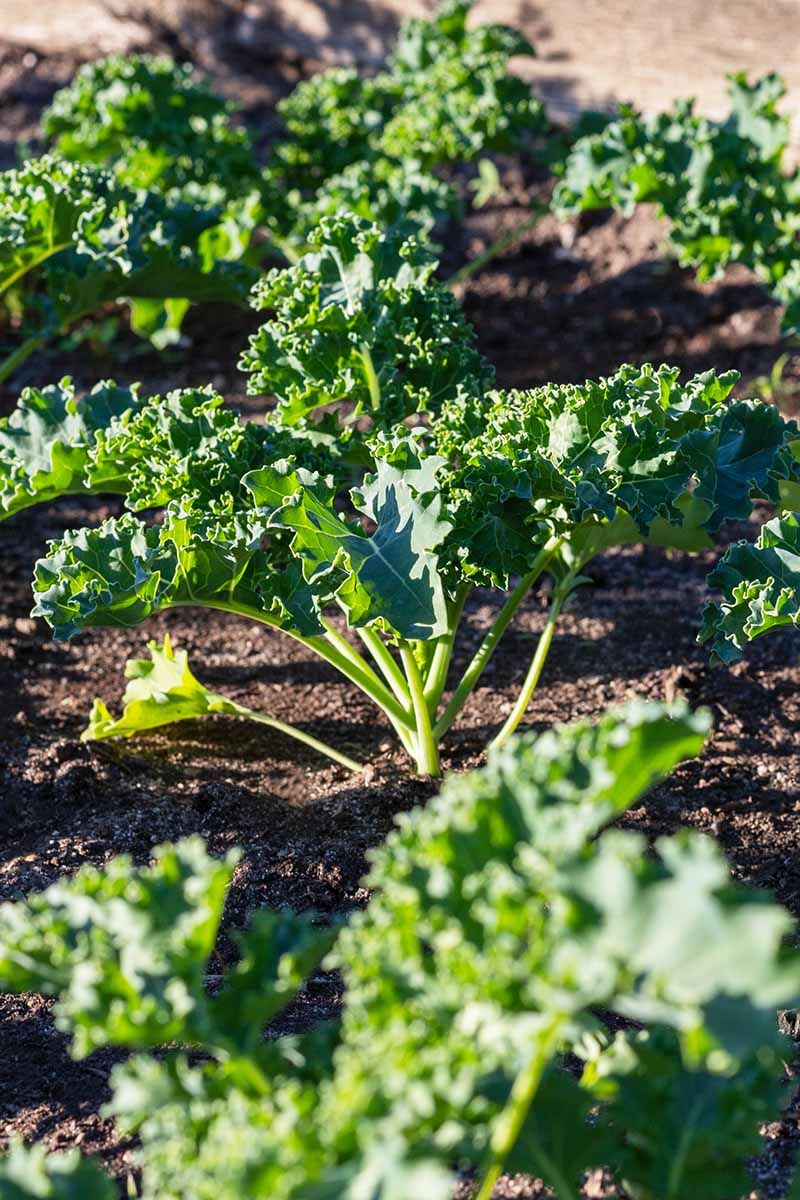
Kale thrives in raised beds, where it is less prone to root diseases. Its crinkly leaves unfurl with vigor, promising a bounty of health benefits and robust flavor.
The controlled environment protects kale from pests, allowing it to grow strong and delicious. Picture adding its rich, earthy taste to a morning smoothie or hearty soup.
Kale’s origins trace back to the Eastern Mediterranean, where it was cultivated for its resilience. Today, it’s a superfood sensation, celebrated for its nutritional profile and distinctive taste.
12. Turnips
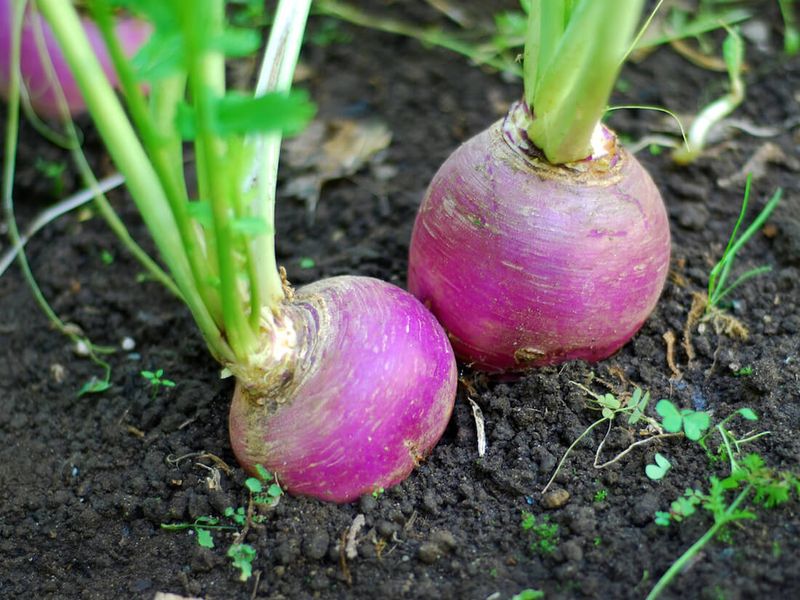
Turnips, with their rapid growth, are well-suited for raised beds. Their white and purple roots develop smoothly, without the hindrance of compacted soil.
Picture a harvest of these hardy vegetables, their greens swaying gently in the breeze. Whether roasted or mashed, turnips offer a versatile addition to the kitchen.
Historically, turnips were a staple in Roman diets, valued for their adaptability and nutrition. Their enduring appeal continues today, making them a practical choice for gardeners everywhere.
13. Bok Choy
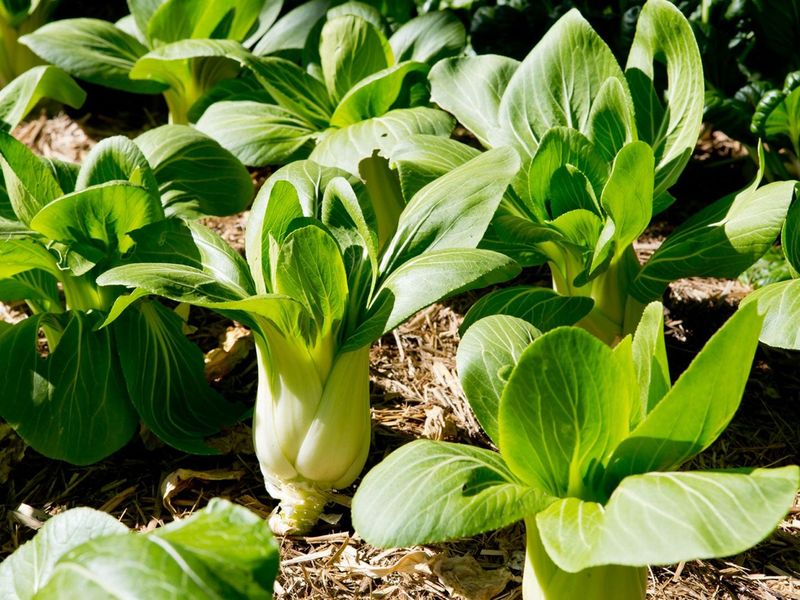
Bok choy enjoys the consistent moisture and loose soil of raised beds. Its broad leaves and crisp stalks grow rapidly, offering a fresh, crunchy texture. The well-drained soil enhances its growth, making it a gardener’s delight.
With origins in China, bok choy has been cultivated for over 5,000 years. Its enduring popularity speaks to its versatile use and delightful taste, a true culinary treasure.
14. Cilantro
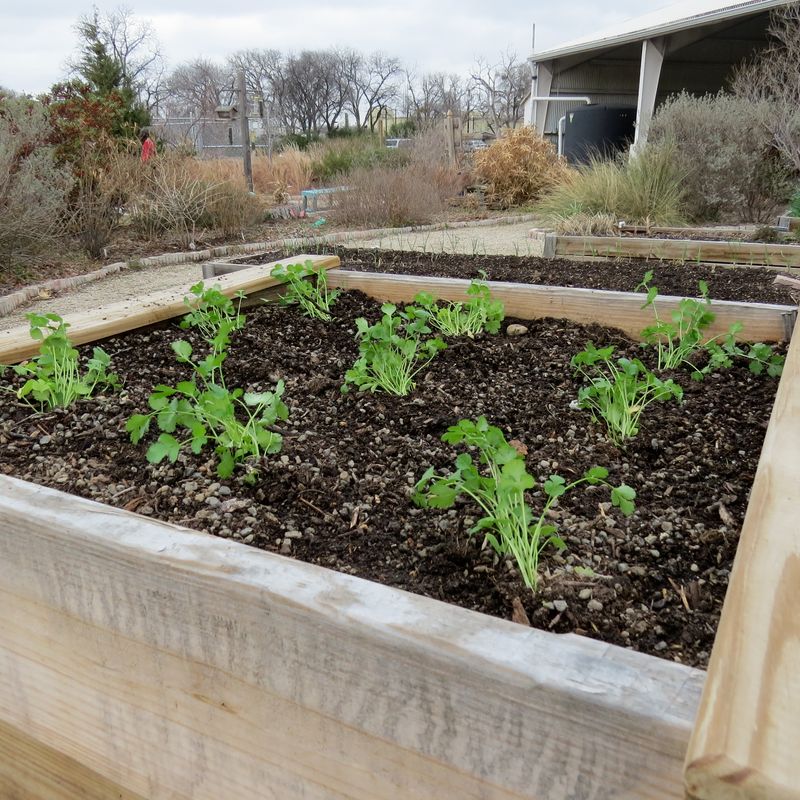
Cilantro grows lush and vibrant in raised beds, where cooler, well-drained soil prevents bolting. Its delicate fronds offer a burst of flavor that is both refreshing and bold. Raised beds create an ideal climate for its swift growth and robust flavor.
Cilantro has been cherished since ancient times, with seeds found in Egyptian tombs. Its aromatic leaves continue to inspire chefs and home cooks alike, providing a fragrant touch to meals.
15. Zucchini (Bush Types)
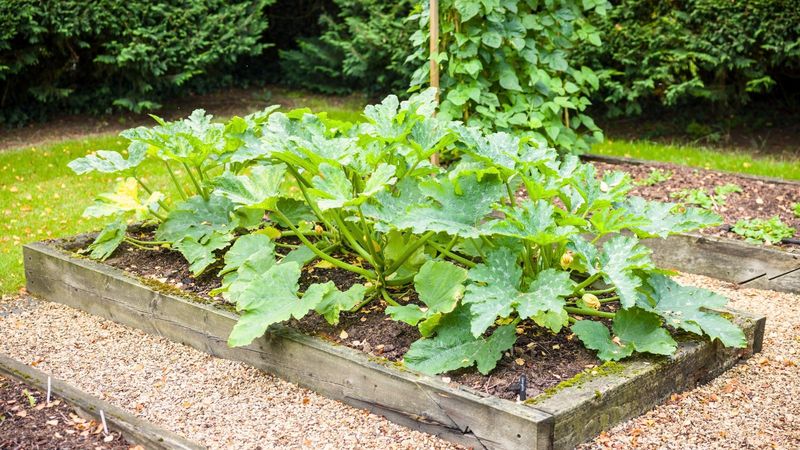
Zucchini, especially bush types, prospers in raised beds with warmer soil. Their sprawling leaves capture sunlight, nurturing the growth of tender, delicious fruits. Raised beds provide the warmth and drainage these plants love.
Zucchini traces its roots to Central America, where indigenous people first cultivated it. Its modern popularity is a testament to its versatility and flavor, a garden favorite that never fails to deliver.
1. Corn

Corn’s towering stalks and need for wind pollination make it less suited for raised beds. These giants crave deep, wide spaces to properly thrive.
Originating from Mexico, corn has been a staple crop for thousands of years. While it flourishes in fields, its needs make it a less-than-ideal candidate for confined spaces like raised beds.
2. Potatoes
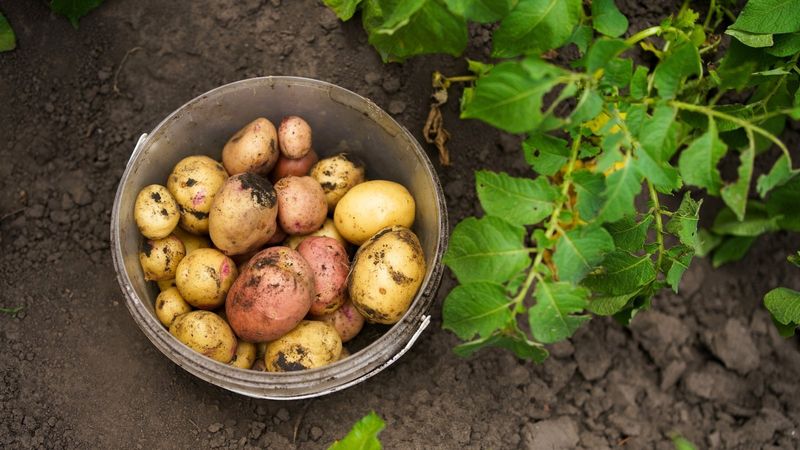
Potatoes can grow in raised beds, but often with reduced yields compared to in-ground mounds. These tubers enjoy sprawling, and confined spaces can limit their potential. Raised beds provide good conditions but may not fulfill their full potential.
Potatoes hail from the Andes, where they have been cultivated for millennia. Their adaptability is unmatched, but their preference for vast space makes them a better fit for fields.
3. Pumpkins
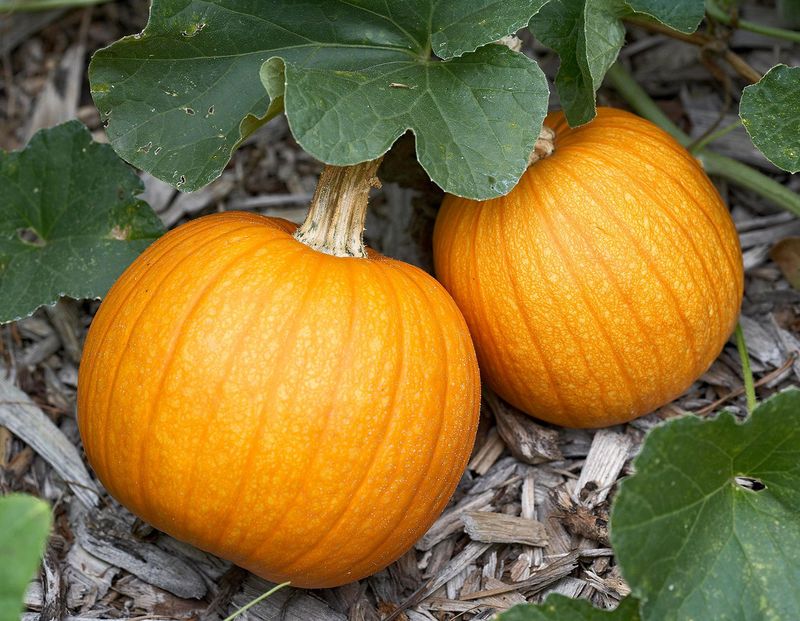
Pumpkins, with their sprawling vines and large fruits, require more space than raised beds can offer. These garden giants need room to roam and spread their tendrils. Raised beds confine their growth, limiting their impressive spread.
Pumpkins have roots in North America, where indigenous people first cultivated them. Their iconic appearance and festive nature make them a cultural staple, but not a raised bed favorite.
4. Winter Squash (Butternut, Acorn, etc.)
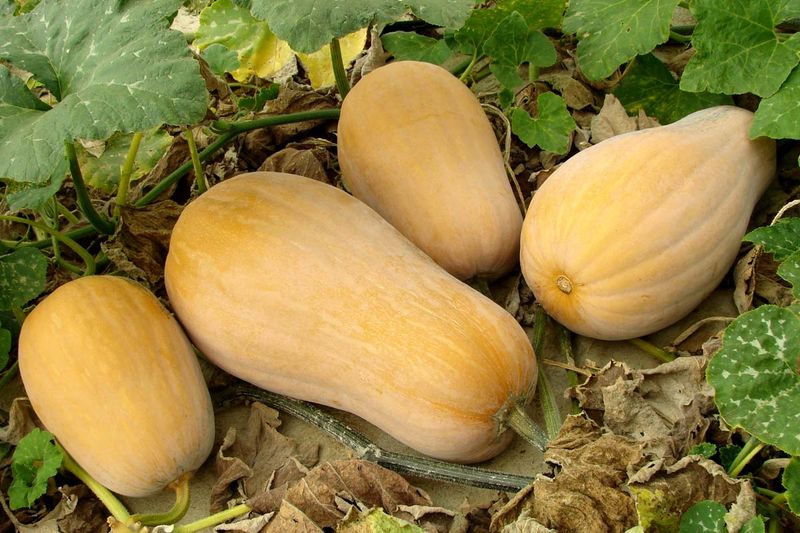
Winter squash, like pumpkins, require room to stretch. Their sprawling nature makes them less suitable for confined raised beds. Raised beds simply can’t accommodate their extensive growth.
Originating in the Americas, winter squash has long been a part of indigenous agriculture. Its robust flavors and versatility are celebrated, but its needs often exceed what raised beds can provide.
5. Watermelons
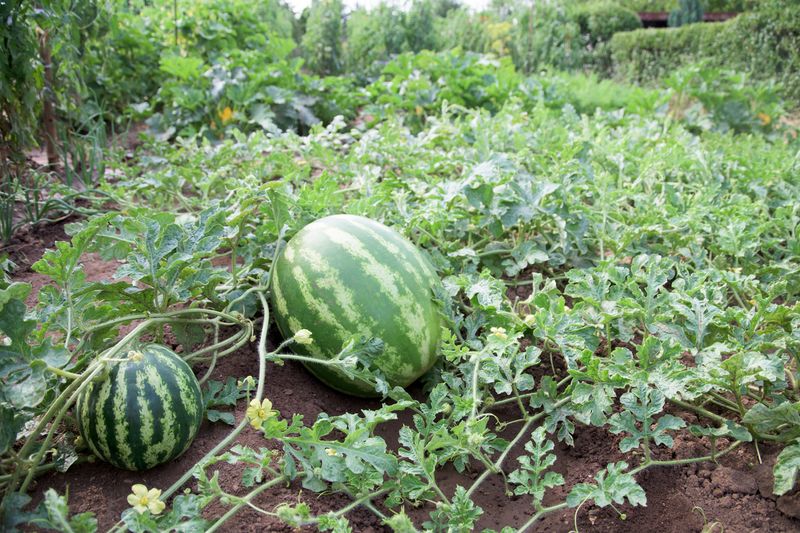
Watermelons are heavy feeders, requiring ample space and nutrients, making them ill-suited for raised beds. Their vines spread wide, supporting large, juicy fruits. Raised beds limit their reach and nutrient uptake, impacting their size and sweetness.
Watermelons, native to Africa, have quenched thirsts for centuries. Their juicy sweetness is a summer staple, but their needs demand more than a raised bed can offer.
6. Asparagus

Asparagus is a perennial plant that prefers the stability of in-ground planting. Its deep roots and long-term growth make raised beds less ideal for its needs. Raised beds, with their limited depth, can’t fully support its underground development.
Asparagus has been a culinary delight since ancient times, celebrated for its unique flavor and nutritious benefits. It thrives best in permanent garden plots, where it can establish its roots.
7. Rhubarb
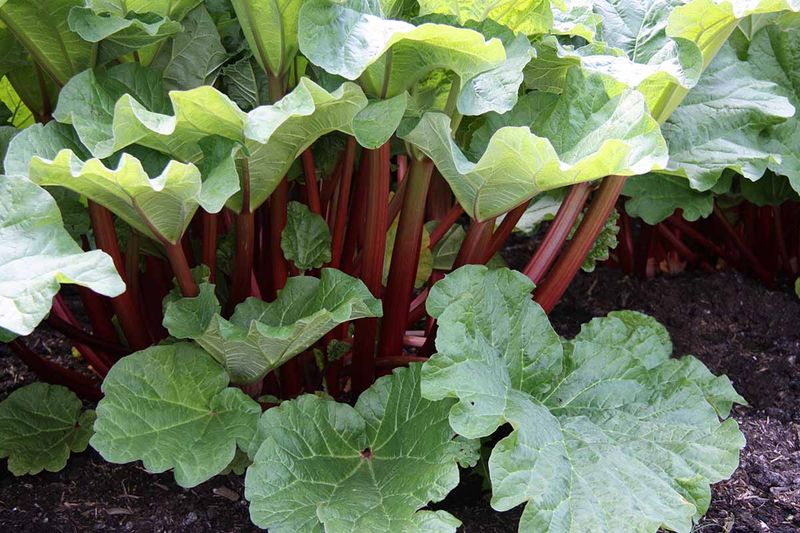
Rhubarb’s deep roots and perennial nature make it less suited for raised beds. This garden staple thrives in permanent plots where it can grow undisturbed year after year. Raised beds lack the depth for rhubarb’s long-term success.
Originating in Asia, rhubarb has been cultivated for its medicinal and culinary uses for centuries. Its tangy taste and robust growth have made it a beloved plant, best suited for spacious in-ground gardens.