 Complete Gardening
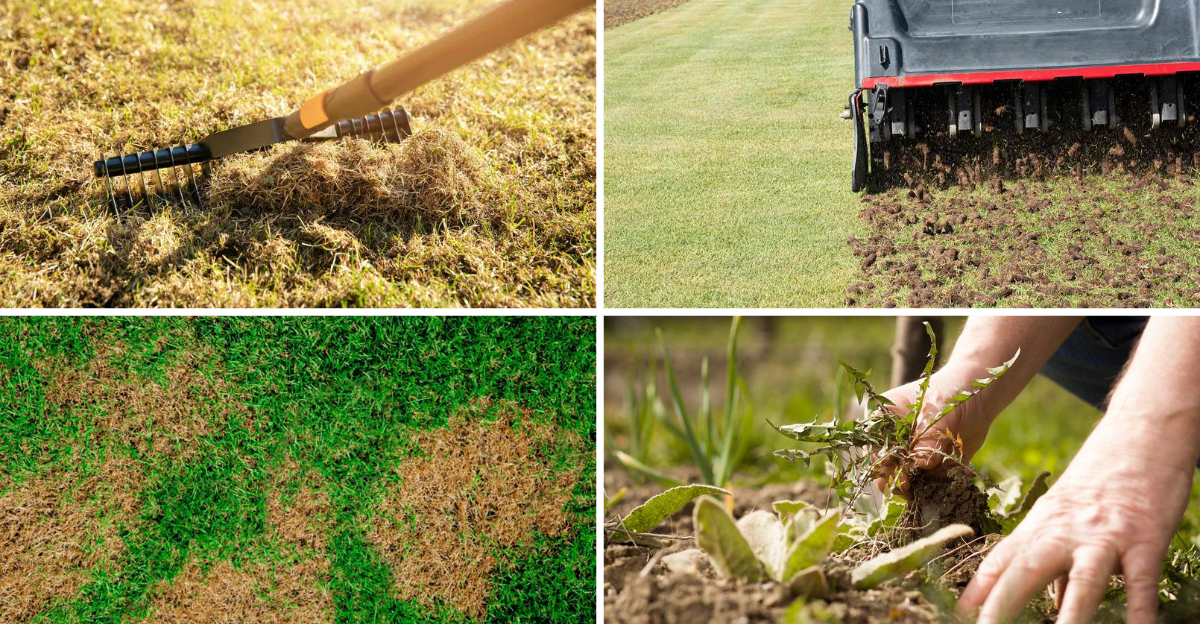
Nothing breaks a homeowner’s heart quite like watching their once-lush lawn turn brown and patchy. Whether your grass is struggling from drought, disease, or neglect, there’s hope for bringing it back to life. With the right techniques and a little patience, you can transform your yard from an eyesore into the envy of the neighborhood.
1. Test Your Soil pH Levels
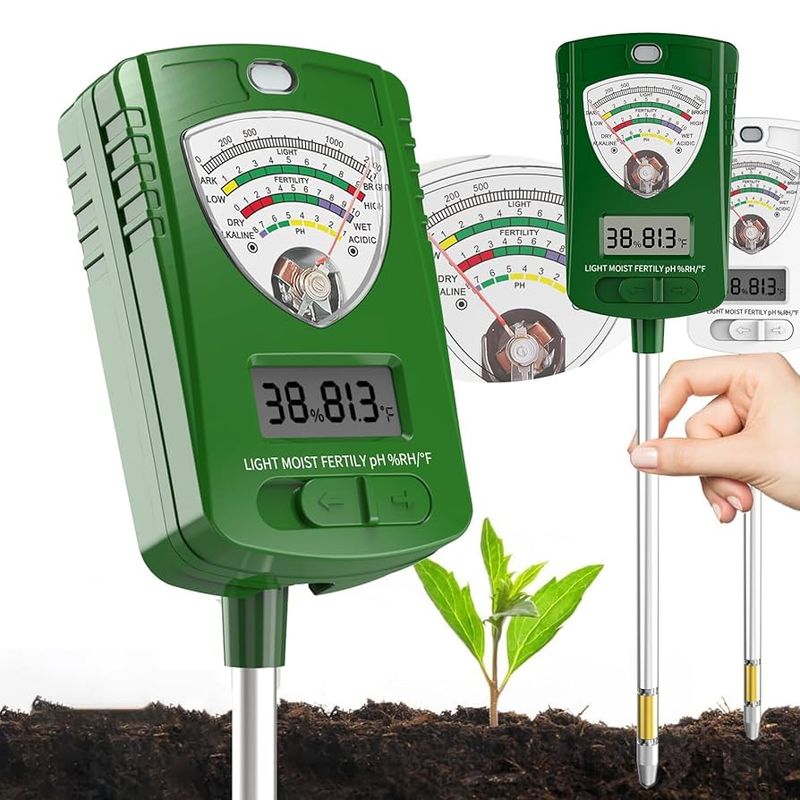
Your lawn might be crying out for help because the soil is too acidic or alkaline. Most grass types thrive when soil pH stays between 6.0 and 7.0.
Grab a simple soil test kit from your local garden center for under ten dollars. Mix soil samples from different yard areas with the testing solution.
Once you know your pH level, add lime to raise it or sulfur to lower it for optimal growing conditions.
2. Overseed Bare and Thin Spots
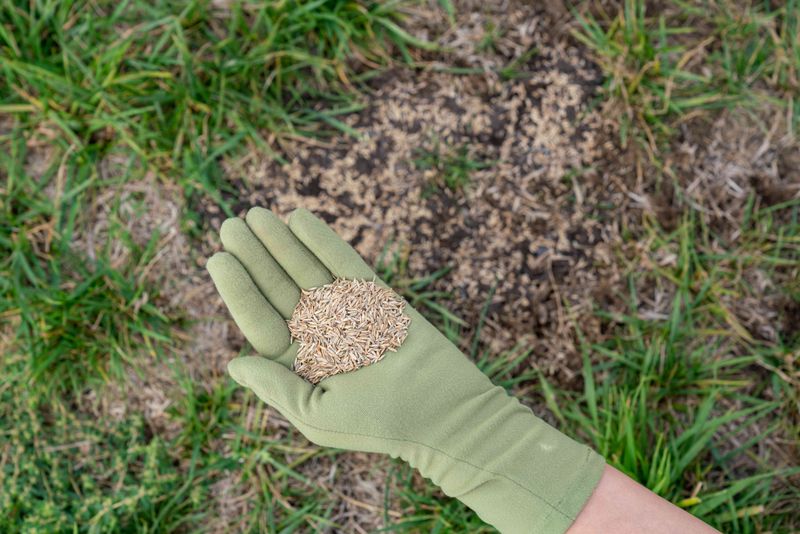
Bare patches make your lawn look like a patchwork quilt that’s seen better days. Overseeding fills these gaps with fresh grass that matches your existing variety.
Choose seeds that match your climate and current grass type. Rake the soil lightly to create small grooves for better seed contact.
Water gently twice daily until new shoots appear, then gradually reduce frequency while increasing watering depth for stronger roots.
3. Improve Drainage in Soggy Areas
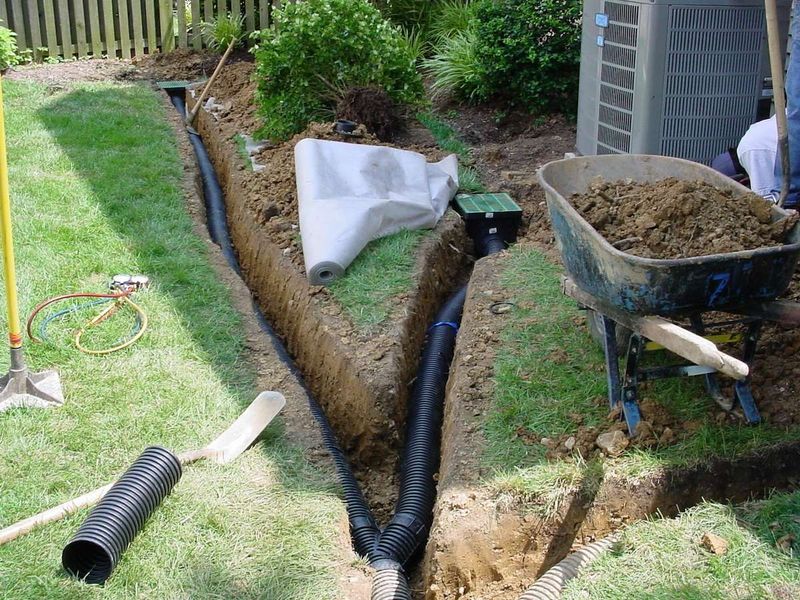
Standing water kills grass roots faster than you can say ‘swamp thing.’ Poor drainage creates the perfect environment for fungal diseases and root rot.
Look for puddles that stick around more than 24 hours after rain. These spots need immediate attention through aeration or French drains.
Consider adding sand or compost to heavy clay soil, or install drainage pipes for seriously waterlogged areas that refuse to cooperate.
4. Aerate Compacted Soil
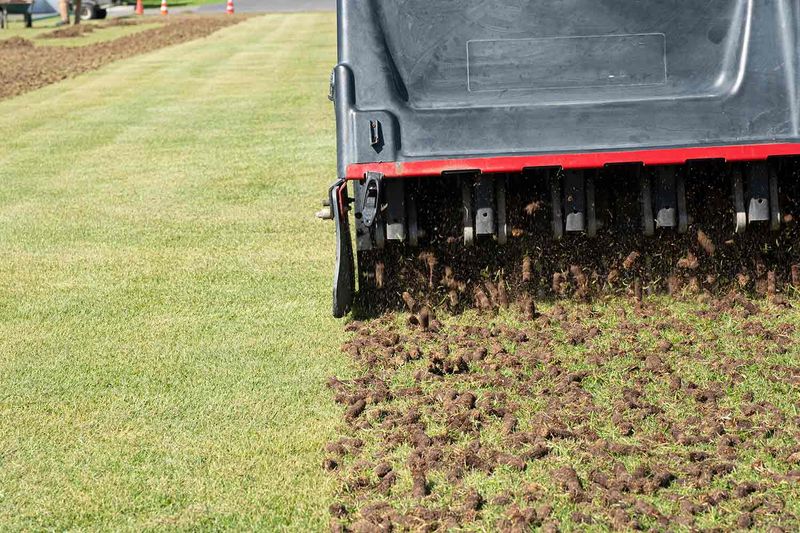
Imagine trying to breathe through a straw all day – that’s what your grass feels like in compacted soil. Heavy foot traffic and clay soil create rock-hard conditions.
Rent a core aerator that pulls actual plugs from the ground rather than just poking holes. Spring and fall offer the best timing for this treatment.
Those ugly soil plugs scattered across your lawn will break down naturally, adding organic matter back to the earth.
5. Apply Balanced Fertilizer
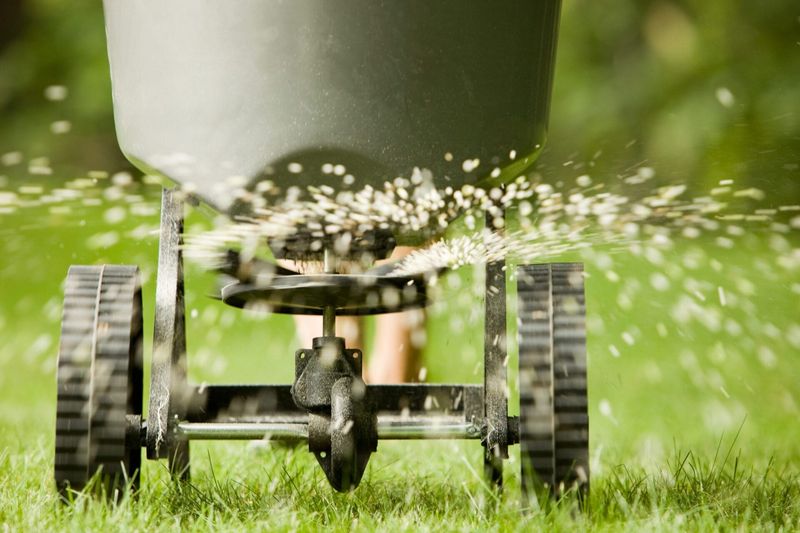
Hungry grass shows its distress through yellow, thin blades that barely hang onto life. Like any living thing, your lawn needs proper nutrition to thrive and fight off problems.
Choose a slow-release fertilizer with equal parts nitrogen, phosphorus, and potassium for balanced feeding. Avoid quick-release options that burn grass in hot weather.
Apply fertilizer when rain is expected within 24 hours, or water thoroughly afterward to prevent chemical burning of delicate grass blades.
6. Water Deeply but Less Frequently

Daily sprinkler sessions might seem caring, but they actually create lazy, shallow root systems that can’t handle stress. Deep, infrequent watering builds drought-resistant grass.
Water early morning to reduce evaporation and disease risk. Apply about one inch per week, including rainfall in your calculations.
Stick a screwdriver into the soil after watering – it should penetrate six inches easily when moisture levels are just right.
7. Remove Thatch Buildup
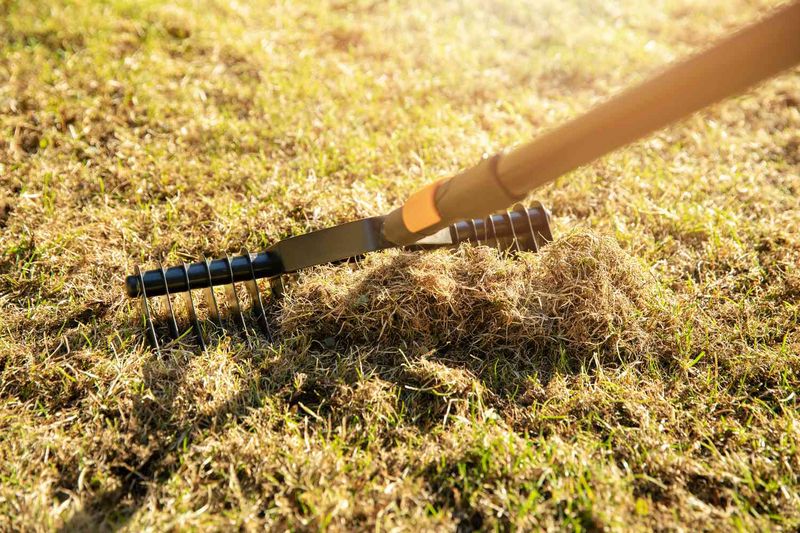
That spongy feeling under your feet might indicate thatch – a layer of dead grass stems and roots blocking air and water flow. Half an inch or more spells trouble.
Rent a power rake or dethatching machine for large areas, or use a manual thatch rake for smaller sections. Work in multiple directions for thorough removal.
Schedule this aggressive treatment during peak growing seasons when grass can quickly recover from the temporary stress and disturbance.
8. Control Weeds Naturally
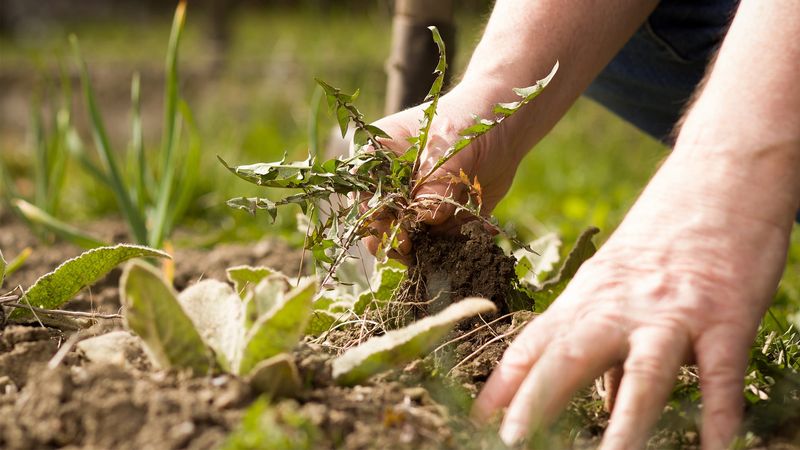
Weeds are opportunistic bullies that move into weak spots where grass struggles to compete. Healthy, thick grass naturally crowds out most unwanted invaders.
Pull weeds by hand after rain when soil is soft, getting the entire root system. Corn gluten meal prevents new weed seeds from germinating naturally.
Spot-treat persistent weeds with vinegar solutions or targeted herbicides, but focus mainly on strengthening grass to win the competition war.
9. Treat Fungal Diseases
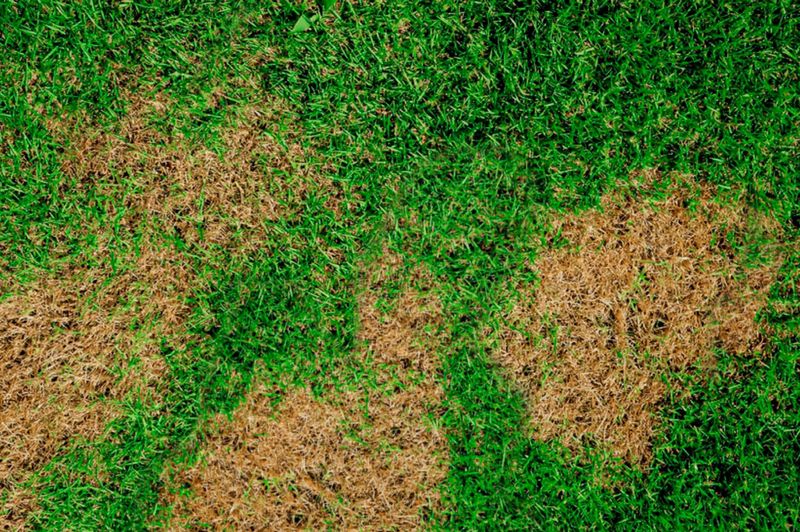
Brown patches, rings, or powdery coatings signal fungal infections that spread rapidly in humid conditions. Early identification prevents widespread lawn destruction.
Improve air circulation by pruning nearby shrubs and avoiding evening watering sessions. Fungicides work best when applied at the first sign of trouble.
Remove infected grass clippings immediately and disinfect mower blades between uses to prevent spreading disease to healthy lawn areas.
10. Adjust Your Mowing Height

Scalping your lawn might save time, but it weakens grass and invites weeds to party in the bare spots. Taller grass develops deeper roots and better drought tolerance.
Set mower blades to cut only the top third of grass height, keeping most varieties between 2.5 to 3.5 inches tall year-round.
Sharp blades make clean cuts that heal quickly, while dull blades tear grass and create brown, frayed tips that invite disease problems.
11. Add Organic Compost

Think of compost as a multivitamin for your soil – it improves drainage in clay, retains moisture in sand, and feeds beneficial microorganisms naturally.
Spread a thin layer of compost across the entire lawn in spring or fall, working it into the soil with a rake. Quality compost smells earthy, not sour.
Homemade compost from kitchen scraps and yard waste costs nothing but time, while bagged versions offer convenience for immediate soil improvement projects.
12. Repair Dog Damage Spots
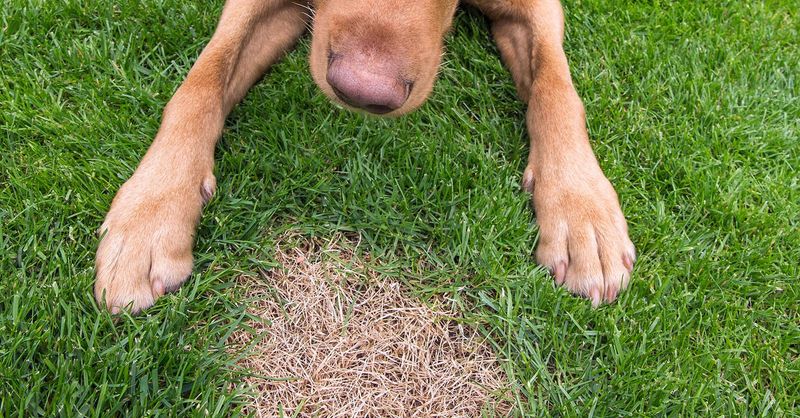
Those yellow circles with green rings aren’t crop circles – they’re nitrogen burns from your furry friend’s bathroom habits. Female dogs cause more damage due to concentrated urine streams.
Flush affected areas immediately with water to dilute the nitrogen concentration. Remove dead grass and reseed once soil salt levels return to normal.
Train dogs to use designated areas, or create a gravel section specifically for their needs to protect your main lawn investment.
13. Control Grub Infestations
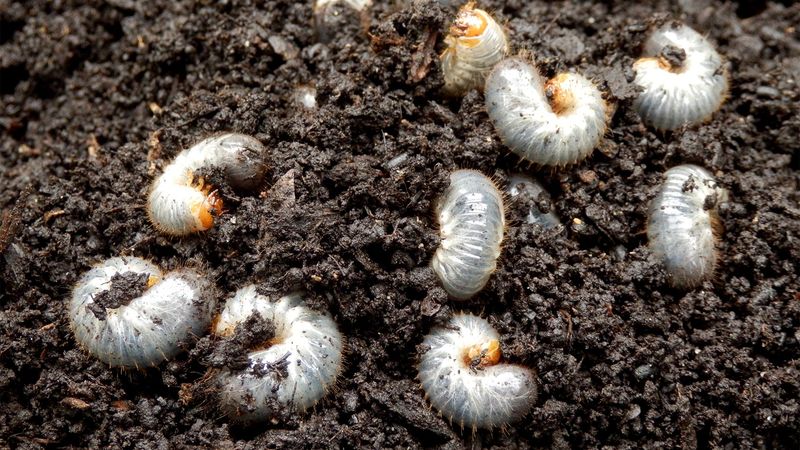
If your lawn peels back like carpet, grubs are probably munching on grass roots underground. These white, C-shaped larvae can destroy entire sections before you notice surface damage.
Apply beneficial nematodes or milky spore disease for natural grub control that won’t harm pets or beneficial insects in your garden ecosystem.
Late summer treatments work best when grubs are young and vulnerable, preventing next spring’s adult beetle emergence and egg-laying cycle.
14. Reduce Foot Traffic
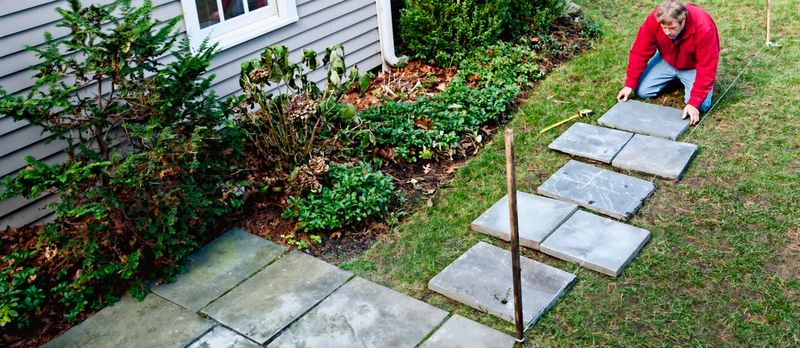
Constant trampling compacts soil and wears grass down to nothing, especially in high-traffic areas like shortcuts across corners or play zones.
Install stepping stones or mulched pathways where people naturally walk. Rope off recovering areas until new grass establishes strong root systems.
Rotate children’s play equipment seasonally to prevent permanent dead spots, and consider hardier grass varieties for unavoidable high-use areas around your home.
15. Time Your Lawn Care Seasonally
Grass has natural growth cycles that smart homeowners work with rather than against. Cool-season grasses peak in spring and fall, while warm-season varieties love summer heat.
Schedule major treatments like aeration, overseeding, and fertilizing during your grass type’s active growing periods for maximum recovery and establishment success.
Avoid stressing grass during dormant periods or extreme weather conditions when plants can’t effectively respond to your well-intentioned improvement efforts.
16. Consider Professional Soil Analysis
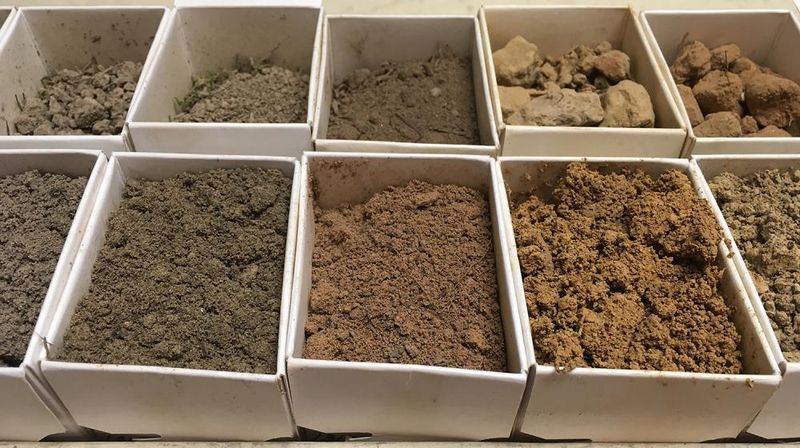
Sometimes DIY efforts aren’t enough, and your lawn needs a detective to solve mysterious ongoing problems. Professional soil tests reveal nutrient deficiencies and toxicity issues invisible to home test kits.
Extension offices often provide detailed analysis for minimal cost, including specific fertilizer recommendations based on your exact soil composition and grass variety.
Armed with professional data, you can target specific problems instead of guessing, saving money on unnecessary treatments while achieving faster, lasting results.