 Complete Gardening
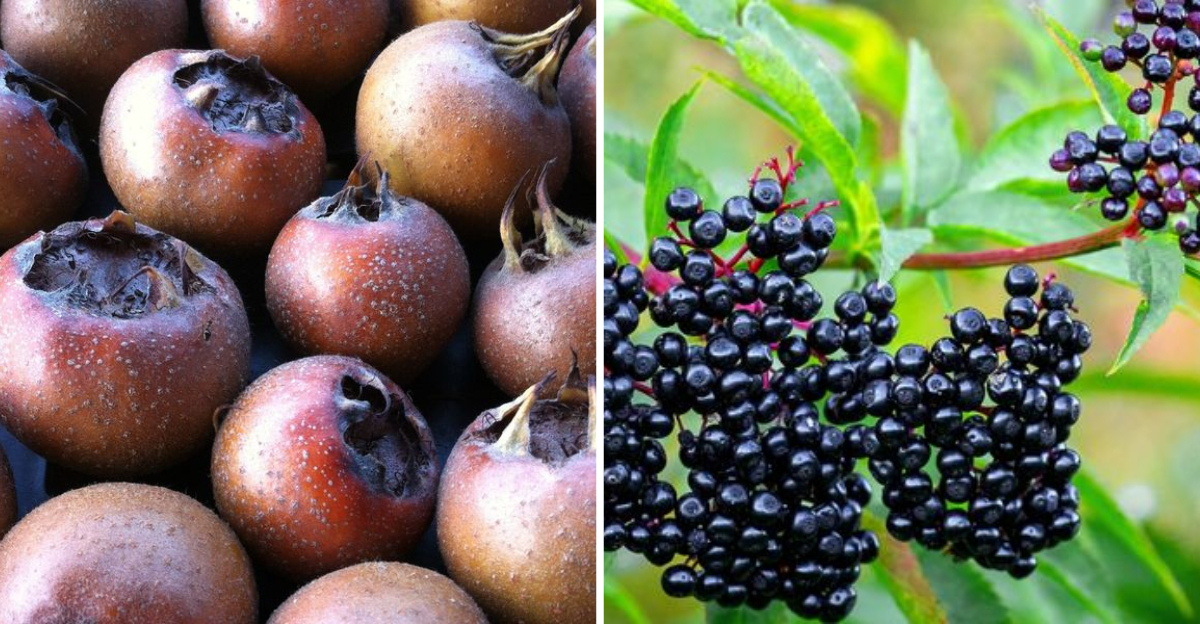
America’s landscape once flourished with a variety of fruits, now almost forgotten. These fruits, once staples, have gradually disappeared from our orchards and markets. They tell stories of diversity and adaptation, reflecting the rich agricultural heritage of the nation. Today, we explore 17 such fruits that, despite their past prominence, have faded over time.
1. Pawpaw
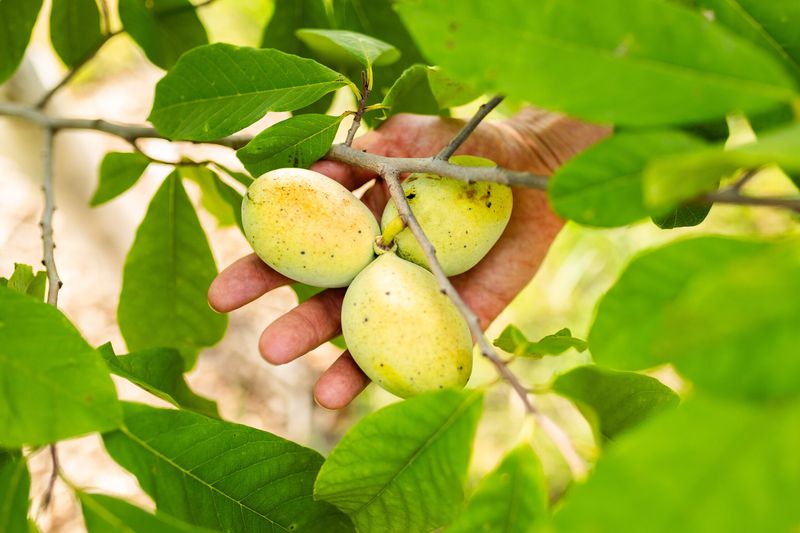
The pawpaw, often called America’s forgotten fruit, offers a unique blend of tropical flavors. Imagine a creamy texture with hints of banana and mango, evoking a sense of mystery and delight. This elusive fruit once graced the tables of Native Americans and early settlers alike.
Despite its delicious taste, the pawpaw’s short shelf life and delicate nature have kept it from commercial success. Its habitat spans river valleys and forest undergrowth, where it thrives away from the limelight.
In recent years, there has been a resurgence of interest in cultivating this enigmatic fruit, capturing the imagination of adventurous gardeners.
2. Beach Plum
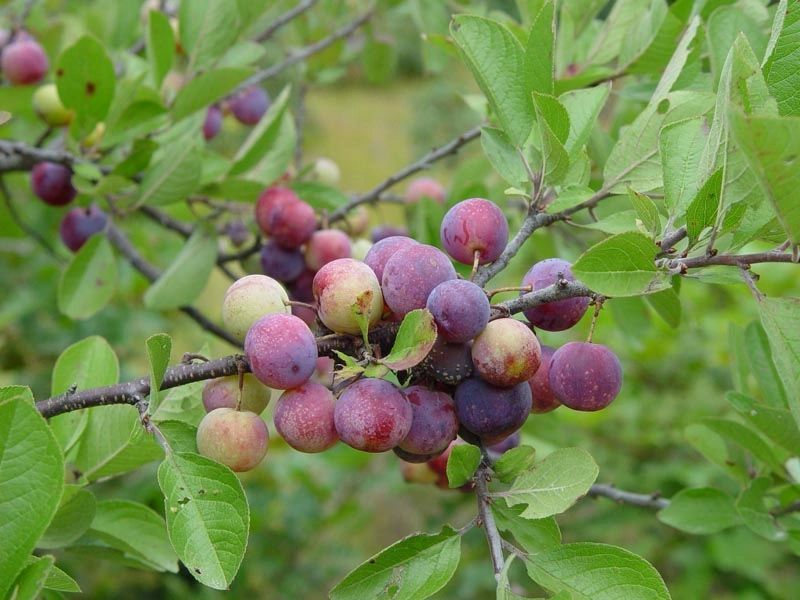
The beach plum, a native of the Atlantic coast, is a hidden gem of seaside flora. Its small, tart fruits were once a beloved ingredient in jams and jellies. Picture a windswept beach where these resilient shrubs cling to shifting dunes, embodying coastal tenacity.
Despite its historical significance in local diets, the beach plum is rarely found in grocery aisles today. Its survival depends on the preservation of coastal habitats.
This resilient little fruit continues to hold cultural significance in New England, where artisanal producers keep its legacy alive through small-batch preserves.
3. Maypop
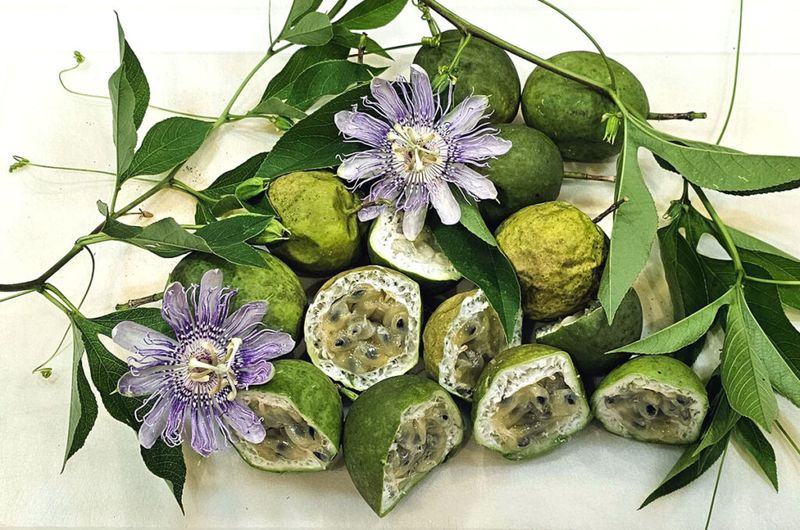
The maypop, or wild passionflower, enchants with its exotic blossoms and unique fruit. Imagine stumbling upon this floral beauty in a sunny meadow, its vibrant hues a feast for the eyes. Beyond its appearance, the maypop is a symbol of resilience, thriving in the wilds of the American Southeast.
The fruit, resembling a small, oval melon, offers a tangy flavor reminiscent of tropical delights. Although it was once a popular treat, the maypop has faded from common use.
Today, it remains a favorite among foragers and those who appreciate its ornamental value in gardens.
4. Serviceberry
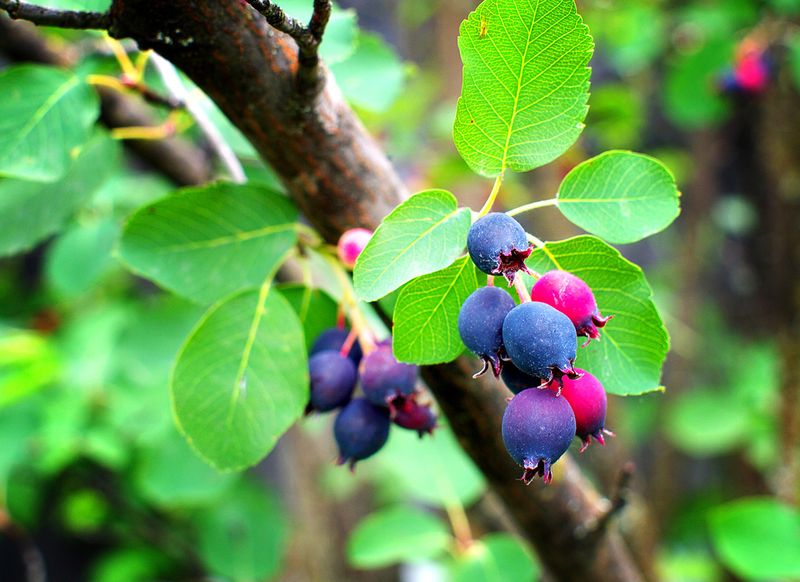
Serviceberries, also known as juneberries, were once a staple in Native American diets. Picture an early spring landscape, dotted with delicate white blossoms that give way to sweet, juicy berries.
These fruits offer a flavor profile similar to blueberries, with a hint of almond. Despite their deliciousness, serviceberries have largely been overlooked in modern agriculture.
As urbanization encroaches on their natural habitat, these trees have become a rare sight. Enthusiasts and conservationists are working to revive this forgotten fruit, cherishing its historical and ecological significance.
5. Crabapple
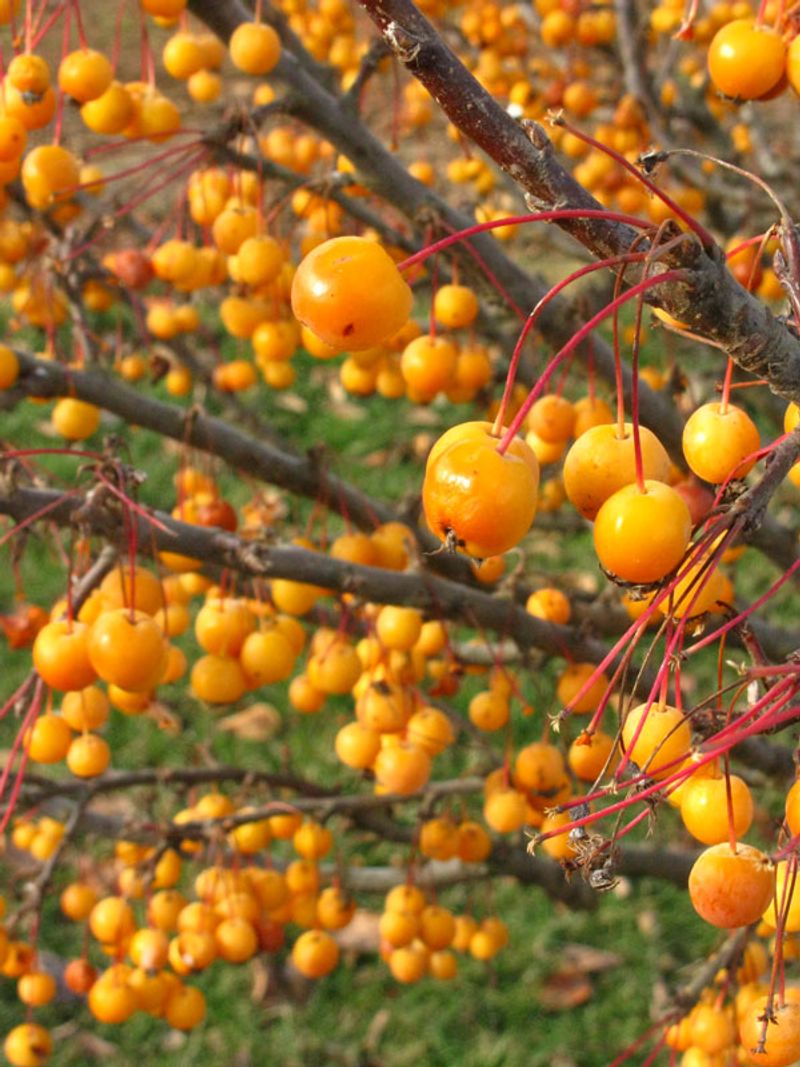
Crabapples, with their tart and tangy profile, were once prized for their versatility. Imagine a crisp autumn day, with baskets of these small fruits destined for cider and preserves.
These tiny apples were a common sight in American backyards, offering a perfect blend of sweet and sour. However, their popularity waned as larger, sweeter apple varieties took center stage.
Today, crabapples are mostly appreciated for their ornamental beauty, with their blossoms heralding the arrival of spring and their fruits adding a splash of color to fall landscapes.
6. Elderberry
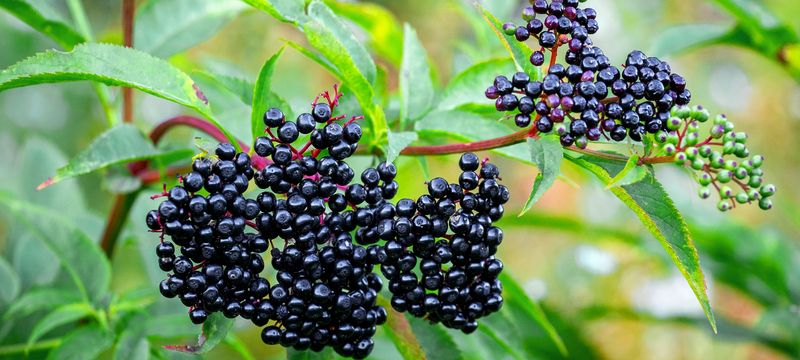
Elderberries have long been celebrated for their medicinal properties and rich flavor. Visualize a dense cluster of these dark purple berries, nestled among green foliage in late summer.
Once a common ingredient in syrups and wines, elderberries fell out of favor due to their labor-intensive harvest and preparation. Despite this, they remain a staple in folk remedies and holistic wellness.
Recent interest in natural health has sparked a revival of elderberry products, with artisanal crafters and health enthusiasts rediscovering this storied fruit’s potential.
7. Medlar
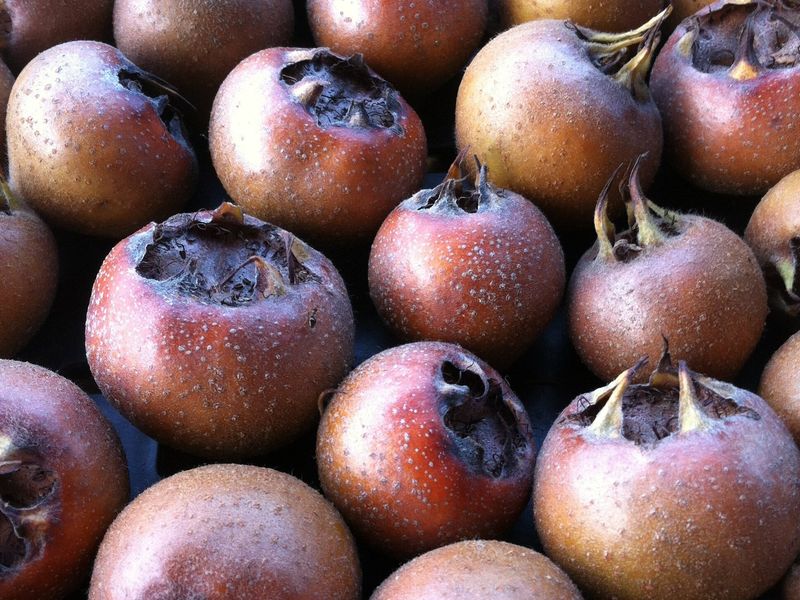
The medlar, known for its unusual ripening process, captivates with its historic allure. Picture a quaint English garden where these peculiar fruits, resembling small, russet apples, await consumption.
Eaten only after “bletting,” when they become soft and sweet, medlars were once a winter delicacy. Their complex flavor, a mix of dates and apples, intrigued medieval palates.
Today, medlars have slipped into obscurity, overshadowed by more convenient fruits. Yet, they persist in specialty gardens, enchanting those who relish their unique taste and storied past.
8. Quince
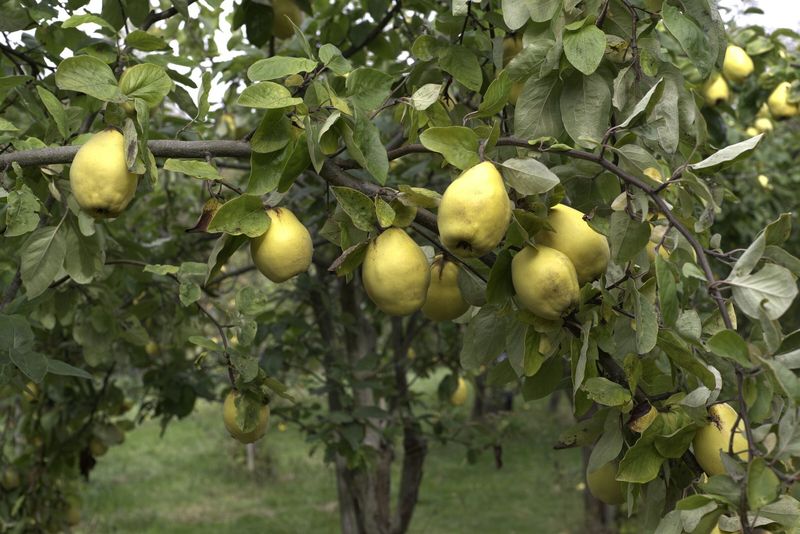
Quinces, with their distinctive aroma and firm texture, were once fixtures in American orchards. Imagine the fragrance of these large, yellow fruits, reminiscent of citrus and roses.
Though challenging to eat raw due to their astringency, quinces transform into culinary marvels when cooked. Their jelly-like consistency and floral undertones make them perfect for preserves.
Over time, quince cultivation declined as other fruits gained popularity. Nevertheless, they endure in heritage orchards, where their hardiness and unique qualities are treasured by connoisseurs.
9. Gooseberry
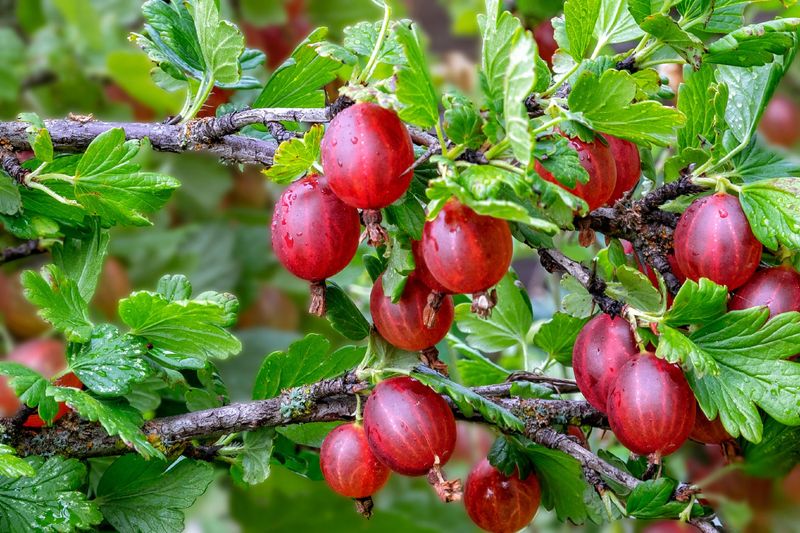
Gooseberries, once beloved for their tartness, are a gardener’s delight. Picture a bush laden with translucent berries, each one a juicy burst of tangy flavor.
These fruits, with their vibrant colors ranging from green to deep red, were popular in pies and jams. However, they fell out of favor due to agricultural restrictions and changing tastes.
Today, gooseberries are experiencing a renaissance among home gardeners and chefs who appreciate their unique taste and versatility in both sweet and savory dishes.
10. Mulberry
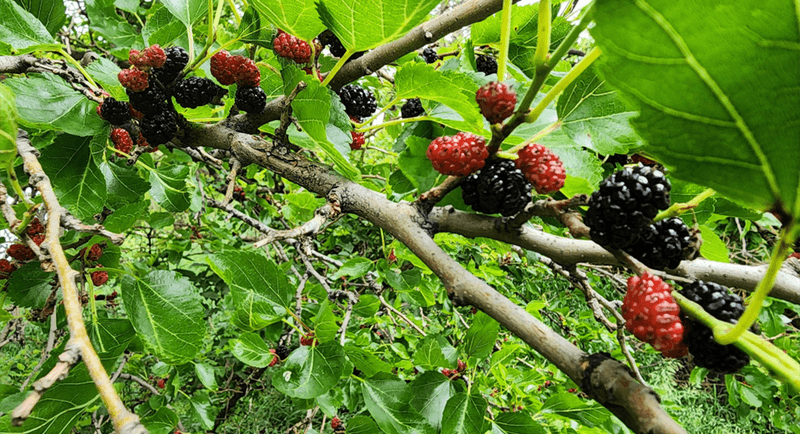
Mulberries, known for their sweet, juicy profile, have long been cherished in folk traditions. Imagine a tree laden with dark, luscious fruits, each one a burst of summer sweetness.
These berries, enjoyed fresh or dried, were once commonly found in rural America, offering shade and sustenance. However, urban development and agricultural changes led to their decline.
Mulberries remain a favorite among foragers and nature enthusiasts, who value their rich flavor and ecological benefits. Efforts to reintroduce them into gardens and public spaces continue to grow.
11. Fox Grape
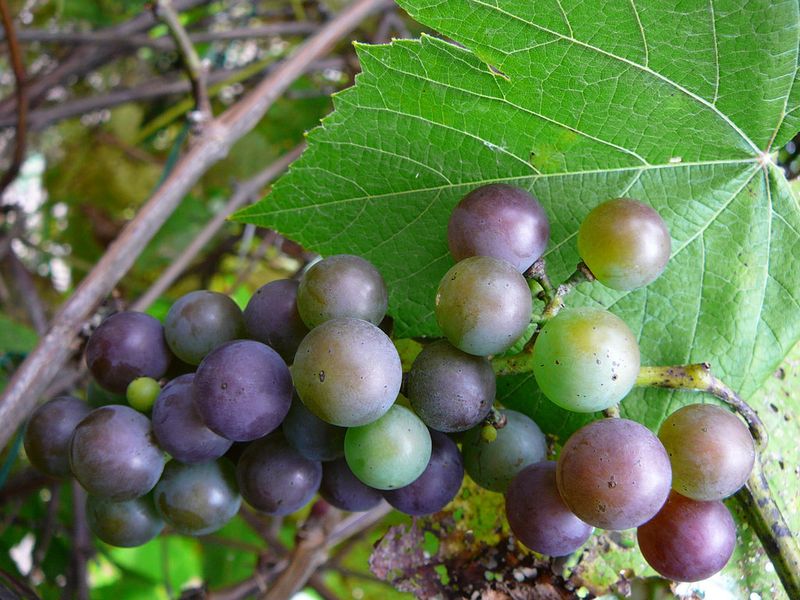
The fox grape, native to the eastern United States, is a wild relative of the Concord grape. Imagine a vine sprawling across a sunlit fence, with clusters of deep purple grapes dangling invitingly.
These grapes, with their robust flavor and tartness, were traditionally used in jellies and wine production. Over time, cultivated grape varieties overshadowed them, leading to a decline in wild harvesting.
Today, fox grapes are celebrated by local artisans and foragers who cherish their distinct taste and contribution to biodiversity in vineyards and natural landscapes.
12. Huckleberry
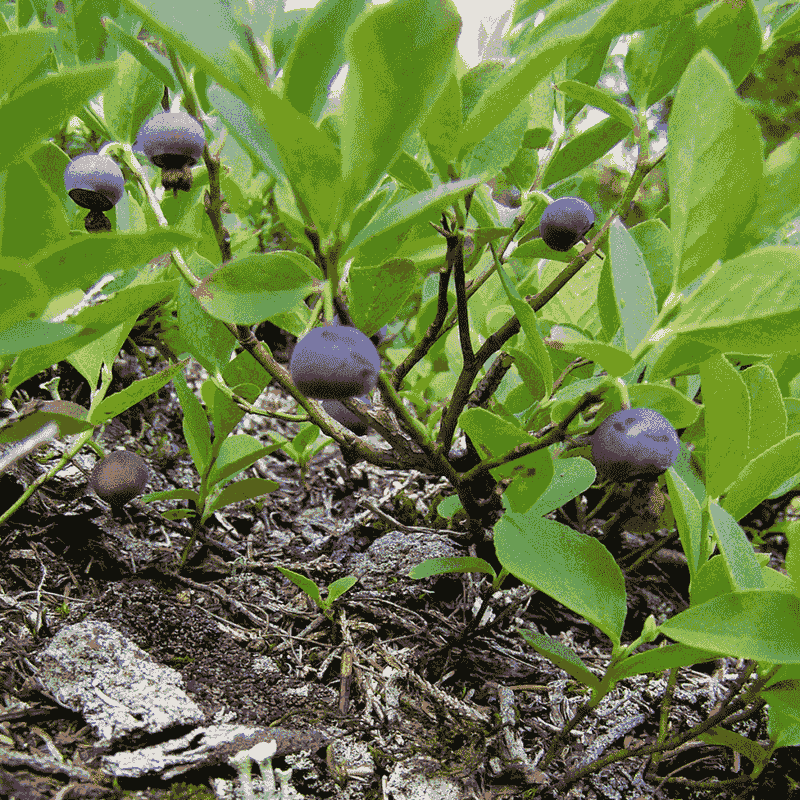
Huckleberries, with their robust flavor and deep blue hue, have intrigued berry lovers for generations. Picture a dense bush in the forest, dotted with berries ready for picking.
These fruits, often compared to blueberries, were staples in the diets of Native Americans and pioneers. Despite their popularity, cultivation challenges and habitat loss have led to a decline in availability.
Huckleberries are still sought after in the wild by those who appreciate their unique taste and connection to America’s natural heritage.
13. Saskatoon Berry
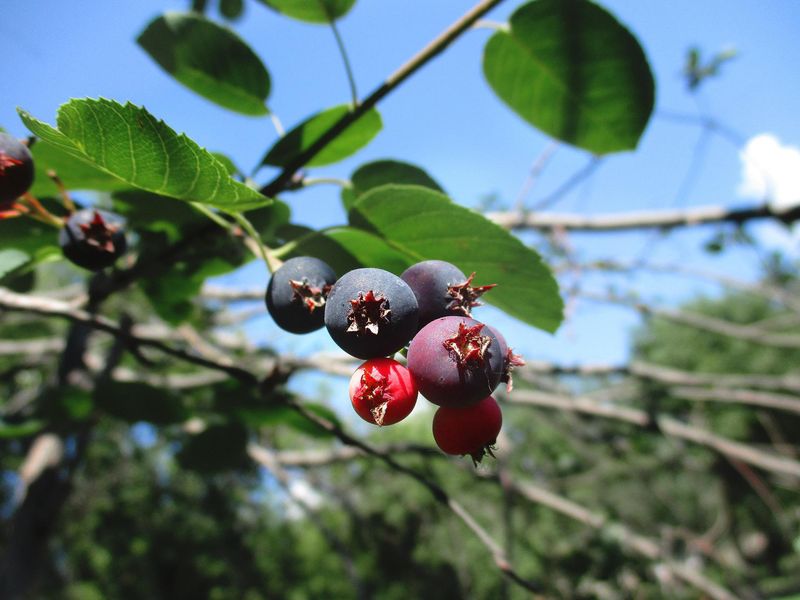
Saskatoon berries, also known as serviceberries, are celebrated for their nutty flavor and sweetness. Visualize a prairie landscape adorned with these hardy bushes, each branch heavy with fruit.
These berries were a vital food source for Indigenous peoples and early settlers. However, their presence in modern markets has diminished as other berries gained favor.
Efforts to revive saskatoon berry cultivation are underway, driven by a growing appreciation for their unique taste and nutritional benefits, as well as their role in supporting prairie ecosystems.
14. Ground Cherry
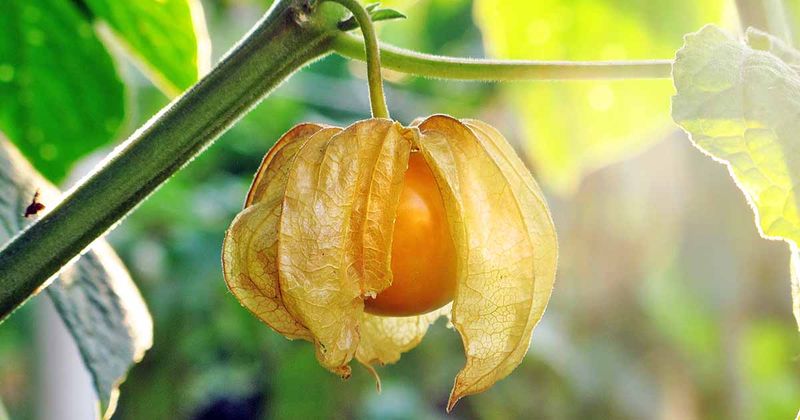
Ground cherries, shrouded in papery husks, offer a sweet surprise. Picture a plant growing low to the ground, its fruits resembling tiny lanterns scattered beneath green foliage.
These berries, with their pineapple-like flavor, were once common in home gardens. Despite their delightful taste, ground cherries fell out of favor due to their delicate harvesting needs.
Today, ground cherries are making a comeback among heirloom gardeners and food enthusiasts who value their unique taste and versatility in both desserts and savory dishes.
15. Chokecherry
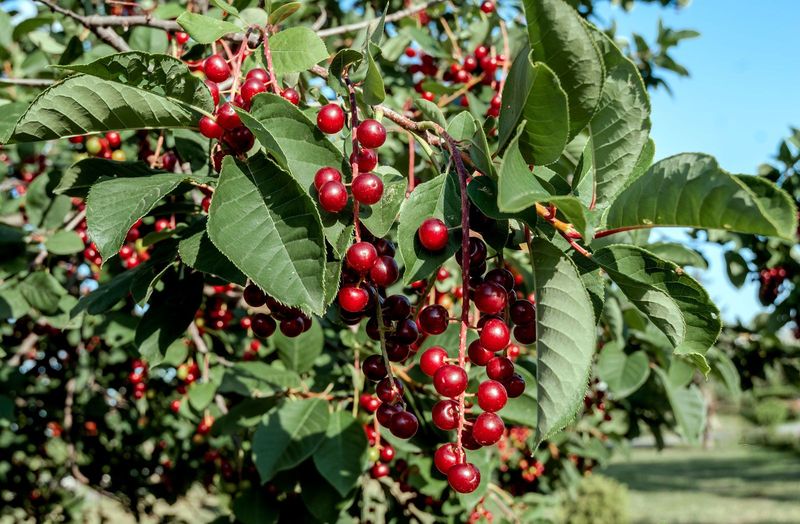
Chokecherries, with their astringent taste, have been used in traditional recipes for centuries. Imagine a wild meadow where these small, dark red berries hang in abundance.
Traditionally used by Indigenous peoples for pemmican and preserves, chokecherries fell out of favor due to their tartness. However, they remain a cherished part of cultural heritage.
Today, chokecherries are appreciated for their potential health benefits and unique flavor, inspiring artisanal products and culinary exploration.
16. Osage Orange
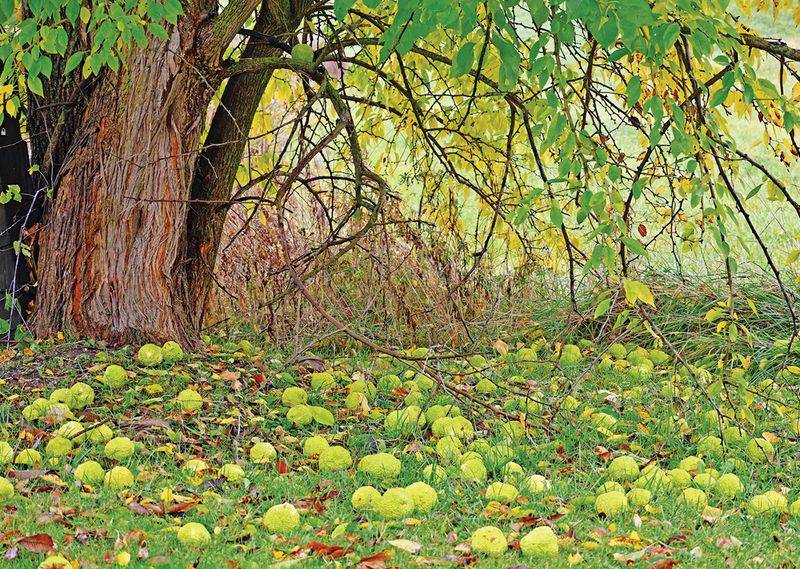
While not a traditional fruit for eating, the osage orange, or hedge apple, sparks curiosity with its unusual appearance. Picture a field dotted with these large, bumpy green fruits, each one a conversation starter.
Originally used for creating natural fences, these fruits were more valued for their wood than their taste. Their bright green color and unique texture continue to captivate those who encounter them.
Though rarely consumed, osage oranges serve as natural insect repellents and have inspired creative uses in crafts and decor.
17. Buffalo Berry
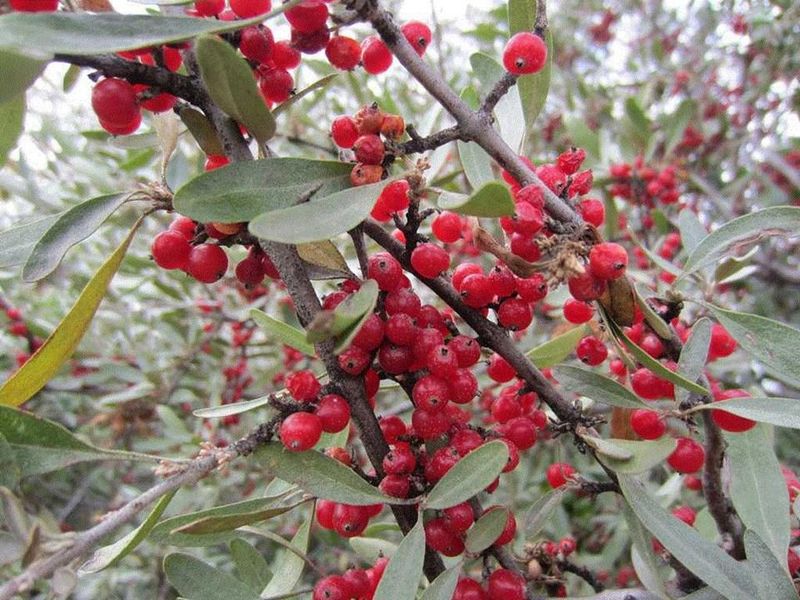
Nestled among the prairies, the buffalo berry stands resilient. Its striking red berries, contrasting with silvery leaves, tell tales of survival in harsh conditions. Once a staple for Native American tribes, these berries were cherished for their tartness and nutritional value, often used in preserves and sauces.
Today, few know of this hidden gem. Its unique taste and historical roots make it a fruit worth rediscovering. With a tartness that surprises, it beckons adventurous palates. Could this forgotten fruit make a comeback? Enthusiasts believe so, as they nurture it back to its former glory.