 Complete Gardening
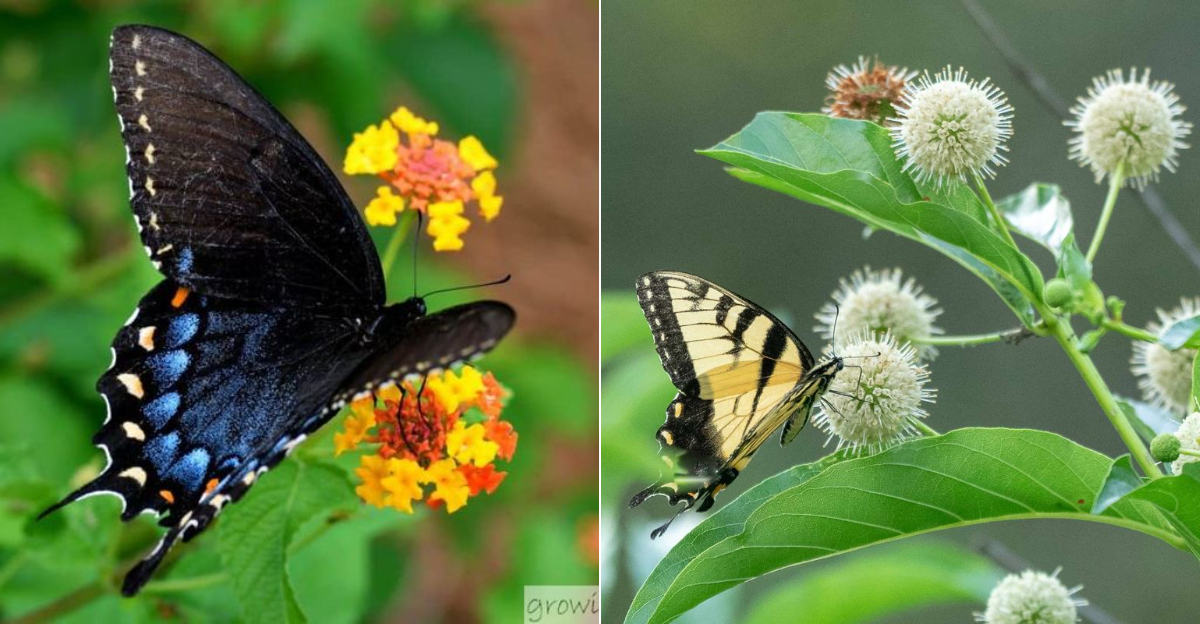
Explore a vibrant collection of 17 flowering bushes that are not only visual delights but also magnets for graceful butterflies. These bushes, with their enchanting blossoms, cater to various climates and gardening styles, offering a sanctuary for butterflies to thrive. Each plant brings its own charm and history, making your garden a living canvas of colors and life. Whether you’re a seasoned gardener or a nature enthusiast, these blooming wonders will transform your outdoor space into a butterfly haven. Discover the beauty and allure of these natural attractions that promise an everlasting garden spectacle.
1. Butterfly Bush (Buddleia davidii)
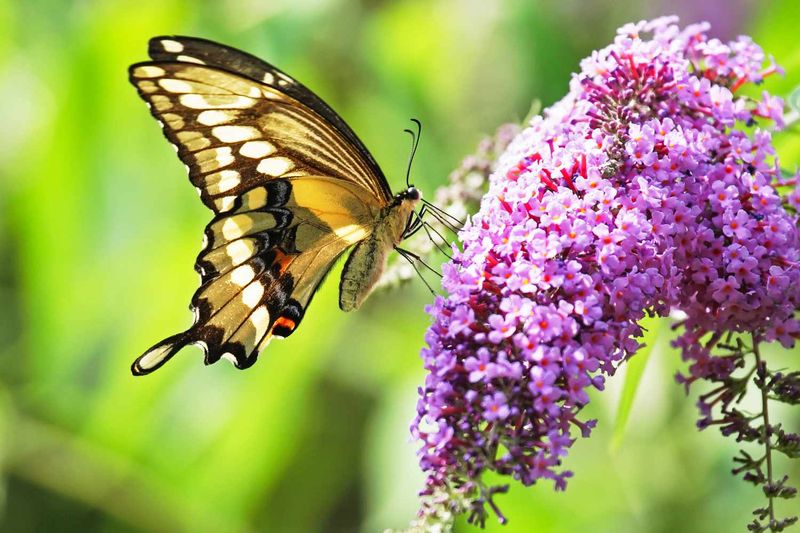
The Butterfly Bush, with its majestic and sweet-scented blooms, is a favorite among butterfly lovers. Its large, fragrant flower spikes, available in shades of purple, pink, white, or red, create a visual symphony that draws butterflies from near and far. Blooming from summer to fall, this bush transforms any garden into a butterfly sanctuary. Native to regions with zones 5-9, it thrives in well-drained soil and full sun. Did you know? This bush is often dubbed “summer lilac” because of its lilac-like clusters. It’s an unforgettable addition to any wildlife-friendly garden.
2. Lilac (Syringa spp.)
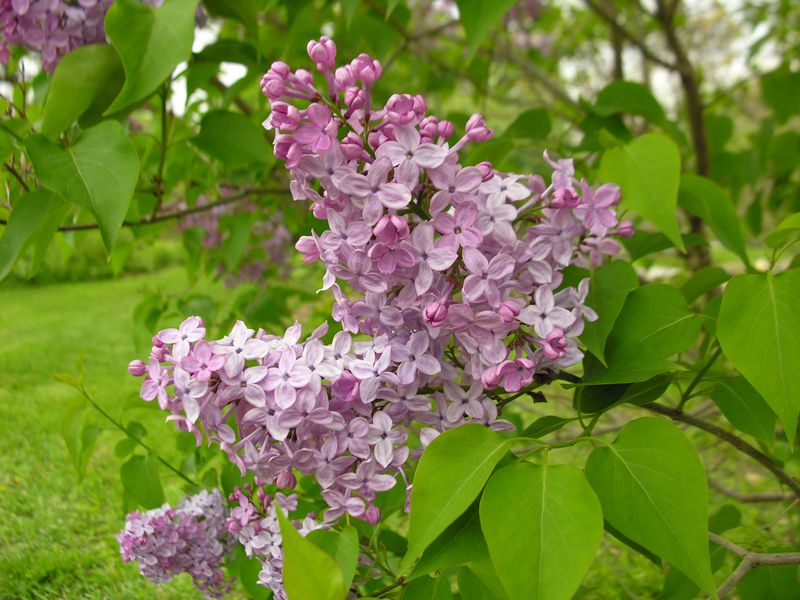
Lilac bushes are synonymous with the arrival of spring, filling the air with their unforgettable fragrance. Butterflies are drawn to their sweet-scented clusters of purple, pink, or white flowers, making them a staple in butterfly gardens. Blooming in spring, these bushes thrive in zones 3-8. Lilacs prefer well-drained soil and full sun, ensuring a lush display year after year. A symbol of love and renewal, lilacs have inspired poets and gardeners alike. Their enchanting scent and beauty make them a must-have for anyone looking to attract butterflies in the springtime.
3. Abelia (Abelia x grandiflora)
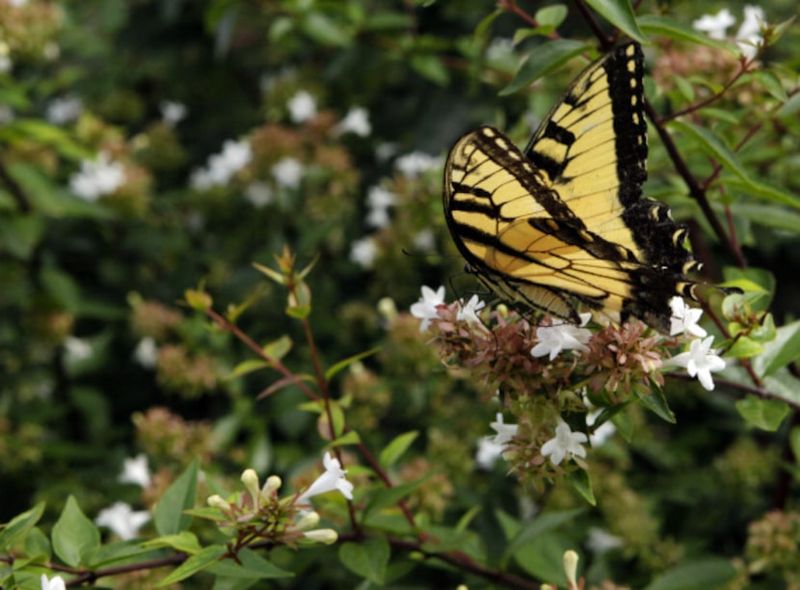
Abelia, with its charming tubular flowers, is a highlight in any garden. Its white or pink blossoms emit a fragrance that beckons butterflies from summer to fall. Suitable for zones 6-9, Abelia provides a long-lasting bloom season. This bush thrives in full sun to partial shade, offering versatility for various garden settings. A fascinating fact: Abelia’s flowers are known to change color as they age, adding an ever-evolving spectacle to the landscape. This trait, combined with its butterfly-attracting powers, makes Abelia a delightful garden companion.
4. Bluebeard (Caryopteris x clandonensis)
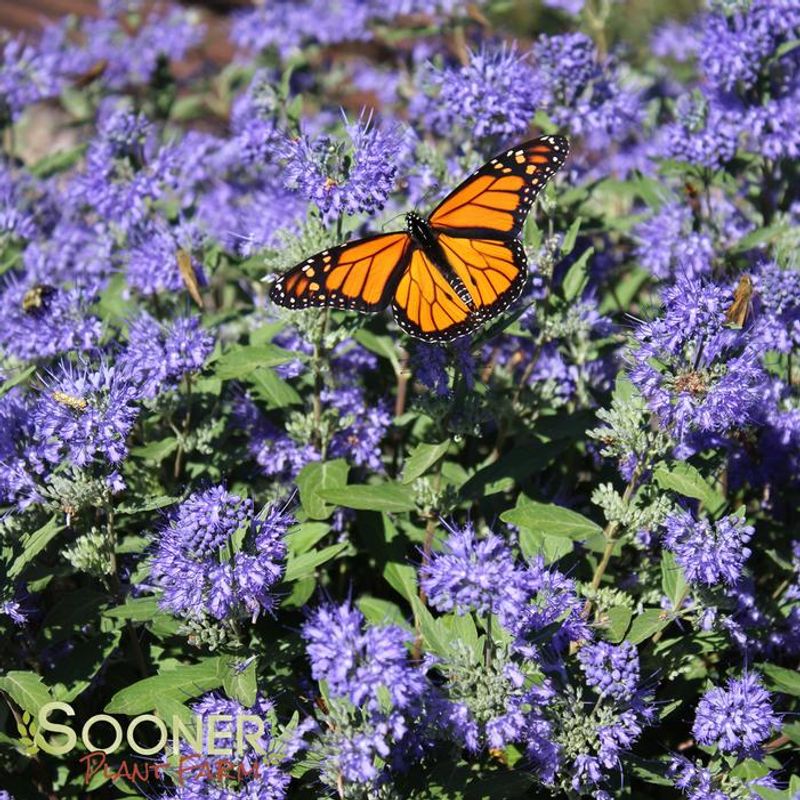
Bluebeard, also known as Caryopteris, is renowned for its striking blue-purple flowers. These blooms create a strong attraction for butterflies, making it a must-have for pollinator gardens. Blooming from late summer to fall, Bluebeard thrives in zones 5-9. It prefers well-drained soil and full sun, ensuring a robust display. Interesting tidbit: Bluebeard is often used in xeriscaping due to its drought tolerance. Its vibrant colors and pollinator-friendly nature make it an essential addition to any garden focused on biodiversity and aesthetics.
5. Summersweet (Clethra alnifolia)
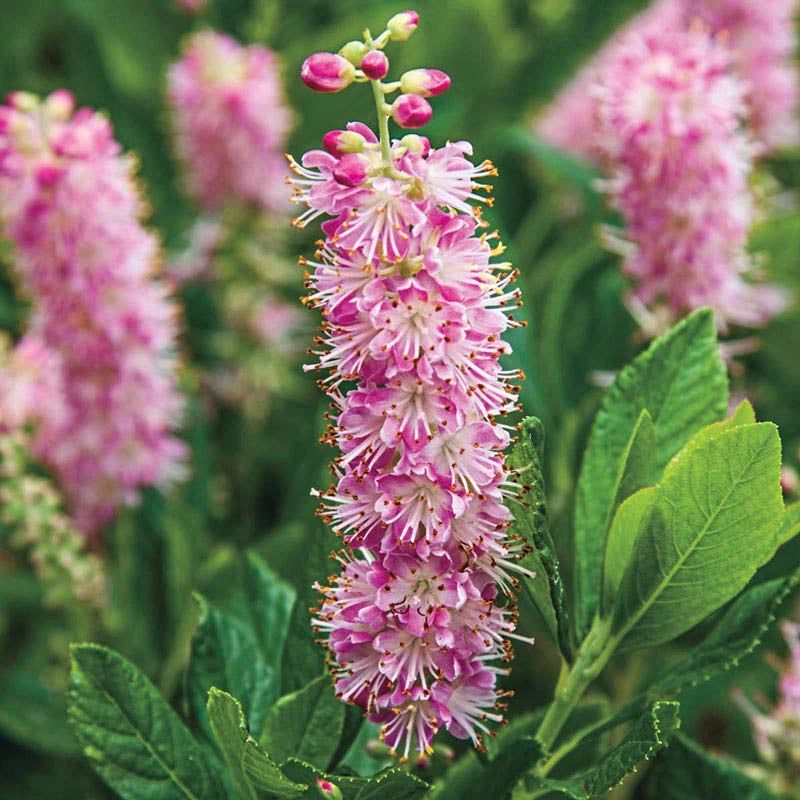
Summersweet, with its fragrant white or pink spikes, is a magnet for both butterflies and bees. Blooming from mid to late summer, it offers a long-lasting floral display. This bush thrives in zones 3-9 and is perfect for gardens with moist soil conditions. A unique feature of Summersweet is its ability to thrive in shaded areas, making it versatile for various garden designs. Known for its adaptability and pollinator attraction, Summersweet adds both fragrance and beauty to any outdoor space.
6. Buttonbush (Cephalanthus occidentalis)
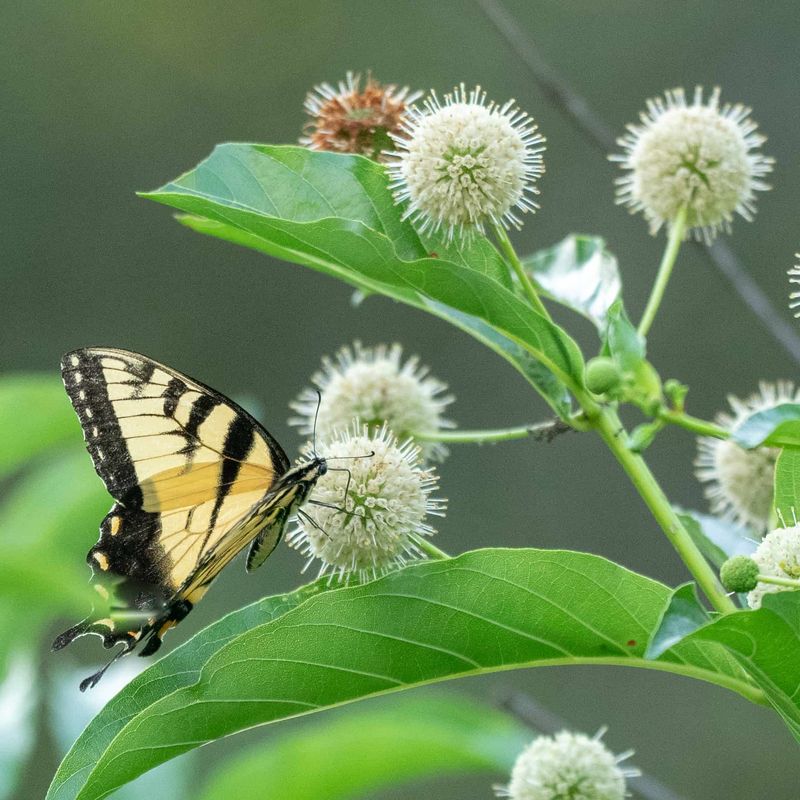
Buttonbush stands out with its unique spherical white flowers, capturing the attention of pollinators, especially butterflies. Blooming in summer, this bush is well-suited for zones 5-9. It thrives in wetland areas, making it ideal for pond edges or rain gardens. An ecological wonder, Buttonbush supports a wide range of wildlife, offering both beauty and biodiversity. Its distinctive blooms and adaptability to moist environments make it a cherished choice for nature enthusiasts looking to enhance their garden’s ecological value.
7. Spicebush (Lindera benzoin)
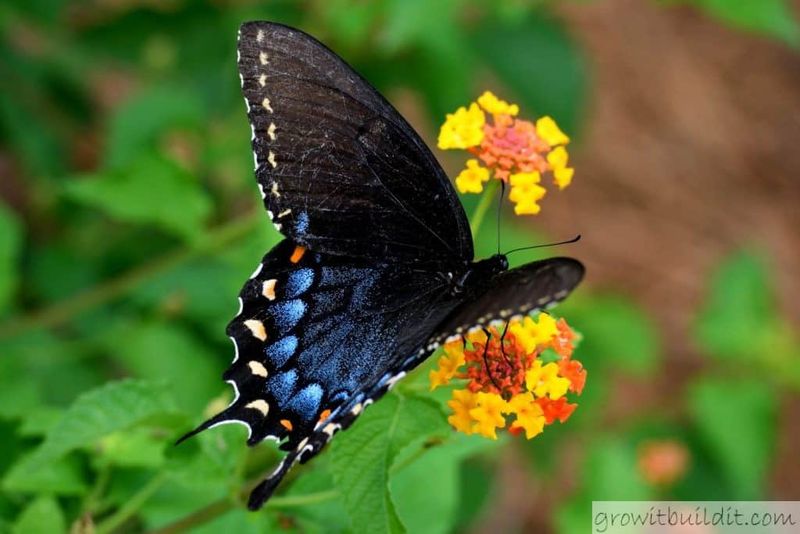
Spicebush, with its early spring blooms, provides crucial support for swallowtails and other early pollinators. Thriving in zones 4-9, this bush is a woodland treasure, preferring shaded, moist environments. Its golden yellow flowers are among the first to herald spring, offering sustenance to emerging butterflies. A fun fact: Spicebush leaves and stems have a spicy aroma, often used in teas. This characteristic, coupled with its butterfly-friendly blooms, makes Spicebush a favorite for naturalistic garden designs.
8. New Jersey Tea (Ceanothus americanus)
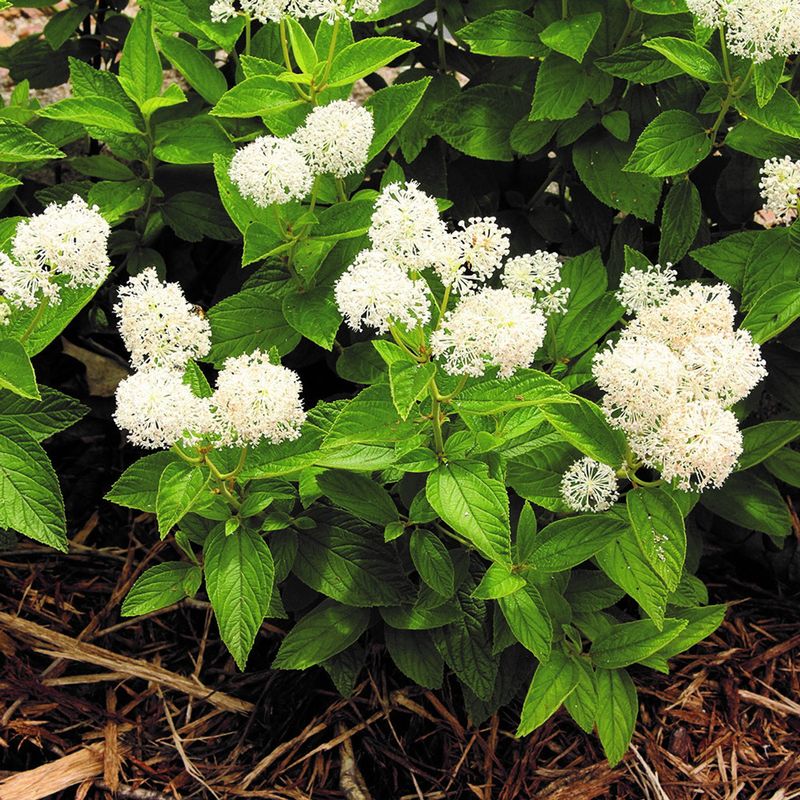
New Jersey Tea is cherished for its clusters of white flowers that attract skippers and other small butterflies. Blooming in early summer, it thrives in zones 4-8. This bush prefers well-drained soil and sunny locations, making it a resilient choice for butterfly gardens. Historically, its leaves served as a tea substitute during the American Revolutionary War, adding a touch of historical intrigue. Its compact size and butterfly appeal make New Jersey Tea a practical yet captivating addition to any garden.
9. Rose of Sharon (Hibiscus syriacus)
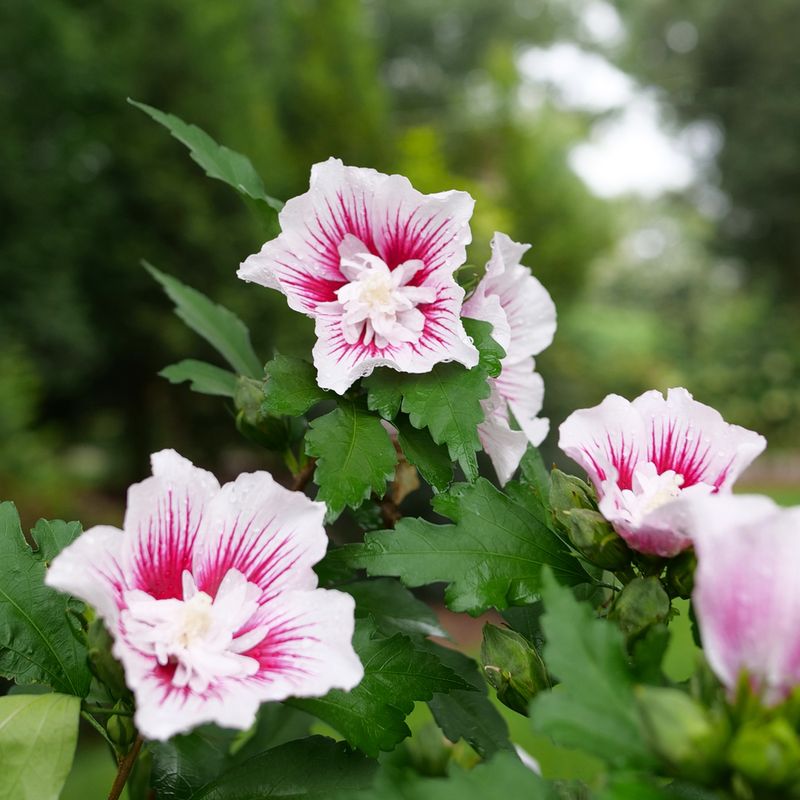
Rose of Sharon, with its large, open blooms, offers a tropical flair that butterflies adore. Blooming from summer to fall, it thrives in zones 5-9 and prefers full sun. Available in hues of pink, purple, or white, its flowers create a stunning visual display. Interesting to note, Rose of Sharon is a symbol of immortality in Korean culture, celebrated for its enduring beauty. This bush is an excellent choice for gardeners seeking to add a splash of color and attract butterflies throughout the warmer months.
10. Sweet Pepperbush (Clethra alnifolia)
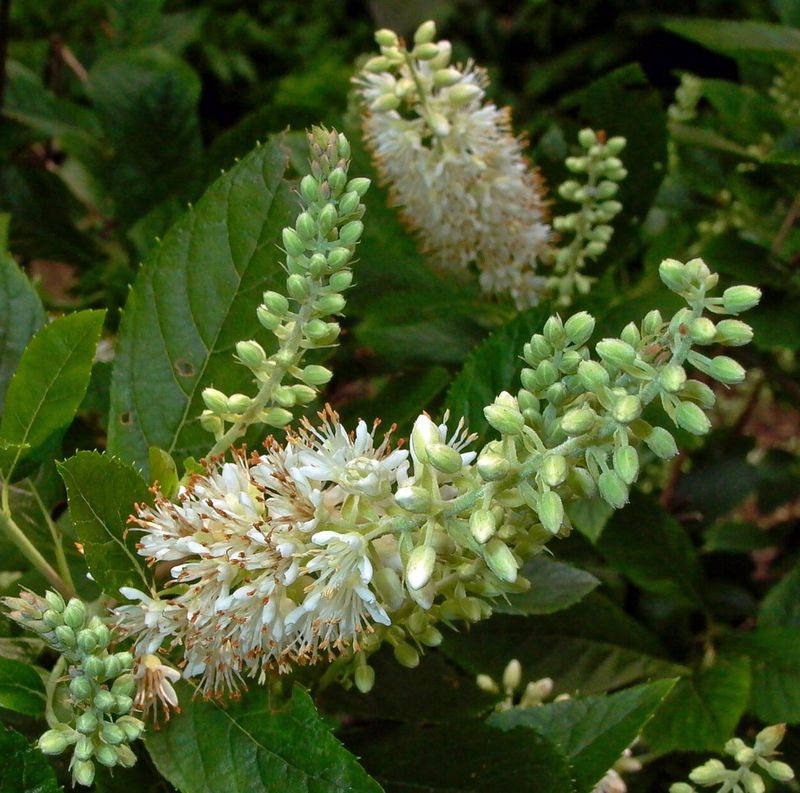
Sweet Pepperbush, known for its fragrant white or pink flowers, thrives in wet soils, making it ideal for rain gardens. Blooming from mid to late summer, it attracts a multitude of butterflies and bees. Suitable for zones 3-9, it offers versatility and resilience in various garden conditions. A fascinating aspect is its adaptability to both sun and shade, ensuring a lush growth wherever planted. Sweet Pepperbush not only enhances the garden’s fragrance but also supports a thriving pollinator habitat.
11. Viburnum (Viburnum spp.)
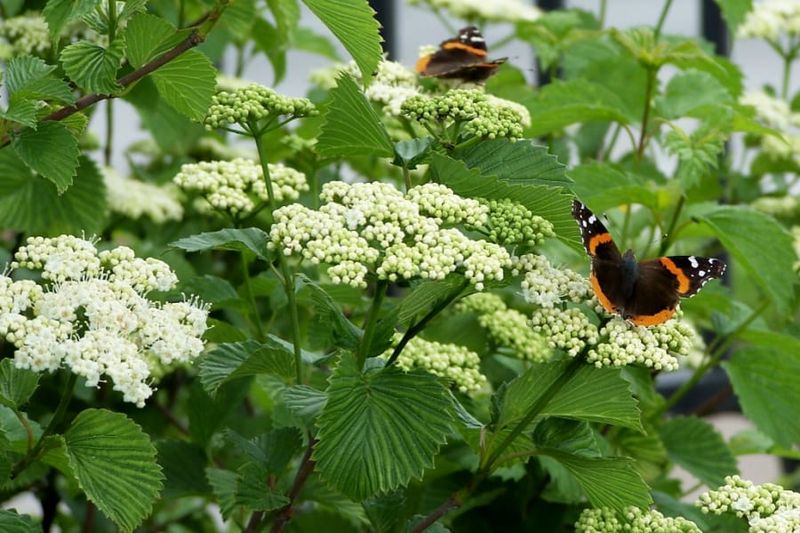
Viburnum’s elegant lacecap flowers are a draw for butterflies. Blooming from spring to early summer, this genus offers species that thrive in zones 2-9. Viburnums vary greatly in size, flower color, and fragrance, providing a range of gardening options. Each species brings unique textures and hues to the landscape. With some species producing berries, Viburnums not only attract butterflies but also provide food for birds. This dual appeal makes Viburnum a cherished addition to any biodiverse garden.
12. Elderberry (Sambucus spp.)
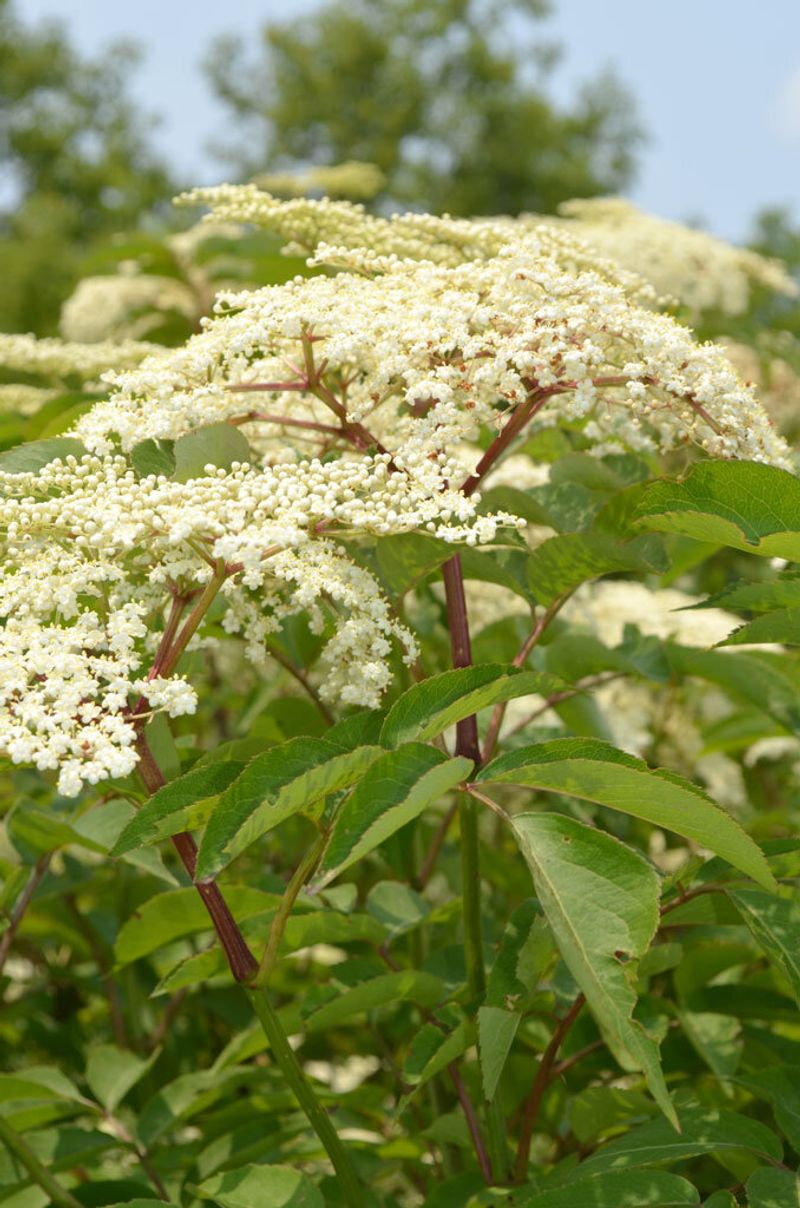
Elderberry bushes, with their large clusters of tiny white flowers, are a butterfly’s paradise. Blooming in early summer, they thrive in zones 3-9, preferring moist, well-drained soil. Besides attracting butterflies, these bushes produce berries that are cherished by birds and humans alike. Did you know? Elderberries have been used in traditional medicine for centuries, believed to boost the immune system. Their multifaceted appeal and ecological benefits make Elderberry bushes an indispensable part of a wildlife-friendly garden.
13. Weigela (Weigela florida)
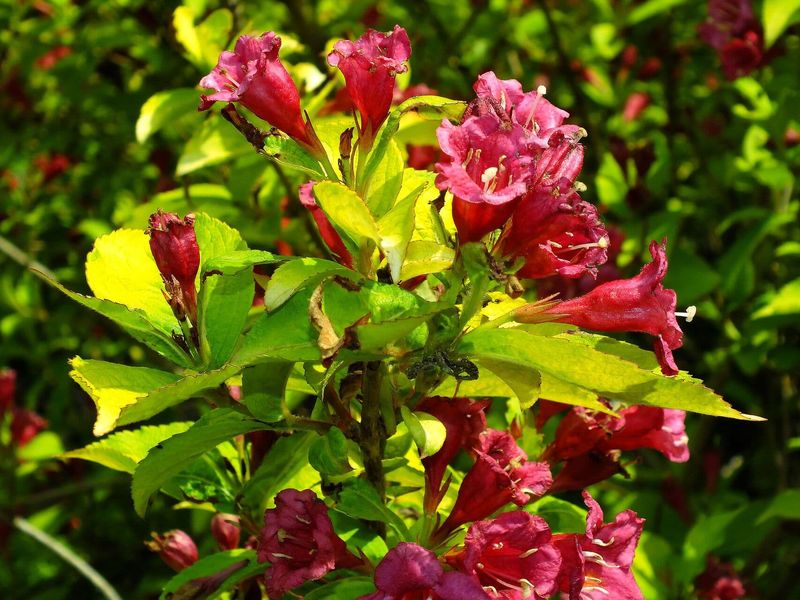
Weigela, with its trumpet-shaped flowers, offers a vibrant display that butterflies find irresistible. Blooming from late spring to early summer, Weigela thrives in zones 4-8. It prefers well-drained soil and full to partial sun. Its flowers, in shades of pink, red, or white, add a splash of color and charm to any garden. Fun fact: Weigela is named after a German scientist, Christian Ehrenfried Weigel. Its combination of aesthetic appeal and butterfly attraction makes it a garden favorite.
14. Chaste Tree (Vitex agnus-castus)
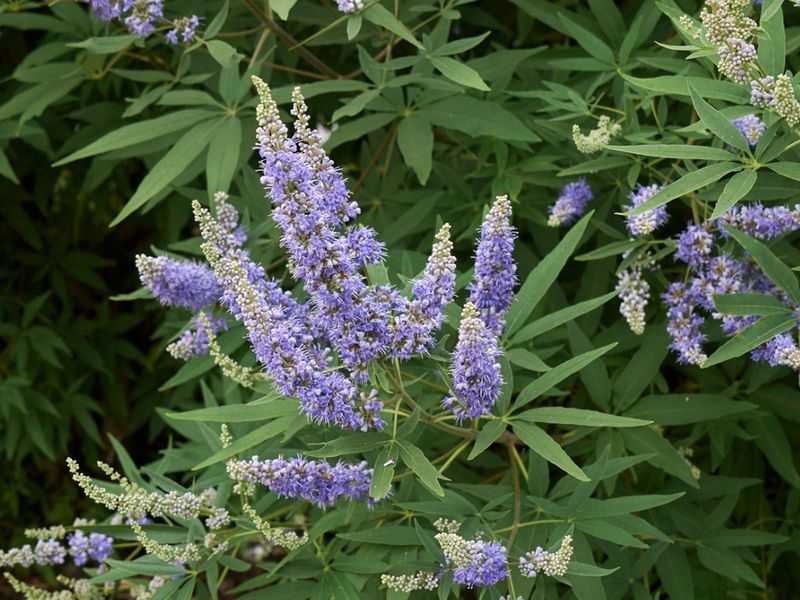
The Chaste Tree’s spikes of lavender-blue flowers bloom for weeks, beckoning butterflies. Thriving in zones 6-9, it prefers sunny, well-drained locations. Its graceful appearance is complemented by a historical aura, as the plant has been used for centuries in traditional medicine. Revered for its calming properties, the Chaste Tree adds both beauty and serenity to the garden. Its long blooming season and butterfly-friendly traits make it a delightful addition for those seeking harmony in their garden spaces.
15. Potentilla (Dasiphora fruticosa)
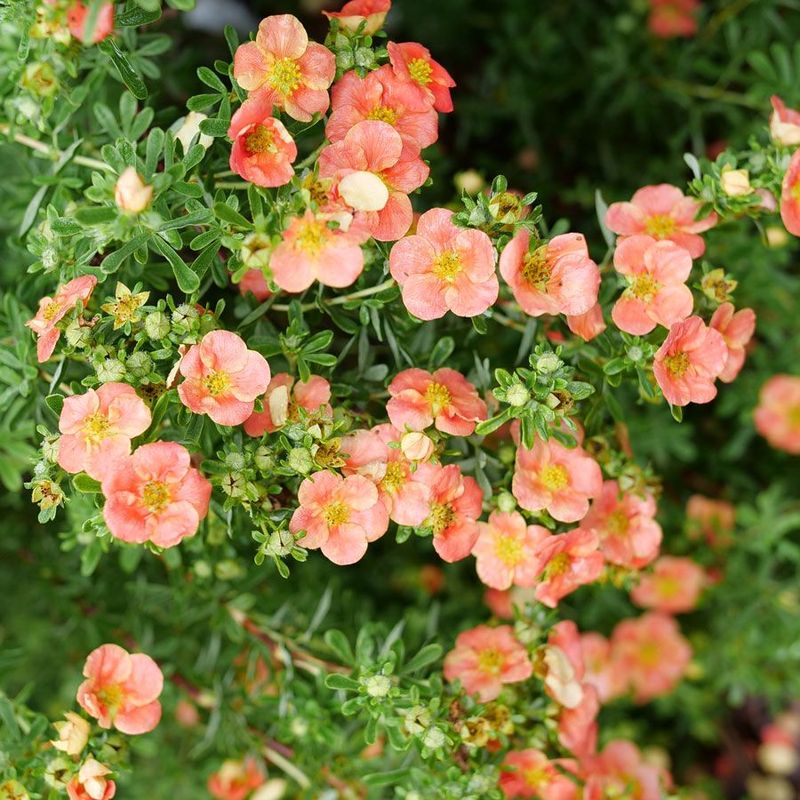
Potentilla, with its bright yellow, orange, or white flowers, lively blooms all summer long. Thriving in zones 2-7, it prefers sunny locations with well-drained soil. Known for its hardiness and low maintenance, Potentilla is a favorite among gardeners seeking easy-care beauty. Its cheerful flowers attract butterflies, adding life and movement to the garden. A remarkable fact: the name Potentilla relates to its “powerful” medicinal properties historically. This bush is a perfect blend of simplicity, resilience, and butterfly charm.
16. Firebush (Hamelia patens)
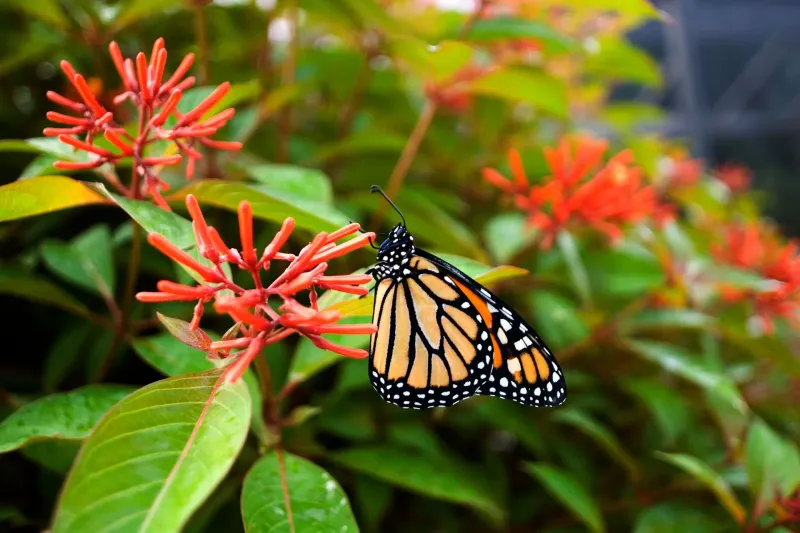
Firebush, with its tubular red-orange blooms, is an exotic allure for butterflies and hummingbirds. Blooming from summer to frost, it thrives in zones 9-11, or as an annual in cooler climates. Preferring full sun, its vibrant flowers create a tropical atmosphere. Firebush is noted for its fast growth and ability to attract a diverse range of pollinators. With a striking appearance and pollinator-friendly nature, Firebush is an ideal choice for gardeners looking to create a lively, colorful environment.