 Complete Gardening
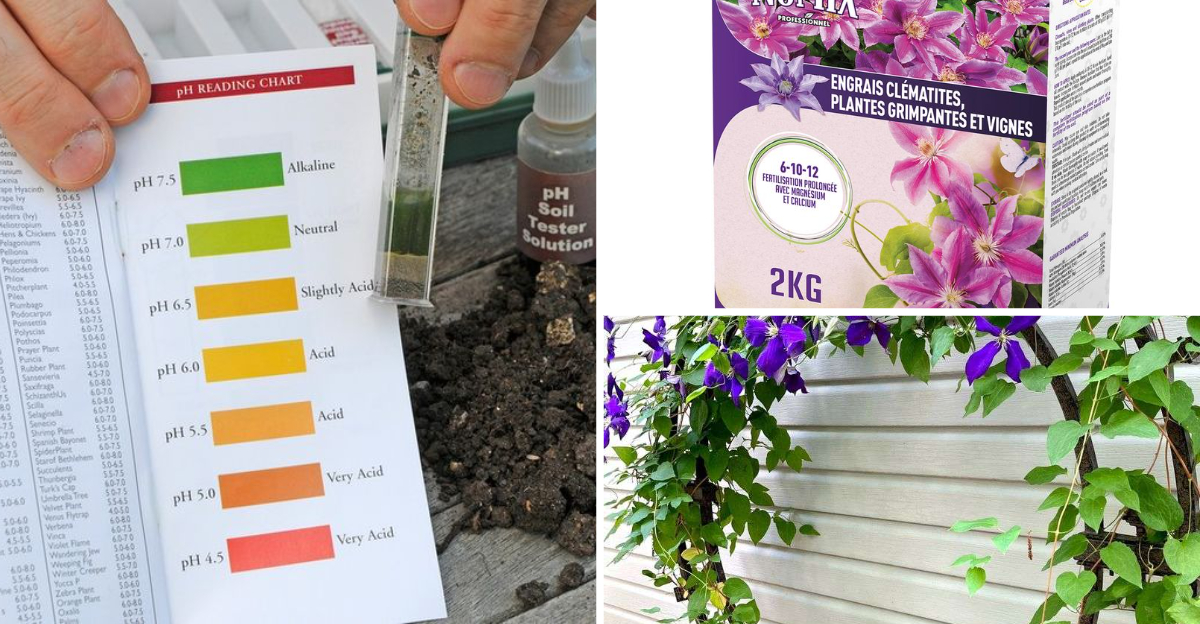
Reviving a struggling clematis might seem daunting, but with the right approach, you can bring your beloved vine back to life. Clematis, with its vibrant blooms, can be a stunning addition to any garden. Here are 17 proven methods to nurse your clematis back to health and ensure it thrives.
1. Assess the Soil Quality
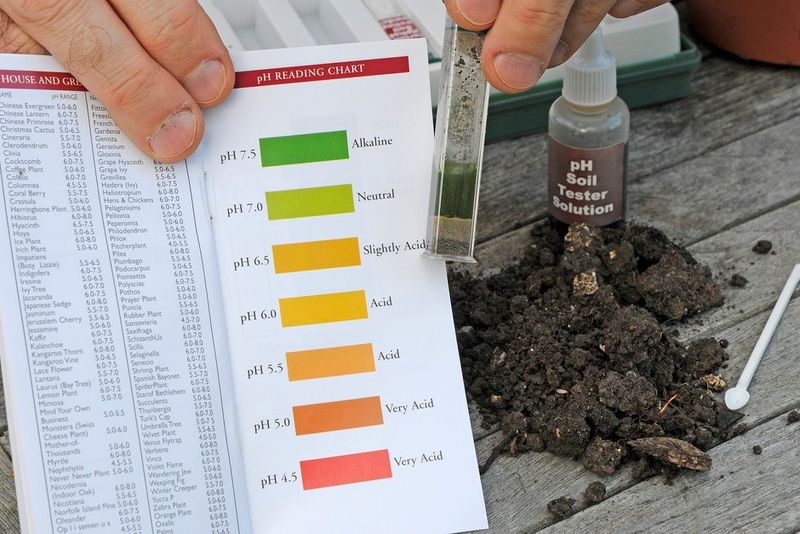
Soil is the foundation of a healthy clematis. Start by checking the soil’s texture and moisture levels. Is it too dense or dry? Clematis prefers well-draining soil that’s rich in organic matter. Consider conducting a soil pH test; clematis thrives in slightly alkaline to neutral soils. Adjust with lime if it’s too acidic.
Monitoring soil composition can prevent root rot and nutrient deficiency. Add compost or organic matter to improve soil quality. Remember, healthy soil means vigorous growth. Prioritize this step to give your clematis the best start for recovery.
2. Ensure Proper Watering
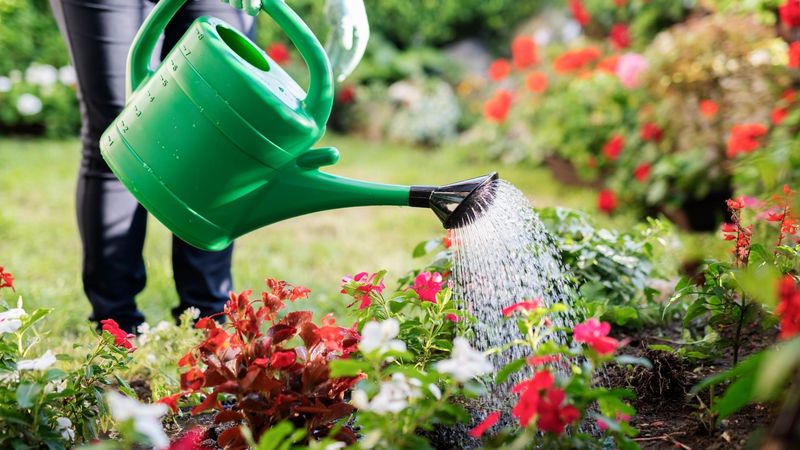
Overwatering or underwatering can severely affect your clematis. These plants need consistent moisture but dislike waterlogged roots. Ideally, water deeply once a week, allowing the soil to dry slightly between sessions.
Mulching around the base can help retain moisture and regulate soil temperature. Use organic mulch like shredded bark or straw. Rainfall might be sufficient, but during dry spells, adjust your watering schedule accordingly.
Too much water can suffocate roots, while too little can lead to wilting. Mastering the art of watering is crucial for reviving a struggling clematis.
3. Prune Dead or Diseased Wood
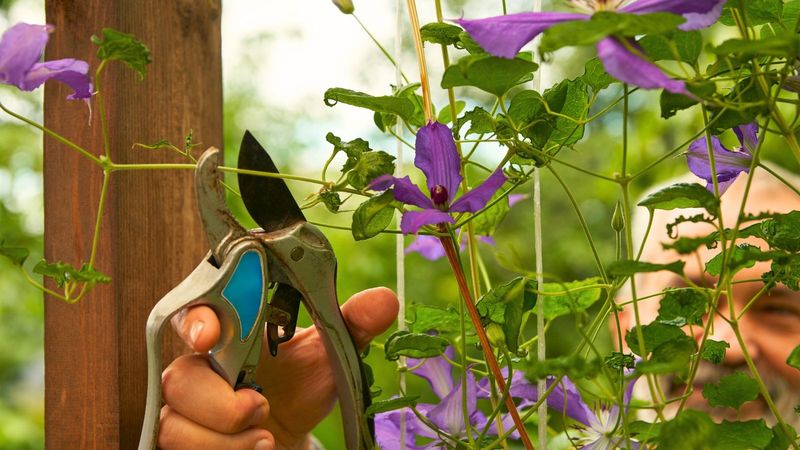
Pruning is an essential task to rejuvenate your clematis. Begin by identifying and removing dead, damaged, or diseased stems. Use sharp, sterilized pruning shears to make clean cuts just above healthy buds.
Pruning not only promotes new growth but also improves air circulation, reducing the risk of fungal infections. Timing is key; prune spring-flowering varieties after blooming and late bloomers in early spring.
Don’t be afraid to cut back severely if necessary; clematis are resilient. Regular pruning will ensure robust growth and an abundance of blooms in the following season.
4. Fertilize Wisely
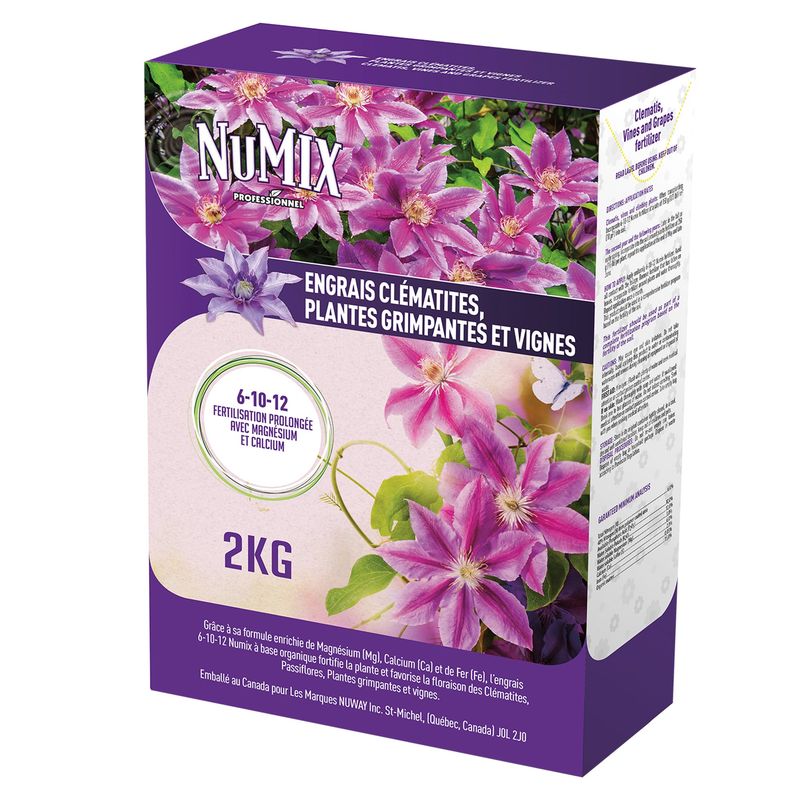
Fertilizing your clematis can provide the necessary nutrients for recovery. Use a balanced, slow-release fertilizer in early spring as new growth appears. Avoid high-nitrogen fertilizers, which can encourage foliage over flowers.
Opt for a formula specifically designed for flowering plants for best results. Reapply according to package instructions throughout the growing season.
Remember, more isn’t always better; over-fertilization can lead to salt build-up and root burn. Following a fertilization schedule tailored to clematis needs will support vigorous blooms and robust plant health.
5. Provide Support Structures
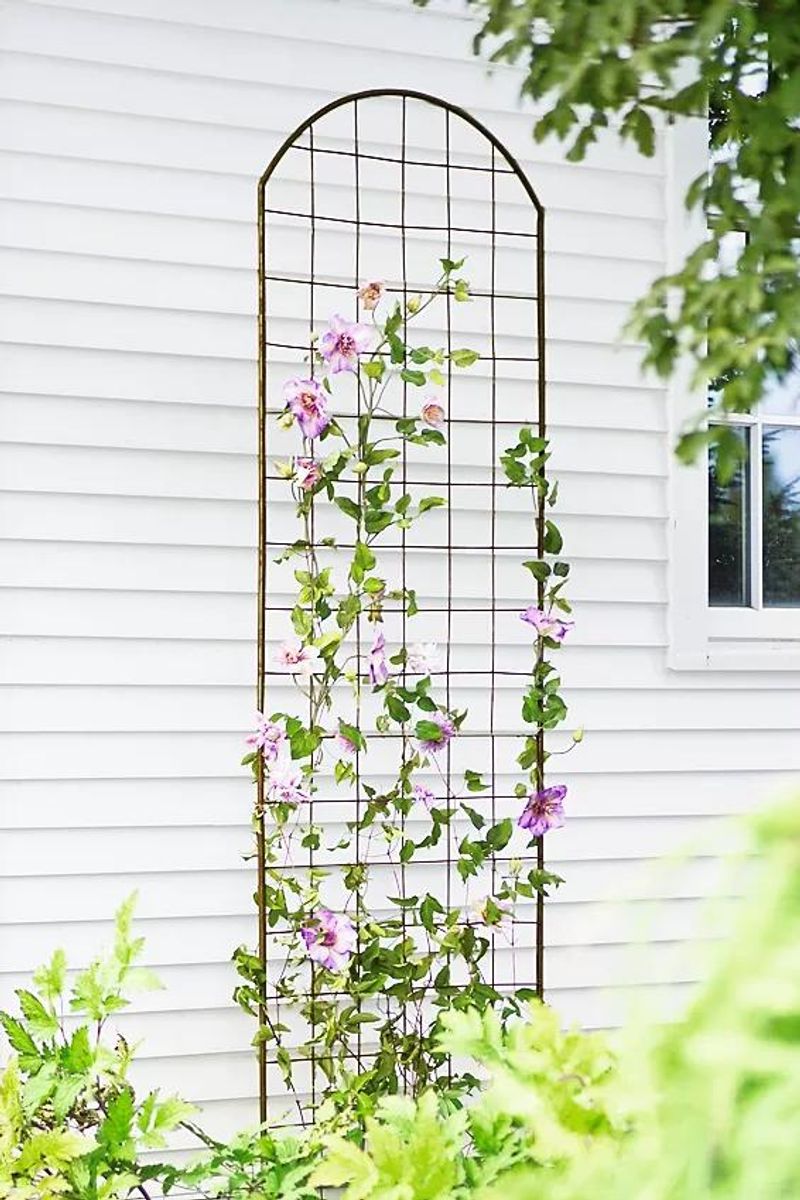
Clematis are natural climbers, and providing adequate support is vital. Install trellises, obelisks, or fences to encourage upward growth. Secure the vines gently with garden ties as they climb.
Supporting structures not only enhance plant aesthetics but also improve air circulation, reducing disease risks. Ensure your support is sturdy enough to withstand growth and weather conditions.
An unsupported clematis can become tangled and stressed, hindering recovery. Implementing proper support systems will allow your clematis to thrive, showcasing its beautiful blooms against a structured backdrop.
6. Check for Pests and Diseases
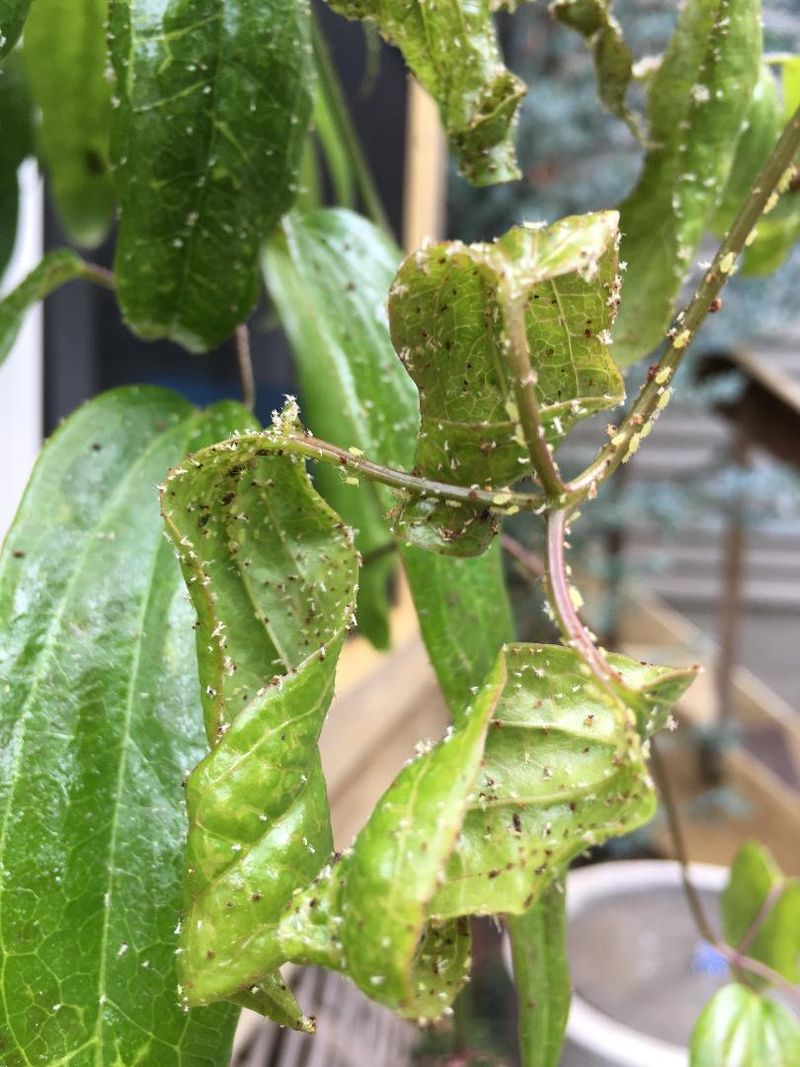
Pests and diseases can wreak havoc on struggling clematis. Regularly inspect leaves and stems for signs of insects or infection. Aphids, slugs, and spider mites are common culprits.
Treat infestations promptly using organic methods like neem oil or insecticidal soap. For fungal diseases, ensure proper spacing and air circulation to prevent spread.
Early detection is crucial; the sooner you address the issue, the better the plant’s chances of recovery. Vigilance is key to maintaining a healthy clematis, ready to bounce back from adversity.
7. Improve Air Circulation
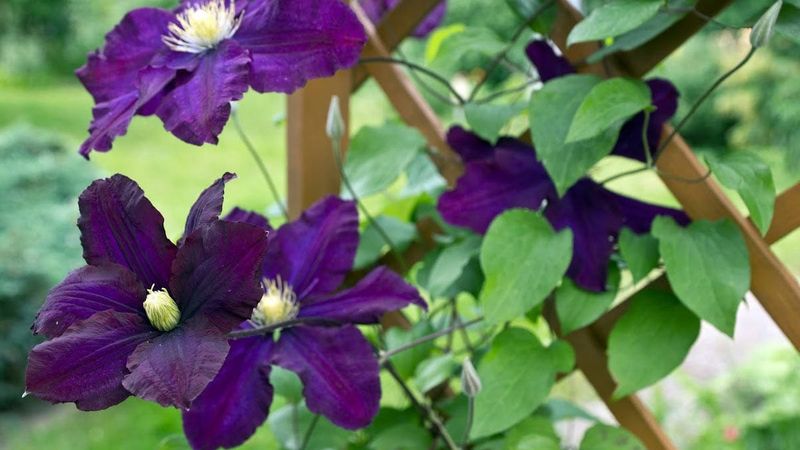
Airflow is often an overlooked aspect of plant health. Ensure your clematis has plenty of space to grow without overcrowding. Proper spacing allows air to circulate freely, reducing humidity and disease risk.
Consider the surrounding landscape; remove or prune back neighboring plants if needed. Good air circulation is particularly important in humid climates where fungal diseases thrive.
By facilitating better airflow, you’ll create a healthier environment for your clematis to flourish. It’s an easy yet impactful way to support your plant’s revival journey.
8. Monitor Sunlight Exposure
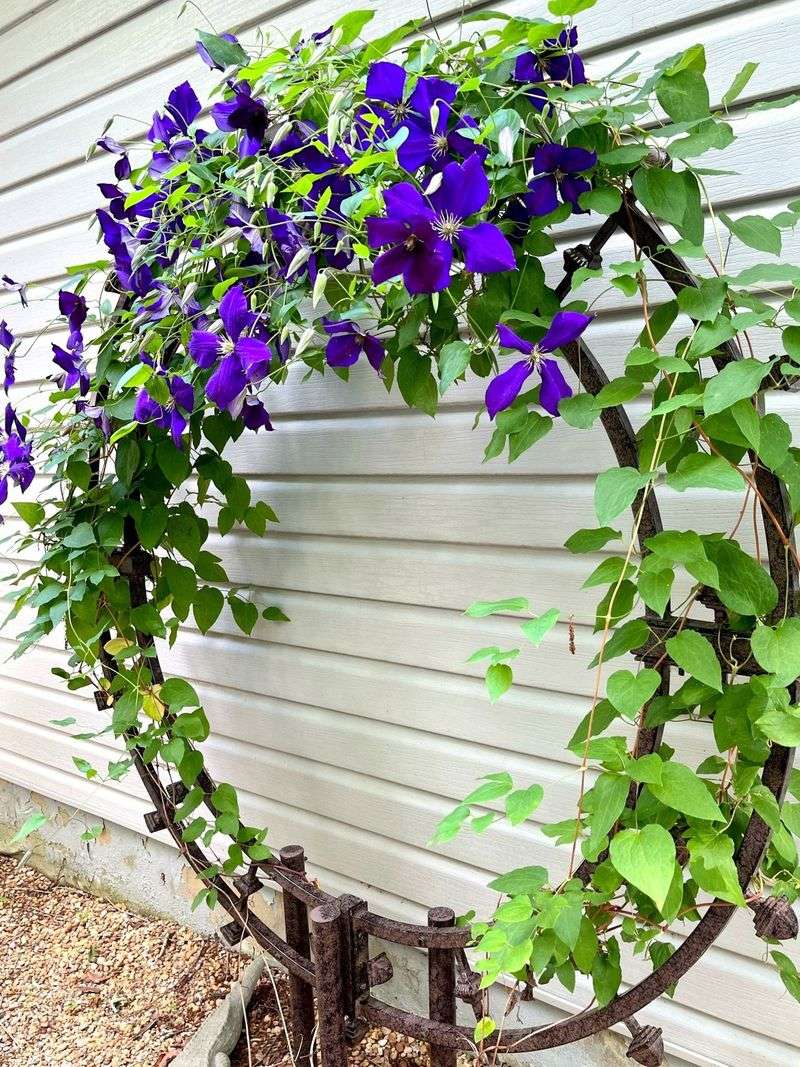
Sunlight is crucial for clematis growth, yet too much or too little can be detrimental. Most varieties prefer full sun to partial shade, requiring at least six hours of sunlight daily.
Observe your plant’s location throughout the day to ensure it’s receiving adequate light. If overshadowed by trees or structures, consider relocating or pruning obstructing foliage.
Sunlight influences blooming and overall vitality. By optimizing sunlight exposure, you’ll help your clematis recover more effectively. Remember, the right balance of sun and shade promotes vibrant blooms and healthy growth.
9. Apply Mulch for Moisture Retention
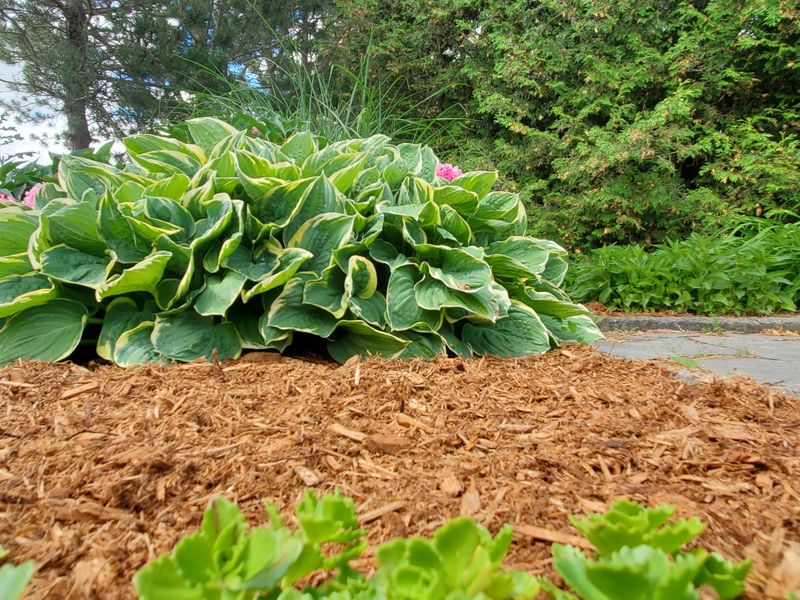
Mulching is a valuable practice for moisture retention and weed suppression. Apply a 2-3 inch layer of organic mulch, such as bark chips or straw, around the base of your clematis.
This layer helps maintain consistent soil moisture and temperature while discouraging weed growth. Ensure mulch is kept away from the stem to prevent rot.
Mulching not only conserves water during dry periods but also enriches the soil as it decomposes. It’s a simple yet effective way to support your clematis’s recovery with minimal effort.
10. Replant for Better Drainage
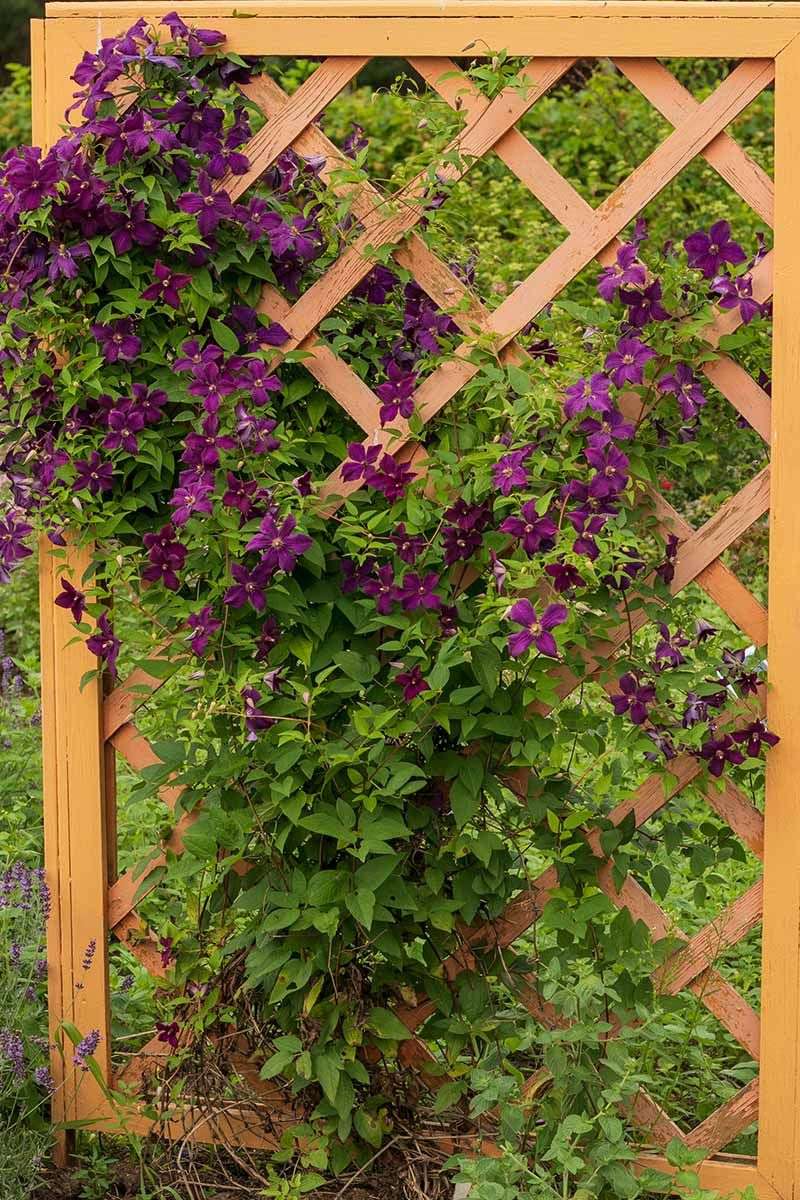
Poor drainage can stunt clematis growth. If waterlogged soil is an issue, consider replanting in a raised bed or mound. This improves drainage and prevents root rot.
When replanting, ensure the root crown remains at soil level. Amend the planting area with organic matter to enhance soil structure.
Proper drainage allows roots to access oxygen and nutrients efficiently. By addressing drainage concerns, you’ll create a more suitable environment for your clematis to thrive. Replanting might seem drastic, but it can be a game-changer for struggling plants.
11. Incorporate Companion Planting
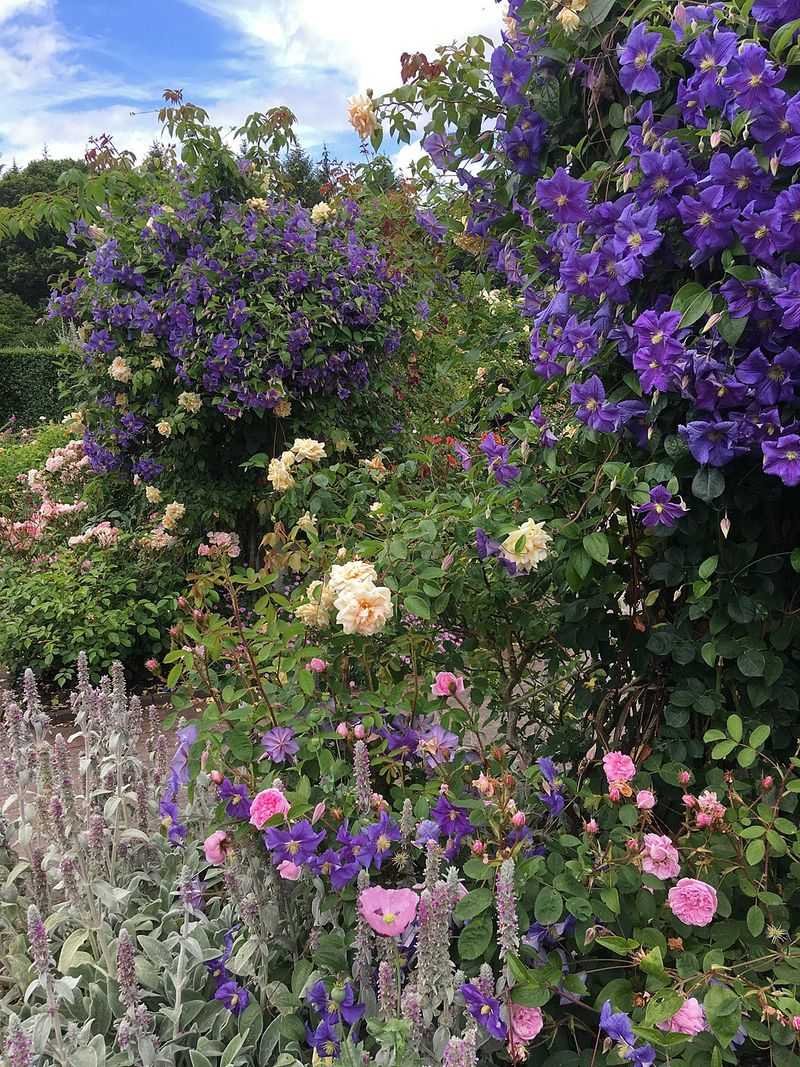
Companion planting can enhance clematis health by promoting biodiversity. Pair with plants like lavender, roses, or ornamental grasses, which share similar growing conditions.
These companions can attract beneficial insects, improving pollination and pest control. Additionally, they provide aesthetic value, creating a visually harmonious garden.
Ensure companions don’t overshadow clematis, allowing ample sunlight and airflow. By integrating companion plants, you can create a balanced ecosystem that nourishes your clematis and fosters a thriving garden environment.
12. Adjusting Nutrient Levels
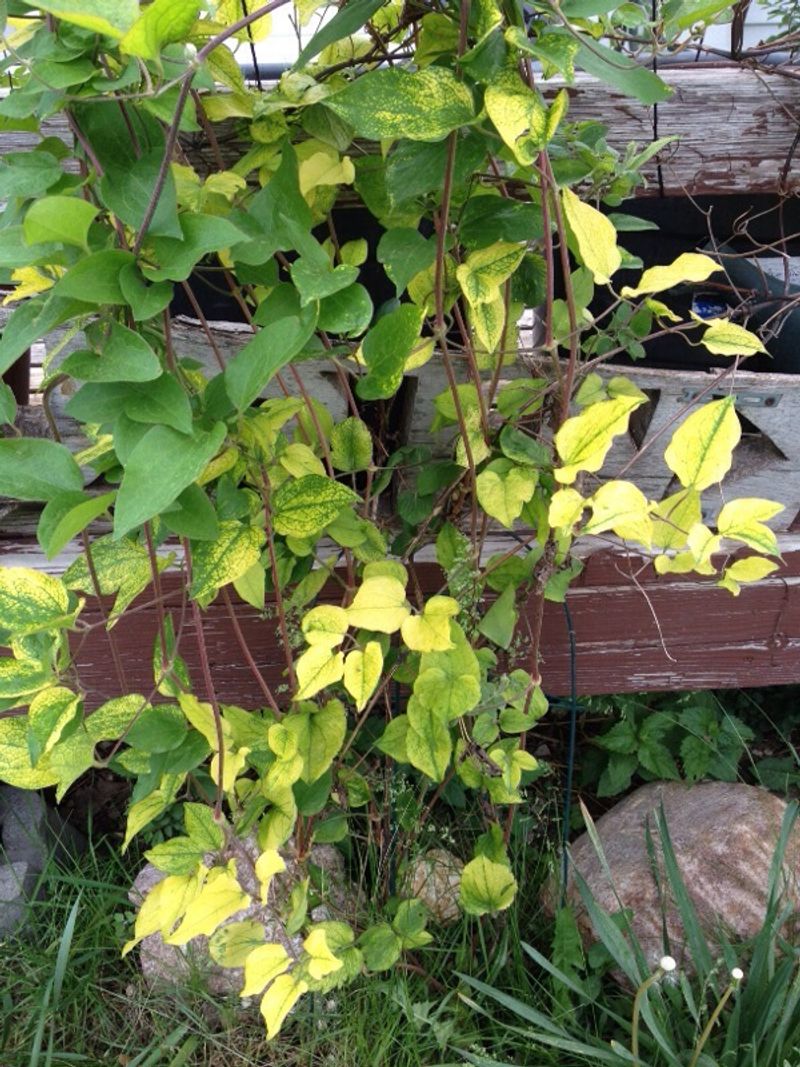
Nutrient imbalances can hinder clematis recovery. Regularly test soil nutrient levels using a home test kit. Focus on key nutrients like nitrogen, phosphorus, and potassium.
Adjust as needed with organic fertilizers to maintain balance. Remember, deficiencies can lead to weak growth, while excesses cause toxicities.
A well-balanced nutrient profile supports robust flowering and resilience. By monitoring and adjusting nutrient levels, you’ll provide the foundation for a healthier, more vibrant clematis, capable of withstanding challenges.
13. Install a Drip Irrigation System
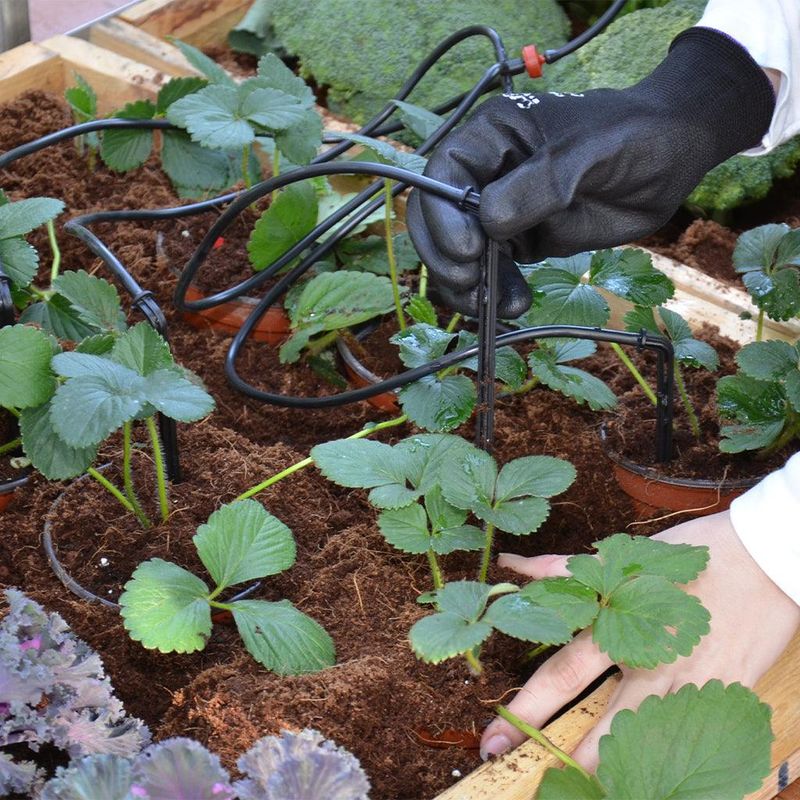
Efficient watering can make a difference for struggling clematis. Install a drip irrigation system to deliver water directly to the root zone. This method conserves water and prevents foliage wetting, reducing disease risk.
Drip systems provide consistent moisture, ideal for clematis, especially during dry periods. They can be automated, ensuring your plant receives regular care.
By implementing a drip irrigation system, you’ll promote healthy root development and minimize stress. It’s an investment that pays off with a flourishing clematis and a more sustainable garden.
14. Winter Protection Strategies
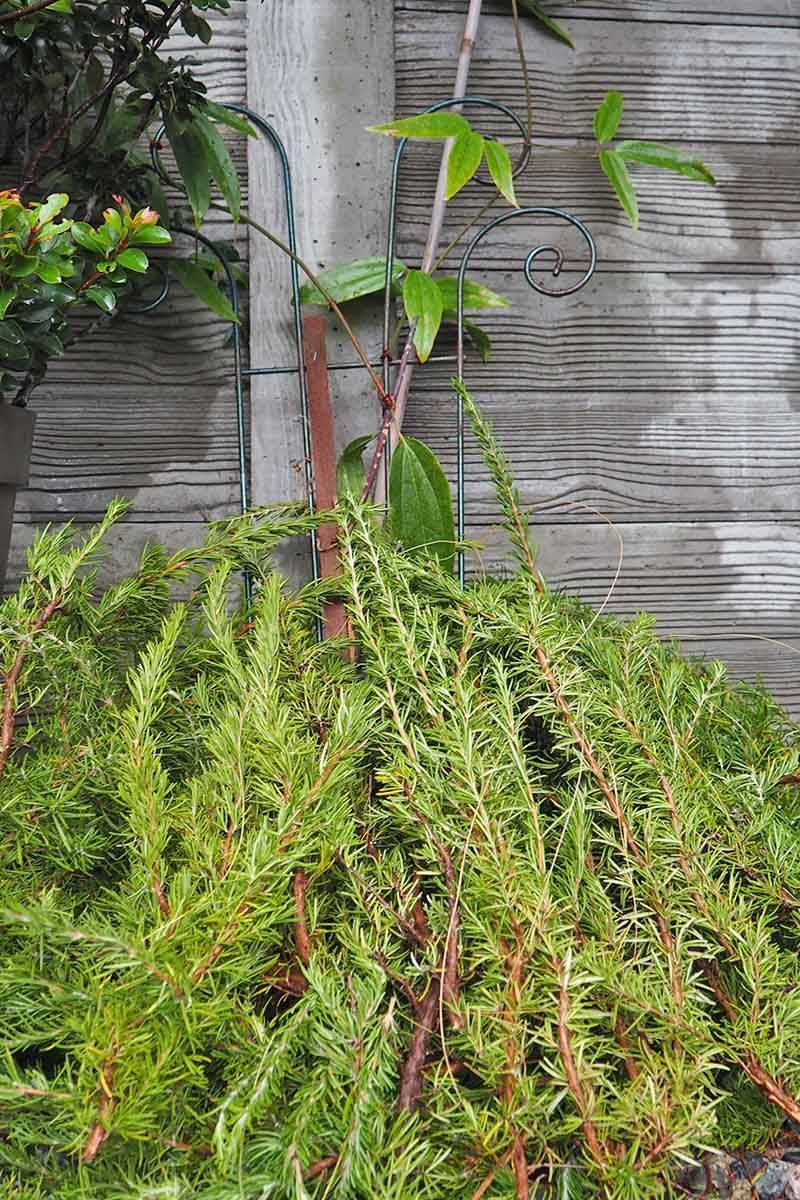
Winter can be harsh on clematis, but protection is possible. Cover the base with a thick layer of mulch to insulate roots. In colder regions, wrap vines with burlap or horticultural fleece.
This shields against frost damage and temperature fluctuations. Avoid pruning too late in the season, which can expose vulnerable areas.
By implementing winter protection strategies, you’ll increase your clematis’s chances of surviving and thriving come spring. Proper care during the cold months ensures a robust and healthy plant next season.
15. Avoid Overcrowding
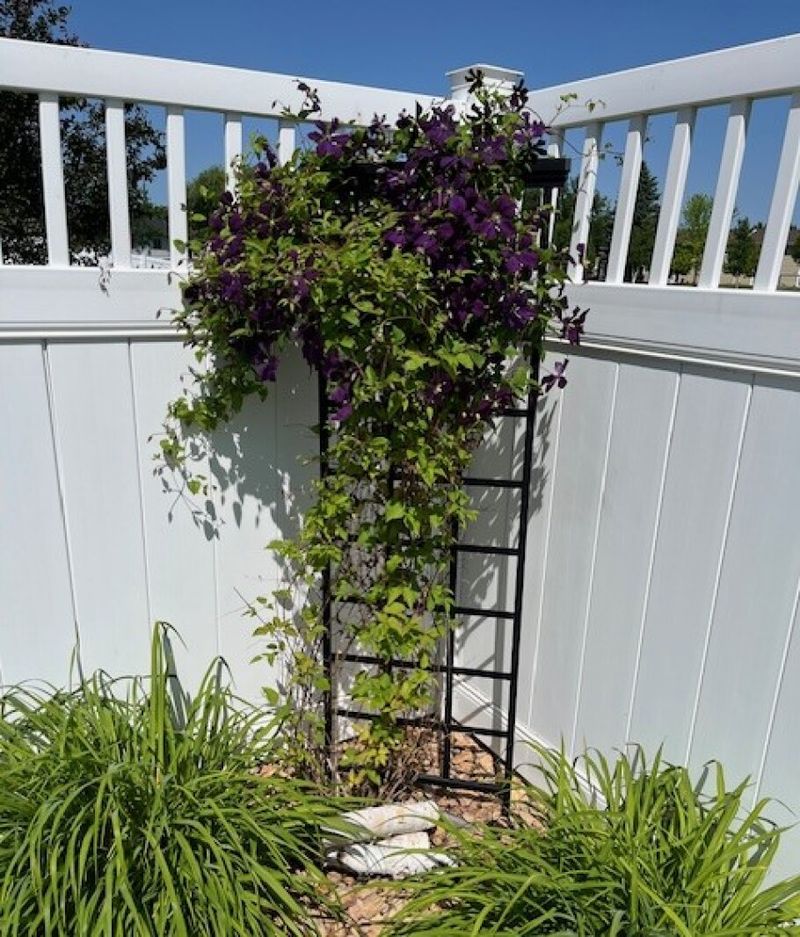
Overcrowding can stress clematis, leading to poor growth. Ensure ample spacing between plants, considering mature size. Proper spacing allows sunlight and air to reach all areas, reducing competition for resources.
Crowded plants are more susceptible to pests and diseases. Prune surrounding vegetation to maintain openness.
By preventing overcrowding, you’ll create an ideal environment for your clematis to flourish. It’s a straightforward strategy that supports overall plant health and vitality.
16. Evaluating and Optimizing pH Levels
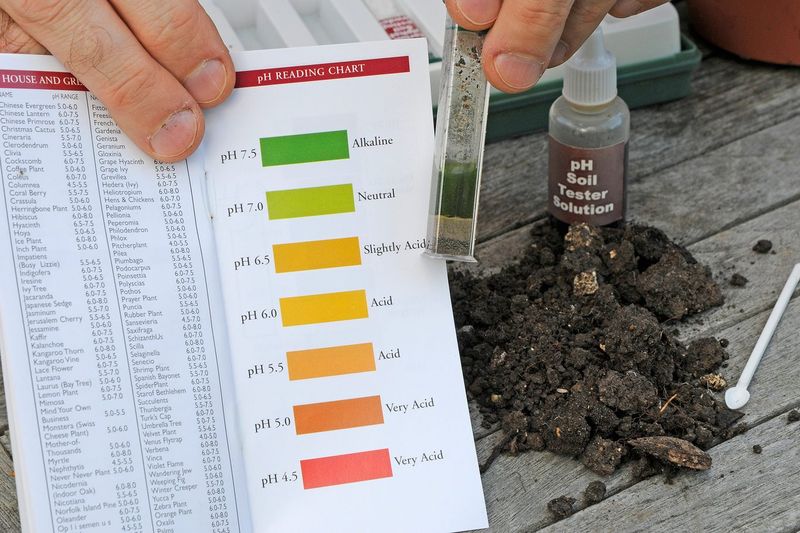
pH levels can significantly impact clematis health. Test soil pH regularly, aiming for a neutral to slightly alkaline environment. Use lime to raise or sulfur to lower pH, if necessary.
pH balance affects nutrient availability, influencing growth and flowering. Regular adjustments ensure clematis receives essential nutrients for recovery.
By evaluating and optimizing pH levels, you’ll create favorable conditions for your clematis to thrive. It’s a key component of plant care that supports vibrant blooms and robust growth.
17. Embrace Biodynamic Gardening
Harness the cosmic rhythm! Biodynamic gardening, an age-old practice, fosters a spiritual connection with your plants. By tuning into celestial cycles, you can invigorate your clematis.
Try planting according to moon phases: new moons for roots, full moons for blooms. This ancient technique can enhance growth and resilience.
Mixing special composts, known as “preparations,” into your soil adds another mystical layer. Each blend, drawn from natural resources, enriches the earth and links it to the universe. Embrace this holistic approach, and your garden will thrive beyond expectations.