 Complete Gardening
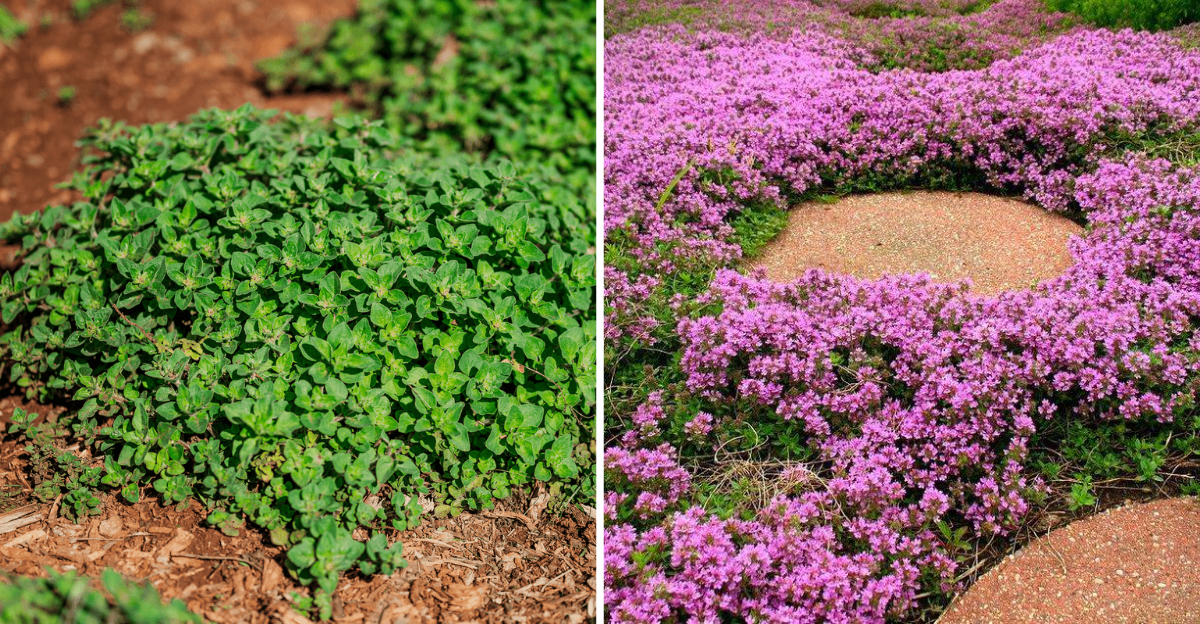
Ground covers are more than just an aesthetic addition to your garden. They serve as a protective shield for the soil, conserving moisture and suppressing weeds. What if these covers could also be a source of food? Enter edible ground covers, a delightful fusion of beauty and utility. These plants spread across the soil, offering lush greenery and a bountiful harvest. Perfect for those looking to maximize garden productivity while maintaining visual appeal. From the peppery taste of nasturtiums to the sweet allure of strawberries, these plants turn any garden into a feast for the eyes and the palate.
1. Thyme
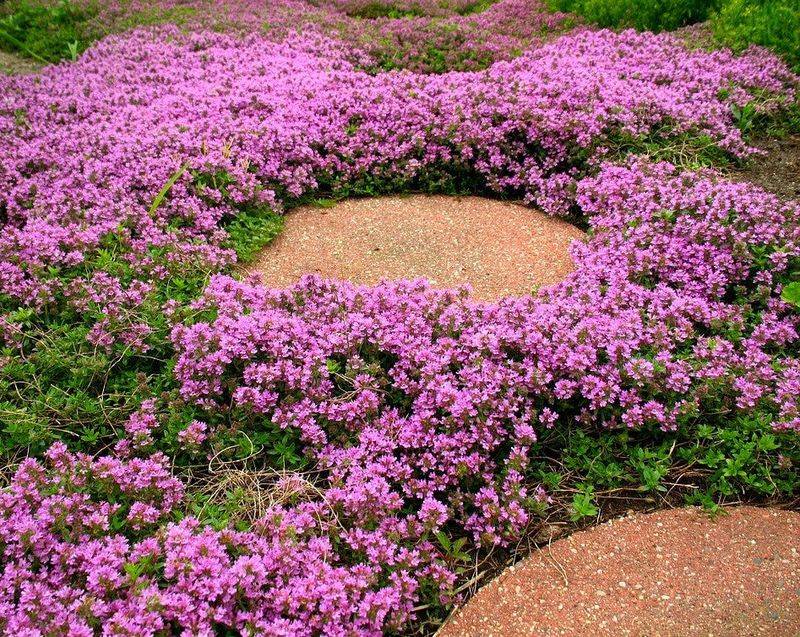
Thyme whispers tales of the Mediterranean with its aromatic leaves. This herb spreads low across the ground, creating a verdant carpet that delights both the eyes and the palate.
Its small, purple flowers attract bees, ensuring your garden buzzes with life.
Perfect for seasoning meats and vegetables, thyme’s culinary versatility is unmatched. Did you know? In ancient times, thyme symbolized bravery. Its hardy nature means it thrives in well-drained soil, basking under full sun. Whether used fresh or dried, thyme’s presence in the garden is both practical and poetic.
2. Creeping Jenny
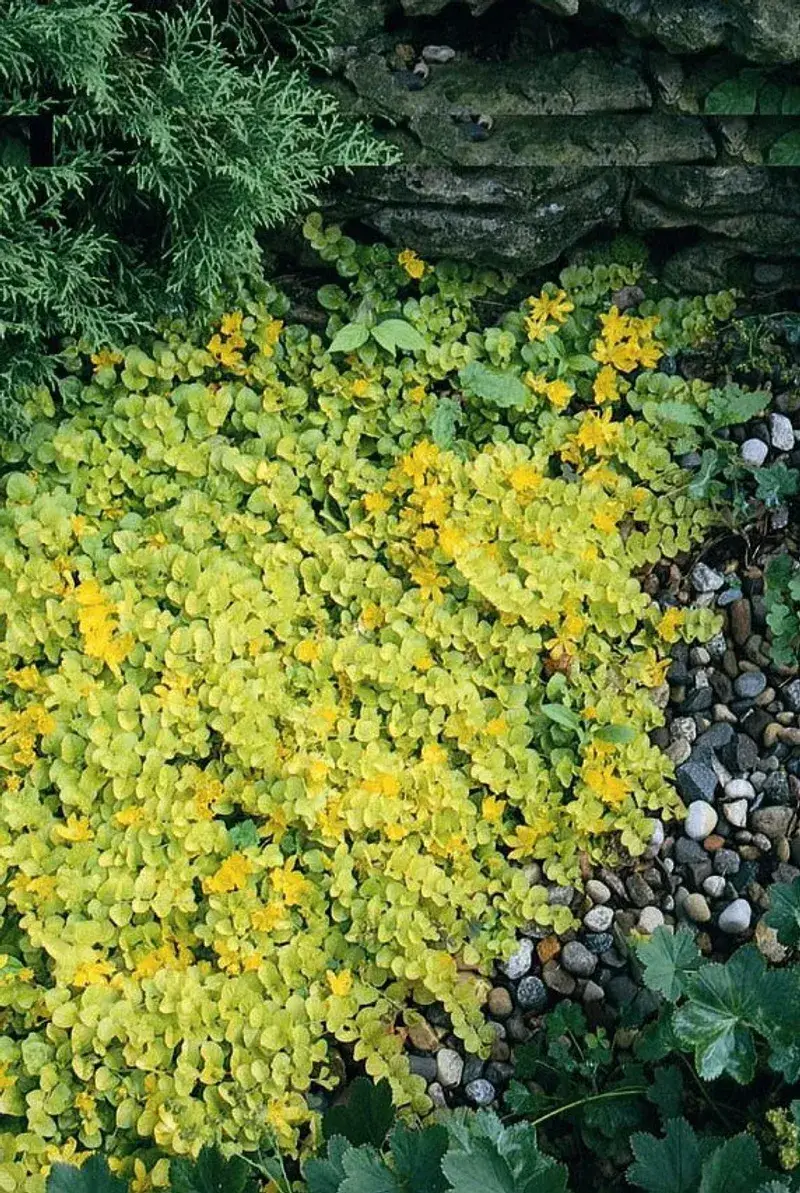
Creeping Jenny, or Lysimachia, is a cheerful visitor in any garden. Its round leaves shimmer like golden coins under the sun.
In spring, yellow flowers add a splash of color, making it a visual treat. This plant excels at filling gaps, spreading swiftly to cover bare soil.
While primarily ornamental, young leaves can be sparingly added to salads for a tangy twist. Its ability to thrive in damp conditions makes it suitable for areas near water features or ponds, providing both beauty and erosion control.
3. Wild Strawberry
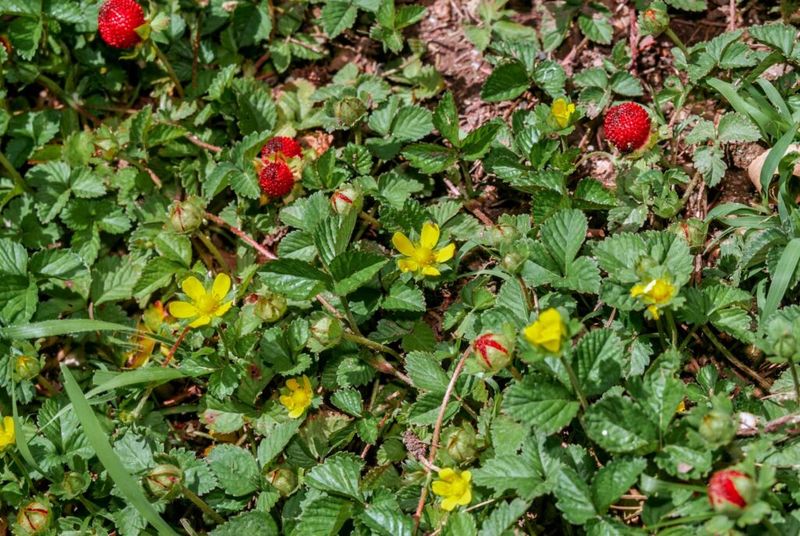
Wild strawberries transform gardens into edible wonderlands. Their sweet berries, although small, pack intense flavor.
With runners that spread eagerly, they cover ground efficiently, forming dense mats.
Not just for eating, these berries bring wildlife to your garden, attracting birds and insects. The sight of vibrant red fruits against lush green foliage is a visual delight. Preferring sunny spots with well-drained soil, wild strawberries offer both culinary and ecological benefits, ensuring your garden remains lively and productive throughout the season.
4. Nasturtium
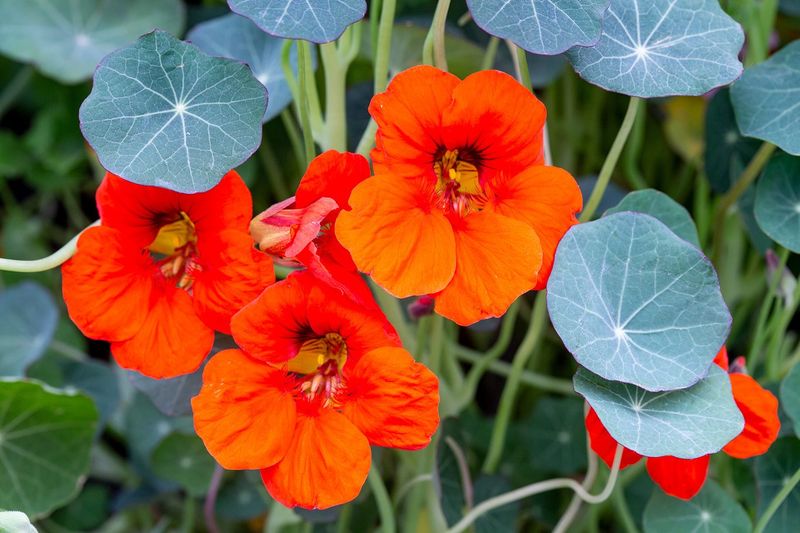
Nasturtiums bring a burst of color and flavor to any garden. With their peppery leaves and vibrant flowers, they are as tasty as they are beautiful.
These plants are easy to care for, thriving in poor soil and requiring little maintenance.
Both leaves and flowers are edible, adding spice to salads and garnishes. Nasturtiums are also excellent companions, deterring pests from nearby plants. Their vigorous growth habit ensures they cover ground quickly, making them ideal for filling bare patches with color and life, all while contributing to your kitchen.
5. Oregano
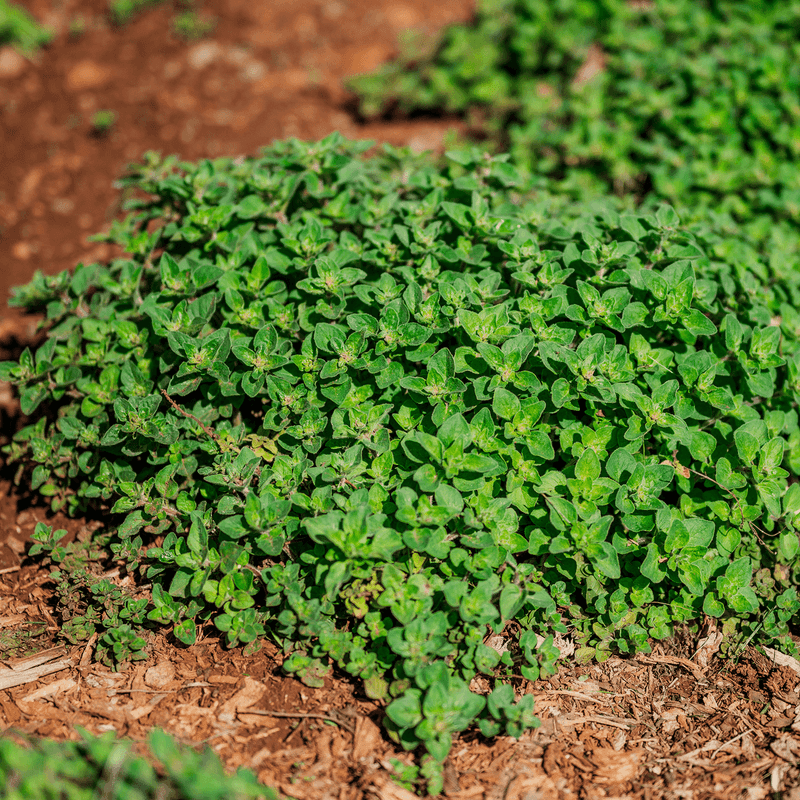
Oregano’s robust flavor is well-known in kitchens, but its ground-covering prowess is equally impressive. With petite leaves and lilac flowers, it forms a dense mat.
Bees adore its blooms, making it a pollinator-friendly option for gardens.
Its resilience allows it to thrive in dry, rocky soils, reflecting its Mediterranean origins. Ideal for edging pathways or filling gaps, oregano’s presence is both aromatic and aesthetic. Regular trimming enhances its growth, ensuring a lush, fragrant landscape. Incorporate oregano into your garden, and savor its culinary contributions year-round.
6. Chamomile
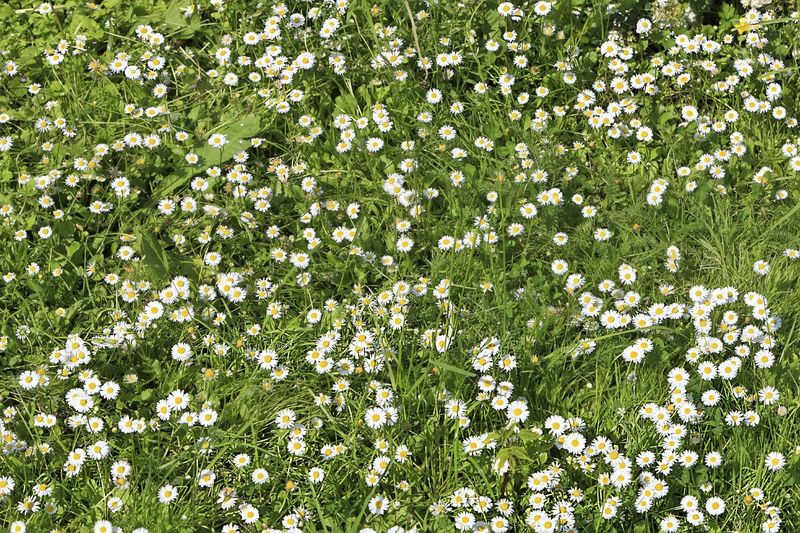
Chamomile’s soothing nature extends beyond its famed tea. This plant’s daisy-like flowers create a charming cover, reminiscent of meadows.
Known for its calming scent, chamomile is perfect for sensory gardens.
As a hardy perennial, it grows well in sandy soils under full sun. Harvesting its flowers for tea adds a personal touch to your garden experience. Apart from its beauty, chamomile improves soil health by repelling certain pests, making it a valuable companion plant. Experience tranquility and utility with chamomile in your garden space.
7. Mint
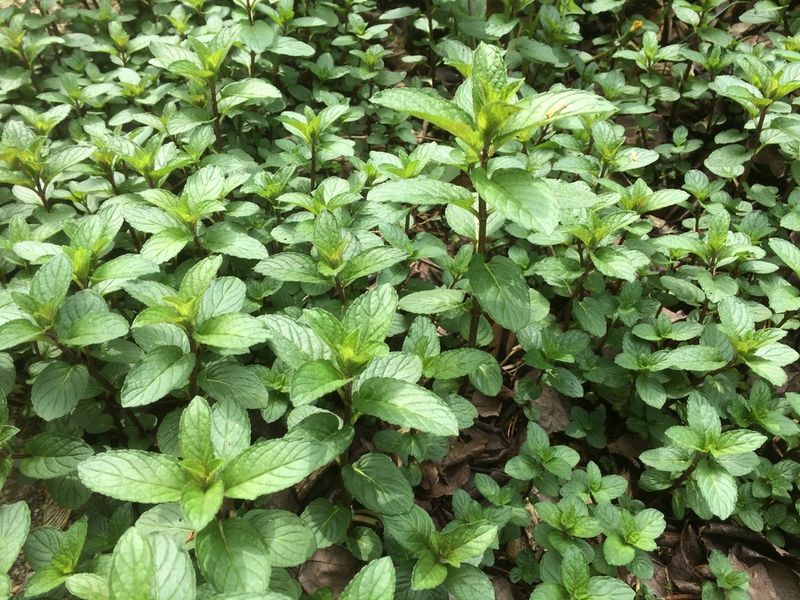
Mint, with its invigorating scent, is more than just a tea companion. Its vigorous growth ensures rapid ground coverage, turning bare soil into lush greenery.
Known for its ability to repel pests, mint supports a healthy garden ecosystem.
Its leaves are perfect for culinary uses, from refreshing drinks to aromatic dishes. Be mindful, as mint can be invasive, so consider using barriers to control its spread. Its resilience and ease of growth make mint an ideal candidate for gardeners looking to fill spaces quickly and enjoy its aromatic benefits.
8. Basil
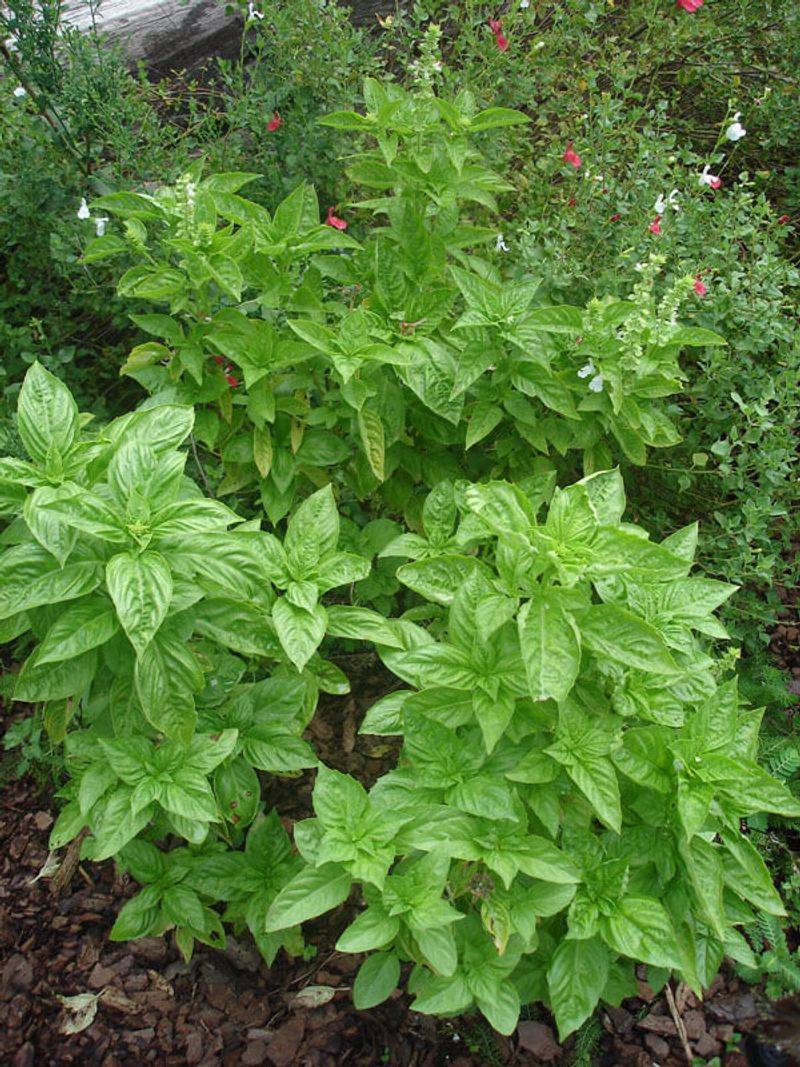
Basil’s aromatic leaves are a staple in many kitchens, but they also make excellent ground covers. With lush foliage and tiny white flowers, basil adds both beauty and function.
It thrives in sunny locations, preferring well-drained soil. This herb not only enhances culinary creations but also repels garden pests.
Regular harvesting encourages dense growth, making it a practical choice for covering ground. Whether used fresh or dried, basil provides flavor and fragrance to your garden, transforming ordinary plots into aromatic havens for both gardeners and pollinators.
9. Creeping Thyme
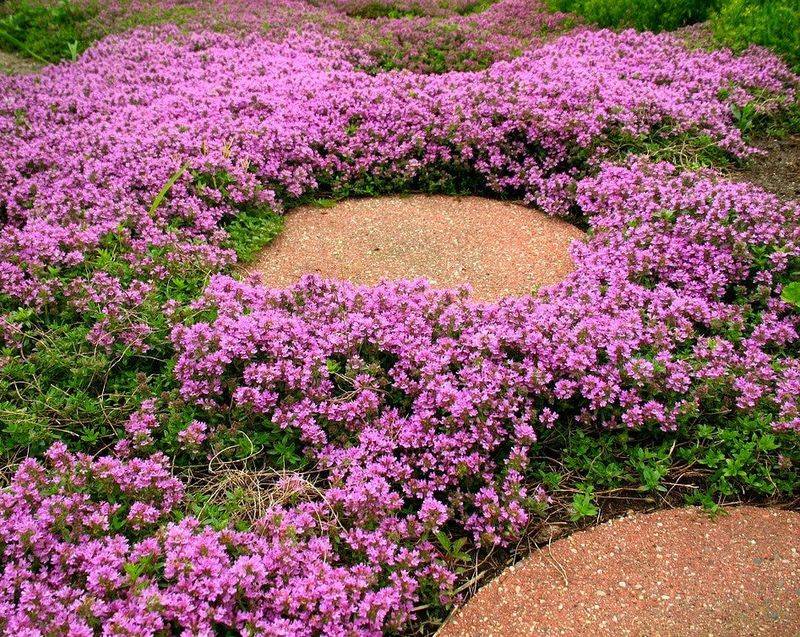
Creeping thyme forms a fragrant, ground-hugging mat that adds charm to any garden. Its tiny leaves exude a subtle aroma when stepped upon.
In late spring, it dazzles with clusters of purple flowers, inviting bees and butterflies.
This plant prefers sunny spots and well-drained soil, making it ideal for rock gardens or paths. Creeping thyme’s low growth habit ensures it fills spaces seamlessly, creating lush, aromatic carpets. Use it to soften garden edges or fill gaps, and enjoy its pleasing scent and visual appeal throughout the growing season.
10. Lemon Balm
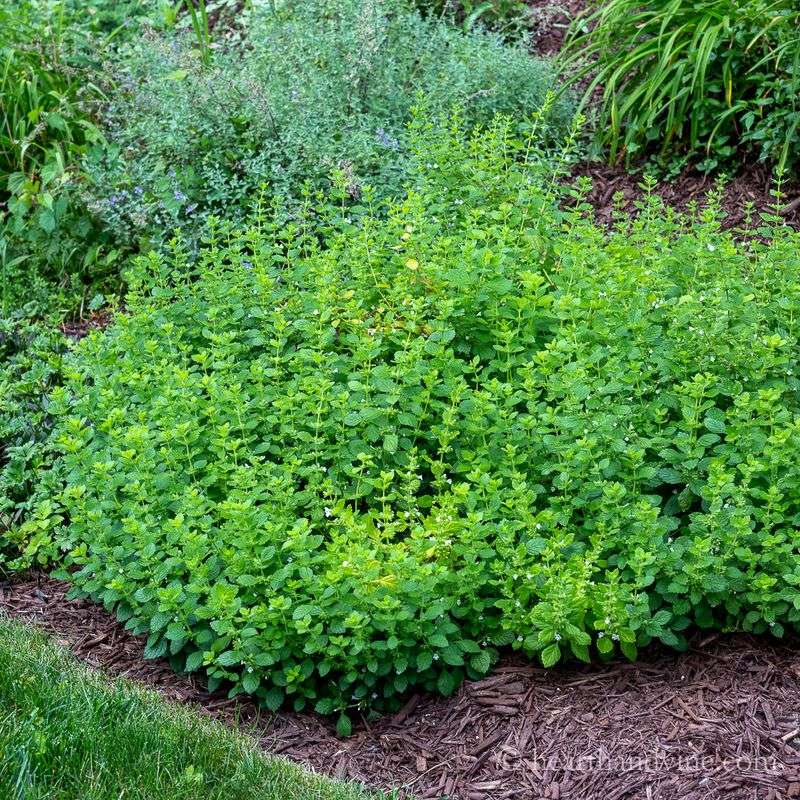
Lemon balm’s citrusy scent is unmistakable. As a ground cover, its heart-shaped leaves form dense mounds of greenery.
Thriving in partial shade, it adds zest to gardens with its fresh fragrance. This hardy herb is perfect for creating soothing teas and culinary dishes.
Its ability to attract pollinators while deterring pests makes it a dual-purpose plant. Lemon balm’s vigorous growth requires occasional trimming to keep it in check, ensuring it remains a delightful and manageable part of your garden landscape, fulfilling both sensory and ecological roles.
11. Chives
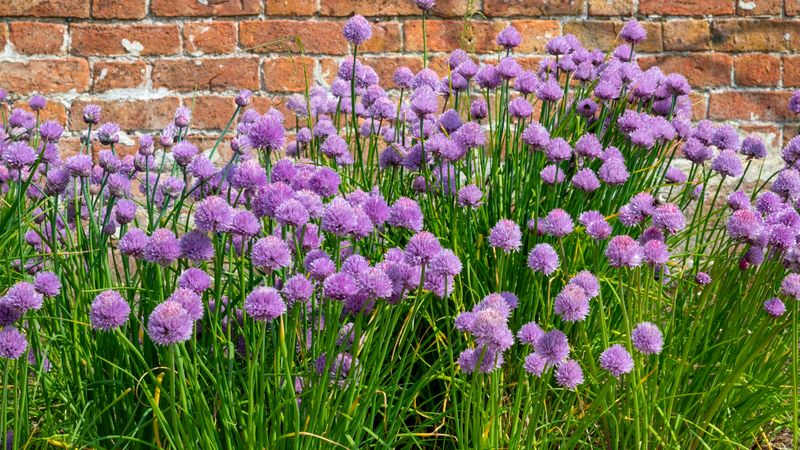
Chives stand tall with their slender, hollow leaves and delicate lavender flowers. This perennial herb forms clumps that spread slowly, providing gentle ground coverage.
Their mild onion flavor is a favorite in kitchens, perfect for garnishing many dishes.
Chives thrive in sunny spots and well-drained soil, requiring minimal maintenance. Their blooms attract pollinators, enhancing garden biodiversity. Regular harvesting encourages growth, making chives a sustainable choice for both culinary and ornamental purposes. Incorporate chives in your garden for a touch of green elegance and flavorful yields.
12. Sorrel
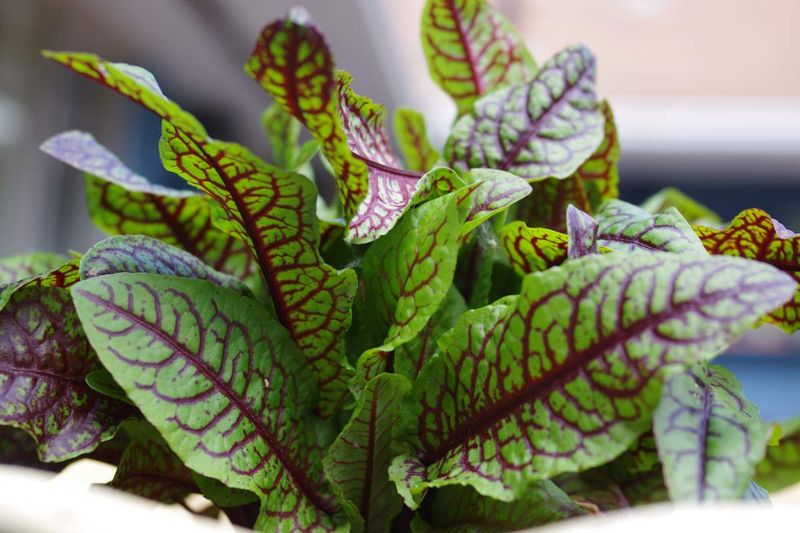
Sorrel, with its tangy leaves, brings a burst of flavor to gardens. Its broad, green leaves form dense clumps, offering excellent ground coverage.
Often used in soups and salads, sorrel’s citrusy taste is distinctive.
Thriving in both full sun and partial shade, it is versatile and easy to grow. Sorrel’s leaves are rich in vitamins, adding a nutritious aspect to your garden harvest. Regular harvesting promotes lush growth, making it a valuable addition to any edible landscape. Embrace sorrel for its taste and texture, enhancing both garden and kitchen.
13. Parsley
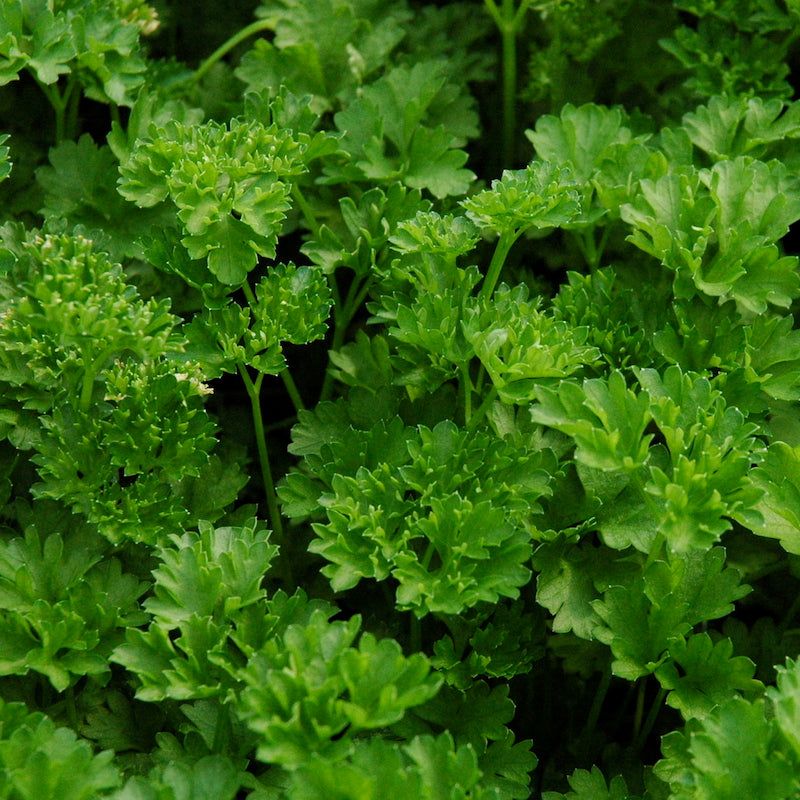
Parsley’s curly green leaves are a familiar sight in many gardens. This biennial herb spreads steadily, providing lush ground cover.
Known for its fresh flavor, parsley is a staple in culinary dishes worldwide. Its rich foliage thrives in sunny or partially shaded areas.
Regular trimming encourages dense growth, creating a persistent green carpet. Parsley attracts beneficial insects, supporting a healthy garden ecosystem. Incorporate parsley into your garden for both its aesthetic and edible qualities, transforming ordinary spaces into vibrant displays of greenery and flavor.
14. Purslane
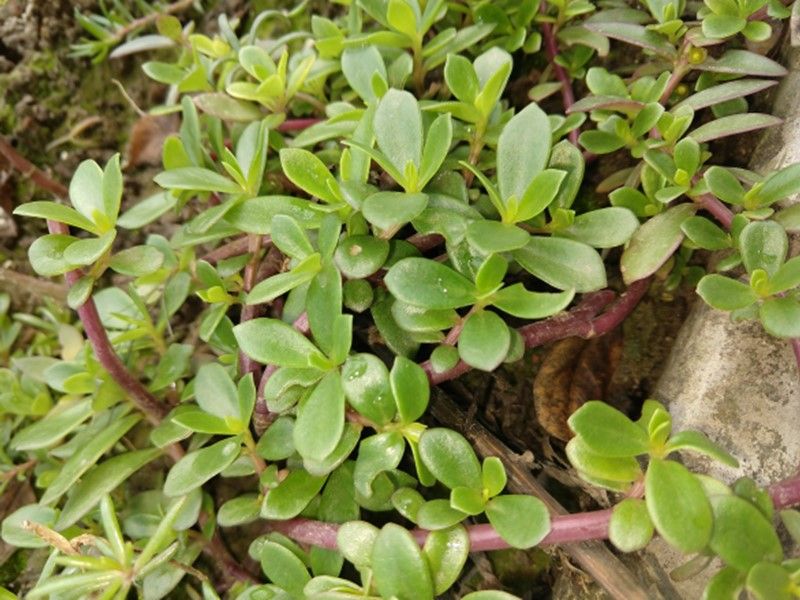
Purslane, often overlooked, makes a resilient ground cover with its succulent leaves and tiny yellow blooms.
Its leaves offer a slightly tangy flavor, perfect for salads. Known for its drought tolerance, purslane thrives in poor soils and full sun.
As it spreads, it forms a dense mat, suppressing weeds and retaining soil moisture. Its high omega-3 content adds nutritional value to your garden. Purslane’s low maintenance and versatile growth make it an ideal choice for those seeking an edible ground cover that combines practicality with unique taste.
15. Borage
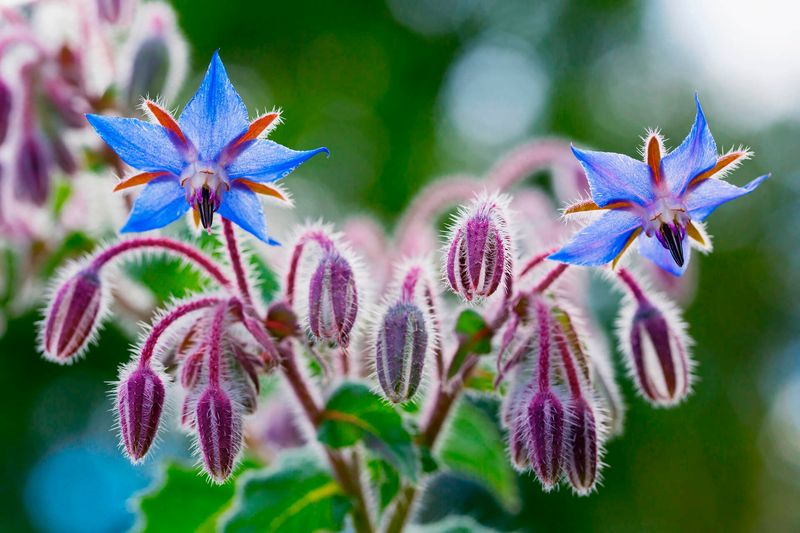
Borage stands out with its star-shaped blue flowers and bristly leaves. This annual herb spreads quickly, covering ground with vibrant color.
Borage flowers are edible and often used to garnish beverages, adding a cucumber-like flavor.
Thriving in sunny locations, borage attracts pollinators, enriching garden biodiversity. Its leaves can be used in salads or cooked dishes, providing a mild flavor. As a companion plant, borage improves soil health and deters pests. Incorporate borage into your garden to enjoy its visual appeal and edible qualities, creating a lively and productive space.
16. Cilantro
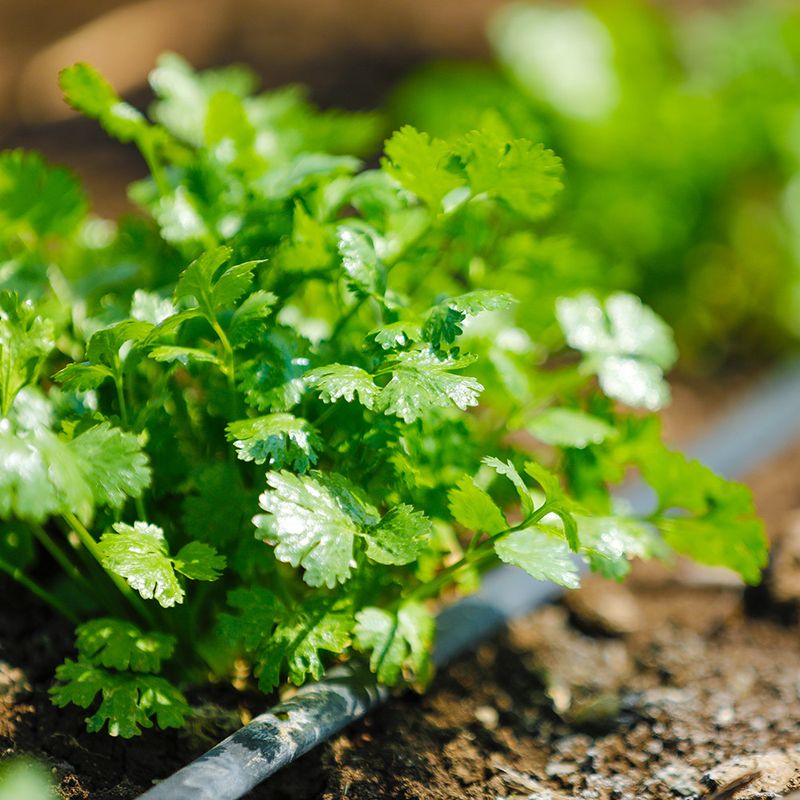
Cilantro’s unique flavor and feathery leaves make it a popular herb in many cuisines.
As a ground cover, it spreads steadily, creating a lush, green expanse. Its small white flowers attract beneficial insects, enhancing garden health.
Cilantro prefers sunny spots with well-drained soil. Regular harvesting encourages bushy growth, ensuring a continuous supply of fresh leaves. Its seeds, known as coriander, add another layer of utility. Incorporate cilantro into your garden for its culinary versatility and ability to support biodiversity, enriching both your meals and your garden’s ecosystem.
17. New Zealand Spinach
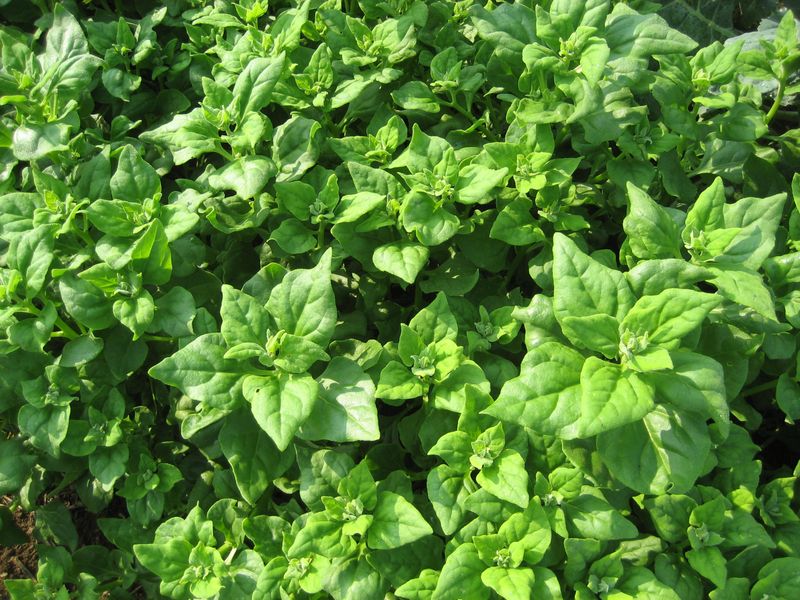
Imagine a plant that thrives in warm climates and offers edible leaves throughout the growing season. New Zealand Spinach, with its vibrant green foliage, is a perfect ground cover for sunny areas. Its succulent leaves have a mild, slightly nutty flavor, ideal for salads and stir-fries.
This plant is not a true spinach but an excellent alternative for summer gardening when traditional spinach falters. Fun fact: it was a favored food source for Captain Cook’s crew to prevent scurvy.
New Zealand Spinach grows rapidly, creating a dense mat that suppresses weeds and conserves moisture, making it both beneficial and beautiful.